01 — Press System
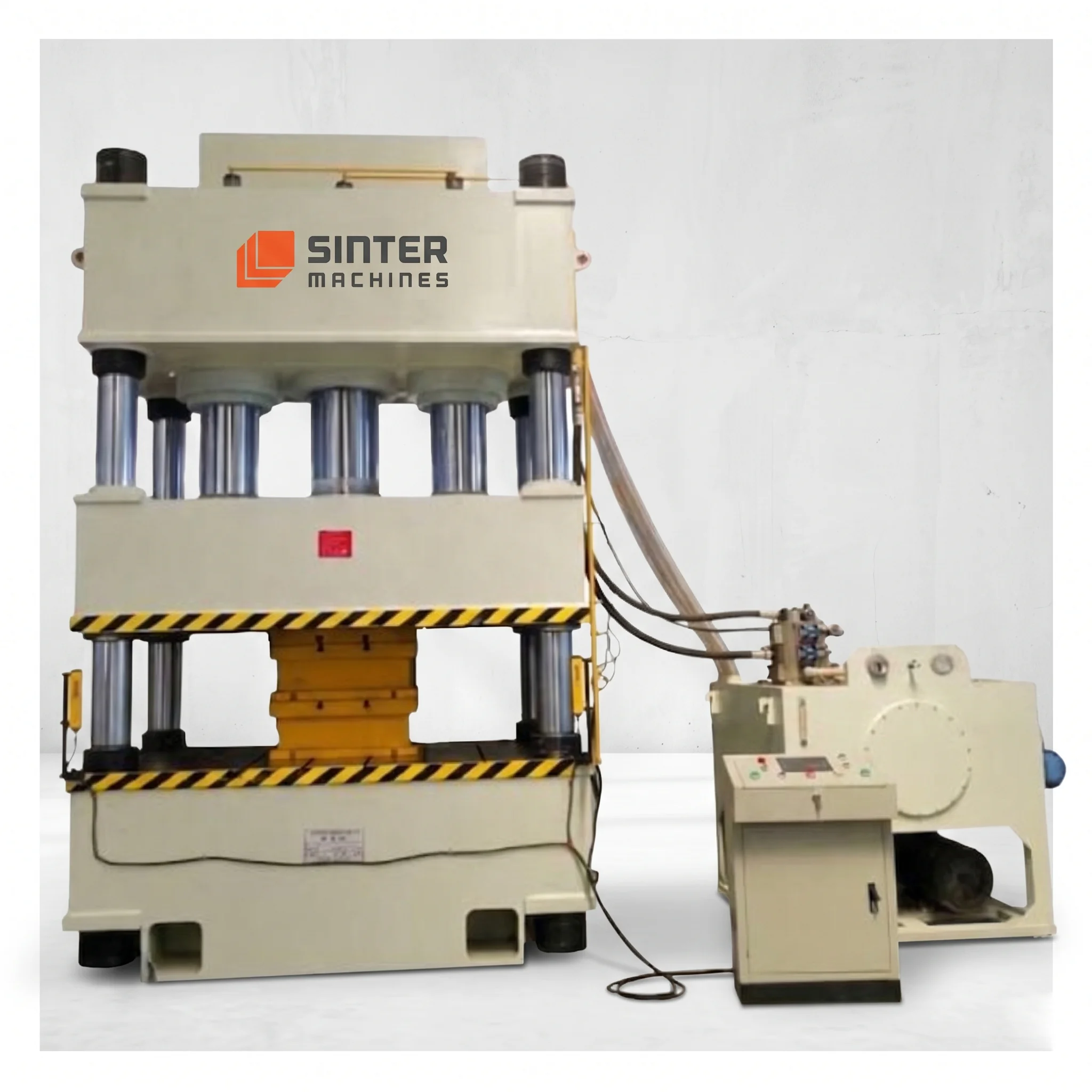
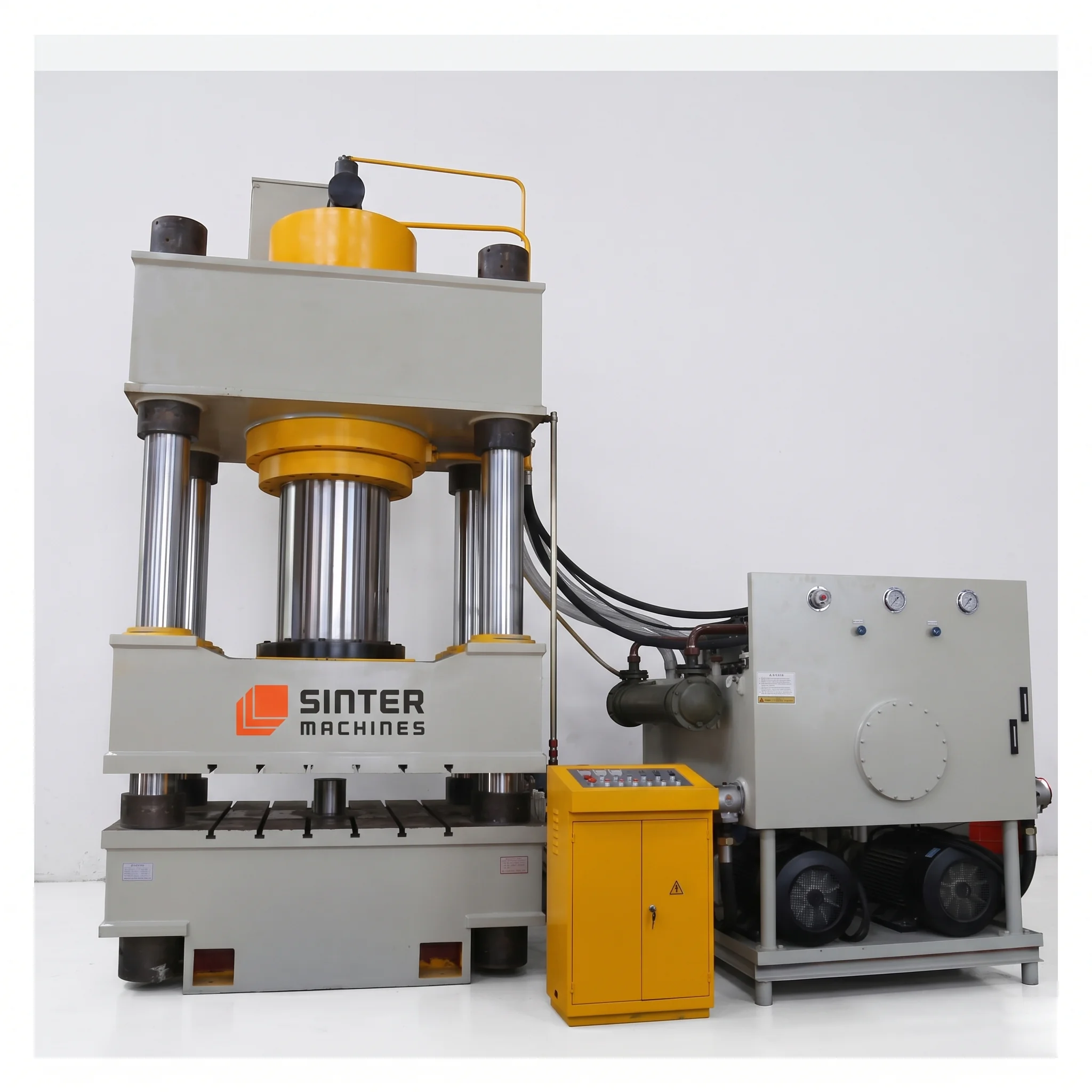
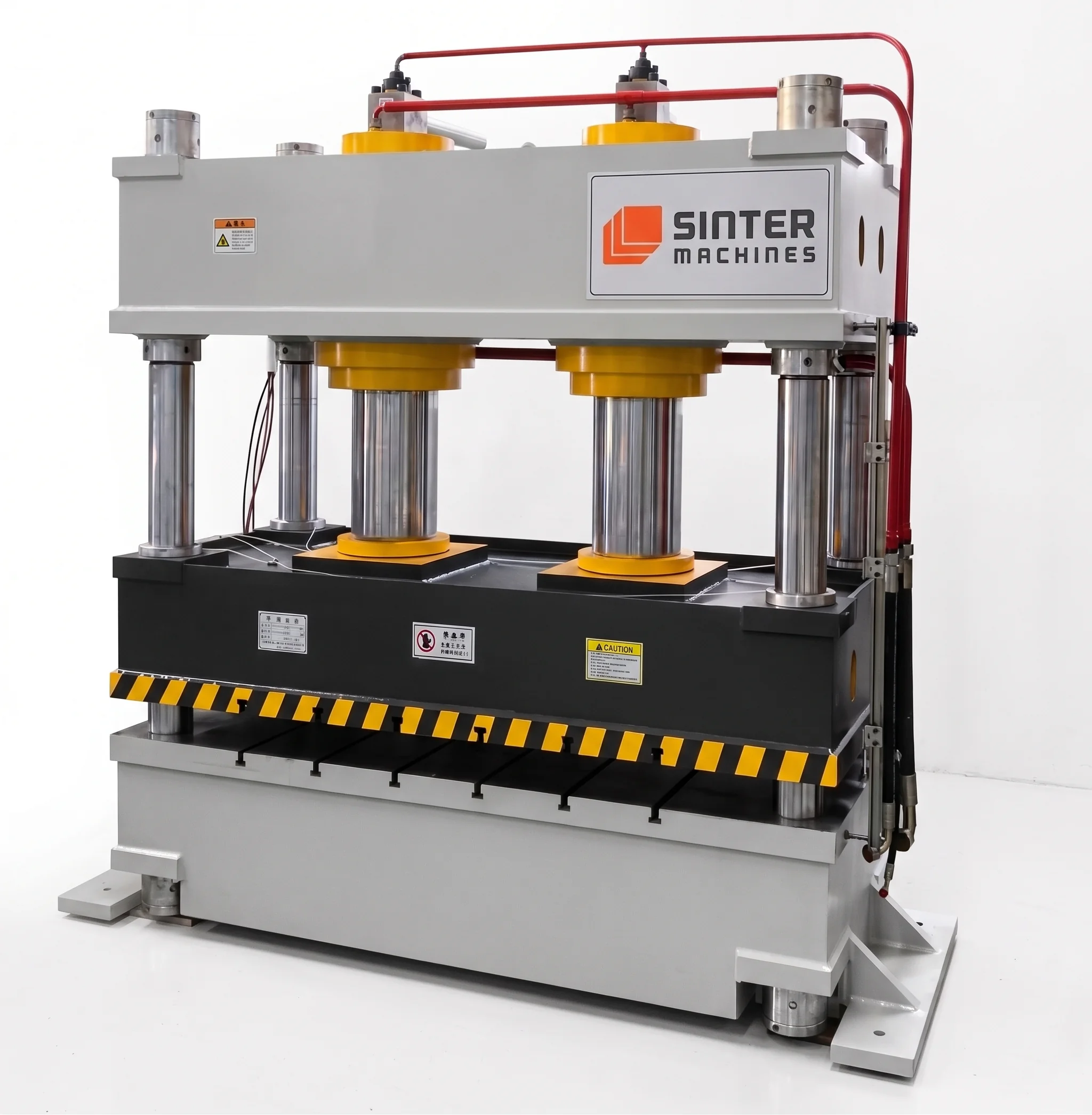
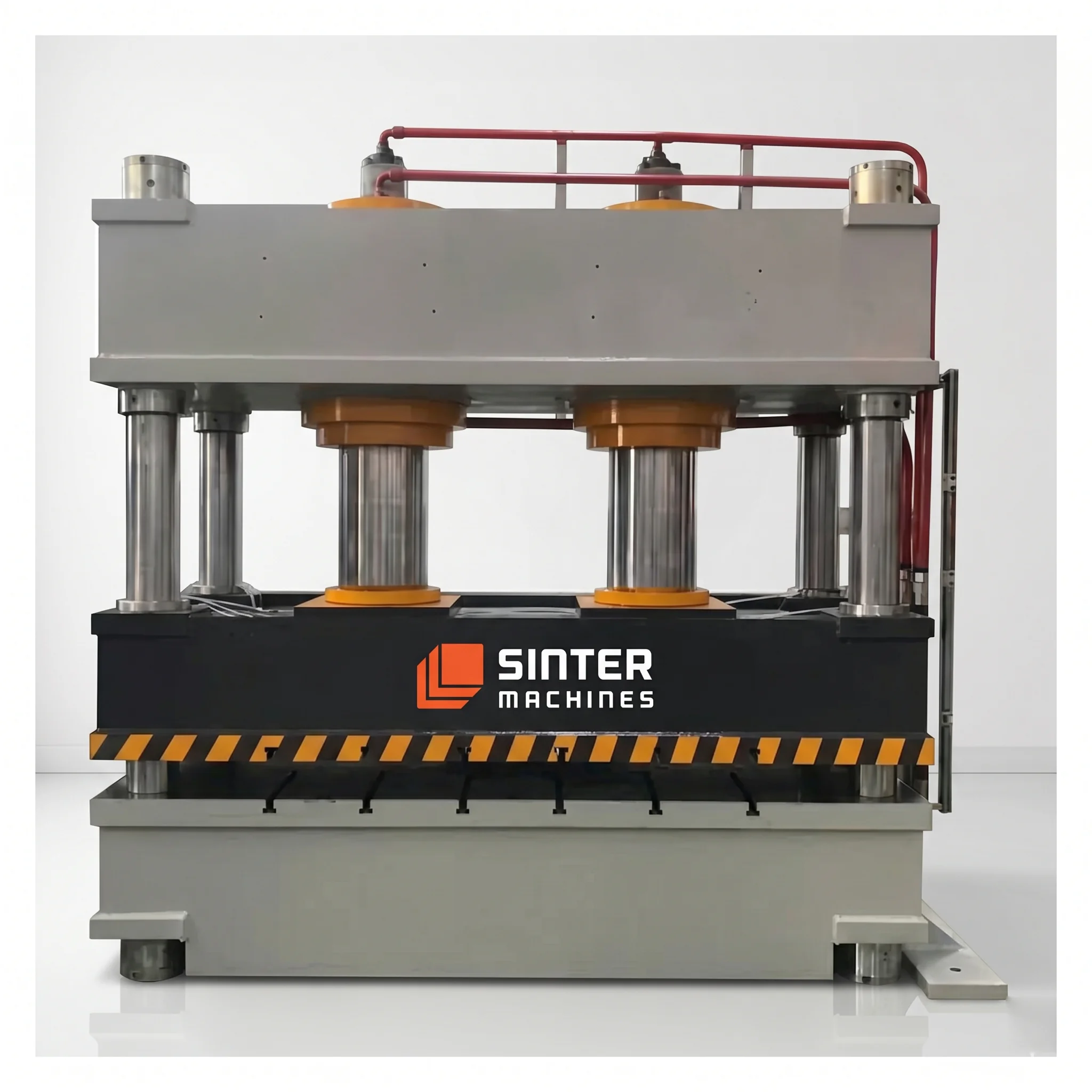
1000T Four Column Hydraulic Press Machine
Engineered to deliver high, uniform compaction force over large surface areas to produce high-density friction components. It ensures strict flatness control and exceptional structural integrity required for heavy-duty transmission systems.
Use Case
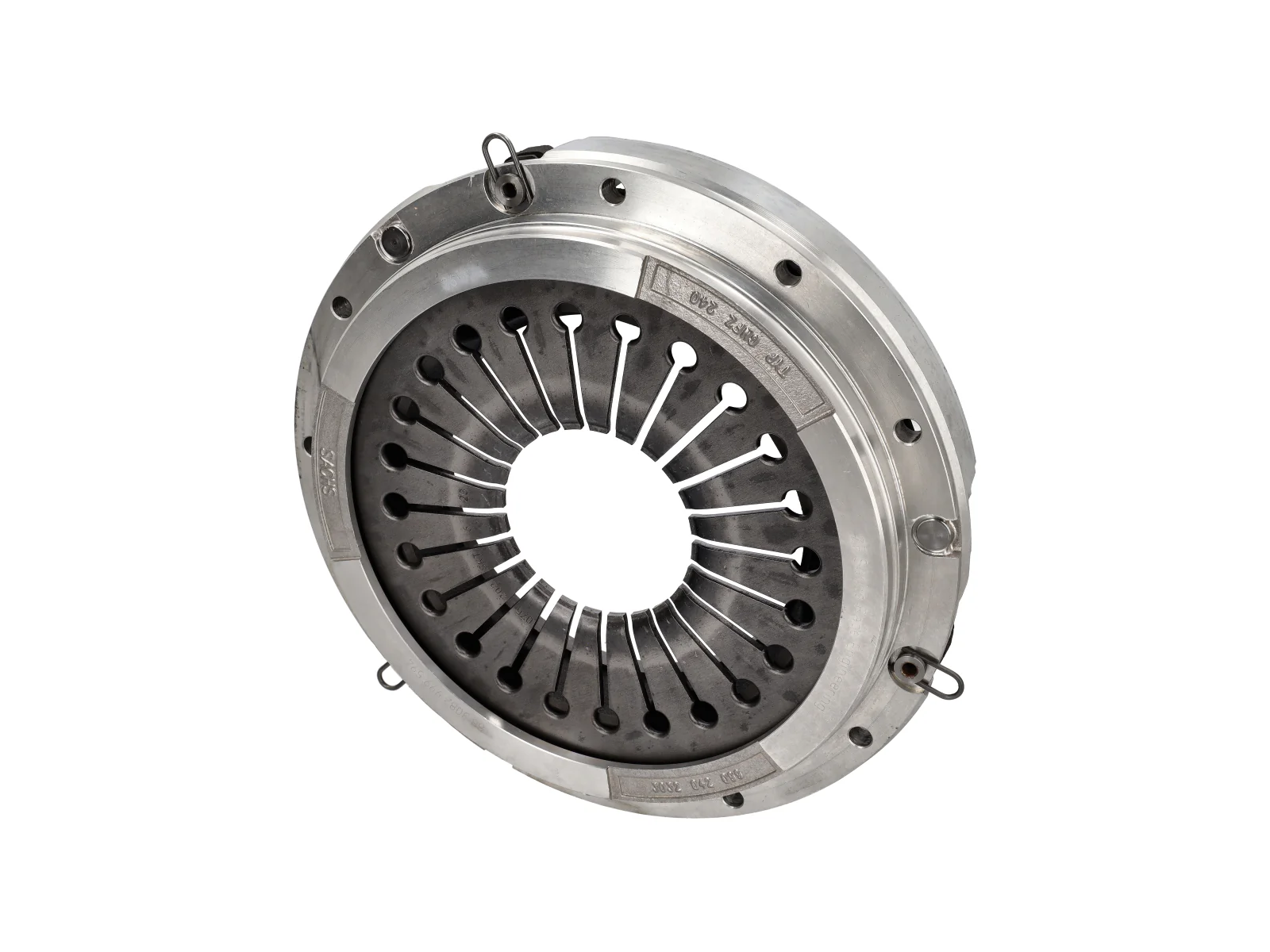
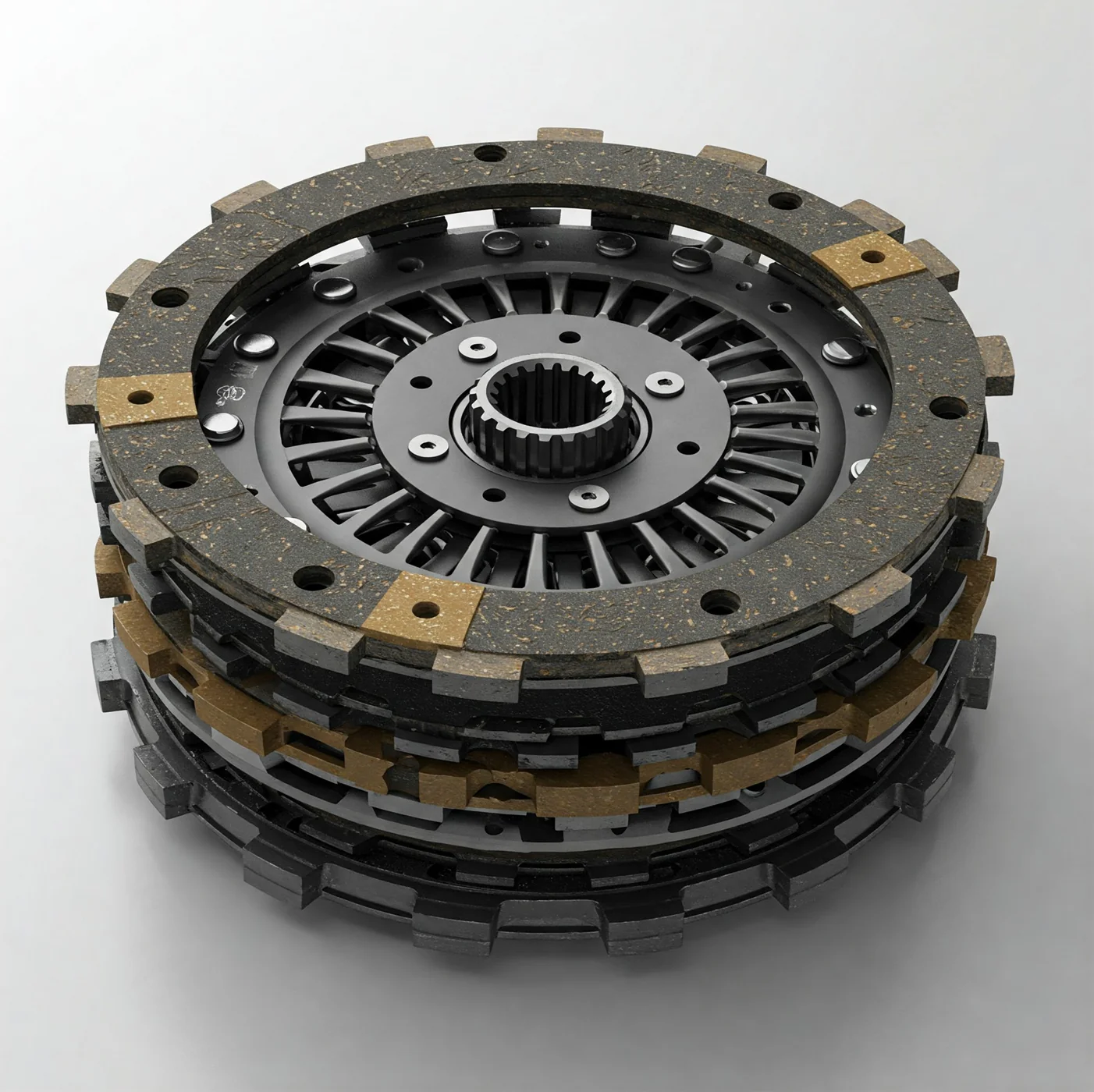
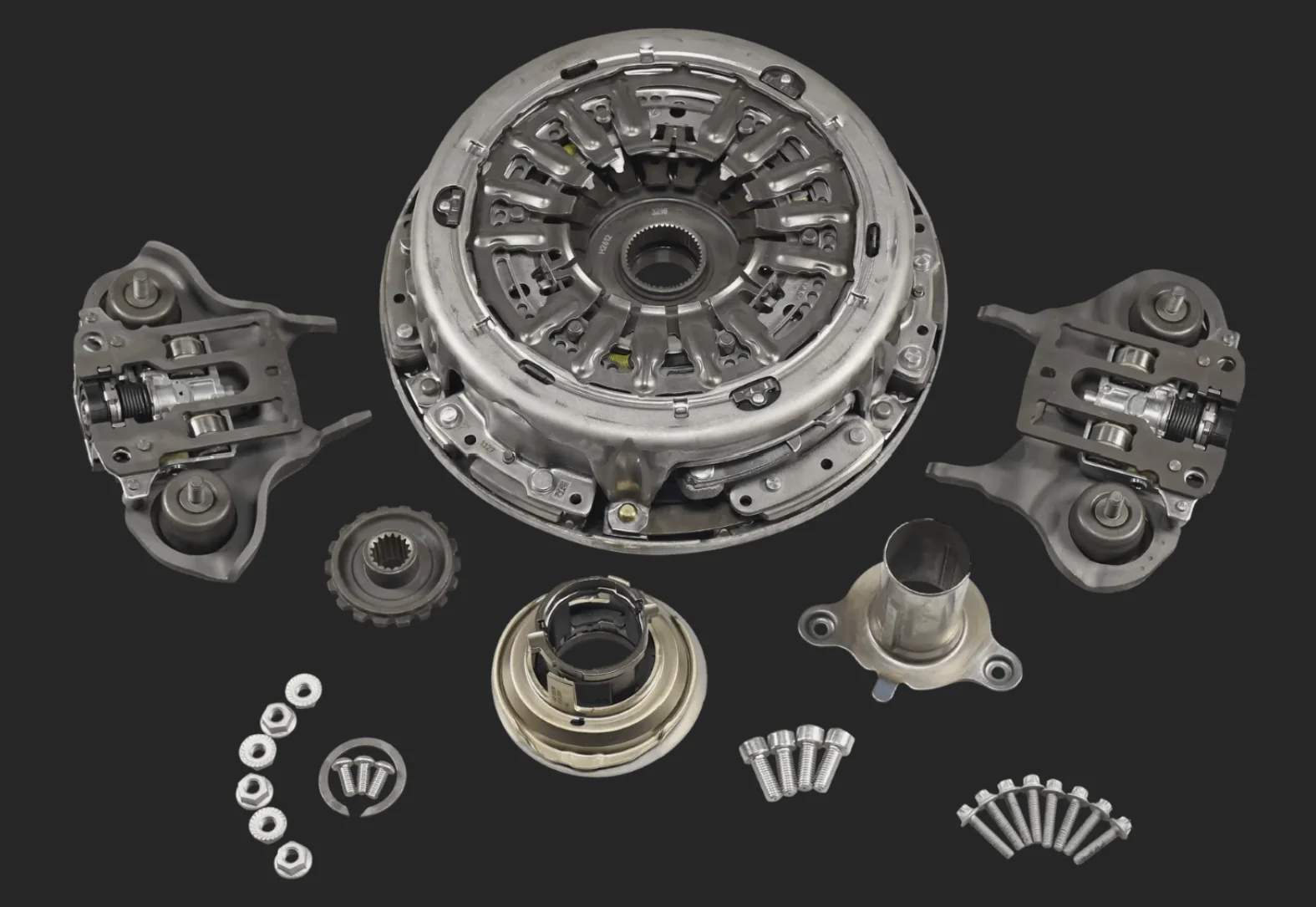
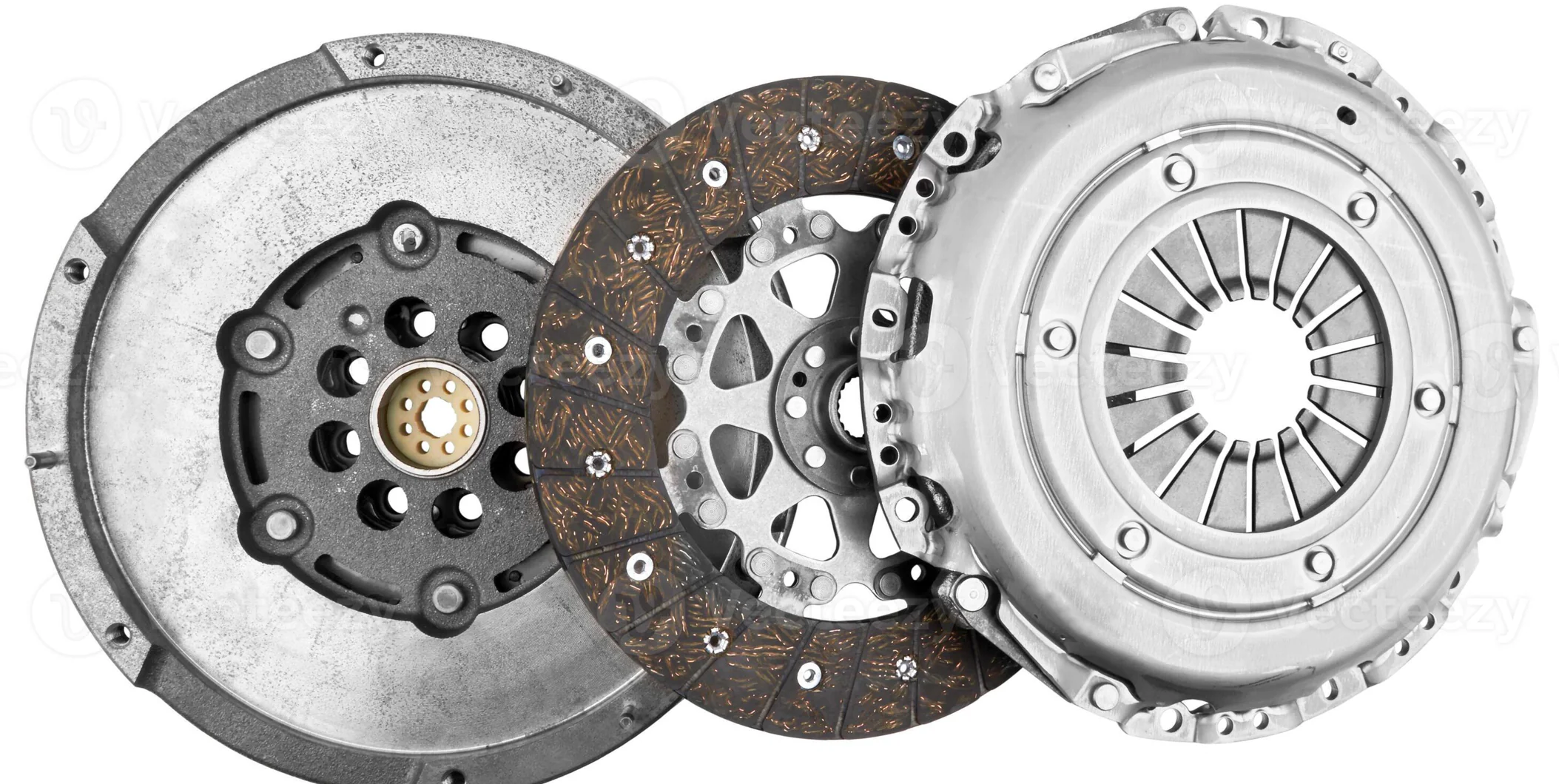
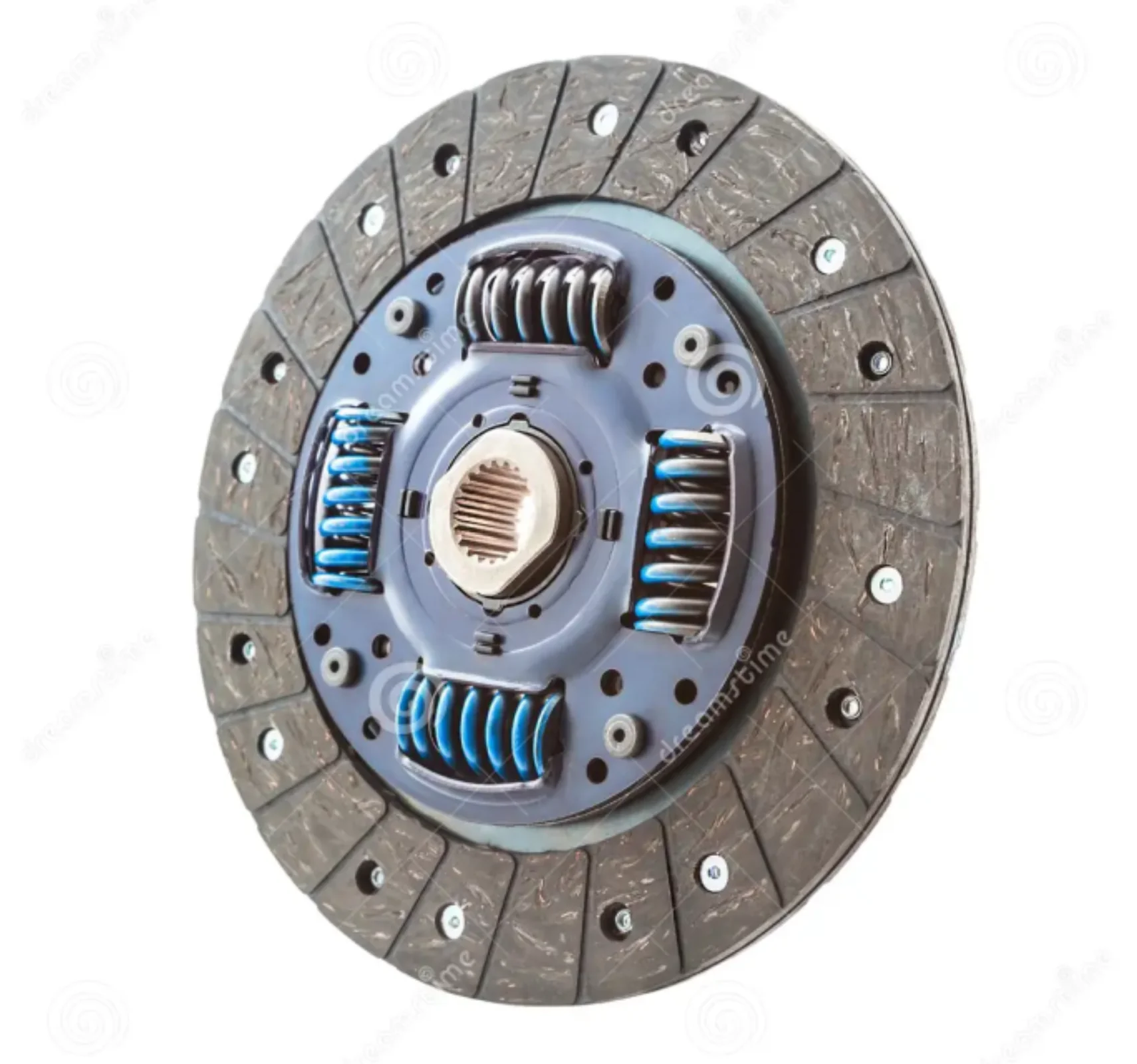
Specifically designed for high-volume powder metallurgy manufacturing of automotive clutch plates and friction discs. It compacts specialized metal powders to uniform density, ensuring high heat tolerance and smooth torque transmission.
- Core Applications: High-tonnage compaction of automotive clutch plates, transmission friction discs, and heavy-duty wet friction components. It is also suitable for manufacturing large-diameter powder metal plates, brake pads, and structural clutch assemblies.
- Material: Utilizes iron, bronze, iron-copper, and stainless steel powders blended with graphite friction modifiers and zinc stearate lubricants. Finished parts often undergo post-sintering oil impregnation or surface treatment to enhance thermal stability.
- Products Processed: Automotive PM clutch plates, automatic transmission friction discs, heavy-equipment wet clutch plates, and industrial brake components. These parts deliver superior wear resistance, consistent friction coefficients, and outstanding thermal fatigue resistance.
- Why 1000-Ton Hydraulic Press: Provides the extensive tonnage required to compact broad surface areas without density variation or warping defects. The precise pressure distribution guarantees strict geometric flatness and high green strength across large-diameter plates.
02 — Technical Specifications
SM 1000 HP – HYDRAULIC PRESS MACHINE COMPLETE TECHNICAL DATA
The SM 1000 HP is a high-capacity 1000-ton four-pillar hydraulic powder compaction press designed for manufacturing powder metallurgy automotive clutch plates used in passenger cars, light trucks, and transmission systems. The machine delivers exceptional density uniformity, dimensional precision, and production consistency required for high-volume automotive applications.
Capacity & Structural Design
- Rated Press Force: 1000 metric tons (≈ 9,810 kN)
- Press Configuration: Fourpillar / fourcolumn guided hydraulic press
- Frame Construction: Heavy welded steel, stressrelieved
- Design Duty: Continuous automotive PM production
- Structural Safety Factor: ≥ 1.30
- Elastic Deflection at Rated Load: ≤ 0.08 mm
- Load Distribution: Uniform across platen (critical for flat clutch discs)
Hydraulic System
Main Hydraulic Cylinder
- Type: Doubleacting
- Bore Diameter: 520–620 mm
- Stroke: 650–900 mm
Maximum Working Pressure: 30–32 MPa (300–320 bar)
Hydraulic Power Pack
- Variabledisplacement axialpiston pumps
- Servo / proportional control valves
- Closedloop pressure and position control
Pressing Modes
- Constant pressure compaction
- Positioncontrolled pressing
- Multistage pressure + dwell (important for clutch plate density balance)
Platen & Working Envelope
Upper / Lower Platen Size
- Standard: 1,100 × 1,100 mm
- Optional: 1,300 × 1,300 mm (large clutch diameters / multicavity)
Guide Columns
- Quantity: 4
- Diameter: 170–220 mm
- Finish: Hardened, hardchromed & precisionground
- Daylight Opening: 1,300–1,700 mm
- Platen Parallelism Accuracy: ±0.02 mm / 300 mm
Control, Instrumentation & Safety
Control System: PLC + industrial HMI (servohydraulic capable)
Process Monitoring
- Force vs displacement curve
- Pressure dwell time
- Part thickness consistency
- Cavitytocavity load balance
Safety Systems
- Safety PLC
- Light curtains / area scanners
- Hydraulic overload protection
- Emergency stop (CE / ISO compliant)
SM 1000 HP — Model Specifications
- Nominal Force: 10000 KN
- Maximum Hydraulic Pressure: 25 MPa
- Max Opening Height of the Slider: 1500 mm
- Max Stroke of the Slider: 900 mm
- Effective Bed Size: 1500 × 1500 mm
- Slider Down Speed: 180 mm/s
- Slider Pressing Speed: 10–18 mm/s
- Slider Return Speed: 220 mm/s
- Ejector Cylinder Nominal Force: 600 KN
- Stroke of the Ejection Cylinder: 300 mm
03 — Die / Mold System
Precision Powder Metallurgy (PM) Automotive Clutch Plates Die Mold Engineering
The Die/Mold System is a critical element in the Powder Metallurgy (PM) manufacturing process, designed to produce automotive clutch plates with high dimensional accuracy, uniform density distribution, and superior surface finish. Engineered from high-strength tool steels with advanced wear-resistant coatings, the die set ensures long tool life and consistent performance under high compaction loads.
Technical Specifications (Tooling)
Tooling Configuration
- Multipunch upper punch plate
- Multipunch lower punch plate
- Precision die sleeve(s)
- Floating or fixed core rods (mandatory for guides)
- Stripper / controlled ejection plate
Key Tooling Design Elements
- Punchtodie clearance: 6–10 μm
- Polished tool surfaces (Ra ≤ 0.15–0.20 μm)
- Floating die design for density equalization
- Advanced venting for air evacuation
- Reinforced die shoes to withstand radial loads
Powder Filling & Ejection
Powder Filling
- Servocontrolled multitrack shoe feeder
- Volume or weightcontrolled fill per cavity
Ejection
- Programmable hydraulic ejection
- Slow, controlled ejection to avoid green cracking
Lubrication
- Internal lubricant in powder blend
- Optional diewall lubrication system
Compatible PM Materials
Valve Seat Materials
- FeCuMo PM alloys
- FeNiMo highstrength steels
- Wearresistant PM alloys with carbides
- Infiltrationcapable PM grades (Cu infiltration)
HeavyDuty Valve Guide Materials
- FeCuSn PM alloys
- Selflubricating PM materials
- Controlledporosity grades for oil retention
PostProcessing Compatibility
- Sintering (belt or pusher furnace)
- Sinterhardening
- Copper infiltration (seat durability)
- Steam treatment
- Oil impregnation (guides)
- Sizing / coining
- Final grinding (critical interfaces)
Powder Metallurgy (PM) Automotive Clutch Plates Die Mold Tooling
04 — Product Application
Where Powder Metallurgy (PM) Automotive Clutch Plates Are Used
Powder Metallurgy (PM) Automotive Clutch Plates are widely used in passenger cars and light trucks, where they play a critical role in transmitting engine power to the transmission system during clutch engagement and disengagement. Their high wear resistance, dimensional accuracy, and mechanical strength make them ideal for demanding automotive powertrain applications.
Industry Applications
Passenger Cars
Powder Metallurgy (PM) automotive clutch plates are widely used in passenger cars, including manual transmission systems, dual-clutch transmissions (DCTs), and hybrid drivetrain clutch assemblies. Their high wear resistance, dimensional accuracy, and consistent mechanical properties ensure smooth power transfer, reliable clutch engagement, and long service life.
Light Trucks
Powder Metallurgy (PM) automotive clutch plates are widely used in light trucks, where clutch systems must withstand higher torque loads, frequent gear changes, and demanding operating conditions. Reinforced friction plates and backing plates manufactured through PM technology provide excellent wear resistance, structural strength, and dimensional stability.
Utility Vehicles
Powder Metallurgy (PM) automotive clutch plates are extensively used in utility vehicles, where clutch systems are required to handle frequent stop-start operations, varying load conditions, and demanding driving environments. Their high strength, wear resistance, and dimensional stability ensure reliable power transmission and smooth clutch engagement.
EV Cars
Powder Metallurgy (PM) automotive clutch plates are increasingly used in electric vehicles (EVs), particularly in multi-speed transmissions, hybrid-electric drivetrains, and specialized clutch engagement systems. Their high dimensional accuracy, wear resistance, and lightweight design support efficient torque management and smooth power delivery.
Two-Wheeler segment
Powder Metallurgy (PM) automotive clutch plates are widely used in the two-wheeler segment, including motorcycles, scooters, and performance bikes, where clutch systems require smooth engagement, durability, and reliable torque transfer. Their high wear resistance, dimensional accuracy, and consistent friction characteristics ensure dependable performance under frequent gear shifting and varying riding conditions.
Finished Product Gallery
05 — Key Advantages
Why Choose the 1000-Ton Sinter Hydraulic Press
The 1000-Ton Sinter Hydraulic Press is the ideal solution for manufacturing powder metallurgy (PM) automotive clutch plates, delivering the high compaction force needed to achieve superior density, strength, and wear resistance. Its advanced fourpillar design ensures uniform pressure distribution, exceptional dimensional accuracy, and consistent quality across high-volume production runs.
Superior density, strength
Delivers exceptionally high compaction forces that produce automotive clutch plates with superior density, structural integrity, and mechanical strength. Uniform powder consolidation minimizes porosity and enhances load-bearing capability, wear resistance, and durability. This results in clutch components that provide reliable torque transmission, extended service life, and consistent performance in passenger cars, light trucks, utility vehicles, and hybrid drivetrains.
Wear resistance
Produces high-density PM automotive clutch plates with exceptional wear resistance by ensuring uniform powder compaction and optimal material consolidation. The resulting components withstand continuous friction, repeated clutch engagement cycles, and high torque loads with minimal surface degradation. This enhances clutch durability, extends component service life, and delivers reliable performance in passenger cars, light trucks, utility vehicles, and hybrid drivetrain applications.
Exceptional dimensional accuracy
Provides precise control of compaction force, punch movement, and tooling alignment, enabling the production of PM automotive clutch plates with tight dimensional tolerances and consistent part geometry. This high level of accuracy minimizes component variation, reduces secondary machining requirements, and ensures reliable fit and performance within transmission assemblies. The result is improved product quality, enhanced manufacturing efficiency, and consistent clutch operation across high-volume automotive production.
Excellent friction performance
Produces high-density PM automotive clutch plates with uniform material distribution and consistent surface characteristics, resulting in excellent friction performance during clutch engagement and disengagement. The precise compaction process enhances torque transmission capability, reduces slippage, and ensures smooth, reliable operation under varying load conditions. This leads to improved driving comfort, greater clutch efficiency, and extended service life in passenger cars, light trucks, utility vehicles, and hybrid drivetrain applications.
Superior durability, and structural integrity
Produces high-density PM automotive clutch plates with outstanding durability and structural integrity through precise, uniform powder compaction. The enhanced material consolidation improves resistance to fatigue, deformation, cracking, and wear under continuous clutch engagement cycles and high torque loads. This results in longer component life, greater operational reliability, and consistent performance in passenger cars, light trucks, utility vehicles, and hybrid drivetrain applications.
Consistent quality
Ensures consistent quality in PM automotive clutch plate manufacturing through precise control of compaction force, powder fill, and tooling movement. Its stable fourpillar design delivers uniform density, dimensional accuracy, and repeatable mechanical properties across every production batch. This results in reduced process variation, lower rejection rates, and reliable clutch performance that meets the stringent quality standards of the automotive industry.