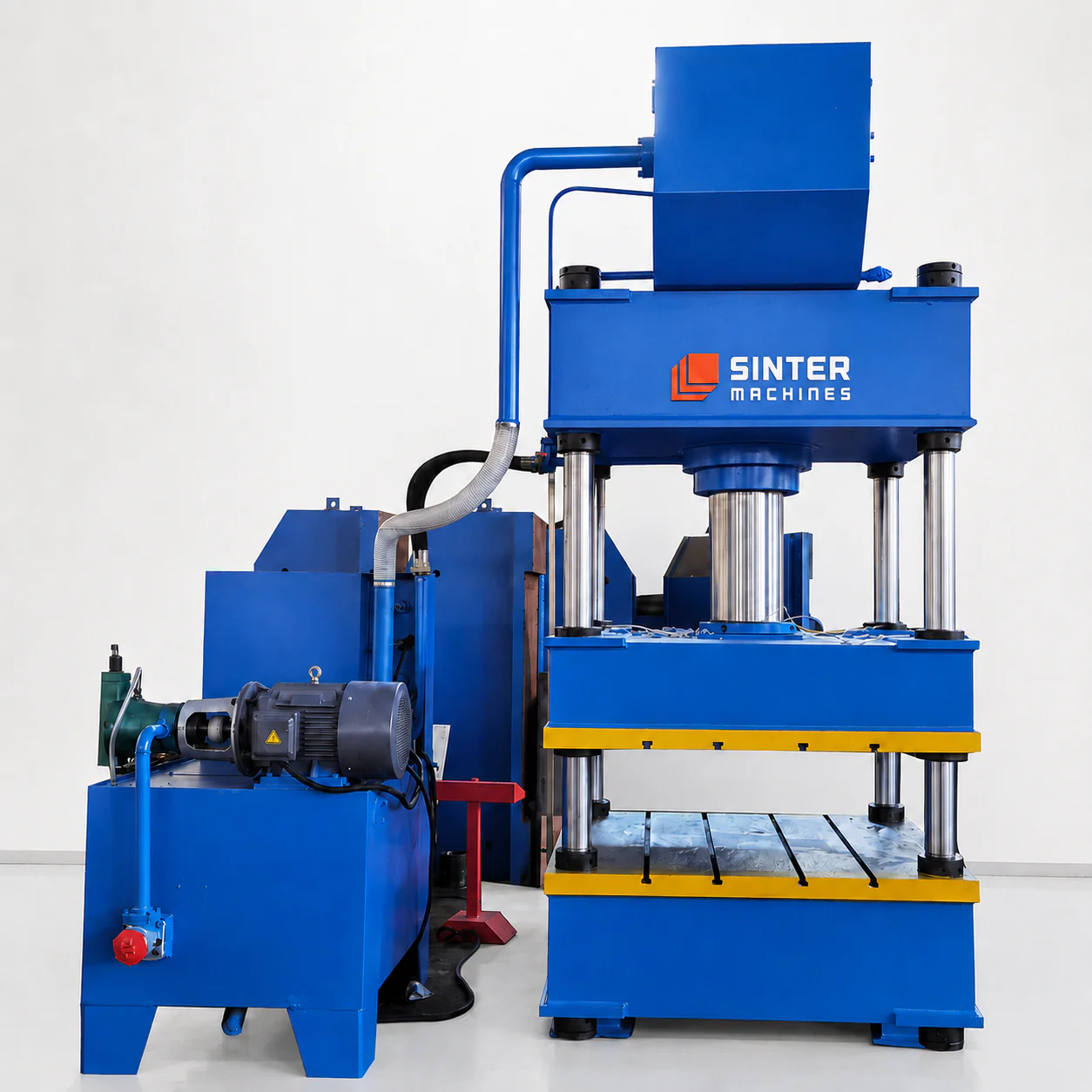
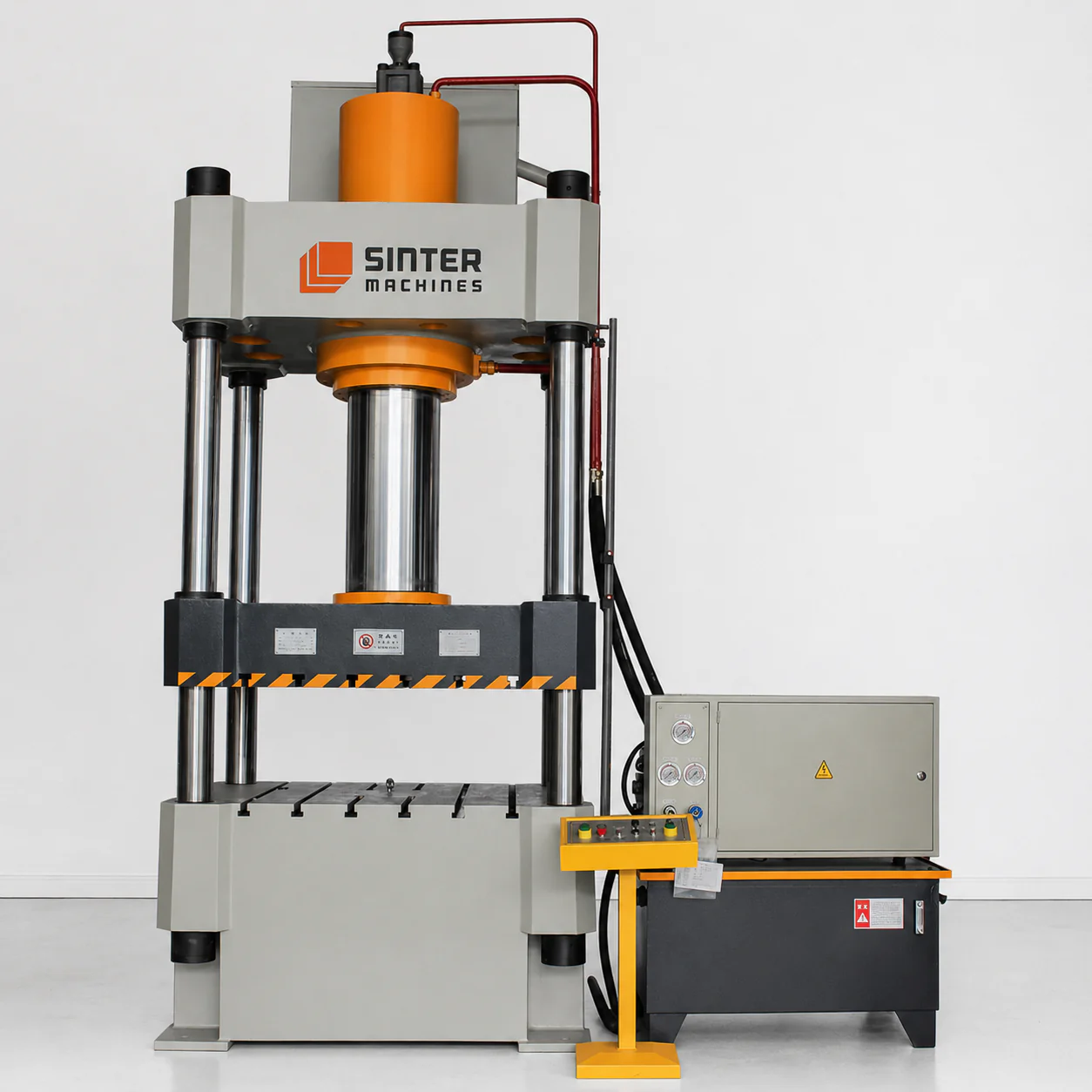
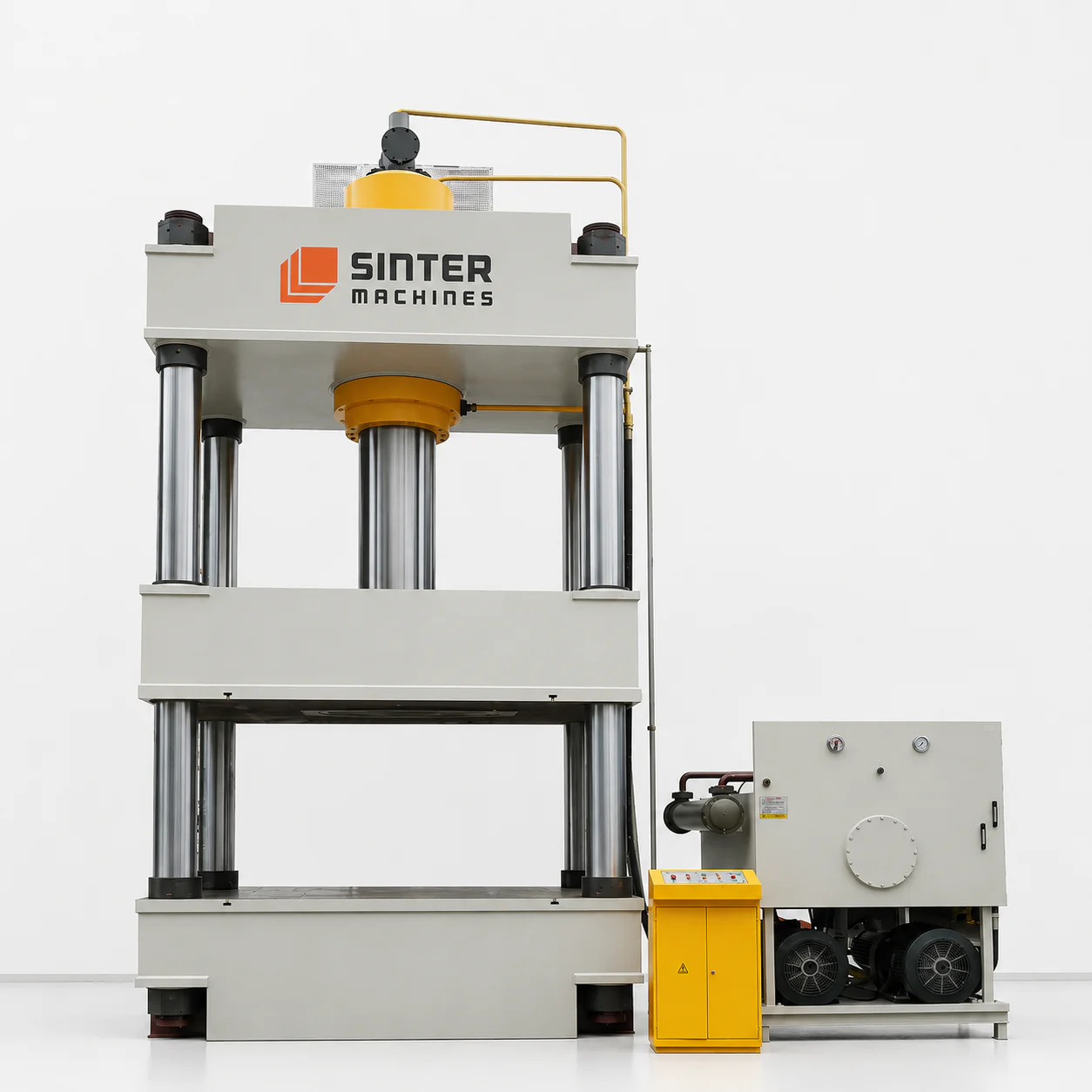
100T Cutting Slipper & Shoe Soles Press press view 1
Cutting Slipper & Shoe Soles · Hydraulic Press Machine

100T Four Column Hydraulic Press for Cutting and Trimming Slipper & Shoe Soles

100T Rated Capacity
100 mm/s Slider Down Speed
7–15 mm/s Slider Pressing Speed
90 mm/s Slider Return Speed

01 — Press System

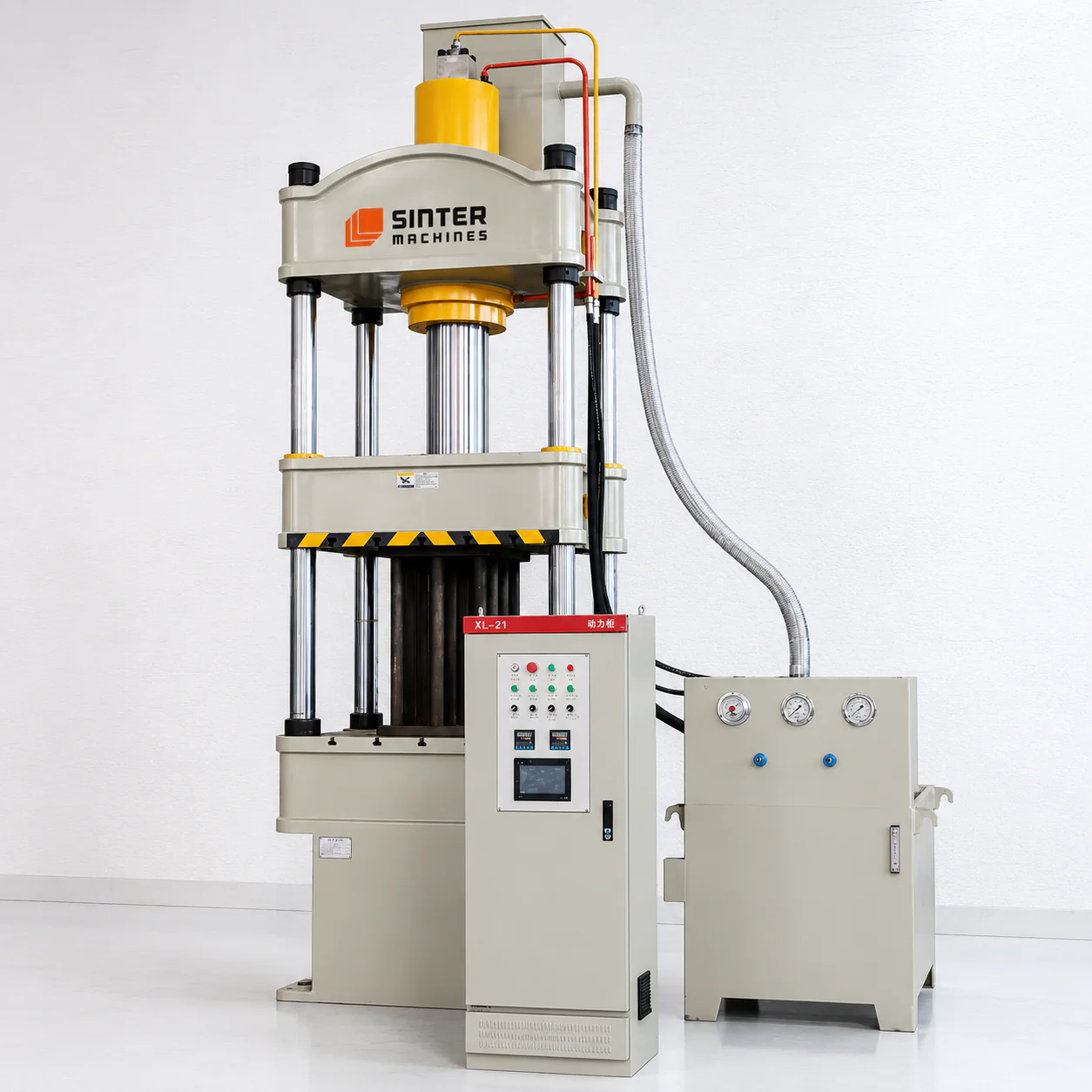
100T Four Column Hydraulic Press Machine

The 100-ton four-pillar hydraulic press provides an efficient, low-maintenance production platform engineered specifically for the precision die-cutting of slipper and shoe soles. This configuration is widely utilized by footwear original equipment manufacturers to maintain rapid cycle speeds and flawless geometry replication across diverse size ranges.

Use Case

Footwear component manufacturing requires crisp perimeter shearing and clean structural punch-outs to guarantee seamless bonding during final shoe assembly phases. This press delivers the controlled force profile and rigid bed alignment necessary to slice through multi-layered or highly elastic materials without tearing or edge compression.

Core Applications

  • High-volume perimeter die-cutting, automated roll-fed clicking, and clean edge trimming of molded footwear blanks
  • Multi-cavity punching, interior weight-reduction profiling, and tread pattern flash trimming for consumer shoes

Material

  • Expanded ethylene-vinyl acetate foam sheets, soft natural rubbers, and highly durable vulcanized rubber compounds
  • Synthetic polyurethane elastomers, flexible polyvinyl chloride stocks, and laminated multi-density foam matrices

Typical Products Processed

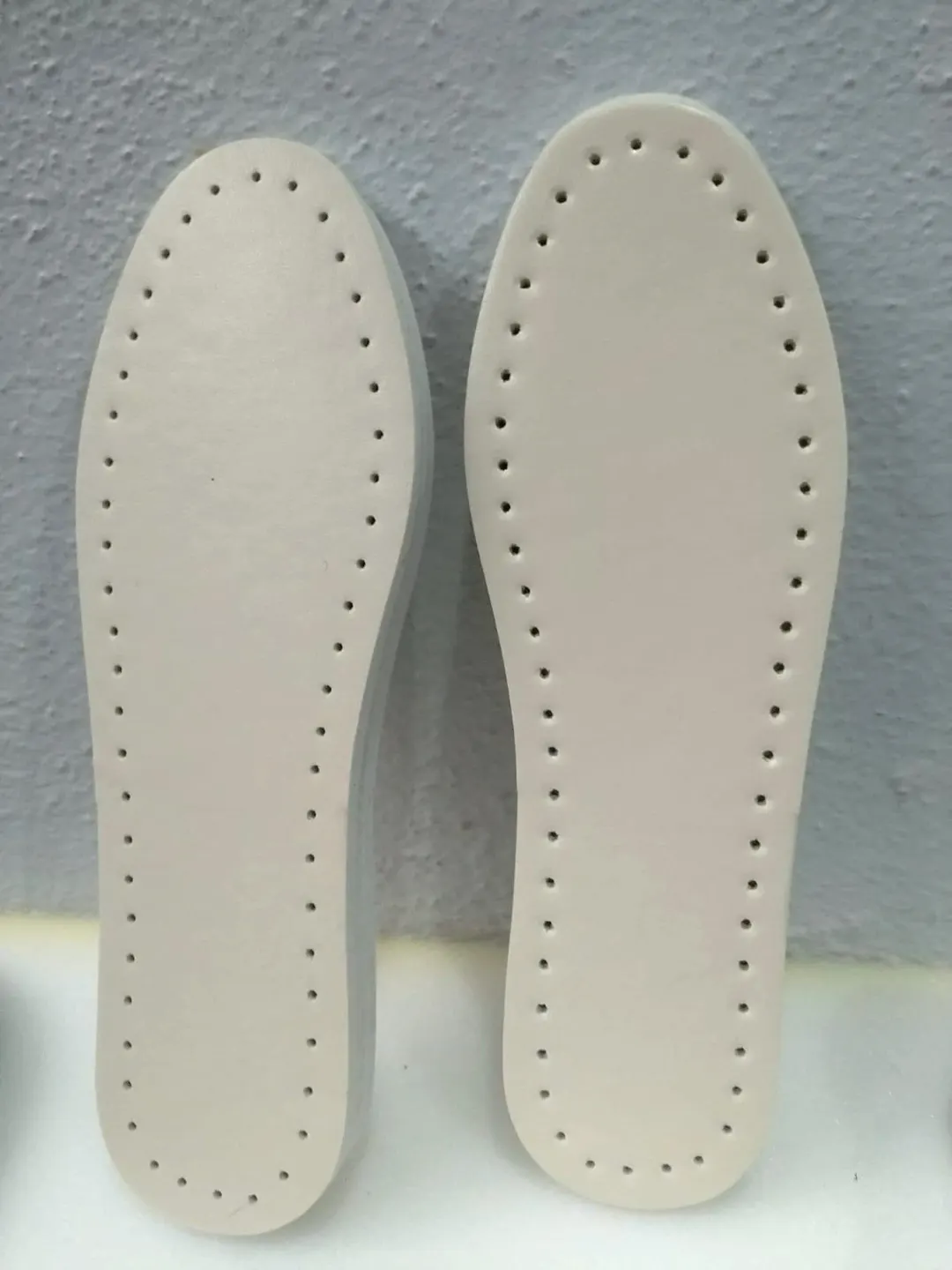
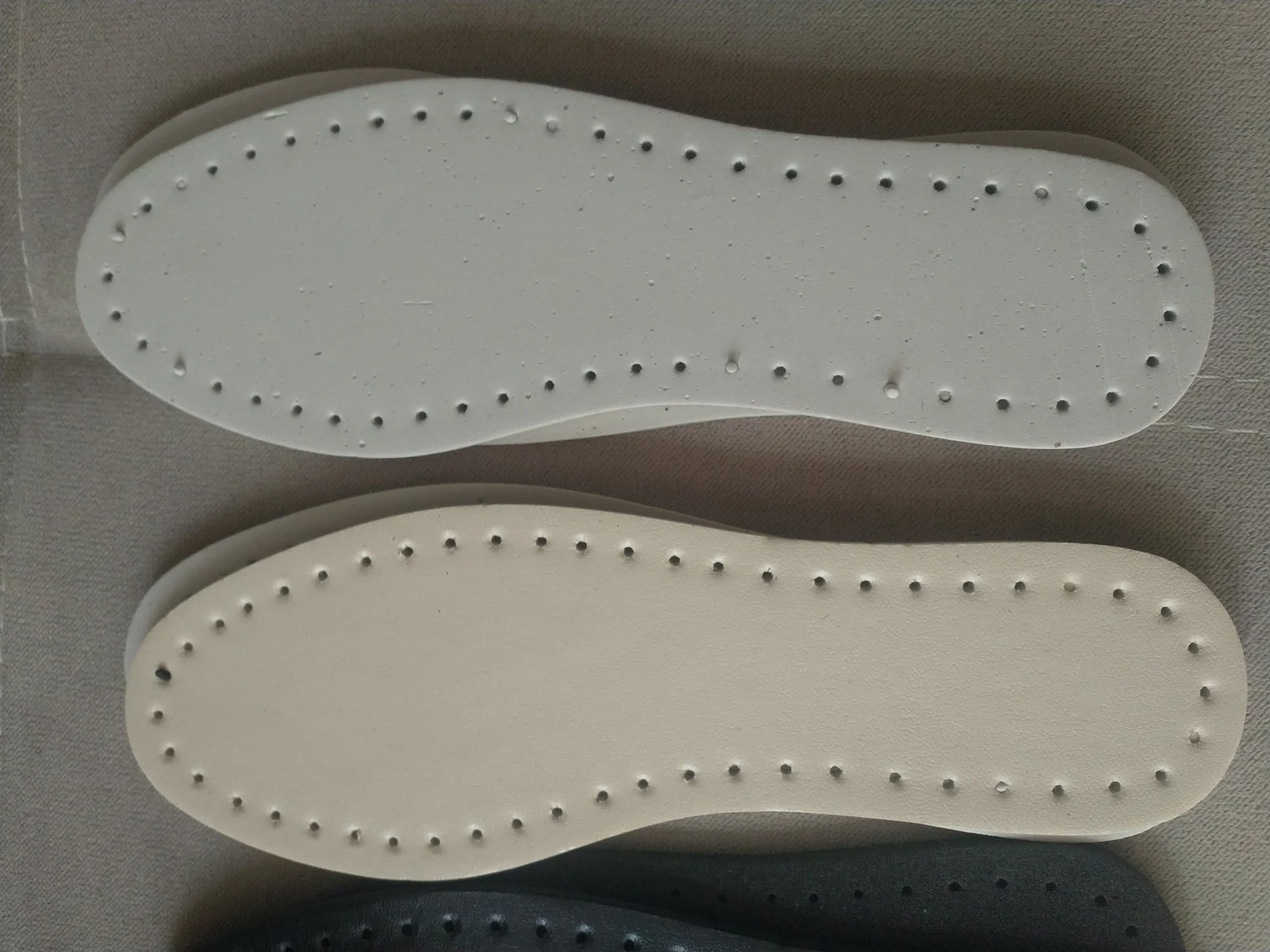
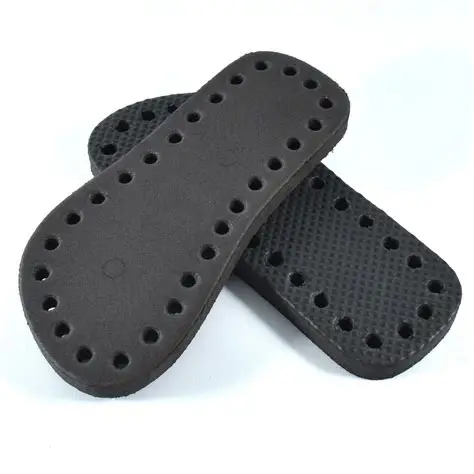
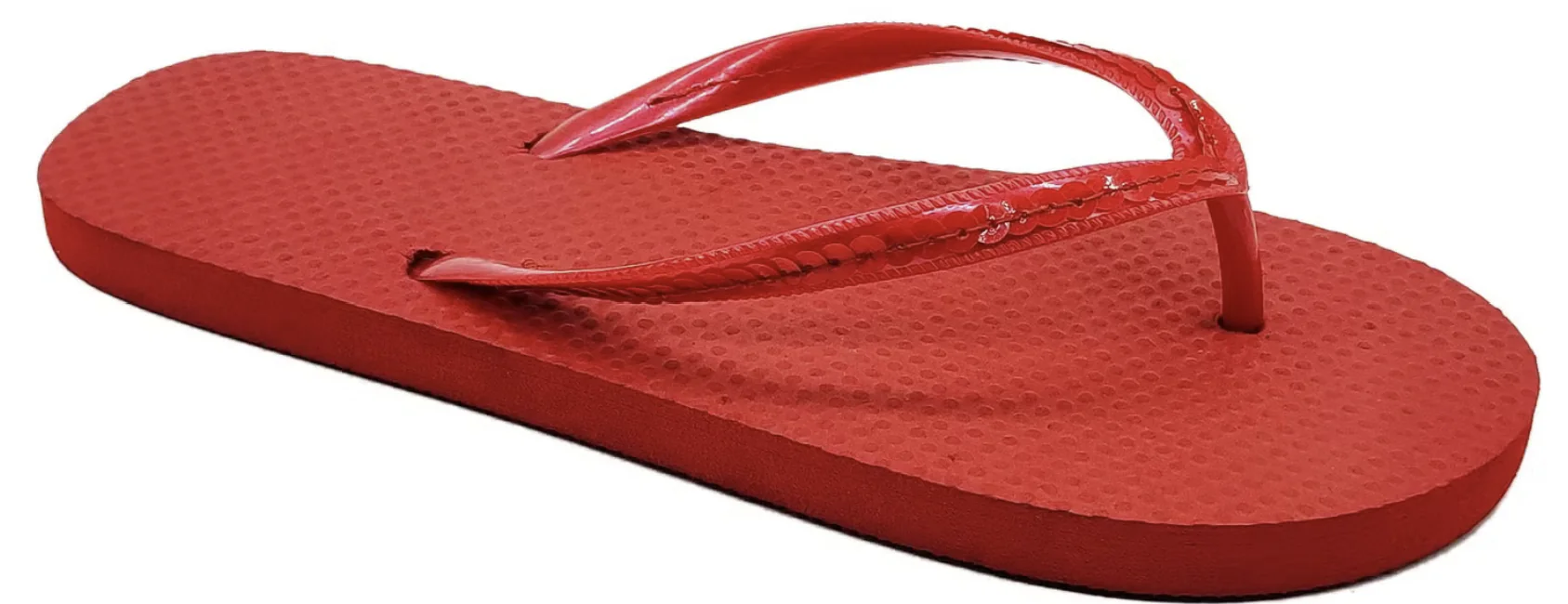
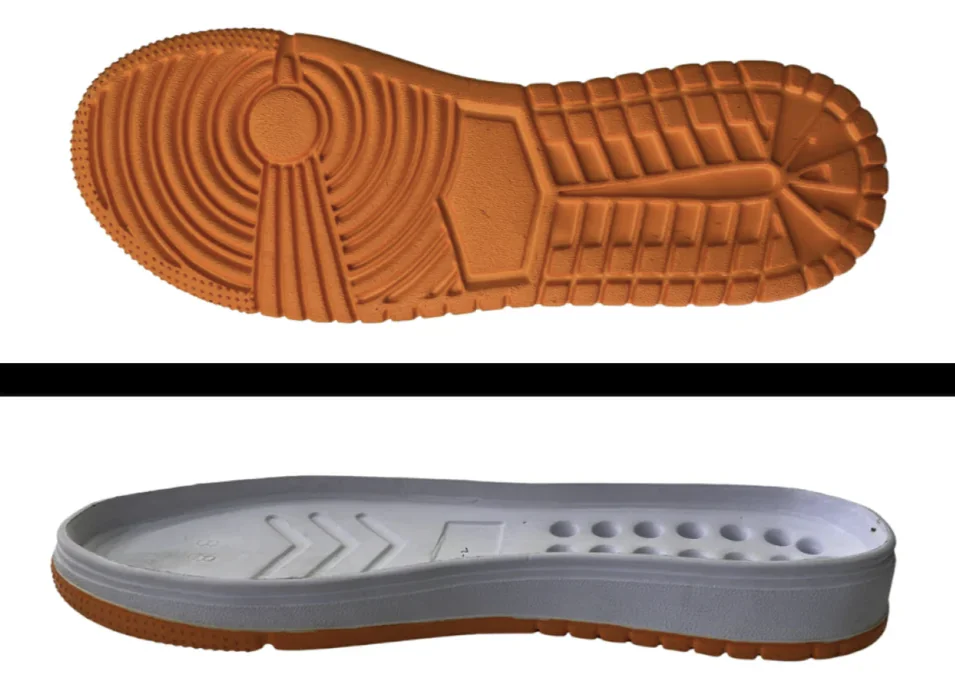
  • Everyday casual slipper outsoles, beach flip-flop bases, and cushioned indoor footwear footbeds
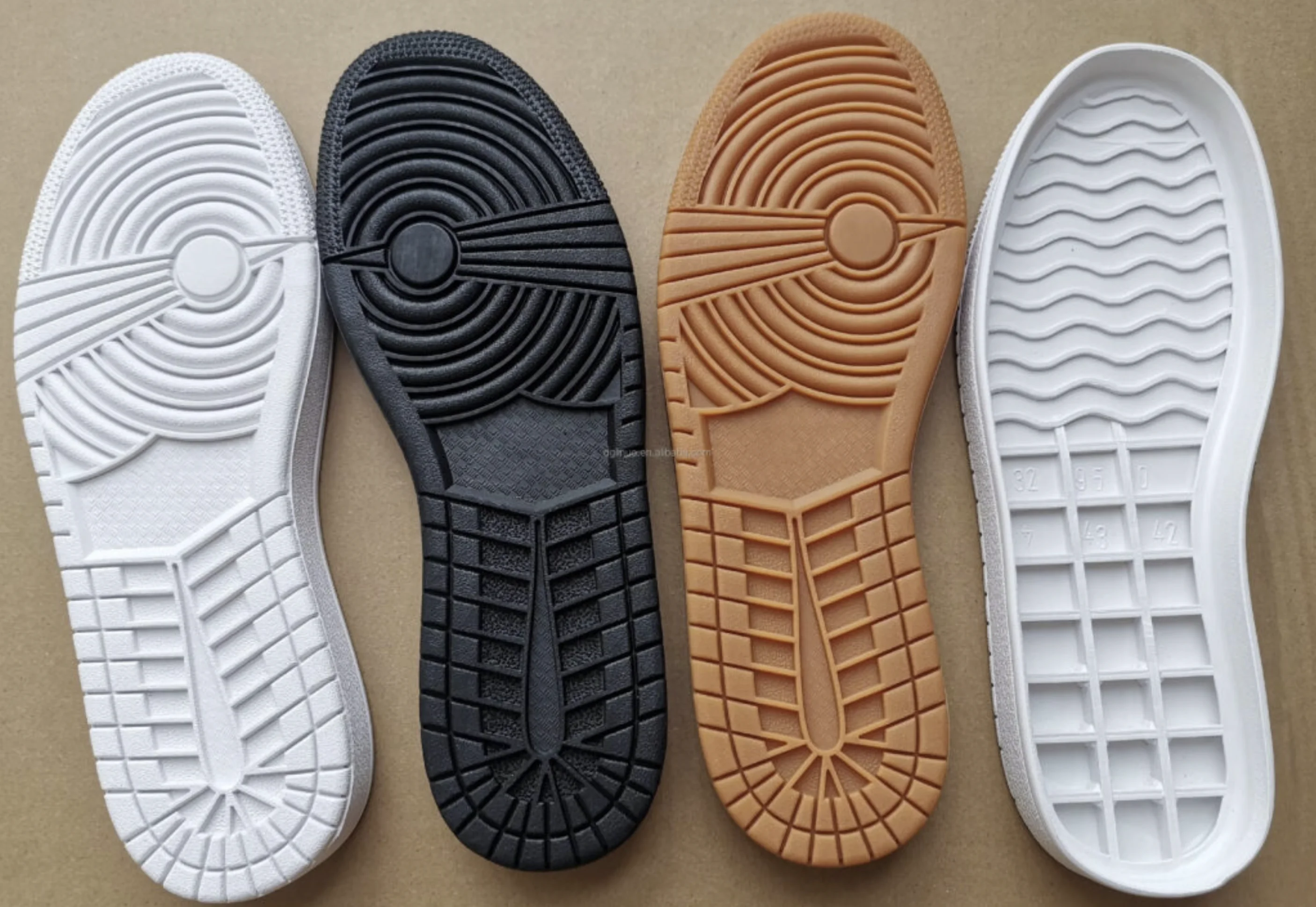
  • Athletic running shoe midsoles, rugged outdoor boot outsoles, and formal leather shoe heel assemblies

Key Functions

  • Dynamic electronic stroke depth limitation to execute precise shallow kiss-cuts against cutting mats without blade wear
  • Variable hydraulic velocity adjustment to slow down tool penetration, ensuring crisp edges on soft elastomeric materials

Why 100 Ton Hydraulic Press?

  • Delivers the exact tonnage rating and bed real estate optimized for handling high-density multi-cavity sole cutting dies
  • Rigid four-pillar guidance maintains absolute platen parallelism under uneven loading, completely avoiding skewed or angled edge profiles

02 — Technical Specifications

SM 100 HP – HYDRAULIC PRESS MACHINE COMPLETE TECHNICAL DATA

The SM 100 HP hydraulic press delivers highly uniform pressure distribution and precise stroke control optimized for clicking and cutting elastomeric materials. Its low-deflection four-column architecture guarantees perfectly square, burr-free sole profiles across high-volume footwear production shifts.

Capacity

  • Maximum continuous die cutting force capacity of 1000 kN
  • Minimum adjustable stripping holding force capacity of 150 kN

Structural Design

  • Four pillar high tensile solid steel plate assembly optimized for balanced force distribution
  • Finite element analysis engineered frame for minimum vibration and clean cutting action

Frame Type

  • Precision aligned pre stressed guide pillar frame architecture
  • Heavy duty stress relieved welded steel bolster plate and moving platen assembly

Hydraulic System

  • High pressure variable displacement axial piston pump fluid delivery assembly
  • Continuous oil filtration loop with integrated forced air cooling circuits

Main Ram Stroke

  • Maximum slide vertical travel distance capability of 300 mm
  • Electronic depth control setting resolution accurate down to 0.01 mm

Working Hydraulic Pressure

  • Maximum continuous operating system fluid pressure of 200 bar
  • Peak safety valve pressure relief calibration limit of 230 bar

Daylight Gap

  • Maximum open vertical daylight window clearance of 500 mm
  • Minimum closed shut die height workspace space of 150 mm

Approach Speed

  • Fast downward advance slide rapid travel speed of 260 mm/Sec
  • Soft touch tool engagement deceleration velocity of 12 mm/Sec

Pressing / Drawing Speed

  • Precision micro adjustable die cutting speed of 5 to 30 mm/Sec
  • Rapid high pressure material shearing velocity of 50 mm/Sec

Return Speed

  • Rapid upward ram ascent extraction travel speed of 220 mm/Sec
  • High speed automated pre return oil decompression cycle timing

Bed / Platen Size Platen

  • Total clear bolster bed width left to right of 800 mm
  • Total clear bolster bed depth front to back of 600 mm

Columns

  • Induction hardened hard chrome plated solid steel pillar diameter of 110 mm
  • Extra long guide bushings featuring a centralized automatic lubrication setup

Working Envelope

  • Total horizontal internal clear workspace area of 800 by 600 mm
  • Maximum permissible upper tool assembly mass weight of 1500 kg

Control System

  • Central programmable logic controller paired with a digital touchscreen panel
  • Dual linear transducer position tracking systems accurate within 0.01 mm

Main Motor Power

  • Primary high efficiency electrical drive motor power of 15 kW
  • Secondary auxiliary hydraulic cooling loop motor power of 2 kW

Valves & Hydraulics

  • High response proportional flow control cartridge manifold block assembly
  • Specialized fast acting main cylinder gravity oil pre fill valve unit

Automation

  • Integrated digital interface ports for continuous automatic roll feed mechanisms
  • Pneumatic quick action tool die clamping circuit connection lines

Safety Features

  • Front and rear dual channel infrared safety light curtain barriers
  • Automated fail safe mechanical anti drop safety ram locking lock block

SM 100 HP — Model Specifications

  • Nominal Force: 1000 KN
  • Maximum Hydraulic Pressure: 25 MPa
  • Max Opening Height of the Slider: 800 mm
  • Max Stroke of the Slider: 500 mm
  • Effective Bed Size: 630 × 550 mm
  • Slider Down Speed: 100 mm/s
  • Slider Pressing Speed: 7–15 mm/s
  • Slider Return Speed: 90 mm/s
  • Ejector Cylinder Nominal Force: 100 KN
  • Stroke of the Ejection Cylinder: 200 mm
Production Case Study

Cutting and Trimming Slipper & Shoe Soles Production Line

2 – 30 mmThickness
750 × 400 mmBlank Size
3–10 secondsCycle time
900-500 SloesOutput/Hour
Edge burrs eliminated completely
Material deformation avoided entirely
Dimensional accuracy held perfectly
Scrap rates reduced drastically
Hourly output increased significantly
Multi-cavity yield maximized fully
Post-trim finishing bypassed totally

03 — Die / Mold System

Precision Cutting and Trimming Slipper & Shoe Soles Die Mold Engineering

This precision tooling system features specialized steel rule and forged cutting profiles engineered to deliver clean, vertical edges on elastomeric footwear components. Its structural design maintains dimensional accuracy under continuous cycling, preventing material distortion during high-volume production.

Technical Specifications (Tooling)

Die Type

  • High efficiency multi cavity steel rule and forged clicking die set
  • Multi station heavy duty industrial shoe sole production tooling layout

Die Materials

  • Premium high toughness shock resistant carbon tool steel alloy matrix
  • Laser hardened cutting profiles integrated into premium grade steel frames

Tool Configuration & Construction

  • Precision nested multi cavity layout configured to minimize scrap web space
  • Lightweight modular aluminum base plates paired with hardened steel mounting plates

Key Tooling Features

  • High density dynamic spring loaded polyurethane stripping blocks to eject soles
  • Automatic interior slug relief windows designed for rapid waste material removal

Alignment Accuracy

  • Cutting edge verticality deviation held within a maximum limit of 0.050 mm
  • Guide pin location concentricity tolerance restricted within a limit of 0.010 mm

Process Materials

  • Expanded ethylene vinyl acetate foam blanks and high density natural rubber stocks
  • Polyurethane elastomeric matrices flexible polyvinyl chloride sheets and laminated composites

Surface Finish

  • Primary cutting blade tip edges precision ground down to Ra 0.40 microns
  • Advanced non stick chemical surface treatment applied at 0.005 mm thickness

Tool Life

  • Expected production span of 150000 cycles before mandatory blade reconditioning
  • Total structural tooling lifespan capacity reaching 2000000 production cycles
Case Study (Die Performance)

Precision Cutting and Trimming Slipper & Shoe Soles Die Mold

Forged Carbon Tool SteelDie Material
56-60 HRCHardness
Induction Edge HardeningHeat Treatment
Edge burrs eliminated completely
Material deformation avoided entirely
Concave edges prevented totally
Tool wear minimized significantly
Scrap rates reduced drastically
Reconditioning intervals extended widely
Production throughput maximized fully

04 — Product Application

Where Precision Cutting and Trimming Slipper & Shoe Soles Are Used

Precision-cut and trimmed slipper and shoe soles provide the foundational comfort, structural support, and wear resistance required for everyday and specialty consumer footwear. These accurately sheared elastomeric layers ensure a uniform outer perimeter shape, enabling seamless bonding to the upper footwear assemblies during final factory production.

Industry Applications

These precision-clicking outsoles and midsoles are vital components within the global consumer footwear, sportswear, and industrial personal protective equipment manufacturing markets. Their geometric consistency allows export-oriented factories to leverage rapid automated assembly lines, helping major brands satisfy international retail quality standards and sizing tolerances.

Casual Slippers and Flip-Flops

Cleanly trimmed single or multi-layer ethylene-vinyl acetate foam blocks form the primary footbed and textured outsole for open-toe footwear styles. The exact perimeter edge cutting prevents raw material fraying and guarantees identical matching between left and right foot profiles for consumer comfort.

Athletic and Running Shoes

Intricately profiled polyurethane or expanded rubber midsoles and outsoles form the shock-absorption cushioning system for high-performance sports footwear. Precise multi-cavity die-cutting ensures perfect alignment with internal heel stabilizers and traction pads, maintaining structural integrity under dynamic athletic stress.

Formal and Dress Footwear

Pre-molded rubber panels, flexible polyvinyl chloride blanks, or high-density composite sheets are cut into slim, sleek outsoles and heel lifts. The crisp, perpendicular edge shearing allows the sole to sit flush against fine leather or fabric shoe uppers without requiring manual edge-shaving work.

Industrial and Safety Boots

Heavy-duty vulcanized rubber outsoles are punched with internal weight-reduction grids and precise outer trim parameters to shield feet in harsh conditions. Flawless boundary cutting permits a tight, waterproof vulcanization seal with steel-toe uppers, keeping water, oil, and chemicals from leaking inside the boot.

Finished Product Gallery

05 — Key Advantages

Why Choose the 100-Ton Sinter Hydraulic Press

The 100-Ton Sinter Hydraulic Press offers uniform pressure distribution and micro-adjustable penetration limits perfectly optimized for cutting elastic materials. Its rigid four-column architecture prevents platen tilting under asymmetrical multi-cavity loads, ensuring clean vertical edge profiles and maximizing raw material yields.

Technical & Commercial Benefits

01

Micro-Adjustable Precision Stroke Depth Limit

Advanced digital linear transducers control the down-stroke travel with extreme accuracy to execute flawless kiss-cutting against nylon boards. Preventing the cutting blades from over-penetrating the backing mat reduces tool wear and extends the operating lifespan of the steel rule dies.

02

Absolute Platen Parallelism Under Uneven Loads

The heavy-duty induction-hardened guide pillars maintain horizontal alignment even when deploying unbalanced multi-cavity sole configurations. Eliminating frame deflection ensures identical cutting clearances across the entire bed, preventing concave or angled sole edges entirely.

03

Controlled Soft-Touch Material Penetration Speed

Programmable velocity profiles decelerate the upper platen just before contacting the work piece to apply shearing forces smoothly. This controlled displacement prevents elastic rubber and expanded foam from compressing unevenly, guaranteeing crisp, burr-free outsoles.

04

Optimized Multi-Cavity Tonnage Efficiency

The 100-ton capacity provides the ideal force window required to clear multiple large-format footwear profiles simultaneously without straining components. Maximizing the active cutting area allows high-volume factories to process dense nested arrays, boosting total throughput.

05

Drastic Reductions in Raw Material Scrap Costs

High dimensional consistency allows sole layouts to be nested tightly together on automated roll-fed or sheet-fed lines. Maximizing material utilization slashes expensive ethylene-vinyl acetate and vulcanized rubber compound waste, lowering net production overhead.

06

Bypassing of Costly Secondary Finishing Steps

Producing export-ready soles with perfectly square, smooth vertical perimeters eliminates the need for manual secondary edge-grinding or buffing. Shifting components straight from the press bed to the upper-bonding assembly station lowers factory labor costs and speeds up delivery.