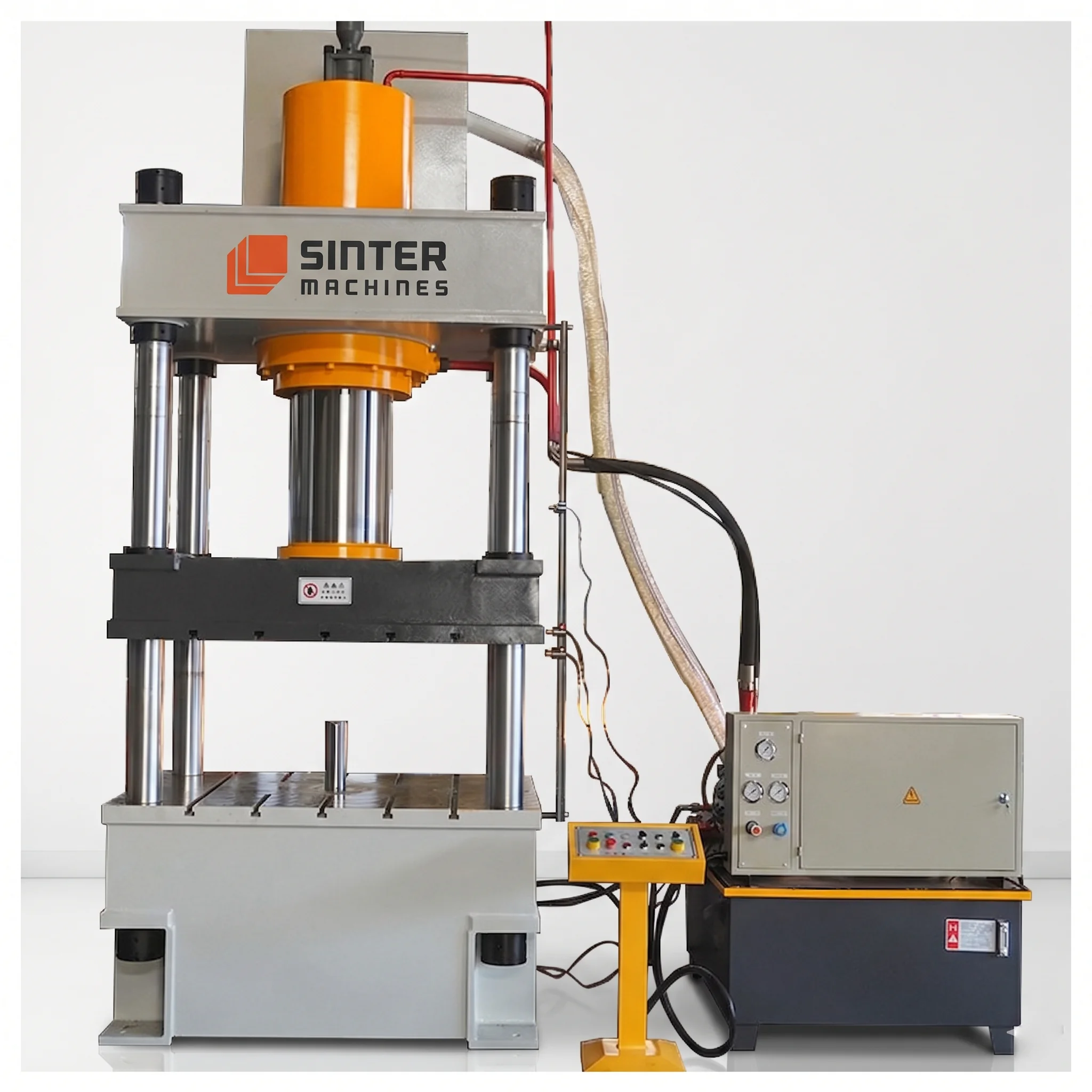
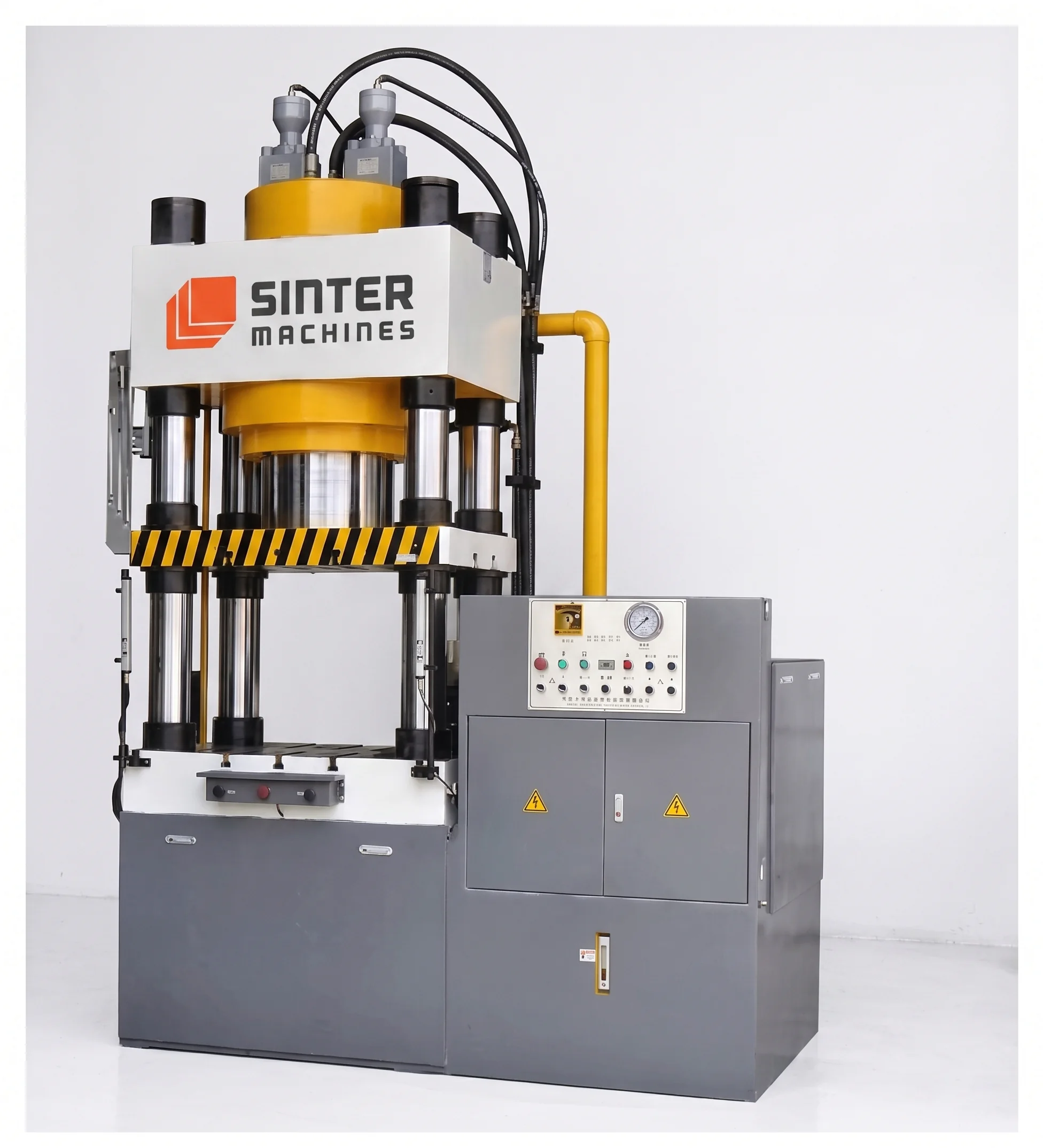
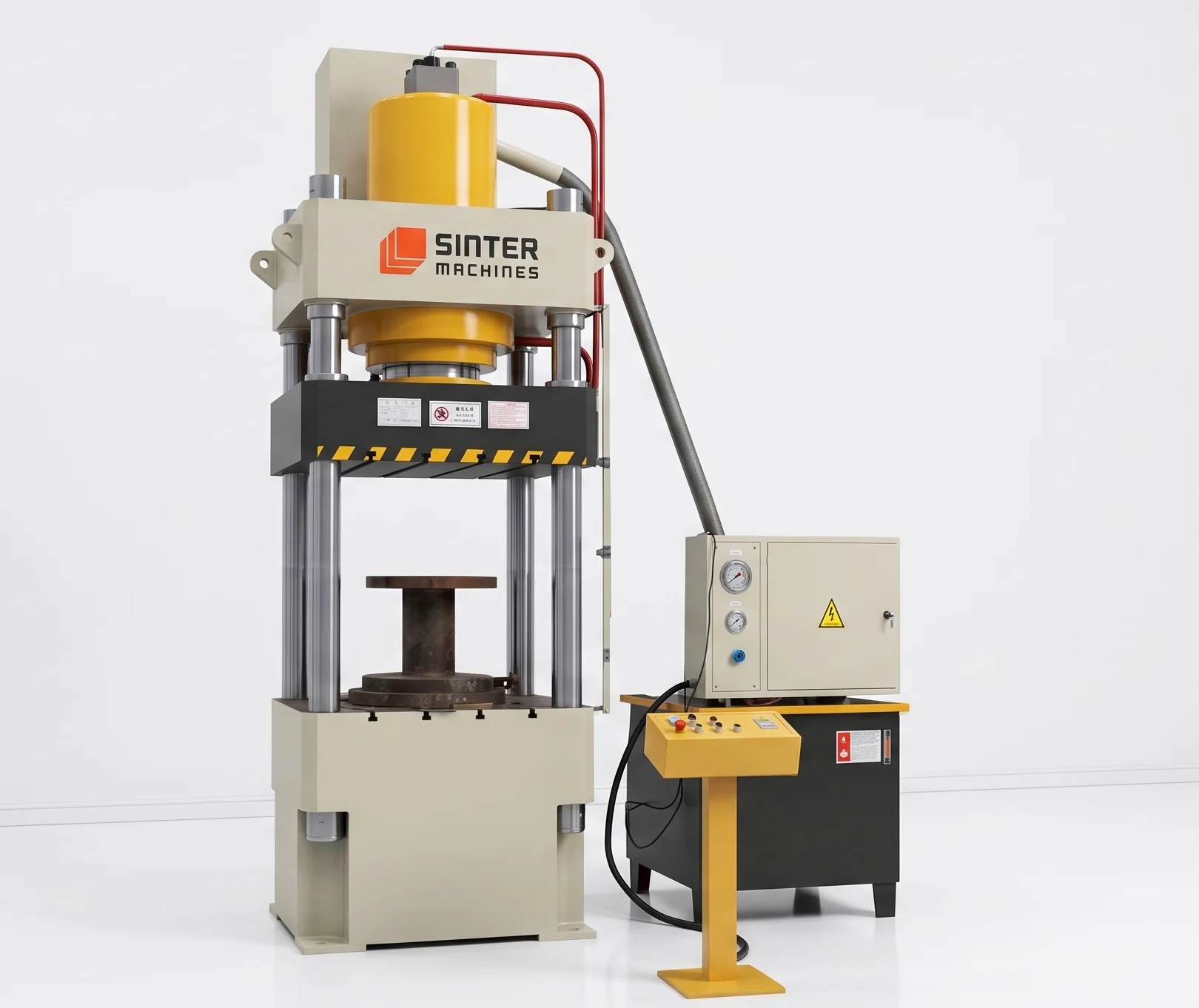
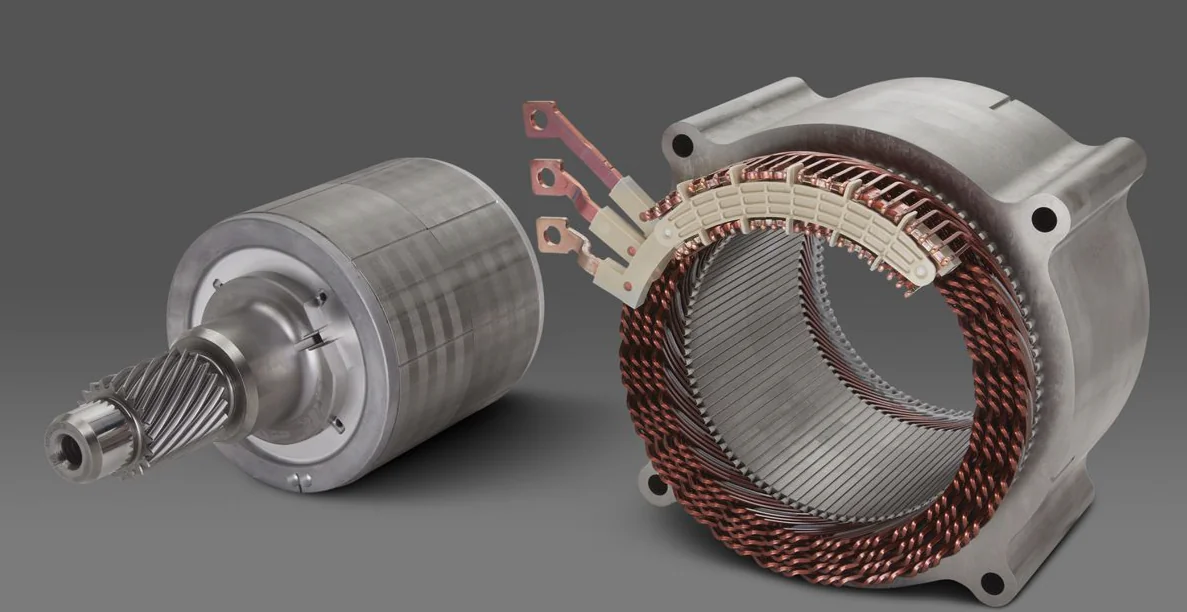
800T Large Rotors & Stators Press press view 1
Large Rotors and Stators · Hydraulic Press Machine

800 Ton Four Column Hydraulic Press for PM Large Rotors & Stators

800T Rated Capacity
180 mm/s Slider Down Speed
9–18 mm/s Slider Pressing Speed
180 mm/s Slider Return Speed

01 — Press System

800 Ton Four Column Hydraulic Press Machine

The 800-ton four-column hydraulic press provides heavy-duty compaction force with exceptional structural rigidity and precision multi-axis guidance. It is designed to handle high-tonnage powder pressing while maintaining exact paralleled alignment for large-format magnetic components.

Use Case

Engineered for high-density compaction of heavy-duty soft magnetic rotors and stators used in electric vehicle traction motors and industrial power systems. It guarantees uniform density across thick cross-sections to maximize electromagnetic efficiency and structural strength.

  • Core Applications: Delivers high-tonnage compaction for electric vehicle (EV) drive motors, heavy industrial generator cores, and large power conversion equipment. It supports high-volume manufacturing of complex magnetic structures requiring stringent mechanical and magnetic performance standards.
  • Material: Processes high-purity iron, iron-copper, bronze, and stainless steel powders blended with solid lubricants like zinc stearate and graphite. This custom material mix optimizes particle flowability, magnetic permeability, and ejection smoothness across large surface areas.
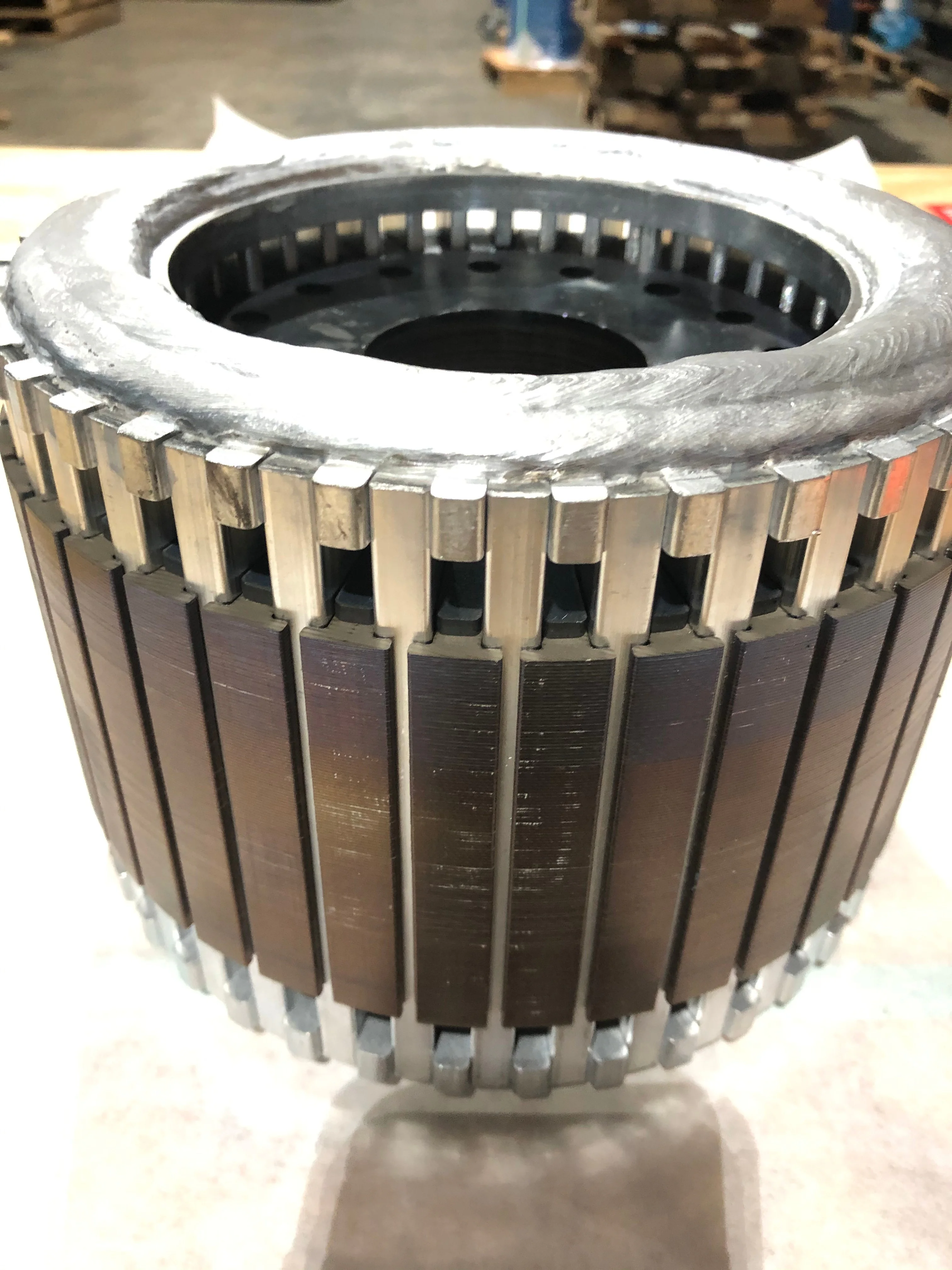
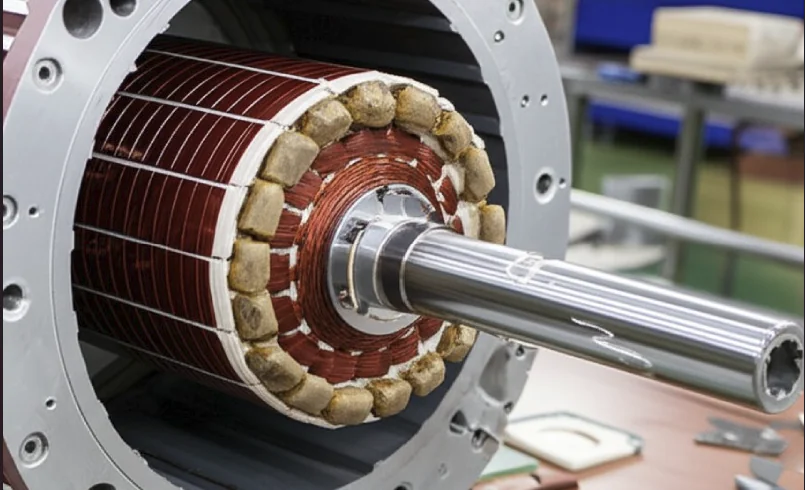
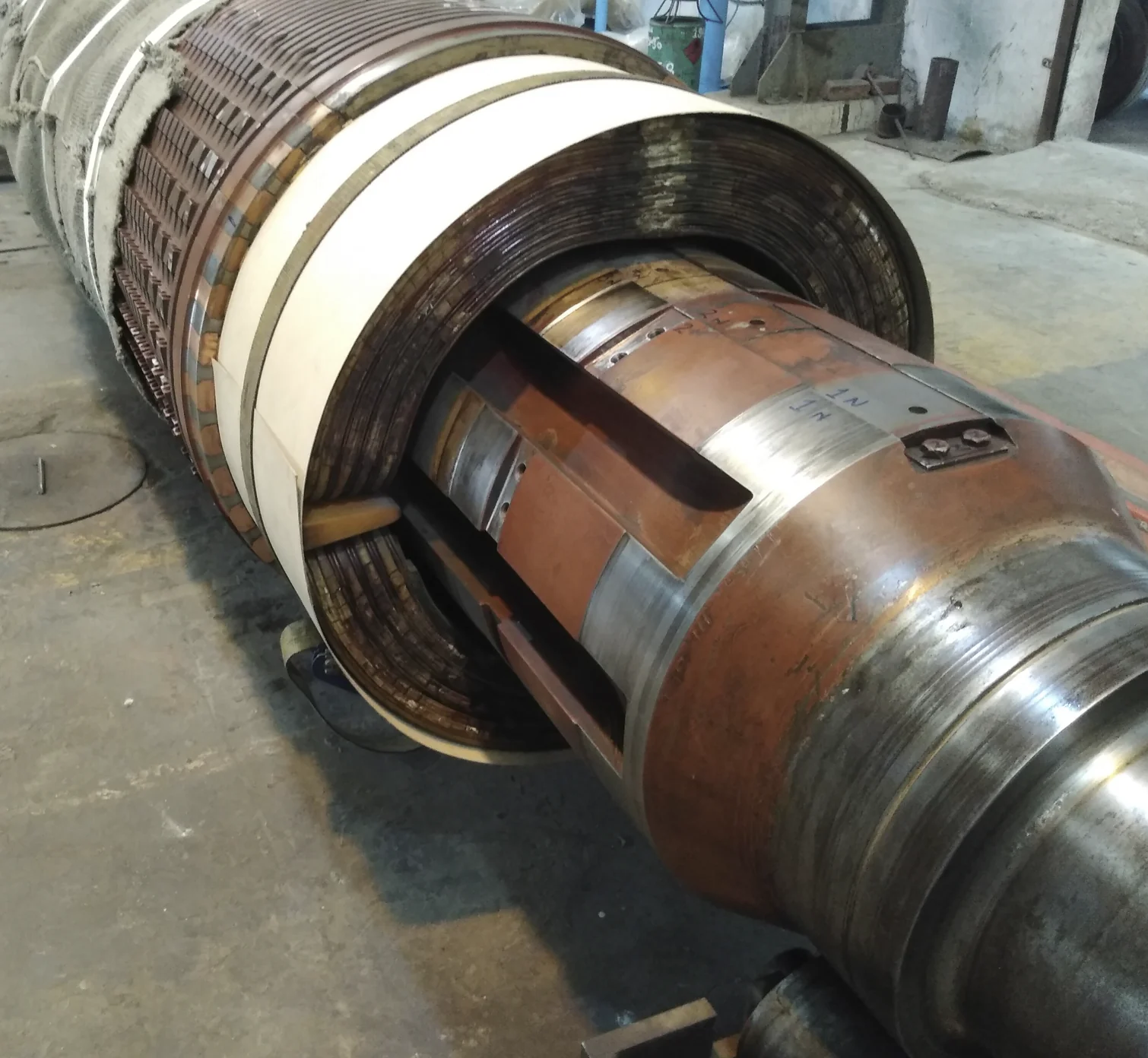
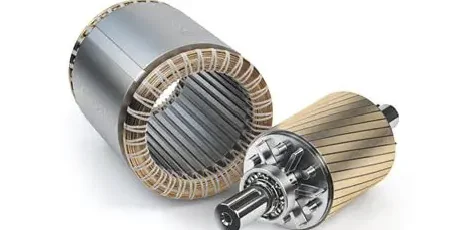
  • Products Processed: Compacts large-diameter electric motor rotors, heavy stators, large self-lubricating bearings, and multi-tier magnetic core assemblies. It produces high green-strength parts designed for seamless integration into high-temperature sintering lines.
  • Why 800-Ton Hydraulic Press: The massive 800-ton force capability allows deep compaction of large surface areas to achieve target green densities exceeding 7.2 g/cm³. Hydraulic proportional control ensures uniform pressure distribution along multi-step toolings to prevent density variations and micro-cracking.

02 — Technical Specifications

SM 800 HP – HYDRAULIC PRESS MACHINE COMPLETE TECHNICAL DATA

The SM 800 HP Hydraulic Press Machine is designed for high-precision powder metallurgy (PM) compaction of large rotating electrical and mechanical components, delivering a pressing force of approximately 800 tons with accurate multi-level compaction control. The machine features a rigid four-column/frame structure, servo-hydraulic system, programmable PLC-HMI controls, and precision die alignment to ensure uniform density distribution and dimensional accuracy.

Capacity & Structural Design

  • Rated Capacity: 800 Tons (≈ 7850 kN)
  • Type: Fourpillar hydraulic PM press
  • Frame: Heavy-duty welded steel structure
  • Safety factor: ≥ 1.35–1.40
  • Parallelism accuracy: ≤ 0.03–0.05 mm

Hydraulic System

  • Cylinder: Multi-action hydraulic system
  • Bore: 500–600 mm
  • Stroke: 500–900 mm
  • Working pressure: 28–32 MPa
  • Control: Servo-proportional control system

Multi-Level Compaction System

  • Independent upper punch segments
  • Independent lower punch movement
  • Floating die (optional)
  • Multi-stage pressure profile

Benefits

  • Eliminates density gradients
  • Improves uniformity in ribs and thick zones
  • Ensures better sintering performance

Compaction Cycle

  1. Powder filling (multi-zone)
  2. Punch approach (upper & lower synchronized)
  3. Pre-compaction (air removal)
  4. Main compaction (high-pressure densification)
  5. Holding stage
  6. Decompression
  7. Green part ejection

Working Envelope

  • Platen size: 900 × 900 mm
  • Optional: 1000 × 1000 mm
  • Daylight: 800–1200 mm
  • Column diameter: 180–240 mm

Control System

  • PLC: Siemens / Beckhoff / Mitsubishi
  • HMI: Multi-recipe interface

Controls:

  • Pressure stages
  • Stroke & position
  • Speed control
  • Density consistency

Features:

  • Real-time monitoring
  • Data logging (automotive/industrial QA)
  • Industry 4.0 integration
  • Safety PLC

SM 800 HP — Model Specifications

  • Nominal Force: 8000 KN
  • Maximum Hydraulic Pressure: 25 MPa
  • Max Opening Height of the Slider: 1500 mm
  • Max Stroke of the Slider: 900 mm
  • Effective Bed Size: 1600 × 1600 mm
  • Slider Down Speed: 180 mm/s
  • Slider Pressing Speed: 9–18 mm/s
  • Slider Return Speed: 180 mm/s
  • Ejector Cylinder Nominal Force: 600 KN
  • Stroke of the Ejection Cylinder: 300 mm
Production Case Study

Powder Metallurgy (PM) Large Rotors & Stators Component Production Line

Fe-based & Cu-Sn PowdersRaw Material
1200–4500 grmsProduct Weight
7.0–7.3 g/cm³Green Density
12–22 SecCycle Time
Superior magnetic saturation levels
Ultra-uniform thick-section density
High structural green strength
Reduced core iron hysteresis
Excellent multi-tier dimensional precision
Low tooling ejection friction
High volume heavy-duty output

03 — Die / Mold System

Precision Powder Metallurgy (PM) Large Rotors & Heavy Duty Stators Component Die Mold Engineering

Precision Powder Metallurgy (PM) Large Rotors & Heavy-Duty Stators Component Die Mold Engineering involves the design and manufacture of high-strength, high-accuracy tooling systems for compacting large PM rotor and stator components used in electrical and mechanical applications. The die molds are engineered with precision-guided tooling, optimized cavity geometry, wear-resistant tool steels, and multi-level compaction features to achieve uniform density, tight dimensional tolerances, and superior surface finish.

Technical Specifications (Tooling)

Tool Type

  • Heavy-duty multi-piece PM compaction tooling
  • Multi-level die system for large components

Tool Materials

  • Tool steels: H13 / D2 / PM-grade tool steel
  • Inserts: Carbide inserts for wear zones

Hardness: 60–64 HRC

Tool Construction

  • Upper punch: Slot/pole formation
  • Lower punch: Base and density control
  • Die cavity: Outer profile
  • Core rod: Inner bore

Multi-Level Tooling Design

Segmented punches for:

  • Outer ring
  • Slot region
  • Central hub

Floating die system

Critical Engineering Factors

  • Concentricity of rotor
  • Slot symmetry
  • Density distribution
  • Bore alignment

Alignment Accuracy: ±0.01–0.02 mm

Surface Finish

AreaFinish
BorePrecision polished
Outer ringSmooth
Slot regionsPrecision machined

Lubrication

  • Powder lubrication
  • Tool coatings (TiN/DLC optional)

Tool Life: 150,000 – 350,000 cycles
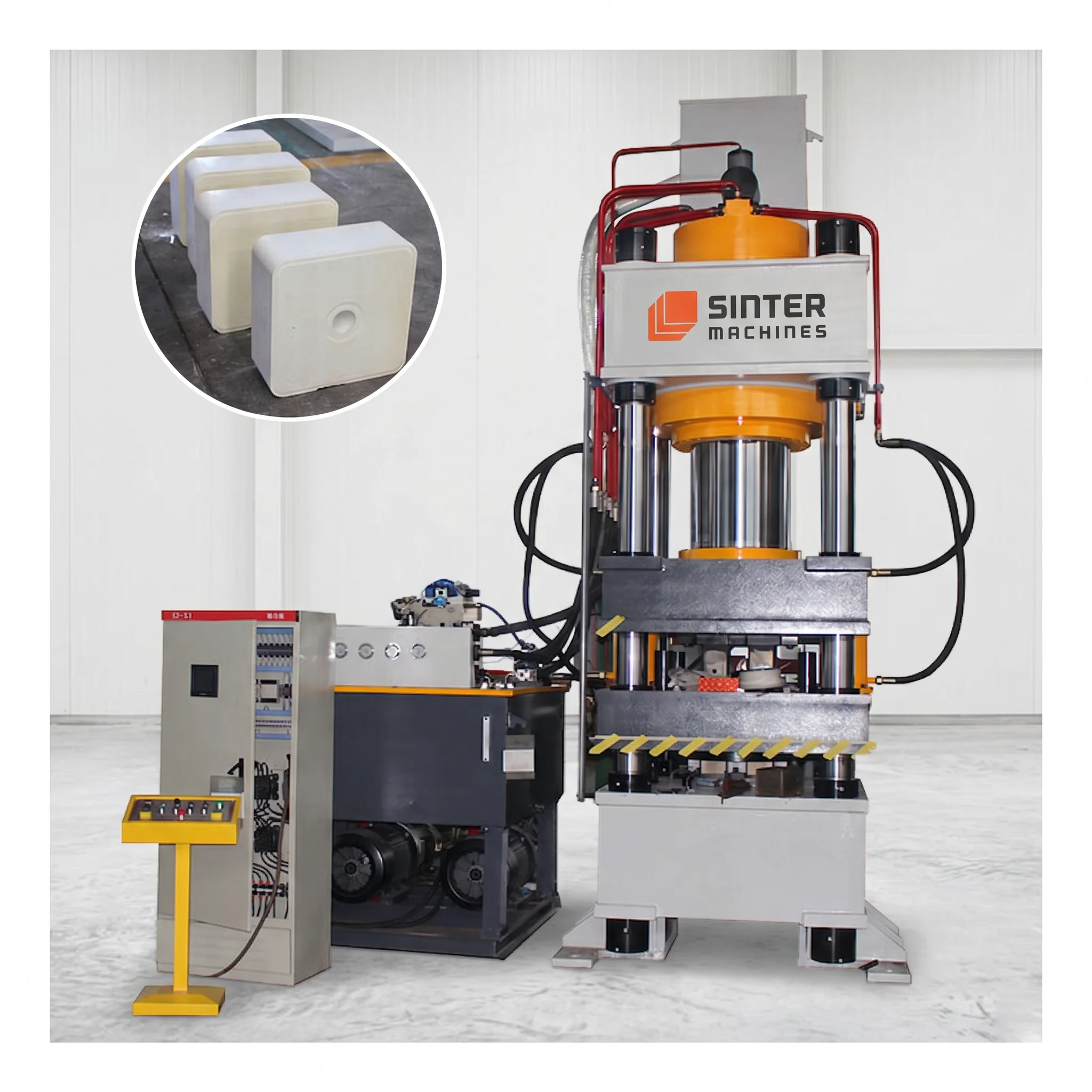
Case Study (Die Performance)

Powder Metallurgy (PM) Large Rotors & Stators Component Die Mold Tooling

Tungsten Carbide / D2 SteelDie Steel
62–65 HRCHardness
Vacuum HardeningHeat Treatment
High compressive load capacity
Extreme resistance to friction
Outstanding heavy-tonnage mold durability
Smooth wall ejection capability
Exceptional core concentricity precision
Zero cracking under stress
Minimal tool maintenance downtime

04 — Product Application

Where Powder Metallurgy (PM) Large Rotors & Stators Components Are Used

Precision Powder Metallurgy (PM) Large Rotors & Heavy-Duty Stators Component Die Mold Engineering involves the design and manufacture of high-strength, high-accuracy tooling systems for compacting large PM rotor and stator components used in electrical and mechanical applications. The die molds are engineered with precision-guided tooling, optimized cavity geometry, wear-resistant tool steels, and multi-level compaction features to achieve uniform density, tight dimensional tolerances, and superior surface finish.

Industry Applications

Electrical & Motor Industry

The Electrical & Motor Industry utilizes advanced powder metallurgy (PM) technologies for manufacturing high-performance industrial electric motors, generator rotors and stators, and EV motor components with exceptional dimensional accuracy and magnetic properties. Precision PM compaction and tooling solutions enable the production of complex, high-density parts that improve motor efficiency, reliability, and power output.

Automotive & EV Sector

The Automotive & EV Sector leverages advanced powder metallurgy (PM) manufacturing for producing traction motor rotors, hybrid drive system components, and auxiliary motor parts with high precision and performance. PM technology enables the production of complex, high-density components that deliver excellent magnetic characteristics, wear resistance, and dimensional stability.

Industrial Machinery

The Industrial Machinery sector utilizes advanced powder metallurgy (PM) components for pumps, compressors, heavy rotating equipment, and drive system applications that demand high strength, durability, and dimensional precision. PM manufacturing enables the production of complex components with excellent wear resistance, balanced density, and consistent performance under demanding operating conditions.

Energy Sector

The Energy Sector benefits from advanced powder metallurgy (PM) manufacturing for critical components used in wind turbine generators and power generation equipment, where reliability and precision are essential. PM technology enables the production of high-density rotor and stator components with excellent magnetic performance, mechanical strength, and dimensional consistency.

IndustryScenario
EV Industry Traction motor components
Industrial Large motor rotors
Energy Generator stators
Automotive Electric drive systems
Machinery Rotating equipment

Finished Product Gallery

05 — Key Advantages

Why Choose the 800-Ton Sinter Hydraulic Press

The 800-Ton Sinter Hydraulic Press is engineered to deliver exceptional compaction force and dimensional accuracy, making it ideal for manufacturing large PM rotors and heavy-duty stator components. Its robust hydraulic system ensures uniform density distribution, minimizing defects and enhancing mechanical strength, durability, and magnetic performance.

01

Near-net shape production

The 800-Ton Sinter Hydraulic Press is the ideal solution for producing large PM rotors and heavy-duty stator components with near-net shape capability, significantly reducing machining requirements, material waste, and production costs. Its high compaction force ensures uniform density, superior dimensional accuracy, and enhanced mechanical performance across complex geometries.

02

Reduced machining requirements

The 800-Ton Sinter Hydraulic Press enables near-net shape production of large PM rotors and heavy-duty stator components, significantly reducing machining requirements, secondary operations, and material waste. Its high compaction capability ensures excellent dimensional accuracy, uniform density, and superior component integrity right from the pressing stage.

03

Efficient magnetic performance

The 800-Ton Sinter Hydraulic Press delivers efficient magnetic performance by achieving high and uniform compaction density throughout large PM rotors and heavy-duty stator components. This consistency helps optimize magnetic flux flow, reduce core losses, and improve overall electromagnetic efficiency. Combined with near-net shape production and reduced machining requirements, it enables the manufacture of high-performance components with superior quality, reliability, and operational efficiency.

04

High demand in EV and industrial motors

The 800-Ton Sinter Hydraulic Press is ideally suited for manufacturing large PM rotors and heavy-duty stator components that are in high demand across EV and industrial motor applications. Its ability to produce high-density, dimensionally accurate parts ensures superior magnetic performance, durability, and operational efficiency.

05

Cost-effective vs machining/forging

The 800-Ton Sinter Hydraulic Press offers a cost-effective alternative to conventional machining and forging for large PM rotors and heavy-duty stator components. By enabling near-net shape production, it minimizes material waste, reduces machining time, and lowers overall manufacturing costs. The process also delivers consistent quality, high material utilization, and improved production efficiency, making it an economical choice for high-volume EV and industrial motor applications.

06

High-value manufacturing

The 800-Ton Sinter Hydraulic Press supports high-value manufacturing by producing large PM rotors and heavy-duty stator components with superior precision, material efficiency, and consistent quality. Its near-net shape capability reduces machining, minimizes waste, and lowers production costs while delivering enhanced magnetic and mechanical performance. This enables manufacturers to create high-performance components that meet the demanding requirements of EV, industrial motor, and advanced engineering applications, maximizing both productivity and profitability.