01 — Press System
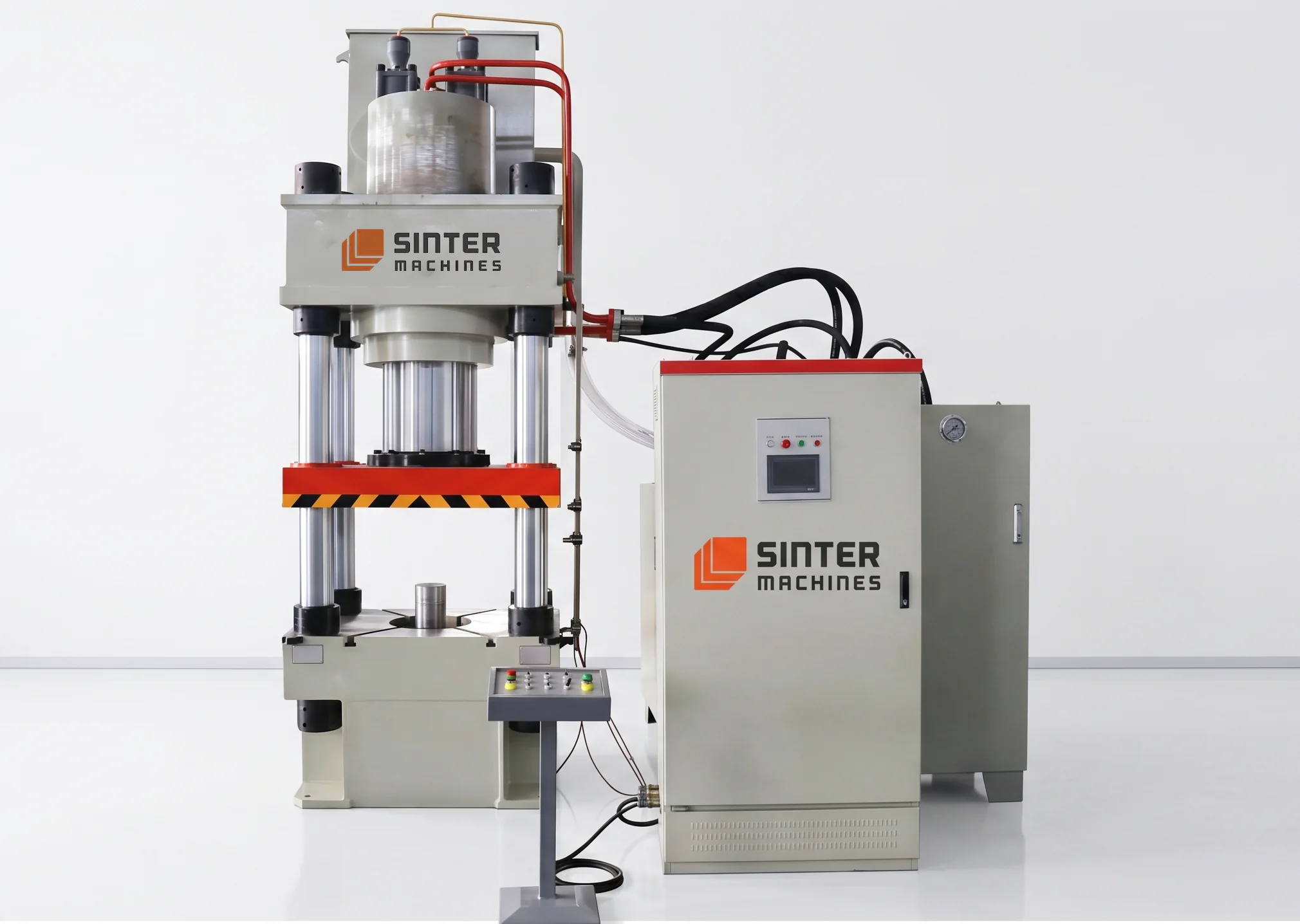
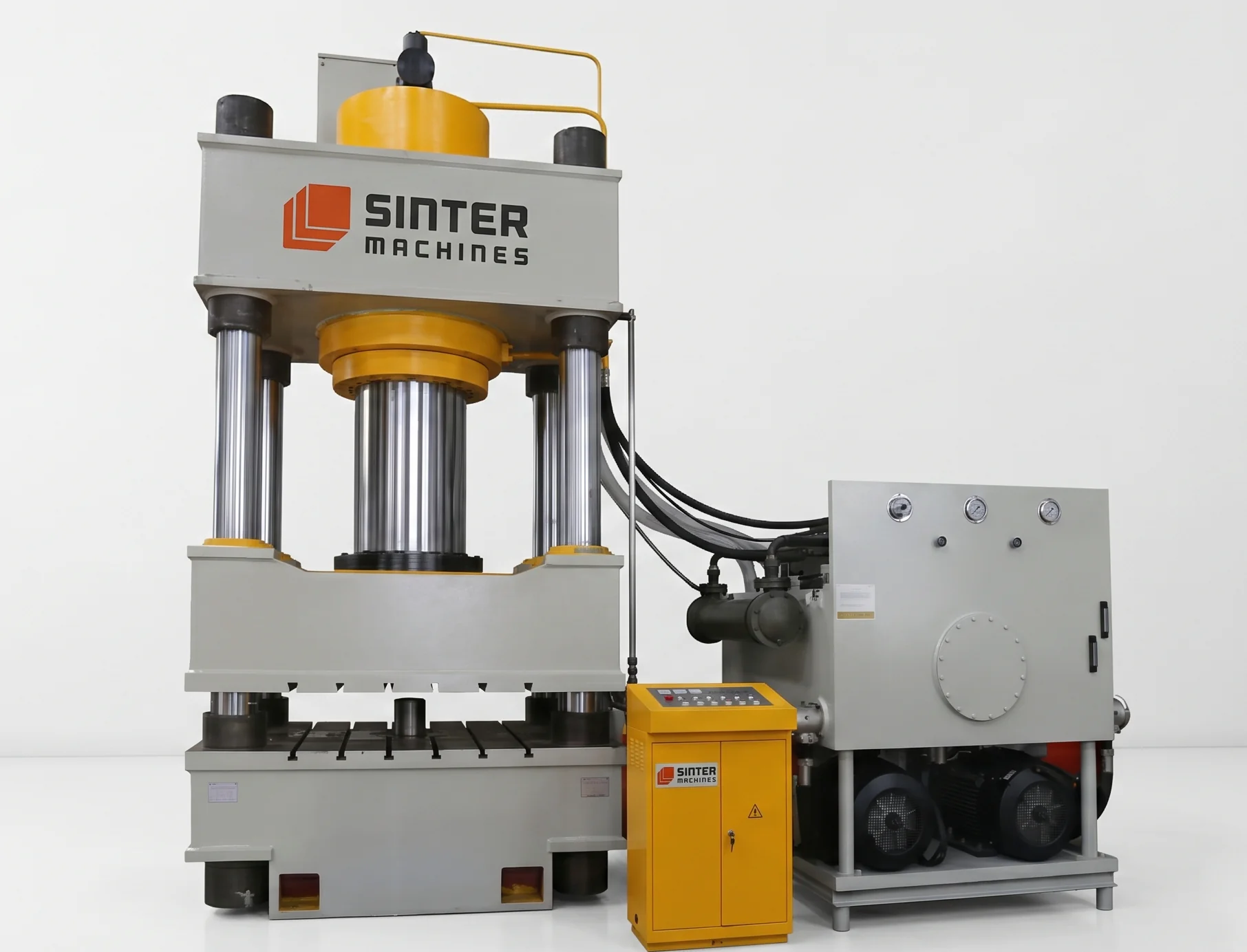
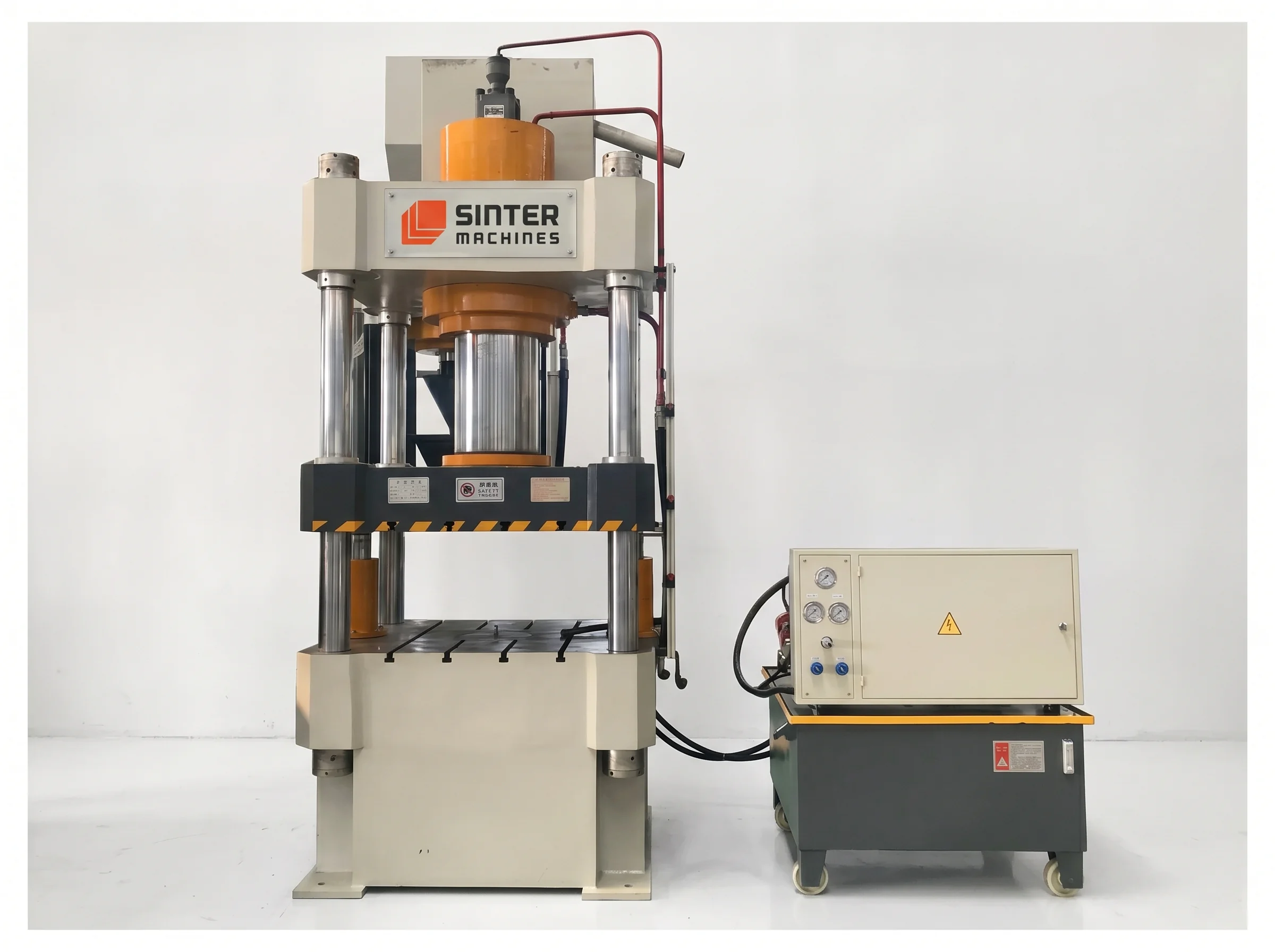
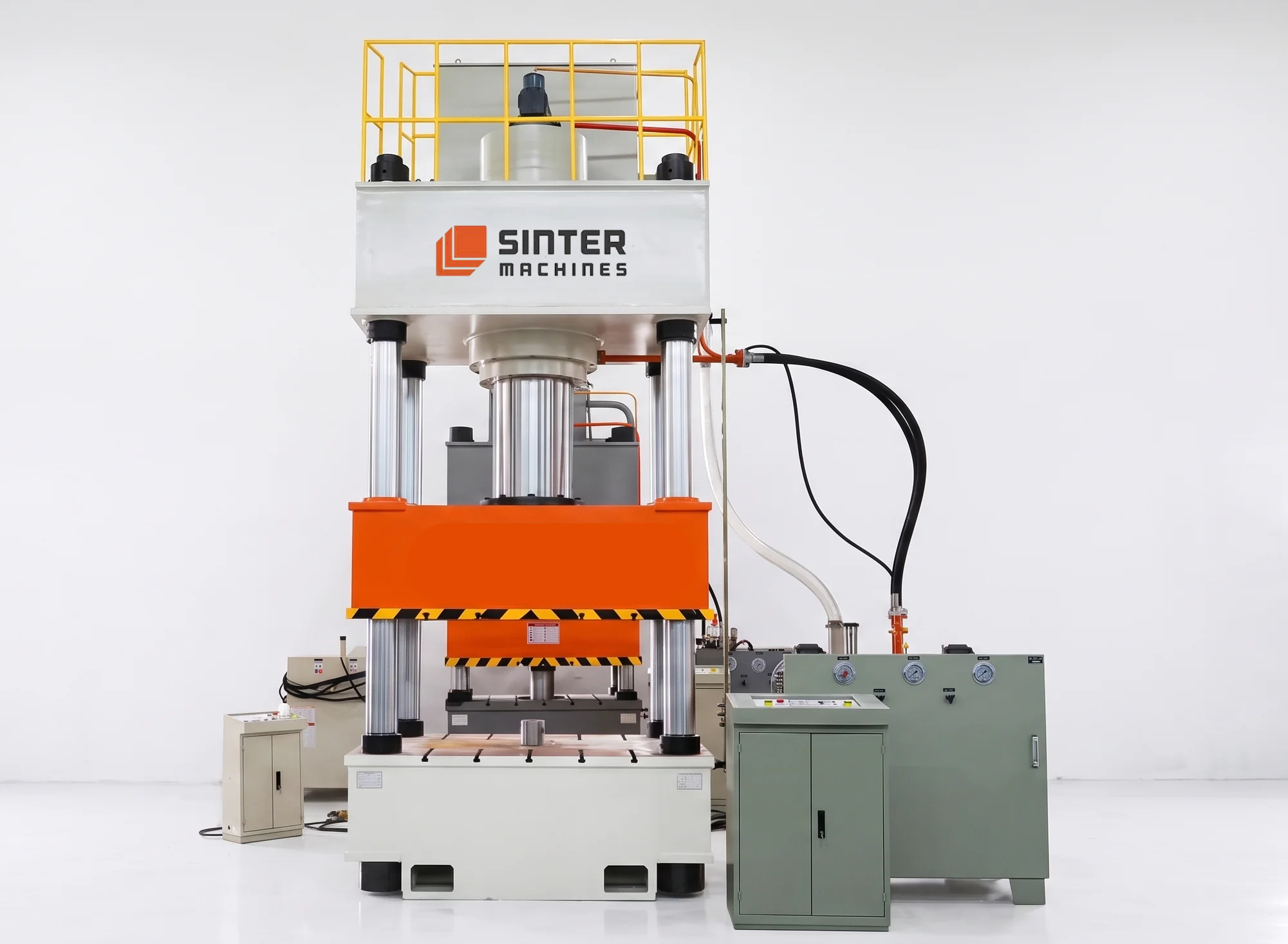
800 Ton Four Pillar Hydraulic Press Machine
Heavy-duty 800-ton four-pillar hydraulic press optimized for precision compression and thermoforming of NVH composite components. Delivers uniform parallel pressure distribution across large platen areas with high repeat accuracy.
Use Case
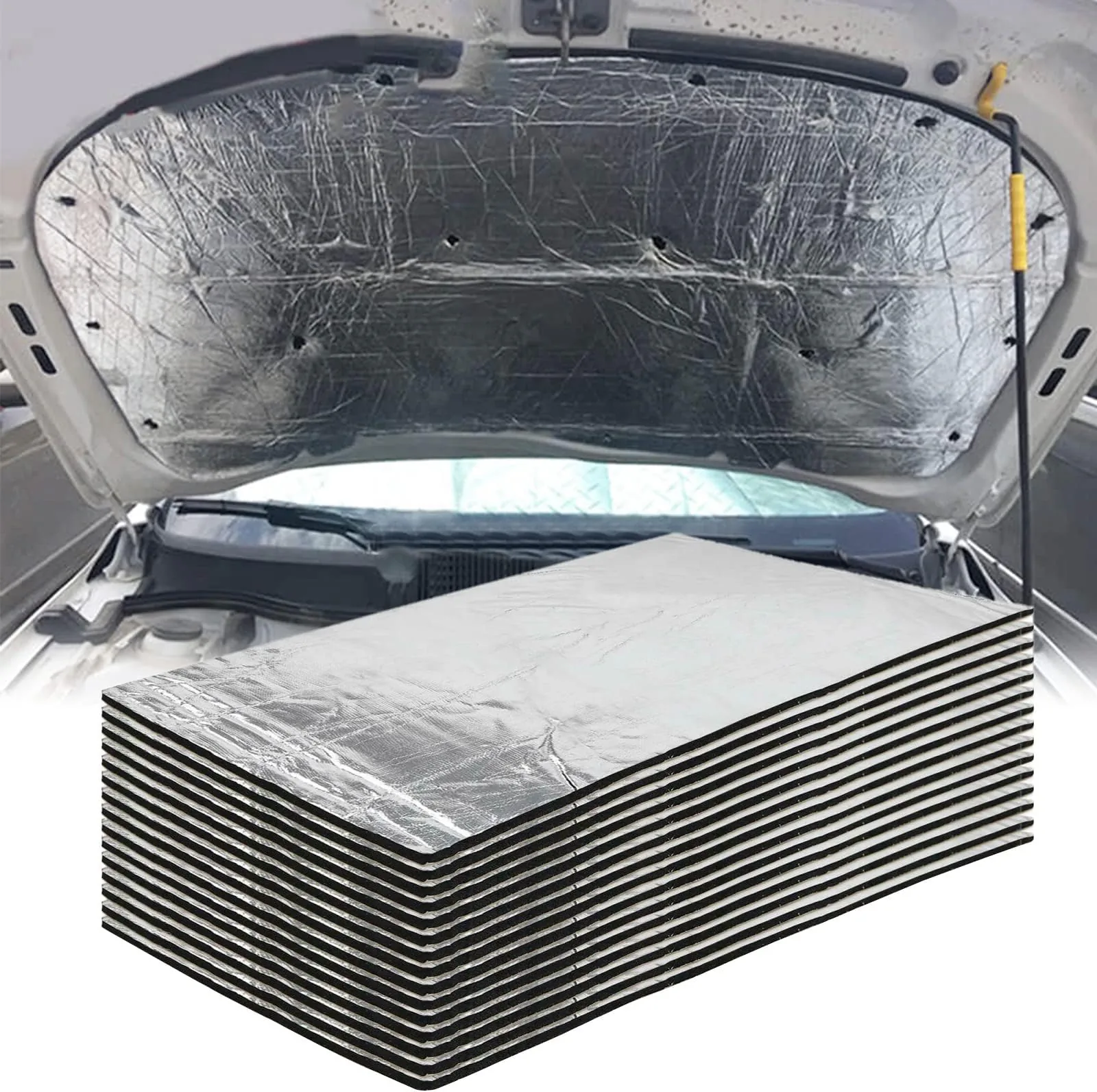
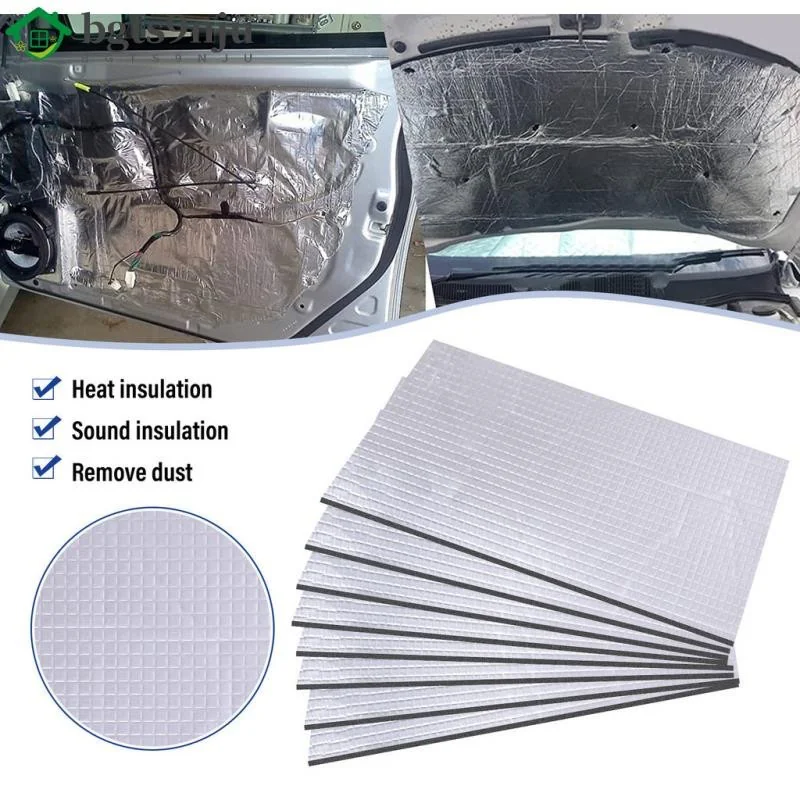
Engineered for shaping acoustic and thermal insulation panels used across automotive cabins and underbody assemblies. Thermoforms multi-layered nonwovens, natural fibers, and structural substrates under controlled heat and tonnage.
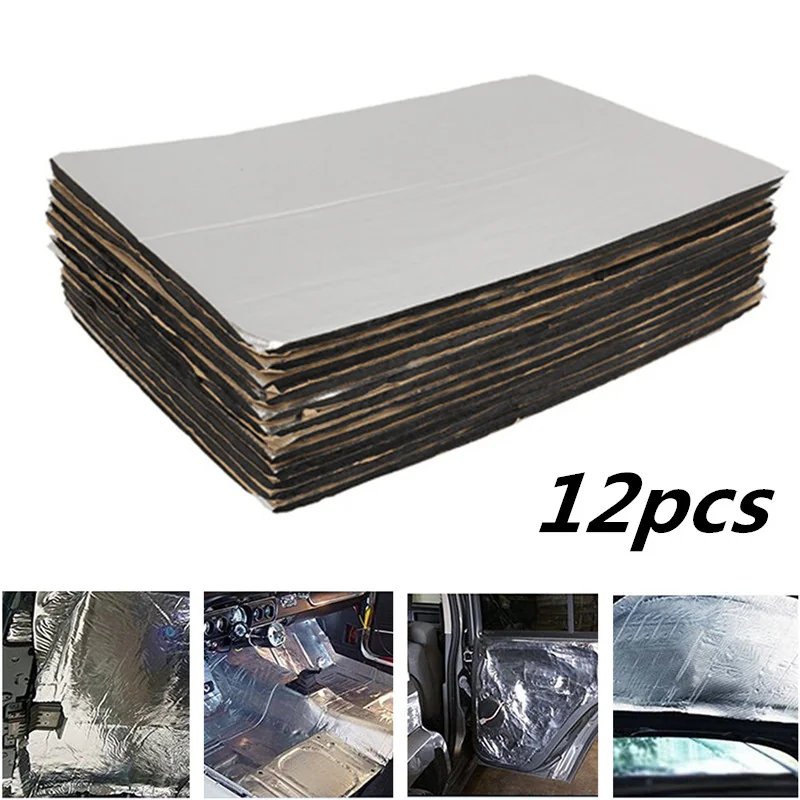
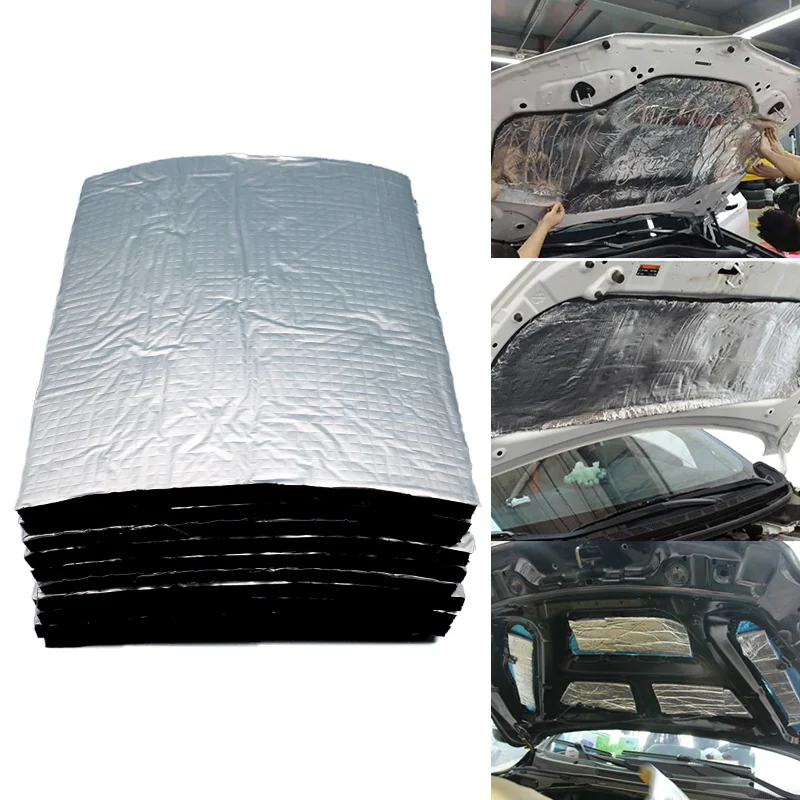
- Core Applications: Automotive NVH (Noise, Vibration, Harshness) thermal and acoustic insulation panel manufacturing. Interior floor mats, dash insulators, and trunk lining compression molding operations.
- Material: Surface layers including polyester fabrics, felt, suede, PVC/TPO films, and PU skins. Functional substrates including PET nonwovens, glass fiber mats, natural fibers, and PU foam.
- Products Processed: Dash inner insulators, wheel arch liners, floor acoustic mats, and luggage compartment trims. Engine compartment acoustic barriers, door trim substrates, and parcel shelf panels.
- Why 800-Ton Hydraulic Press: Provides optimal pressure density required for compacting medium-to-large composite panels without crushing porous fibers. Ensures crisp surface detail, sharp deep-draw contours, and clean lamination of decorative top layers.
02 — Technical Specifications
SM 800 HP – HYDRAULIC PRESS MACHINE COMPLETE TECHNICAL DATA
SM 800 HP – 800 TON HYDRAULIC PRESS MACHINE delivers high-capacity and precision thermoforming performance for automotive trim and insulation panels. It ensures uniform pressure, controlled compression, and consistent OEM-grade quality for mid to large international companies
Capacity & Structural Design
- Rated Capacity: 800 Tons (≈ 7850 kN)
- Press Type: Fourpillar hydraulic hot press
- Frame: Rigid heavy welded steel (stress relieved)
- Safety factor: ≥ 1.35–1.40
- Parallelism accuracy: ≤ 0.05–0.08 mm
Hydraulic System
- Cylinder: Doubleacting
- Bore: 500–600 mm
- Stroke: 700–1200 mm
- Working pressure: 30–32 MPa
- Control: Servo-proportional hydraulic system
Thermoforming & Trimming Cycle
- Preheated sheet loading (manual/robotic)
- Mold closing (controlled slow approach)
- Compression thermoforming
- Optional vacuum-assisted forming
- Cooling under pressure
- Integrated trimming / cutting operation
- Mold opening
- Finished part removal
Heated Platen System
- Heating type:
- Electric platen heaters
- Thermal oil system
- Temperature range: 130–220°C (material dependent)
- Accuracy: ±2–3°C
- Multi-zone temperature control
Cooling System
- Integrated mold cooling channels
- Chiller system compatibility
Cooling profile: 180–220°C → 60–80°C
Advantages:
- Prevents warpage
- Ensures dimensional stability
- Reduces cycle time
Working Envelope
- Platen size:
- Standard: 1600 × 1200 mm
- Optional: 1800 × 1400 mm
- Daylight opening: 1200–1800 mm
- Column diameter: 180–240 mm
Control System
- PLC: Siemens / Mitsubishi / Beckhoff
- HMI: Recipe-based control system
- Monitored parameters:
- Pressure
- Temperature
- Time
- Vacuum (if applicable)
- Features:
- Data logging (automotive QA)
- Industry 4.0 integration
- Safety PLC + guarding systems
SM 800 HP — Model Specifications
- Nominal Force: 8000 KN
- Maximum Hydraulic Pressure: 25 MPa
- Max Opening Height of the Slider: 1500 mm
- Max Stroke of the Slider: 900 mm
- Effective Bed Size: 1600 × 1600 mm
- Slider Down Speed: 180 mm/s
- Slider Pressing Speed: 9–18 mm/s
- Slider Return Speed: 180 mm/s
- Ejector Cylinder Nominal Force: 600 KN
- Stroke of the Ejection Cylinder: 300 mm
03 — Die / Mold System
Precision Automotive Insulation Panels Die Mold Engineering
Precision Automotive Insulation Panels Die Engineering ensures accurate panel geometry, uniform thickness, and optimized acoustic layering for noise and heat control. It delivers consistent quality, superior fitment, and durable performance for advanced automotive interior applications.
Technical Specifications
Mold Type
- Thermoforming + trimming integrated mold
- Compression-assisted forming system
Mold Materials
- Aluminum alloy (lightweight + high thermal conductivity)
- Tool steel inserts (trimming edges, wear zones)
Mold Construction
- Upper mold:
- Surface contour
- Pattern / texture
- Lower mold:
- Structural support
- Reinforcement geometry
- Guide system: Alignment accuracy ±0.02 mm
Heating System
- Multi-zone heating channels
- Uniform heat distribution
Cooling System
- Internal cooling channels
- Controlled cooling flow
Benefits:
- Prevents distortion
- Improves cycle time
Vacuum & Venting
- Vacuum ports (optional for forming)
- Micro vent channels
Prevents:
- Wrinkles
- Air pockets
- Surface defects
Trimming System
- Hardened steel trimming blades
- CNC-machined cutting edges
- Integrated punching features
Surface Finish
| Product | Finish |
| Visible trim areas | Decorative / textured |
| Insulation panels | Functional matte |
| Edges | Precision trimmed |
Mold Life: 150,000 – 300,000 cycles
Automotive Interior Trim & Insulation Panels Die Mold
04 — Product Application
Where Automotive Interior Trim & Insulation Panels Are Used
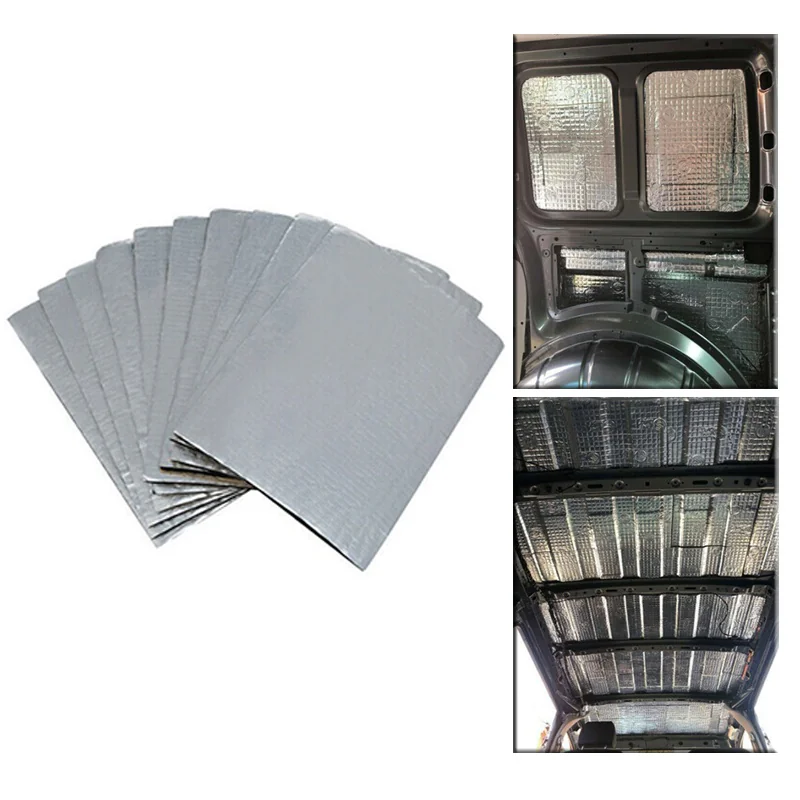
Automotive interior trim and insulation panels are widely used in passenger vehicles, SUVs, and commercial vehicles to enhance cabin aesthetics and comfort. They are applied in areas like doors, dashboards, roofs, and side panels for noise reduction and thermal insulation. These components ensure improved ride quality, durability, and overall interior performance.
Industry Applications
Automotive OEM
Automotive OEMs (Original Equipment Manufacturers) design, develop, and produce vehicles across multiple segments to meet diverse customer needs. Passenger cars focus on affordability, comfort, and efficiency for daily commuting, while SUVs emphasize space, versatility, and performance across varied terrains. Electric vehicles represent the future of mobility, offering eco-friendly, low-emission solutions driven by advanced battery technology and sustainability goals.
Automotive Interiors
Automotive interiors encompass key components that enhance comfort, aesthetics, and functionality within a vehicle cabin. Door trims and headliners contribute to interior design, insulation, and user comfort, while trunkliners provide durability and protection for cargo areas. Dashboard sub-components integrate controls, displays, and structural elements, supporting both driver interaction and overall vehicle safety.
Commercial Vehicles
Commercial vehicles focus on durability, functionality, and driver comfort to support long operational hours and heavy-duty usage. Bus interiors are designed for passenger safety, seating comfort, and optimized space utilization, while truck cabin panels emphasize ergonomics, insulation, and ease of control for drivers. Together, these interior components ensure efficiency, reliability, and an improved user experience in commercial transport.
Transport Sector
The transport sector includes specialized interior components designed for safety, durability, and passenger comfort across different modes. Rail interior panels are engineered for strength, fire resistance, and ease of maintenance in high-traffic environments. Aircraft interior liners focus on lightweight construction, strict safety standards, and enhanced passenger experience, contributing to overall efficiency and performance.
| Industry | Scenario |
|---|---|
| Automotive OEM | Interior trim production |
| EV Industry | Lightweight insulation panels |
| Commercial Vehicles | Durable interior panels |
| Transport | Cabin interior insulation |
| Premium Vehicles | Soft-touch interior trims |
Finished Product Gallery
05 — Key Advantages
Why Choose the 800-Ton Sinter Hydraulic Press
The 800-ton Sinter Hydraulic Press is an ideal solution for manufacturing automotive interior trim and insulation panels due to its high pressing force and consistent precision. It ensures superior material bonding, uniform density, and excellent surface finish, which are critical for durability and aesthetics.
Integrated shaping + trimming
Enables the simultaneous forming and cutting of automotive interior components in a single operation, improving production efficiency and reducing cycle time. This process ensures precise dimensions, consistent quality, and minimal material waste, making it ideal for high-volume manufacturing of trim and insulation panels. It also reduces the need for secondary operations, lowering overall production costs.
Uniform large-area forming
Ensures consistent shaping of automotive interior components across wide surfaces without defects or material inconsistencies. It delivers even thickness, strength, and surface finish, which are essential for durability and visual quality. This capability is particularly important for large panels such as headliners and trunkliners, enabling reliable, high-quality production at scale.
Acoustic & thermal insulation
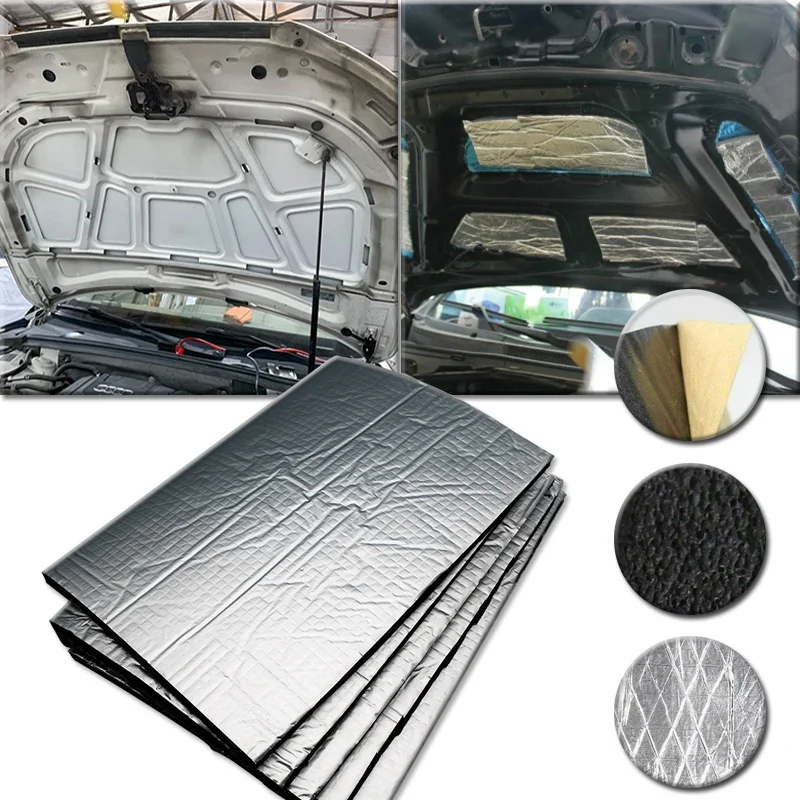
Automotive interiors enhances cabin comfort by reducing noise, vibration, and heat transfer. It helps create a quieter driving experience while maintaining interior temperature efficiency. These properties are essential for improving passenger comfort, vehicle efficiency, and overall driving quality.
Durable and wear-resistant
Materials ensure automotive interior components maintain their strength, appearance, and functionality over prolonged use. They resist abrasion, impact, and environmental stress, making them suitable for high-traffic areas. This enhances product lifespan while reducing maintenance and replacement costs.
Multi-product flexibility
Enables manufacturers to produce a wide range of automotive interior components using the same equipment with minimal adjustments. It allows quick changeovers between different designs, materials, and product types, improving operational efficiency. This adaptability supports diverse OEM requirements while reducing tooling costs and production downtime.
OEM & Tier-1 supply potential
The capability to meet the stringent quality, consistency, and scalability requirements of automotive OEMs and Tier1 suppliers. It reflects adherence to industry standards, reliable high-volume production, and strong process control. This capability enables manufacturers to integrate seamlessly into the automotive supply chain and build long-term partnerships.