01 — Press System
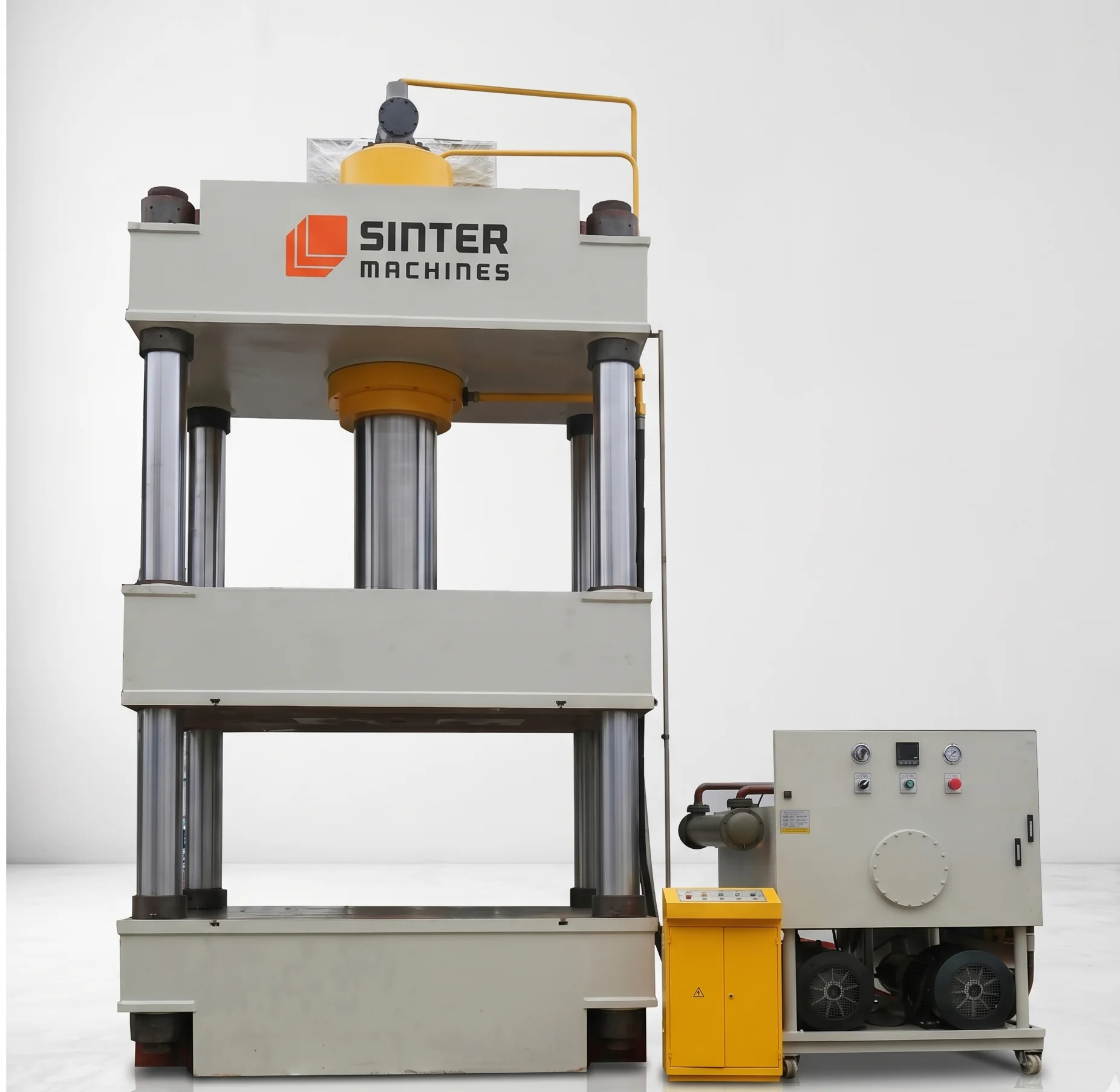
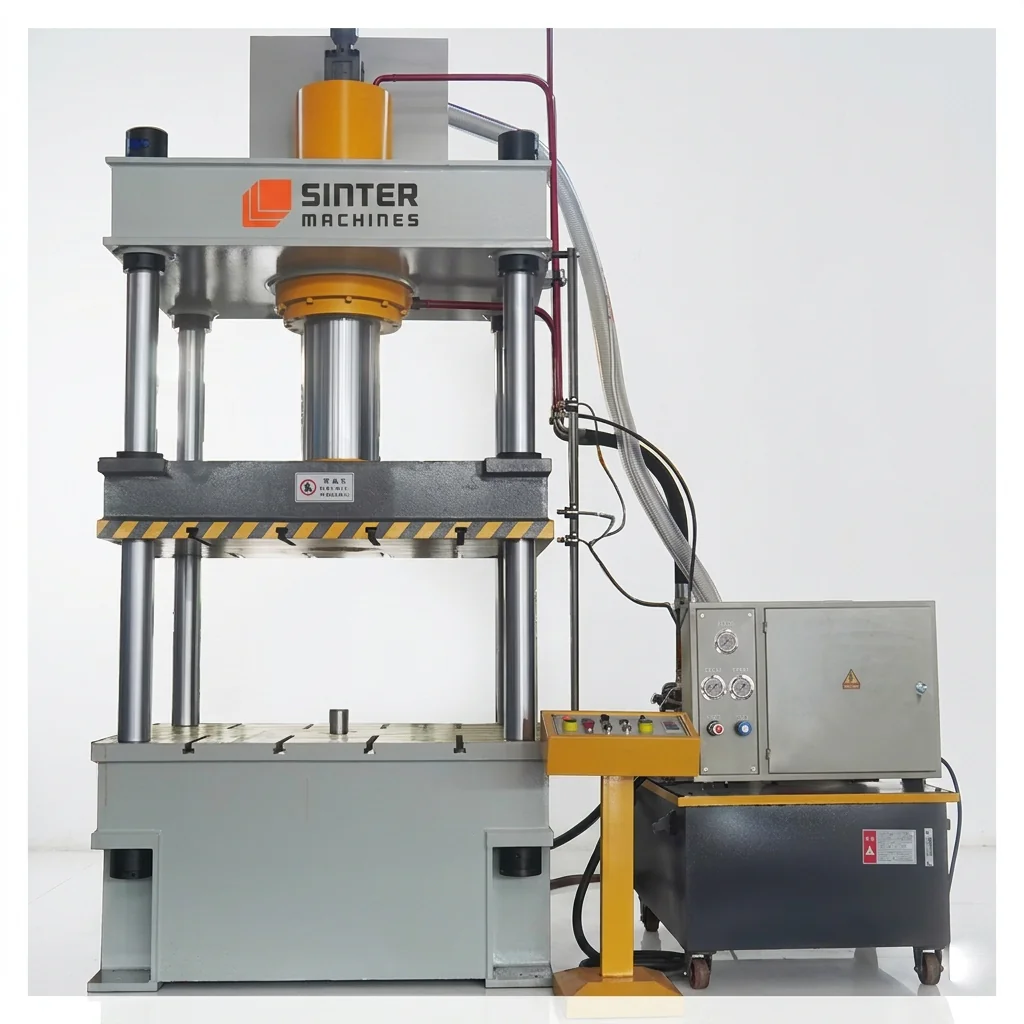
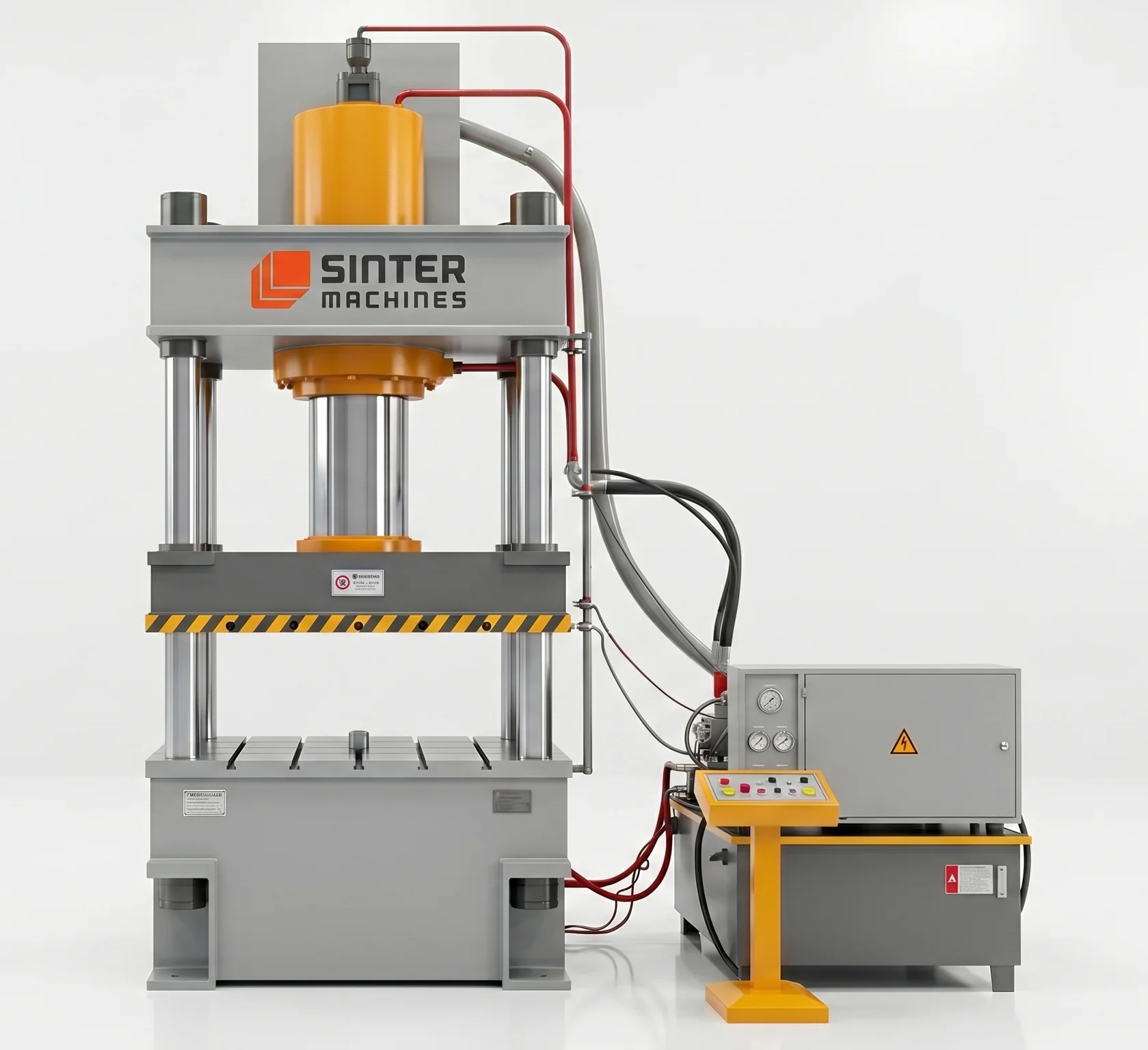
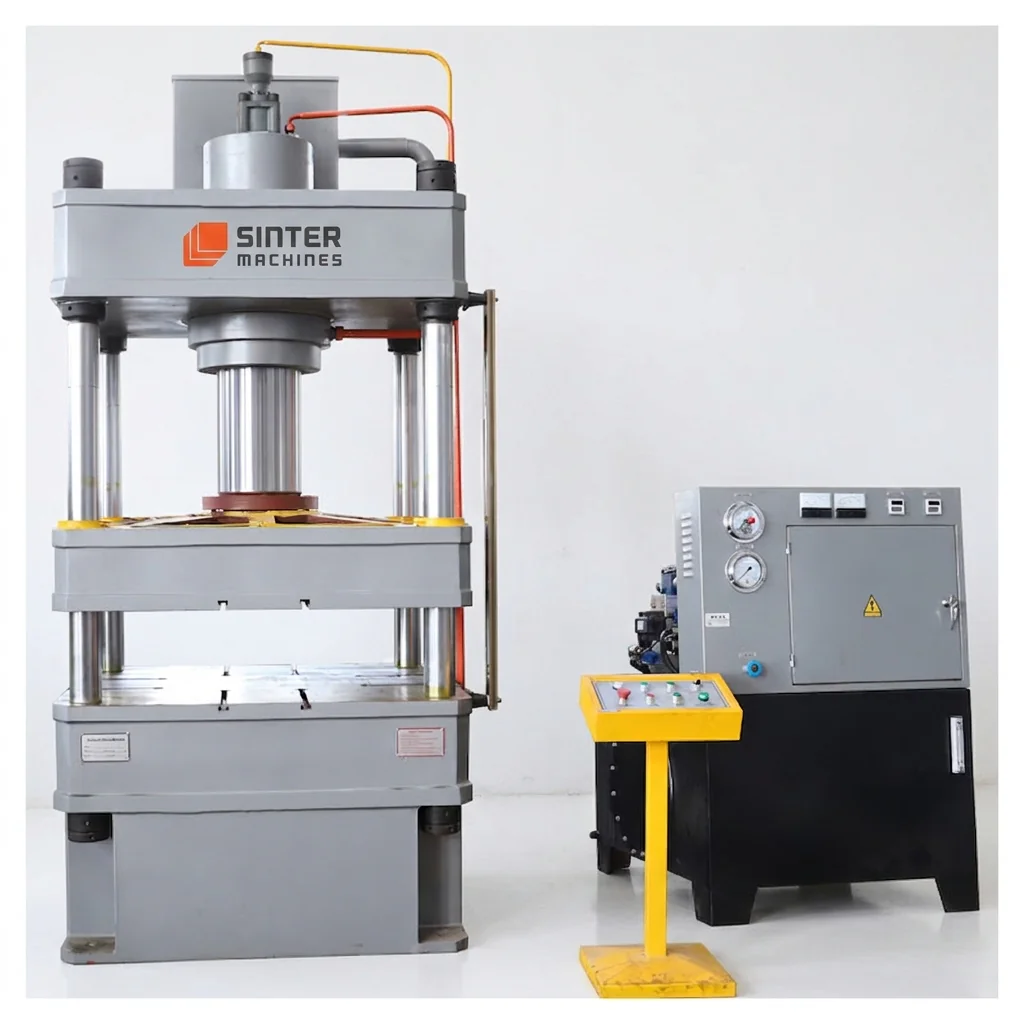
200T Four Column Hydraulic Press Machine
Engineered with a rigid four-column structural frame that maintains precise platen alignment and equal load distribution during deep pressing cycles. Integrates advanced proportional hydraulic controls to deliver consistent 200-ton compaction force across multi-cavity die molds.
Use Case
Designed for fully automated, high-volume manufacturing of medium density fly ash, bottom ash, and pond ash bricks in modern civil construction lines. Optimizes eco-friendly waste utilization while delivering highly standardized, load-bearing bricks that meet strict structural building codes.
Core Applications: Structural wall construction, partition masonry, boundary walls, and general civil engineering work.
Material: 50 to 70 percent Bottom or Pond Ash, 20 to 30 percent M Sand, 8 to 12 percent Cement or Lime, and Water as required for optimum moisture content.
Typical Products Processed: Standard 228 mm by 104 mm by 75 mm Brick Size.
Brick Compressive Strength: Delivers consistent 5 to 8 MPa compressive strength suitable for medium density structural applications.
Why 200 Ton Hydraulic Press: Provides the exact compaction pressure needed for medium density ash mixtures, ensuring uniform density without air pockets while sustaining high-speed daily output targets.
02 — Technical Specifications
SM 200 HP – HYDRAULIC PRESS MACHINE COMPLETE TECHNICAL DATA
The SM 200 HP Hydraulic Press provides robust 200-ton compaction force designed specifically for automated medium density ash brick production. Its four-column structural alignment guarantees high dimensional precision, uniform material density, and reliable continuous operation.
TECHNICAL SPECIFICATIONS
Capacity
- Pressing Tonnage: 200 Ton Maximum Compaction Force
Structural Design
- Frame Construction: High Rigidity Heavy Duty Fabricated Steel Structure
Frame Type
- Guide Configuration: Precision Four Column Guided Alignment Structure
Hydraulic System
- System Design: High Efficiency Hydraulic Power Pack with Proportional Controls
Main Ram Stroke
- Stroke Length: 300 mm Total Stroke Traversal
Working Hydraulic Pressure
- System Pressure: 210 bar Working Operating Pressure
Daylight Gap
- Clear Opening: 500 mm Maximum Daylight Gap
Approach Speed
- Downwards Speed: 100 mm Per Sec Rapid Approach Speed
Pressing / Drawing Speed
- Compaction Speed: 8 mm Per Sec to 12 mm Per Sec Controlled Pressing Speed
Return Speed
- Upwards Speed: 80 mm Per Sec Rapid Return Speed
Bed / Platen Size Platen
- Working Area: 800 mm Length by 800 mm Width Moving Platen Area
Columns
- Guide Tie Rods: 100 mm Diameter Hard Chrome Plated Four Columns
Working Envelope
- Clearance Space: 850 mm Side Clearance for Easy Tooling Insertion
Control System
- Operating Interface: PLC Controlled System with Touchscreen HMI Panel
Main Motor Power
- Drive Motor: 18.5 kW Energy Efficient Electric Drive Motor
Valves & Hydraulics
- Control Valves: Proportional Directional and Pressure Control Valves
Automation
- Line Integration: Fully Automated Pallet Feeding and Brick Ejection Sequence
Safety Features
- Operator Protection: Infrared Safety Light Curtains and Emergency E Stop Push Buttons
SM 200 HP — Model Specifications
- Nominal Force: 2000 KN
- Maximum Hydraulic Pressure: 25 MPa
- Max Opening Height of the Slider: 1100 mm
- Max Stroke of the Slider: 700 mm
- Effective Bed Size: 1000 × 1000 mm
- Slider Down Speed: 100 mm/s
- Slider Pressing Speed: 7–18 mm/s
- Slider Return Speed: 90 mm/s
- Ejector Cylinder Nominal Force: 200 KN
- Stroke of the Ejection Cylinder: 200 mm
03 — Die / Mold System
Precision 12 Cavity Bottom/Pond Ash Bricks Die Mold Engineering
Engineered for ultra-high-volume automated manufacturing of medium density bottom and pond ash bricks on 200 Ton hydraulic press lines. Delivers simultaneous compaction across twelve cavities to optimize throughput while maintaining strict dimensional accuracy and edge sharpness.
Technical Specifications (Tooling)
Die Type
- Mold Type: 12 Cavity Mold
- Molding Application: Bottom and Pond Ash Brick Pressing
Die Materials
- Cavity Liners: Hardened High Carbon High Chromium D2 Alloy Steel
- Liner Hardness: 60 to 62 HRC Heat Treated
- Mold Frame Base: Heavy Duty Structural Carbon Steel IS 2062
Tool Configuration and Construction
- Assembly Design: Heavy Duty Modular Bolted Structure with Dowel Pin Alignment
- Liner Plate Thickness: 15 mm to 20 mm Interchangeable Wear Plates
- Cavity Dimensions: 228 mm Length by 104 mm Width by 75 mm Height
Key Tooling Features
- Wear Management: Reversible and Top Bottom Replaceable Liners
- Ejection System: Hydraulic Synchronized Bottom Ejection Punch
- Cycle Time: 18 Sec to 20 Sec Per Pressing Cycle
- Production Capacity: 2160 Bricks to 2400 Bricks Per Hour
Alignment Accuracy
- Guide Bushing Tolerance: 0.02 mm to 0.05 mm Clearance
- Brick Dimension Tolerance: Plus or Minus 0.5 mm
Surface Finish
- Cavity Surface Roughness: Ra 0.4 to Ra 0.8 Polished Finish
- Surface Treatment: Nitrided or Hard Chrome Coated Wear Surfaces
Tool Life
- Liner Life: 150000 Cycles to 300000 Cycles Before Reconditioning
- Mold Base Life: 1000000 Cycles to 2000000 Cycles Structural Service Life
Precision 12 Cavity Bottom/Pond Ash Bricks Die Mold
04 — Product Application
Where Medium Density Bottom/Pond Ash Bricks Are Used
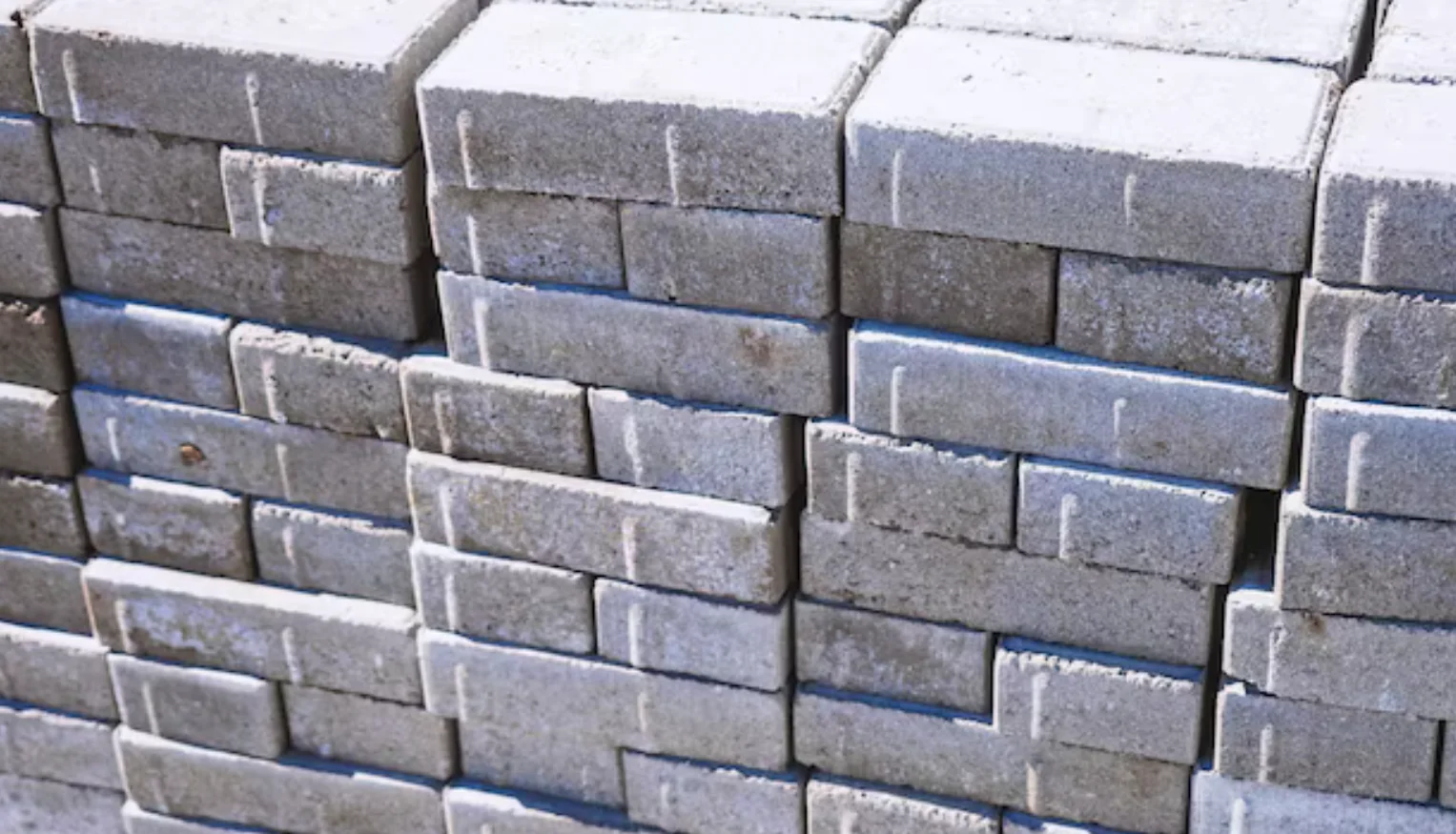
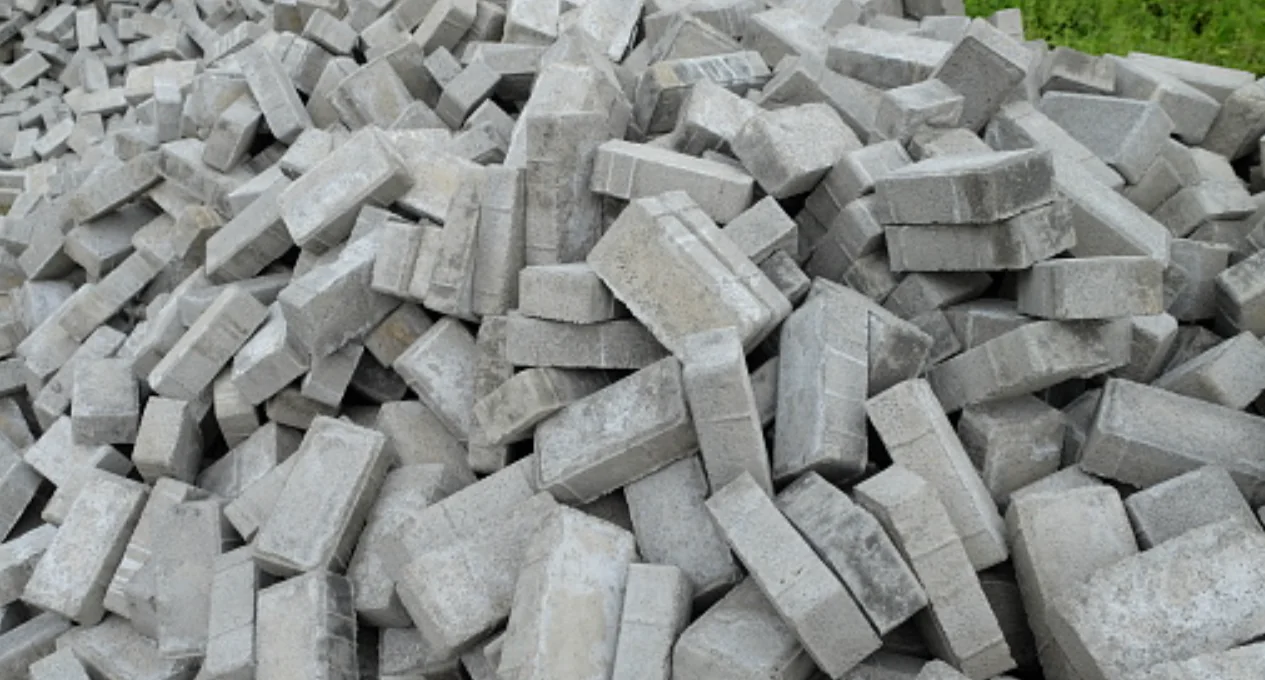
Medium density bottom and pond ash bricks deliver high compressive strength and excellent thermal performance for demanding structural applications. They provide an eco-friendly, durable building solution that meets rigorous load-bearing and environmental standards across modern construction projects.
Industry Applications
Load-Bearing Structural Masonry
Used in main exterior load-bearing walls for multi-story residential buildings, commercial structures, and institutional complexes.Their consistent high density ensures superior structural integrity and load distribution without requiring extra reinforced concrete columns.
High-Rise Perimeter Wall Systems
Ideal for outer envelope walling systems in high-rise commercial offices, shopping malls, and residential towers.Provides enhanced resistance against wind pressure, moisture penetration, and external environmental weathering over extended lifespans.
Industrial Infrastructure Enclosures
Applied extensively in building heavy-duty manufacturing plants, boundary walls, power sub-station enclosures, and industrial storage facilities.Delivers robust mechanical strength, high impact resistance, and long-term durability in demanding industrial environments.
Public Works and Infrastructure Construction
Utilized for municipal infrastructure projects including retaining walls, highway boundary structures, drainage channels, and public utility buildings.Promotes sustainable urban development by utilizing industrial ash waste productively while meeting strict civil engineering specifications.
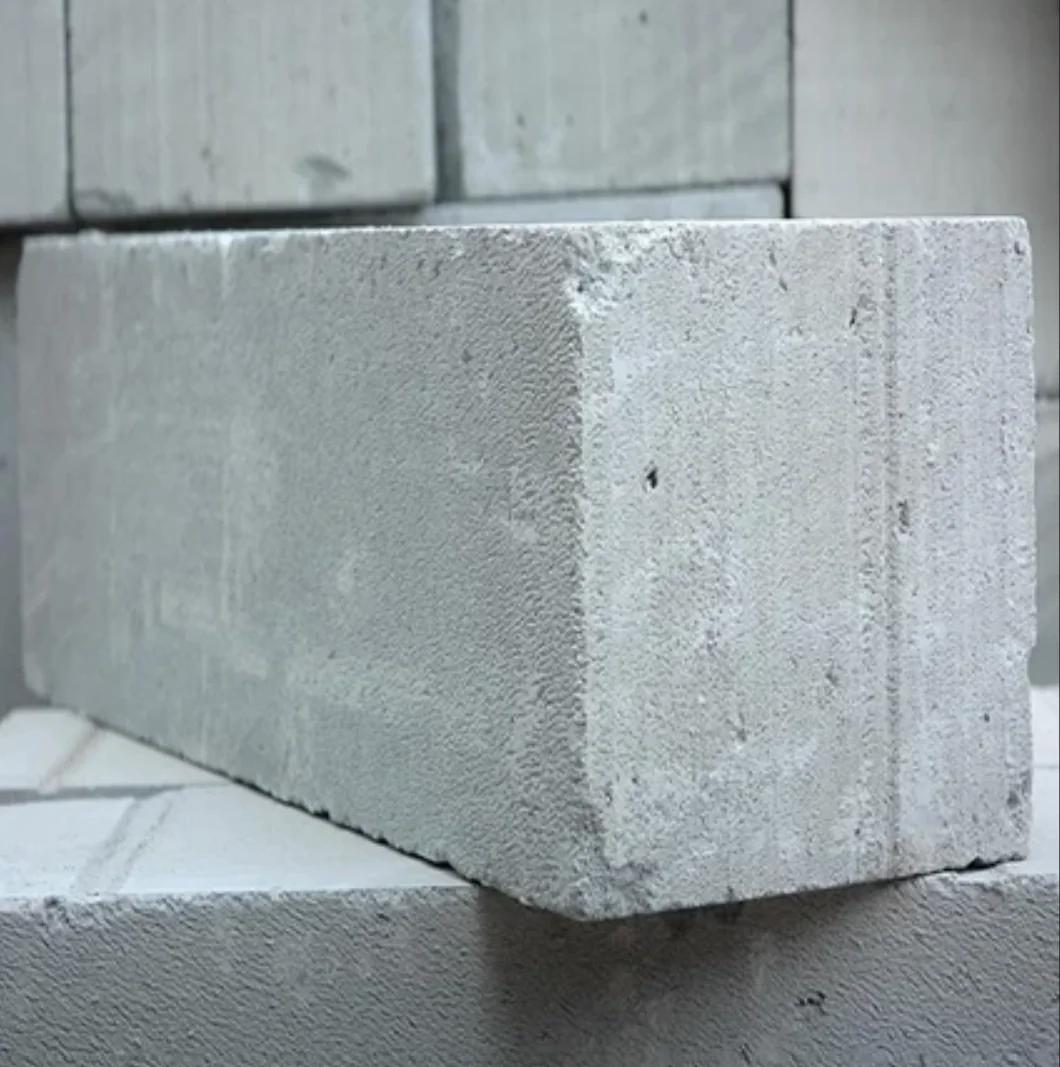
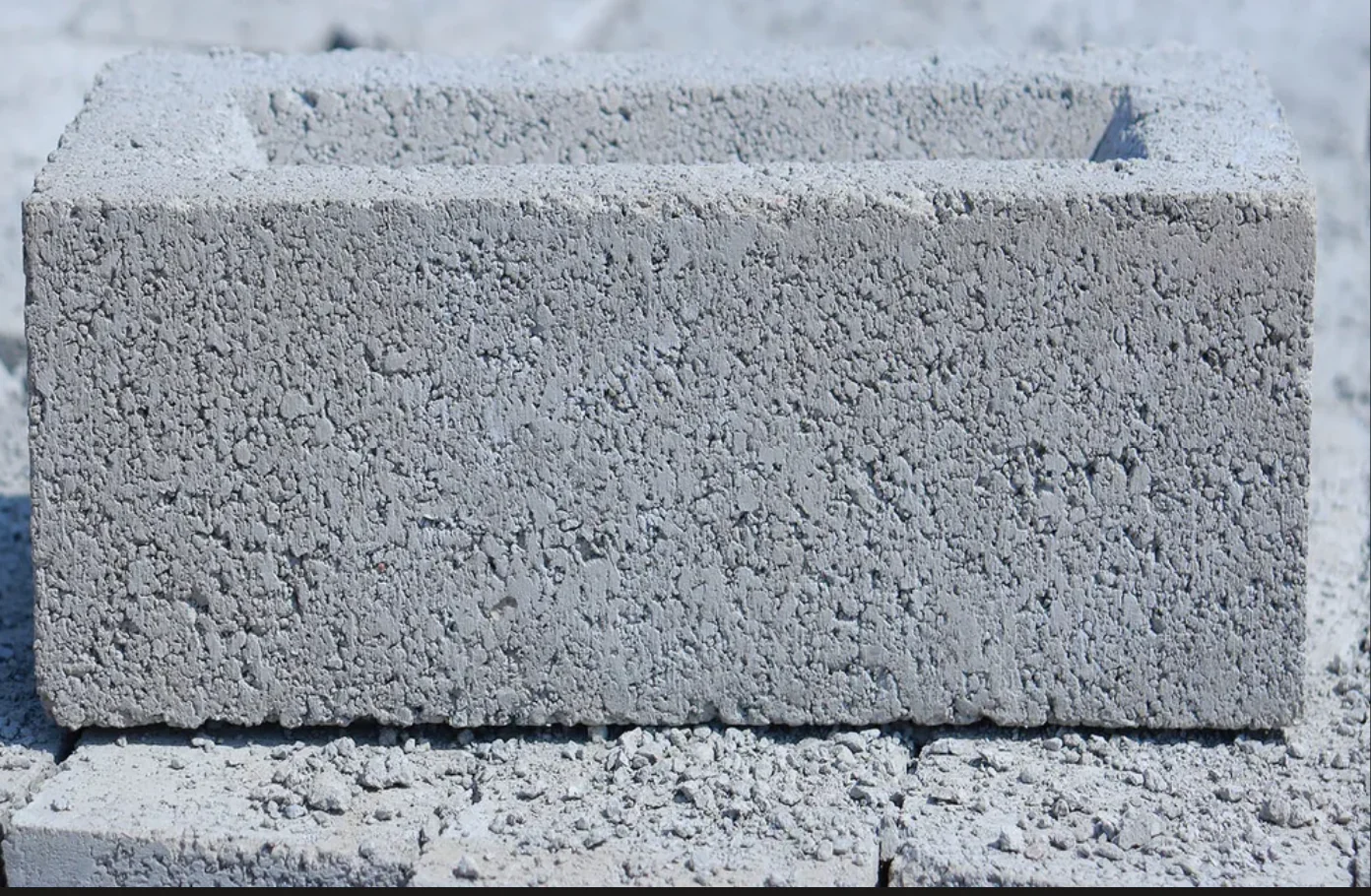
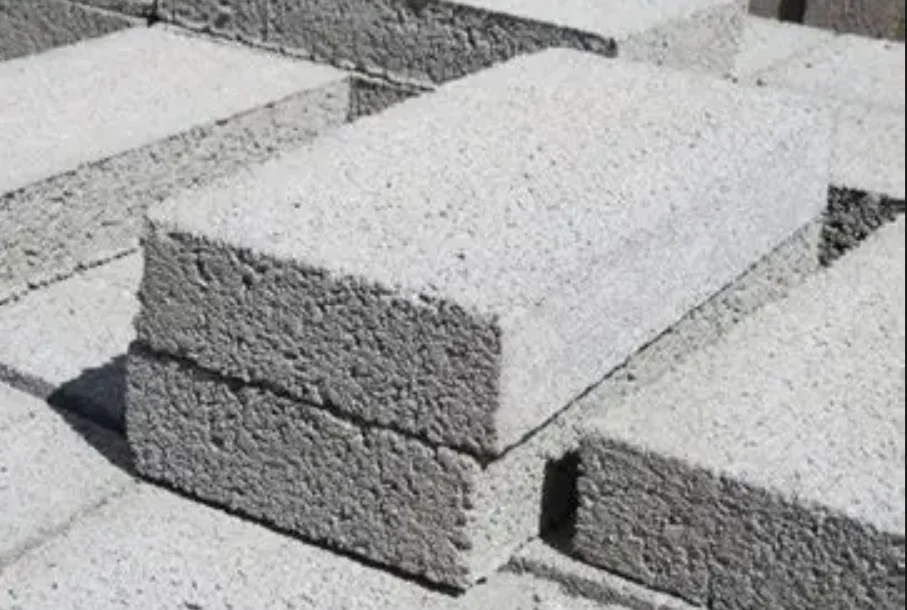
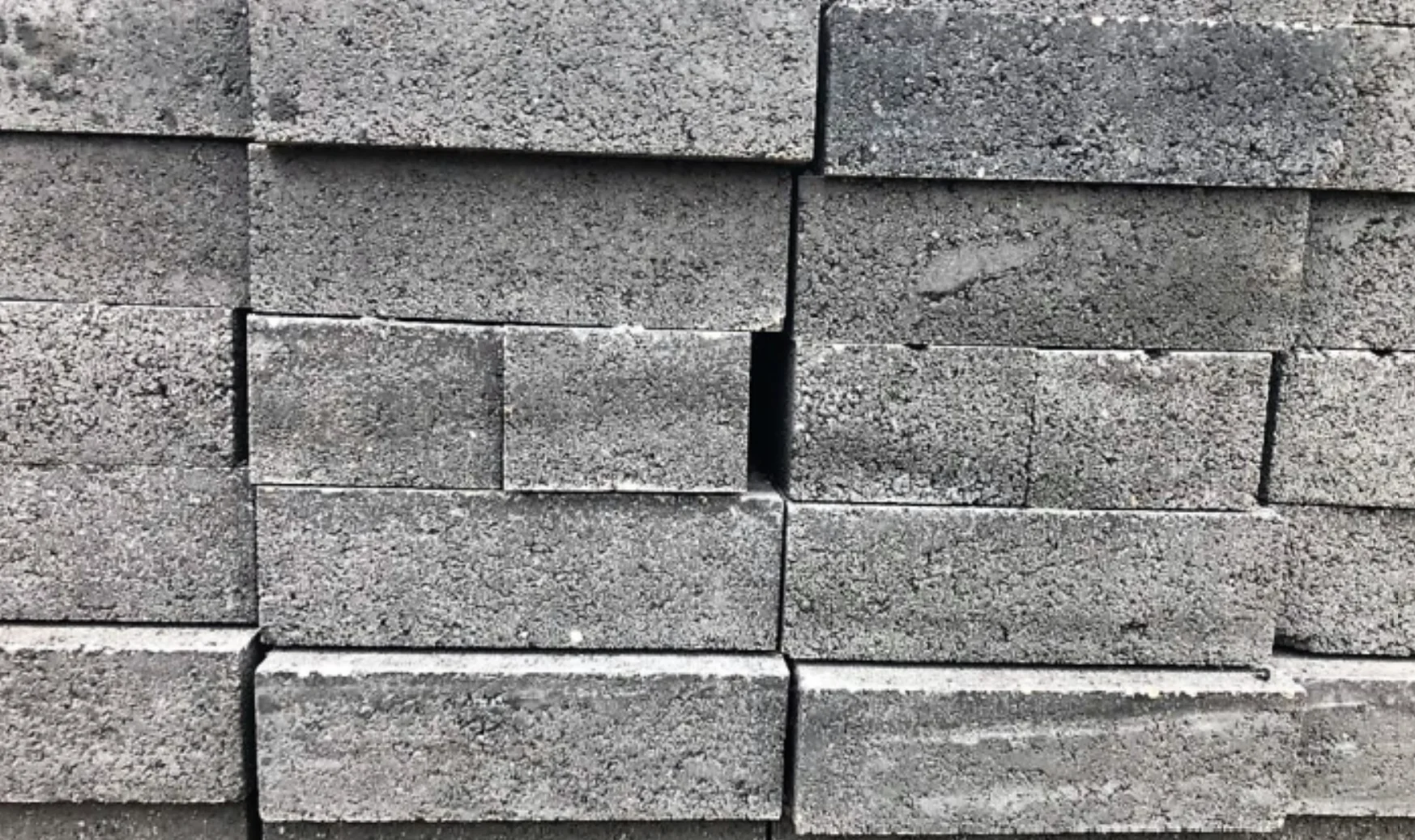
Finished Product Gallery
05 — Key Advantages
Why Choose the 200-Ton Sinter Hydraulic Press
The 200 Ton Sinter Hydraulic Press offers high compaction pressure and uniform tonnage distribution required for processing dense ash mixes. It maximizes plant productivity while maintaining strict structural standards and lowering long-term operating costs.
Technical & Commercial Benefits
High Compaction Density
Delivers precise 200-ton hydraulic pressure to eliminate internal voids, producing highly durable bricks with 5 to 8 MPa compressive strength.
High Volume Production Rate
Achieves fast cycle times to produce over 2200 bricks per hour, comfortably satisfying continuous large-scale project demands.
Extended Tooling and Machine Life
Smooth hydraulic force distribution reduces mechanical shock, minimizing die mold wear and decreasing costly machine maintenance downtime.
Energy Efficient Power Unit
Utilizes optimized hydraulic circuits and energy-saving motors to keep electrical power consumption low per unit produced.
Consistent Dimensional Precision
Rigid four-column guide structure prevents platen deflection, ensuring exact thickness, uniform height, and zero corner defects in every brick.
Low Cost Per Unit
High operational efficiency paired with automated handling reduces labor dependency, driving down manufacturing costs for a faster capital payback.