01 — Press System
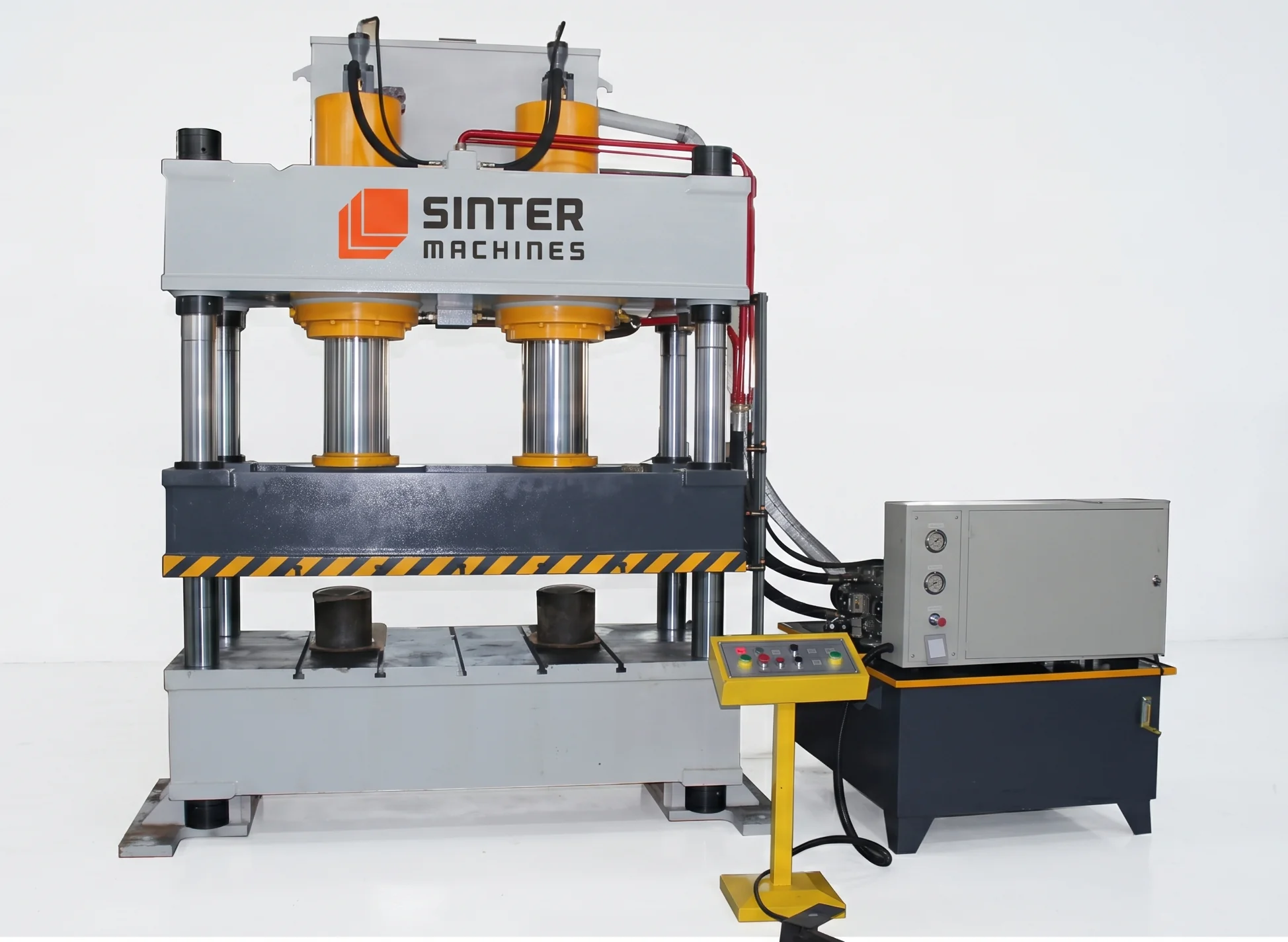
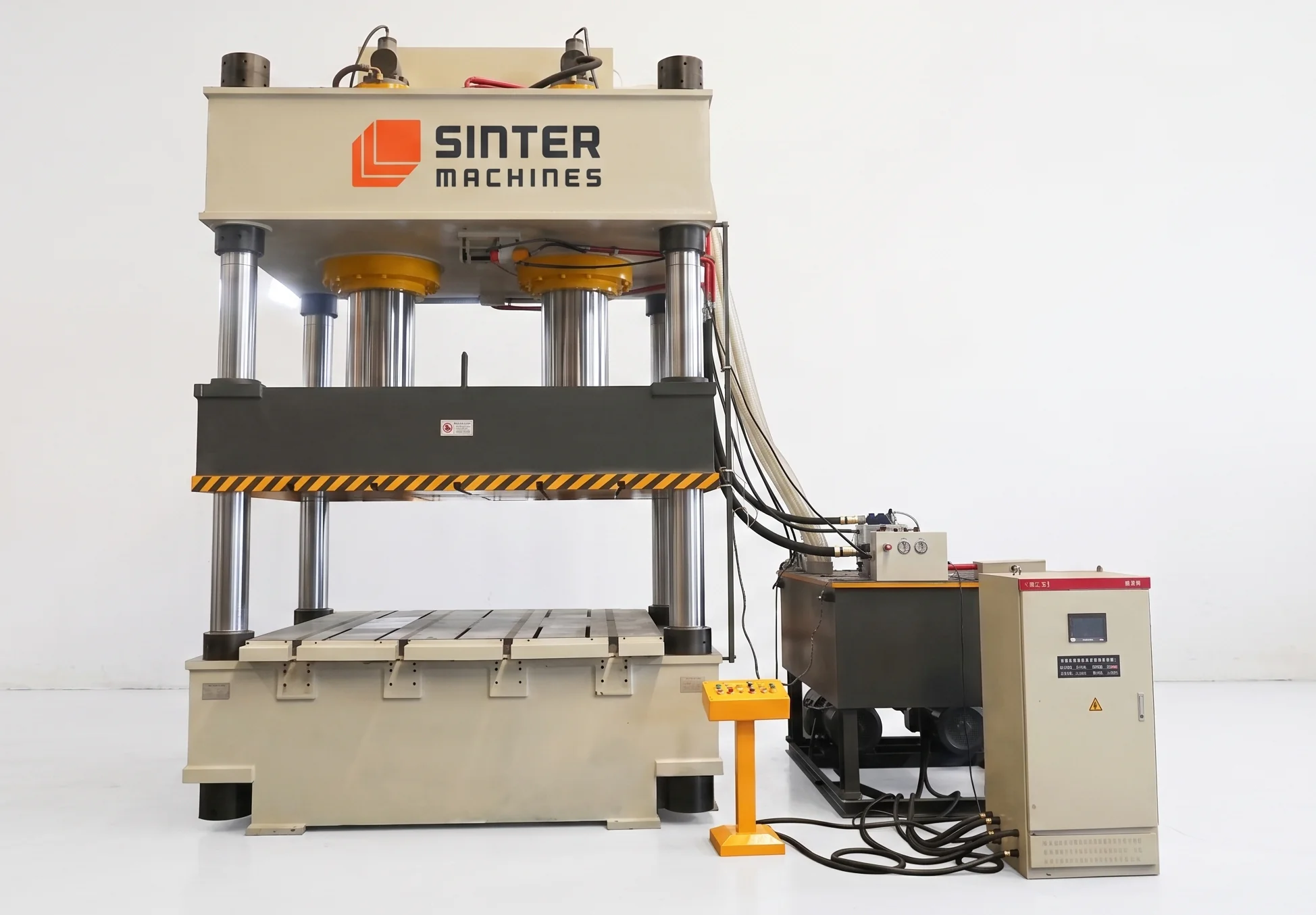
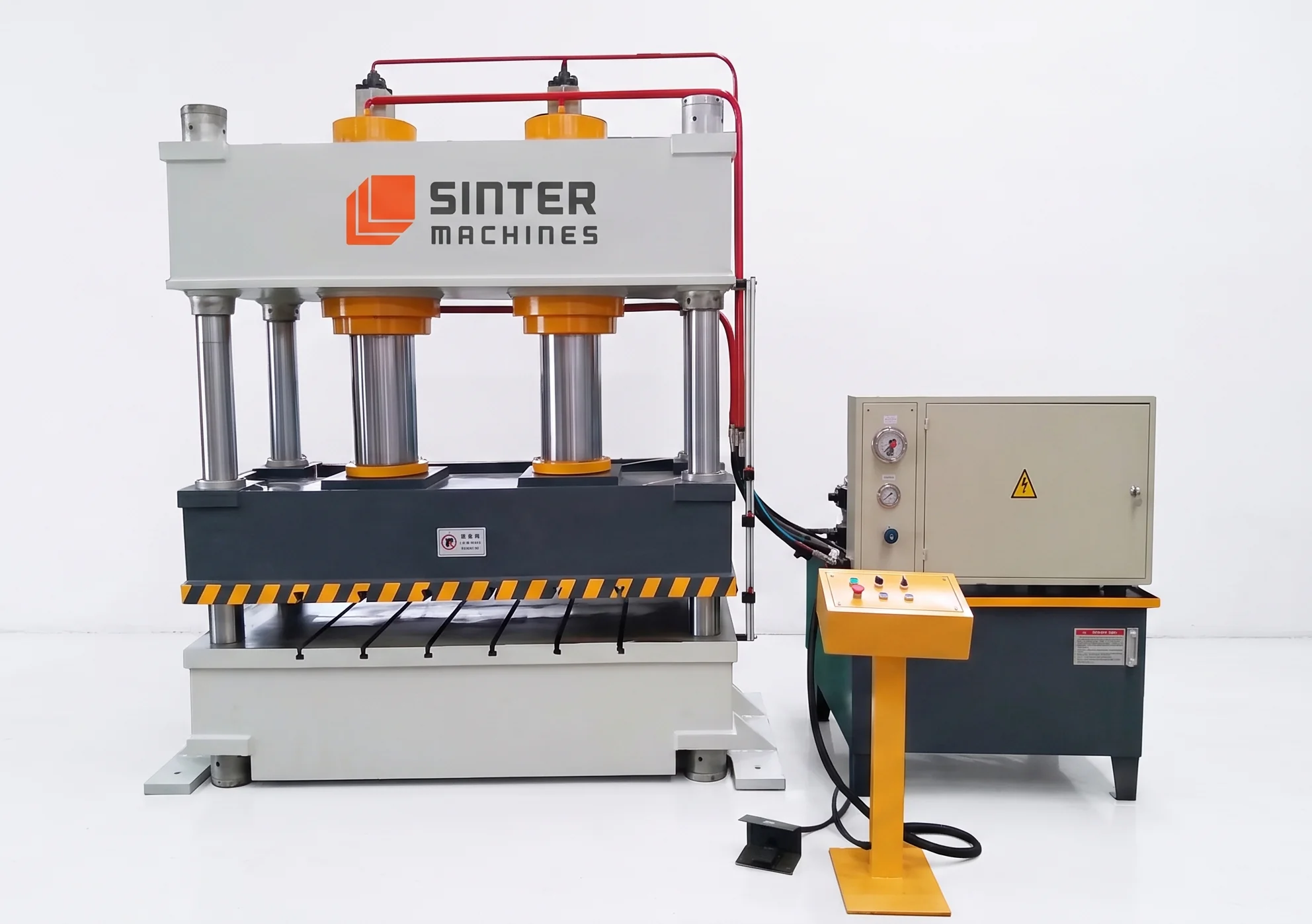
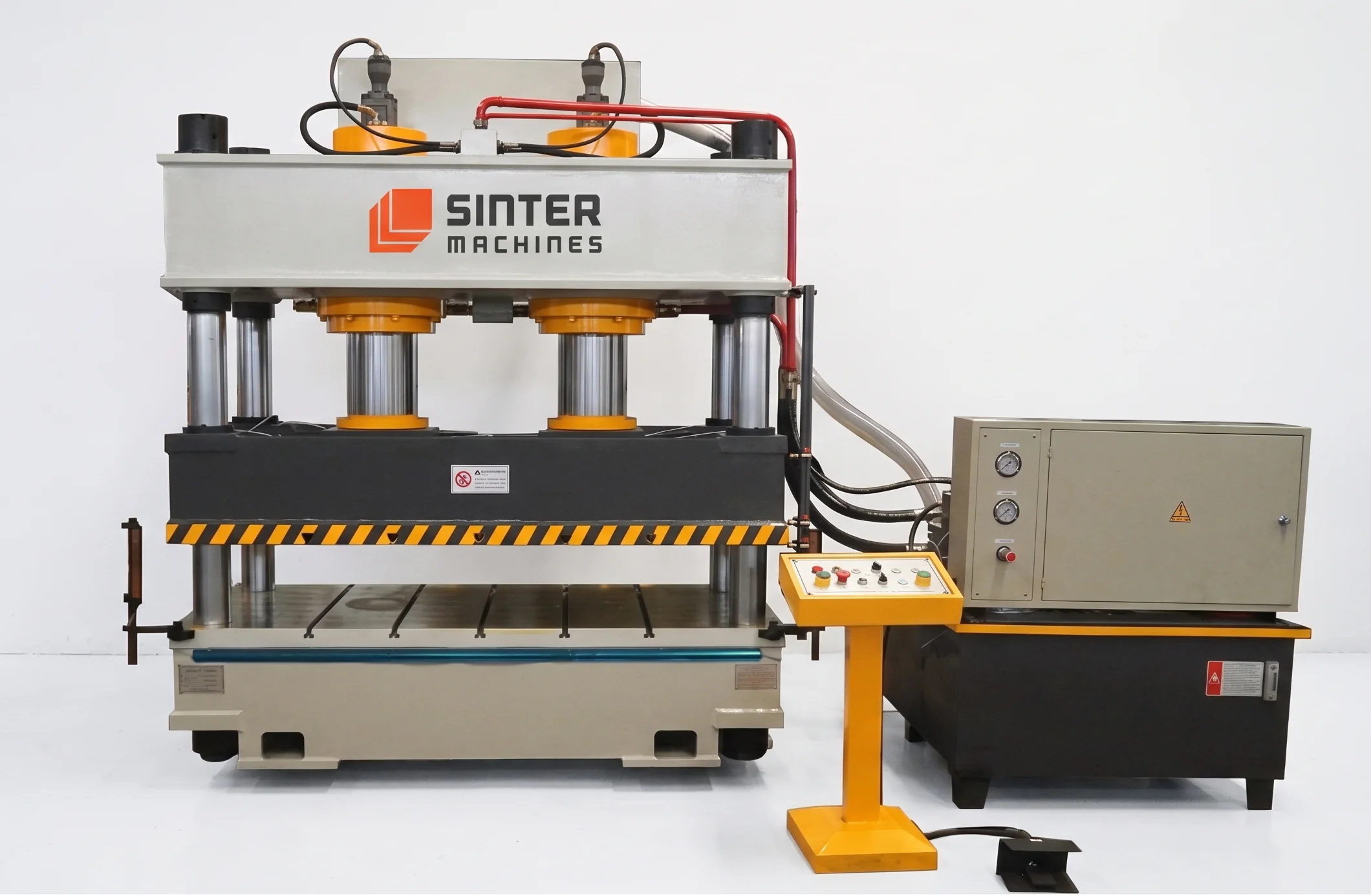
315T Four Column Hydraulic Press Machine
The 315-ton four-pillar hydraulic press delivers high-quality sheet-metal forming and cosmetic-grade surface control. It ensures stable, repeatable HVAC panel production with a long service life and low operating costs.
Use Case
Designed for forming thin-gauge AC outdoor unit panels, this press handles accurate bending and shallow drawing of large sheets. It achieves the flat, cosmetically flawless surfaces and tight dimensional consistency required for automated assembly.
Core Applications
- Sheet-Metal Forming: Deep drawing, shallow drawing, bending, and punching of sheet-metal components.
- HVAC Manufacturing: Specifically optimized for producing structural and cosmetic panels for air conditioning outdoor units.
Material
- Thin-Gauge Metals: Handles cold-rolled steel, galvanized steel, and stainless steel sheets.
- Coated Sheets: Engineered to form pre-painted or coated materials without damaging surface finishes.
Typical Products Formed
- Outer Enclosures: Rear, side, top, and base panels for AC outdoor condensing units.
- Structural Elements: Protective covers, fan guards, and internal structural framing skins.
Key Functions
- Precision Bending: Accomplishes crisp, multi-angle bends across large surface areas.
- Shallow Drawing: Forms protective recesses, ventilation louvers, and structural ribs with minimal thinning.
Why 315-Ton Hydraulic Press?
- Minimal Deflection: The four-pillar design ensures even pressure distribution, protecting delicate cosmetic surfaces.
- Optimal Tonnage: The 315-ton capacity provides the perfect balance of force for medium-to-large thin-gauge panel sizes.
02 — Technical Specifications
SM 315 HP – HYDRAULIC PRESS MACHINE COMPLETE TECHNICAL DATA
This heavy-duty hydraulic press is engineered with a rigid 315-ton four-pillar structure optimized for sheet metal forming. It delivers high-precision control over speeds, stroke, and safety mechanisms to consistently manufacture cosmetic-grade AC outdoor panels.
Complete Technical Data
Capacity
- Nominal Force: 315 Tons (3150 kN) of forming pressure to handle heavy-gauge sheet drawing and bending.
- Ejector Force: Integrated hydraulic cushion/ejector system for clean, distortion-free part ejection.
Structural Design
- Four-Pillar Configuration: Utilizes four precision-ground columns to ensure balanced load distribution and strict parallelism.
- Rigid Platen Guidance: Long guide bushings on the pillars mitigate off-center loading and minimize structural deflection.
Frame Type
- Four-Column (Pillar) Style: Offers 360-degree open access to the working area, making it ideal for manual feeding or automated robotic integration.
- High-Tensile Welded Steel Base: Stress-relieved, heavy-plate steel construction ensures maximum geometric stability under full load.
Hydraulic System
- Top-Mounted Power Unit: Compact, space-saving hydraulic reservoir assembly equipped with high-efficiency oil pumps.
- Proportional Flow Control: Allows for precise management of oil pressure and velocity profiles during the forming cycle.
Main Ram Stroke
- Maximum Travel: Generous stroke length customizable up to 600mm–800mm to accommodate deep draw depths.
- Position Monitoring: Utilizes linear transducers or digital encoders for sub-millimeter stroke precision.
Working Hydraulic Pressure
- System Pressure: Rated at a maximum operating pressure of 25 MPa for reliable force delivery.
- Pressure Regulation: Digital pressure sensors allow real-time monitoring and step-less force adjustment via the HMI.
Daylight Gap
- Open Height: Large vertical clearance (typically 900mm–1200mm) allowing easy die installation and part removal.
- Shut Height: Minimum clearance designed to perfectly match the lowest profile of standard HVAC panel stamping dies.
Approach Speed
- Fast Downward Velocity: High-speed approach (up to 120–150 mm/s) minimizes dry-run cycle times to maximize throughput.
- Smooth Transition: Seamlessly switches from fast approach to pressing speed right before die contact to prevent impact shock.
Pressing / Drawing Speed
- Controlled Forming Velocity: Adjustable slow-speed range (typically 5–15 mm/s) optimized for the plastic deformation of sheet metal.
- Constant Speed Control: Ensures uniform material flow, eliminating wrinkles or tearing in cosmetic AC panels.
Return Speed
- Fast Upward Velocity: Rapid retraction speed (up to 100–130 mm/s) to quickly clear the working zone for the next production cycle.
- Decompression Control: Programmed slow initial return to safely dissipate high internal hydraulic pressure before rapid movement begins.
Bed / Platen Size
- Working Table Dimensions: Large bolster area sized to fit wide air conditioner panel dies.
- T-Slots & Die Clamping: Standardized T-slots machined directly into the upper and lower platens for quick, secure mold clamping.
Columns
- Pillar Material: Hard-chrome plated, induction-hardened alloy steel columns for superior wear resistance.
- Alignment Precision: High-tolerance surface finish guarantees smooth slider movement and a prolonged seal lifespan.
Working Envelope
- Clearance Between Pillars: Maximized horizontal spacing to allow front-to-back or side-to-side component feeding.
- Ergonomic Loading Height: The press bed is positioned at an optimal height for seamless integration with conveyor systems or destackers.
Control System
- PLC-Driven Architecture: Managed by a central Programmable Logic Controller (e.g., Siemens or Mitsubishi) for logic sequence control.
- Touchscreen HMI Panel: Color display for real-time monitoring of diagnostics, cycle times, pressure values, and recipe management.
Main Motor Power
- High-Efficiency Motor: Equipped with a high-torque electric motor (typically 22kW–30kW) meeting modern energy efficiency standards.
- Variable Frequency Drive (Optional): Supports VFD integration to significantly lower energy consumption during idle states.
Valves & Hydraulics
- Cartridge Valve Logic: Features high-performance logic cartridge blocks for rapid response times and leak-free reliability.
- Rexroth/Yuken Standard: Utilizes internationally recognized, premium-grade hydraulic valves for global serviceability.
Automation
- Robot Interface: Pre-wired I/O ports for easy communication with robotic arms, sheet feeders, and automated scrap ejectors.
- Automatic Lubrication: Centralized, timed lubrication system that automatically greases pillars and guide bush surfaces.
Safety Features
- Light Curtains: Dual-sided safety photoelectric light barriers instantly halt ram movement if interrupted.
- Dual Palm Button Station: Requires concurrent two-hand operation from the technician to initiate a press cycle, keeping hands out of the hazard zone.
- Hydraulic Interlocks & Mechanical Safety Catch: Dual-channel safety valves and an anti-drop mechanical locking bar prevent accidental gravity drops.
SM 315 HP — Model Specifications
- Nominal Force: 3150 KN
- Maximum Hydraulic Pressure: 25 MPa
- Max Opening Height of the Slider: 1250 mm
- Max Stroke of the Slider: 800 mm
- Effective Bed Size: 1260 × 1160 mm
- Slider Down Speed: 100 mm/s
- Slider Pressing Speed: 7–12 mm/s
- Slider Return Speed: 100 mm/s
- Ejector Cylinder Nominal Force: 300 KN
- Stroke of the Ejection Cylinder: 300 mm
03 — Die / Mold System
Precision Forming Sheet Metal AC Outdoor Panels Die Mold Engineering
This high-precision engineering tooling system is engineered to form complex sheet metal AC outdoor unit panels. It delivers exceptional structural rigidity, clean cuts, and strict geometric accuracy to meet high-volume manufacturing demands.
Use Case
Designed for compatibility with the 315-ton four-pillar press, this tooling handles everything from shallow drawing to final trimming of exterior panels. It ensures flawless, scratch-free surface aesthetics on visible consumer-facing surfaces while maintaining highly repeatable part dimensions.
Technical Specifications (Tooling)
Die Type
- Progressive/Stage Dies: Configured as multiple stage dies or high-efficiency progressive tooling depending on production volume.
- Multi-Functional Operations: Combines drawing, bending, piercing, trimming, and louver-forming in a single system.
Die Materials
- Upper & Lower Die Blocks: Built using premium Cr12MoV or D2 tool steel, vacuum heat-treated for superior hardness.
- Die Base & Holders: Constructed from high-strength SS400 or medium carbon steel ($45\#$ steel) to handle high impact forces.
Tool Configuration & Construction
- Modular Insert Design: Utilizes segmented, replaceable inserts for high-wear areas, simplifying maintenance and part changeovers.
- Integrated Nitrogen Gas Springs: Equipped with high-force nitrogen cylinders for reliable sheet blank holding and smooth part stripping.
Key Tooling Features
- Polished Drawing Radii: Hand-polished, radius-optimized draw beads that guide material flow smoothly without wrinkling.
- Built-in Scrap Chutes: Strategically placed discharge paths for trimmed edges and pierced slugs to prevent die jamming.
Alignment Accuracy
- Ball-Bearing Guide Pillars: High-precision guide posts and bushings maintain upper/lower die alignment.
- Parallelism Control: Tight structural tolerances prevent uneven material thinning and minimize tool wear.
Materials Formed
- Coated Sheet Steel: Optimized for galvanized steel (GI), galvanume, and pre-painted steel sheets.
- Gauge Range: Engineered to process sheet thicknesses ranging from 0.6mm to 1.5 mm
Surface Finish
- Mirror-Polished Working Faces: Critical drawing surfaces feature a mirror finish or PVD/chrome coating.
- Anti-Galling Properties: Advanced surface treatments eliminate friction marks, scoring, or scratching on pre-painted coatings.
Tool Life
- Regrinding Interval: Sharp cutting and piercing edges yield up to 100,000 to 150,000 strokes before requiring a regrind.
- Total Lifespan: Offers a typical production lifecycle of 500,000 to 1,000,000 total cycles with proper, scheduled maintenance.
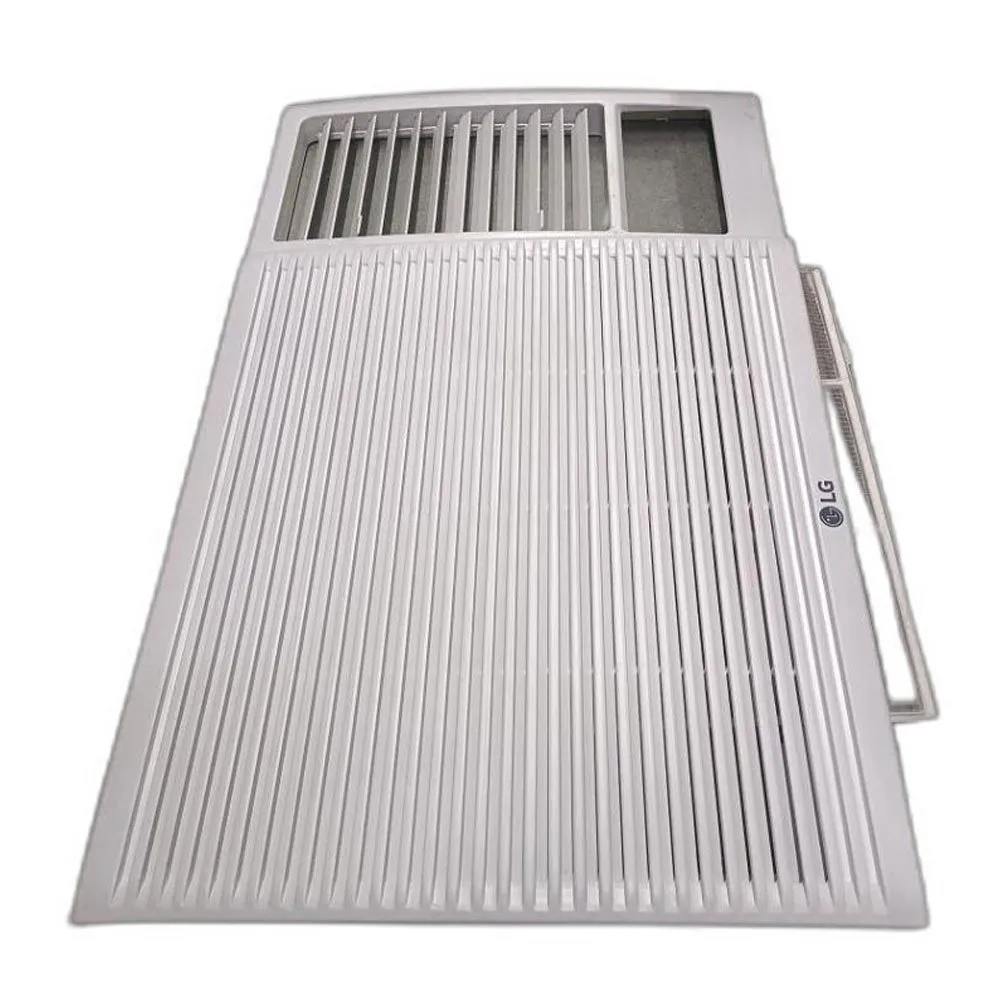
Precision Forming Sheet Metal AC Outdoor Panels Die Mold
04 — Product Application
Where Sheet Metal AC Outdoor Panels Are Used
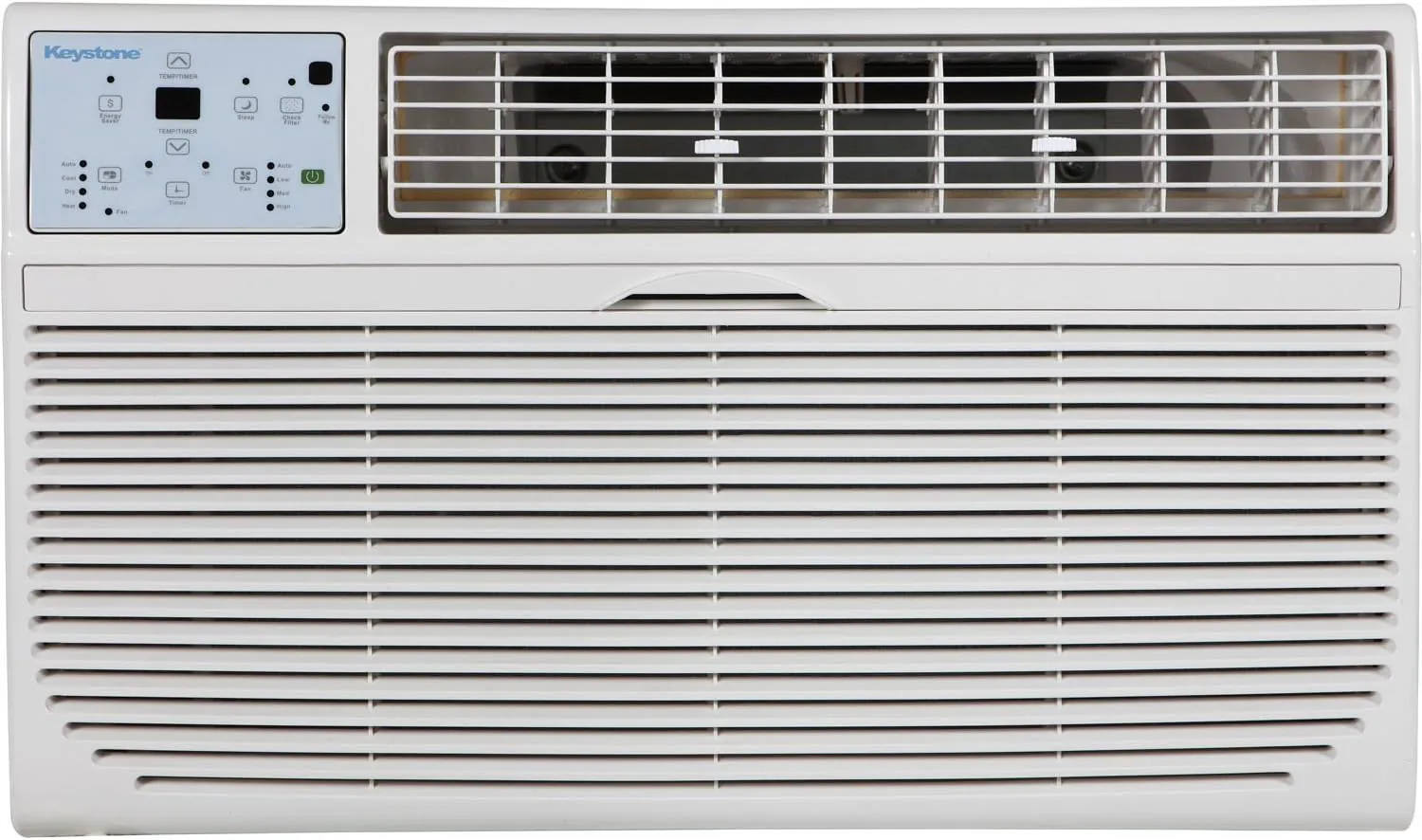
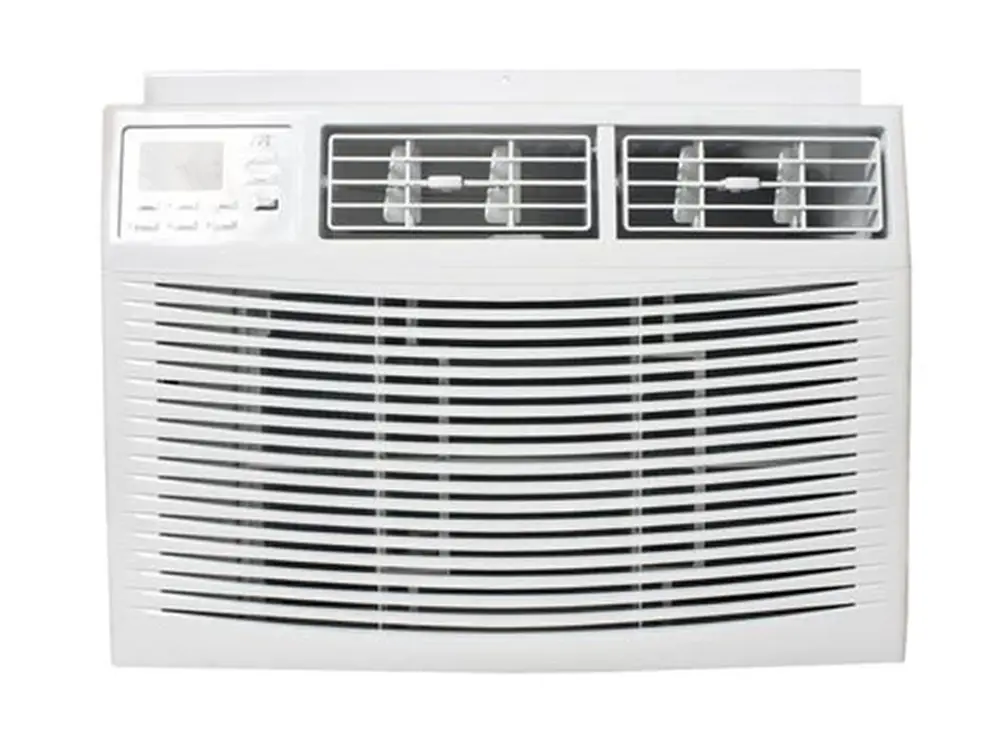
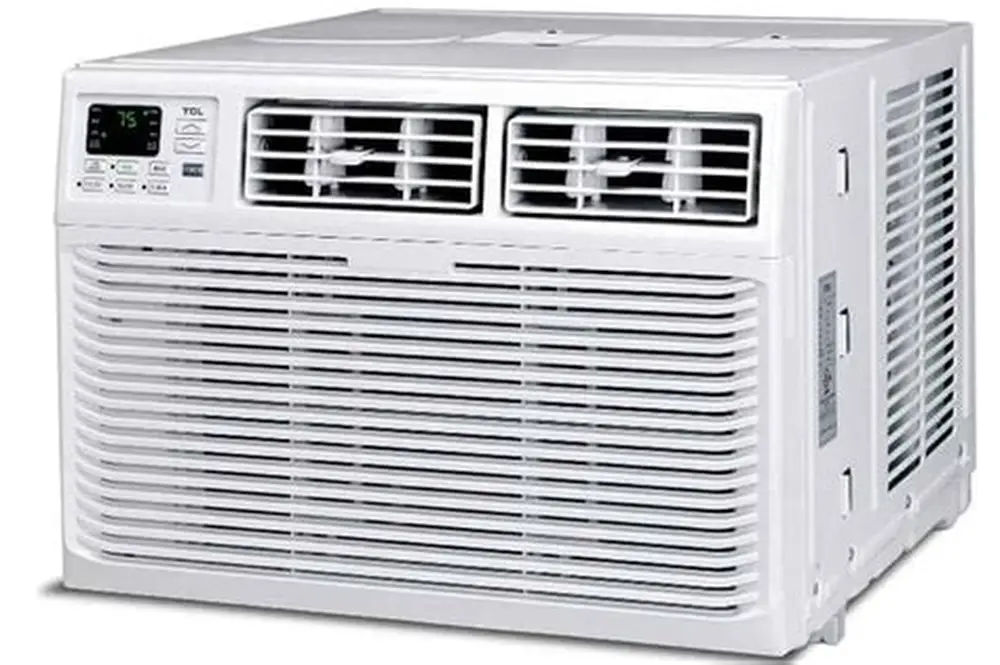
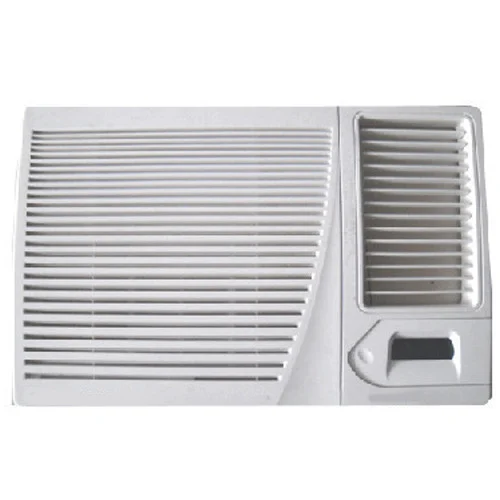
These high-precision structural panels form the rugged outer protective shell for air conditioner outdoor units (ODUs). They shield critical internal components from severe weather conditions while providing structural stability and a clean, consumer-ready aesthetic finish.
Industry Applications
Residential Split AC Units
These panels serve as the exterior casing for standard home air conditioning systems, protecting the compressor and condenser. The cosmetic-grade surface finish ensures the unit remains visually appealing on residential balconies or exterior walls without rust or degradation.
Commercial & VRF HVAC Systems
Multi-zone Variable Refrigerant Flow (VRF) and commercial rooftop units rely on these heavy-duty panels for large-scale modular enclosures. The tight dimensional consistency allows multiple units to be stacked or installed side-by-side with perfect structural alignment.
Industrial Chiller & Condensing Units
Applied as protective skins and heavy-duty ventilation louvers for high-capacity industrial cooling and factory refrigeration systems. The robust, shallow-drawn structural ribs prevent panel vibration and noise generation during high-load operations.
Heat Pump Enclosures
Used as the structural frame and outer cabinetry for modern residential and commercial air-source heat pumps. The weather-resistant, pre-painted panel design ensures excellent thermal and acoustic insulation performance across extreme seasonal temperature swings.
Finished Product Gallery
05 — Key Advantages
Why Choose the 315-Ton Sinter Hydraulic Press
This specialized press balances rigid structural guidance with advanced force control to streamline the production of exterior HVAC panels. It directly addresses the industry's need for high-speed manufacturing, low operational costs, and flaw-free surface aesthetics.
Technical & Commercial Benefits
High Structural Rigidity and Low Deflection
The four-column configuration ensures uniform pressure distribution across large sheet surfaces during heavy forming cycles. This high geometric stability prevents uneven material thinning, preserving structural integrity and part accuracy.
Cosmetic-Grade Surface Management
Designed with smooth pressure transitions, the hydraulic system eliminates surface scoring, galling, and wrinkling on consumer-facing parts. It safely forms pre-painted or galvanized sheets without scratching or cracking the protective coatings.
Precise Tonnage and Stroke Repeatability
Equipped with digital linear encoders, the machine maintains tight stroke and pressure tolerances within sub-millimeter ranges. This consistency eliminates dimensional drift, ensuring that every panel fits perfectly into automated downstream assembly lines.
Optimized Multi-Functional Processing
The generous daylight gap and large bed size accommodate complex, multi-stage progressive dies in a single setup. This enables drawing, trimming, piercing, and louver-forming to happen in rapid succession, minimizing material handling.
High Throughput with Fast Cycle Speeds
High-speed approach and return velocities cut dry-run transit times down significantly to optimize total efficiency. This rapid velocity cycle enables production lines to achieve high outputs of up to 200 to 300 parts per hour.
Energy Efficiency and Reduced Operating Costs
The hydraulic power unit utilizes modern logic cartridge valves paired with optional variable frequency drives to cut idle power draw. This smart power management results in reduced thermal buildup, lower utility costs, and extended component lifespans.