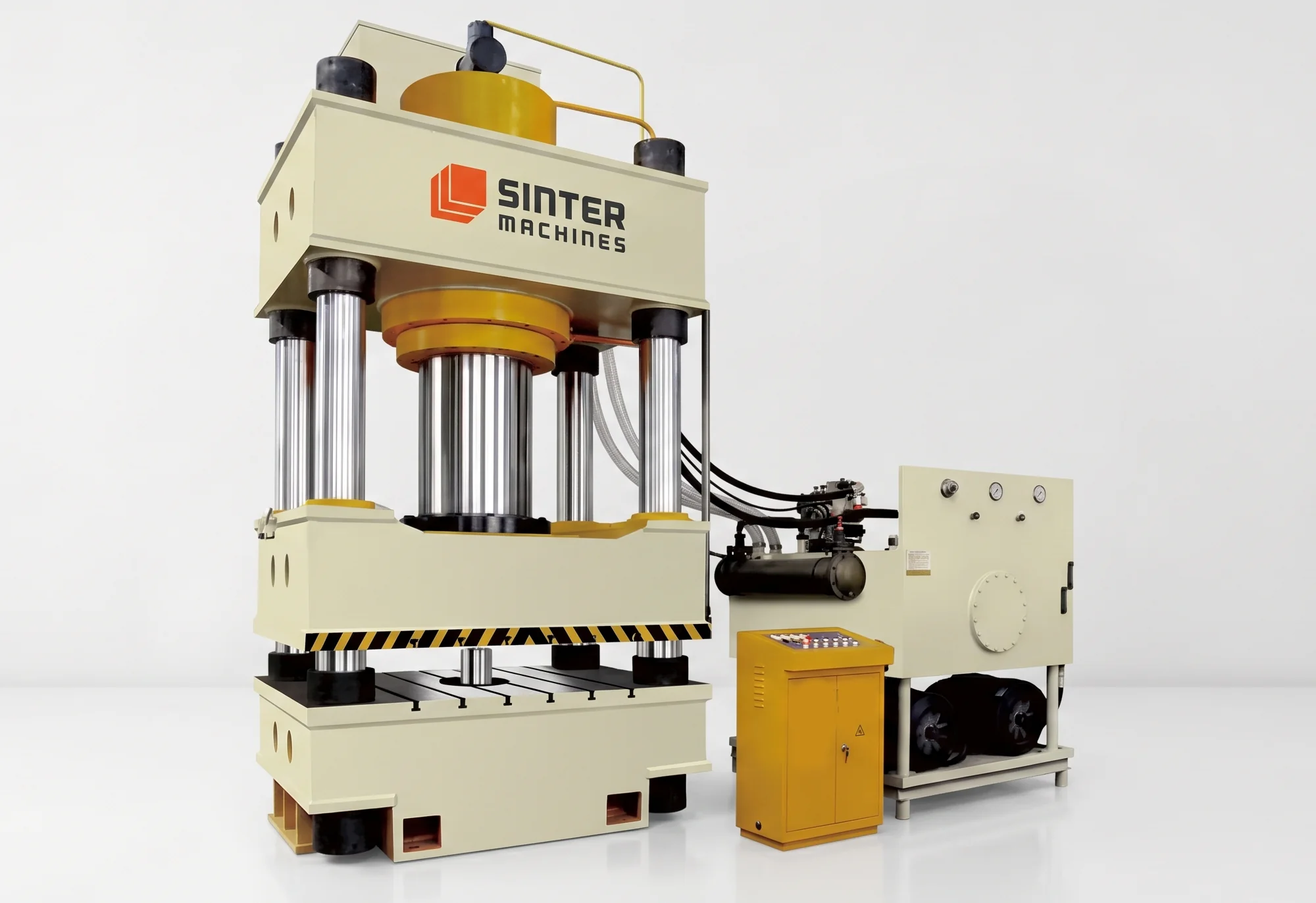
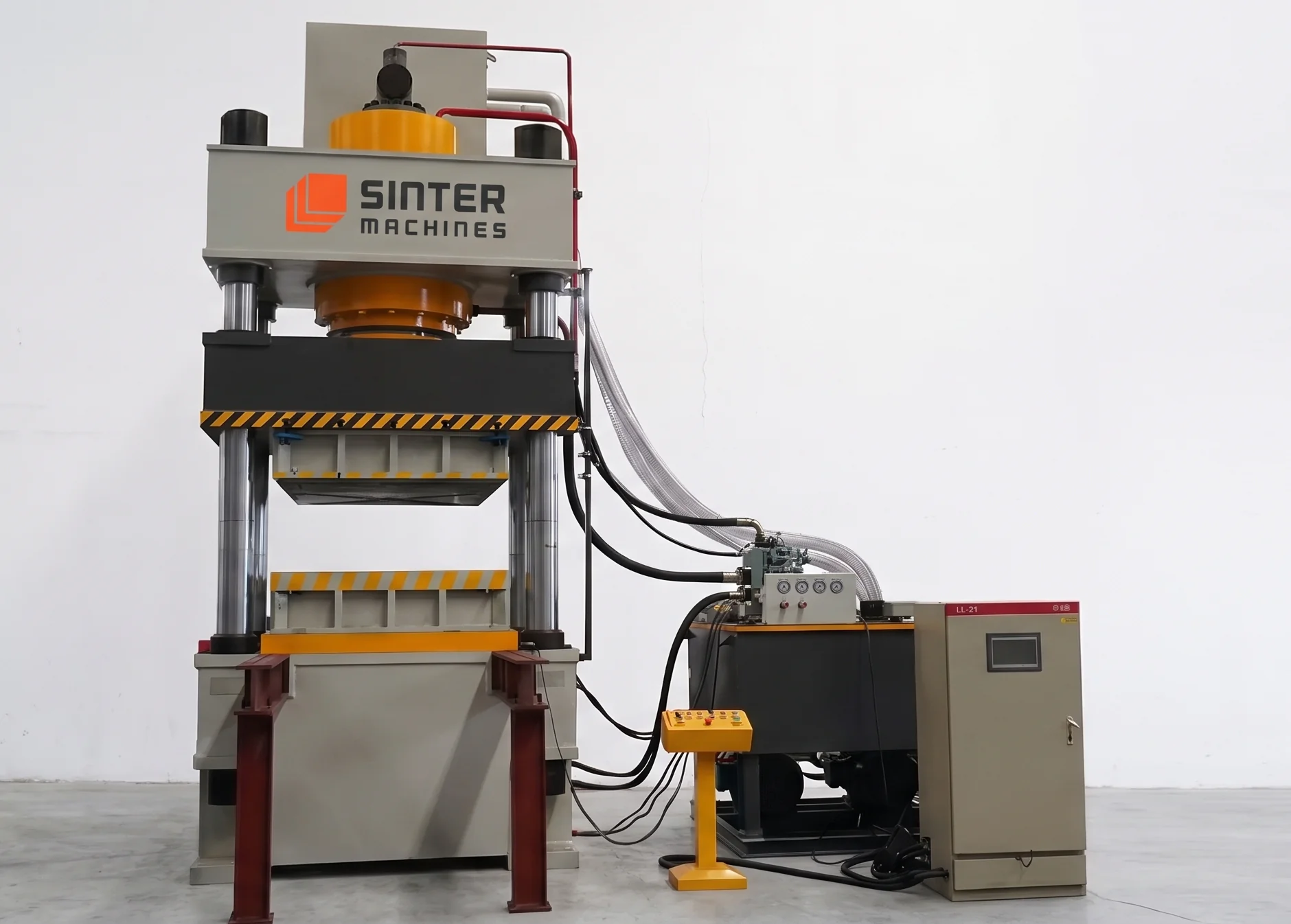
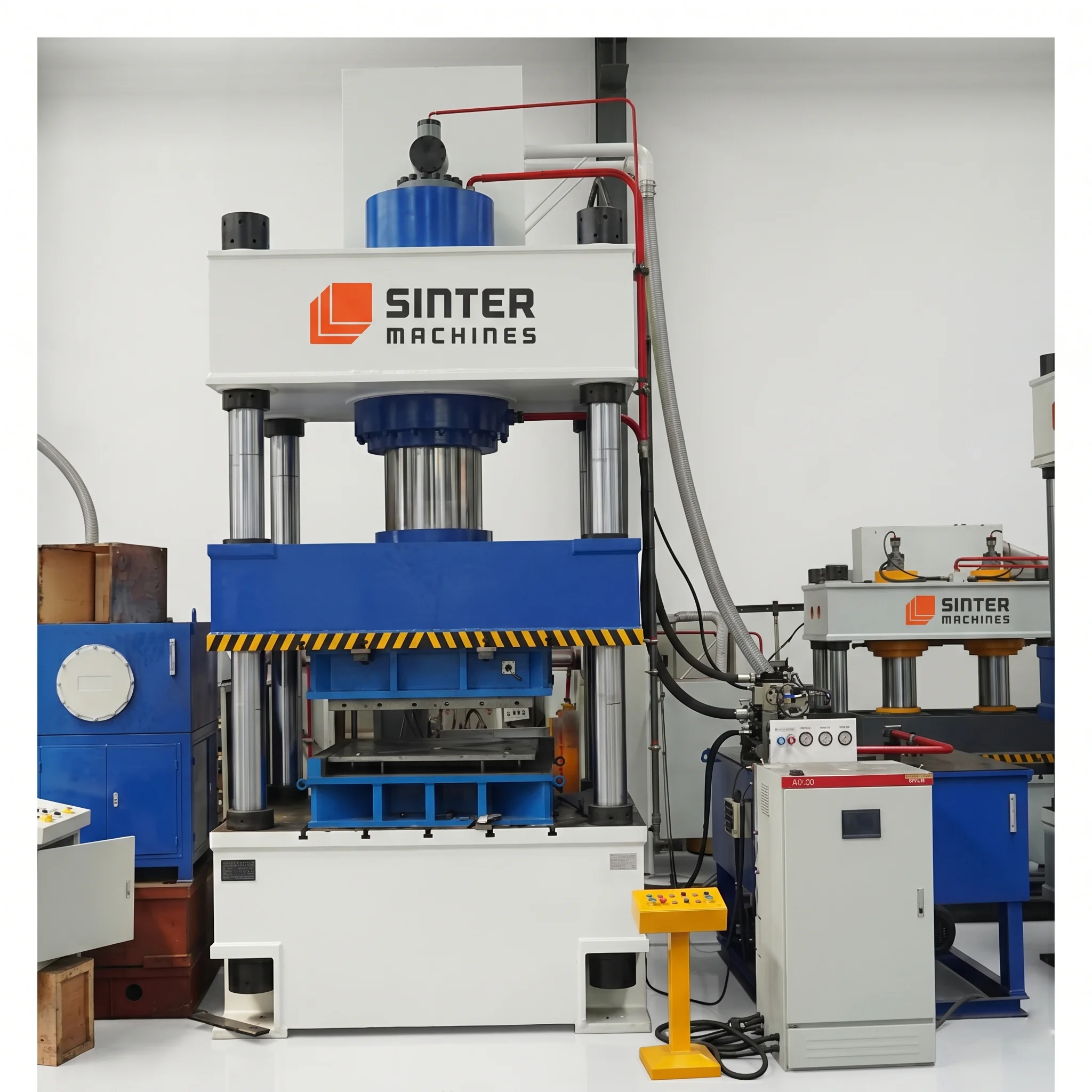
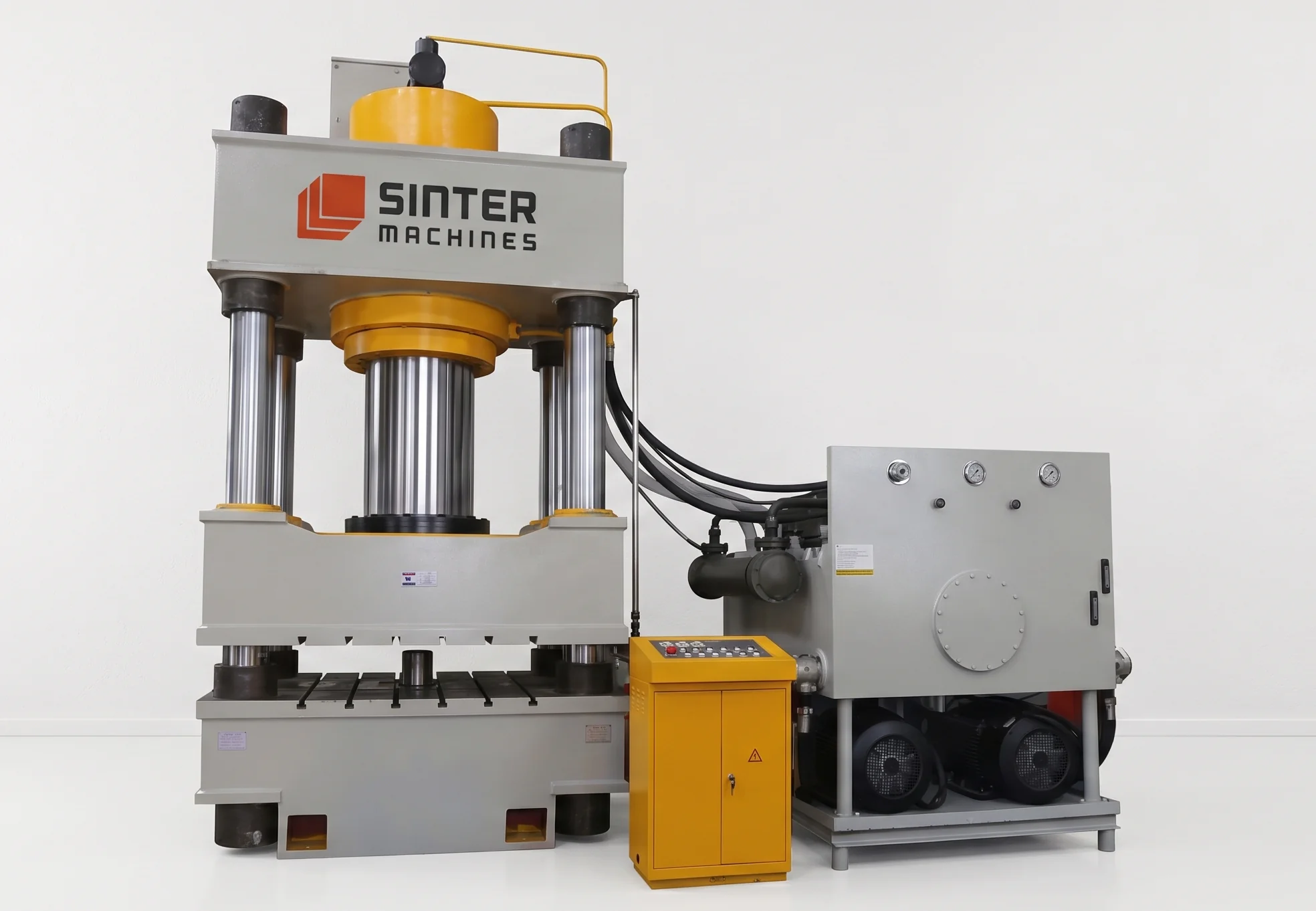
800T Aerospace components Press press view 1
Aerospace Components · Hydraulic Press Machine

800 Ton Four Pillar Hydraulic Press for Forming Aerospace Components

800T Rated Capacity
180 mm/s Slider Down Speed
9–18 mm/s Slider Pressing Speed
180 mm/s Slider Return Speed

01 — Press System

800 Ton Four Pillar Hydraulic Press Machine

The 800-ton four-pillar hydraulic press from Sinter Hydraulics India is a high-rigidity, compliance-ready forming solution built for high-stakes aircraft programs. It delivers fully traceable, consistent manufacturing for lightweight structural parts, specialized avionics housings, and robust engine fittings.

Use Case

Aerospace manufacturing mandates uncompromising component precision, zero-defect material integrity, and strict adherence to structural weight limitations. The 800-ton press provides the extreme force reserve and precise motion profiles needed to form complex titanium and aluminum assemblies without internal stress failures.

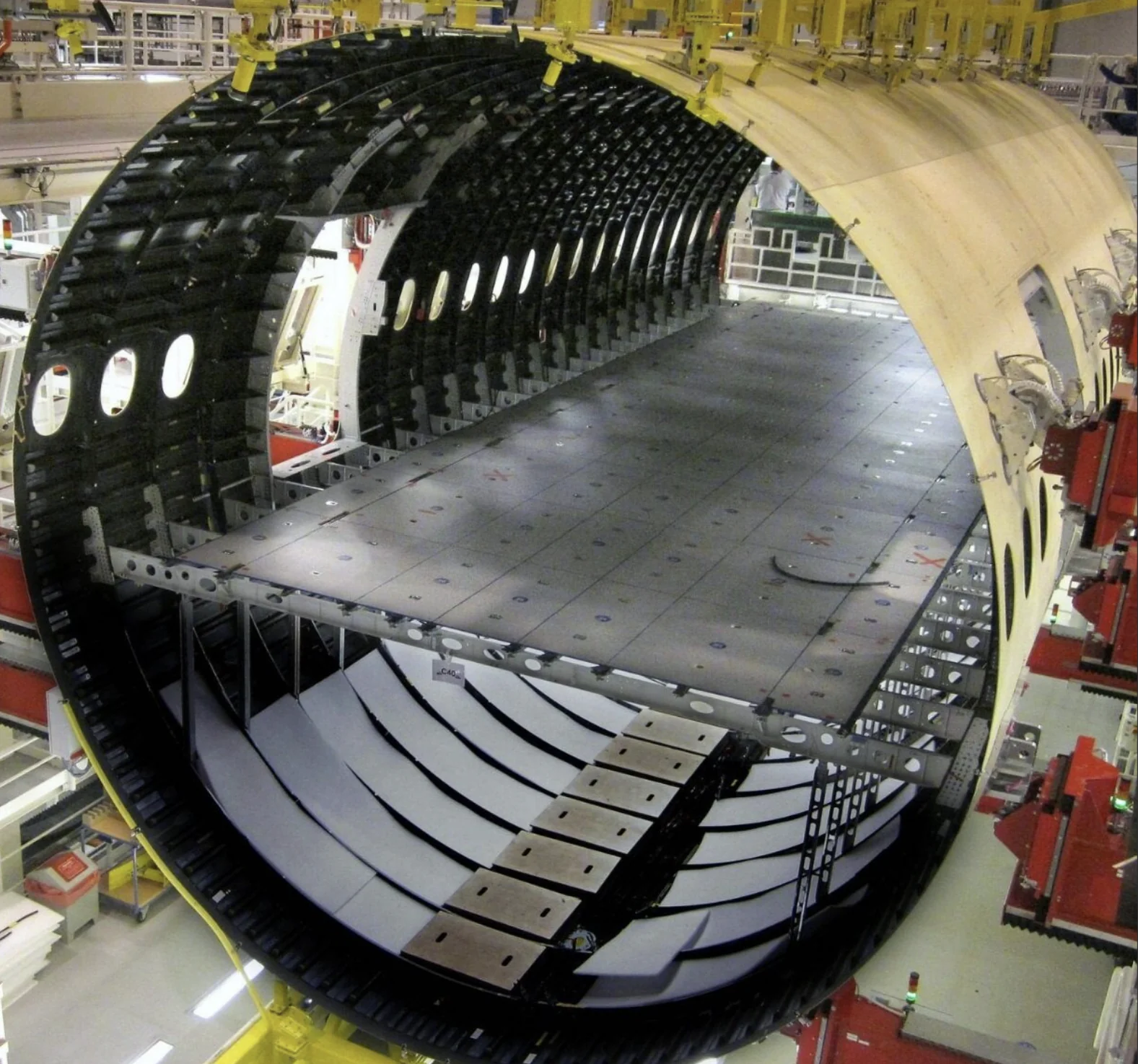
Core Applications: Deep drawing, precision stamping, hot/cold stretching, and isothermal forming of critical aerodynamic structures, fuselage skins, and high-strength internal structural supports.

Material: Aerospace-grade aluminum alloys such as 2024 and 7075, high-strength titanium alloys including Ti-6Al-4V, stainless steel sheets, and specialized nickel-based superalloys.

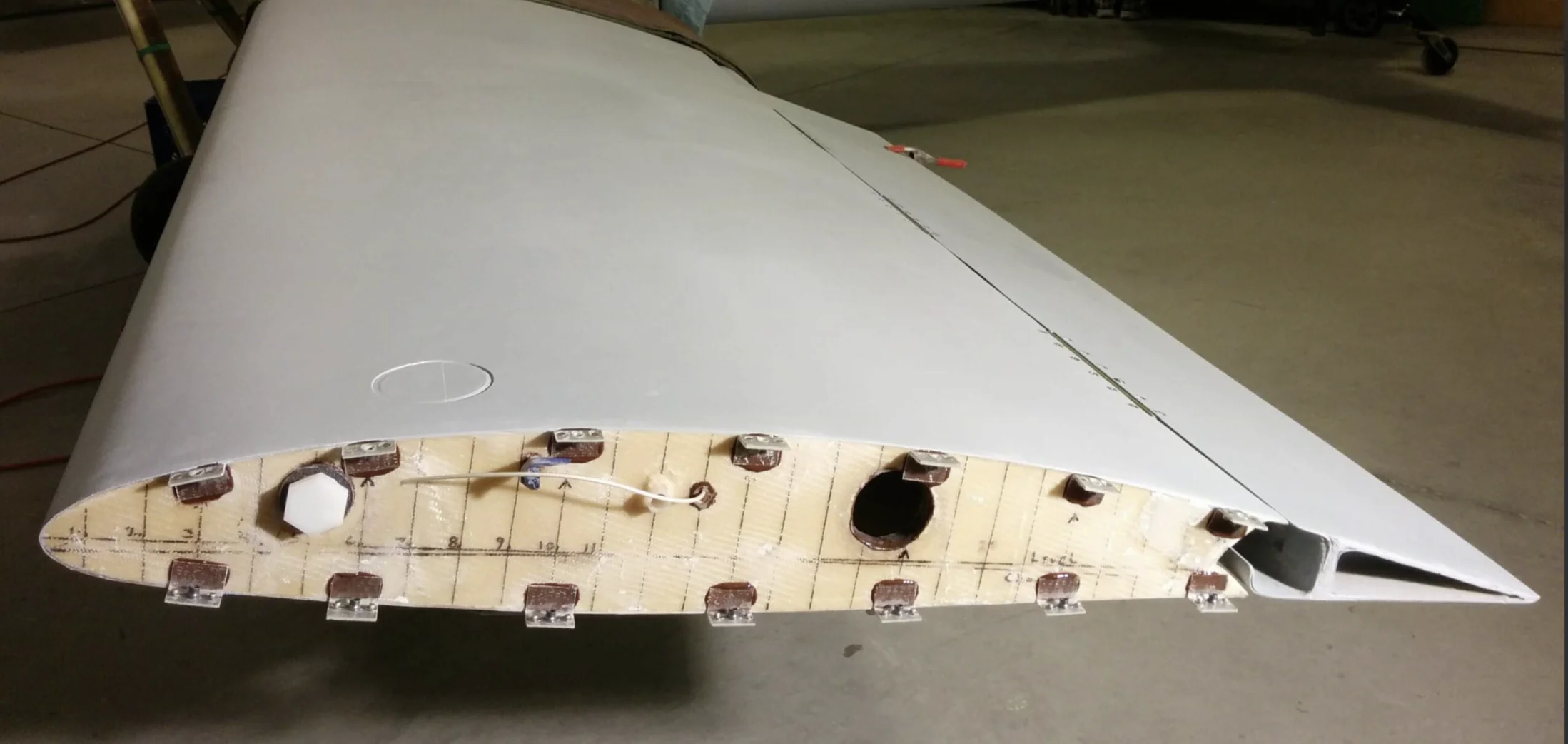
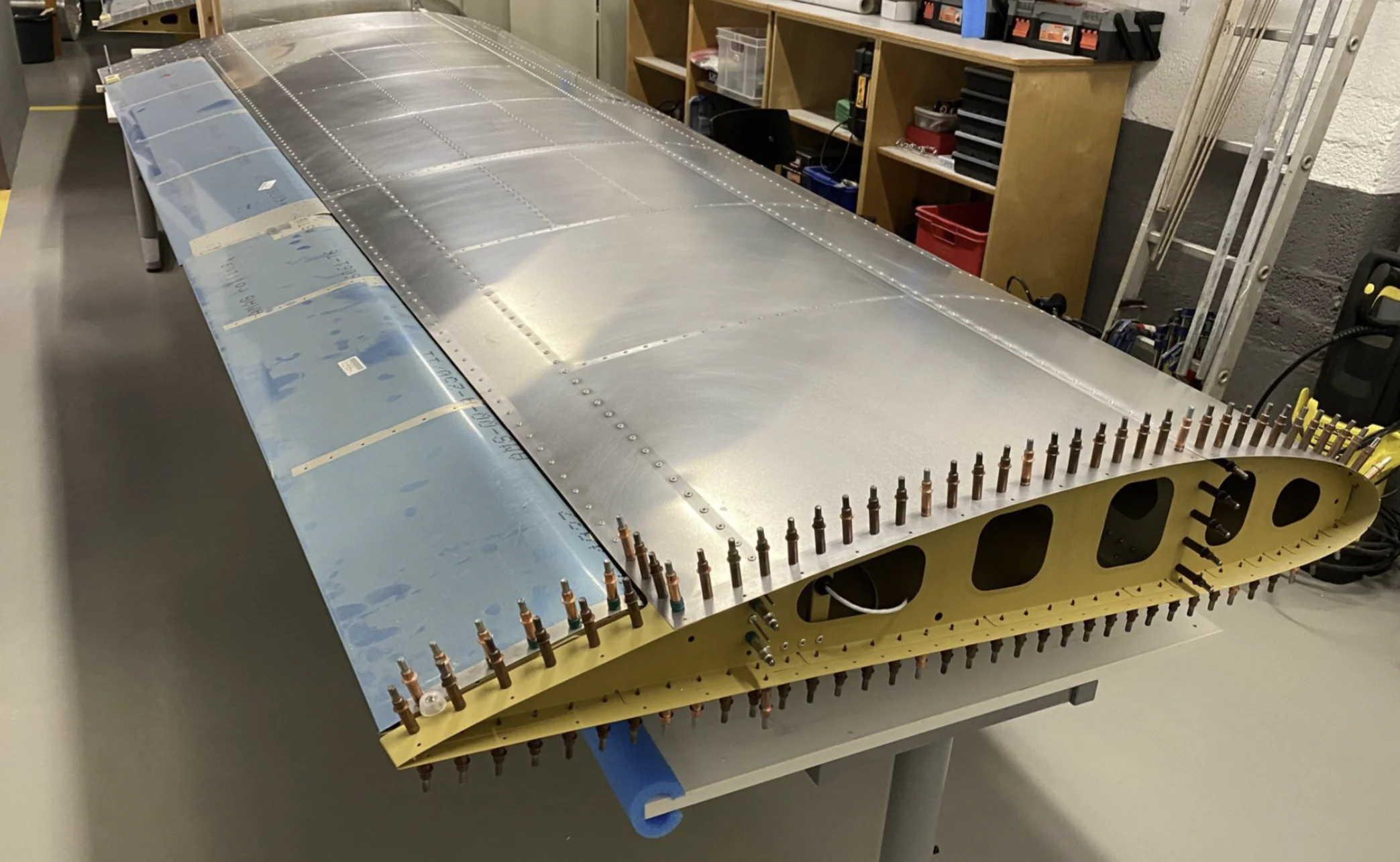
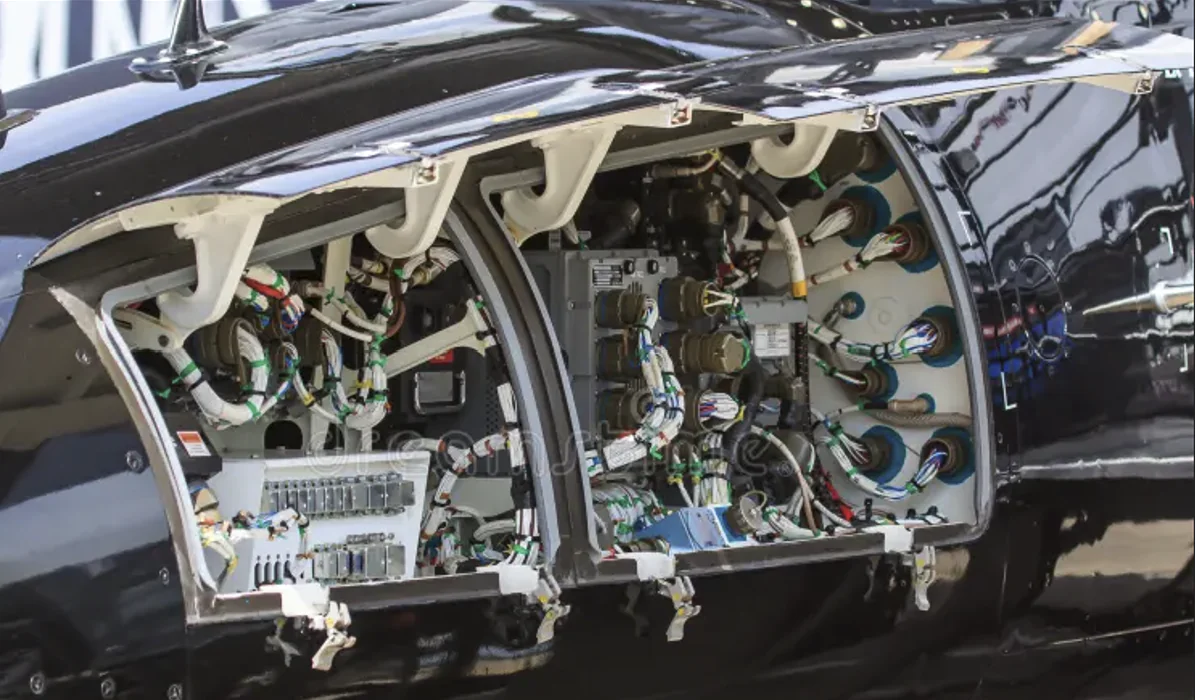
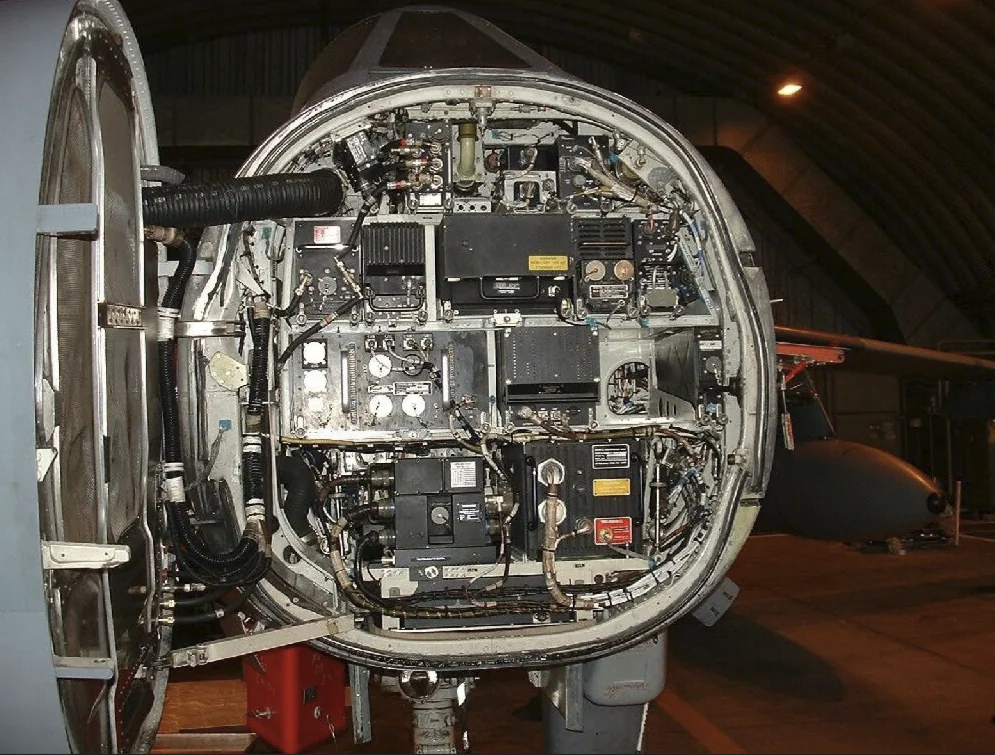
Typical Products Formed: Avionics equipment chassis, engine nacelle lip-skins, structural fuselage brackets, jet engine heat shields, wing ribs, and complex interior bulkhead panels.

Key Functions: Executes high-resolution multi-stage ram velocity profiles, maintains continuous real-time tonnage monitoring, controls variable blank holder pressure, and logs comprehensive process data for AS9100 quality traceability.

Why 800-Ton Hydraulic Press?: It supplies the massive pressure reserves required to deform tough, springback-prone titanium and thick aluminum alloys while utilizing rigid four-pillar guidance to completely negate off-center frame deflection.

02 — Technical Specifications

SM 800 HP – HYDRAULIC PRESS MACHINE COMPLETE TECHNICAL DATA

The SM 800 HP hydraulic press machine encompasses a comprehensive suite of high-capacity structural and mechanical engineering data. This technical configuration provides the extreme motion control, rigid stability, and localized pressure delivery essential for forming flight-ready aerospace components.

Technical Data

Capacity: Nominal press force rating of 800 ton

Structural Design: Heavy duty stress relieved four pillar construction

Frame Type: Rigid upright pillar structural geometry

Hydraulic System: High pressure variable displacement pump architecture

Main Ram Stroke: Maximum linear travel distance of 800 mm

Working Hydraulic Pressure: Continuous operational fluid limit of 250 bar

Daylight Gap: Maximum vertical open window height of 1200 mm

Approach Speed: Rapid downward advance rate of 200 mm/Sec

Pressing / Drawing Speed: Ultra controlled precision forming rate from 5 to 20 mm/Sec

Return Speed: Accelerated upward retract velocity of 180 mm/Sec

Bed / Platen Size Platen: Total structural table footprint of 1600 mm by 1400 mm

Columns: Four solid induction hardened steel pillars measuring 220 mm diameter

Working Envelope: Total internal processing volumetric clearance area of 1600 mm by 1400 mm by 1200 mm

Control System: Smart programmable logic controller integrated with real time touchscreen human machine interface

Main Motor Power: High efficiency prime mover electrical drive rated at 75 kW

Valves & Hydraulics: High response proportional flow and pressure control manifold block assembly

Automation: Multi axis robotic arm material handling interface ports and electronic die quick change mechanism

Safety Features: Dual zone safety light curtains, emergency stop buttons, and electronic interlocked mechanical safety catchers

SM 800 HP — Model Specifications

  • Nominal Force: 8000 KN
  • Maximum Hydraulic Pressure: 25 MPa
  • Max Opening Height of the Slider: 1500 mm
  • Max Stroke of the Slider: 900 mm
  • Effective Bed Size: 1600 × 1600 mm
  • Slider Down Speed: 180 mm/s
  • Slider Pressing Speed: 9–18 mm/s
  • Slider Return Speed: 180 mm/s
  • Ejector Cylinder Nominal Force: 600 KN
  • Stroke of the Ejection Cylinder: 300 mm
Production Case Study

Forming Aerospace Components Production Line

1.0 – 4.0 mmThickness
1400x1200mmSheet Size
45 -60 SecCycle time
60-80 PartsOutput/Hour
Component micro-cracking eliminated
Scrap rate lowered
Process traceability achieved
Production throughput maximized
Surface marring prevented
Tooling wear minimized
Geometric repeatability perfected

03 — Die / Mold System

Precision Forming Aerospace Components Die Mold Engineering

Precision forming aerospace die mold engineering employs ultra-rigid, temperature-stable tooling architectures to reshape advanced superalloys without structural degradation. The engineering focus prioritizes severe springback compensation and zero-defect geometric execution required for flight-critical assemblies.

Use Case

This specialized tooling system is deployed to perform deep drawing, warm stretching, and complex contouring of high-strength aerospace skins. It preserves raw material integrity, prevents structural stress concentrations, and maintains critical aerodynamic profiles under high forming forces.

Technical Specifications (Tooling)

Die Type

  • Precision deep drawing aerospace die set
  • Multi stage progressive contour forming tooling

Die Materials

  • Premium hot work tool steel grade H13 for thermal stability
  • High strength tool steel grade D2 for structural dies

Tool Configuration and Construction

  • Rigid four pillar center post die set layout
  • Modular exchangeable segment insert matrix construction

Key Tooling Features

  • Integrated cartridge heating elements for warm forming control
  • High capacity hydraulic binder rings for uniform sheet clamping

Alignment Accuracy

  • Die clearance variance controlled within 0.01 mm
  • Guide pillar spatial positioning tolerance within 0.002 mm

Materials Formed

  • High strength aluminum alloys up to 4.0 mm thickness
  • Titanium sheets and nickel based superalloys

Surface Finish

  • Ultra smooth mirror polished drawing radii under 0.2 micrometers Ra
  • Chromium Nitride physical vapor deposition anti galling coating

Tool Life

  • Expected lifetime performance of 1000000 total production cycles
  • Intermediate maintenance polishing interval required every 100000 production cycles
Case Study (Die Performance)

Precision Forming Aerospace Components Die Mold

H13 and D2Die Material
Vacuum gas quenchingHeat Treatment
54 to 58 HRCHardness
Tool life extended significantly
Micro-cracking completely eliminated
Scrap rate lowered
Surface galling prevented
Maintenance downtime minimized
Geometric repeatability perfected
Production yield maximized

04 — Product Application

Where Precision Forming Aerospace Components Are Used

Precision formed aerospace components deliver extreme structural reliability, tight geometric tolerances, and weight-optimized profiles for flight-critical vehicles. They are engineered to survive intense thermal cycles, severe vibrations, and high stress loads encountered across demanding aerospace domains.

Industry Applications

Commercial and Military Aviation

Flight-critical fuselage brackets, wing rib assemblies, and contoured passenger door skins rely heavily on precision forming. These structural elements provide optimal aerodynamics, cabin pressure retention, and robust impact resistance while minimizing total aircraft deadweight.

Jet Engines and Propulsion Systems

Specialized compressor stator vanes, exhaust nacelle skins, and combustor heat shields are formed to withstand immense thermal gradients. The process ensures these parts maintain geometric integrity under continuous hot gas flows and punishing operational environments.

Space Launch Vehicles and Rockets

Interstage structural rings, propellant tank dome segments, and external aerodynamic fairing panels require flawless heavy deformation. Precision forming shapes tough superalloys into massive contours that endure extreme launch forces and atmospheric re-entry conditions.

Avionics and Satellite Systems

Intricate satellite transponder chassis, radar array housings, and internal instrument mounting brackets require precise micro-tolerances. Formed housings guarantee absolute component alignment, reliable heat dissipation paths, and critical electromagnetic interference shielding in space environments.

Finished Product Gallery

05 — Key Advantages

Why Choose the 800-Ton Sinter Hydraulic Press

The 800-Ton Sinter Hydraulic Press delivers the extreme structural rigidity and ultra-precise motion control mandatory for shaping flight-critical components from advanced alloys. It perfectly balances rigorous aerospace quality standards with commercial line efficiency to maximize yield on high-value materials.

01

Massive Tonnage for Advanced Superalloys

The robust 800-ton capacity provides the immense force needed to deform high-strength titanium, superalloys, and thick aluminum panels. It cleanly overcomes material resistance, allowing complex, deep-contoured aerospace geometries to be formed with zero tearing.

02

Ultra-Rigid Four-Pillar Guidance Precision

The heavy-duty four-pillar structural design completely eliminates frame deflection and tilting during off-center drawing or asymmetric forming. This strict mechanical parallelism guarantees flawless panel flatness and uniform wall thickness across large structural components.

03

Micro-Adjustable Stroke and Velocity Control

Advanced proportional hydraulic systems allow operators to program variable ram speeds and high-resolution dwelling times down to fractions of a millimeter. This precise command over the forming cycle neutralizes severe springback tendencies inherent in aerospace-grade alloys.

04

Elimination of Structural Micro-Cracking

The smooth, steady application of hydraulic pressure avoids the violent impact shocks characteristic of conventional mechanical stamping presses. This gentle, uniform material flow preserves the internal metallurgical grain structure, ensuring components pass strict non-destructive testing.

05

Minimized Material Scrap and High Yield Savings

Precise control over variable blank-holder pressures dramatically reduces fracturing, wrinkling, and edge defects during heavy deformation cycles. Minimizing rejection rates translates directly into massive cost savings when processing expensive raw materials like titanium.

06

Comprehensive AS9100 Process Traceability

Integrated programmable logic controllers and sensors capture and log real-time data for every single pressure stroke, cycle time, and velocity profile. This automated data collection provides aerospace manufacturers with the flawless process verification required for regulatory compliance.