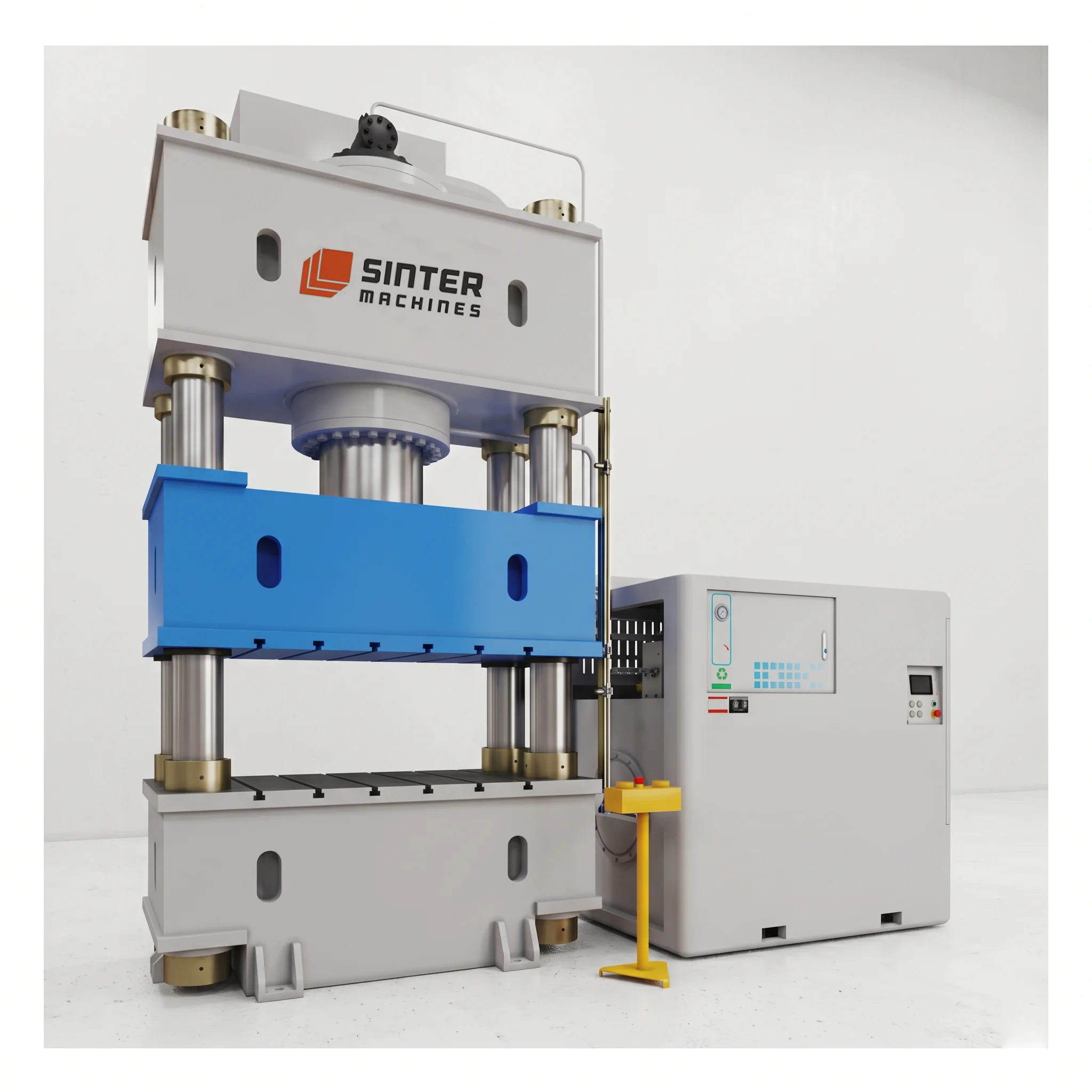
01 — Press System
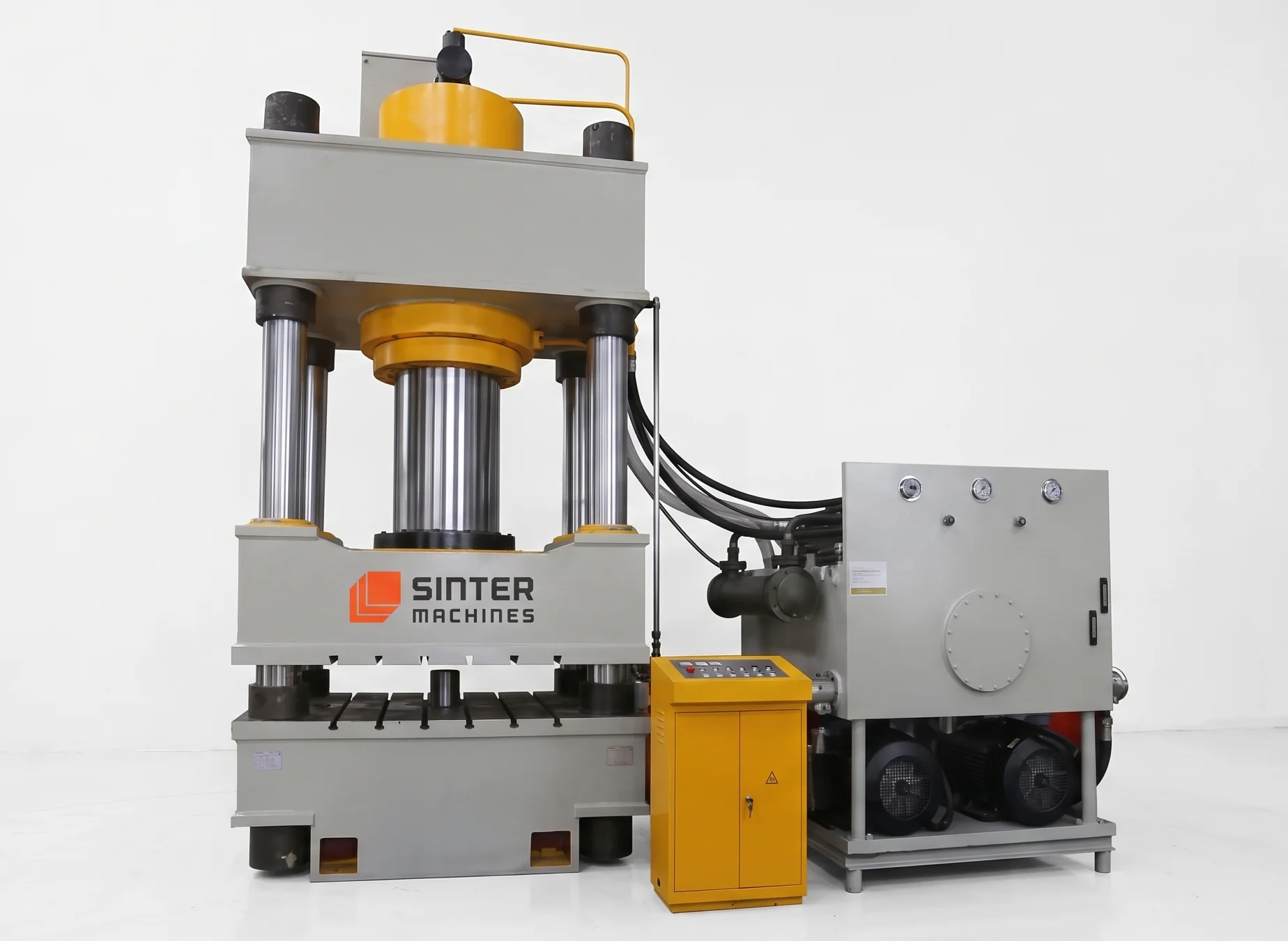
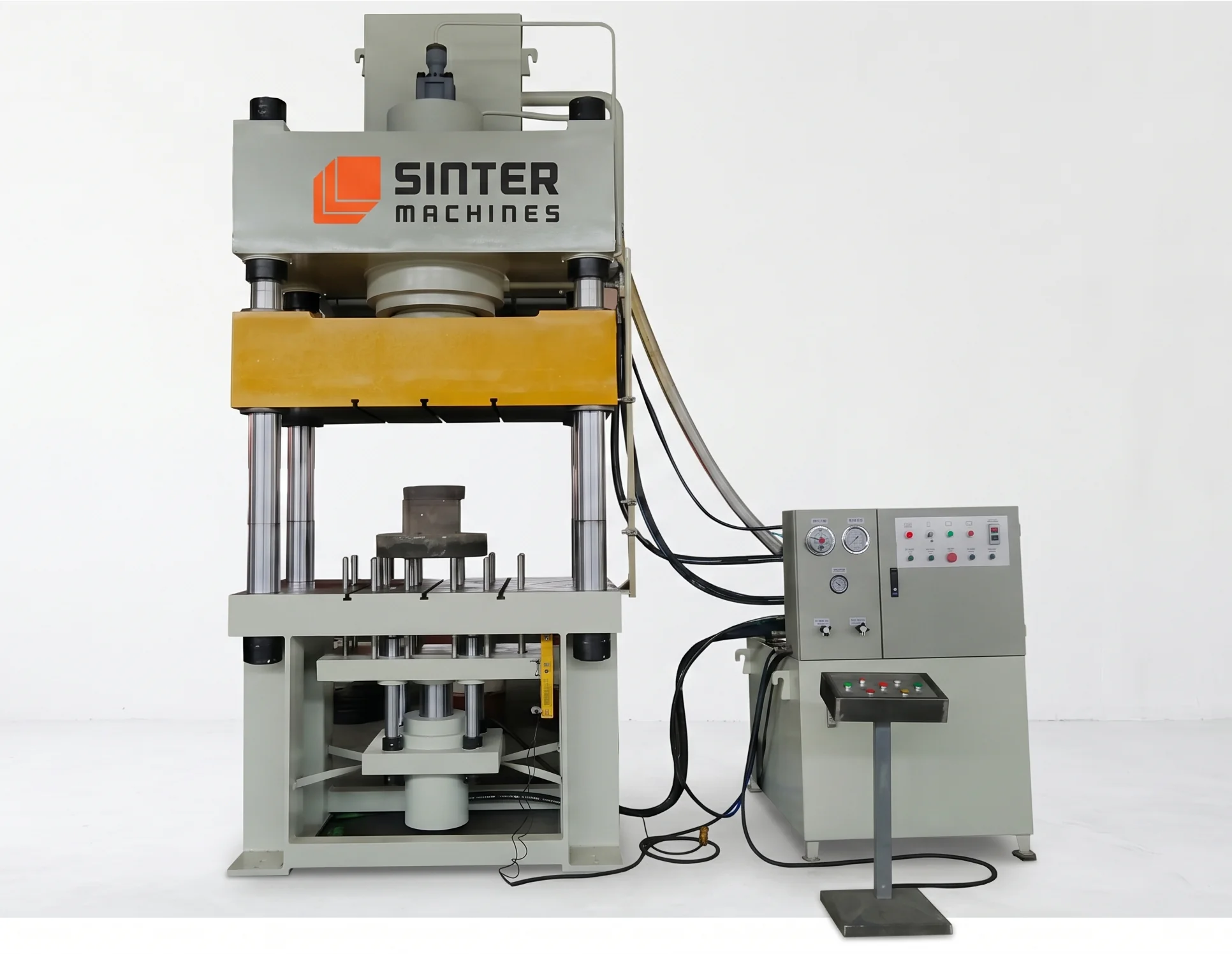
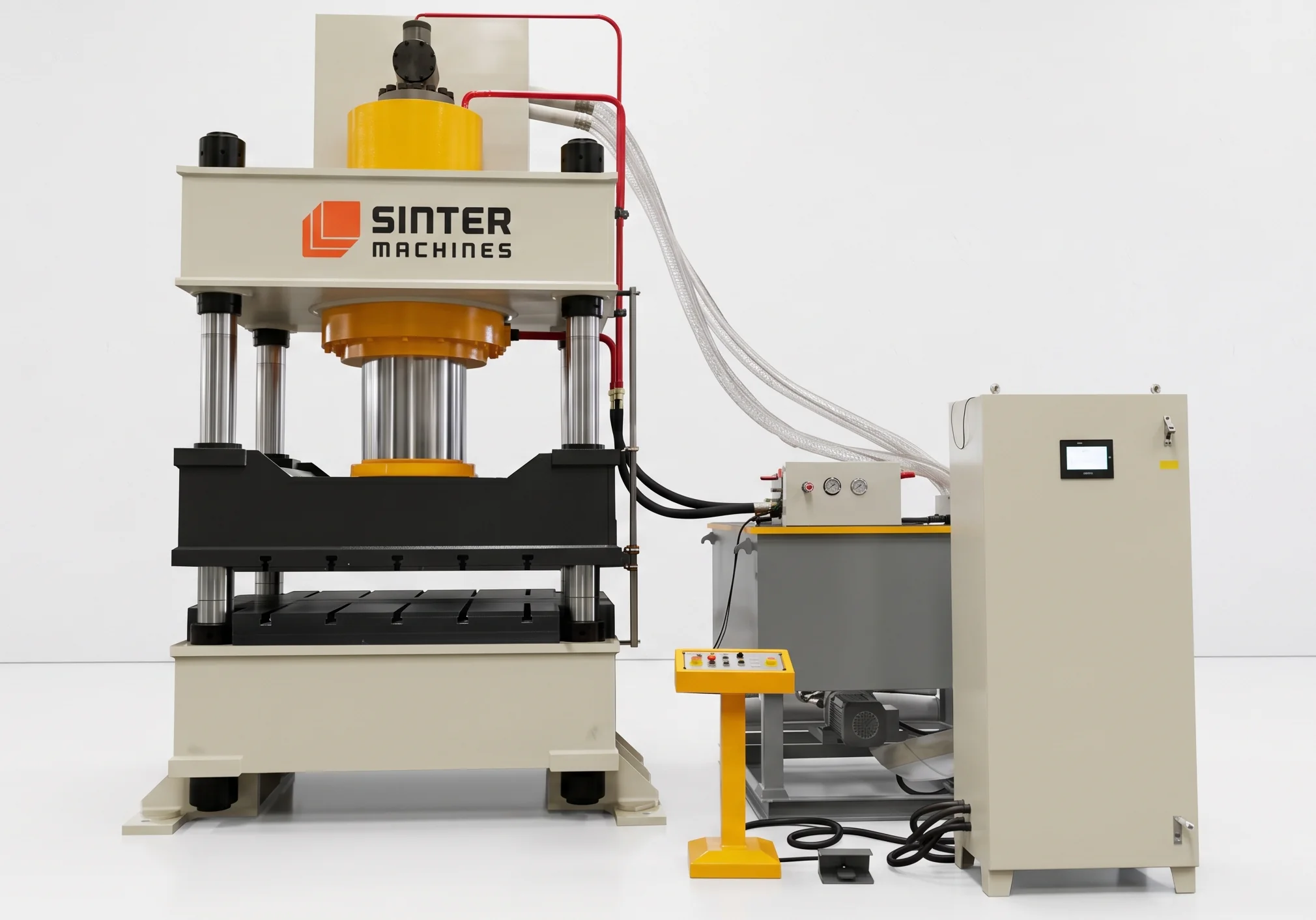
630T Four Column Hydraulic Press Machine
Engineered to deliver high tonnage force for compacting large-scale, high-density powder metallurgy components with extreme precision. It ensures exceptional structural integrity and uniform density across heavy-duty automotive and industrial parts.
Use Case
Designed for mass production of large, high-wear engine components using powder compaction technology. It efficiently processes dense metal powder formulations into robust valve seats and guides for heavy commercial vehicles and power generation systems.
- Core Applications: Heavy-duty powder metallurgy compaction for large diesel engines, commercial vehicles, and industrial machinery components. It is also utilized for pressing high-density structural parts requiring high wear and heat resistance.
- Material: Utilizes heavy-grade iron, bronze, iron-copper, and stainless steel powders blended with graphite and zinc stearate lubricants. Sintered parts are frequently post-treated with oil impregnation agents to minimize friction and boost durability.
- Products Processed: Heavy-duty engine valve seats, large valve guides, thick-walled self-lubricating bearings, and structural powder metal parts. These components deliver outstanding resistance to severe thermal stress, mechanical fatigue, and high-impact wear.
- Why 630-Ton Hydraulic Press: Provides the massive compaction force necessary to achieve optimal green density in large-surface-area metal powder parts. The high tonnage capacity prevents spring-back defects and guarantees tight dimensional tolerances across long production runs.
02 — Technical Specifications
SM 630 HP – HYDRAULIC PRESS MACHINE COMPLETE TECHNICAL DATA
The SM 630 HP – 630 Ton Hydraulic Press Machine is engineered for the production of heavy-duty powder metallurgy (PM) valve seats and valve guides used in industrial engines, commercial vehicles, agricultural equipment, and off-highway machinery. Its high-capacity hydraulic compaction system delivers superior density, excellent dimensional accuracy, and controlled porosity, ensuring outstanding wear resistance and thermal stability in demanding engine environments.
Capacity & Structural Design
- Rated Press Capacity: 600 metric tons (≈ 5,880 kN)
- Press Type: Fourpillar / fourcolumn hydraulic press
- Frame Construction: Fabricated welded steel, stressrelieved
- Design Duty: Continuous, heavyduty PM production
- Structural Safety Factor: ≥ 1.25
- Deflection at Full Load: ≤ 0.08–0.10 mm
- Load Distribution: Uniform over full platen area (critical for multicavity tools)
Hydraulic System
- Main Hydraulic Cylinder
- Type: Doubleacting
- Bore Diameter: 380–450 mm
- Stroke: 450–650 mm
- Maximum Working Pressure: 28–32 MPa (280–320 bar)
- Hydraulic Circuit
- Variable displacement axialpiston pump
- Proportional / servocontrolled pressure valves
- Closedloop force control
- Pressing Modes
- Constant pressure compaction
- Positioncontrolled pressing
- Multistage pressure & dwell curves (for density equalization)
Platen & Working Area
- Upper / Lower Platen Size
- Standard: 800 × 800 mm
- Optional: 1,000 × 1,000 mm
- Guide Columns
- Quantity: 4
- Diameter: 120–150 mm
- Surface: Hardened, hardchromed & precisionground
- Daylight Opening: 900–1,200 mm
- Platen Parallelism Accuracy: ±0.02–0.03 mm / 300 mm
Controls, Monitoring & Safety
- Control System: PLC + industrial HMI
- Process Monitoring
- Force vs stroke curve
- Dwell time
- Fill depth & ejection position
- Cycletocycle repeatability
- Safety Features
- Safety PLC
- Light curtains or safety scanners
- Hydraulic overload & overpressure protection
- Emergency stop system (CE / ISO compliant)
SM 630 HP — Model Specifications
- Nominal Force: 6300 KN
- Maximum Hydraulic Pressure: 25 MPa
- Max Opening Height of the Slider: 1500 mm
- Max Stroke of the Slider: 900 mm
- Effective Bed Size: 1500 × 1500 mm
- Slider Down Speed: 150 mm/s
- Slider Pressing Speed: 9–18 mm/s
- Slider Return Speed: 200 mm/s
- Ejector Cylinder Nominal Force: 500 KN
- Stroke of the Ejection Cylinder: 300 mm
03 — Die / Mold System
Precision Heavy Duty Powder Metallurgy (PM) Valve Seats and Valve Guides Die Mold Engineering
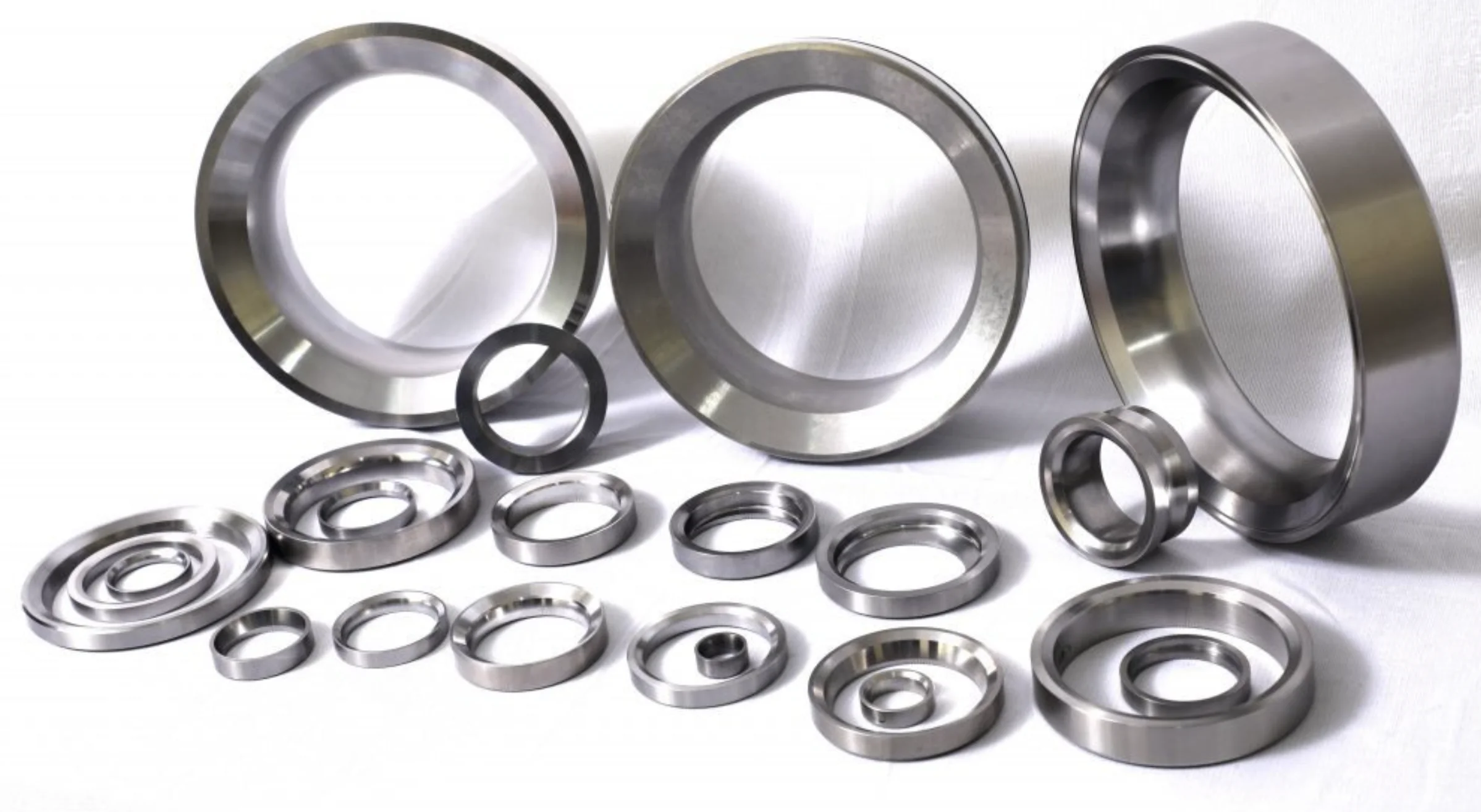
Precision Heavy-Duty Powder Metallurgy (PM) Valve Seats and Valve Guides Die Mold Engineering focuses on the design and development of high-accuracy tooling for manufacturing critical engine components with stringent dimensional and performance requirements. Advanced die mold engineering ensures consistent compaction, optimal density distribution, and superior surface finish, enabling the production of valve seats and guides with excellent wear resistance, thermal stability, and mechanical strength.
Technical Specifications (Tooling)
Tooling Configuration
- Upper punch plate
- Lower punch plate
- Precision die sleeve(s)
- Fixed or floating core rods (mandatory for valve guides)
- Stripper or ejection plate
Key Tooling Design Features
- Punchtodie clearance: 8–12 µm
- Polished working surfaces (Ra ≤ 0.2 µm)
- Floating die options for density balancing
- Optimized airventing to prevent lamination cracks
Powder Filling & Ejection
- Powder Filling
- Servocontrolled or mechanical shoe feeder
- Volumecontrolled or weightcontrolled fill
- Ejection System
- Programmable hydraulic ejection
- Controlled slow ejection speed to avoid green cracks
- Lubrication
- Internal lubricant in powder blend
- Optional diewall spray lubrication for tool life
Compatible PM Materials
Valve Seat Materials
- FeCuMo PM alloys
- FeNiMo PM steels
- Wearresistant PM alloys with hard inclusions
- Infiltrationcapable PM grades (copper infiltration)
HeavyDuty Valve Guide Materials
- FeCuSn PM alloys
- Selflubricating ironbased PM materials
- Controlledporosity grades for oil retention
PostProcessing Compatibility
- Sintering (belt or pusher furnace)
- Sinterhardening
- Sizing / coining (critical tolerances)
- Steam treatment
- Oil impregnation (valve guides)
- Finish grinding (selected surfaces)
Heavy Duty Powder Metallurgy (PM) Valve Seats and Valve Guides Die Mold Tooling
04 — Product Application
Where Heavy Duty Powder Metallurgy (PM) Valve Seats and Valve Guides Are Used
Heavy-duty Powder Metallurgy (PM) Valve Seats and Valve Guides are widely used in automotive engines, commercial vehicles, agricultural equipment, construction machinery, marine engines, and industrial power generation systems. These critical engine components operate under high temperatures, pressure, and continuous friction, providing precise valve movement and reliable sealing performance.
Industry Applications
Industrial & HeavyVehicle Engines
In industrial and heavy-vehicle engines, heavy-duty powder metallurgy (PM) valve seats and valve guides are extensively used in intake and exhaust valve seats, high-temperature exhaust valve guides, turbocharger-related valve components, and long-life engine wear parts. These components are engineered to withstand extreme temperatures, high combustion pressures, and continuous mechanical stress while maintaining precise valve operation.
Construction, Mining & OffHighway Equipment
In construction, mining, and off-highway equipment, heavy-duty powder metallurgy (PM) valve seats and valve guides are widely used in diesel engine valve systems, high-load high-temperature engine assemblies, and continuous-duty engine components. These parts are designed to withstand extreme operating conditions, including high combustion pressures, elevated temperatures, and prolonged running cycles.
Power Generation
In power generation applications, heavy-duty powder metallurgy (PM) valve seats and valve guides are widely used in generator engine valve systems and long service-interval power units. These components are designed to withstand high temperatures, continuous operation, and demanding combustion conditions while maintaining precise valve performance.
Marine Engines
In marine engine applications, heavy-duty powder metallurgy (PM) valve seats and valve guides are commonly used in marine auxiliary diesel engines and long service-interval power systems. These components are engineered to withstand harsh operating environments, continuous duty cycles, and high-temperature combustion conditions while maintaining precise valve performance.
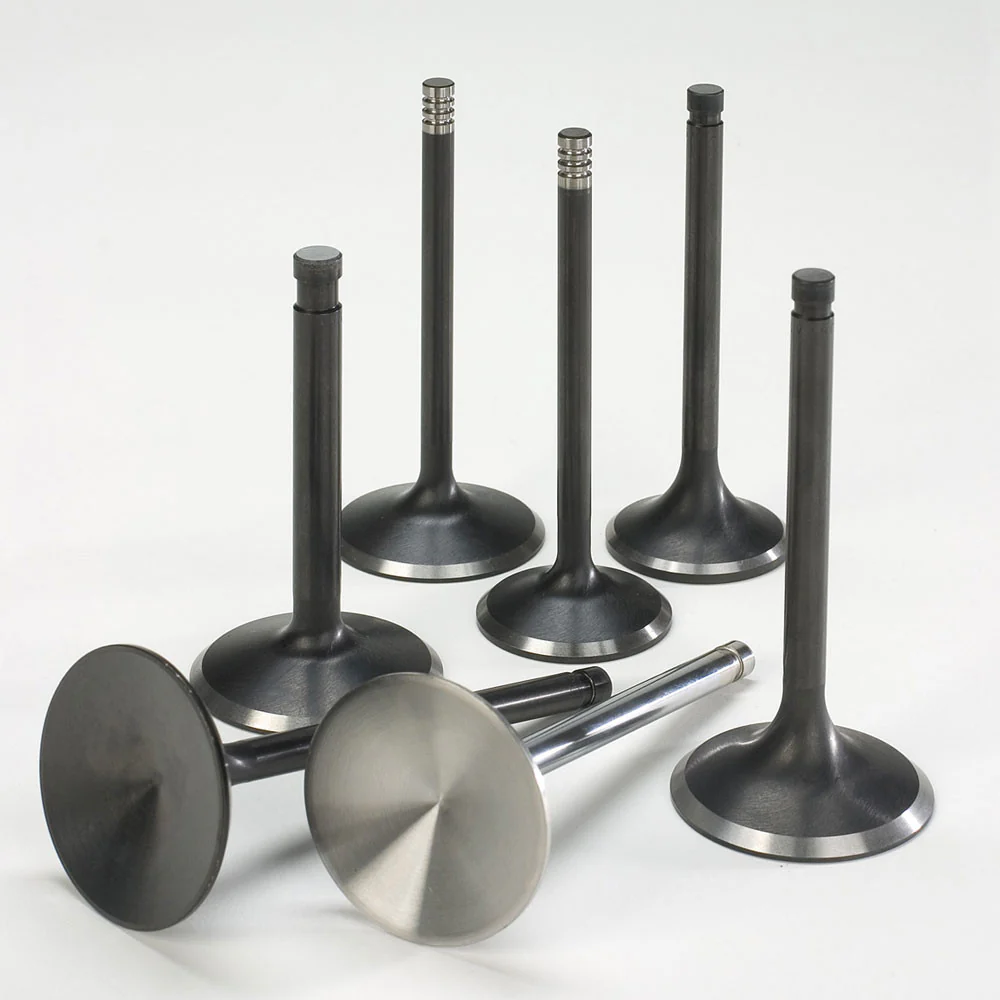
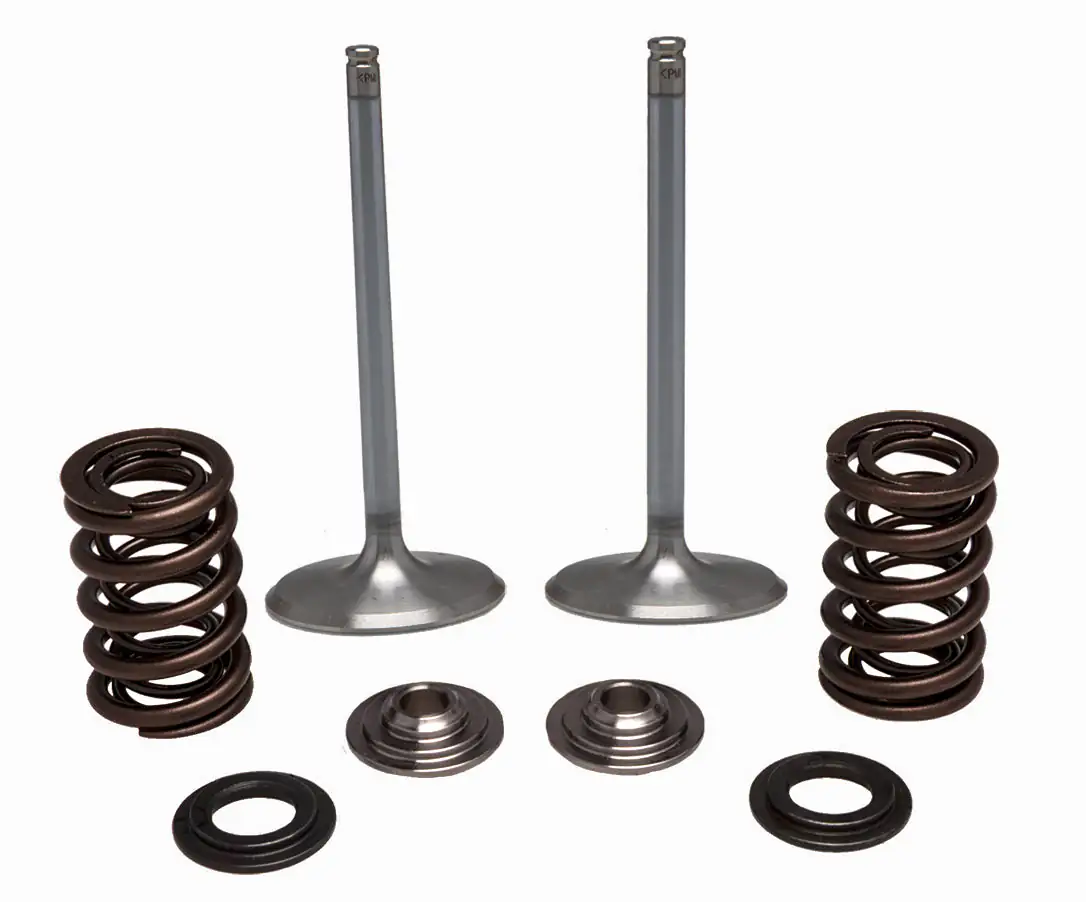
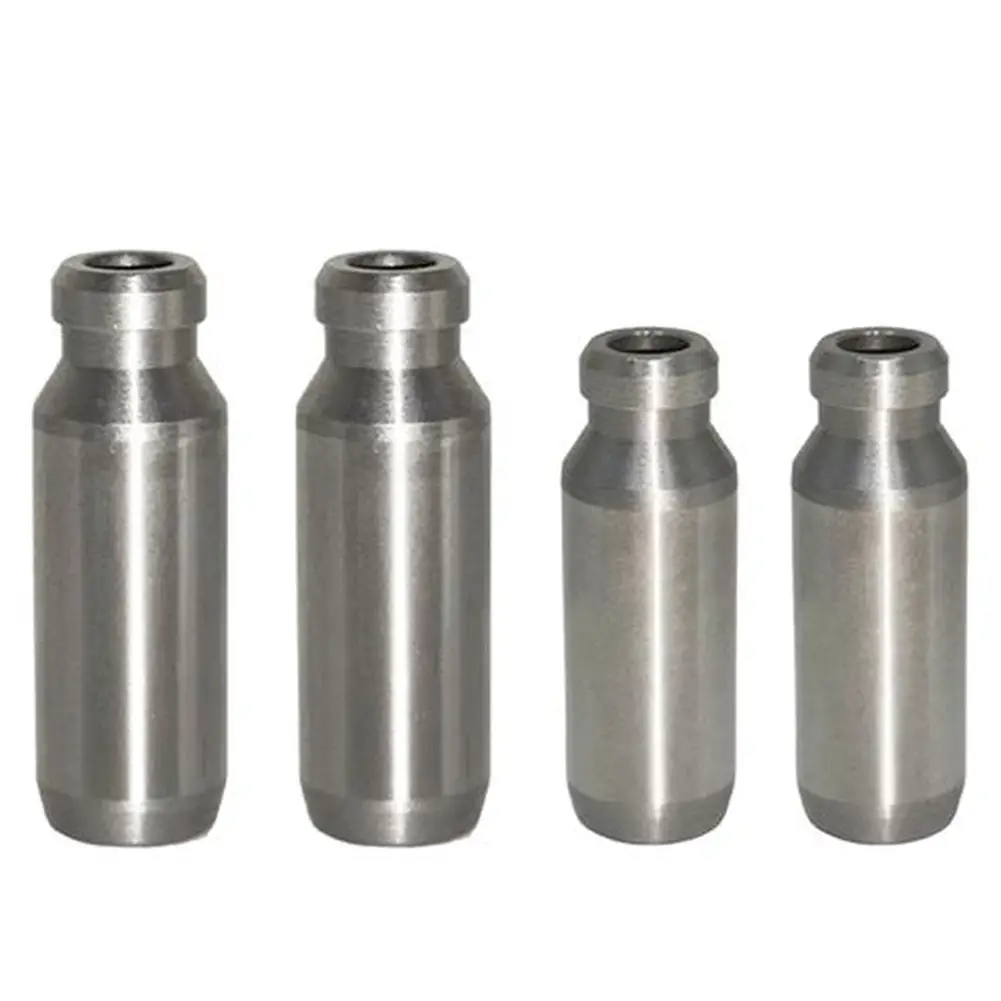
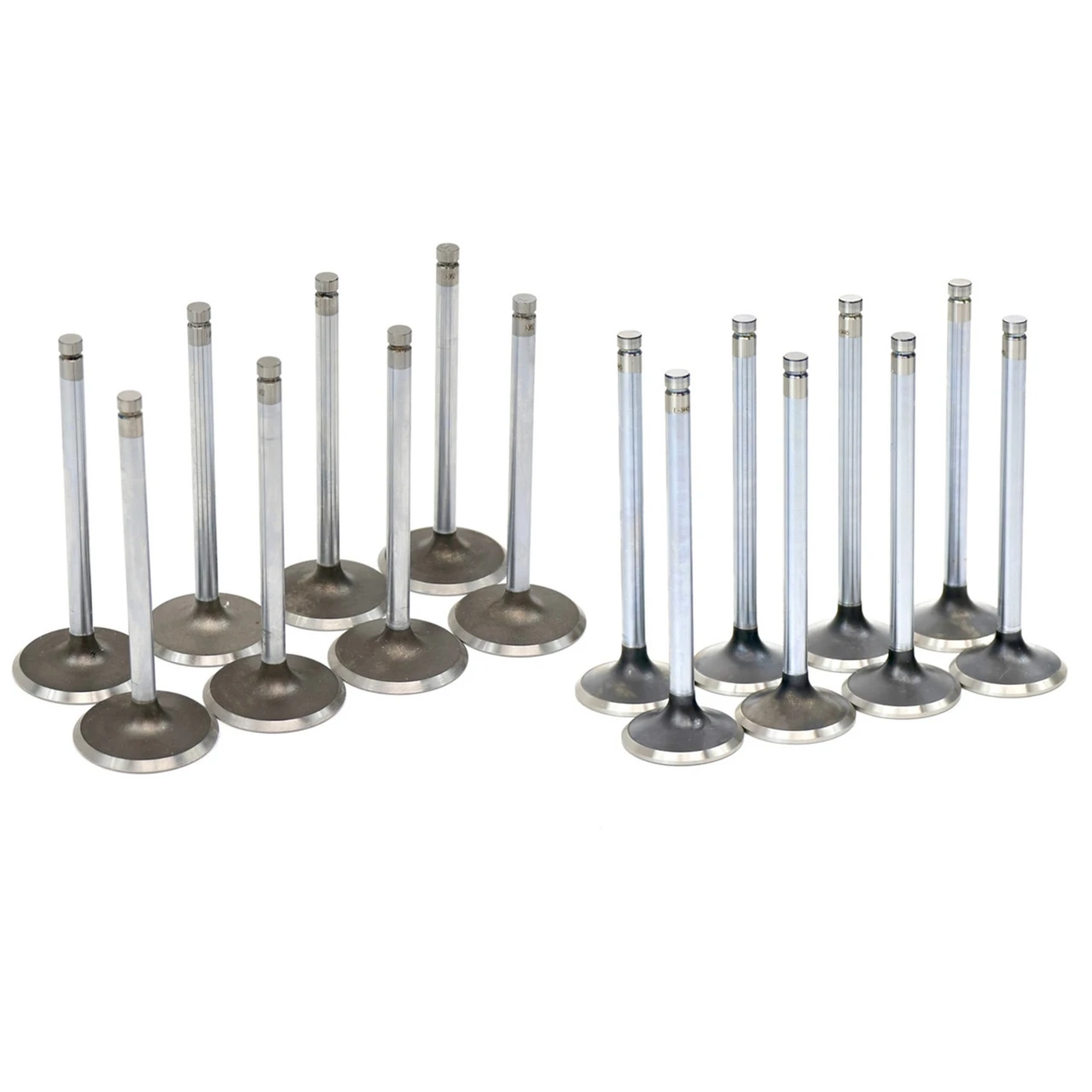
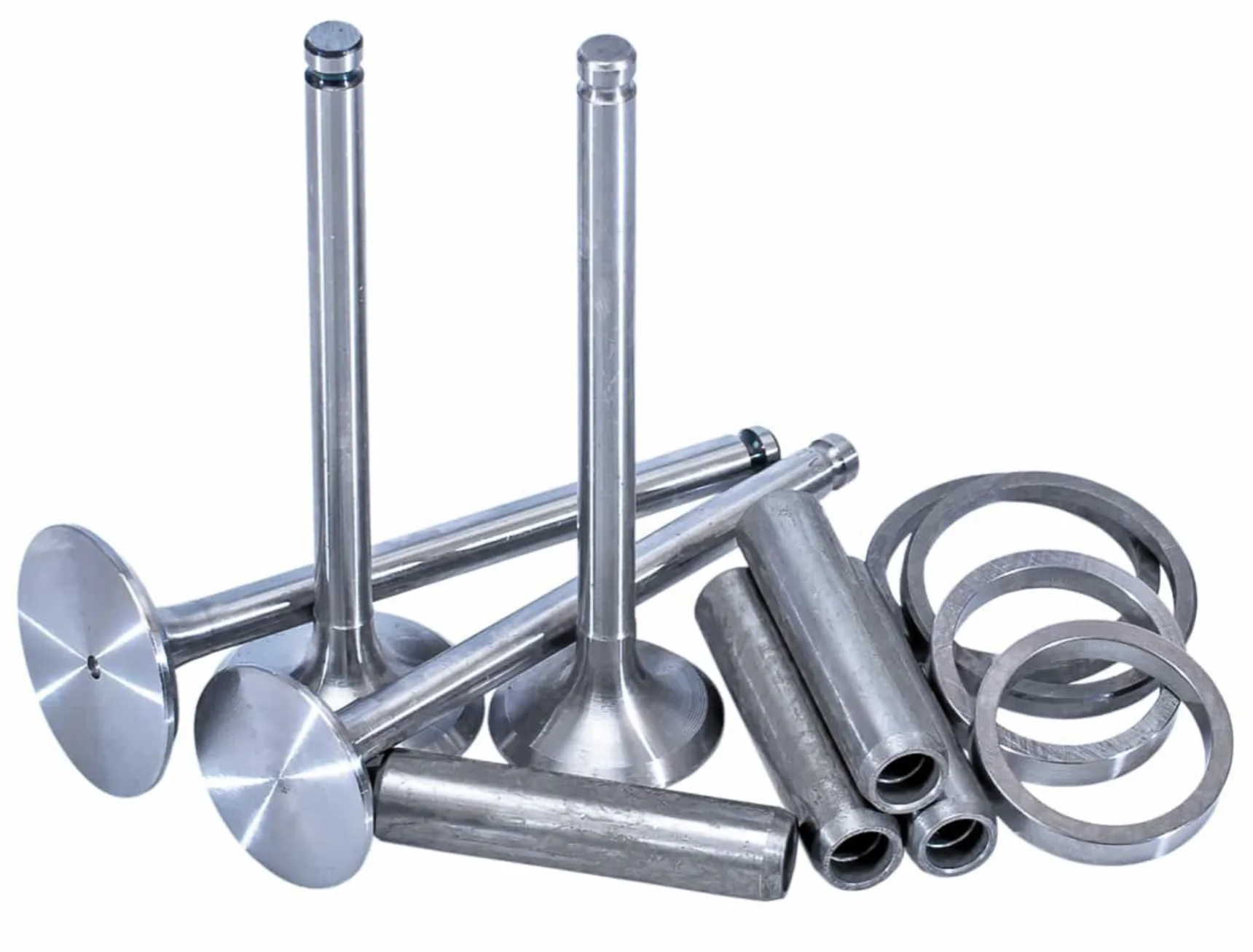
Finished Product Gallery
05 — Key Advantages
Why Choose the 630-Ton Sinter Hydraulic Press
The 630-Ton Sinter Hydraulic Press is an ideal solution for manufacturing heavy-duty powder metallurgy (PM) valve seats and valve guides due to its ability to deliver high compaction forces with precise pressure control. It ensures uniform densification, excellent dimensional accuracy, and consistent material properties throughout the component. The enhanced density and structural integrity improve wear resistance, thermal stability, and mechanical strength, enabling reliable performance in high-temperature, high-load engine applications.
High compaction force
High compaction force is a critical advantage in the production of heavy-duty powder metallurgy (PM) valve seats and valve guides, ensuring uniform density and strong particle bonding throughout the component. This results in enhanced mechanical strength, improved wear resistance, and superior thermal stability required for high-temperature engine applications.
Precision pressure control
Precision pressure control is essential in powder metallurgy manufacturing, enabling accurate regulation of compaction forces throughout the pressing cycle. This ensures uniform density distribution, consistent dimensional accuracy, and controlled porosity within valve seats and valve guides.
Superior densification capability
Superior densification capability enables powder metallurgy (PM) valve seats and valve guides to achieve high and uniform density throughout the component, resulting in enhanced mechanical strength and structural integrity. Improved densification reduces internal porosity, increases wear resistance, and enhances thermal conductivity, making the components capable of withstanding extreme temperatures and loads.
Enhances wear resistance, thermal stability
Enhances wear resistance and thermal stability by creating a dense, uniform microstructure that can withstand continuous friction, high temperatures, and severe operating conditions. Improved material integrity reduces component wear, deformation, and performance degradation over time.
Reliable high-volume production
Reliable high-volume production enables the efficient manufacturing of powder metallurgy (PM) valve seats and valve guides with consistent quality, dimensional accuracy, and material properties across large production runs. Advanced process control and stable compaction performance help minimize defects, reduce variation, and improve productivity.
Manufacture of durable valve components
Manufacture of durable valve components is achieved through precision powder metallurgy processes that ensure high density, excellent dimensional accuracy, and consistent material properties. The resulting valve seats and valve guides offer superior wear resistance, thermal stability, and mechanical strength, enabling reliable operation under extreme temperatures and heavy loads.