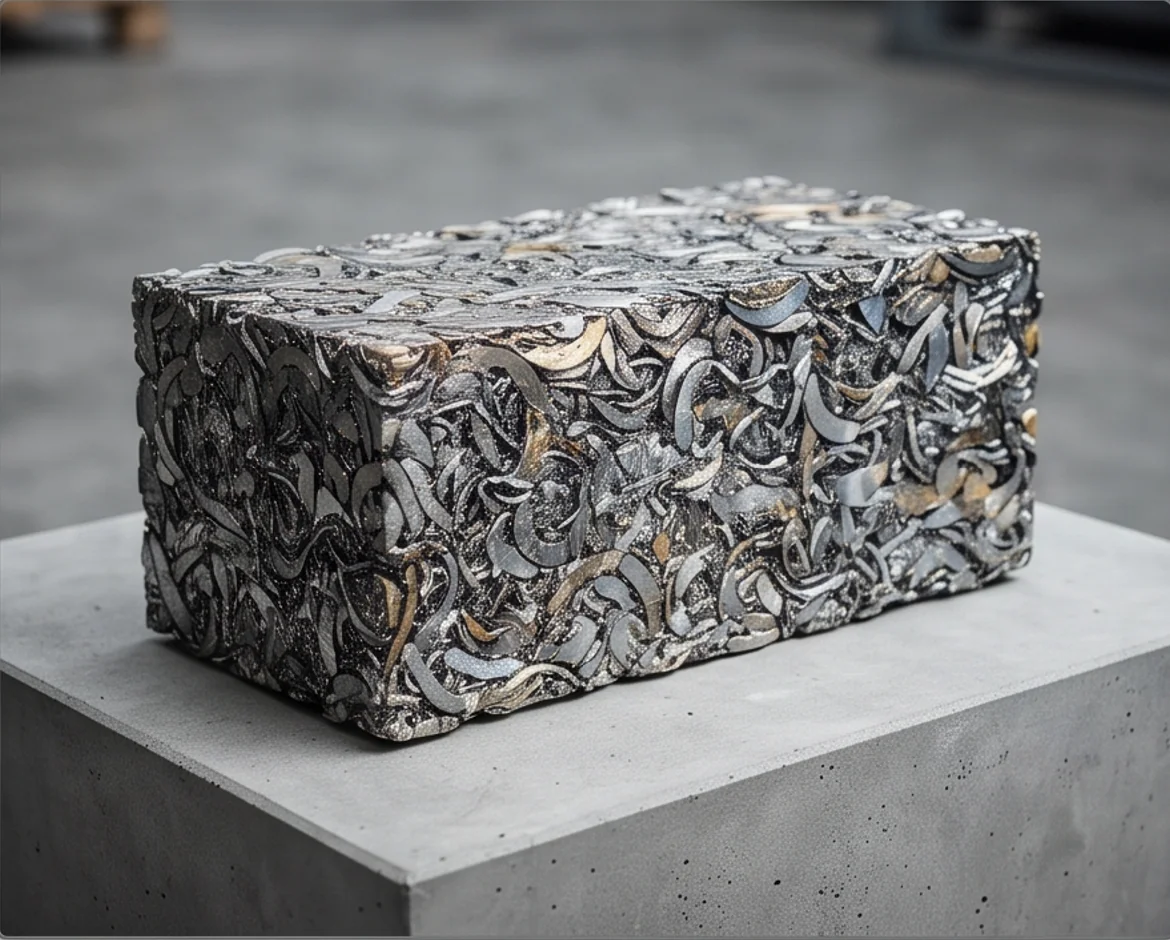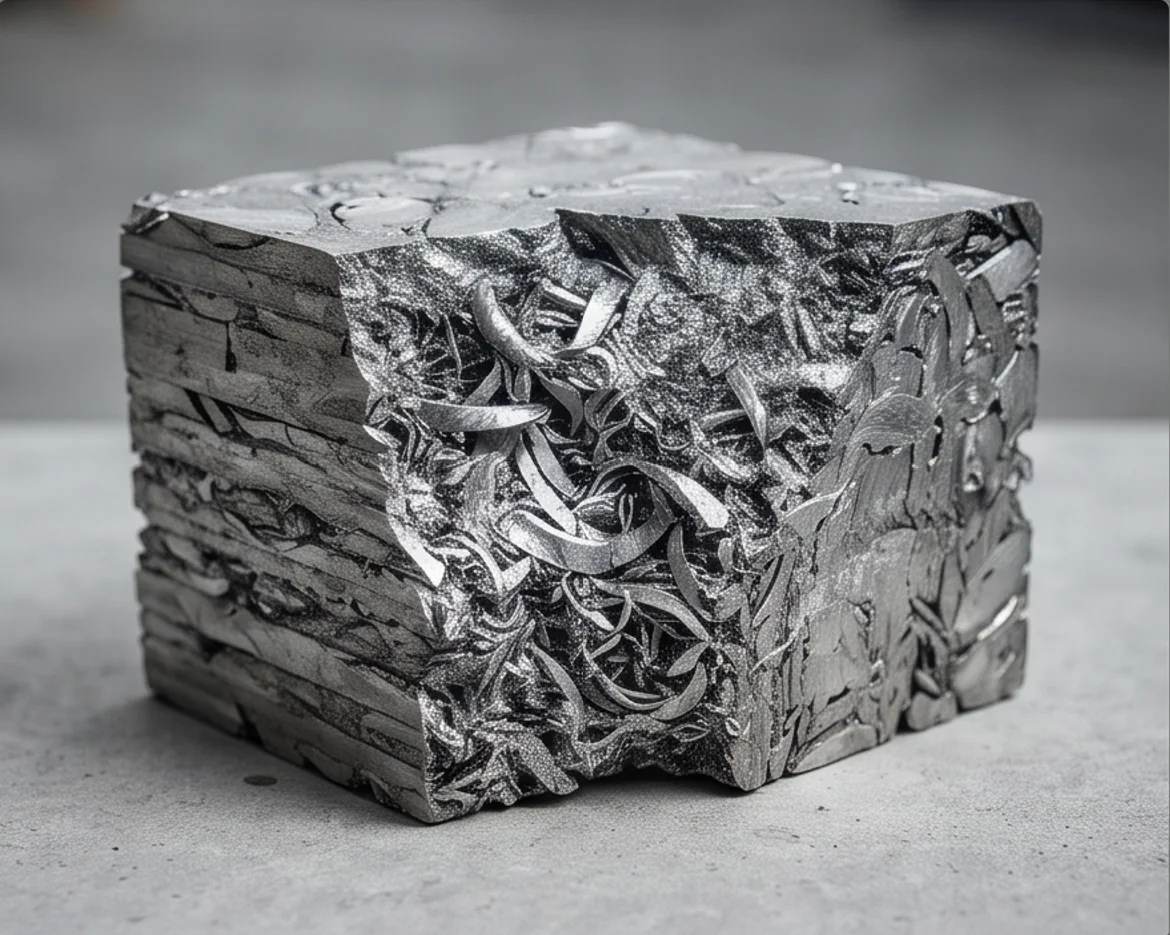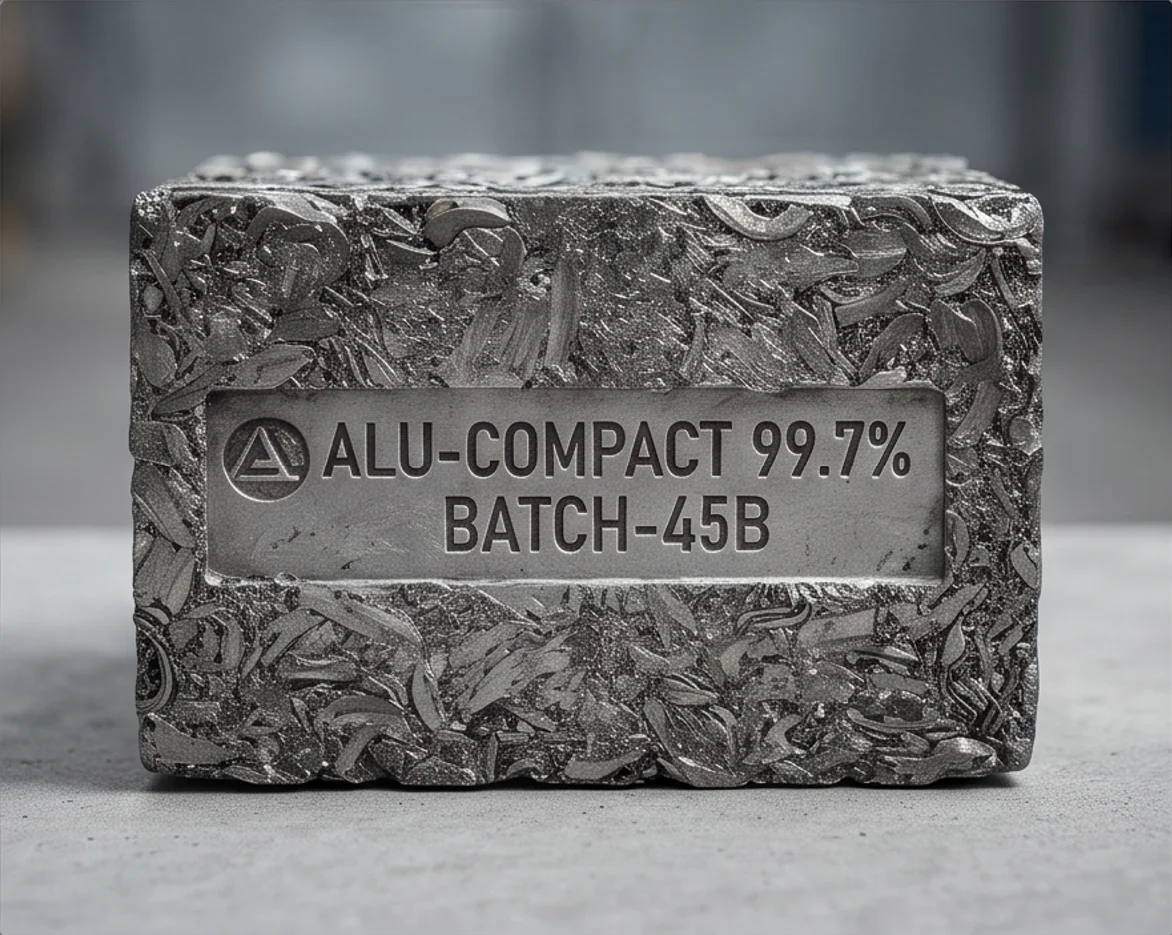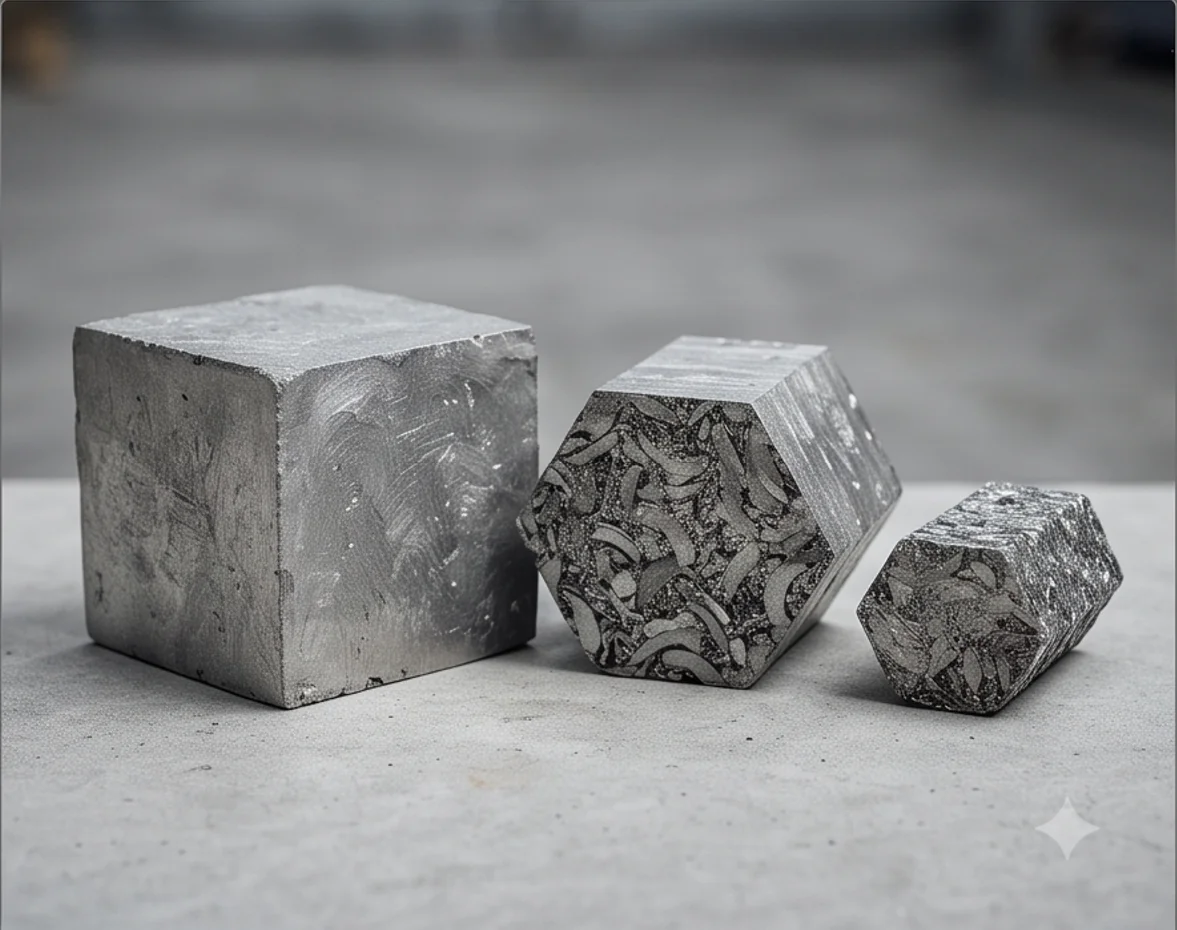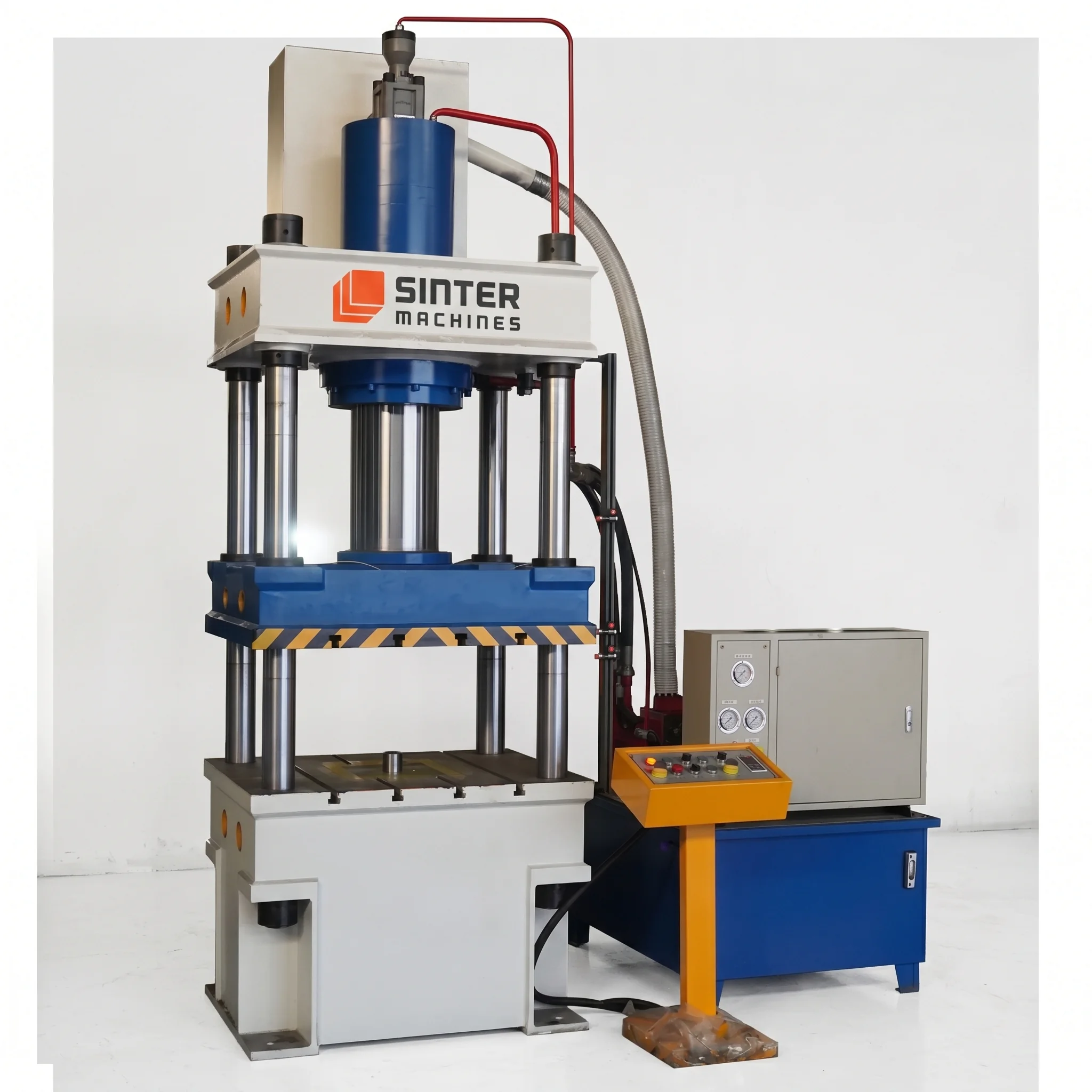
200T Four Pillar Hydraulic Press for Aluminum chips block
Aluminum Chips Block Forming 4-Column Hydraulic Press Machine is a heavy-duty industrial recycling system specifically engineered to compress loose, volumetric aluminum scrap—such as machining chips, turnings, swarf, and fine milling powders—into compact, high-density metal blocks (briquettes).
This process eliminates cutting fluid/oil, drastically reduces storage space, and creates uniform briquettes that can be directly remelted in induction or reverb furnaces with minimal oxidation loss.
01 — Key Advantages
Key Advantages of the 4-Column Design for Aluminum Scrap
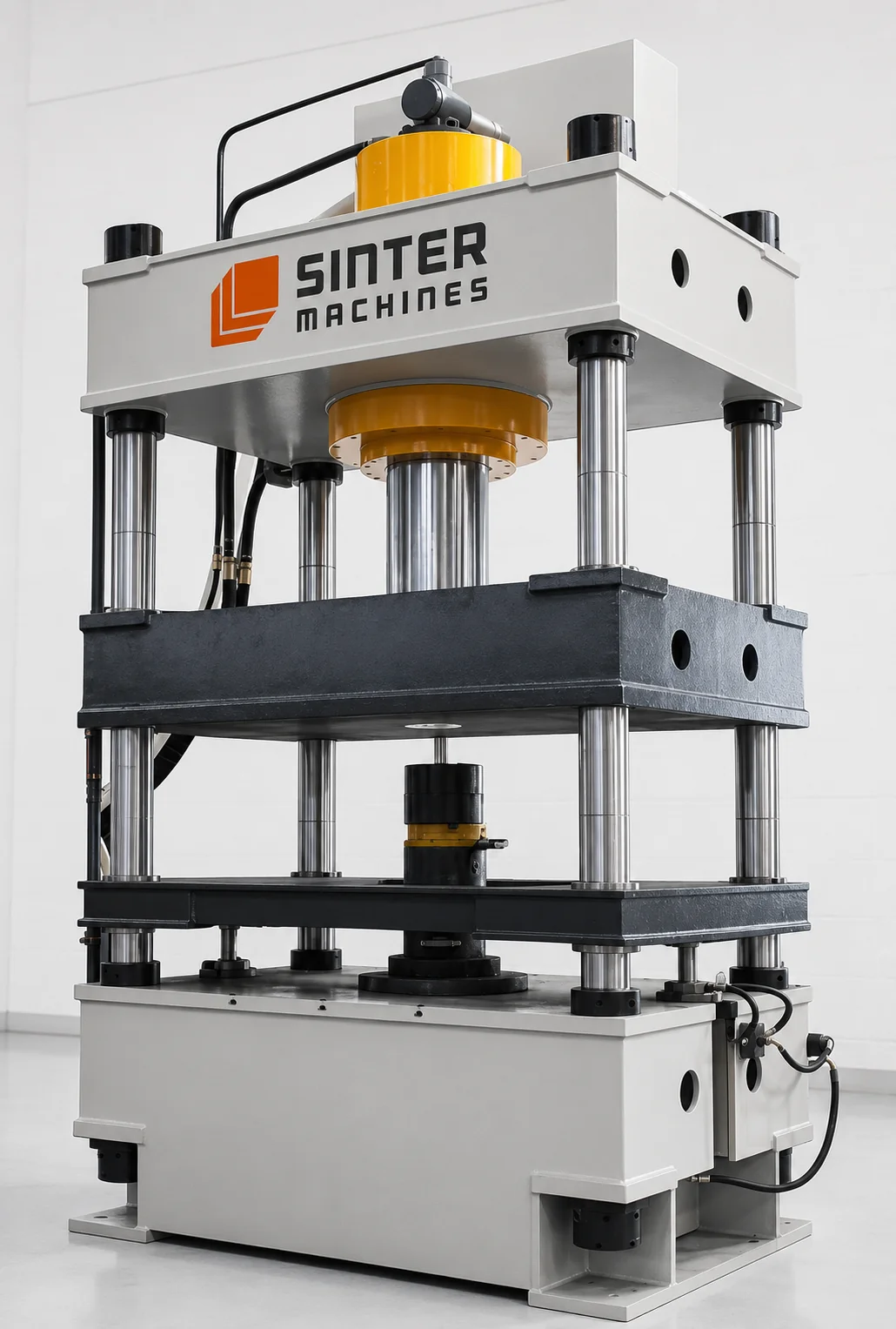
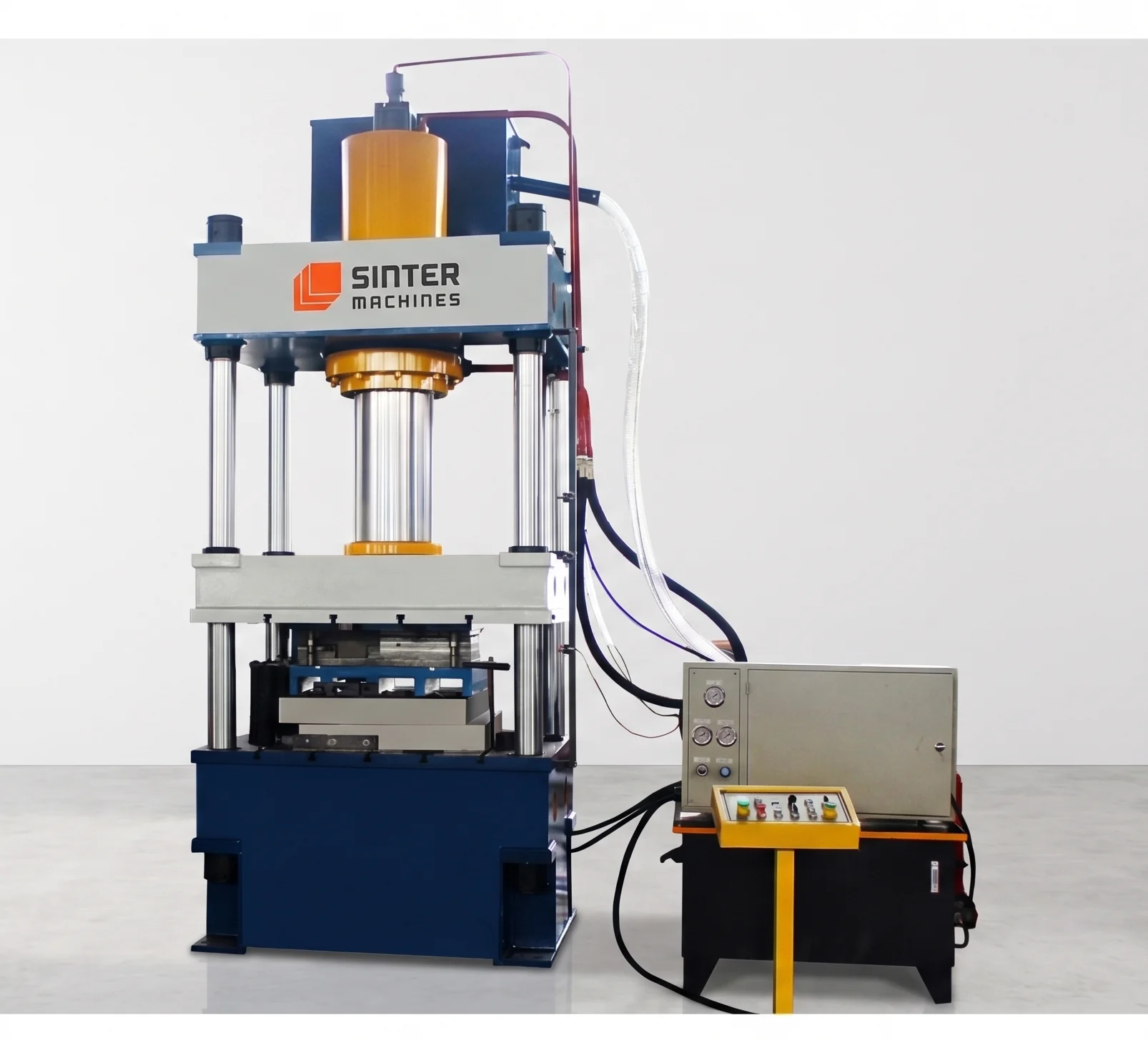
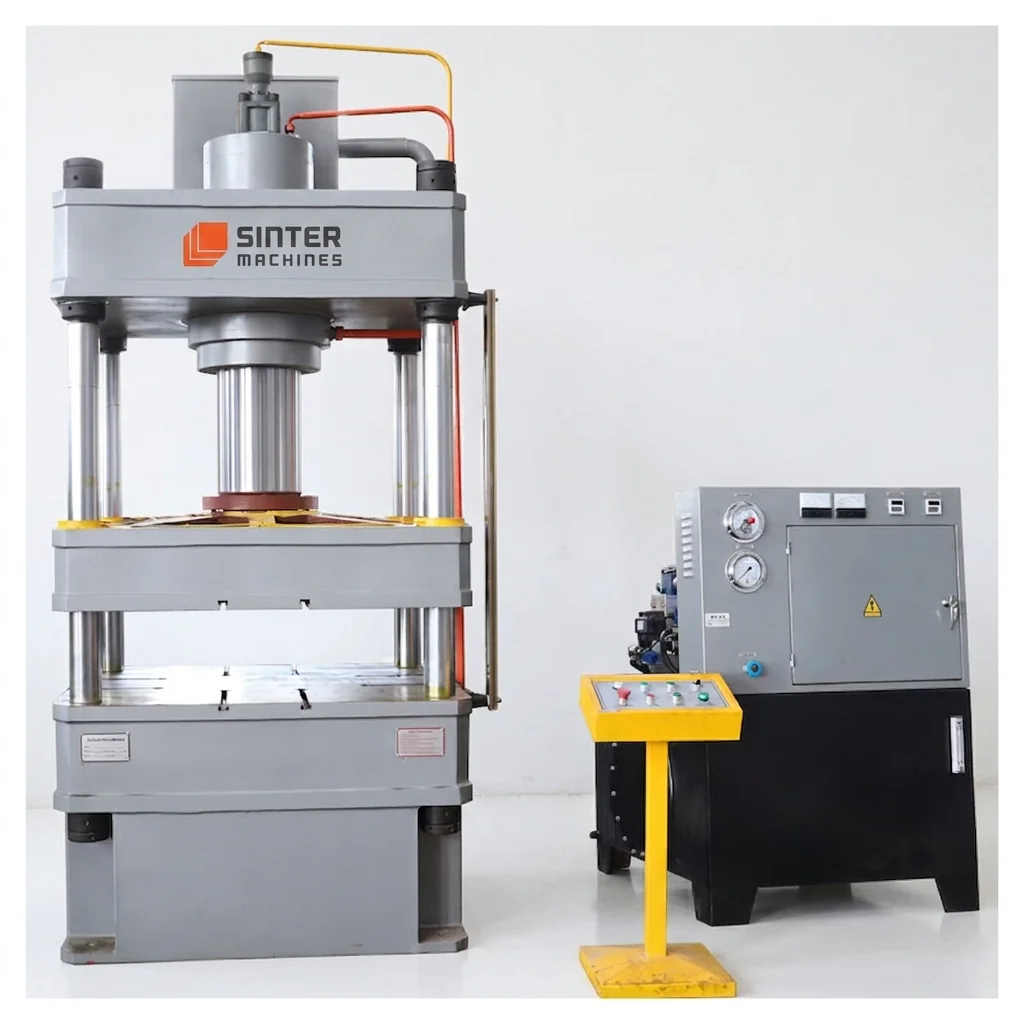
Superior Platen Parallelism: Loose aluminum chips and swarf create uneven resistance inside the mold cavity. The four-pillar, precision-guided column architecture prevents ram tilting or platen deflection, ensuring uniform density across the entire metal block.
Heavy-Duty Resistance: Built to handle the massive tonnage required to cold-weld and mechanically interlock jagged metal chips without structural fatigue.
02 — Technical Specifications
Key Technical Specifications
Feature | Industrial Specification Range |
Nominal Compaction Force | 100 Tons to 500+ Tons (scaled to block size and required metal density) |
Structure Type | 4-Column Upright Synced Guidance Frame |
Processing Capacity | 200 kg/hr to 1,500+ kg/hr (depending on press cycle time and chip bulk density) |
Fluid Management | Integrated coolant/oil collection trough and drainage system to extract and recycle cutting fluids squeezed out during pressing |
Control System | PLC-controlled automated cycle with HMI touch panel for pressure adjustments, dwell settings, and automated feeding/ejection |
03 — Operational Workflow
Operational Workflow
- Scrap Feeding: Loose aluminum chips and turnings are loaded into a large hopper, often fed via a conveyor belt or automatic tipper.
- Pre-Compaction & Fluid Extraction: A pre-fill hydraulic circuit brings the main ram down rapidly. High pressure squeezes out residual coolant or cutting oils from the swarf, which drains away for recycling.
- High-Pressure Briquetting: The system ramps up to peak tonnage. Under intense pressure, the aluminum chips undergo plastic deformation, interlocking tightly into a solid metal block without needing any chemical binders.
- Ejection: The bottom or push-out hydraulic cylinder cleanly extracts the solid aluminum block from the die chamber, allowing the next cycle to begin immediately.
Finished Product Gallery