01 — Press System
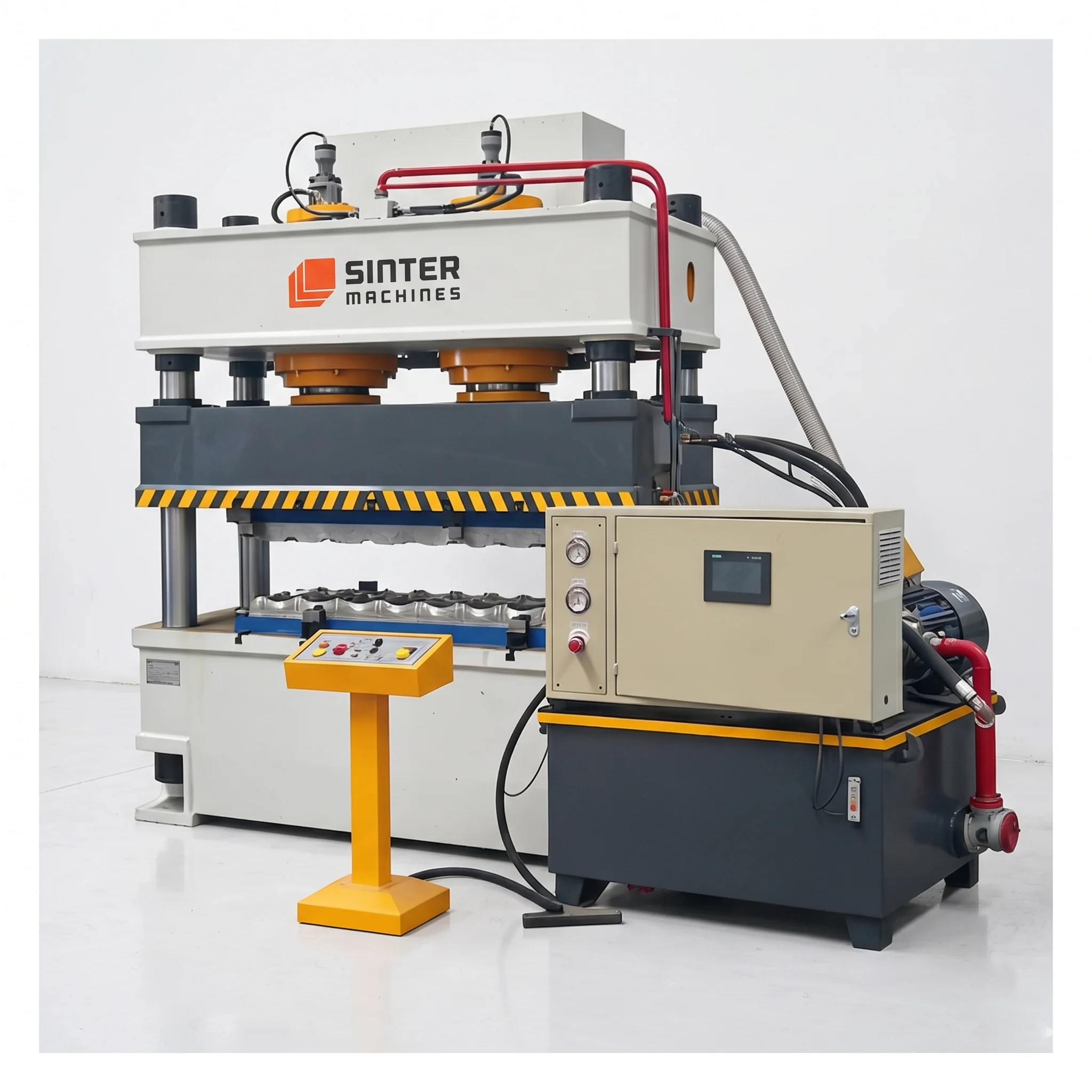
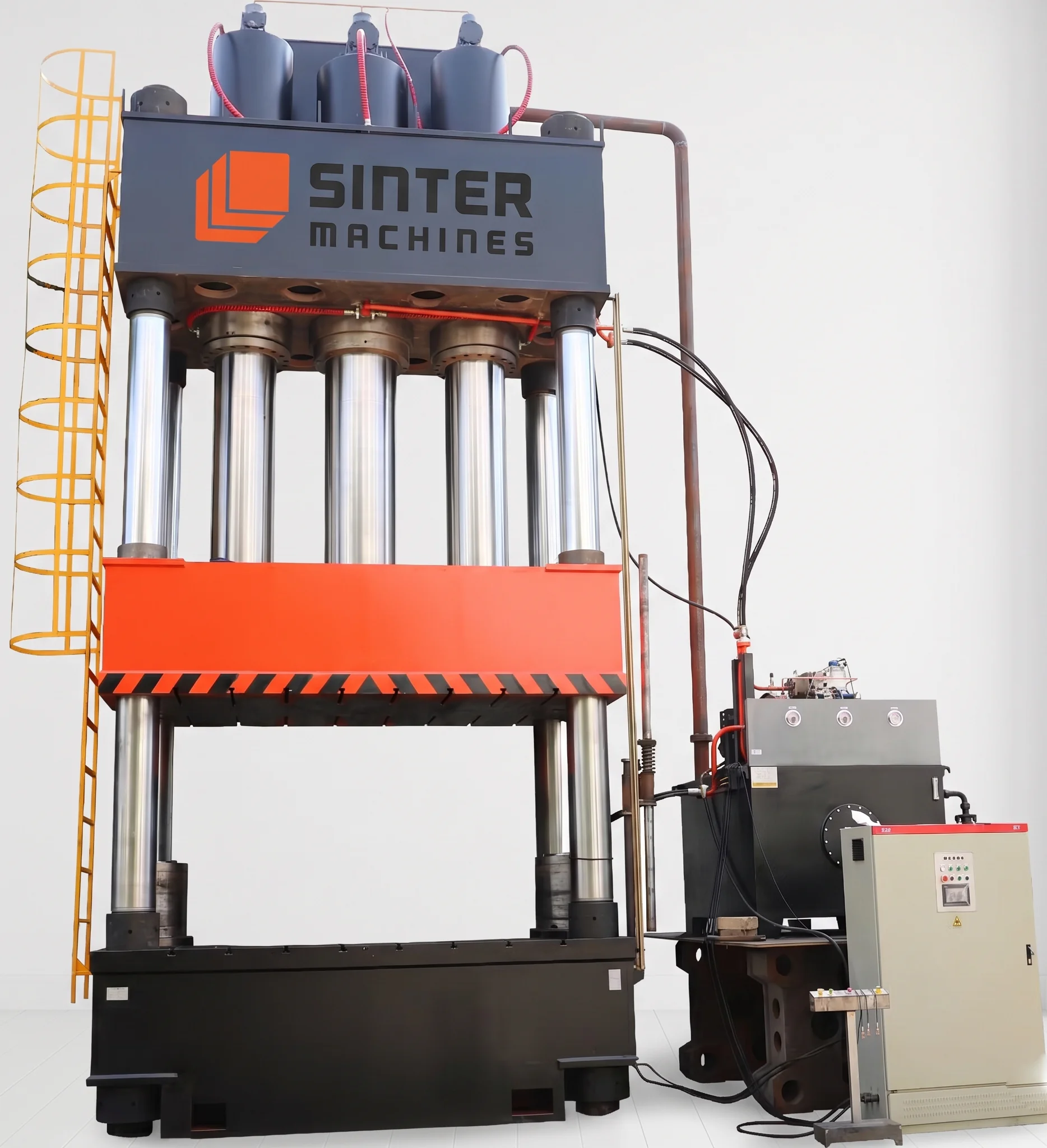
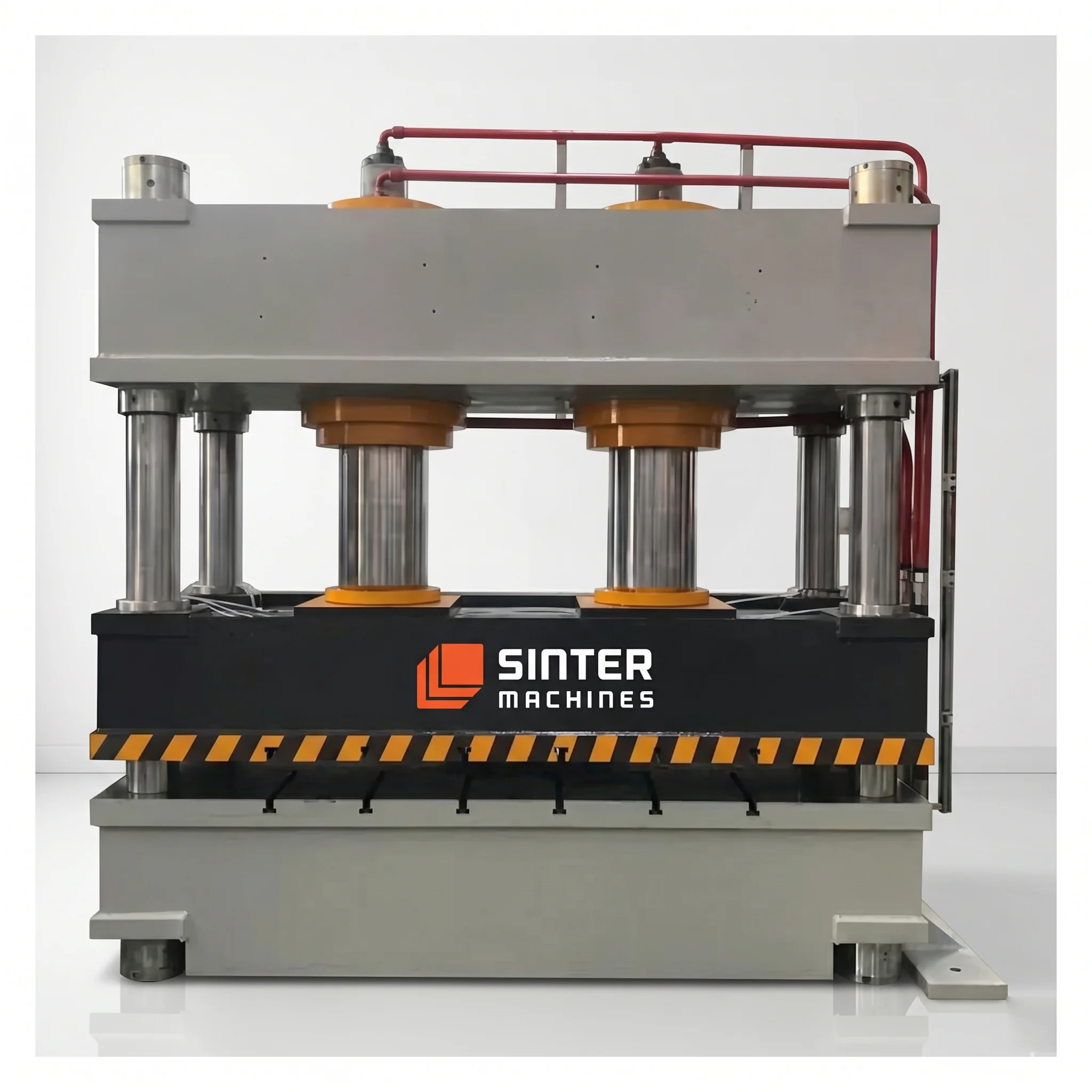
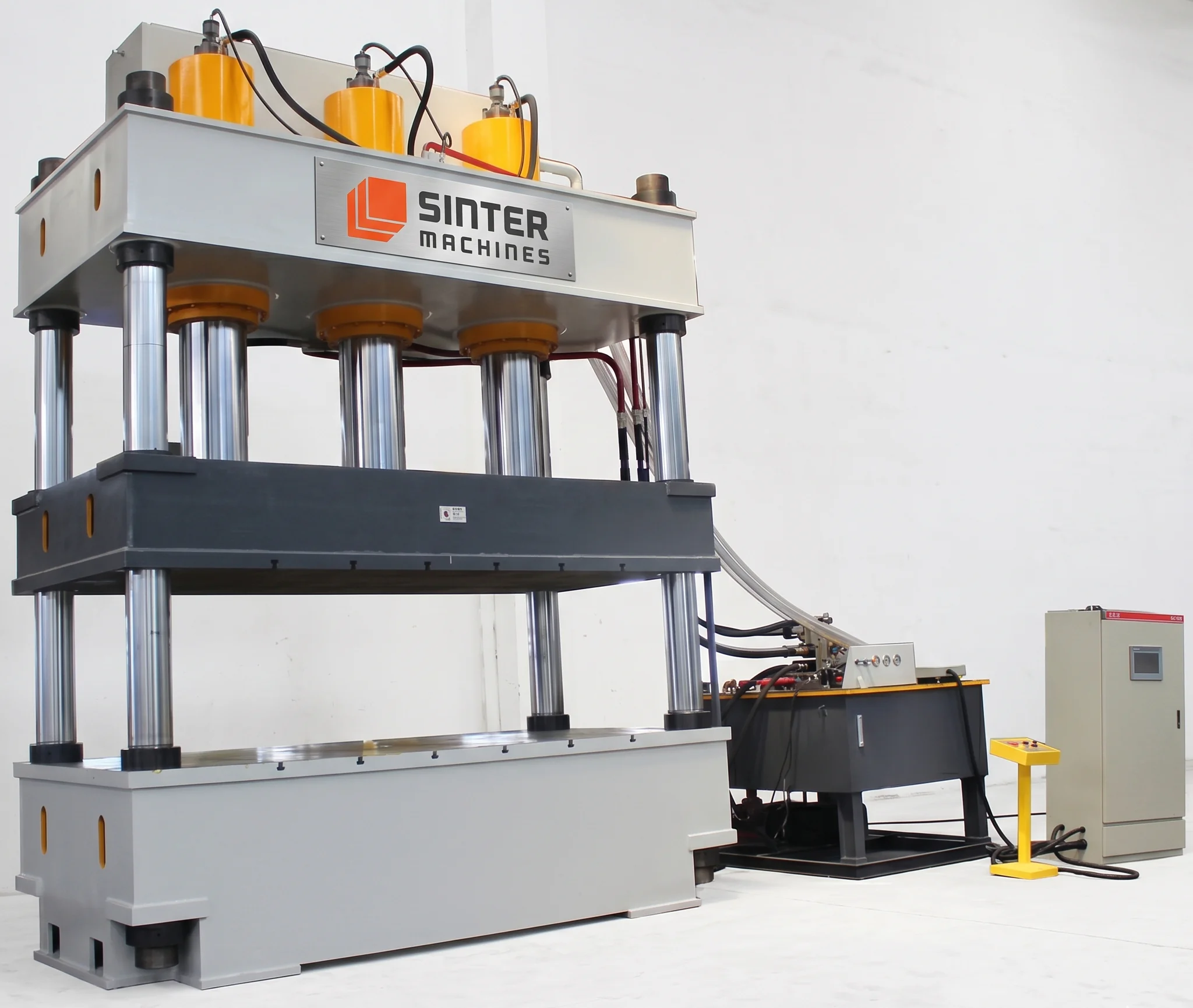
1000 Ton Four Pillar Hydraulic Press Machine
The 1000-ton four-pillar hydraulic press is the industry-preferred solution for manufacturing train door panels, delivering exceptional precision, repeatability, and adaptive forming control for large, thin-walled components. Its advanced hydraulic technology ensures accurate shaping of aluminium, stainless steel, and carbon steel panels while maintaining strict dimensional tolerances.
Use Case
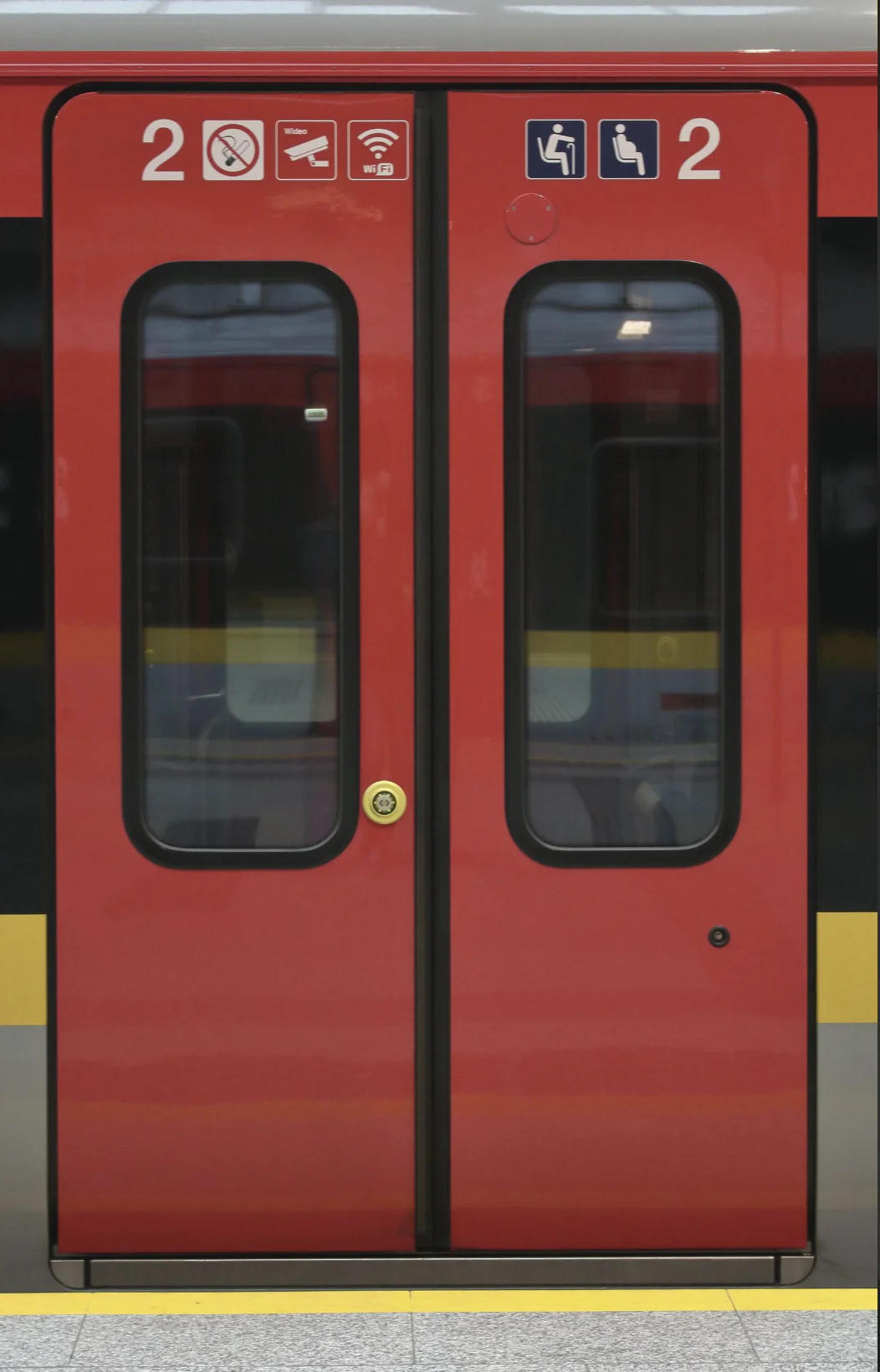
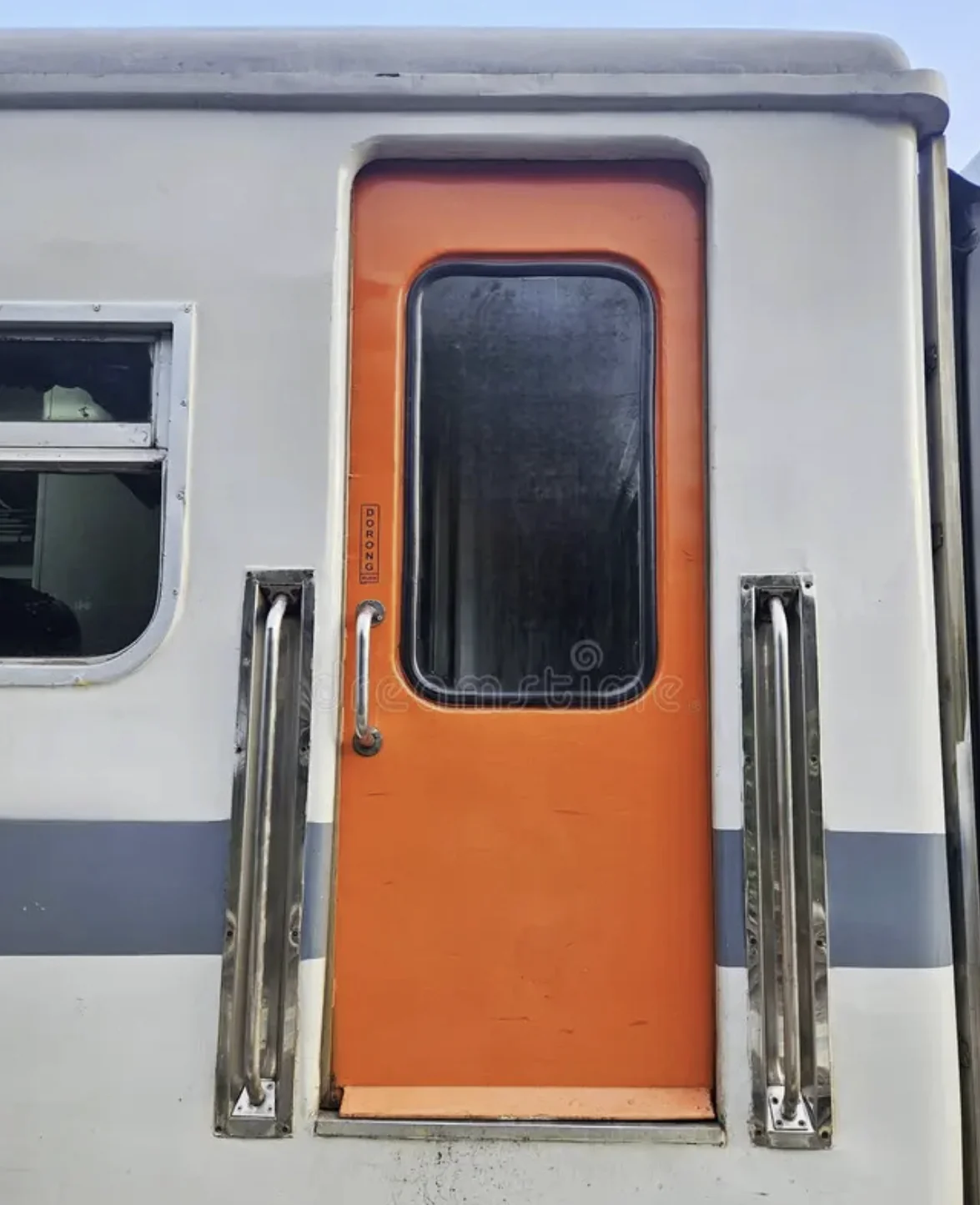
The 1000-ton hydraulic press is widely used for forming train door panels through deep drawing, embossing, trimming, and flanging operations. It is ideal for manufacturing metro train doors, high-speed rail sliding doors, and passenger coach entrance panels with complex geometries and high surface-quality requirements.
- Core Applications: Manufacturing metro train doors, high-speed rail sliding doors, passenger coach entrance panels, and railway body access components. The press supports high-volume, precision rail vehicle production.
- Material: Suitable for aluminium alloys, stainless steel, carbon steel, and other railway-grade sheet metals. It efficiently forms large panels while preserving structural integrity and surface quality.
- Key Functions: Performs deep drawing, embossing, trimming, flanging, forming, and shaping operations. The machine ensures precise panel geometry, smooth contours, and repeatable production results.
- Why 1000 Ton Hydraulic Press?: The 1000-ton capacity provides the force required to form large train door panels with minimal springback and distortion. It delivers superior accuracy, productivity, and process control for modern railway manufacturing applications.
02 — Technical Specifications
SM 1000 HP – HYDRAULIC PRESS MACHINE COMPLETE TECHNICAL DATA
SM 1000 HP – 1000 TON HYDRAULIC PRESS MACHINE is a heavy-duty forming solution engineered for the production of train door panels manufactured from aluminium, stainless steel, and carbon steel. The machine delivers a powerful 1000-ton forming force for deep drawing, embossing, trimming, and flanging operations, ensuring high precision, excellent surface quality, and consistent dimensional accuracy across large, thin-walled panels.
Press Machine Parameters
- Nominal Force: 10,000 kN (1000 Ton)
- Structure: Four-pillar (four-column), prestressed frame
- Frame Type: Welded steel + tie-rod pre-tensioning
- Guiding Accuracy: ≤ 0.10 mm parallelism
Working Parameters
- Daylight (Opening height): 1800–2200 mm
- Slide Stroke: 1000–1400 mm
- Bed Size:
- Length: 2500–4000 mm
- Width: 1500–2500 mm
- Cushion Force (optional): 200–400 Ton
Speed Parameters
- Fast Down Speed: 200–350 mm/s
- Press Speed: 5–20 mm/s (precision control)
- Return Speed: 150–250 mm/s
Hydraulic System
- Pressure Range: 25–31.5 MPa
- Control: Proportional servo valve / servo pump system
- Oil Cooling: Integrated heat exchanger
- Filtration: NAS 7–8 cleanliness level
Control System
- PLC: Siemens / Allen-Bradley
- HMI: Touchscreen panel (multi-language)
- Control Modes:
- Pressure control
- Stroke control
- Position + pressure switching
- Multi-stage forming
Safety Standards
- Complies with:
- ISO 16092 (hydraulic press safety)
- CE certification
- Light curtain + two-hand operation
- Overload protection
- Emergency stop system
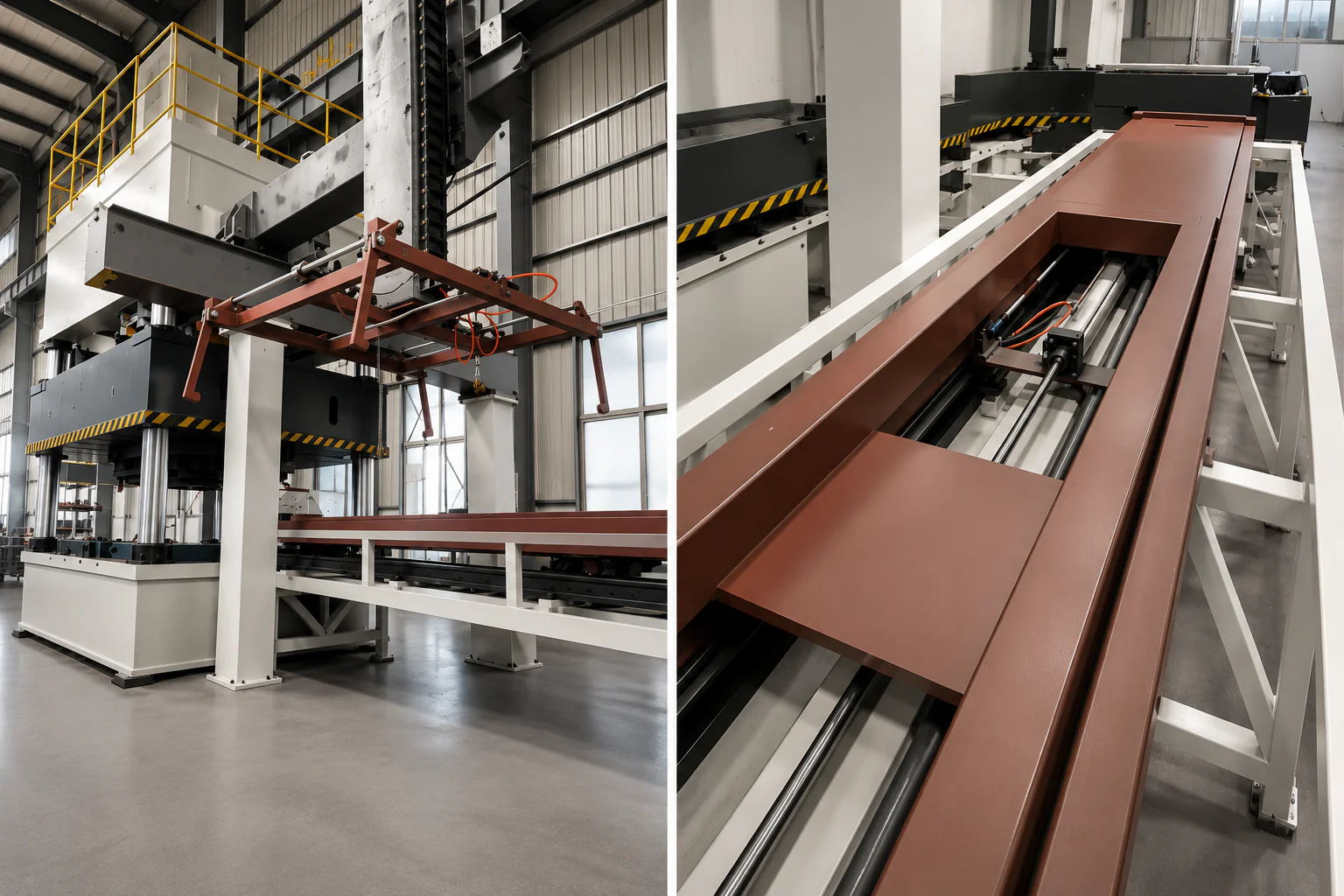
Automation Compatibility
- Robot integration (6-axis handling arm)
- Sheet feeder / destacker
- Vision alignment system (optional)
- Quick die change (QDC) system
SM 1000 HP — Model Specifications
- Nominal Force: 10000 KN
- Maximum Hydraulic Pressure: 25 MPa
- Max Opening Height of the Slider: 1500 mm
- Max Stroke of the Slider: 900 mm
- Effective Bed Size: 1600 × 1600 mm
- Slider Down Speed: 180 mm/s
- Slider Pressing Speed: 10–18 mm/s
- Slider Return Speed: 220 mm/s
- Ejector Cylinder Nominal Force: 600 KN
- Stroke of the Ejection Cylinder: 300 mm
03 — Die / Mold System
Precision Heavy Duty Train Door Panels Die Mold Engineering
The die mold system is precisely engineered for manufacturing heavy-duty train door panels with exceptional dimensional accuracy, structural consistency, and superior surface quality. Its advanced tooling design supports large-panel forming operations while minimizing distortion, springback, and material stress.
Technical Specifications (Tooling)
Die Type: Heavy-duty deep drawing and forming die with integrated trimming and flanging tooling for railway panel production.
Die Materials: Premium-grade hardened tool steels such as H13, D2, and alloy steel materials with wear-resistant heat treatment.
Tool Configuration & Construction: Precision-machined punch, die cavity, blank holder, guide pillars, guide bushes, trimming sections, and reinforced die set assembly.
Key Tooling Features: Large-panel forming capability, controlled material flow, anti-springback design, replaceable wear inserts, and high-precision guiding system.
Alignment Accuracy: Precision alignment system providing accuracy up to ±0.03 mm to ensure consistent panel geometry and assembly fitment.
Materials Formed: Aluminium alloys, stainless steel sheets, carbon steel sheets, and other railway-grade structural panel materials.
Surface Finish: Fine-ground and polished forming surfaces with Ra 0.4–1.2 µm finish for superior panel appearance and reduced forming marks.
Tool Life: Typically, 800,000–1,500,000 production cycles depending on material type, sheet thickness, production volume, and maintenance practices.
Precision Heavy Duty Train Door Panels Die Mold
04 — Product Application
Where Precision Heavy Duty Train Door Panels Are Used
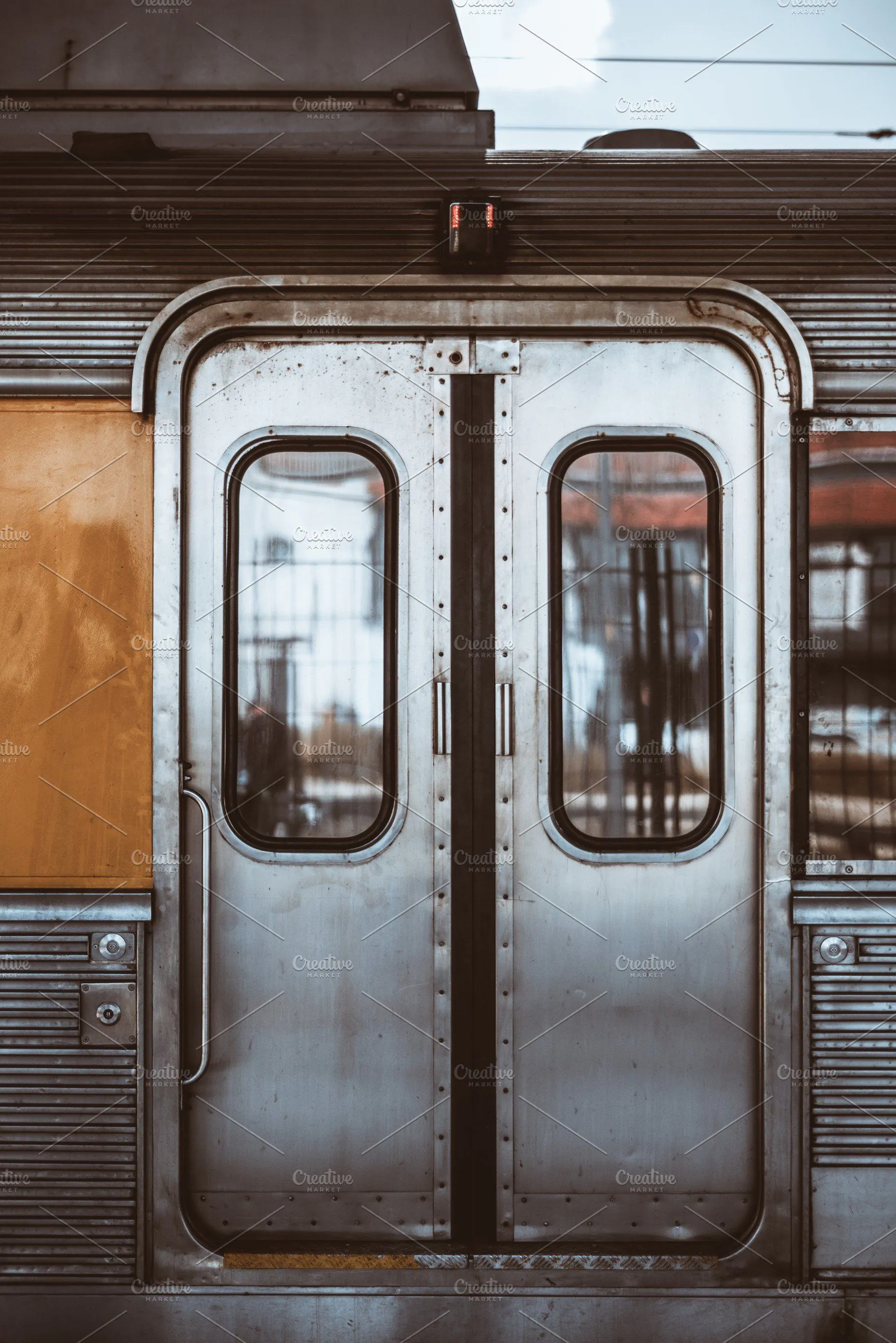
Precision heavy-duty train door panels are essential components in modern railway systems, providing safe passenger access, structural reliability, and long-term durability. Their high dimensional accuracy and superior surface quality ensure smooth operation, effective sealing, and compliance with railway safety standards.
Industry Applications
Metro Rail Systems
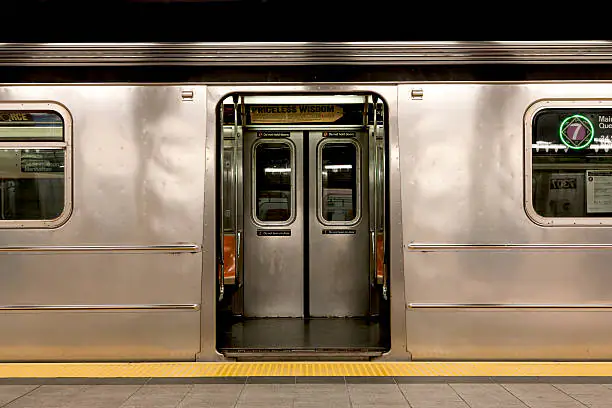
Train door panels are widely used in metro coaches for frequent passenger boarding and alighting operations. Their lightweight yet durable construction supports high-cycle urban transit applications.
High-Speed Rail Trains
High-speed rail door panels require exceptional precision, strength, and aerodynamic performance. These panels help ensure passenger safety, noise reduction, and reliable operation at high speeds.
Passenger Railway Coaches
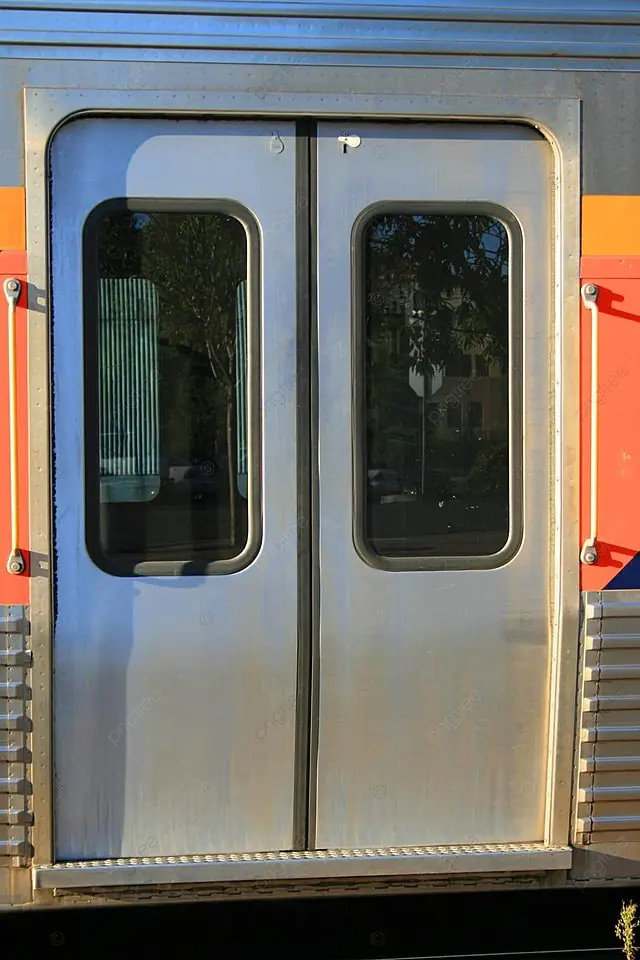
Entrance and exit door panels are installed in long-distance and intercity passenger coaches. They provide secure access while maintaining comfort, durability, and aesthetic appearance.
Electric Multiple Units (EMU) and Modern Railcars
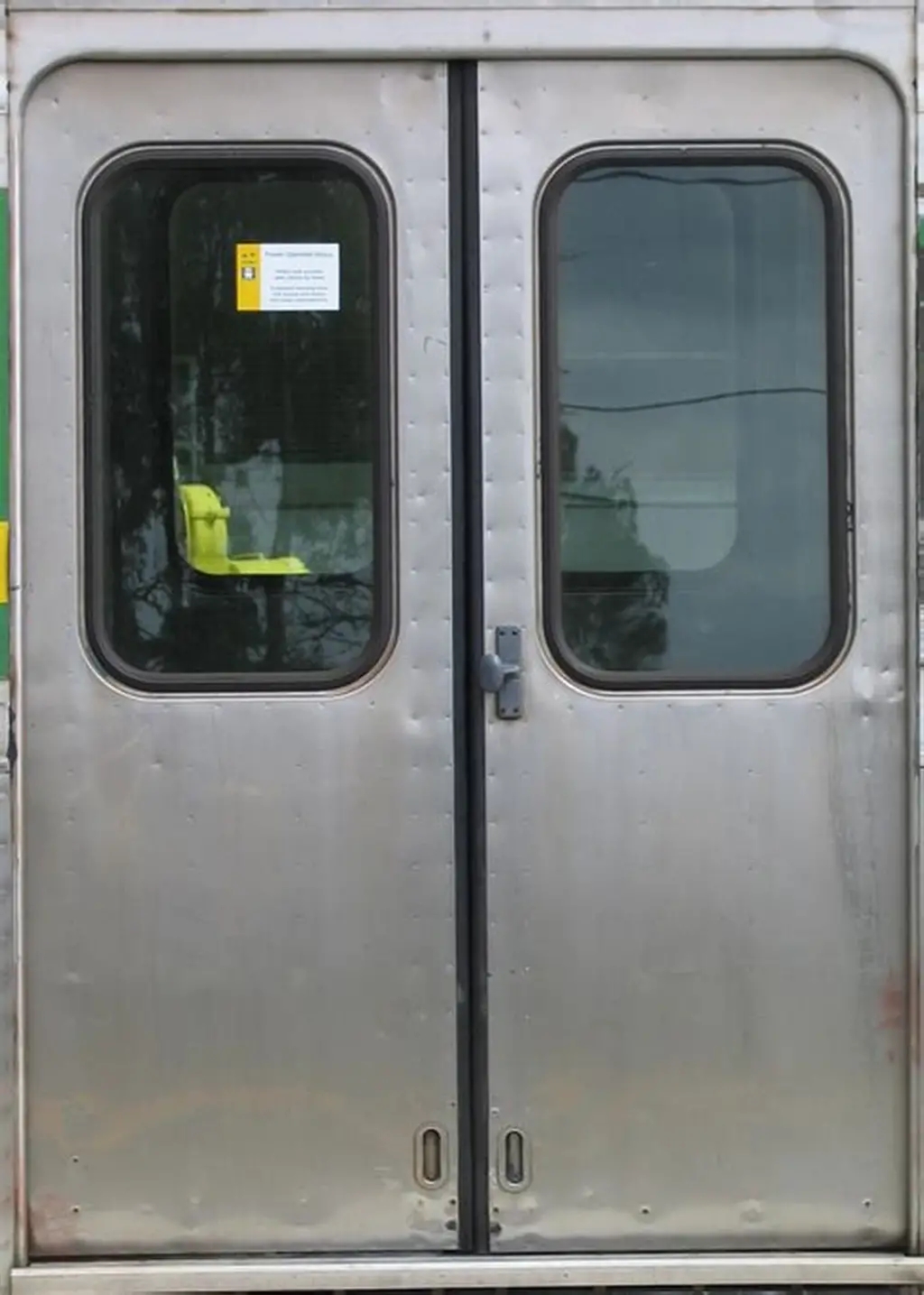
Precision-formed door panels are used in EMUs and advanced rail vehicles featuring automated door systems. Their accurate fitment supports smooth door movement, efficient sealing, and reduced maintenance requirements.
| Scenario | Description |
|---|---|
| Outer Door Panel Forming | Large sheet forming with smooth curvature |
| Inner Structural Panel | Ribbed reinforcement panels |
| Sliding Door Systems | Lightweight aluminum shaping |
| Fire-Resistant Doors | Stainless steel forming |
| Double-skin Door Panels | Composite structure forming |
Finished Product Gallery
05 — Key Advantages
Why Choose the 1000-Ton Sinter Hydraulic Press
The 1000-Ton Sinter Hydraulic Press is specifically engineered for manufacturing large, high-precision train door panels used in modern metro, passenger, and high-speed rail applications. Its advanced hydraulic forming technology delivers superior dimensional accuracy, improved material flow control, and reliable high-volume production performance.
High Forming Precision for Large Panels
The 1000-ton press provides accurate and uniform force distribution across large sheet metal components. This ensures excellent dimensional consistency and superior assembly fitment for train door panels.
Reduced Springback Compared to Mechanical Presses
Advanced hydraulic pressure control minimizes springback during forming operations. This improves part accuracy and reduces the need for secondary correction processes.
Flexible Forming Parameters for Multi-Model Production
Programmable stroke, pressure, and speed settings allow quick adaptation to different door panel designs. This flexibility makes the press ideal for diverse railway manufacturing requirements.
Optimized for Aluminum and Stainless Steel Forming
The controlled forming action protects material integrity while achieving complex shapes and profiles. This makes the machine highly suitable for lightweight aluminum and high-strength stainless steel panels.
Lower Tooling Stress and Extended Die Life
Smooth hydraulic force application reduces impact loads on dies and tooling components. As a result, tool wear is minimized, leading to longer die life and reduced maintenance costs.
Higher Productivity with Consistent Quality
The press supports automated production lines while maintaining repeatable forming accuracy. This enables high production output, low rejection rates, and compliance with global railway manufacturing standards.