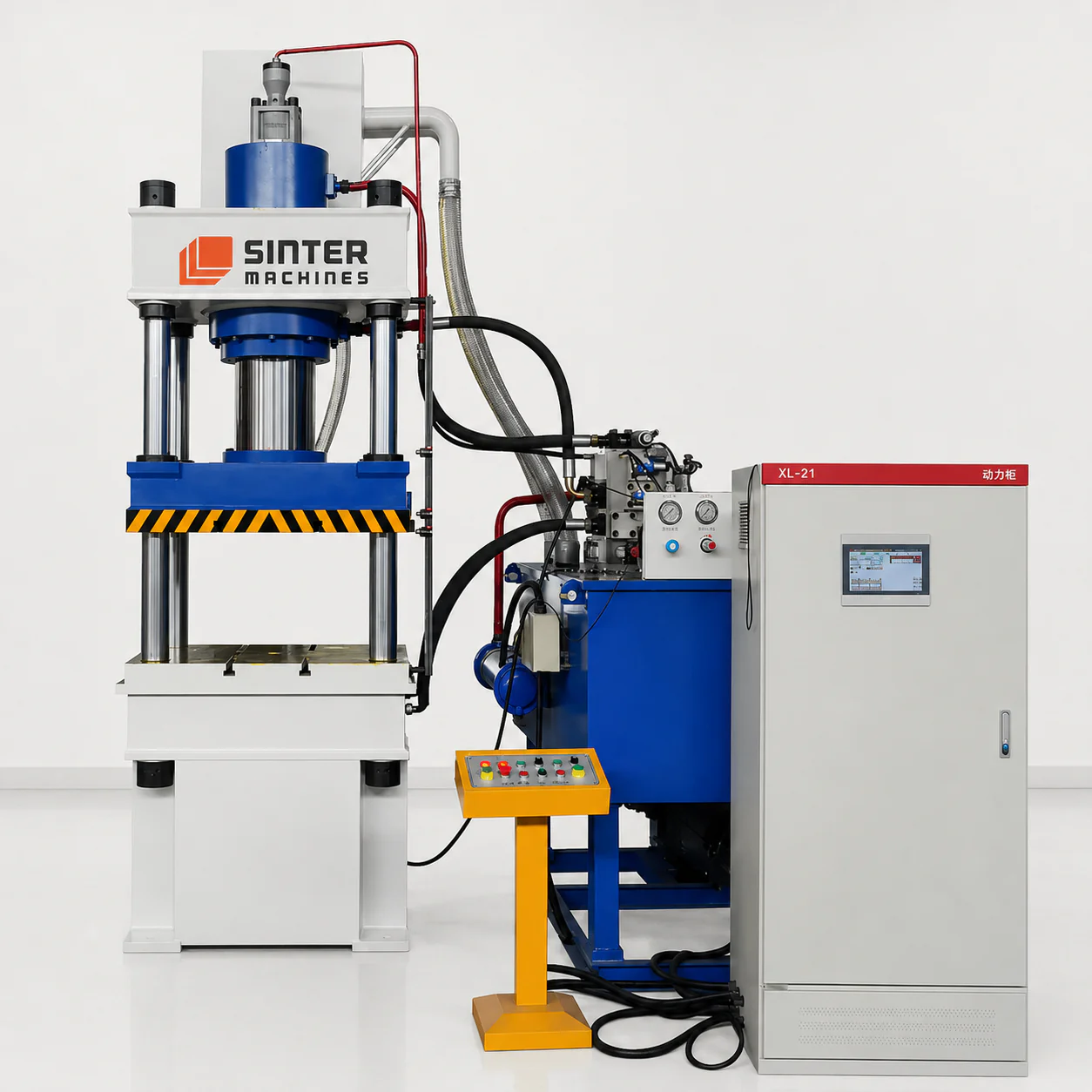
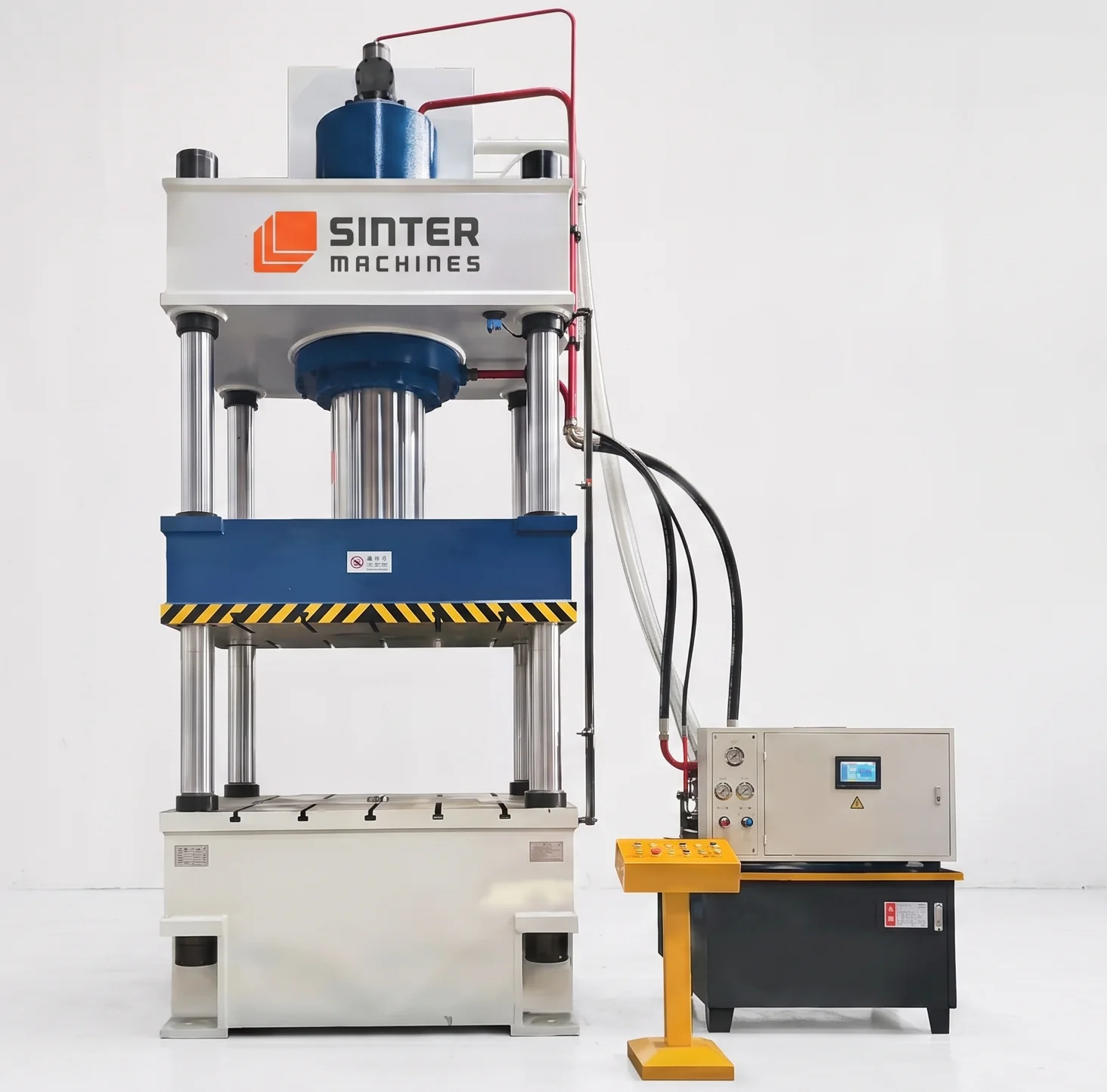
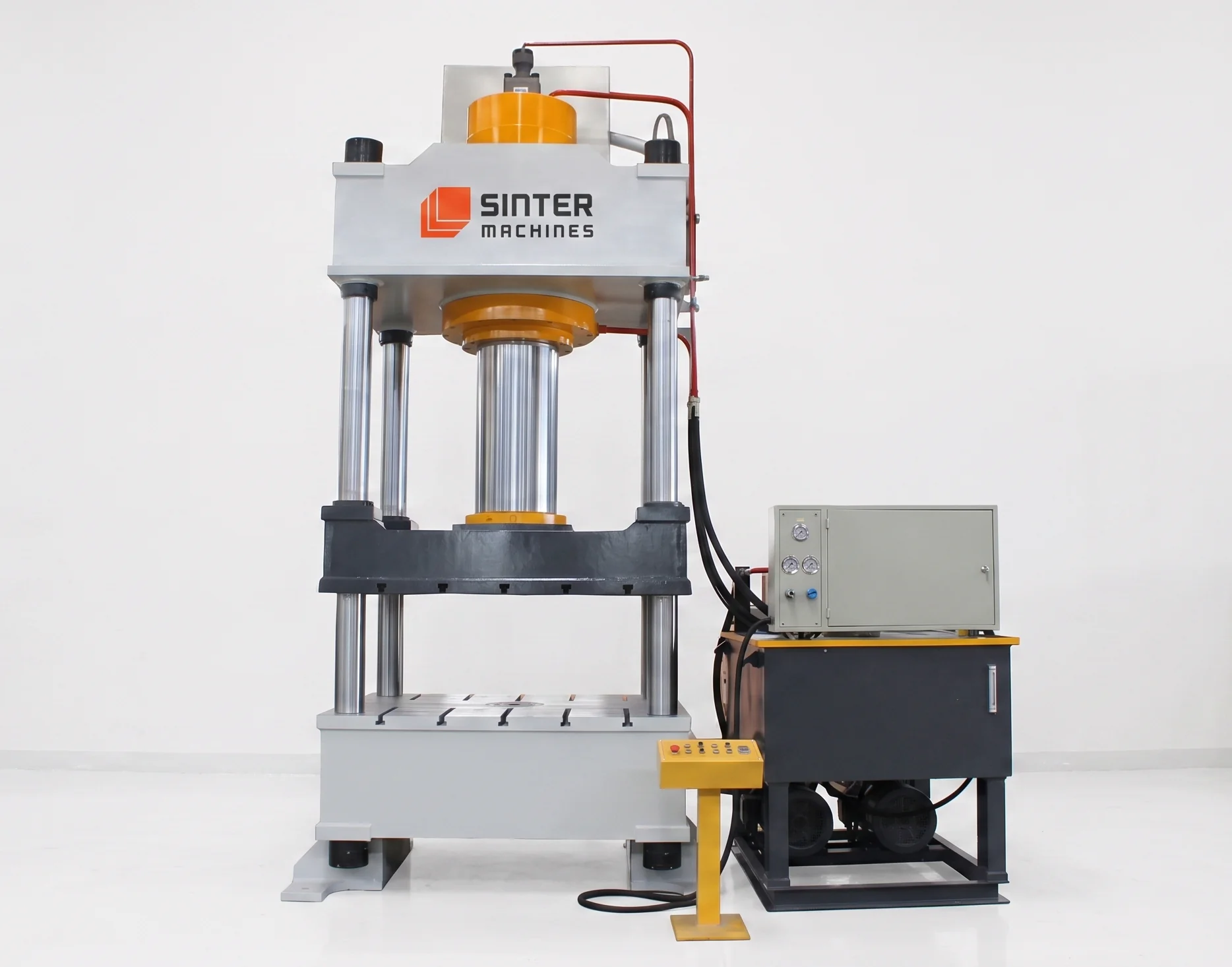
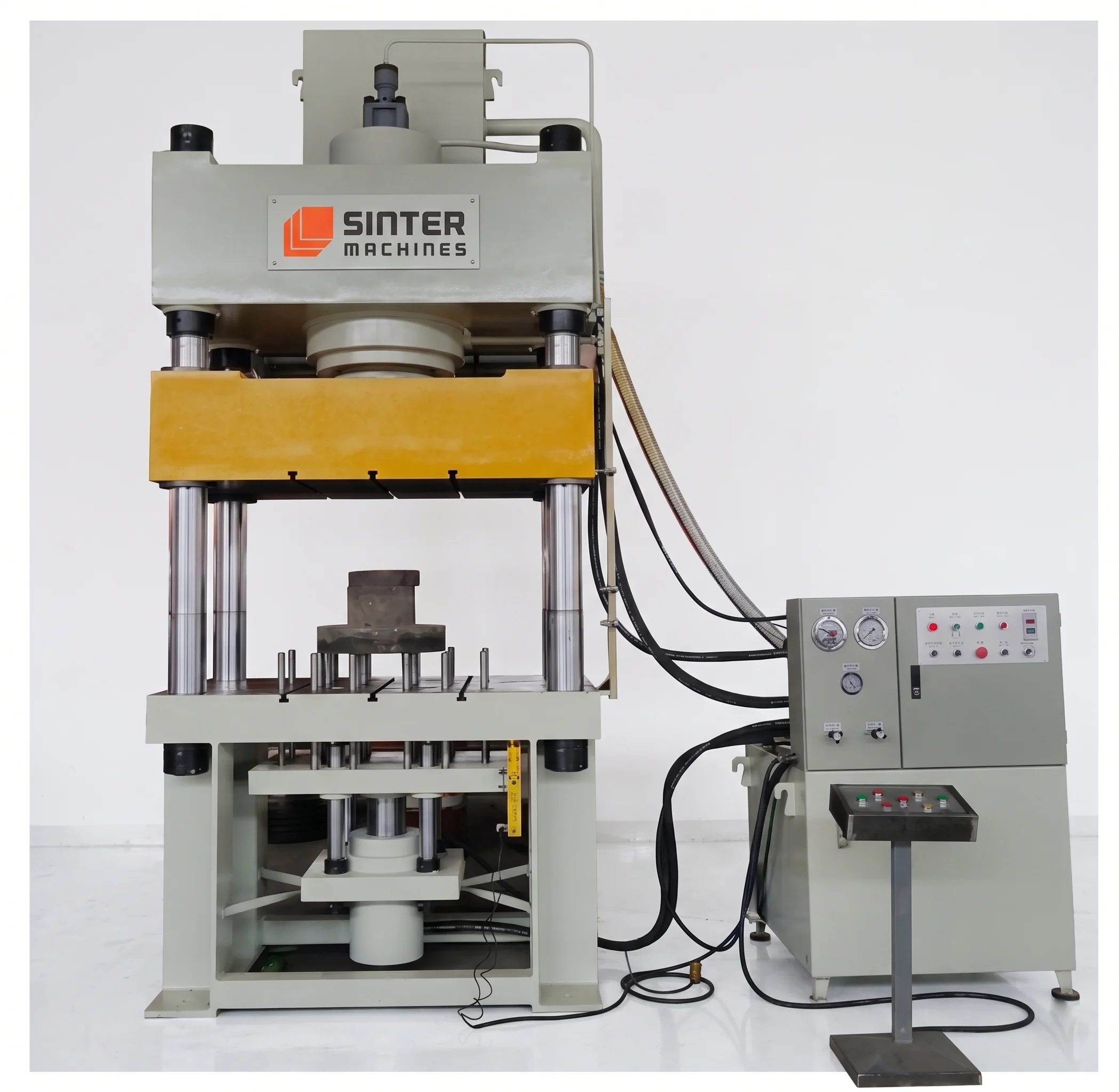
400T Small Gears & Sprockets Press press view 1
Small Gears & Sprockets · Hydraulic Press Machine

400 Ton Four Column Hydraulic Press for Small Gears & Sprockets

400T Rated Capacity
100 mm/s Slider Down Speed
5–11 mm/s Slider Pressing Speed
100 mm/s Slider Return Speed

01 — Press System

400 Ton Four Column Hydraulic Press Machine

This press utilizes a high-rigidity four-column structure engineered to deliver 400 tons of uniform tonnage, ensuring tight dimensional tolerances during high-pressure compaction. Integrated hydraulic and PLC controls maintain consistent density across complex powder metallurgy components like gears and sprockets.

Use Case

Designed for powder metallurgy compaction, this press shapes metal powders and additives into high-density "green" gear and sprocket preforms under precision force. It provides the mechanical accuracy and repeat pressure needed to produce durable, net-shape transmission and drive components.

  • Core Applications: High-precision powder metallurgy compaction for producing automotive engine gears, timing sprockets, and industrial drive components. It is also ideal for manufacturing high-density sintered structural parts and power transmission fittings.
  • Material: Processes iron-based, alloy steel, copper, and bronze powders blended with zinc stearate lubricants and graphite binders. These specialized metal formulations allow precise carbon control and consistent density during high-pressure pressing.
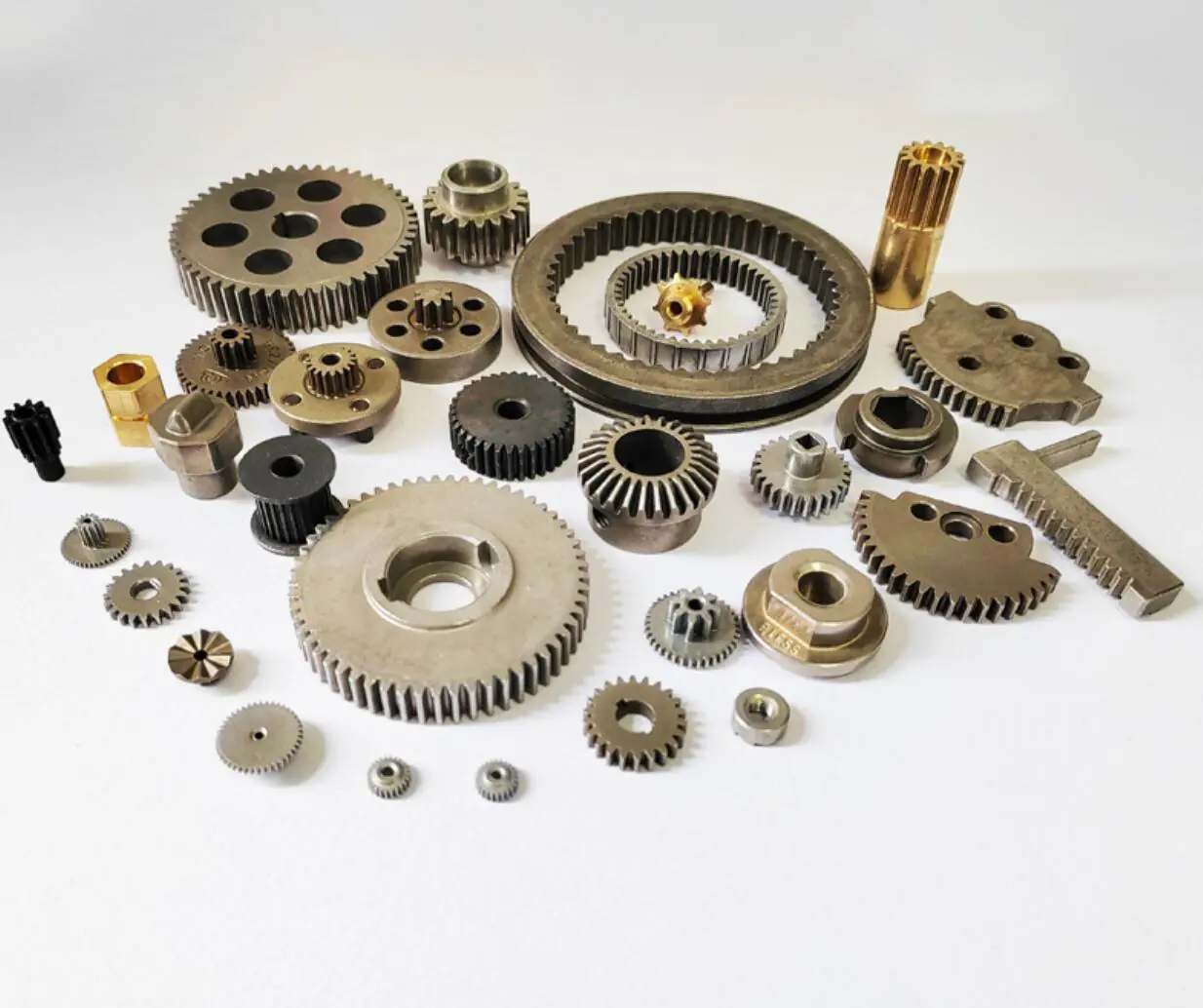
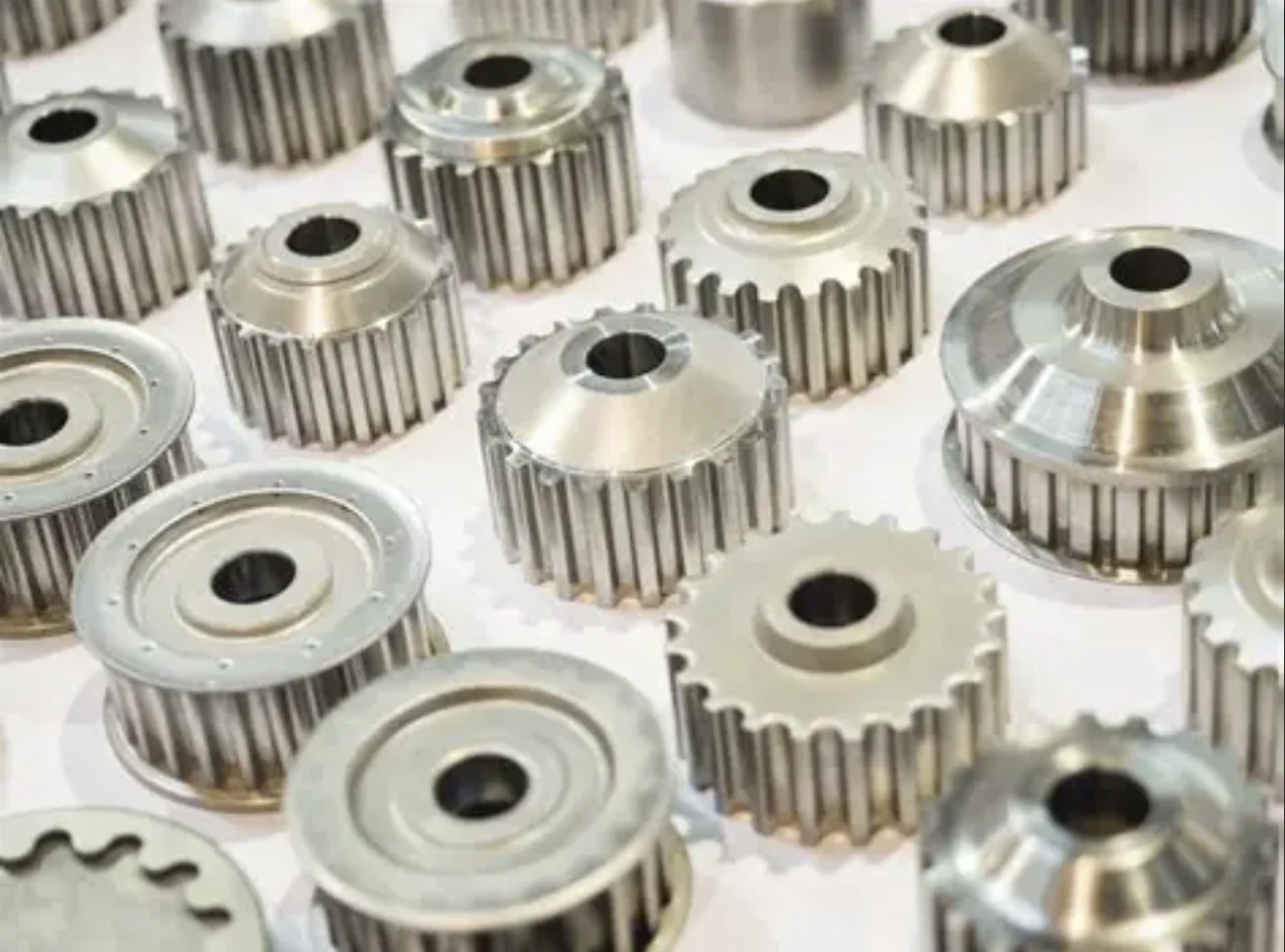
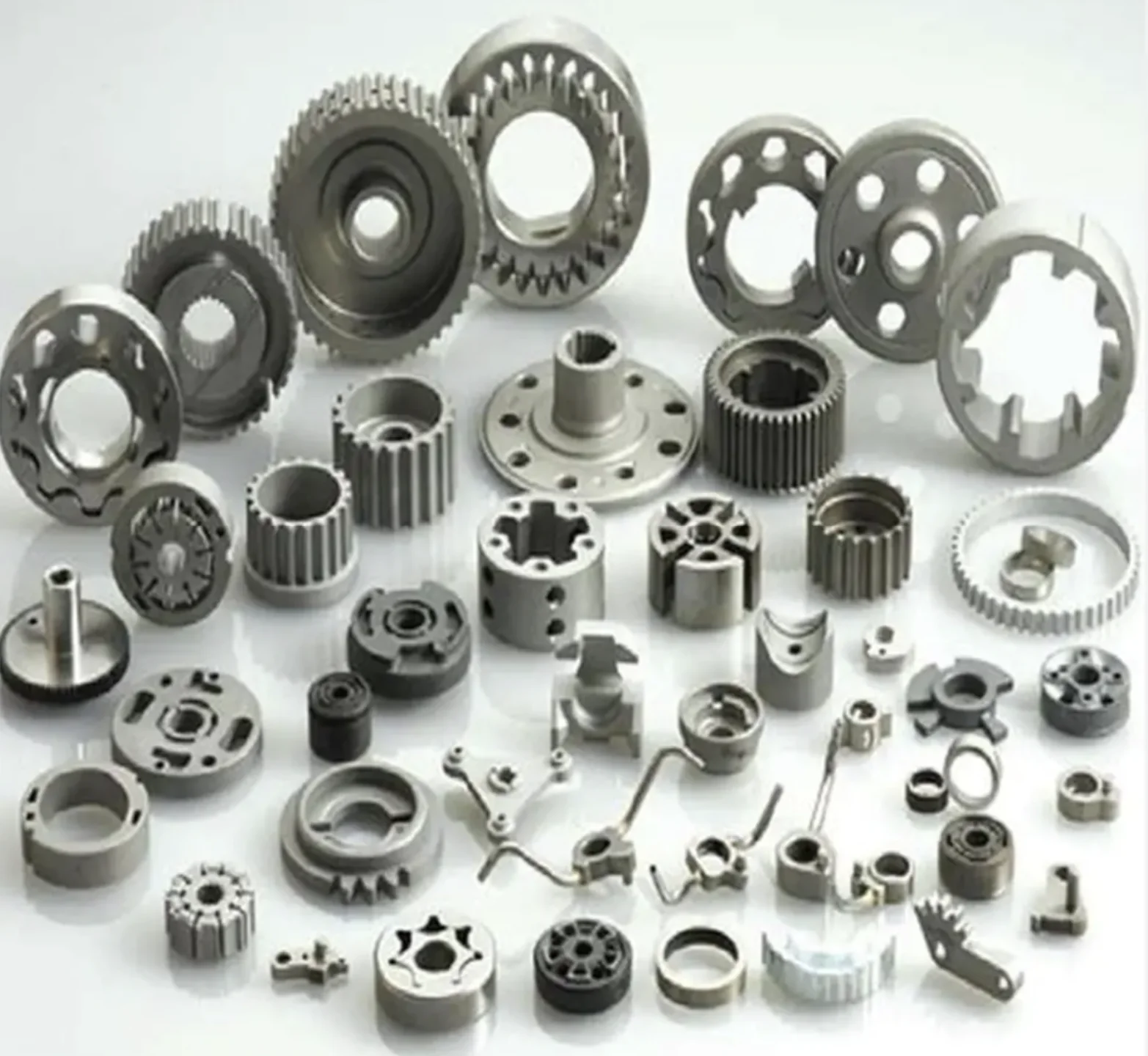
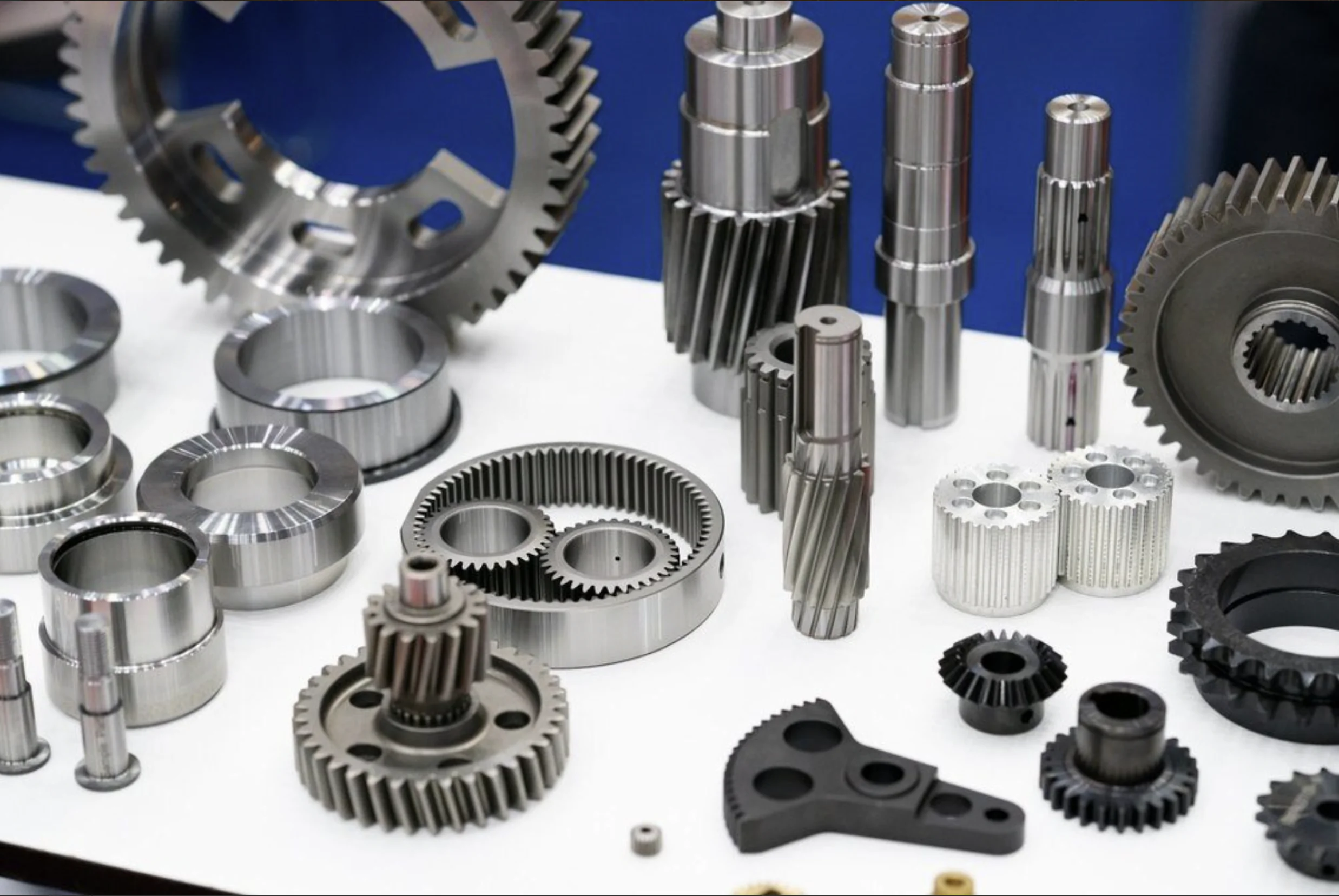
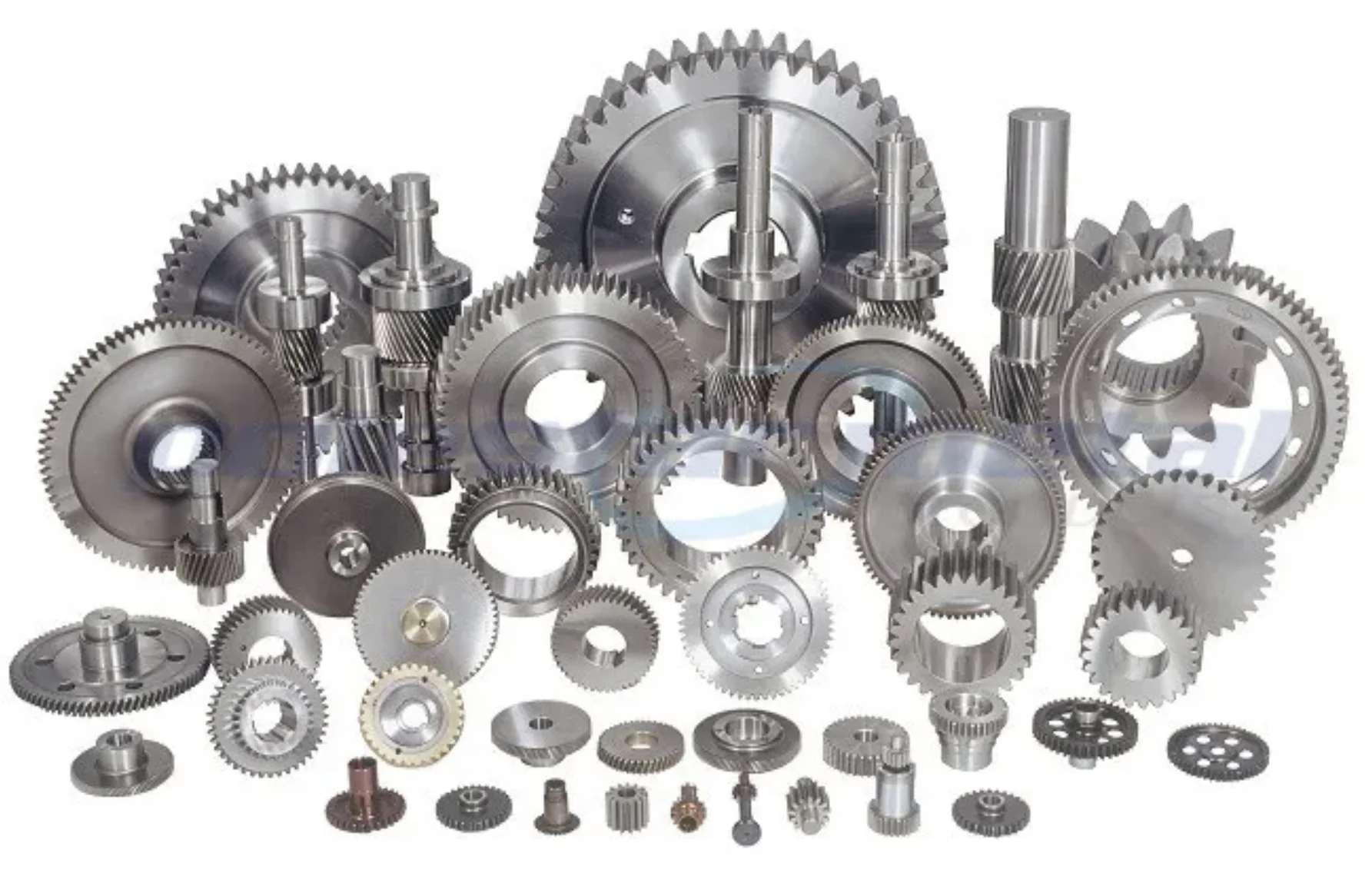
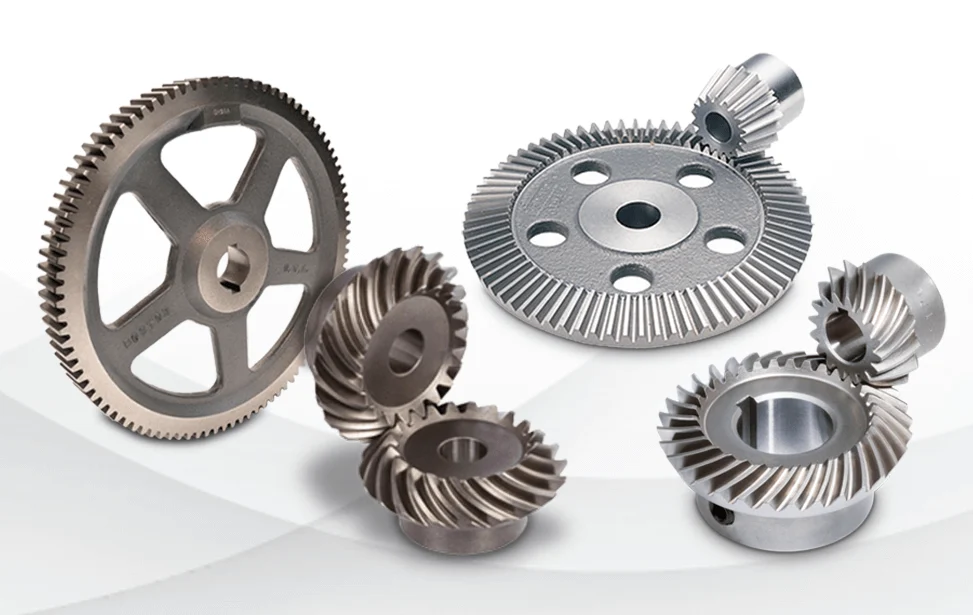
  • Products Processed: Small spur gears, helical gears, timing sprockets, and oil pump gears designed for power transmission systems. Additional items include high-strength drive hubs, bushings, and custom net-shape powder metal hardware.
  • Why 400-Ton Hydraulic Press: Provides the essential compaction force needed to compress dense metal powders into uniform, high-density preforms with minimal porosity. The four-column layout prevents die deflection under heavy loads, ensuring accurate alignment and long tool life.

02 — Technical Specifications

SM 400 HP – HYDRAULIC PRESS MACHINE COMPLETE TECHNICAL DATA

The SM 400 HP – 400 Ton Hydraulic Press Machine is a high-performance 400-ton four-pillar hydraulic press engineered for the production of small gears, sprockets, and pulleys through powder metallurgy compaction processes. Its precise hydraulic control system delivers uniform pressure distribution and controlled powder densification, ensuring excellent dimensional accuracy, high density, and superior mechanical strength.

Capacity & Structural Design

  • Rated Capacity: 400 Tons (≈ 3920 kN)
  • Type: Fourpillar hydraulic powder compaction press
  • Frame: Heavy rigid welded structure
  • Safety factor: ≥ 1.35
  • Parallelism accuracy: ≤ 0.03–0.05 mm (critical for gears)

Hydraulic System

  • Cylinder: Multi-stage / doubleacting
  • Bore: 350–420 mm
  • Stroke: 300–600 mm
  • Working pressure: 28–32 MPa
  • Control: Servo-proportional system (high precision)

Powder Compaction Cycle

  1. Powder filling into die
  2. Upper and lower punch movement
  3. Pre-compaction (air removal)
  4. Main compaction (high pressure densification)
  5. Pressure holding (density stabilization)
  6. Decompression
  7. Ejection of green compact

Multi-Level Compaction

  • Independent upper & lower punch control
  • Floating die system (optional)
  • Multi-action cylinders

Ensures:

  • Uniform density across part
  • Complex shapes without defects

Working Envelope

  • Platen size: Standard: 600 × 600 mm
  • Daylight: 500–800 mm
  • Column diameter: 100–140 mm

Control System

  • PLC: Siemens / Mitsubishi
  • HMI: Precision recipe system

Controls:

  • Pressure stages
  • Stroke control
  • Density profile
  • Compaction speed

Features:

  • Real-time monitoring
  • Data logging (traceability)
  • Safety PLC

SM 400 HP — Model Specifications

  • Nominal Force: 4000 KN
  • Maximum Hydraulic Pressure: 25 MPa
  • Max Opening Height of the Slider: 1250 mm
  • Max Stroke of the Slider: 800 mm
  • Effective Bed Size: 1260 × 1160 mm
  • Slider Down Speed: 100 mm/s
  • Slider Pressing Speed: 5–11 mm/s
  • Slider Return Speed: 100 mm/s
  • Ejector Cylinder Nominal Force: 400 KN
  • Stroke of the Ejection Cylinder: 300 mm
Production Case Study

Powder Metallurgy Small Gears & Sprockets Production Line

Fe-base, alloy powderRaw Material
100g to 1500gProduct Weight
6.8 to 7.2g/cm³Green Density
8 to 12 SecCycle Time
Efficient medium volume gear compaction
High daily volumetric output rate
Uniform part density and weight
Fully automated continuous part ejection
Reduced manual labor handling requirement
High operational machine uptime efficiency
Low investment cost production output

03 — Die / Mold System

Precision Powder Metallurgy Small Gears & Sprockets Die Engineering

Precision Powder Metallurgy Small Gears & Sprockets Die Engineering focuses on the design and manufacture of high-precision tooling for producing small gears, sprockets, and other complex powder metallurgy components with exceptional dimensional accuracy.

Technical Specifications

Tool Type

  • Powder metallurgy compaction die mold
  • Multi-piece precision tooling

Tool Materials

  • Tool steel: H13 / D2 / carbide inserts
  • Hardness: 58–64 HRC
  • Wear resistance: Very high (abrasive powder handling)

Tool Construction

  • Upper punch (gear tooth profile)
  • Lower punch
  • Die cavity (precision machined)
  • Core rod (for bore/shaft holes)

Multi-Level Tooling: 

  • Floating die system 
  • Multi-step punches 
  • Independent punch control

Alignment Accuracy: ±0.01–0.02 mm

Required for:

  • Gear tooth precision
  • Assembly fit

Surface Finish

AreaFinish
TeethHigh precision polished
CoreSmooth
Functional surfacesPrecision ground

Lubrication

  • Dry lubrication coatings
  • Internal powder lubrication

Tool Life: 100,000 – 500,000 cycles (depends on powder and hardness)

Case Study (Die Performance)

Precision Powder Metallurgy Small Gears & Sprockets Die Mold

Tungsten Carbide, D2 steelDie Steel
60 to 62 HRCHardness
Vacuum HardeningHeat Treatment
High-rigidity multi-segment design
Precision ground press-fit insert
Integrated core rod assembly
Zero-clearance guidance pillars
High wear-resistant cavity surface
Thermal stress relief treatment
Long tool life performance

04 — Product Application

Where Powder Metallurgy Small Gears & Sprockets Are Used

The Powder Metallurgy Small Gears & Sprockets industry serves a wide range of sectors that require high-precision, durable, and cost-effective mechanical components. These parts are extensively used in automotive transmissions, timing systems, oil pumps, and powertrain assemblies, where consistent dimensional accuracy and wear resistance are critical.

Industry Applications

Automotive Industry

The Automotive Industry extensively uses powder metallurgy small gears and sprockets in applications that require precision, durability, and cost-effective mass production. These components are commonly employed as small transmission gears, ensuring smooth power transfer and efficient drivetrain performance.

Industrial Machinery

The Industrial Machinery sector extensively uses powder metallurgy small gears and sprockets in a wide range of power transmission and motion-control applications. Conveyor sprockets manufactured through powder metallurgy provide reliable performance, wear resistance, and consistent operation in material handling systems.

Consumer Mobility

The Consumer Mobility sector widely uses powder metallurgy small gears and sprockets in two-wheelers, scooters, motorcycles, and other compact mobility systems. These precision-engineered components are utilized in two-wheeler transmission assemblies, starter mechanisms, and drive systems where durability, accuracy, and cost-effective mass production are essential.

Electrical & Appliances

The Electrical & Appliances industry widely uses powder metallurgy small gears and sprockets in devices that require precise motion control and reliable power transmission. Motor gears produced through powder metallurgy provide high dimensional accuracy, low noise operation, and excellent wear resistance, making them ideal for electric motors, fans, and household appliances.

IndustryScenario
Automotive High-volume gear production
Industrial Conveyor & motion systems
Consumer Appliance drive components
Mobility Two-wheeler transmission
Machinery Mechanical drive systems

Finished Product Gallery

05 — Key Advantages

Why Choose the 400-Ton Sinter Hydraulic Press

The 400-Ton Sinter Hydraulic Press is an ideal choice for manufacturing powder metallurgy small gears and sprockets, delivering precise and controlled compaction for complex component geometries. Its uniform pressure distribution ensures consistent density across gear teeth and intricate profiles, resulting in superior dimensional accuracy and mechanical strength.

01

Near-net shape production

Near-net shape production is a key advantage of the 400-Ton Sinter Hydraulic Press for powder metallurgy small gears and sprockets. The press produces components very close to their final dimensions, significantly reducing the need for secondary machining operations.

02

Minimal machining required

Minimal machining required is a major benefit of the 400-Ton Sinter Hydraulic Press in powder metallurgy gear and sprocket manufacturing. The precise compaction process produces components with near-final dimensions and accurate tooth profiles, significantly reducing the need for secondary machining operations.

03

High dimensional accuracy

High dimensional accuracy is a key advantage of the 400-Ton Sinter Hydraulic Press for manufacturing powder metallurgy small gears and sprockets. Its precise hydraulic control and uniform compaction ensure components are produced with consistent dimensions, accurate tooth profiles, and tight tolerances.

04

High strength after sintering

High strength after sintering is a significant advantage of powder metallurgy components produced using the 400-Ton Sinter Hydraulic Press. The precise compaction process creates uniform green density, which enables effective particle bonding during sintering and results in components with excellent mechanical strength and structural integrity.

05

Good wear resistance

Good wear resistance is a key advantage of powder metallurgy small gears and sprockets produced using the 400-Ton Sinter Hydraulic Press. The uniform compaction and controlled sintering process create components with a dense, consistent microstructure that enhances resistance to friction, abrasion, and surface wear.

06

Cost-effective mass production

Cost-effective mass production is a major advantage of the 400-Ton Sinter Hydraulic Press for powder metallurgy small gears and sprockets. Its precision compaction capability enables high-volume manufacturing with consistent quality, minimal material waste, and reduced dependence on secondary machining operations.