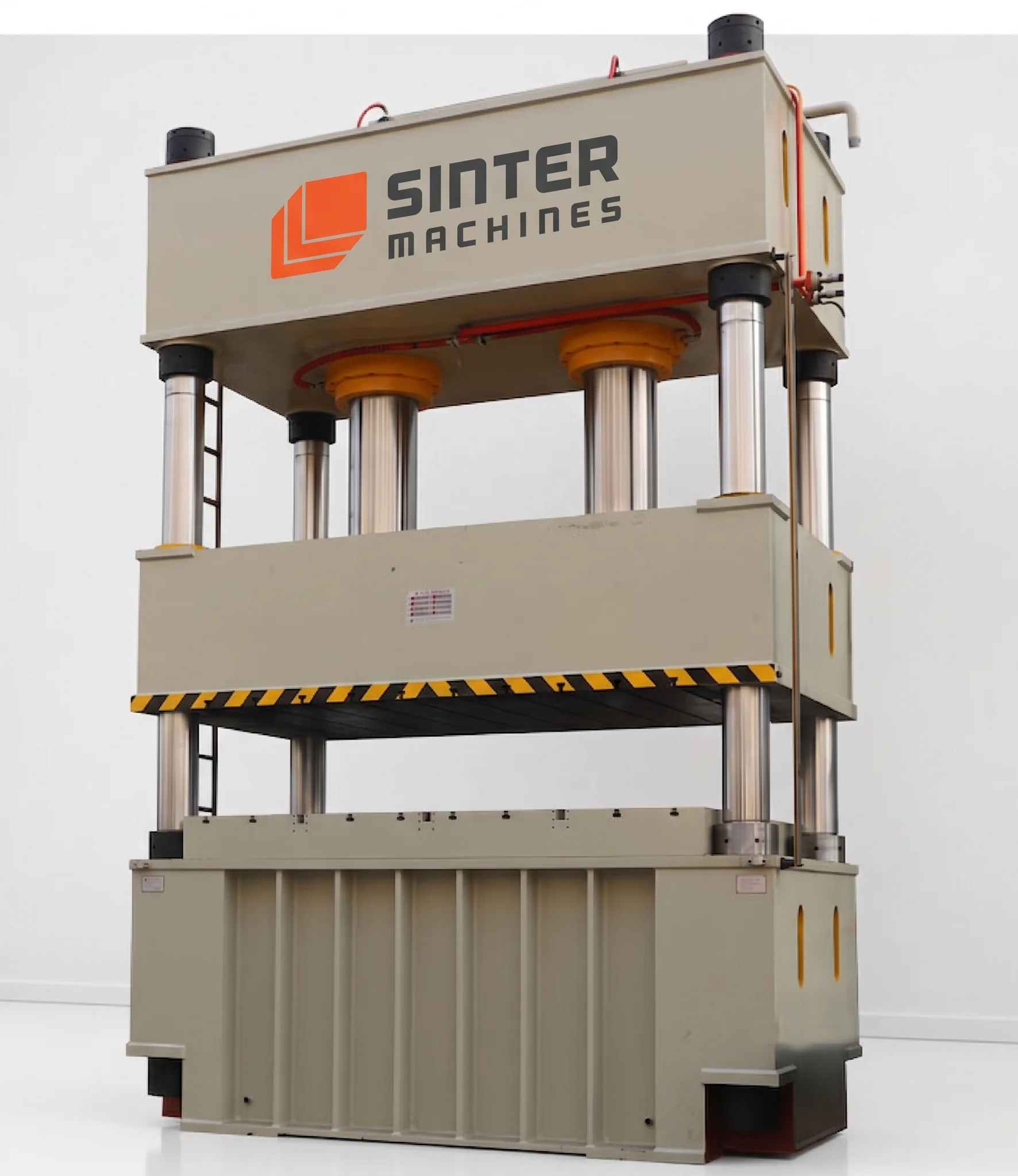
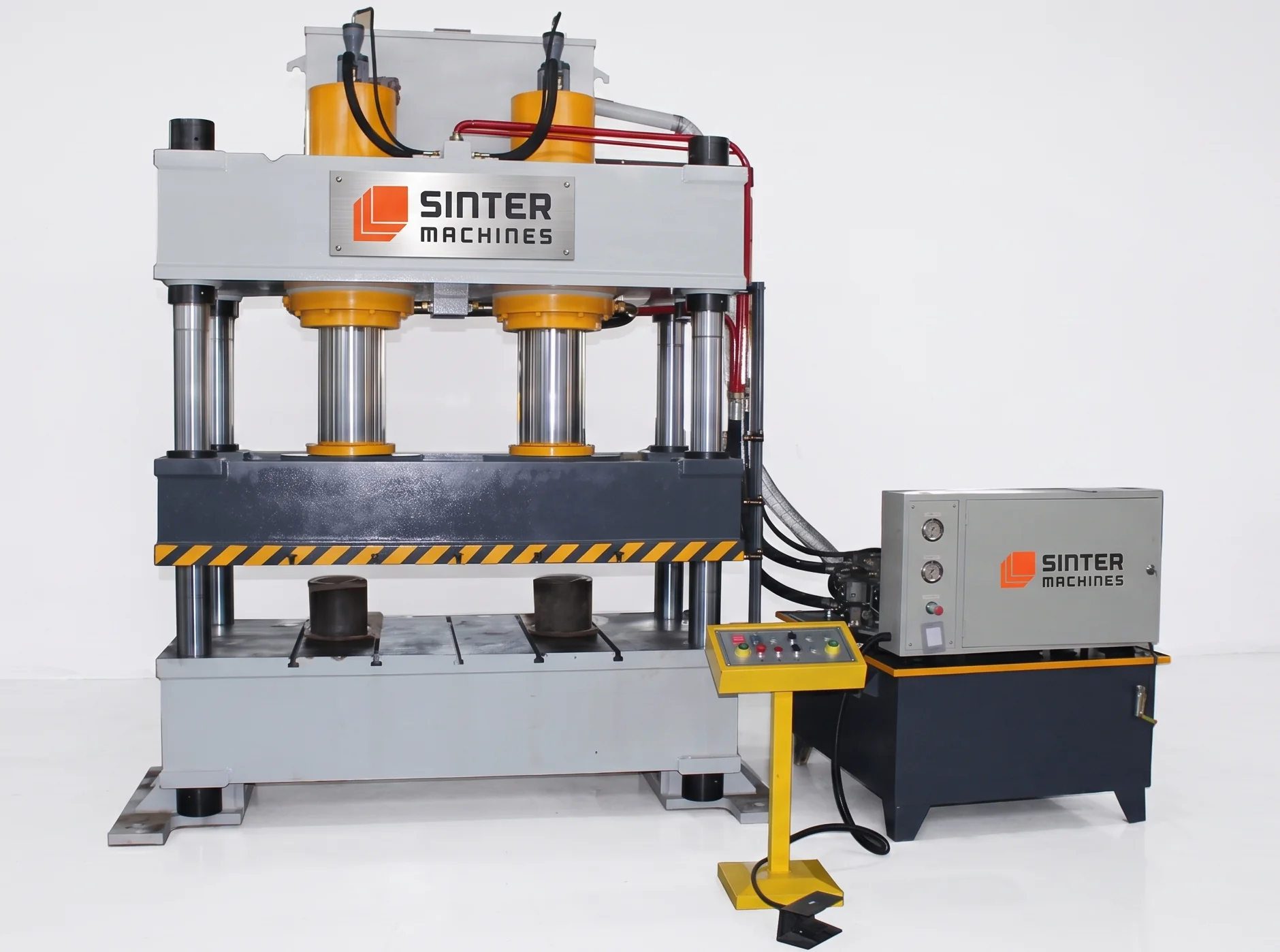
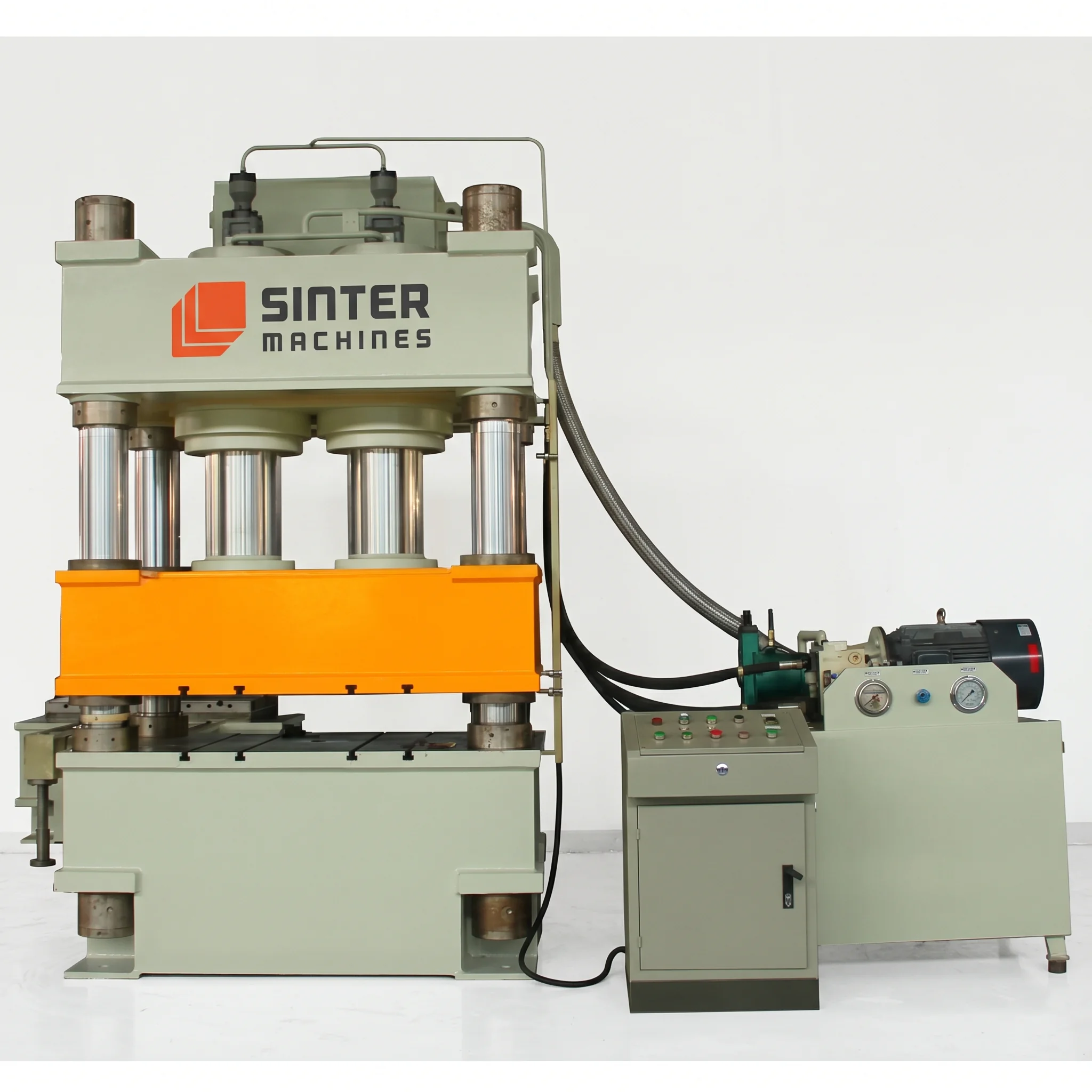
Fence Poles Press — hydraulic press 1
Plastic Sand Composite Fence Poles · Hydraulic Press Machine

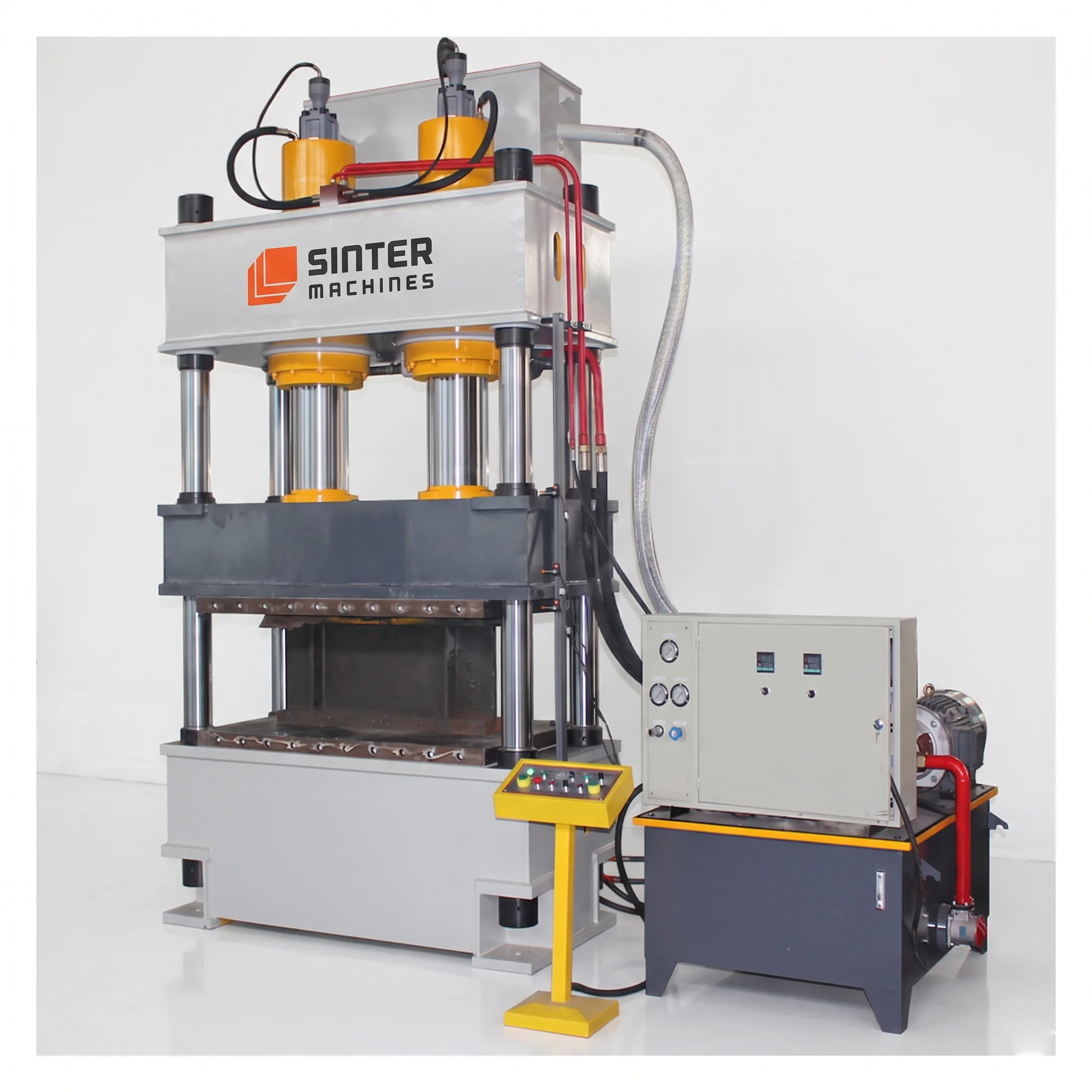
400T Four Column Hydraulic Press for Composite Fence Poles

400T Rated Capacity
100 mm/s Slider Down Speed
7–12 mm/s Slider Pressing Speed
100 mm/s Slider Return Speed

01 — Press System

400 Ton Four Column Hydraulic Press Machine

The 400-ton hydraulic press system combined with extrusion and water-chilled tooling provides a high-efficiency solution for molding composite fence poles. This integrated line ensures dense compaction, deep structural strength, fast cycle cooling, and long-lasting weather durability.

Use Case

Designed for continuous automated compression molding of high-strength plastic-sand composite fence poles using molten recycled polymers and C&D sand. The line seamlessly integrates hot composite extrusion, 400-ton deep compaction, and rapid water-chilled mold cooling for high-volume structural post production.

Final Product Properties

  • Core Applications: Agricultural boundary fencing, highway security barriers, residential garden enclosures, industrial site perimeter fencing, and solar farm post installations.
  • Material: 30% recycled plastics (LDPE and PP), 70% crushed construction and demolition sand, 3% color pigments, and UV stabilizing additives.
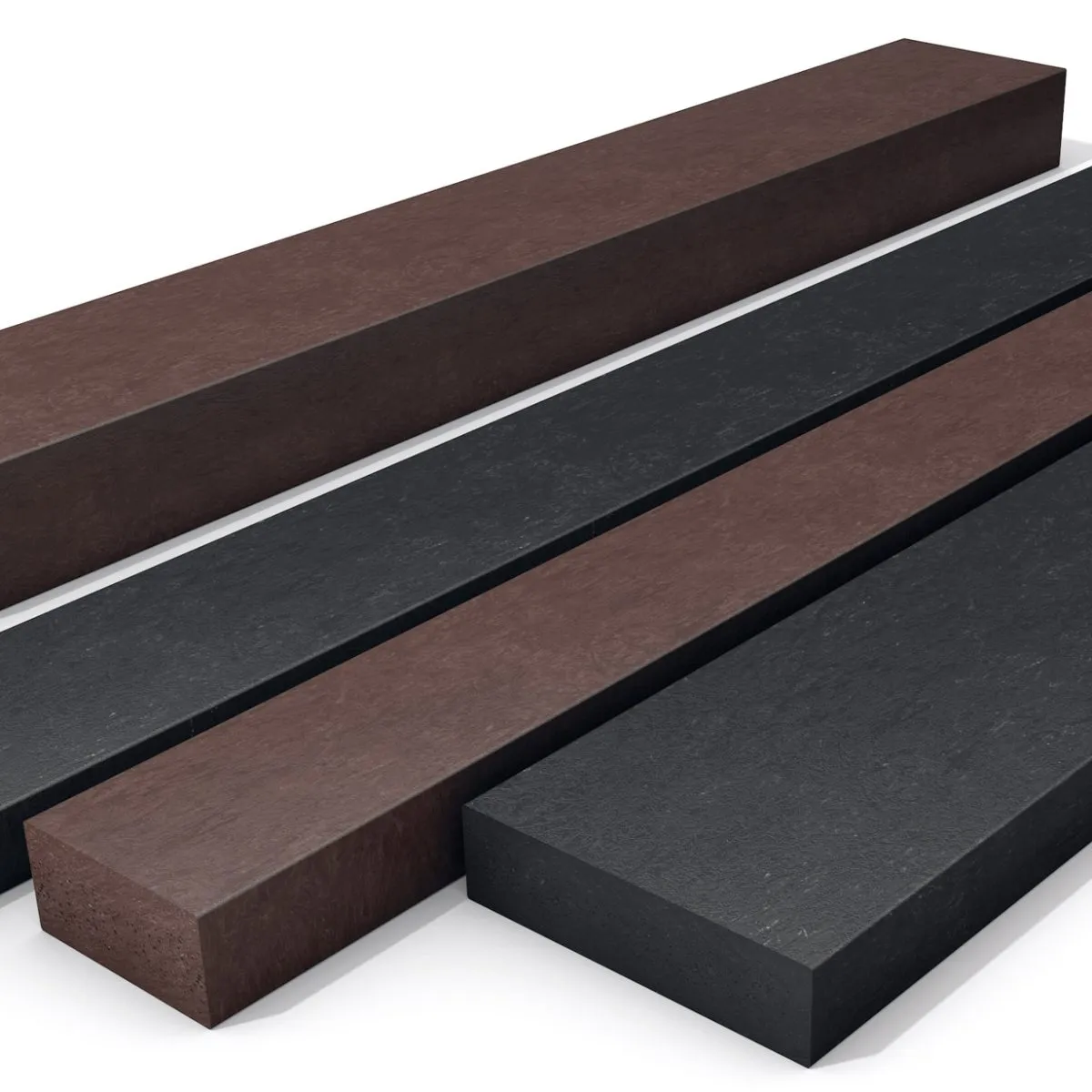
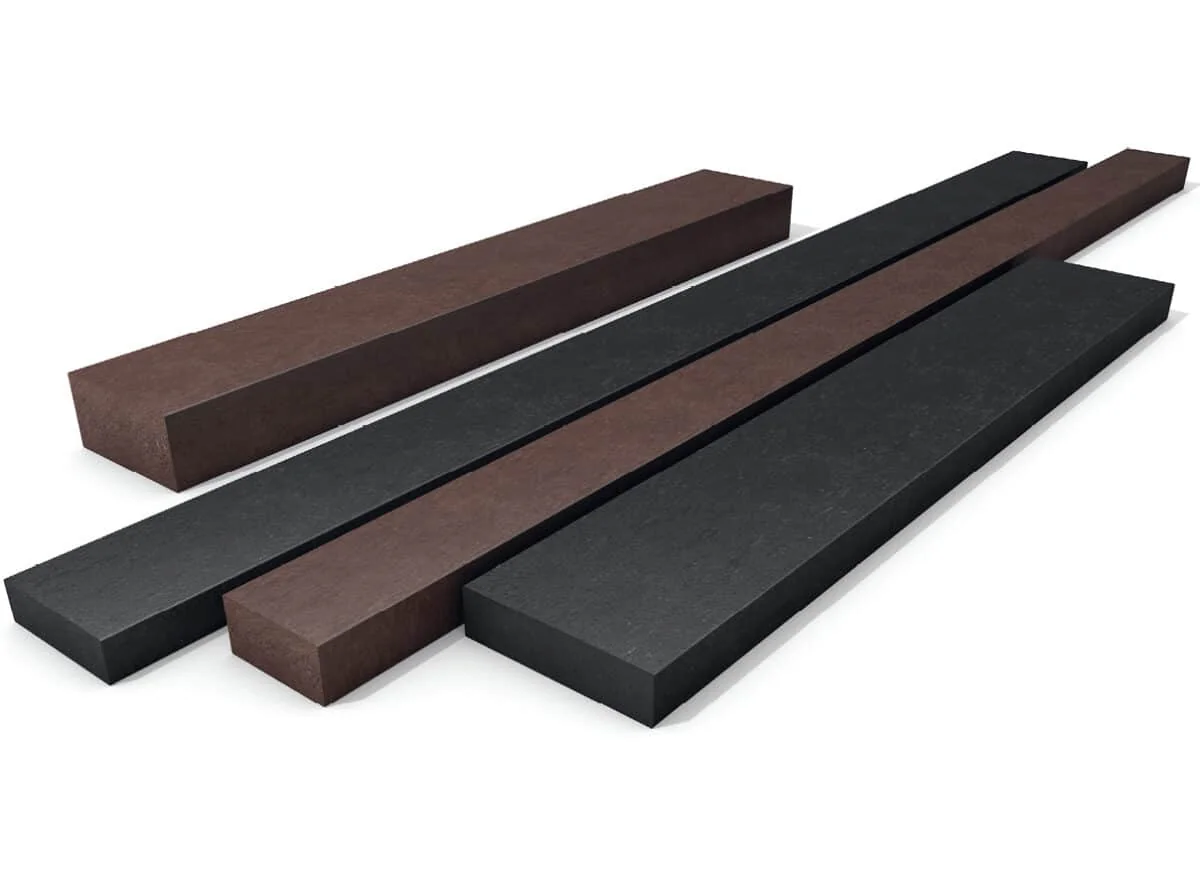
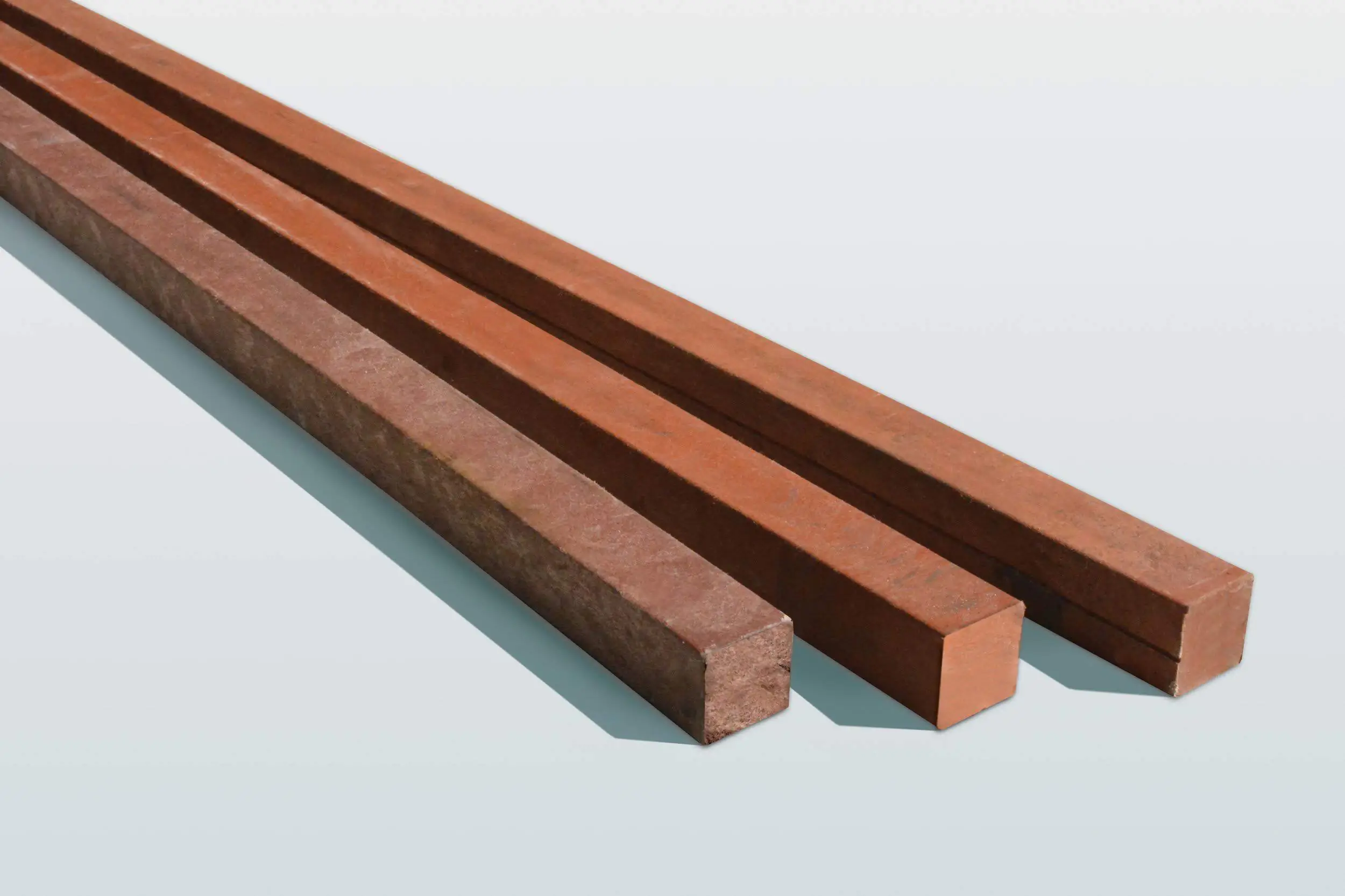
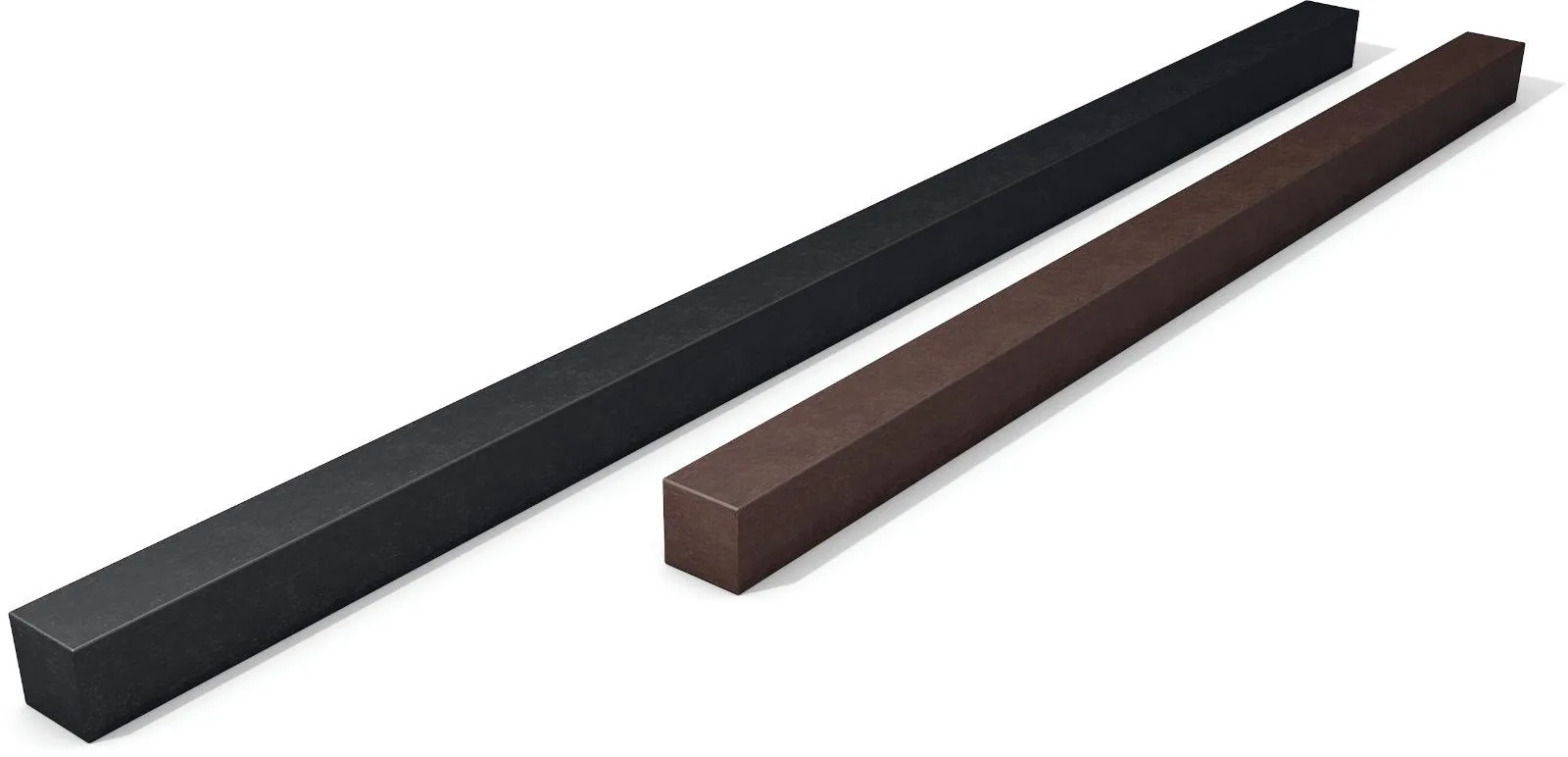
  • Products Processed: Waterproof, non-corrosive, rot-proof, and high-impact H-section, square, and rectangular plastic sand composite fence poles with integrated color.
  • Why 400 Ton Hydraulic Press: Delivers the immense pressing force needed to compact thick cross-section composite profiles, completely removing internal air pockets and ensuring high flexural strength across long structural posts.

02 — Technical Specifications

SM 400 HP – Hydraulic Press Machine Complete Technical Data

The SM 400 HP provides a robust 400-ton clamping force engineered for deep, high-density compression of long composite profiles. Equipped with heavy-duty column guidance and fast-acting hydraulics, it delivers consistent structural strength and high output.

Capacity: Pressing Capacity 400 Tons

Structural Design: Heavy Duty Rigid Four Column Frame Construction

Frame Type: Four Column Type High Precision Guidance System

Hydraulic System: High Pressure Proportional Hydraulic Drive System

Main Ram Stroke: Stroke Length 700 mm

Working Hydraulic Pressure: System Pressure 250 bar

Daylight Gap: Maximum Daylight 1000 mm

Approach Speed: Fast Downward Speed 180 mm per Sec

Pressing / Drawing Speed: Slow Pressing Speed 8 mm per Sec

Return Speed: Fast Upward Return Speed 140 mm per Sec

Bed / Platen Size Platen: Platen Dimensions 1200 x 2200 mm

Columns: Four Pillar Solid Chrome Plated Columns 160 mm Diameter

Working Envelope: Clear Daylight Working Area 1200 x 2200 mm

Control System: PLC Controlled System with Industrial Touchscreen HMI Interface

Main Motor Power: Electric Drive Motor 30 kW

Valves & Hydraulics: Proportional Directional Control Valves with High Flow Pump Hydraulics

Automation: Integrated Auto Loading System and Ejector Synchronizer Interface

Safety Features: Dual Safety Light Curtains with Emergency Interlock and Hydraulic Safety Lock Valves

SM 400 HP — Model Specifications

  • Nominal Force: 4000 KN
  • Maximum Hydraulic Pressure: 25 MPa
  • Max Opening Height of the Slider: 1250 mm
  • Max Stroke of the Slider: 800 mm
  • Effective Bed Size: 1260 × 1160 mm
  • Slider Down Speed: 100 mm/s
  • Slider Pressing Speed: 7–12 mm/s
  • Slider Return Speed: 100 mm/s
  • Ejector Cylinder Nominal Force: 400 KN
  • Stroke of the Ejection Cylinder: 300 mm
Production Case Study

400 Ton Plastic Sand Composite Fence Pole Production Line

Plastic Sand CompositeMaterial
1800 to 2400 mmFence Pole Length
50 to 100 mmPole Thickness
180 SecondsCycle Time
High Structural Strength
Zero Voids Formation
Uniform Density Profile
Excellent Flexural Rigidity
Rapid Chilled Curing
Precise Profile Dimensions
Long Service Lifespan

03 — Die / Mold System

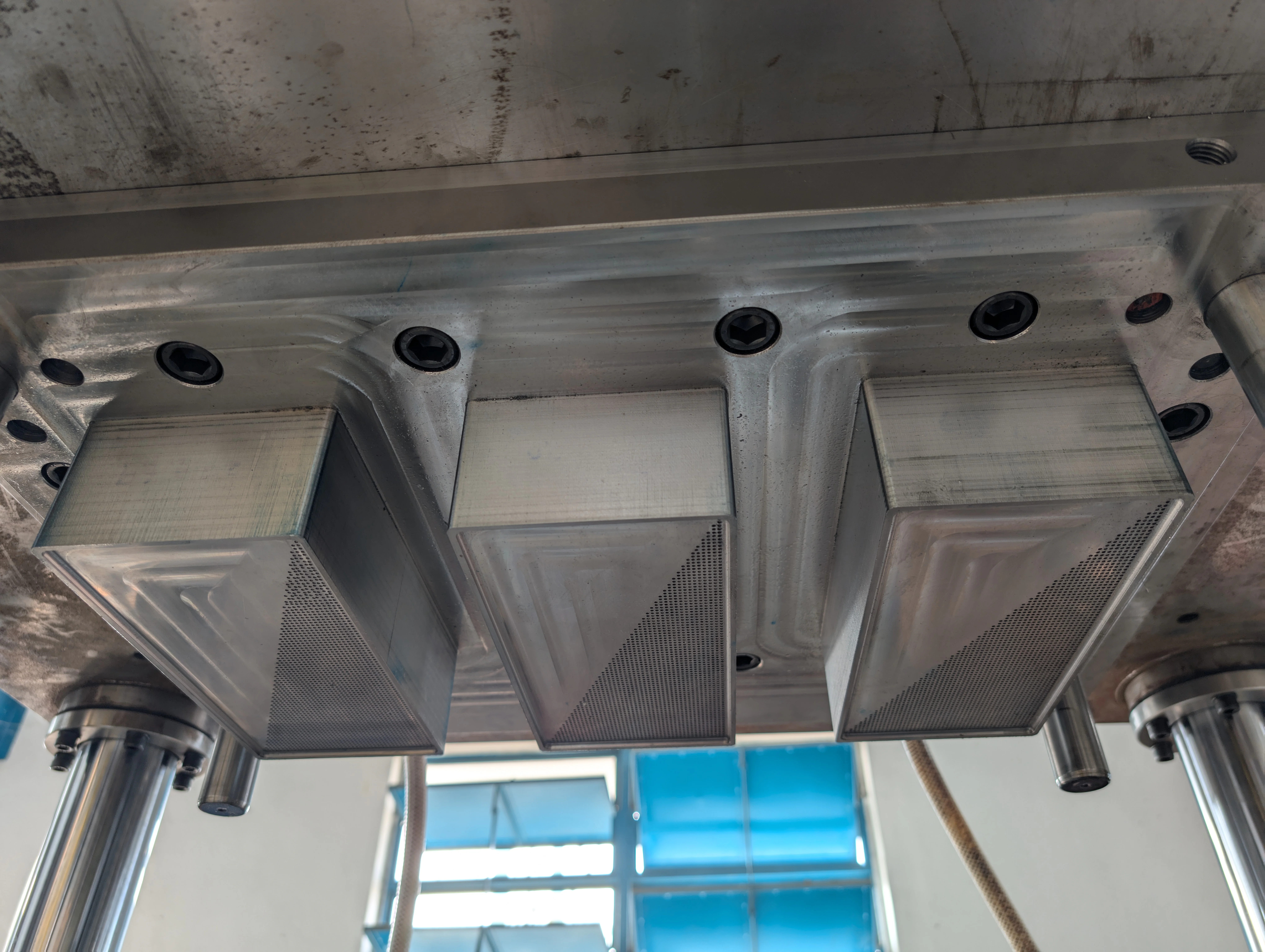
Precision 2 Cavity Composite Fence Pole Die Mold Engineering

Designed for high-throughput pultrusion molding of composite fence poles, this precision tooling system enables simultaneous production of two identical profiles. It ensures consistent dimensional accuracy, excellent structural strength, and uniform resin impregnation across high-volume manufacturing runs.

Technical Specifications (Tooling)

Die Type

  • Main Header: Cavity Configuration
  • Sub Header: Two Cavity Mold

Die Materials

  • Main Header: Tool Steel
  • Sub Header: Hardened P20 Steel or High Grade H13 Tool Steel

Tool Configuration and Construction

  • Main Header: Assembly Design
  • Sub Header: Split Block Construction with Precision Dowel Pinning

Key Tooling Features

  • Main Header: Internal Systems
  • Sub Header: Integrated Heating Channels with Hard Chrome Plated Internal Cavities

Alignment Accuracy

  • Main Header: Machining Precision
  • Sub Header: Zero Point Five to Zero Point One mm Tolerances

Surface Finish

  • Main Header: Cavity Polishing
  • Sub Header: Zero Point Two to Zero Point Four Microns Ra Polish

Tool Life

  • Main Header: Longevity Rating
  • Sub Header: Five Hundred Thousand to One Million Production Cycles
Fence Poles Press — die mould
Case Study (Die Performance)

Precision 2 Cavity Composite Fence Pole Die Mold

P20 / H13 AlloyDie Material
58-62 HRCHardness
Vacuum HardeningHeat Treatment
High Cavity Precision Maintained
Superior Profile Surface Finish
Reduced Friction and Wear
Optimal Thermal Heat Distribution
Extended Tooling Service Life
Zero Flashing on Part Joints
Uniform Resin Flow Rates

04 — Product Application

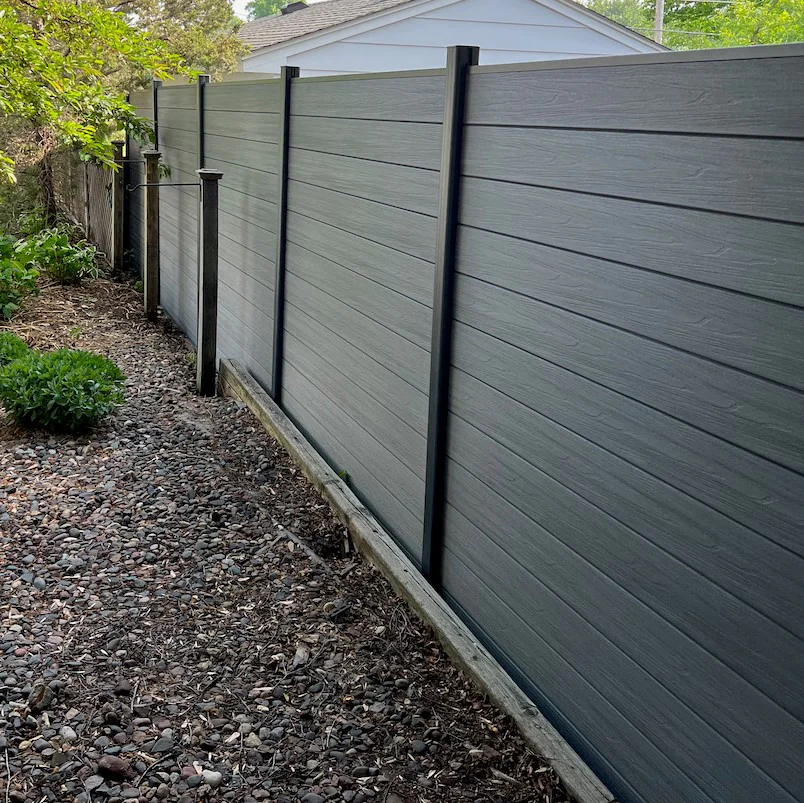
Where Plastic Sand Composite H/Square/Rectangle Fence Poles Are Used

Plastic sand composite H, square, and rectangle fence poles offer superior durability, weather resistance, and structural strength compared to traditional timber or metal posts. These sustainable profiles are engineered for demanding environments where rot, rust, insect damage, and moisture degradation must be completely eliminated.

Industry Applications

Agricultural and Livestock Fencing

Used extensively to secure farm boundaries, livestock pens, and crop protection areas. They withstand harsh outdoor exposure, ground contact, and animal impacts without rotting or leaching chemicals into the surrounding soil.

Residential and Commercial Boundary Security

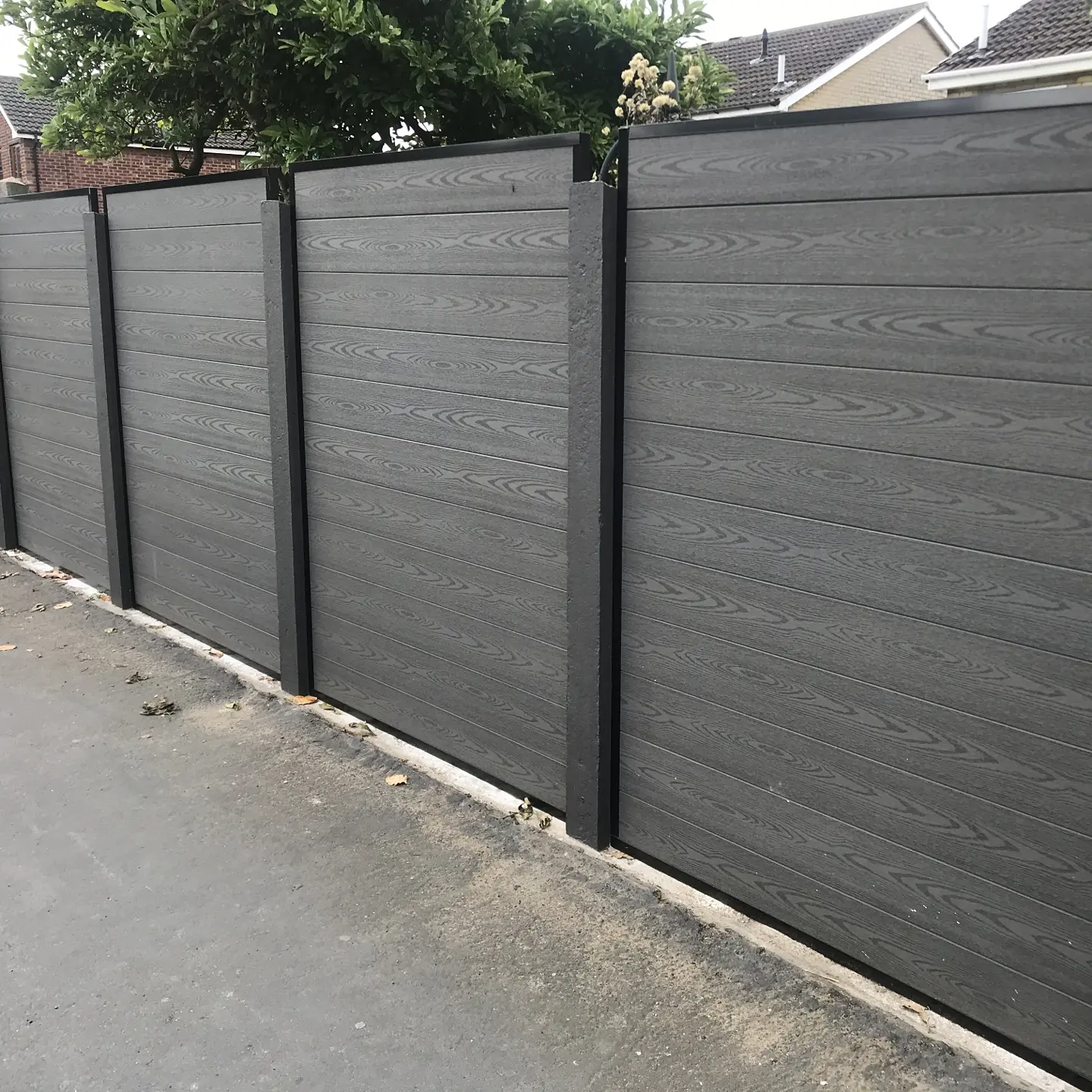
Applied as structural posts for perimeter fencing around private properties, housing communities, and commercial facilities. Their clean geometric profiles provide a modern visual appeal while remaining virtually maintenance free over decades.

Coastal and Harsh Marine Infrastructure

Ideal for installations along coastlines, wetlands, and high humidity areas. The composite material completely resists saltwater corrosion, chemical exposure, and sun degradation that typically destroys metal or wood posts.

Civil Works and Utility Enclosures

Deployed along highways, railway lines, public parks, and utility sub-stations to construct durable barriers. They offer high mechanical strength to handle wind loads and impact while providing non-conductive safety features near electrical assets.

Finished Product Gallery

05 — Key Advantages

Why Choose the 400-Ton Sinter Hydraulic Press

The 400-Ton Sinter Hydraulic Press provides optimal compaction force and precise thermal control required for manufacturing high-density plastic sand composite fence poles. This advanced system balances maximum operational throughput with energy efficiency, delivering long-term commercial value and superior product quality.

01

High Compaction Force for Maximum Density

The press delivers a consistent 400 tons of clamping pressure to eliminate internal voids and air pockets in the plastic sand matrix. This high-pressure consolidation yields fence poles with exceptional flexural strength and structural integrity.

02

Precision Thermal and Heat Management

Integrated multi-zone heating platen controls ensure uniform heat distribution across the entire mold cavity during sintering. Precise thermal regulation prevents localized burning, minimizes cycle times, and guarantees consistent material curing.

03

High Operational Efficiency and Throughput

Designed with rapid approach and return speeds, the hydraulic press minimizes non-productive press cycle dwell times. This fast automated operation maximizes daily production output for high-volume manufacturing lines.

04

Lower Operational and Energy Costs

Equipped with variable displacement hydraulic pumps and energy-efficient drive systems, energy consumption is significantly reduced during press idle phases. Lower utility usage directly translates into reduced unit production costs and faster ROI.

05

Heavy-Duty Construction and Tooling Protection

Built with a rigid frame and stress-relieved steel plates, the press resists deflection under full loading conditions. This structural stability extends mold life by preventing die misalignment and uneven flash formation.

06

Versatile Tooling Compatibility and Quick Setup

The spacious platen layout accommodates H, square, and rectangular die configurations with fast clamping mechanisms. This flexibility allows manufacturers to rapidly switch between product profiles with minimal operational downtime.