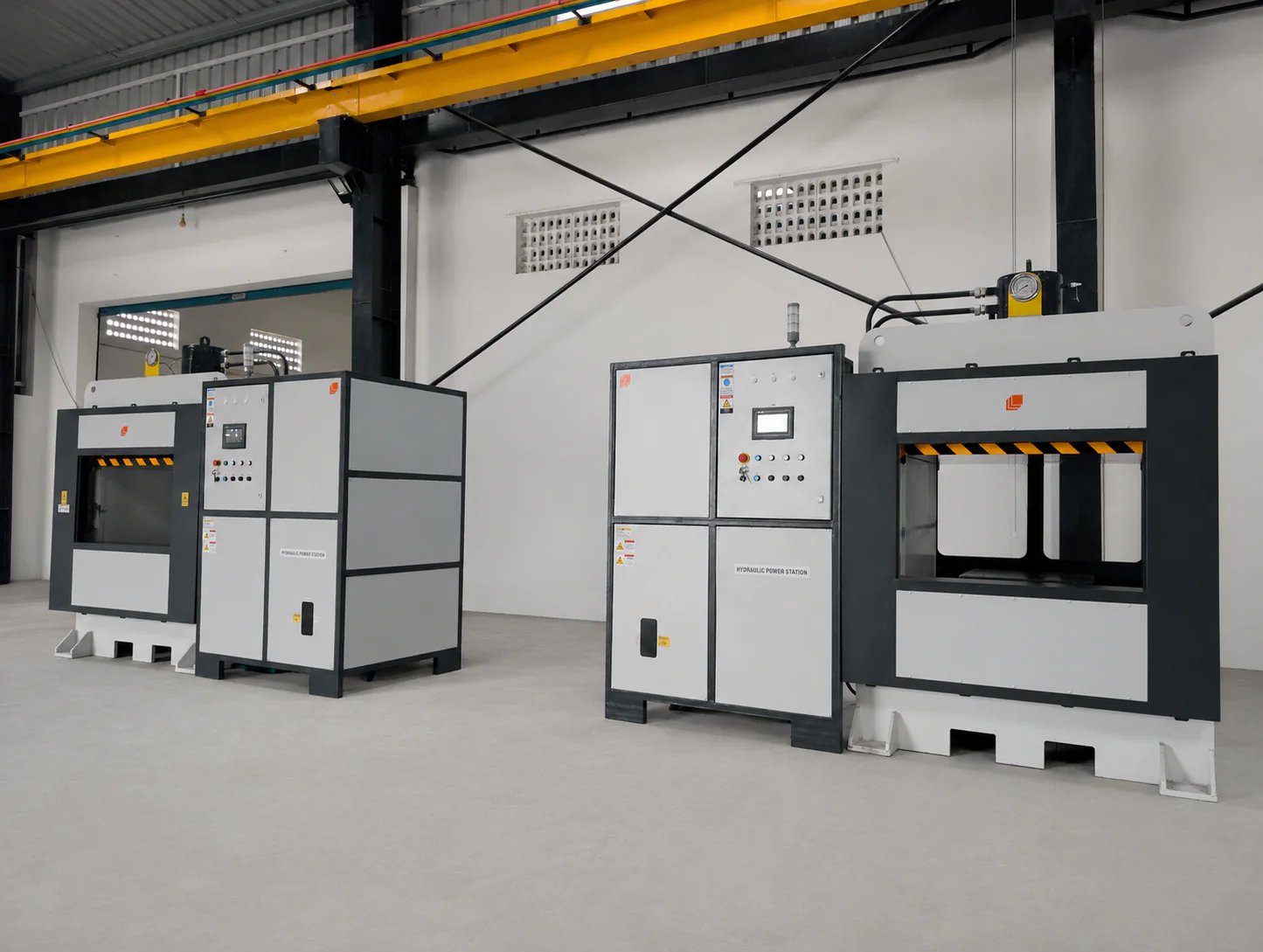
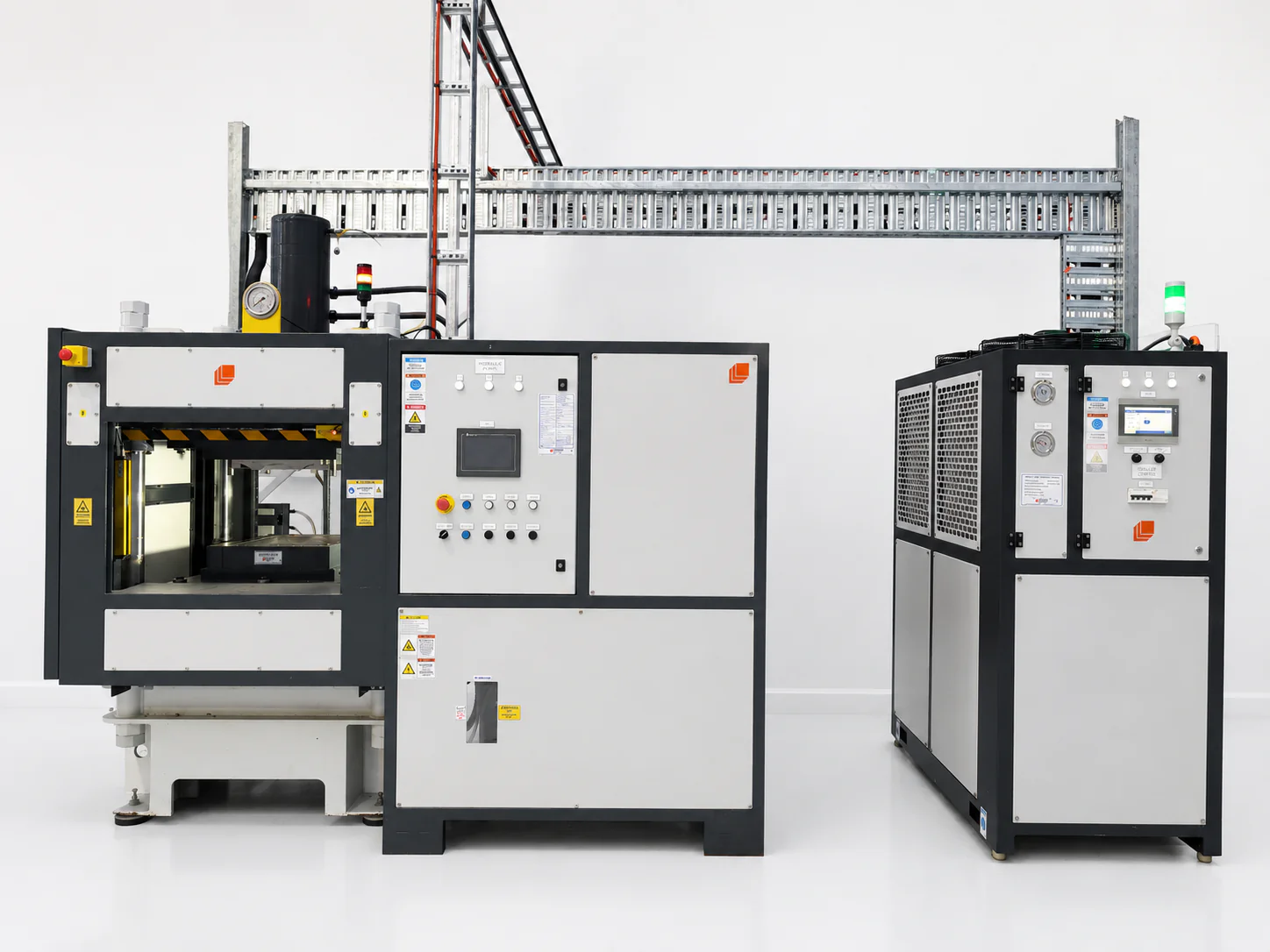
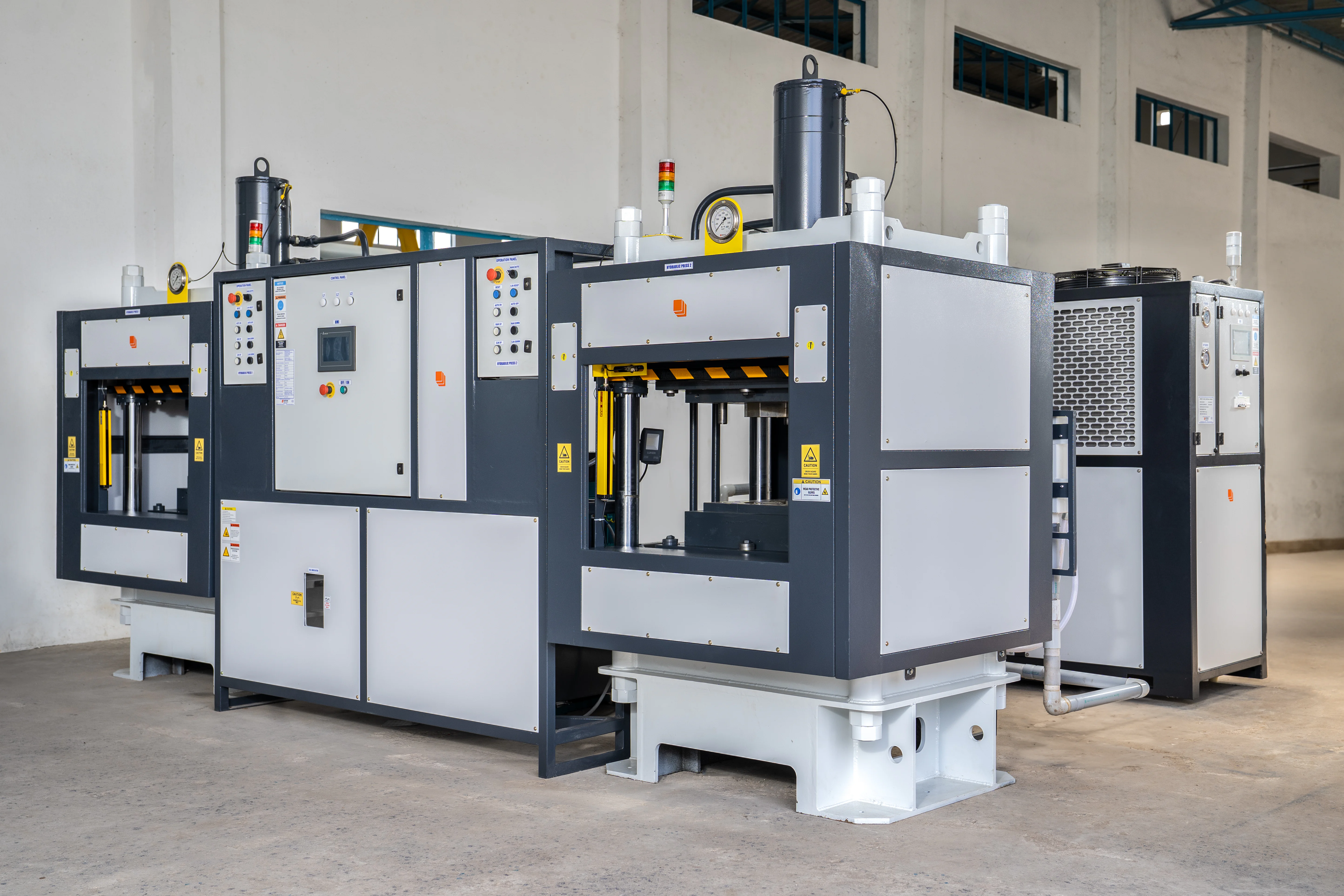
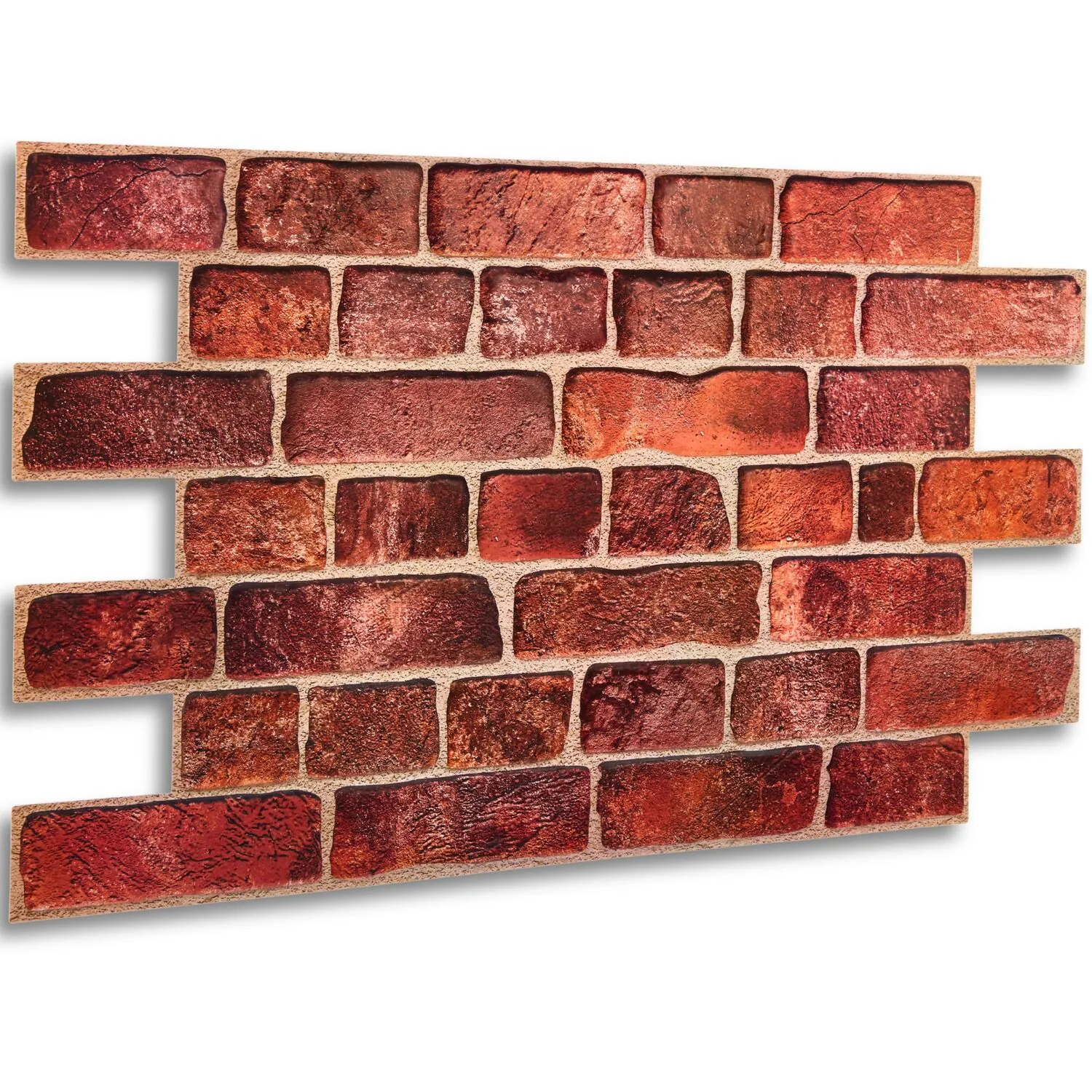
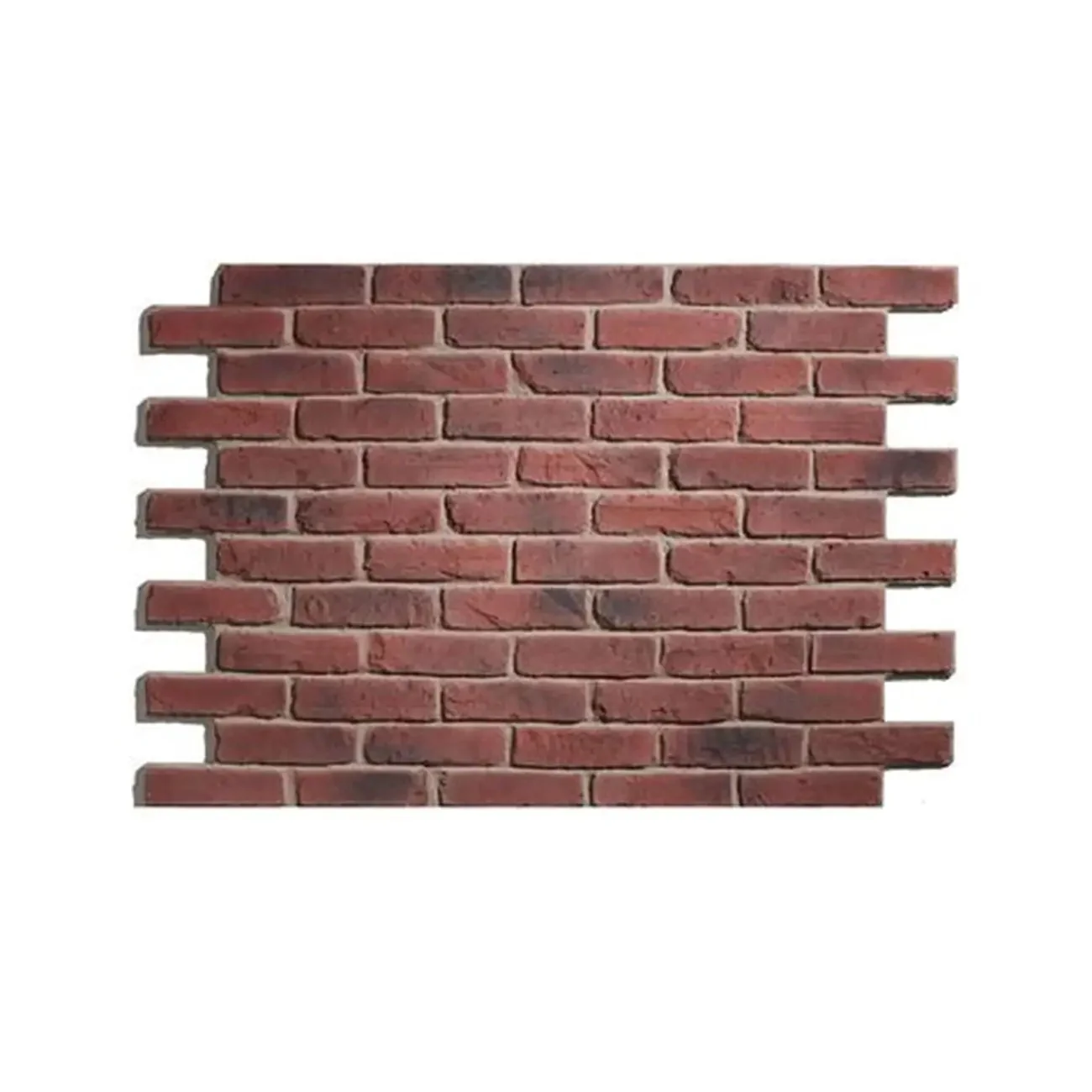
Wall Cladding Tiles Press — hydraulic press 1
Plastic Sand Wall Cladding Panels · Hydraulic Press Machine

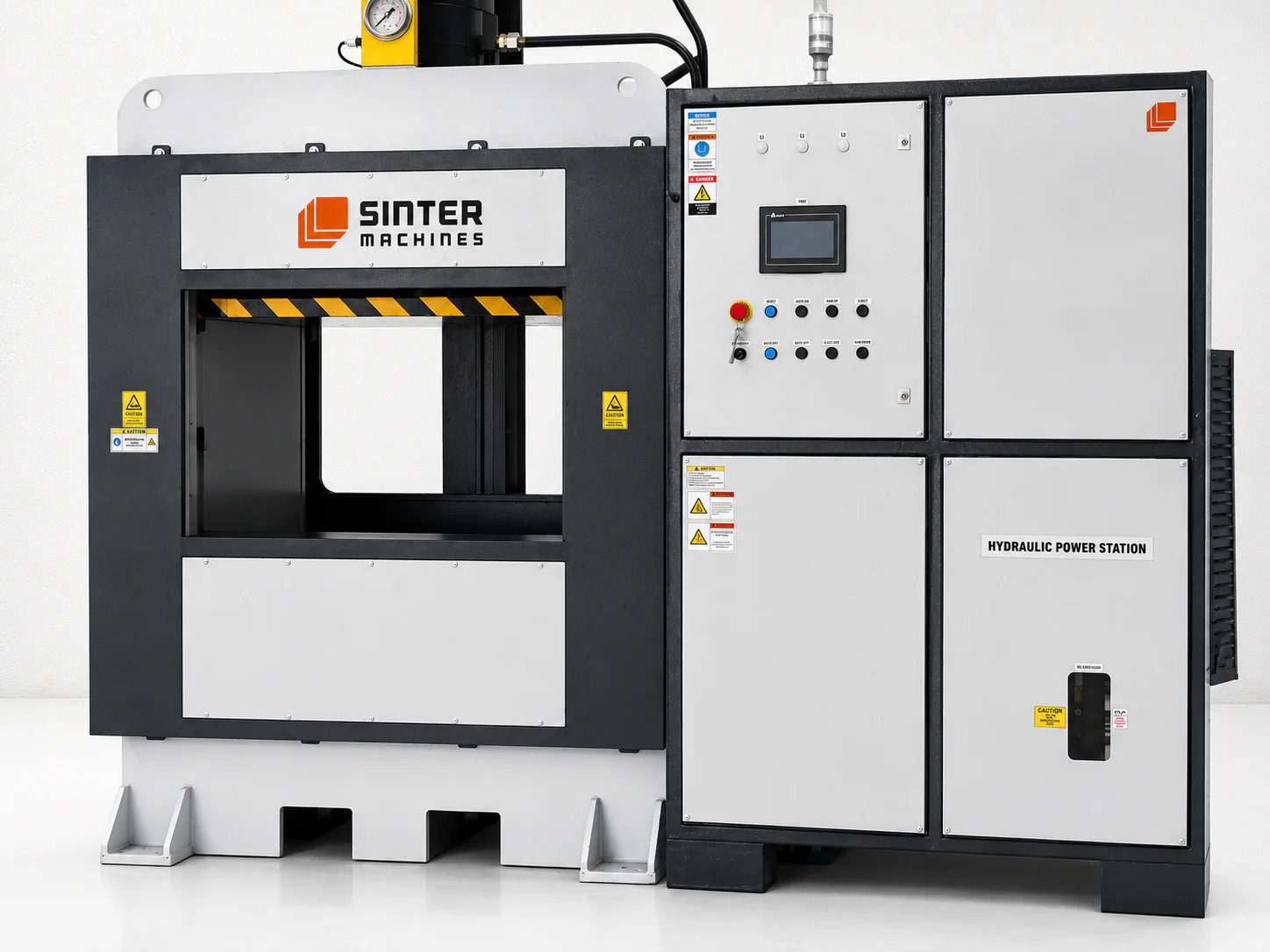
200T Four Column Hydraulic Press for Plastic Sand Wall Cladding Brick Panels

200T Rated Capacity
100 mm/s Slider Down Speed
7–18 mm/s Slider Pressing Speed
90 mm/s Slider Return Speed

01 — Press System

200T Four Column Hydraulic Press Machine

The 200-ton hydraulic press integrated with an automated extruder and chill system delivers high-efficiency compression molding for composite wall cladding panels. This complete setup ensures uniform material density, rapid cooling cycles, and vibrant multi-color finished products.

Use Case

Designed for full-line automated compression molding of plastic-sand composite wall cladding brick panels using molten recycled polymers and C&D sand. The line seamlessly handles heating, extrusion, precise pressing, and rapid water-chilled mold cooling for high-volume output.

Final Product Properties

  • Core Applications: Building facade cladding, decorative exterior wall panels, moisture-prone interior wall surfacing, and architectural landscaping features
  • Material: 30% recycled plastics (LDPE, PET, ABS), 70% crushed construction and demolition sand, 3% color pigments, and UV stabilizing additives.
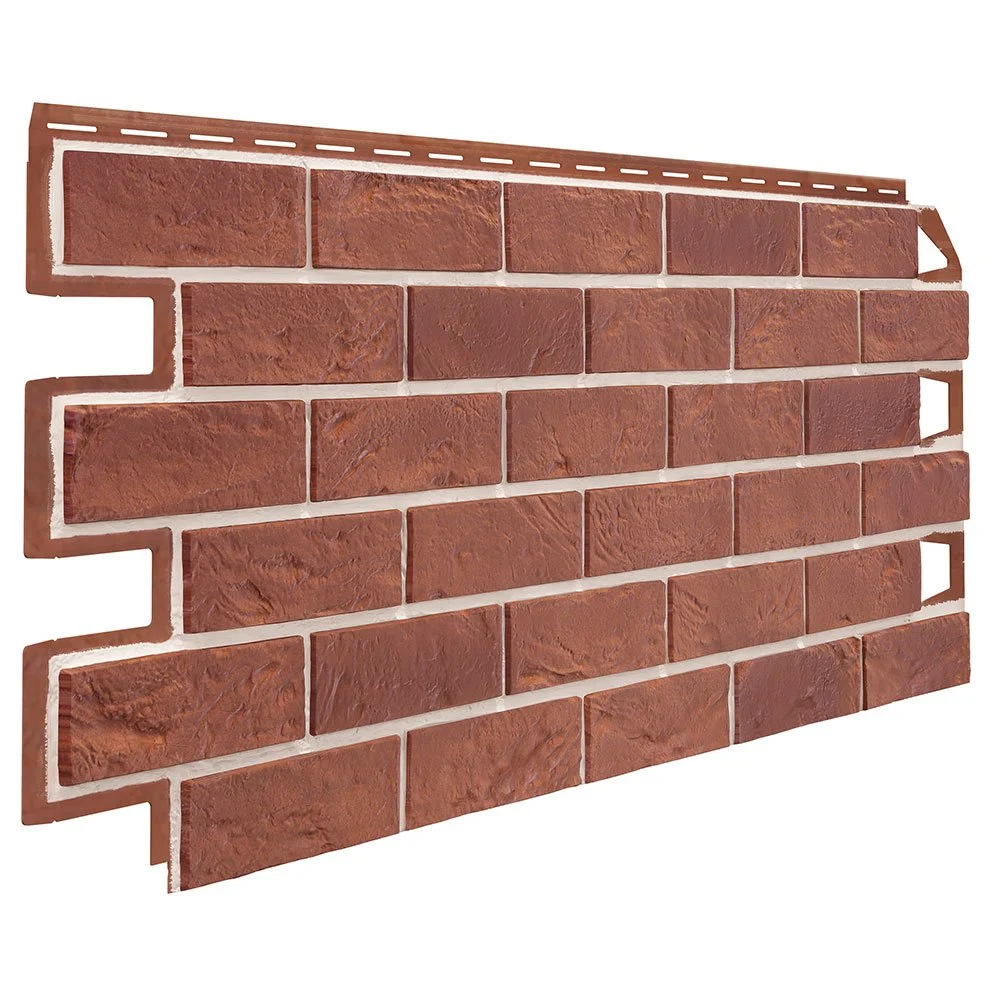
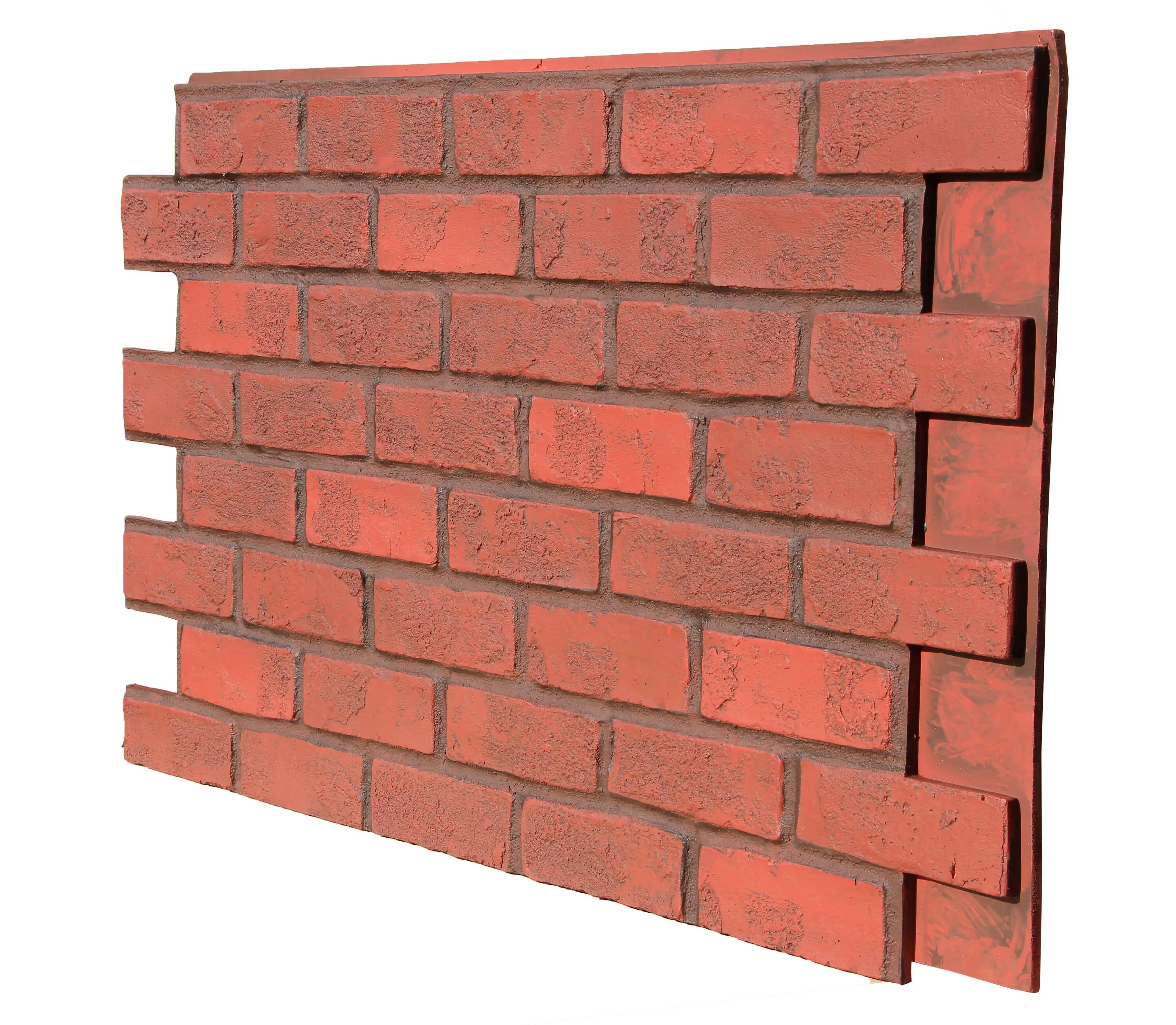
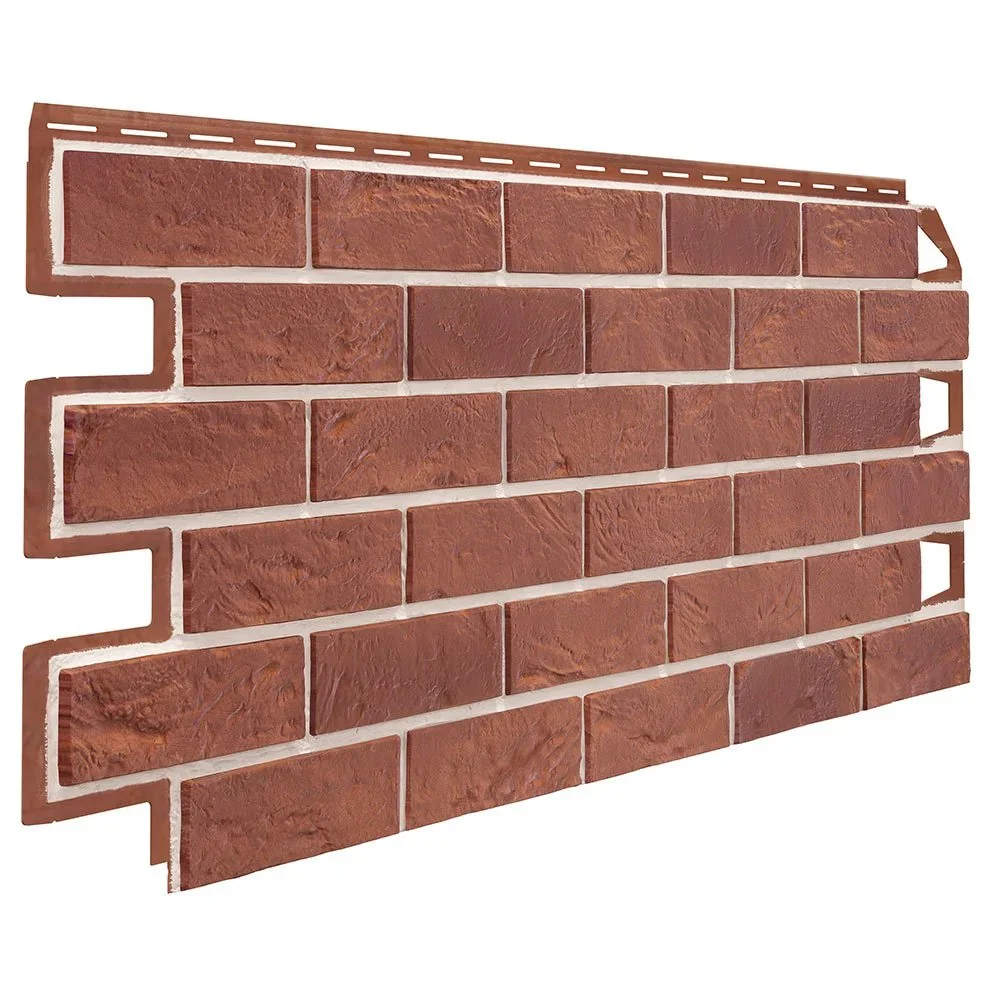
  • Products Processed: Lightweight, waterproof, impact-resistant, and weather-proof plastic sand composite wall cladding brick panels in multi-color finishes.
  • Why 200 Ton Hydraulic Press: Provides the exact compaction force required to eliminate internal voids in dense sand-plastic melts, ensuring crisp panel detailing, structural integrity, and accurate dimensions without crushing the silica filler.

02 — Technical Specifications

SM 200 HP – Hydraulic Press Machine Complete Technical Data

The SM 200 HP delivers reliable 200-ton compaction force with automated controls and fast hydraulic action. Built for high-volume manufacturing, it ensures consistent density and precise wall panel dimensions.

Capacity: Pressing Capacity 200 Tons

Structural Design: Robust Heavy Duty Rigid Frame Construction

Frame Type: Four Column Type Guidance System

Hydraulic System: High Efficiency Proportional Hydraulic Drive System

Main Ram Stroke: Stroke Length 500 mm

Working Hydraulic Pressure: System Pressure 210 bar

Daylight Gap: Maximum Daylight 800 mm

Approach Speed: Fast Downward Speed 150 mm per Sec

Pressing / Drawing Speed: Slow Pressing Speed 10 mm per Sec

Return Speed: Fast Upward Return Speed 120 mm per Sec

Bed / Platen Size Platen: Platen Dimensions 1000 x 1000 mm

Columns: Four Pillar Solid Chrome Plated Columns 120 mm Diameter

Working Envelope: Clear Daylight Working Area 1000 x 1000 mm

Control System: PLC Controlled System with Touchscreen HMI Interface

Main Motor Power: Electric Drive Motor 15 kW

Valves & Hydraulics: Proportional Directional Valves with Rexroth Hydraulics

Automation: Integrated Auto Loading System Interface

Safety Features: Dual Safety Light Curtains and Emergency Stop Buttons

  • SM 200 HP — Model Specifications
  • Nominal Force: 2000 KN
  • Maximum Hydraulic Pressure: 25 MPa
  • Max Opening Height of the Slider: 1100 mm
  • Max Stroke of the Slider: 700 mm
  • Effective Bed Size: 1000 × 1000 mm
  • Slider Down Speed: 100 mm/s
  • Slider Pressing Speed: 7–18 mm/s
  • Slider Return Speed: 90 mm/s
  • Ejector Cylinder Nominal Force: 200 KN
  • Stroke of the Ejection Cylinder: 200 mm
Production Case Study

200 Ton Plastic Sand Composite Wall Cladding Brick Panels Production Line

Plastic Sand CompositeMaterial
600 L x 300 W mmBrick Panel Size
15 to 25 mmPaver Thickness
180 SecCycle Time
High Production Output
Uniform Composite Density
Low Void Rate
Precise Panel Thickness
Fast Mold Cooling
Superior Surface Detail
Excellent Weathering Resistance

03 — Die / Mold System

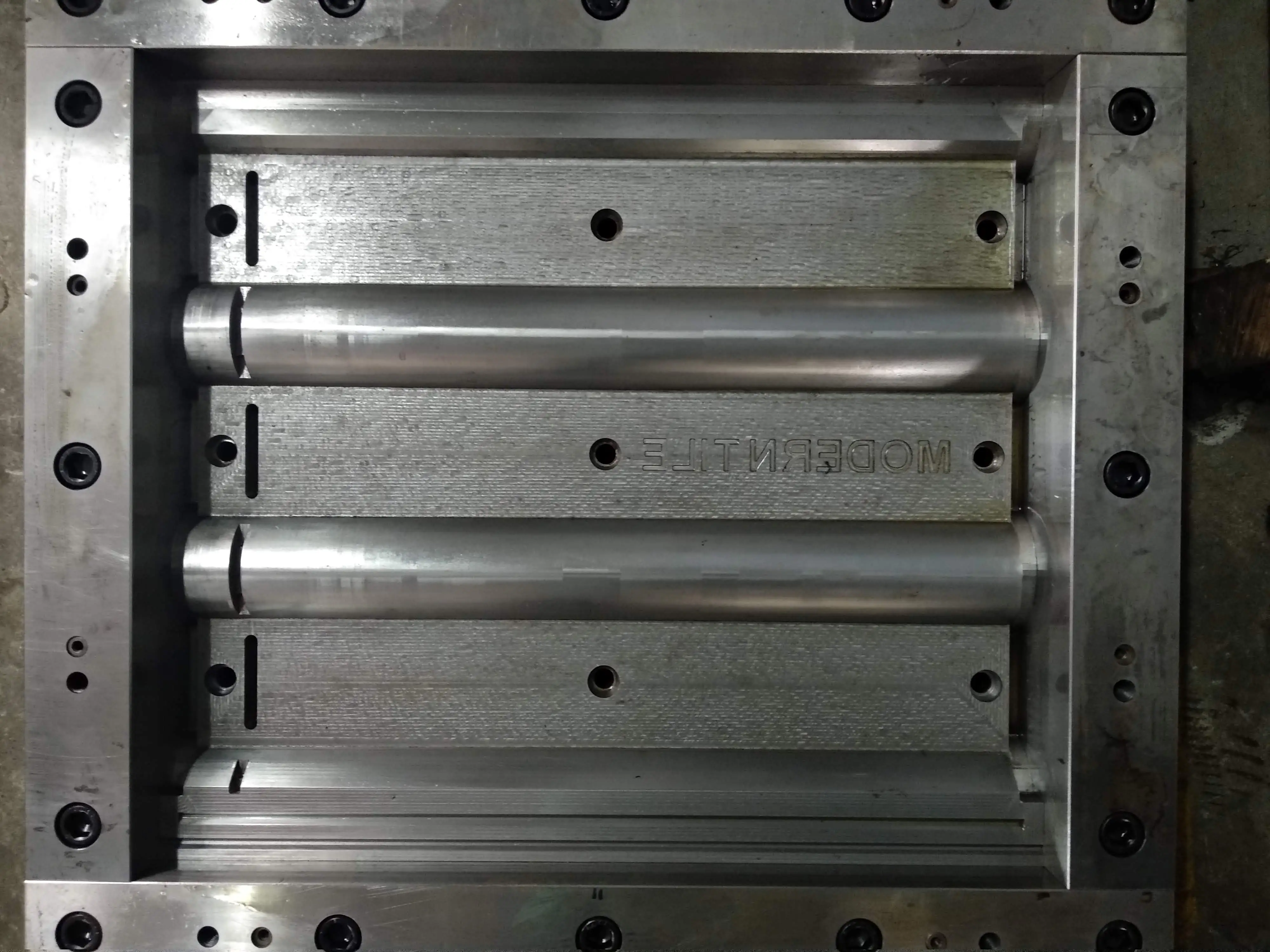
Precision 2 Cavity Wall Cladding Brick Panel Die Mold Engineering

Engineered for dual-cavity compression molding of plastic-sand composite wall cladding brick panels under a 200-ton hydraulic load. Designed to maximize production output while maintaining crisp architectural textures and precise panel dimensions.

Technical Specifications (Tooling)

Die Type: 2 Cavity Mold

Die Materials

  • Core and Cavity P20 or H13 Tool Steel
  • Mold Base S45C Carbon Steel

Tool Configuration and Construction

  • Precision Machined Dual Cavity Split Mold Block
  • Ejector Pins with Pneumatic Auxiliary Push System

Key Tooling Features

  • Integrated High Flow Water Cooling Channels
  • Textured Brick Pattern Engraved Cavity Surfaces

Alignment Accuracy

  • Guidance Precision within 0 point 0 2 mm
  • Guide Pillar Tolerance within 0 point 0 1 mm

Surface Finish: Cavity Texture Polish Ra 0 point 8 microns

Tool Life: 500000 Production Cycles

Wall Cladding Tiles Press — die mould
Case Study (Die Performance)

Precision 2 Cavity Composite Wall Cladding Brick Panel Die Mold

P20 / H13 AlloyDie Material
52 to 56 HRCHardness
Vacuum HardeningHeat Treatment
High Output Dual Cavity
Superior Thermal Conductivity
Excellent Wear Resistance
Precise Texture Reproduction
Extended Tool Life
Rapid Cycle Cooling
Consistent Panel Dimensions

04 — Product Application

Where Plastic Sand Composite Wall Cladding Brick Panels Are Used

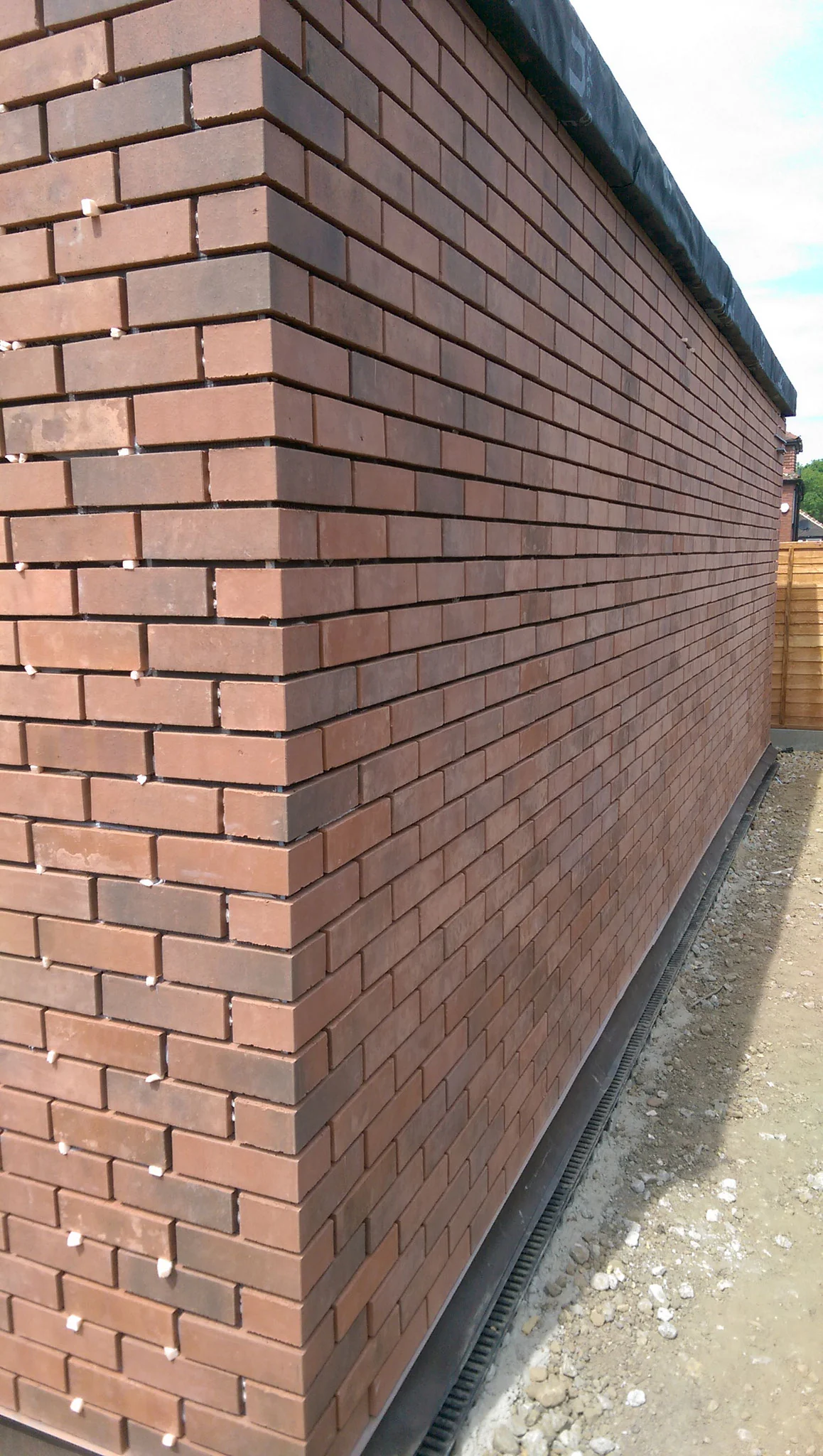
Plastic-sand composite wall cladding brick panels are lightweight, weather-resistant, and visually versatile exterior and interior surfacing solutions. They are extensively applied across commercial, residential, and infrastructure developments to provide durable, aesthetic wall protection without high maintenance costs.

Industry Applications

Commercial Building Facades

Applied to exterior walls of office complexes, shopping centers, and retail stores to create attractive architectural finishes. They protect underlying structures from heavy rain, UV radiation, and environmental pollution while remaining colorfast.

Residential Exterior Cladding

Widely installed on private villas, apartment housing, and boundary walls as an eco-friendly brick accent alternative. The lightweight panels reduce dead loads on structure walls and lower installation labor time significantly compared to masonry.

Public Infrastructure and Transit Hubs

Deployed along railway station walls, highway underpasses, metro stations, and public plazas due to high impact resistance. Their non-porous composition resists graffiti, moisture absorption, and thermal degradation in high-traffic public spaces.

Interior Accent and Feature Walls

Fitted in hotel lobbies, restaurant interiors, and corporate reception areas for decorative brick-texture surfacing. They provide excellent sound insulation, fire resistance, and moisture resistance for long-term interior wall durability.

Finished Product Gallery

05 — Key Advantages

Why Choose the 200-Ton Sinter Hydraulic Press

The 200-ton hydraulic press offers the ideal balance of compaction force, fast cycle speeds, and precise temperature integration for composite cladding panels. It enables manufacturers to convert low-cost waste plastic and sand into high-margin, durable architectural products.

Technical & Commercial Benefits

01

Optimal Compaction Tonnage

Delivers precise 200-ton clamping pressure to eliminate internal voids, ensuring thin cladding panels achieve high structural strength and impact resistance without warping.

02

Parallel Platen Accuracy

Maintains rigid platen parallelism during compression, producing consistent panel thickness across both mold cavities and eliminating material flash on panel edges.

03

Fast Cycle Integration

Coordinates smoothly with the industrial chiller system to allow rapid cooling down to demolding temperature, keeping total cycle time low and output high.

04

Energy Efficient Operation

Utilizes modern hydraulic circuits and variable pump controls to optimize power consumption during dwell and pressing phases, reducing unit production costs.

05

Flexible Surface Detail Molding

Applies uniform hydraulic pressure across the full bed area, capturing intricate brick, stone, or slate surface textures engraved into the mold cavities.

06

Low Maintenance Architecture

Features chrome-plated columns, heavy-duty guidance bushes, and central lubrication, minimizing daily operational wear and extending overall machine service life.