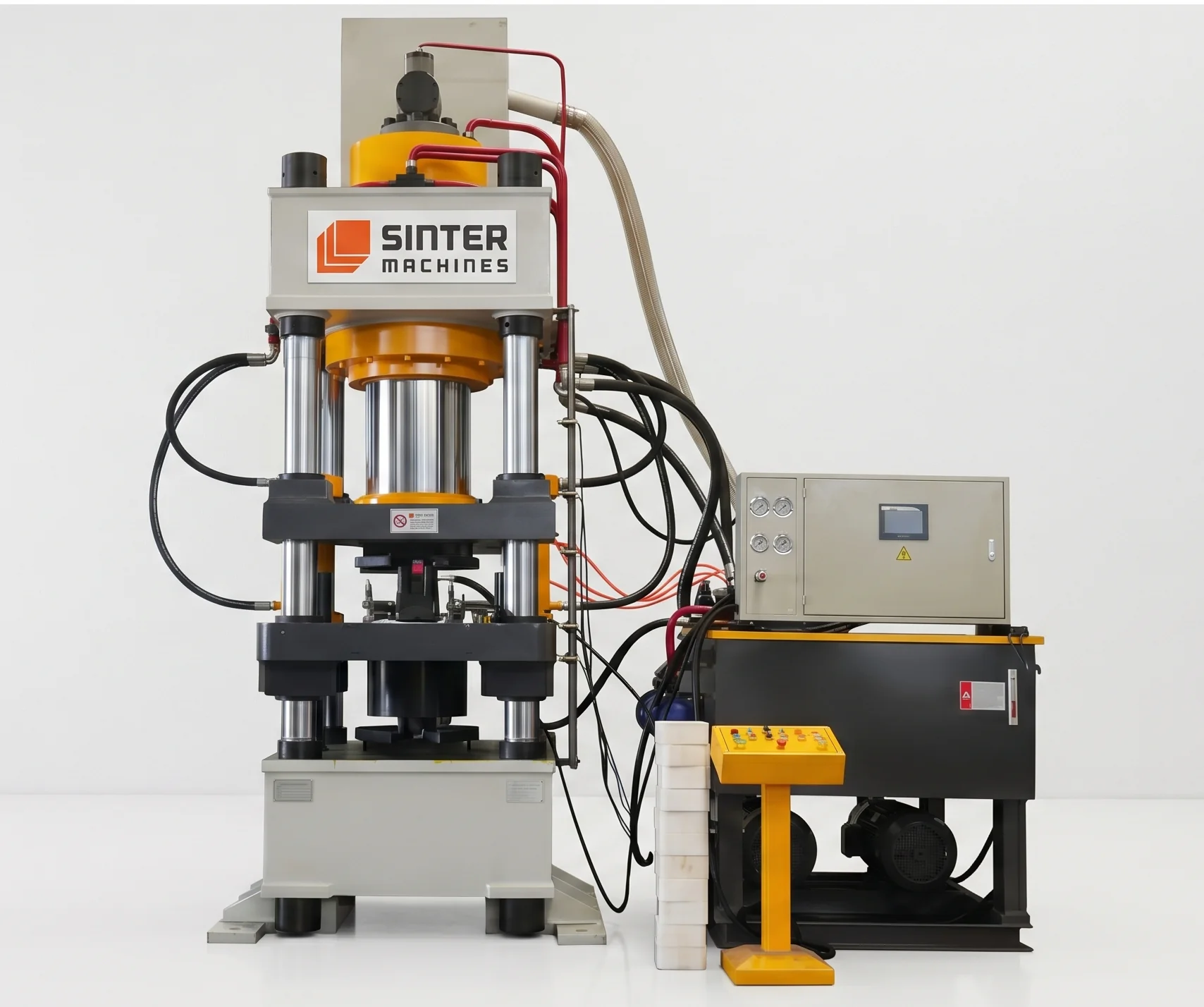
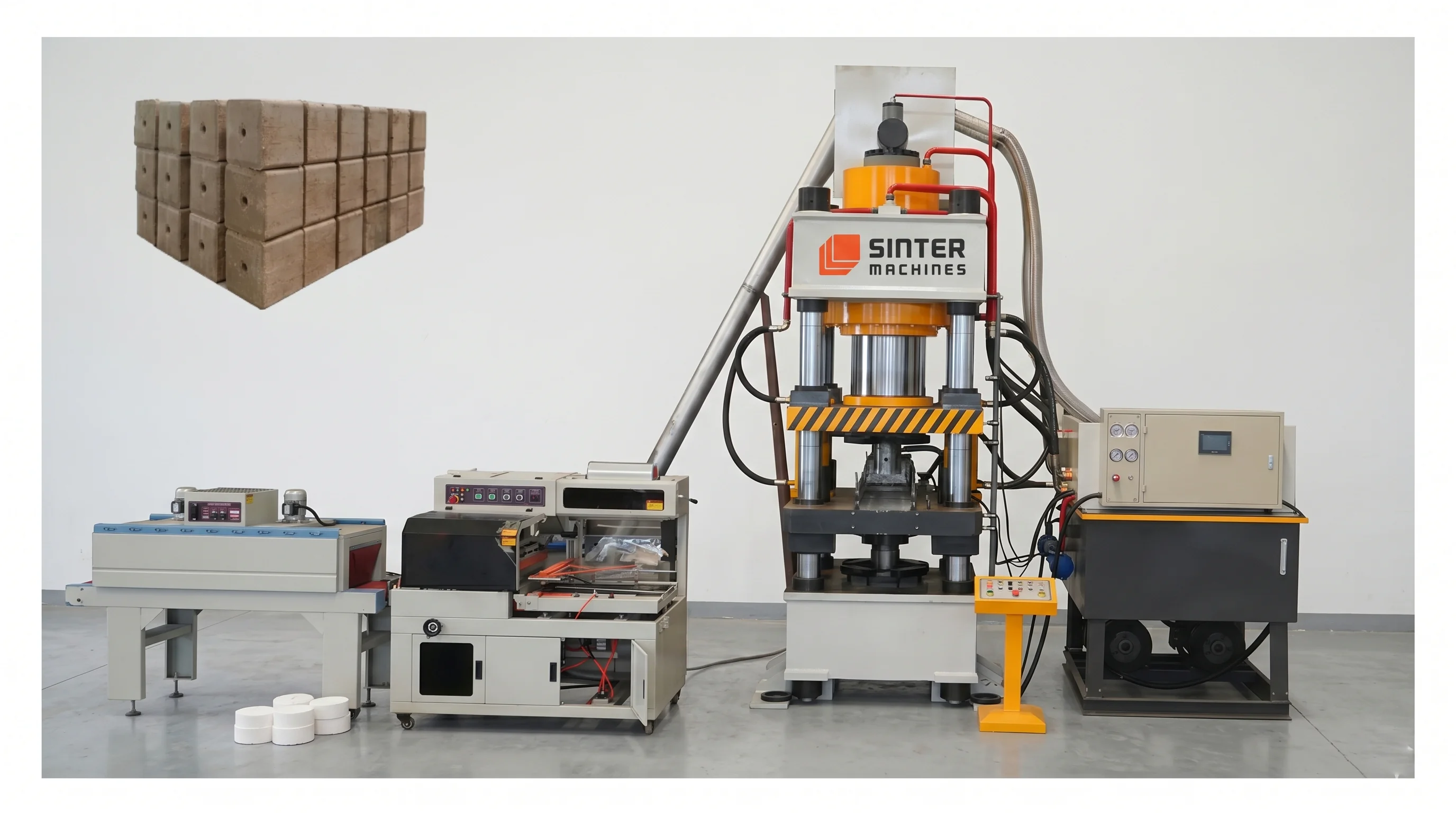
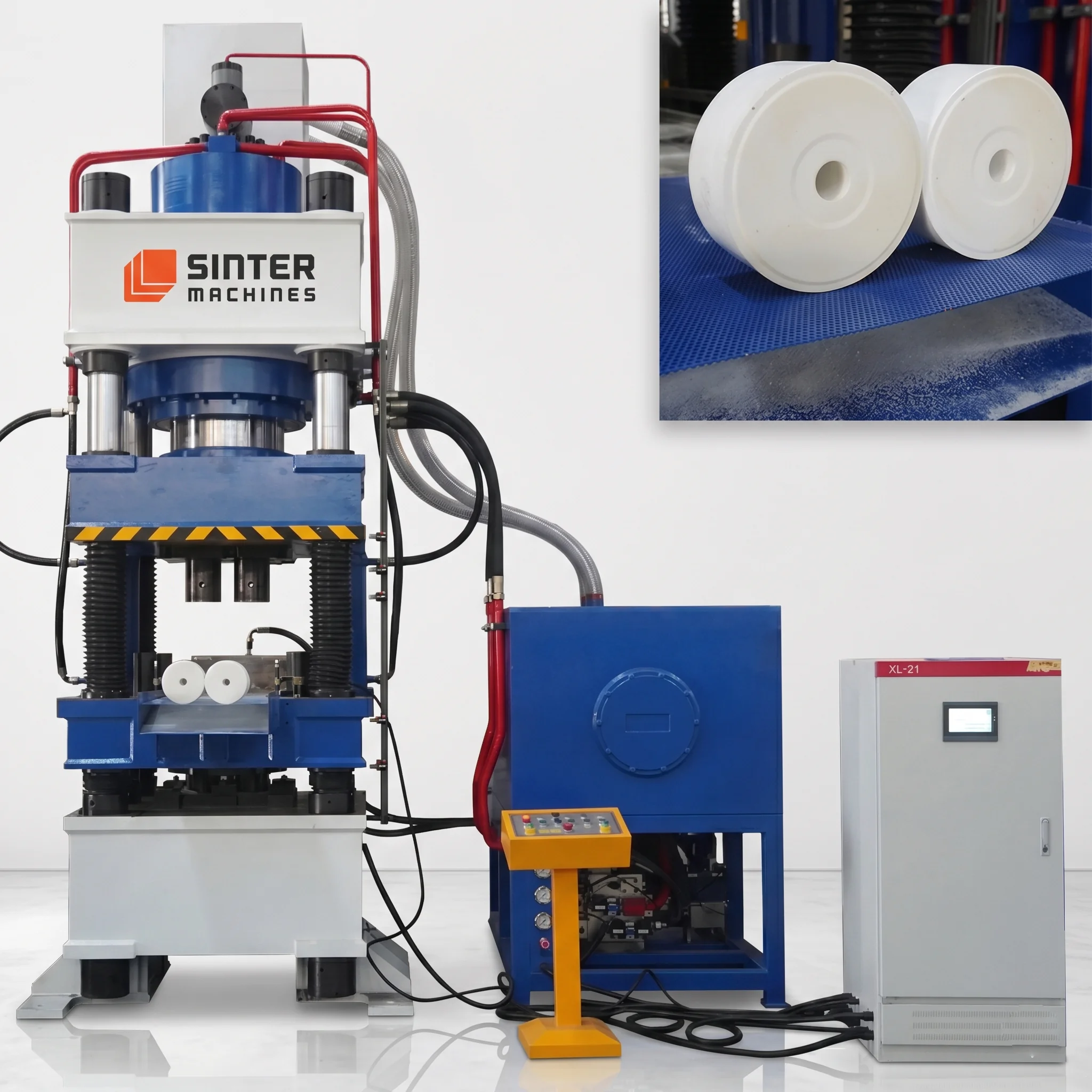
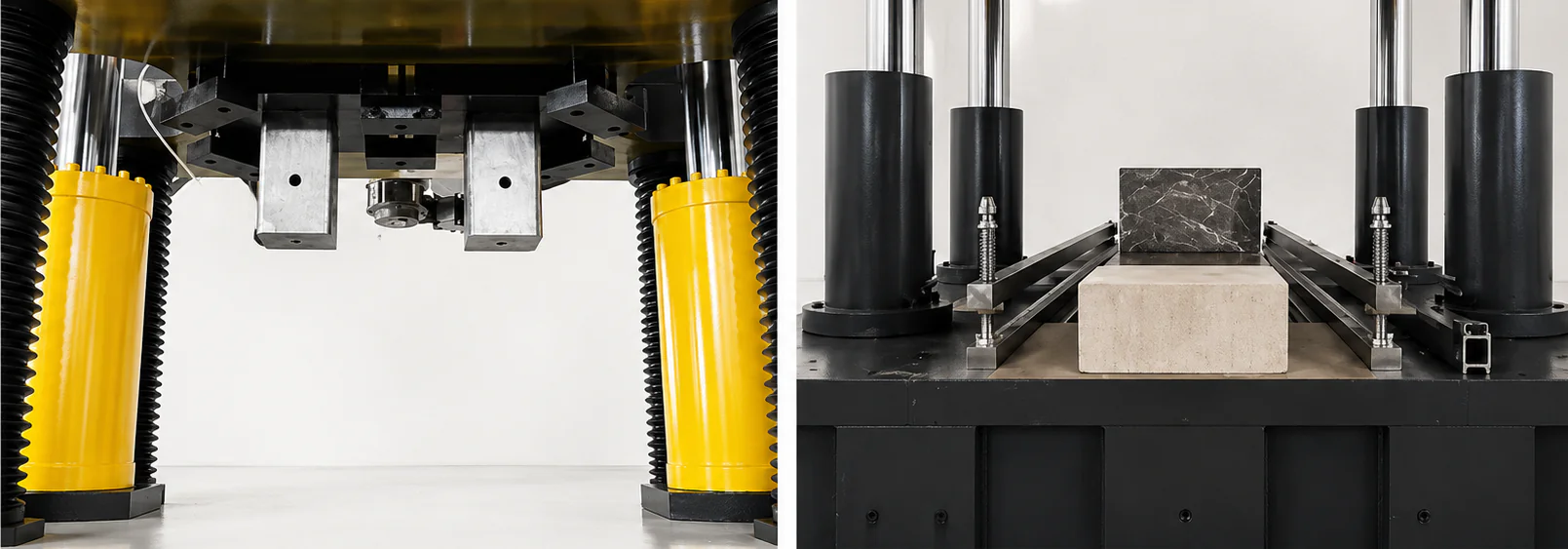
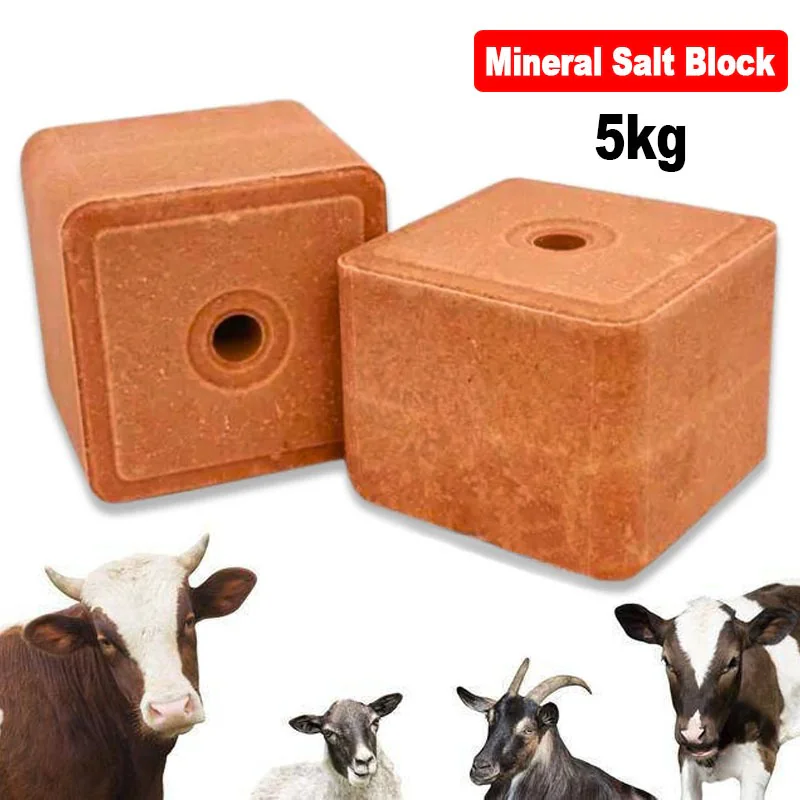
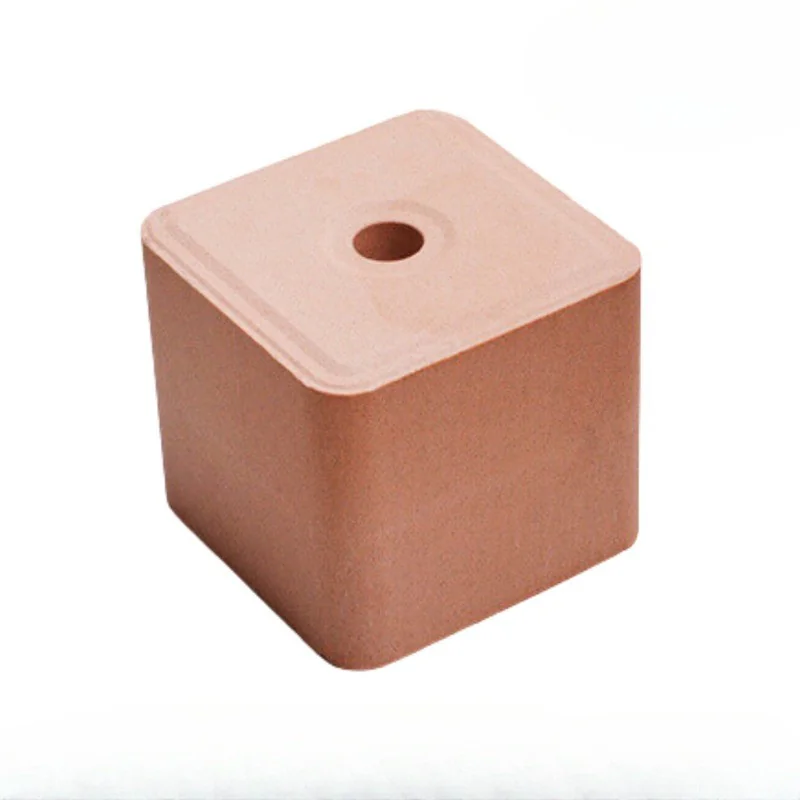
500T Sheep Lick Blocks Press press view 1
Sheep Lick Blocks · Hydraulic Press Machine

500 Ton Four Pillar Hydraulic Press for Cattle & Sheep Lick Blocks

500T Rated Capacity
150 mm/s Slider Down Speed
10–18 mm/s Slider Pressing Speed
180 mm/s Slider Return Speed

01 — Press System

500 Ton Four Pillar Hydraulic Press Machine

Heavy-duty 500-ton four-pillar hydraulic press engineered for high-density compression of livestock mineral blocks. It features precision guiding systems and anti-corrosive structural elements designed specifically for salt-based material processing.

Use Case

Industrial production of nutritional lick blocks tailored for cattle, sheep, and other ruminant livestock. Designed to compress dense, moisture-resistant mineral formulations into durable feeding blocks for indoor and pasture setups.

  • Core Applications: Compacts livestock nutritional feed materials into high-density lick blocks for commercial agricultural applications. Essential for livestock farming, dairy operations, sheep ranches, and open-pasture feeding environments.
  • Material: Utilizes sodium chloride mixed with essential mineral premixes, trace elements, and nutritional supplements. Formulated with binder agents such as molasses or lignosulfonates to ensure solid bonding and structural durability.
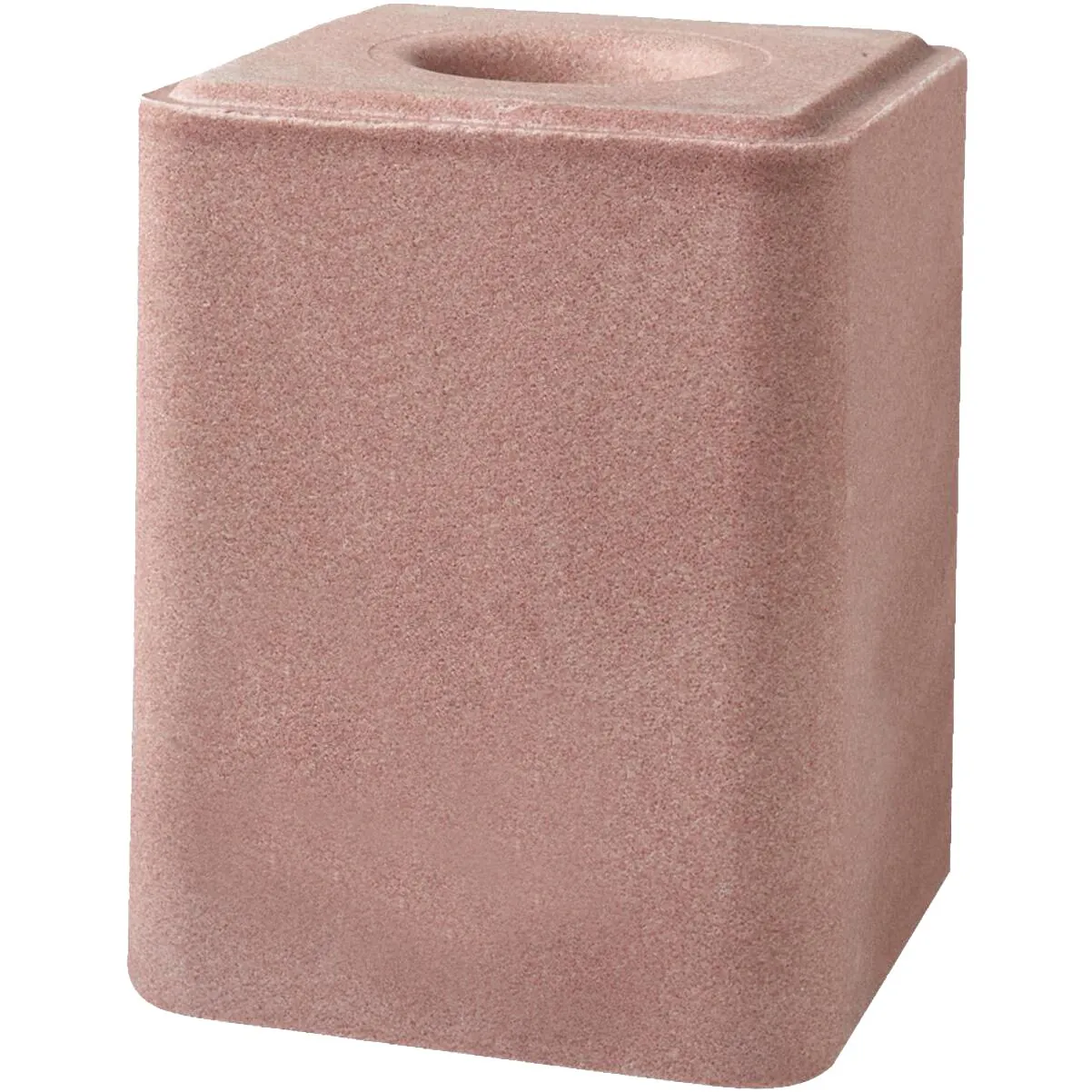
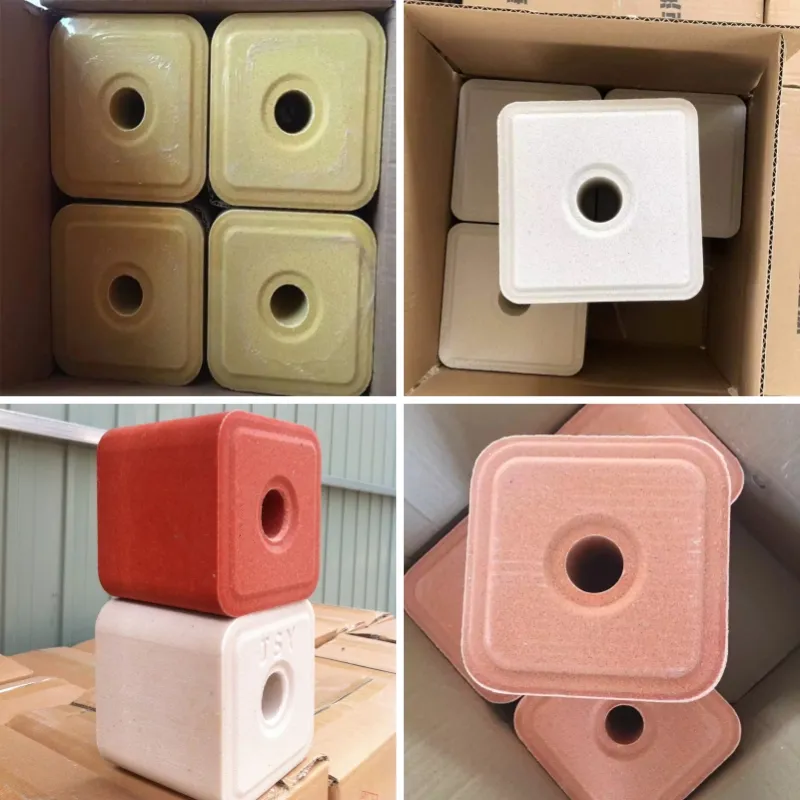
  • Products Processed: Processes dense cattle salt blocks, sheep mineral licks, and fortified protein feed bricks. Formulated to withstand outdoor weather conditions, preventing premature crumbling or moisture absorption in field use.
  • Why 500-Ton Hydraulic Press: Delivers optimal compaction tonnage required to eliminate air pockets and achieve uniform block density. Ensures consistent block weight, high mechanical strength, and reliable daily production throughput.

02 — Technical Specifications

SM 500 HP – HYDRAULIC PRESS MACHINE COMPLETE TECHNICAL DATA

The SM 500 HP – 500 Ton Hydraulic Press Machine is a robust and high-performance compaction system engineered for the production of cattle and sheep lick blocks. Its 500-ton pressing capacity provides the ideal balance of force and efficiency, ensuring uniform density, excellent structural strength, and consistent nutrient distribution in every block.

Capacity & Structural Design

  • Rated Capacity: 500 Tons (≈ 4900 kN)
  • Press Type: Fourpillar hydraulic press
  • Frame: Heavy welded steel (stress-relieved)
  • Safety factor: ≥ 1.35
  • Parallelism: ≤ 0.05–0.08 mm

Hydraulic System

  • Cylinder: Doubleacting
  • Bore: 380–450 mm
  • Stroke: 500–900 mm
  • Working pressure: 28–32 MPa
  • Control: Servo-proportional hydraulic

Production Line Equipment

1. Mixing System

  • Ribbon blender / paddle mixer
  • Capacity: 500–2000 kg/batch

2. Moisture Conditioning

  • Molasses spraying system
  • Moisture control: 3–10%

3. Feeding System

  • Hopper with screw feeder
  • Load cell-based dosing

4. Hydraulic Press Unit

  • Multi-cavity or single cavity mold
  • Automatic cycle operation

5. Ejection System

  • Hydraulic ejection
  • Conveyor transfer

6. Drying / Curing System

  • Air drying racks or tunnel dryer
  • Duration: 12–48 hours (ambient or forced air)

7. Packing Line

  • Weighing + sealing
  • Bagging (plastic/HDPE bags)

Compression Cycle

  1. Batch feeding into mold
  2. Mold closing
  3. Pre-compression (air removal)
  4. Full compression (high-pressure densification)
  5. Holding time (binder bonding)
  6. Decompression
  7. Mold opening
  8. Ejection & transfer

Working Envelope

  • Platen size: Standard: 800 × 800 mm
  • Daylight: 800–1200 mm
  • Column diameter: 140–180 mm

Control System

  • PLC: Siemens / Mitsubishi
  • HMI: Recipe-based

Controls:

  • Pressure
  • Time
  • Block weight
  • Moisture

Features:

  • Data logging
  • Batch traceability
  • Safety PLC

SM 500 HP — Model Specifications

  • Nominal Force: 5000 KN
  • Maximum Hydraulic Pressure: 25 MPa
  • Max Opening Height of the Slider: 1500 mm
  • Max Stroke of the Slider: 900 mm
  • Effective Bed Size: 1500 × 1500 mm
  • Slider Down Speed: 150 mm/s
  • Slider Pressing Speed: 10–18 mm/s
  • Slider Return Speed: 180 mm/s
  • Ejector Cylinder Nominal Force: 500 KN
  • Stroke of the Ejection Cylinder: 300 mm
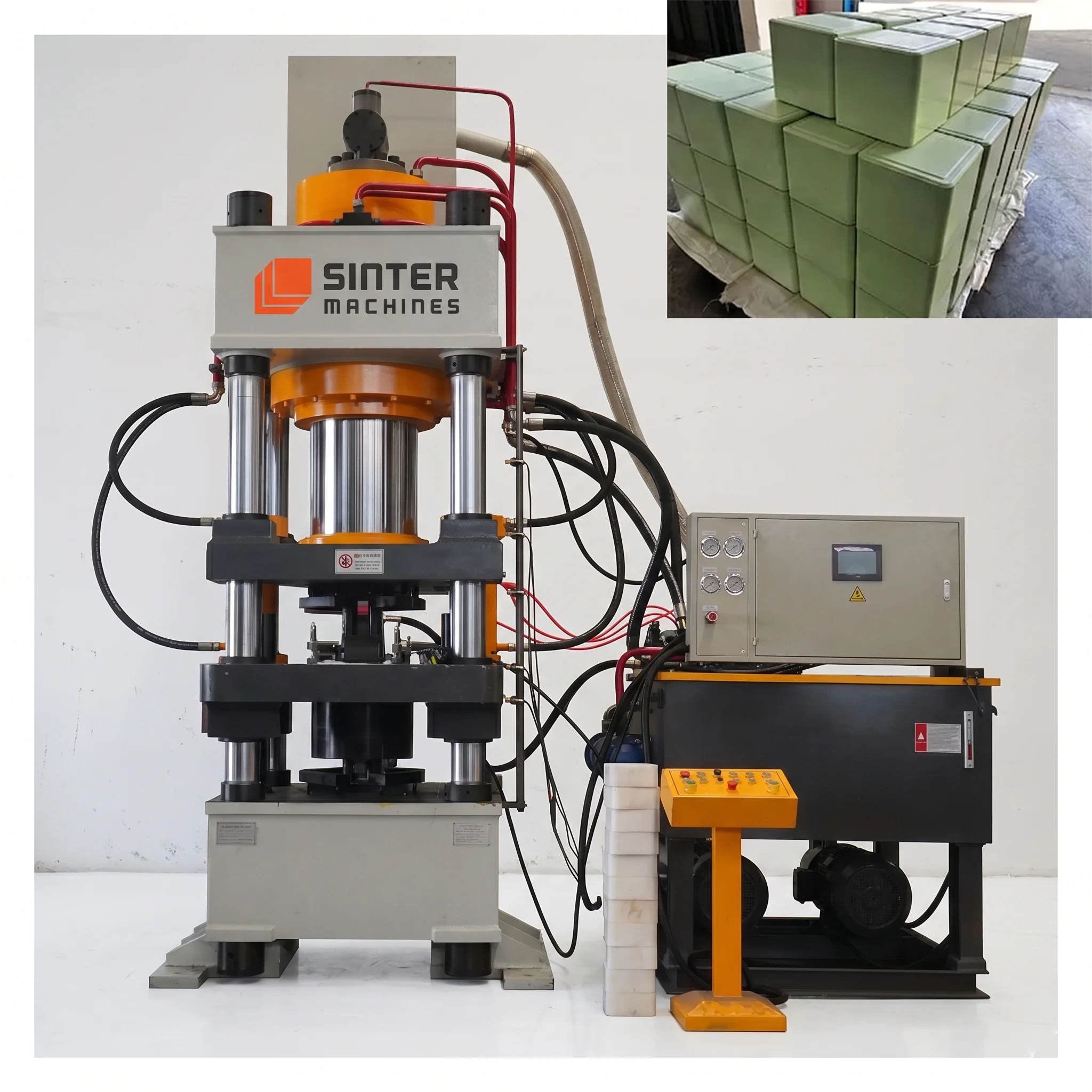
Production Case Study

Cattle & Sheep Lick Blocks Manufacturing Plant

Salt, Minerals, BindersRaw Material
5kg to 10kgBlock Weight
150x150 mm or 200x200 mmBlock Size
10 to 15 SecCycle Time
High daily volumetric output rate
Uniform brick density and weight
Fully automated continuous block ejection
Reduced manual labor handling requirement
High operational machine uptime efficiency
Consistent structural block strength durability
Low maintenance operational energy cost

03 — Die / Mold System

Precision Cattle & Sheep Lick Blocks Die Engineering

Precision Cattle & Sheep Lick Blocks Die Engineering is focused on designing and manufacturing high-accuracy dies that ensure consistent shape, size, and density in every lick block produced. The precision-engineered die system promotes uniform material flow and balanced compaction, resulting in strong, durable blocks with reliable nutrient distribution.

Technical Specifications

Mold Type

  • Compression mold
  • Multi-cavity symmetrical layout

Mold Materials

  • Tool steel: P20 / H13
  • Surface treatment:
    • Chrome / nickel plating
    • Anti-corrosion coating

Mold Construction

  • Upper punch: Multi-head compression
  • Lower cavity: Multi-cavity symmetrical layout
  • Alignment: ±0.02 mm
  • Ejection: Hydraulic ejector pins

Corrosion Protection: 

  • Salt-resistant coating 
  • Stainless inserts (optional)

Venting System

  • Micro vents
  • Channel-based air release

Prevents:

  • Cracks
  • Voids
  • Density non-uniformity

Surface Finish

AreaFinish
BlockSmooth / light texture
EdgesReinforced
BrandingEmbossed

Mold Life: 100,000 – 250,000 cycles

500T Sheep Lick Blocks Press die mold
Case Study (Die Performance)

Precision Cattle & Sheep Lick Blocks Die Mold

Cr12MoVDie Steel
58-62 HRCHardness
Vacuum HardeningHeat Treatment
High wear abrasion resistance
Excellent salt corrosion protection
Extended mold service life
High dimensional block accuracy
Uniform block compaction density
Reduced machine downtime frequency
Lower overall production cost

04 — Product Application

Where Cattle & Sheep Lick Blocks Are Used

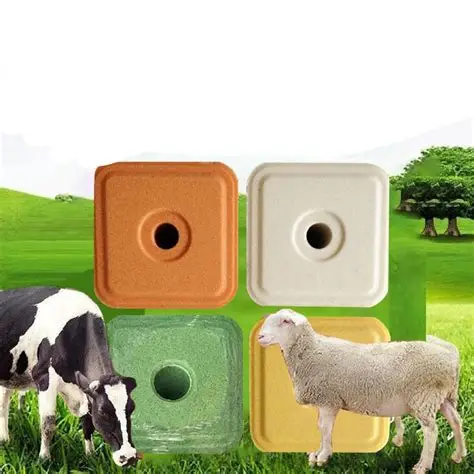
Cattle & Sheep Lick Blocks are widely used in the livestock and animal husbandry sectors to provide essential minerals, vitamins, and nutrients for cattle, sheep, goats, and other grazing animals. They are commonly placed in dairy farms, sheep farms, grazing pastures, feedlots, and breeding operations to support animal health, growth, and productivity.

Industry Applications

Livestock & Dairy

The Livestock & Dairy industry extensively uses cattle and sheep lick blocks as an effective source of mineral supplementation for maintaining animal health and productivity. These blocks provide essential nutrients for cattle, sheep, and goats, supporting growth, immunity, fertility, and overall well-being. They are widely used as nutrition blocks for sheep and goats to ensure consistent mineral intake in grazing and farm environments.

Agriculture

The Agriculture sector uses cattle and sheep lick blocks to provide essential minerals and nutrients for grazing livestock in pasture-based farming systems. These blocks serve as an effective solution for field mineral supplementation, ensuring animals have continuous access to vital nutrients throughout their grazing period.

Animal Feed Industry

The Animal Feed Industry utilizes cattle and sheep lick blocks as a convenient and effective source of essential minerals and nutrients for a variety of animals. These blocks are widely used as horse nutrition blocks, helping support bone health, muscle function, endurance, and overall performance.

Feed Manufacturing Sector

The Feed Manufacturing Sector relies on cattle and sheep lick blocks for industrial-scale feed block production, delivering consistent quality, density, and nutrient content across large production volumes. These blocks provide an efficient method of supplying essential minerals and trace elements to livestock, supporting health, growth, and productivity.

IndustryScenario
Dairy Farms Daily mineral feeding
Livestock Ranches Outdoor feeding
Agriculture Nutrient supplementation
Feed Industry Mass production
Export Standardized feed blocks

Finished Product Gallery

05 — Key Advantages

Why Choose the 500-Ton Sinter Hydraulic Press

The 500-Ton Sinter Hydraulic Press is an ideal solution for manufacturing cattle and sheep lick blocks, offering the perfect balance of compaction force, productivity, and cost efficiency. Its powerful hydraulic system ensures uniform density, excellent structural strength, and consistent nutrient distribution across every block.

01

Multi-cavity high output

Multi-cavity high output is a key advantage of the 500-Ton Sinter Hydraulic Press, enabling the simultaneous production of multiple cattle and sheep lick blocks in a single cycle. This significantly increases manufacturing capacity, improves production efficiency, and reduces per-unit production costs.

02

Cold compaction process

Cold compaction process is a major advantage of the 500-Ton Sinter Hydraulic Press for manufacturing cattle and sheep lick blocks. By forming blocks at low temperatures, the process helps preserve the nutritional value of minerals, vitamins, and feed additives while minimizing energy consumption. This results in lower operating costs, improved product quality, and reduced material degradation.

03

High-density durable blocks

High-density durable blocks produced by the 500-Ton Sinter Hydraulic Press offer exceptional strength, structural integrity, and resistance to cracking or breakage. The powerful compaction process creates dense and uniform lick blocks that withstand handling, transportation, and harsh outdoor conditions.

04

Controlled consumption

Controlled consumption is a key benefit of cattle and sheep lick blocks produced using the 500-Ton Sinter Hydraulic Press. The high-density compaction process creates durable blocks that animals consume gradually over time, ensuring a steady and controlled intake of essential minerals and nutrients.

05

High demand in livestock sector

High demand in the livestock sector is driven by the increasing need for effective mineral supplementation to support animal health, growth, fertility, and productivity. Cattle and sheep lick blocks provide a convenient and reliable source of essential minerals and trace nutrients for a wide range of livestock.

06

High ROI production line

High ROI production line is a key advantage of the 500-Ton Sinter Hydraulic Press, delivering strong returns through high production efficiency, reduced labor requirements, and optimized material utilization. Its multi-cavity capability and fast cycle times increase output while lowering per-unit manufacturing costs.