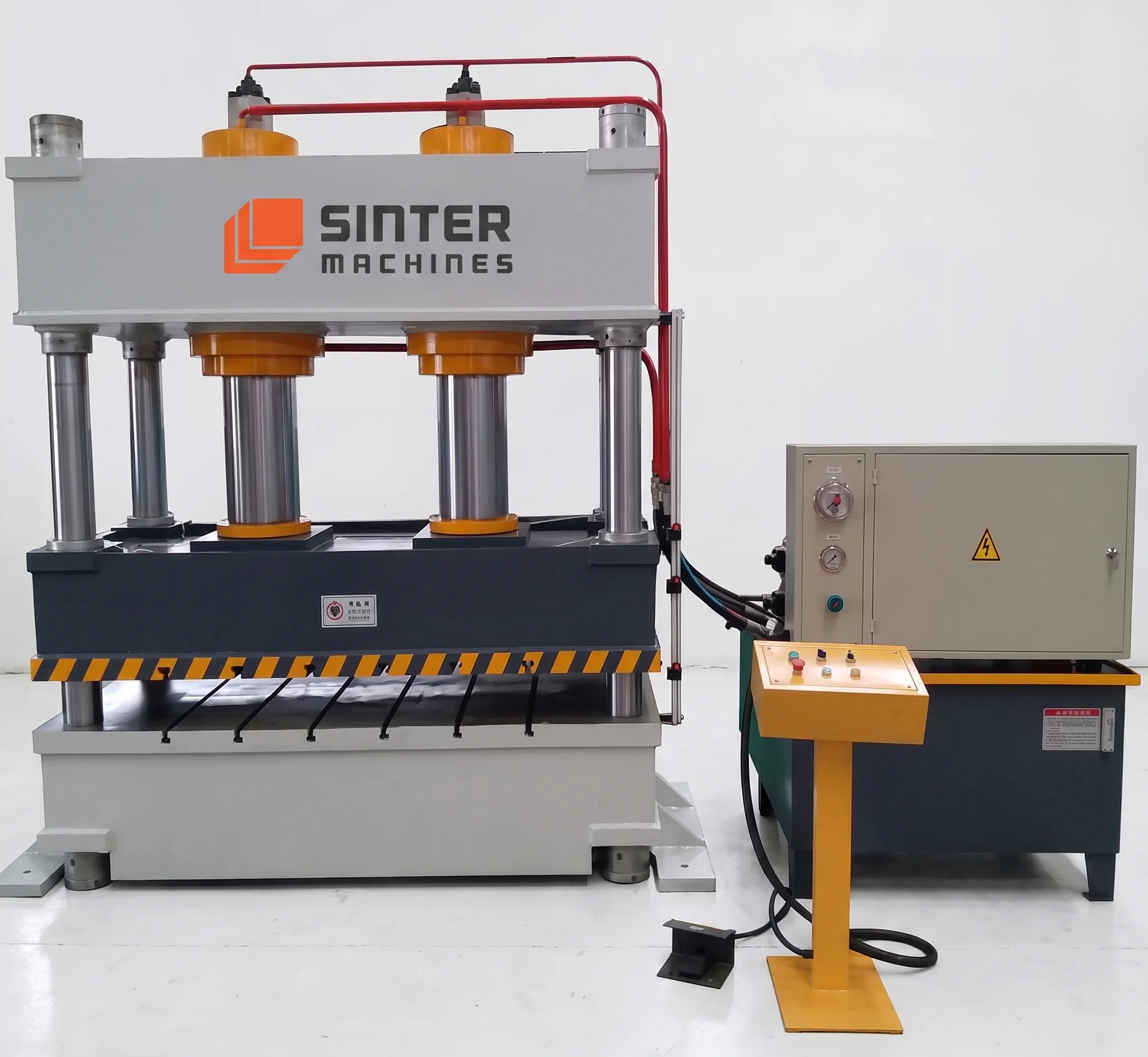
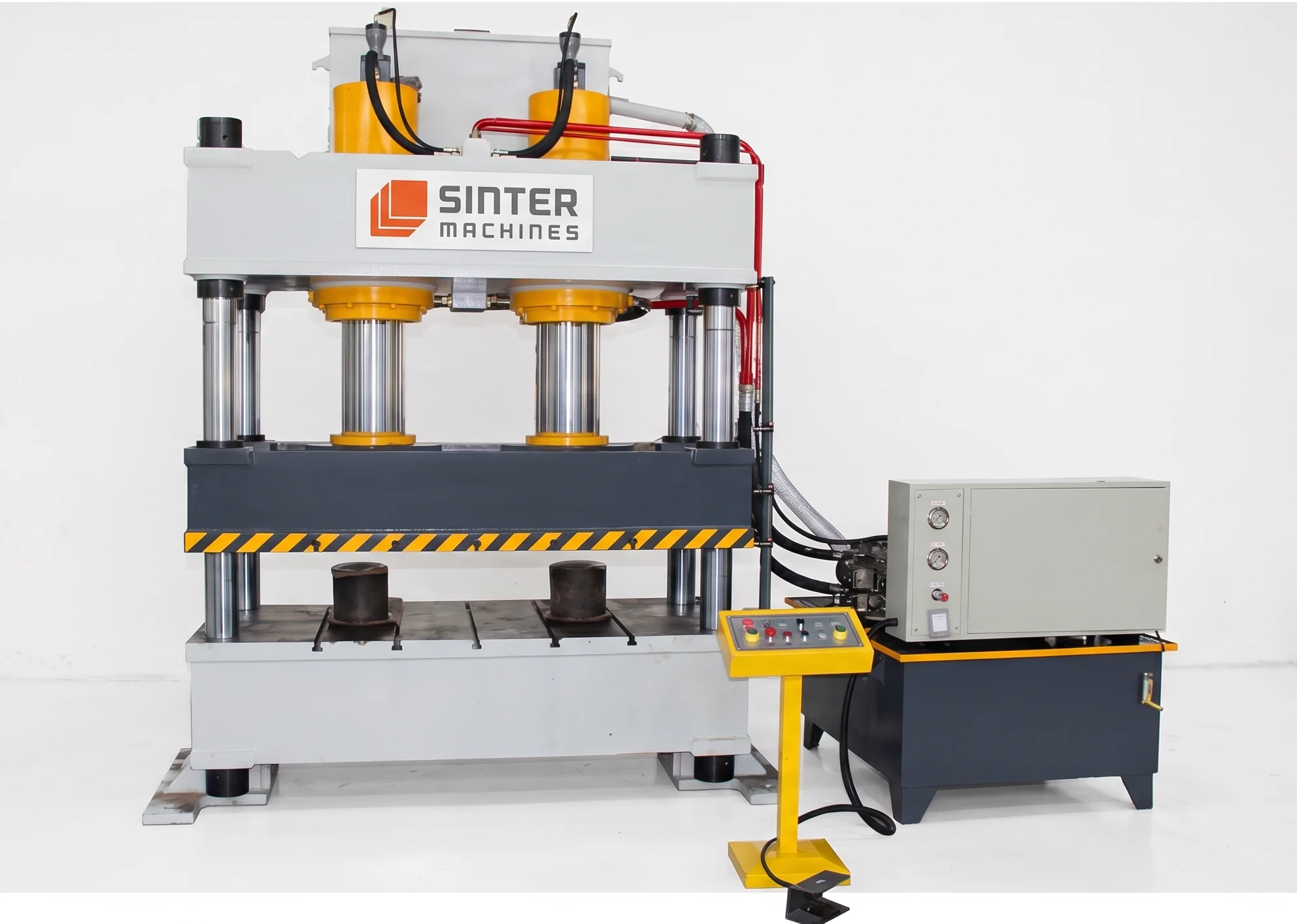
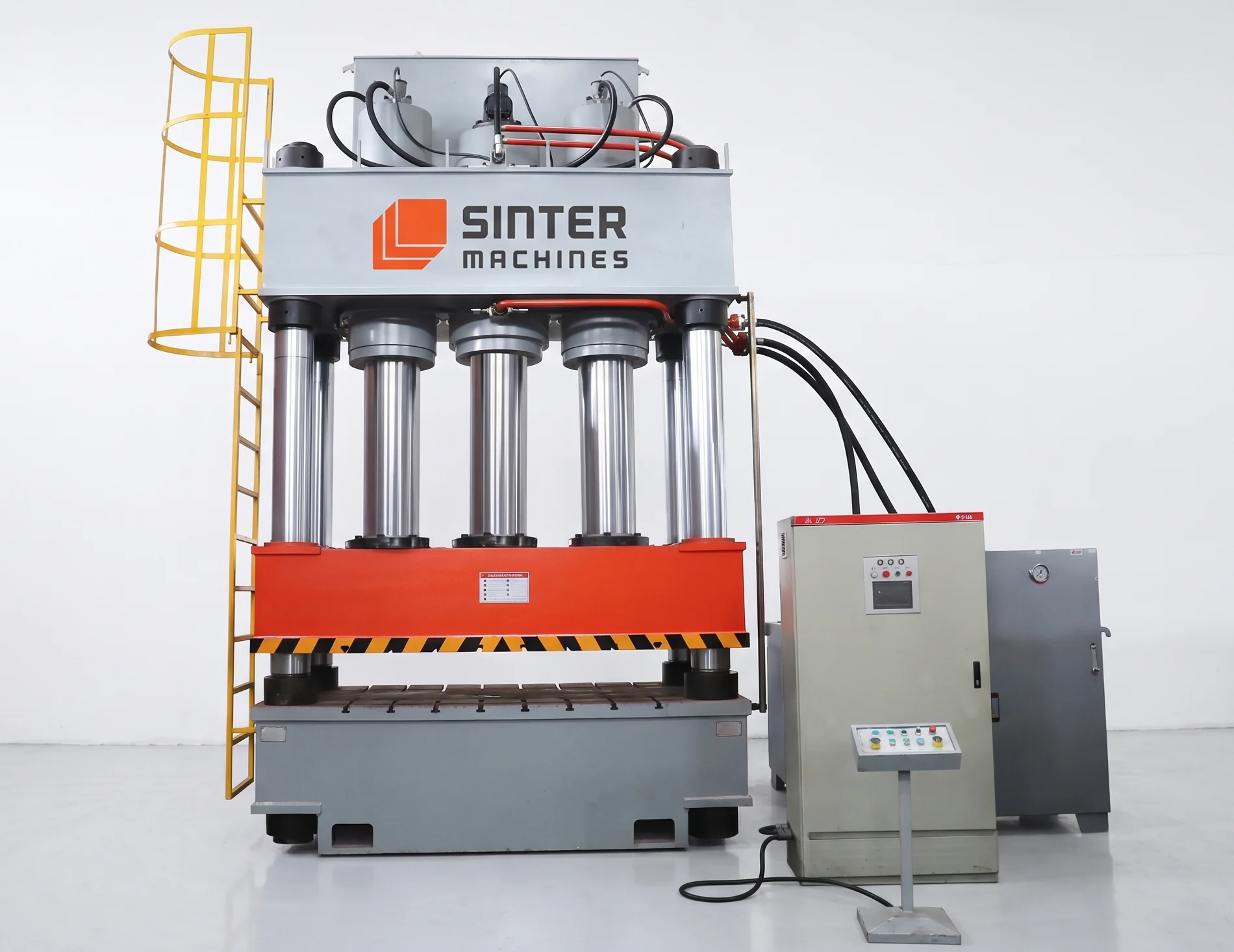
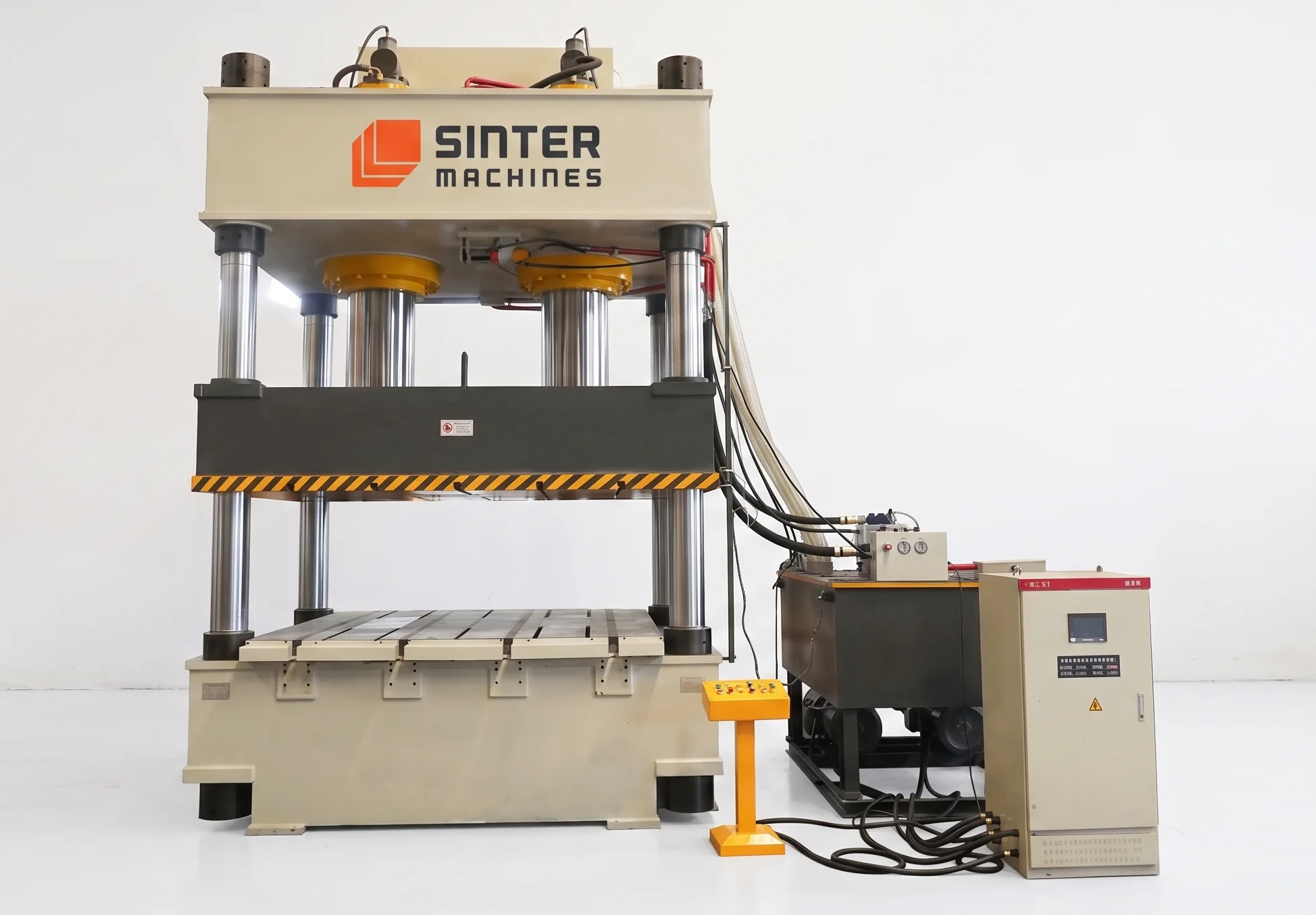
315T Waste Plastic Bottle Baling Press press view 1
Waste Plastic Bottle Baling · Hydraulic Press Machine

315 Ton Four Pillar Hydraulic Press for Waste Plastic Bottle Baling

315T Rated Capacity
100 mm/s Slider Down Speed
7–12 mm/s Slider Pressing Speed
90 mm/s Slider Return Speed

01 — Press System

315 Ton Four Pillar Hydraulic Press Machine

The 315-ton four-pillar hydraulic press from Sinter Hydraulics India is an efficient compaction solution engineered for continuous, heavy-duty waste plastic recycling operations. Its robust four-pillar structure and high-flow hydraulic system deliver uniform compaction force, creating dense, highly stable bales for economical material handling.

Use Case

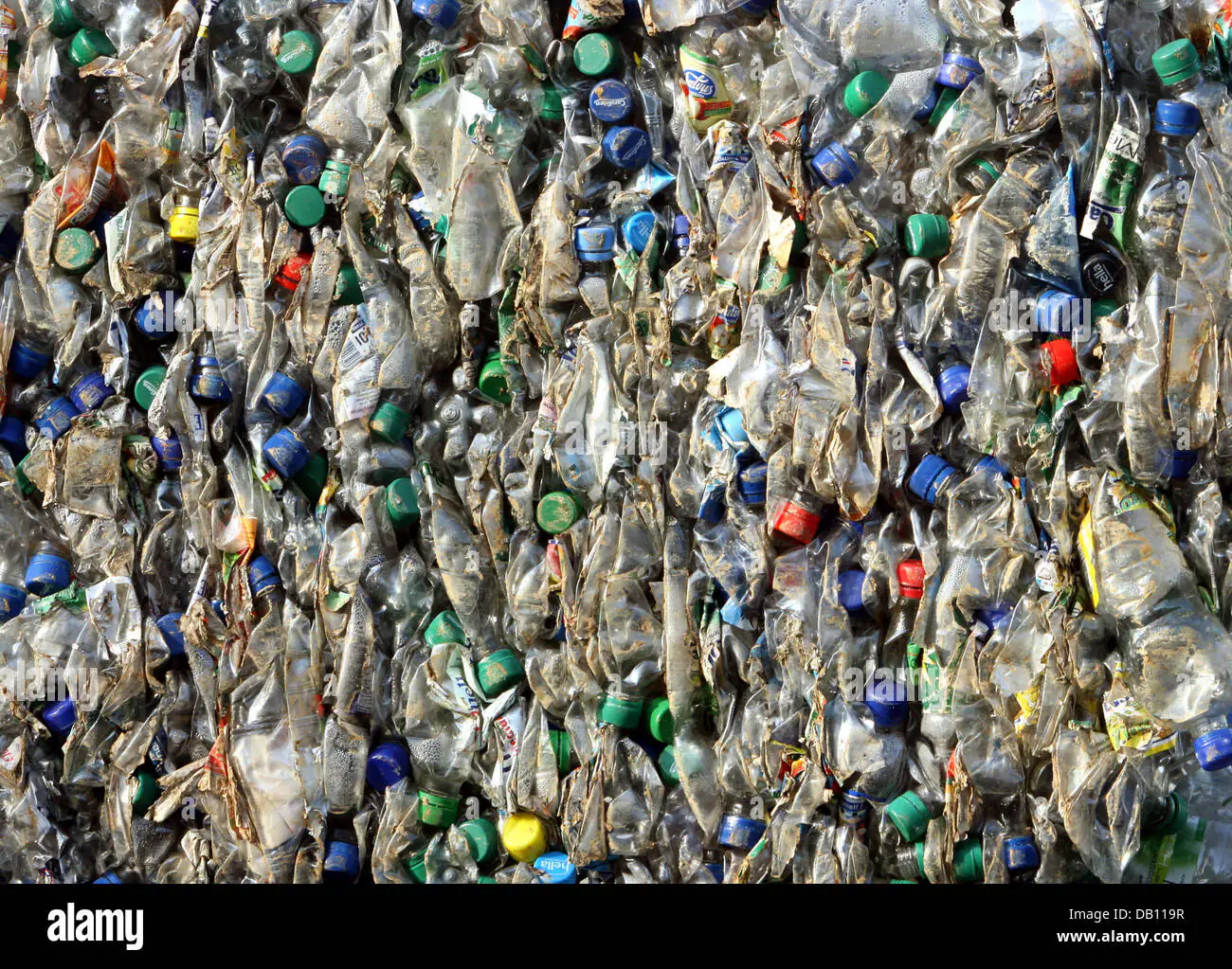
The 315-ton four-pillar hydraulic press is designed for baling and size reduction of PET, PP, and HDPE bottles and containers for easy handling and economical logistics. It compresses loose plastic packaging and post-consumer waste into dense rectangular bales, simplifying transport and downstream recycling processing.

Core Applications

  • High-density compaction and volume reduction of loose post-consumer plastic bottles and packaging containers
  • Formation of highly compacted, rectangular tied bales for optimized truck loading and maritime shipping
  • Industrial scrap recycling operations in municipal solid waste plants and plastic recycling facilities

Material

  • Polyethylene Terephthalate (PET) clear, colored, and washed plastic water and beverage bottles
  • High-Density Polyethylene (HDPE) blow-molded containers, milk jugs, detergent bottles, and drums
  • Polypropylene (PP) packaging trays, food containers, caps, closures, and mixed plastic scrap materials

Typical Products Processed

  • Crushed PET mineral water bottles, carbonated soft drink containers, and juice bottles
  • HDPE household chemical bottles, shampoo containers, and rigid hollow plastic containers
  • PP food tubs, industrial plastic buckets, bottle caps, and loose thin-walled plastic scrap

Key Functions

  • Application of a powerful 315-ton hydraulic compaction force to crush hollow plastic structures and eliminate trapped air space
  • Continuous multi-stage ram advance and compression hold to lock plastic memory and prevent material springback
  • Integrated hydraulic door opening and high-capacity ejection mechanism for effortless bale discharge

Why 315 Ton Hydraulic Press?

  • Provides the high compaction force required to overcome the springback and elastic rebound inherent in rigid plastic containers
  • Strong four-pillar alignment handles unevenly distributed waste loads during compression without causing ram tilt or frame distortion

02 — Technical Specifications

SM 315 HP – HYDRAULIC PRESS MACHINE COMPLETE TECHNICAL DATA

The SM 315 HP heavy-duty hydraulic press delivers high-tonnage compaction force and rigid four-pillar guidance engineered specifically for bulk waste plastic bottle baling. Its pre-stressed frame, high-flow hydraulic system, and multi-stage pressure holding eliminate material springback, ensuring high-density, transport-ready plastic bales.

Capacity

  • Maximum continuous vertical compaction force capacity of 3150 kN
  • Dedicated hydraulic bale ejection mechanism force capacity of 500 kN

Structural Design

  • Heavy stress relieved four column pillar structure engineered for high volume scrap plastic compaction
  • FEA stress relieved heavy steel plate welded bolster and upper moving press platen assembly

Frame Type

  • Precision aligned solid induction hardened pillar frame guide structure
  • Heavy duty stress relieved welded steel plate base bolster and guided compression slide plate

Hydraulic System

  • High flow variable displacement axial piston pump fluid power assembly
  • Multi stage high capacity offline oil filtration loop with integrated oil coolers

Main Ram Stroke

  • Maximum vertical slide compaction travel distance capability of 1000 mm
  • Adjustable mechanical and electronic stroke stroke limitation positioning system

Working Hydraulic Pressure

  • Maximum continuous operating main hydraulic system fluid pressure of 250 bar
  • Peak shock safety valve pressure relief calibration threshold limit of 280 bar

Daylight Gap

  • Maximum open vertical daylight window working clearance of 1500 mm
  • Minimum closed compaction chamber height space of 500 mm

Approach Speed

  • Accelerated downward advance slide rapid travel speed of 200 mm/Sec
  • Controlled scrap contact deceleration compaction velocity of 15 mm/Sec

Pressing / Drawing Speed

  • Precision high pressure waste plastic compaction speed of 5 to 15 mm/Sec
  • Maximum resistance continuous pressing velocity of 20 mm/Sec

Return Speed

  • Smooth upward ram retraction extraction travel speed of 180 mm/Sec
  • Fast automated hydraulic decompression pre return system cycle timing

Bed / Platen Size Platen

  • Total clear compression chamber bed width left to right of 1200 mm
  • Total clear compression chamber bed depth front to back of 1000 mm

Columns

  • High tensile forged alloy steel pillar diameter of 180 mm
  • Heavy duty wear resistant bronze guide bushings with automatic grease lubrication

Working Envelope

  • Total internal compaction chamber clear volume area of 1200 by 1000 mm
  • Maximum allowable top platen compaction load resistance capacity of 315 tons

Control System

  • Industrial programmable logic controller linked with a graphical touchscreen station
  • Dual redundant non contact linear transducer position tracking systems accurate within 0.010 mm

Main Motor Power

  • High efficiency primary hydraulic pump electric drive motor power of 37 kW
  • Dedicated auxiliary cooling and continuous oil filtration motor power of 4 kW

Valves & Hydraulics

  • High dynamic response proportional pressure and flow control cartridge valve manifold block
  • Fast acting overhead gravity pre fill oil valve unit assembly

Automation

  • Digital interface connection ports for synchronized conveyor feeding and auto tying systems
  • Integrated multi point hydraulic bale ejectors and automated chamber door locks

Safety Features

  • Dual channel infrared light curtain barriers guarding operator workspace zones
  • Automated heavy duty dual fail safe mechanical anti drop ram safety locking blocks

SM 315 HP — Model Specifications

  • Nominal Force: 3150 KN
  • Maximum Hydraulic Pressure: 25 MPa
  • Max Opening Height of the Slider: 1000 mm
  • Max Stroke of the Slider: 600 mm
  • Effective Bed Size: 800 × 800 mm
  • Slider Down Speed: 100 mm/s
  • Slider Pressing Speed: 7–12 mm/s
  • Slider Return Speed: 90 mm/s
  • Ejector Cylinder Nominal Force: 300 KN
  • Stroke of the Ejection Cylinder: 300 mm
Production Case Study

Waste Plastic Bottle Baling Production Line

PET, HDPE, PP bottlesMaterials
Up to 90% volume reduction densityMaterial Compression
45 to 90 SecCycle time
4 to 8 balesOutput/Hour
Maximum bale density achieved
Logistics transport costs reduced
Plastic material rebound eliminated
Plant storage footprint minimized
Automated bale ejection streamlined
Machine operational costs lowered
Extended structural service life

03 — Die / Mold System

Precision Waste Plastic Bottle Baling Die Mold Steel Fixture Engineering

This heavy-duty waste plastic bottle baling chamber features wear-resistant alloy steel lining plates, guided wire tying channels, and hydraulic bale ejection mechanisms. Engineered for 315-ton hydraulic compaction, it provides maximum volume reduction, prevents plastic rebound, and allows fast manual or automated strap tying.

Use Case

The waste plastic bottle baling chamber and fixture system integrates into 315-ton four-column hydraulic presses to compact loose PET, PP, and HDPE containers into high-density bales. Integrated strap tying channels allow operators to secure bales under full compression, simplifying transport and downstream recycling operations.

Technical Specifications (Tooling)

Die Type

  • Heavy duty compaction chamber mold frame assembly with integrated wire and strap tying slots
  • Rigid rectangular baling box structure with hydraulic door locks and automatic bale ejection pins

Die Materials

  • High strength NM400 wear resistant alloy steel inner chamber liner plates for maximum abrasion protection
  • Heavy duty Hardox 450 steel compaction platen face plates engineered to resist constant plastic friction

Tool Configuration & Construction

  • Precision CNC machined heavy steel plate welded chamber construction designed for high density volume reduction
  • Reinforced structural steel outer framework engineered to withstand lateral plastic expansion pressures up to 315 tons

Key Tooling Features

  • Precision aligned horizontal and vertical strap tying channels enabling rapid manual or automatic wire binding
  • High capacity rear hydraulic ejector ram unit pushing completed plastic bales smoothly out of the chamber

Alignment Accuracy

  • Moving upper platen slide to inner chamber wall guide clearance deviation kept strictly under a limit of 0.015 mm
  • Compaction platen parallelism variance across active chamber area restricted within a tolerance of 0.015 mm

Process Materials

  • Post consumer Polyethylene Terephthalate PET water carbonated beverage and juice bottles
  • High Density Polyethylene HDPE household chemical bottles milk jugs containers and Polypropylene PP packaging

Surface Finish

  • Inner chamber wear liner surfaces fine ground and anti rust coated down to a surface roughness of Ra 0.80 microns
  • Friction reducing polished platen face plates ensuring smooth plastic compression and easy bale extraction

Tool Life

  • Expected operational span of 150000 baling compression cycles before requiring inner liner plate replacement
  • Total structural steel chamber frame and base assembly lifespan capacity reaching 500000 production cycles before major rebuilds
Case Study (Die Performance)

Precision Waste Plastic Bottle Baling Die Mold Steel Fixture

NM400 & Hardox 450 AlloyDie Steel Fixture
45-50 HRCHardness
Quenched and TemperedHeat Treatment
Maximum bale compaction achieved
Plastic material rebound eliminated
Strap wire tying streamlined
Inner chamber wear minimized
Smooth bale ejection completed
Machine operational downtime reduced
Extended chamber service life

04 — Product Application

Where Waste Plastic Bottle Baling Are Used

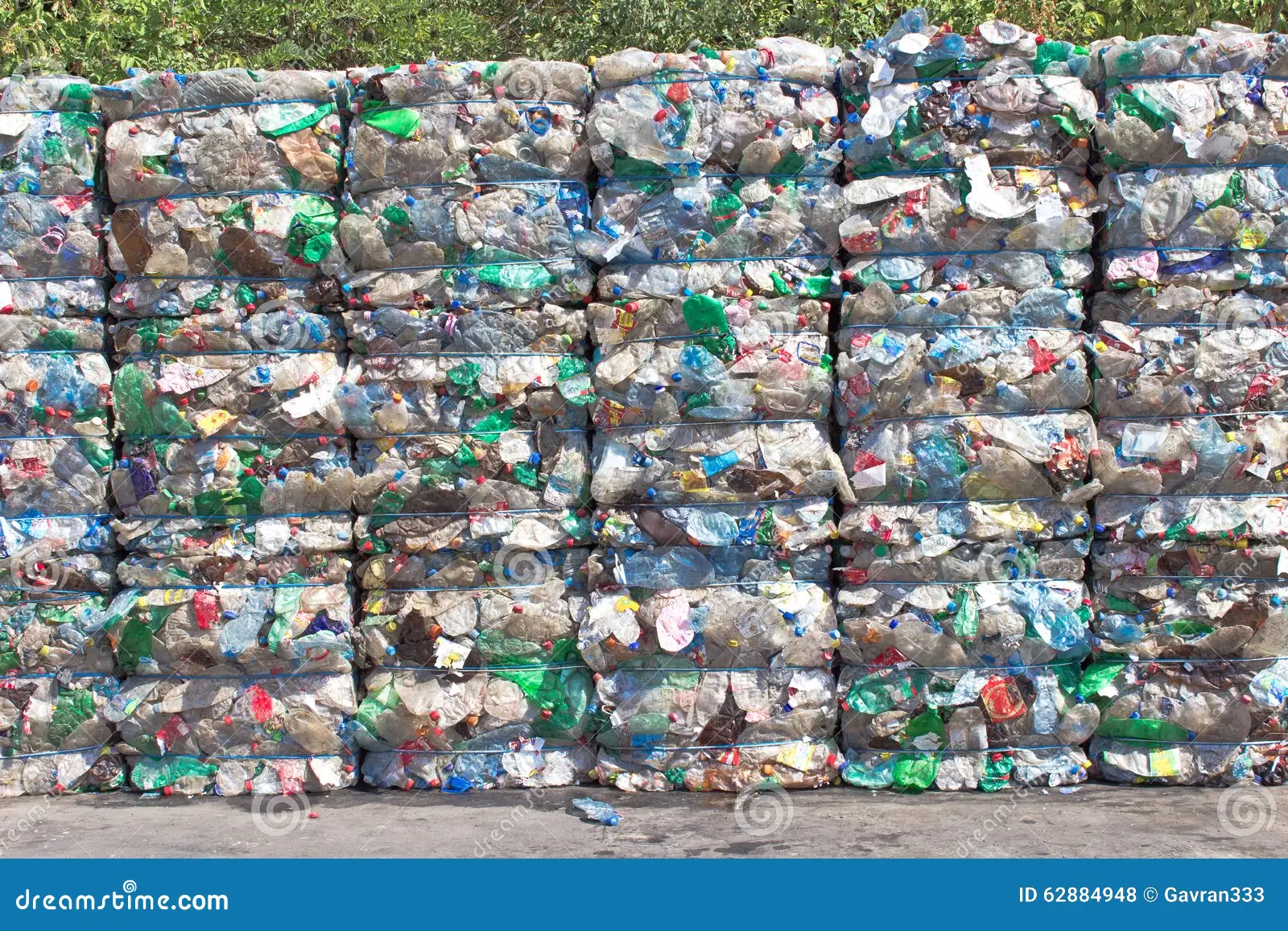
Industrial waste plastic bottle baling systems convert loose post-consumer containers into high-density, transport-ready rectangular bales. This drastic volume reduction simplifies material handling, optimizes shipping container capacity, and significantly lowers logistical overhead across global recycling networks.

Industry Applications

Waste plastic bottle baling solutions are implemented across municipal recovery plants, industrial bottling facilities, plastic recycling facilities, and commercial waste handling operations. High-tonnage hydraulic compaction delivers up to 90% volume reduction, producing rigid, stackable bales that lower freight costs, optimize storage space, and streamline downstream plastic processing.

Municipal Solid Waste Plants and Material Recovery Facilities

Processes bulk post-consumer plastic bottles collected from city curbside recycling and waste streams. Transforms loose bottles into standardized, stackable bales for efficient storage and automated sorting plant transport.

PET and HDPE Plastic Recycling and Washing Facilities

Compacts washed, sorted, or raw plastic scrap bottles into high-density bales prior to flake grinding. Streamlines internal plant storage and feeds automated bale-breaking systems continuously for steady recycling workflows.

Industrial Packaging and Bottling Plant Scrap Management

Bales rejected bottles, off-spec preforms, and production blow-molding scrap directly at manufacturing sites. Reclaims valuable factory floor space while preparing clean plastic waste for profitable resale to recycling processors.

Commercial Scrap Yards and Waste Export Logistics

Compresses loose plastic packaging into tightly bound bales engineered to maximize sea container and flatbed payload weights. Dramatically reduces shipping costs per ton and prevents plastic litter dispersal during long-distance haulage.

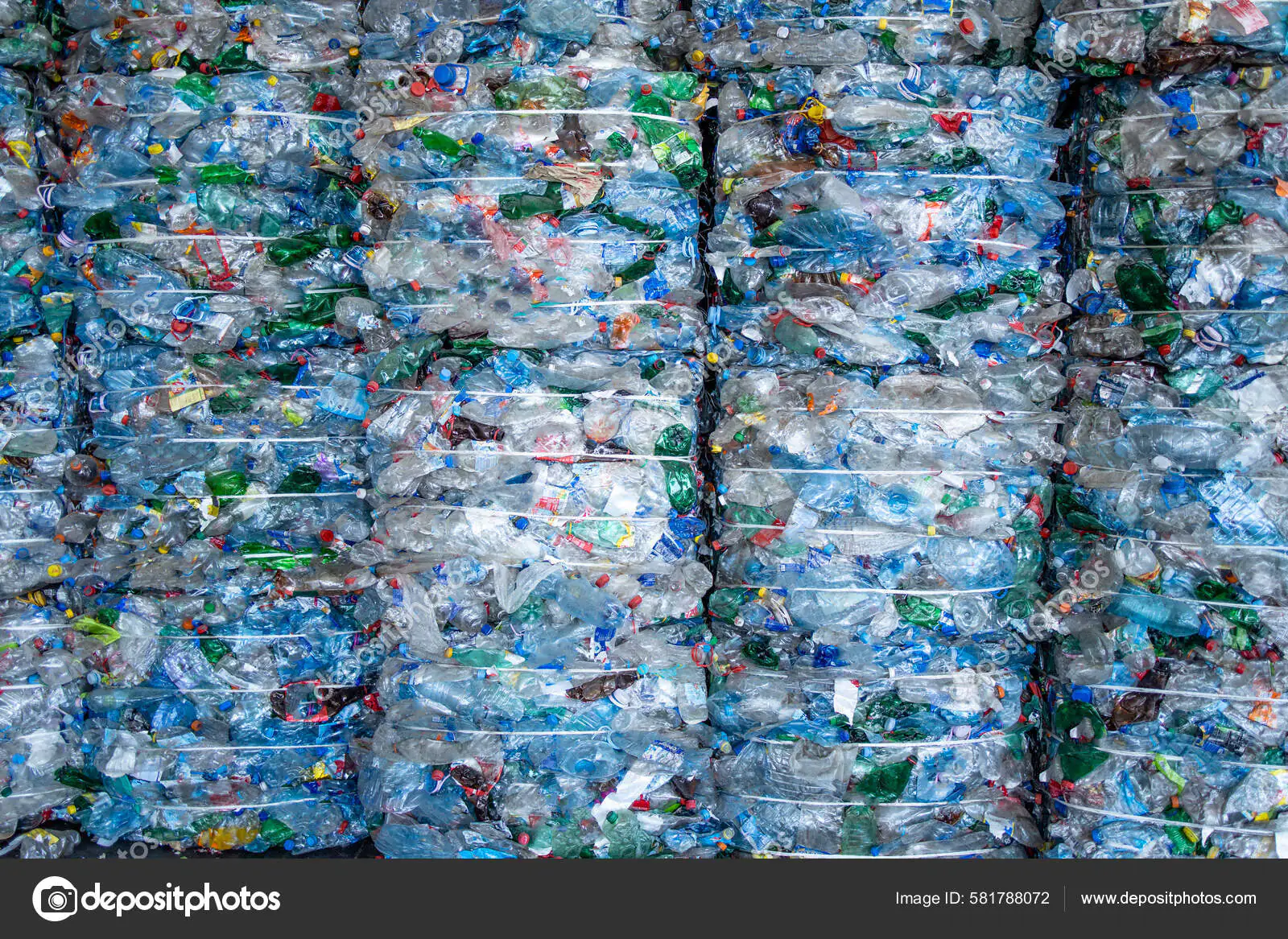
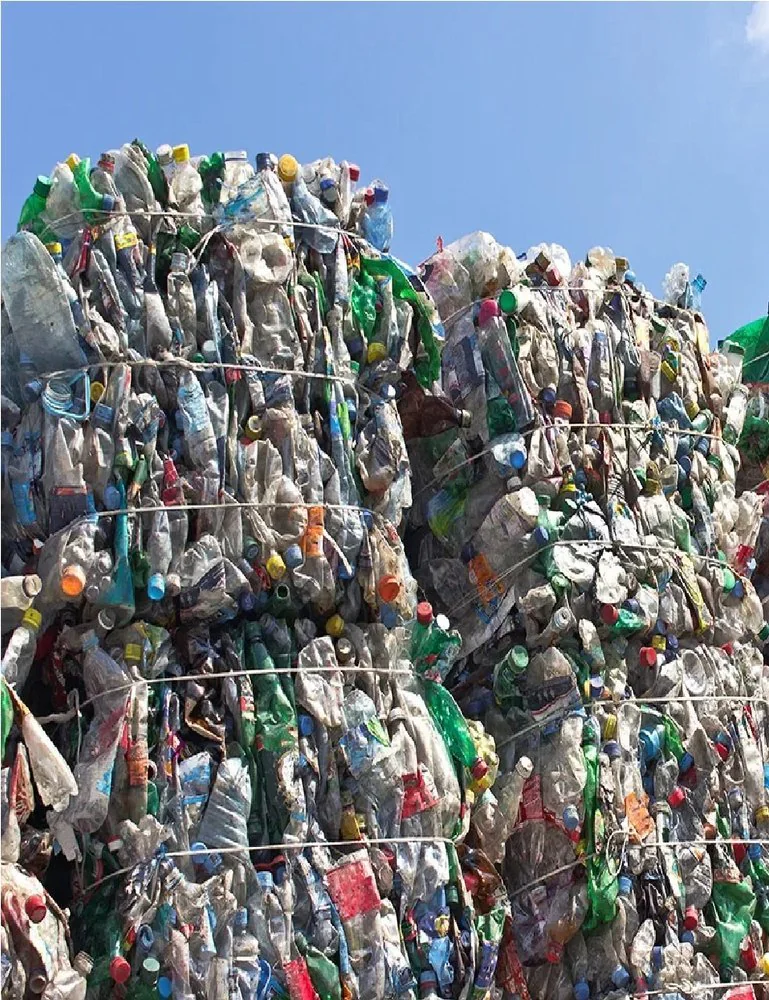
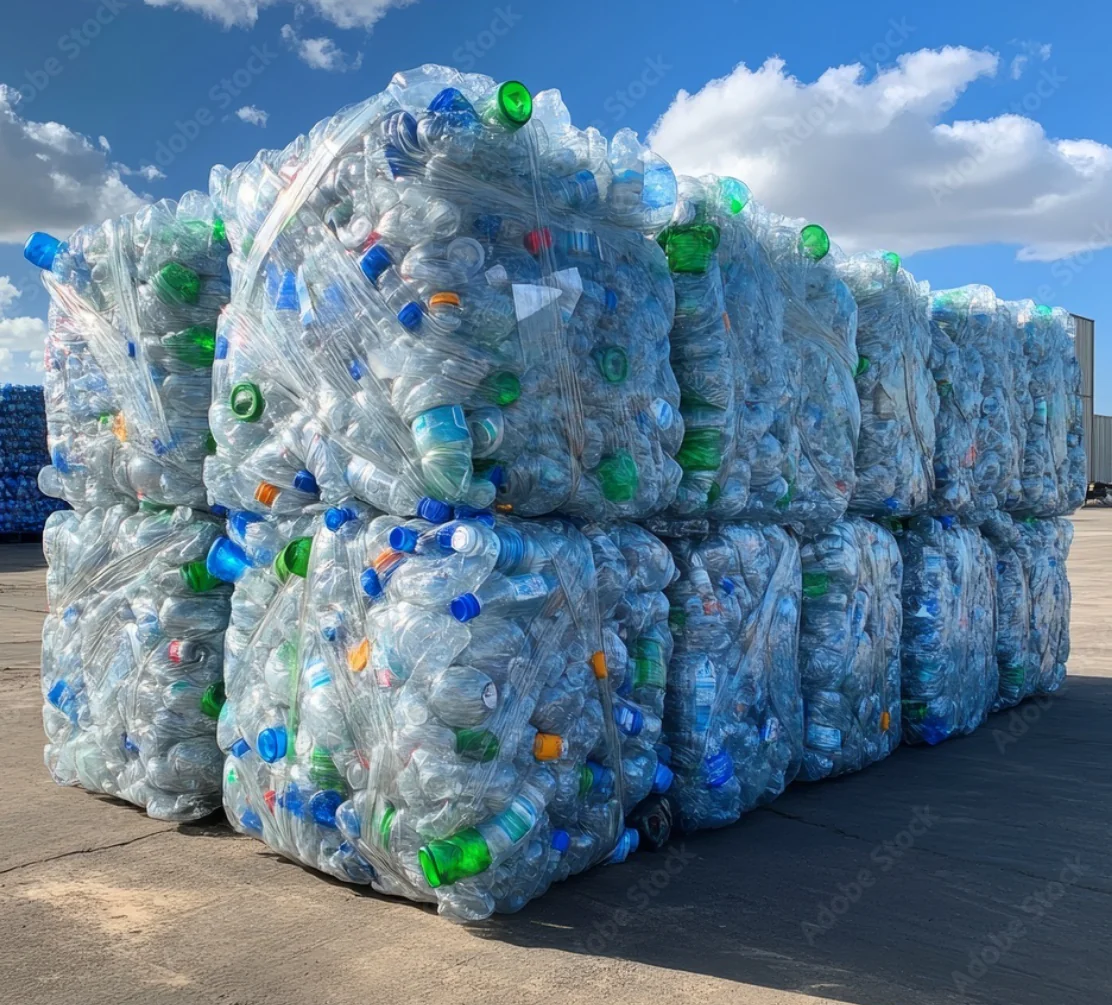
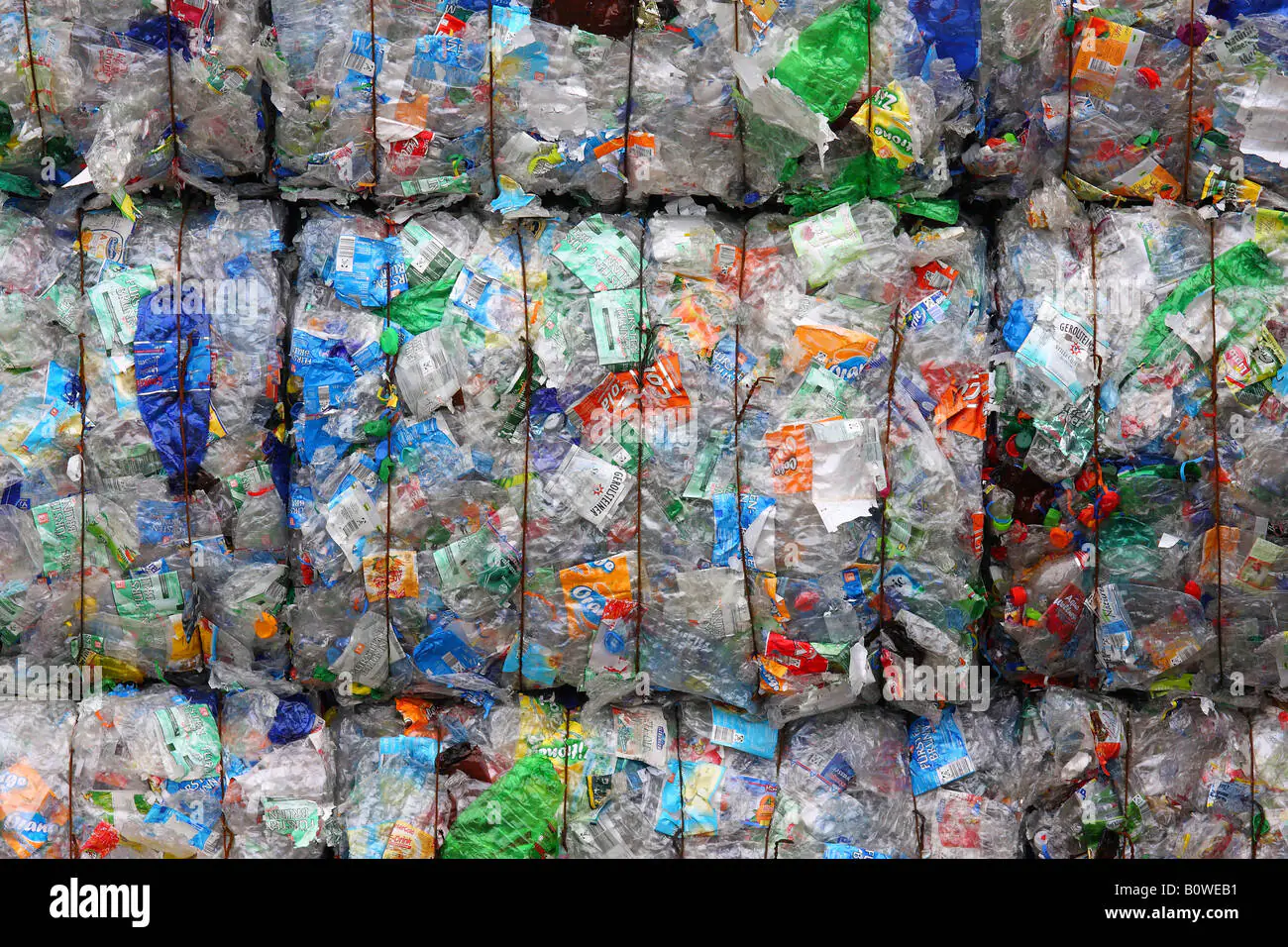
Finished Product Gallery

05 — Key Advantages

Why Choose the 315-Ton Sinter Hydraulic Press

The 315-Ton Sinter Hydraulic Press delivers heavy-duty compaction force and high volume reduction for processing post-consumer plastic bottles into dense bales. Its rigid four-pillar design, integrated strap tying channels, and fast hydraulic cycle times maximize recycling efficiency while lowering freight and storage overhead.

Technical & Commercial Benefits

01

High 315-Ton Compaction Force Achieving Up to 90 Percent Volume Reduction

Delivers massive hydraulic pressing force to crush rigid PET, HDPE, and PP containers and eliminate trapped air space. Dense rectangular bales maximize truck and sea container payload limits, dramatically cutting transportation costs per ton.

02

Heavy-Duty Four-Pillared Frame Eliminating Off-Center Ram Tilt

Built with high-tensile induction-hardened alloy pillars that maintain platen alignment under unevenly distributed scrap loads. Rigid guidance prevents ram binding and frame deflection, ensuring long-term structural reliability during continuous baling operations.

03

Integrated Strap Tying Slots Enabling Rapid Bale Binding

Features precision-aligned horizontal and vertical channels across the chamber and platen to guide manual or automatic binding wires. Securing straps while the material remains under full hydraulic compression prevents plastic springback once ejected.

04

Automated Hydraulic Ejection Unit Streamlining Bale Discharge

Integrates a high-capacity rear ejector cylinder and hydraulic door lock mechanism to discharge finished bales effortlessly. Automated ejection eliminates manual pulling, reducing operator fatigue and speeding up overall cycle turnarounds.

05

Wear-Resistant Hardox Chamber Liners Minimizing Maintenance Downtime

Lined with heavy-duty NM400 and Hardox alloy steel plates that withstand constant friction from abrasive plastic bottles and grit. Replaceable wear liners protect the main machine structure, reducing maintenance costs and extending operating life.

06

High-Flow Variable Hydraulic System Lowering Processing Costs Per Bale

Utilizes high-output axial piston pumps with rapid approach speeds up to 200 mm/Sec for high-throughput baling. Fast hydraulic cycling combined with energy-efficient motor controls minimizes electricity consumption and maximizes plant profitability.