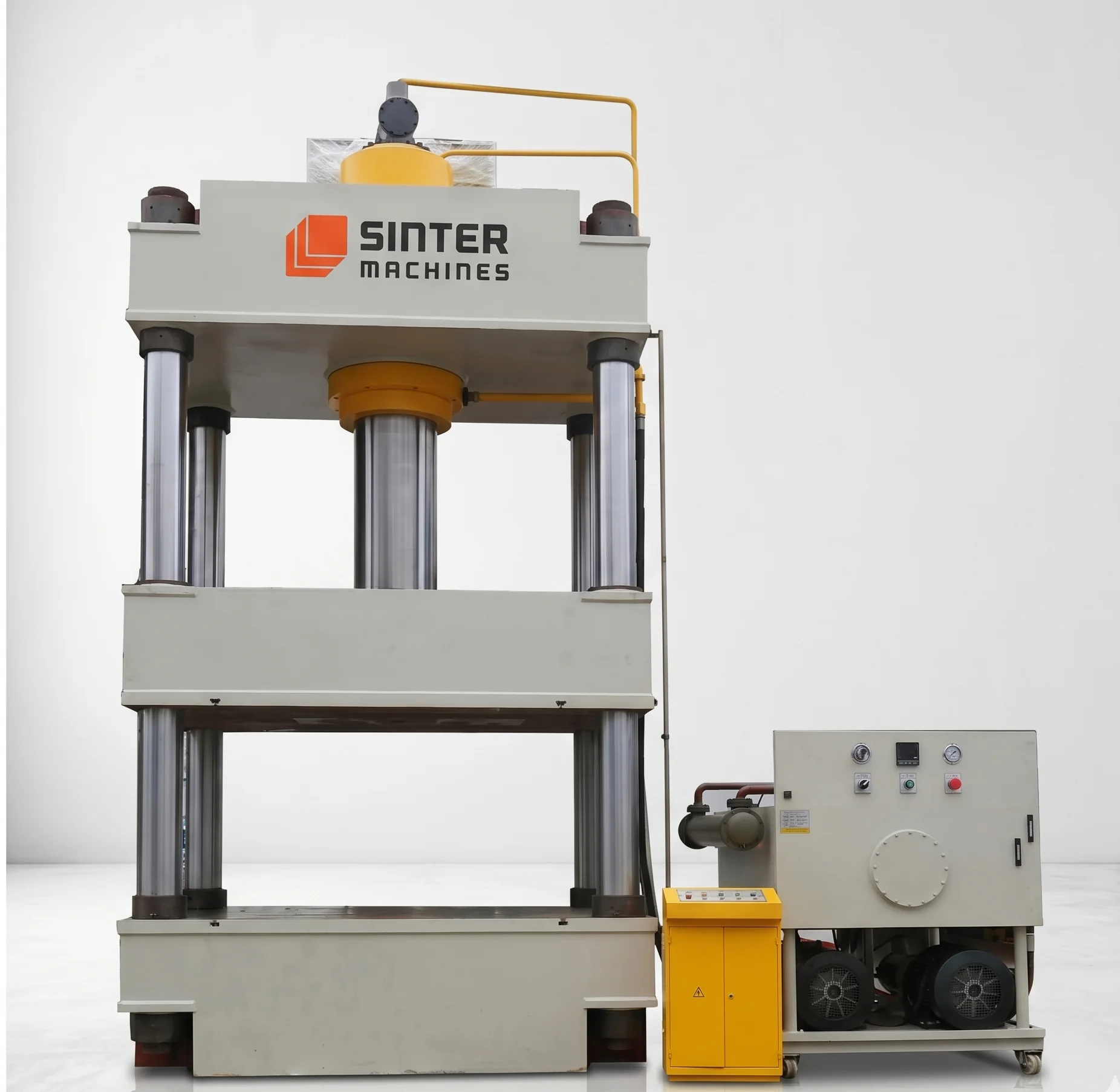
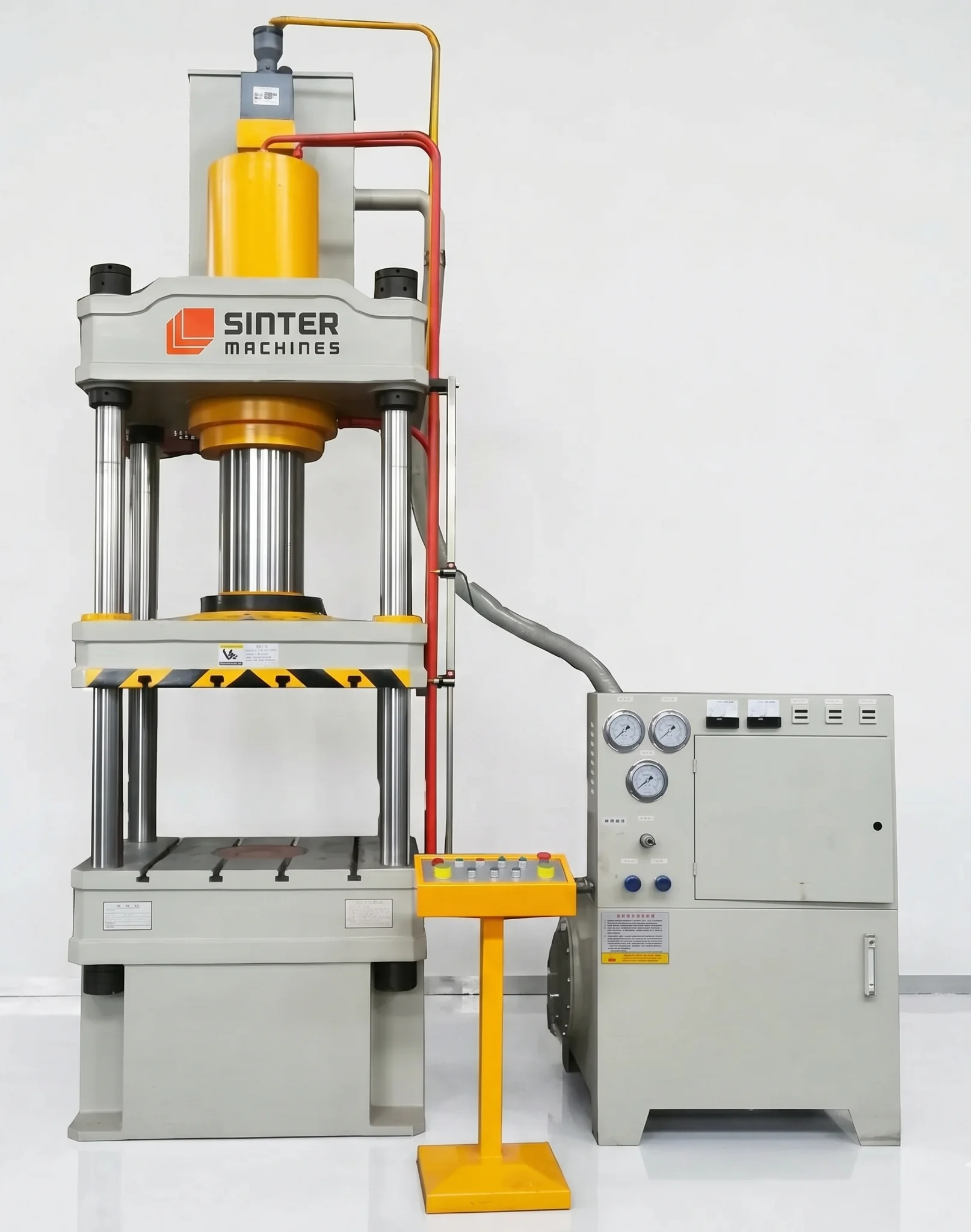
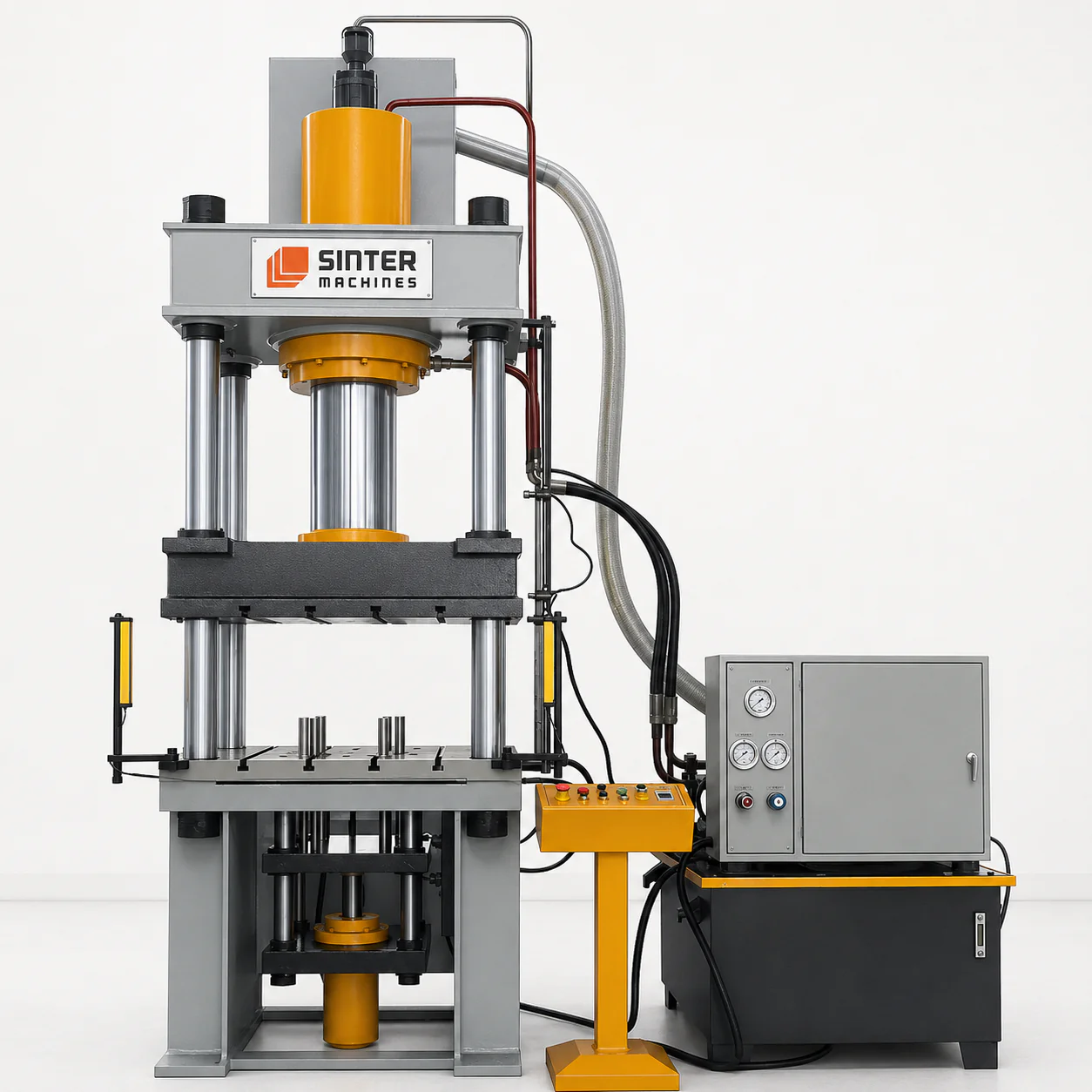
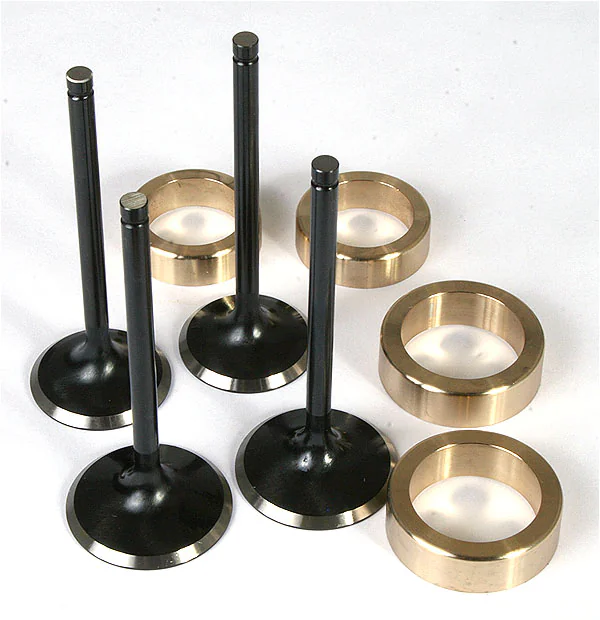
200T Small Valve Seats & Guides Press press view 1
Small Valve Seats & Guides · Hydraulic Press Machine

200 Ton Four Column Hydraulic Press for Small Valve Seats & Guides

200T Rated Capacity
100 mm/s Slider Down Speed
7–18 mm/s Slider Pressing Speed
90 mm/s Slider Return Speed

01 — Press System

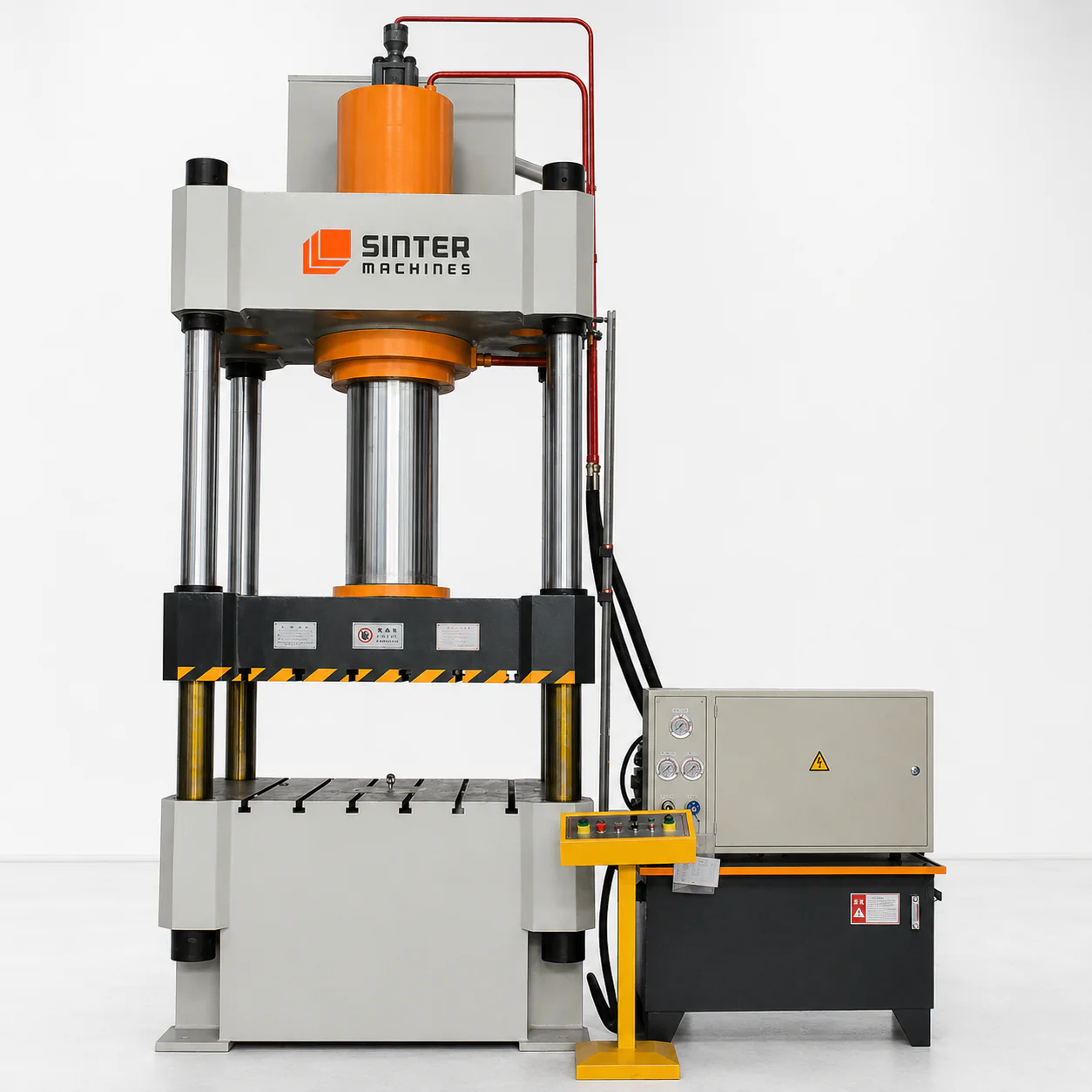
200T Four Column Hydraulic Press Machine

This heavy-duty press provides the precise, multi-directional force required to compact metal powders into dense, high-accuracy engine components. It ensures uniform density distribution and reliable structural integrity across every manufactured batch.

Use Case

Primarily engineered for the powder metallurgy compaction of engine valve seats and valve guides. It efficiently handles fine metal powders and additives to produce high-wear, heat-resistant automotive components.

  • Core Applications: High-precision powder metallurgy compaction for automotive and industrial engine valve seats and valve guides. It is also suitable for manufacturing self-lubricating bearings and custom wear-resistant metallic components.
  • Material: Utilizes iron, bronze, iron-copper, and stainless steel powders mixed with functional graphite and zinc stearate lubricants. Post-processing often involves specialized oil impregnation agents to enhance component longevity.
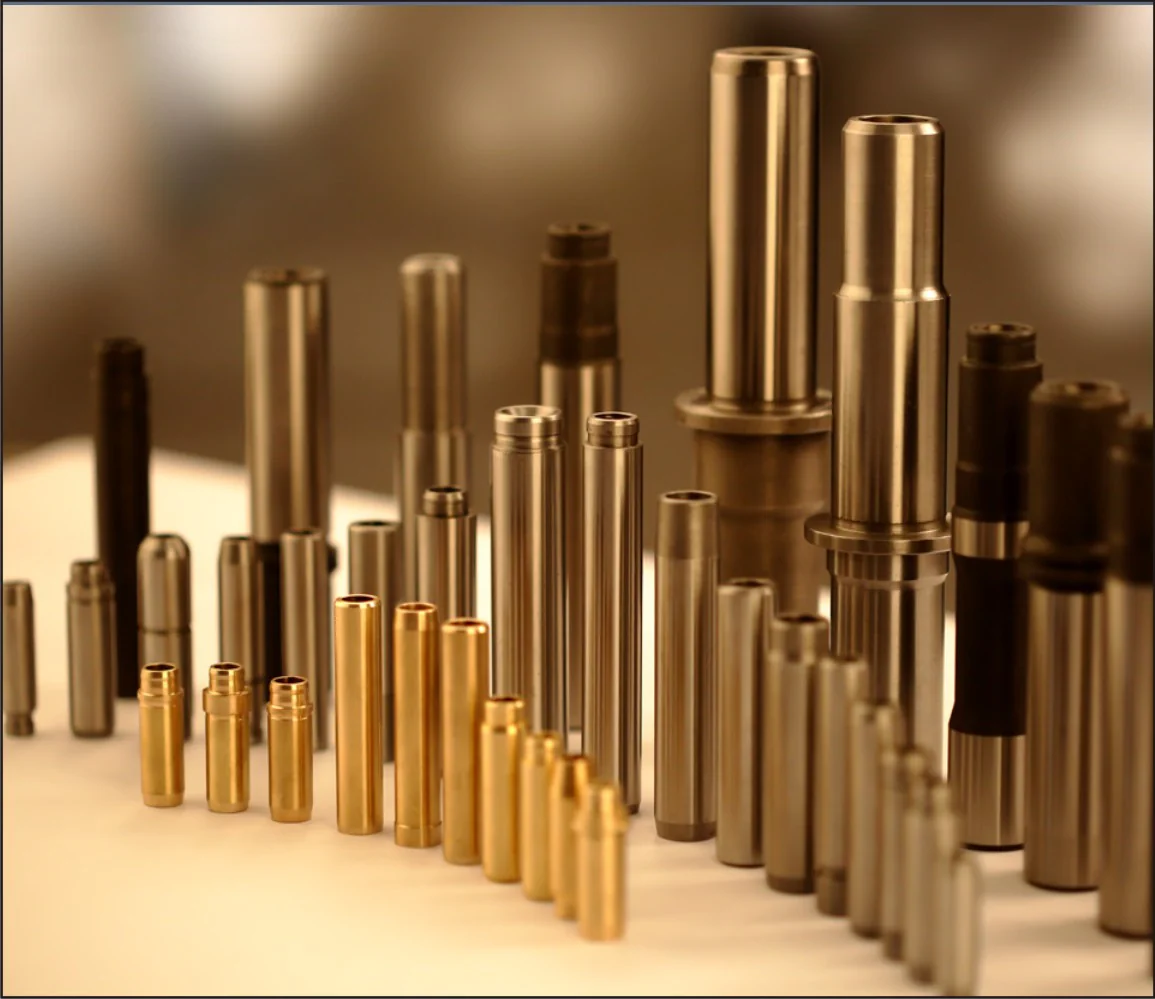
  • Products Processed: Engine valve seats, valve guides, small self-lubricating bushings, and structural powder metal parts. These finished products exhibit excellent wear resistance, high thermal stability, and tight dimensional tolerances.
  • Why 200-Ton Hydraulic Press: Delivers the optimum force needed to achieve high green density in small, intricate powder-compacted geometries. The four-column alignment prevents uneven tool wear while ensuring consistent part dimensions under intense pressure.

02 — Technical Specifications

SM 200 HP – HYDRAULIC PRESS MACHINE COMPLETE TECHNICAL DATA

The SM 200 HP – 200 Ton Hydraulic Press Machine is specifically engineered for the high-precision production of powder metallurgy (PM) valve seats and valve guides used in automotive, two-wheeler, and small-engine applications. Its advanced hydraulic compaction system delivers accurate pressure control and uniform density distribution, ensuring excellent dimensional accuracy, controlled porosity, and superior green strength in small-sized components.

Capacity & Structural Design

  • Rated Capacity: 200 Tons (≈ 1960 kN)
  • Type: Fourpillar hydraulic PM compaction press
  • Frame: High-rigidity welded steel
  • Safety factor: ≥ 1.30–1.35
  • Parallelism accuracy: ≤ 0.02–0.04 mm (critical for precision parts)

Hydraulic System

  • Cylinder: Doubleacting / precision multi-action
  • Bore: 220–280 mm
  • Stroke: 250–500 mm
  • Working pressure: 25–30 MPa
  • Control: Servo-proportional system

Multi-Level Compaction

  • Upper punch control
  • Lower punch control
  • Core rod alignment

Ensures:

  • Uniform density in rings/sleeves
  • Accurate internal diameter
  • No cracking or distortion

Compaction Cycle

  1. Powder filling into die cavity
  2. Punch approach and alignment
  3. Pre-compaction (air removal)
  4. Main compaction (densification)
  5. Pressure holding
  6. Decompression
  7. Green component ejection

Working Envelope

  • Platen size: 500 × 500 mm
  • Daylight: 500–800 mm
  • Column diameter: 80–120 mm

Control System

  • PLC: Siemens / Mitsubishi / Delta
  • HMI: Precision control interface

Controls:

  • Pressure stages
  • Stroke position
  • Speed control
  • Density repeatability

Features:

  • Real-time monitoring
  • Data logging
  • Safety PLC

SM 200 HP — Model Specifications

  • Nominal Force: 2000 KN
  • Maximum Hydraulic Pressure: 25 MPa
  • Max Opening Height of the Slider: 1100 mm
  • Max Stroke of the Slider: 700 mm
  • Effective Bed Size: 1000 × 1000 mm
  • Slider Down Speed: 100 mm/s
  • Slider Pressing Speed: 7–18 mm/s
  • Slider Return Speed: 90 mm/s
  • Ejector Cylinder Nominal Force: 300 KN
  • Stroke of the Ejection Cylinder: 300 mm
Production Case Study

Powder Metallurgy (PM) Small Valve Seats and Valve Guides Production Line

Iron, Steel, Bronze PowdersRaw Material
15g to 150gProduct Weight
6.5 to 7.1 g/cm³Green Density
6to 12 SecCycle Time
High Precision Compaction
Automated Powder Feeding
Uniform Density Distribution
Multi Cavity Die Capability
Reduced Post Processing
High Material Efficiency
Continuous Continuous Output

03 — Die / Mold System

Precision Powder Metallurgy (PM) Small Valve Seats and Valve Guides Die Mold Engineering

Precision Powder Metallurgy (PM) Small Valve Seats and Valve Guides Die Mold Engineering focuses on the design and manufacture of high-accuracy tooling for producing small, critical engine components with tight dimensional tolerances and consistent material properties. Advanced die mold designs ensure uniform powder filling, precise compaction, and controlled porosity, resulting in superior wear resistance, thermal stability, and mechanical performance.

Technical Specifications (Tooling)

Tool Type

  • Precision cylindrical PM tooling system
  • Core rod-based geometry control

Tool Materials

  • Tool steels: D2 / H13 / carbide inserts
  • Hardness: 60–64 HRC

Tool Construction

  • Upper punch → external geometry
  • Lower punch → support base
  • Die cavity → OD control
  • Core rod → ID (critical feature)

Core Rod System

  • Precision ground core rods
  • Replaceable inserts
  • High wear resistance

Ensures:

  • Smooth valve movement
  • Accurate clearance
  • Reduced friction

Alignment Accuracy: ±0.01 mm

Surface Finish

AreaFinish
Inner borePolished (Ra ≤ 0.4 µm)
Outer surfaceSmooth
Seat surfacePrecision finished

Lubrication

  • Internal powder lubrication
  • Tool coatings (optional: TiN, DLC)

Tool Life: 200,000 – 500,000 cycles
Case Study (Die Performance)

Powder Metallurgy (PM) Valve Seats and Valve Guides Die Mold Tooling

AISI H13 Tool SteelDie Steel
62 to 66 HRCHardness
Vacuum HardeningHeat Treatment
High Wear Resistance
Tight Dimensional Tolerances
Extended Tooling Life
Superior Surface Finish
High Impact Strength
Polished Die Cavity

04 — Product Application

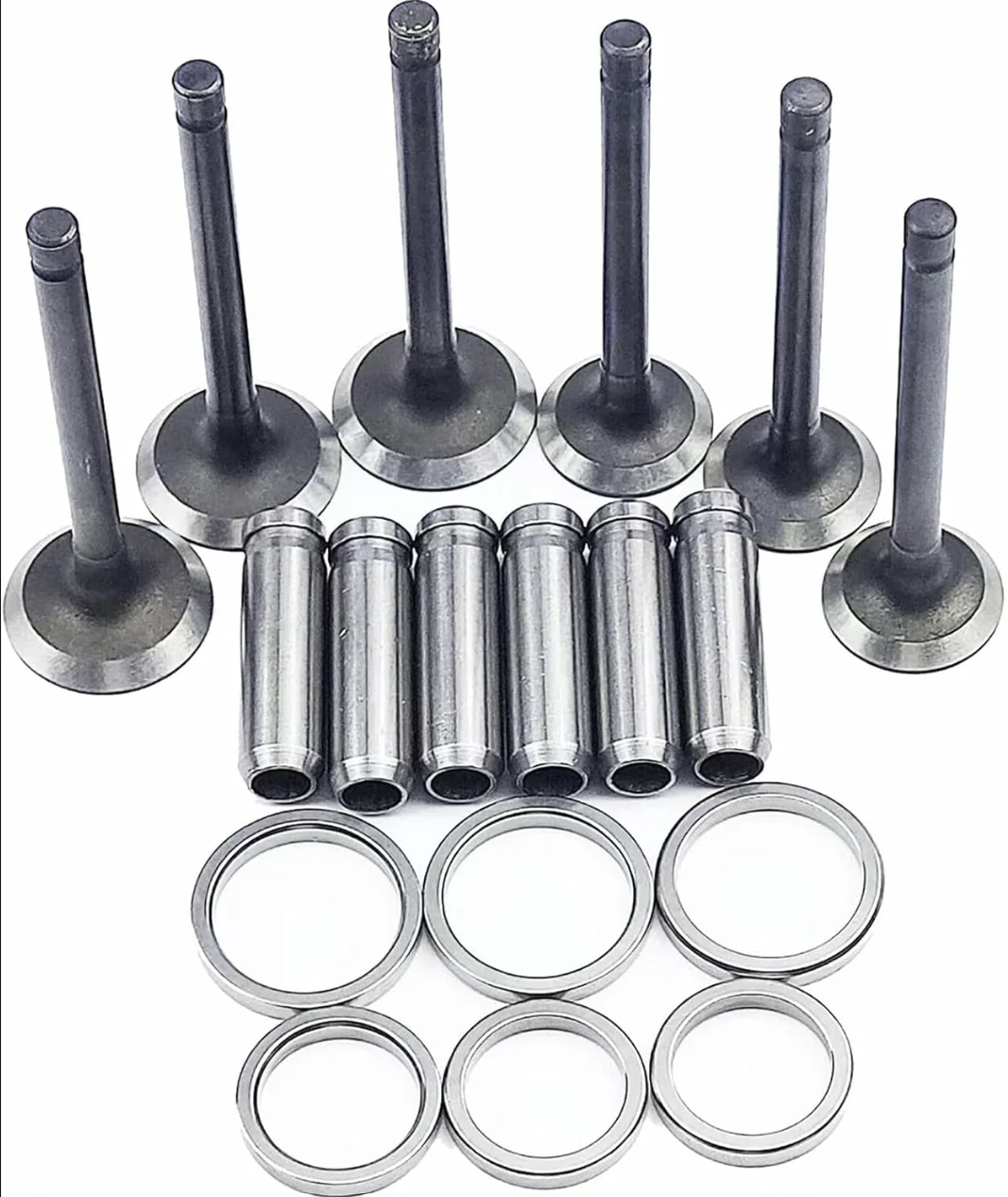
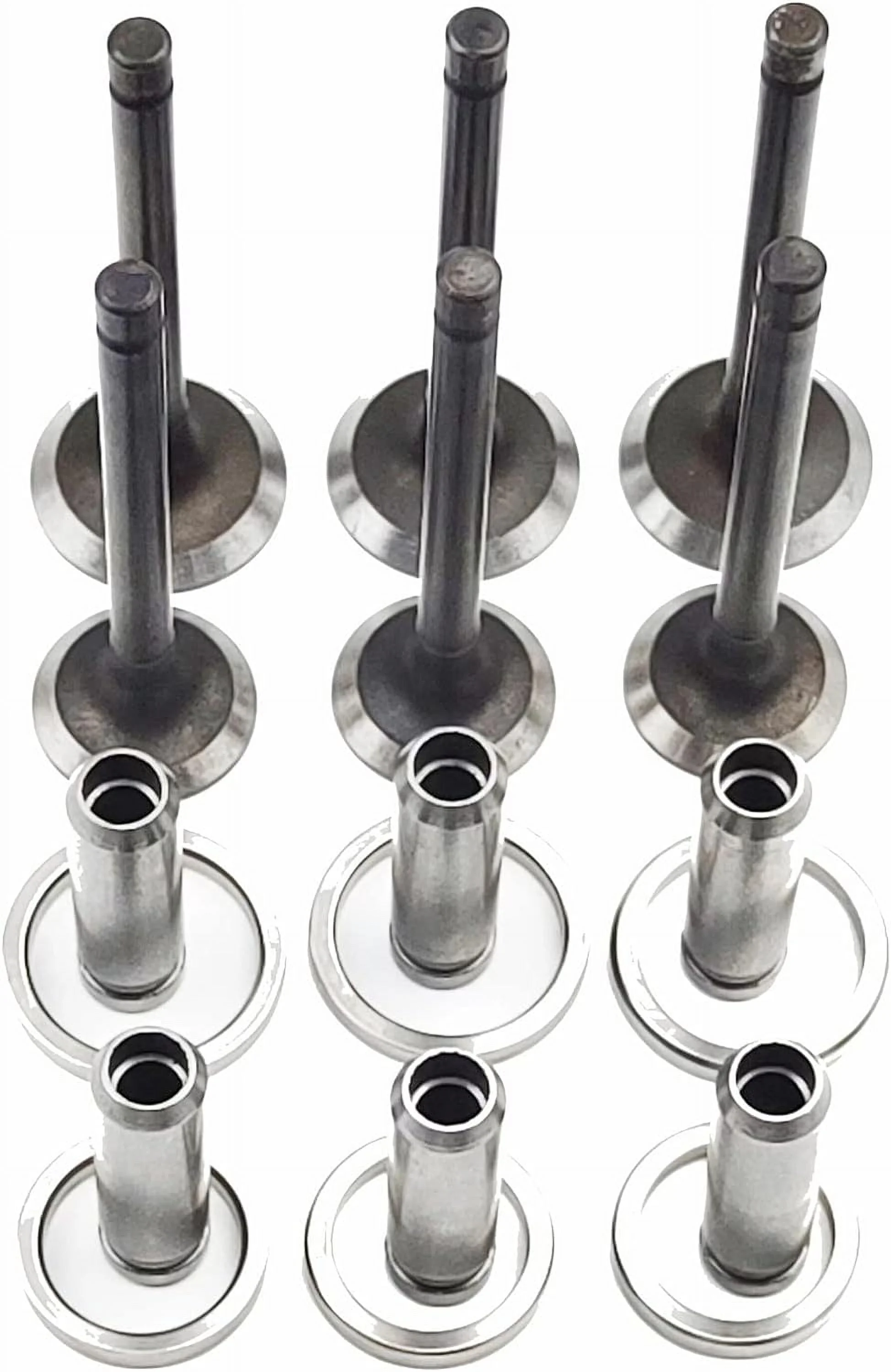
Where Powder Metallurgy (PM) Small Valve Seats and Valve Guides Are Used

Powder Metallurgy (PM) small valve seats and valve guides are widely used in internal combustion engines where precision, wear resistance, and thermal stability are critical for reliable valve operation. These components are commonly found in passenger cars, motorcycles, commercial vehicles, agricultural equipment, generators, and small industrial engines, helping ensure accurate valve movement and efficient engine performance.

Industry Applications

Motorcycle Industry

Powder Metallurgy (PM) small valve seats and valve guides are extensively used in the motorcycle industry, where precision, wear resistance, and thermal durability are essential for efficient engine operation. These components are commonly found in engine valve guides, valve seat inserts, and two-wheeler engines, ensuring accurate valve alignment and reliable sealing under high-temperature conditions.

Light Automotive Engines

Powder Metallurgy (PM) small valve seats and valve guides are widely used in light automotive engine applications where precision, durability, and efficient performance are essential. These components are commonly found in small car engines and compact engine systems, providing accurate valve guidance and reliable sealing under high-temperature operating conditions.

Small Machinery

Powder Metallurgy (PM) small valve seats and valve guides are widely used in small machinery applications that require reliable engine performance, durability, and precision operation. These components are commonly found in portable engine equipment, lawn and garden machinery, and pumps & compressors, where they provide accurate valve guidance and dependable sealing under continuous operating conditions.

Power Equipment

Powder Metallurgy (PM) small valve seats and valve guides are widely used in power equipment applications where reliability, wear resistance, and thermal stability are essential for efficient engine operation. These components are commonly found in generator engine components and small motor systems, ensuring precise valve movement and consistent sealing under continuous operating conditions.

IndustryScenario
Motorcycles Valve seat & guide production
Automotive Compact engine components
Machinery Small engine applications
Power equipment Generator & pump engines
Manufacturing High-volume PM parts

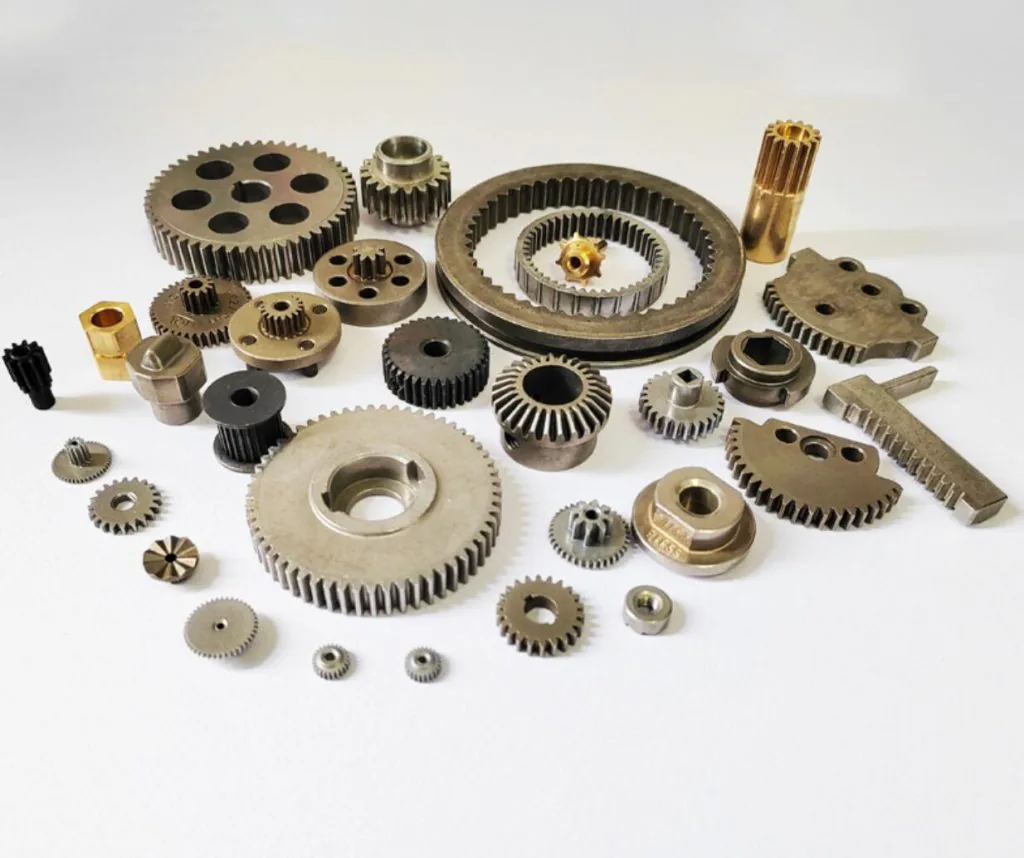
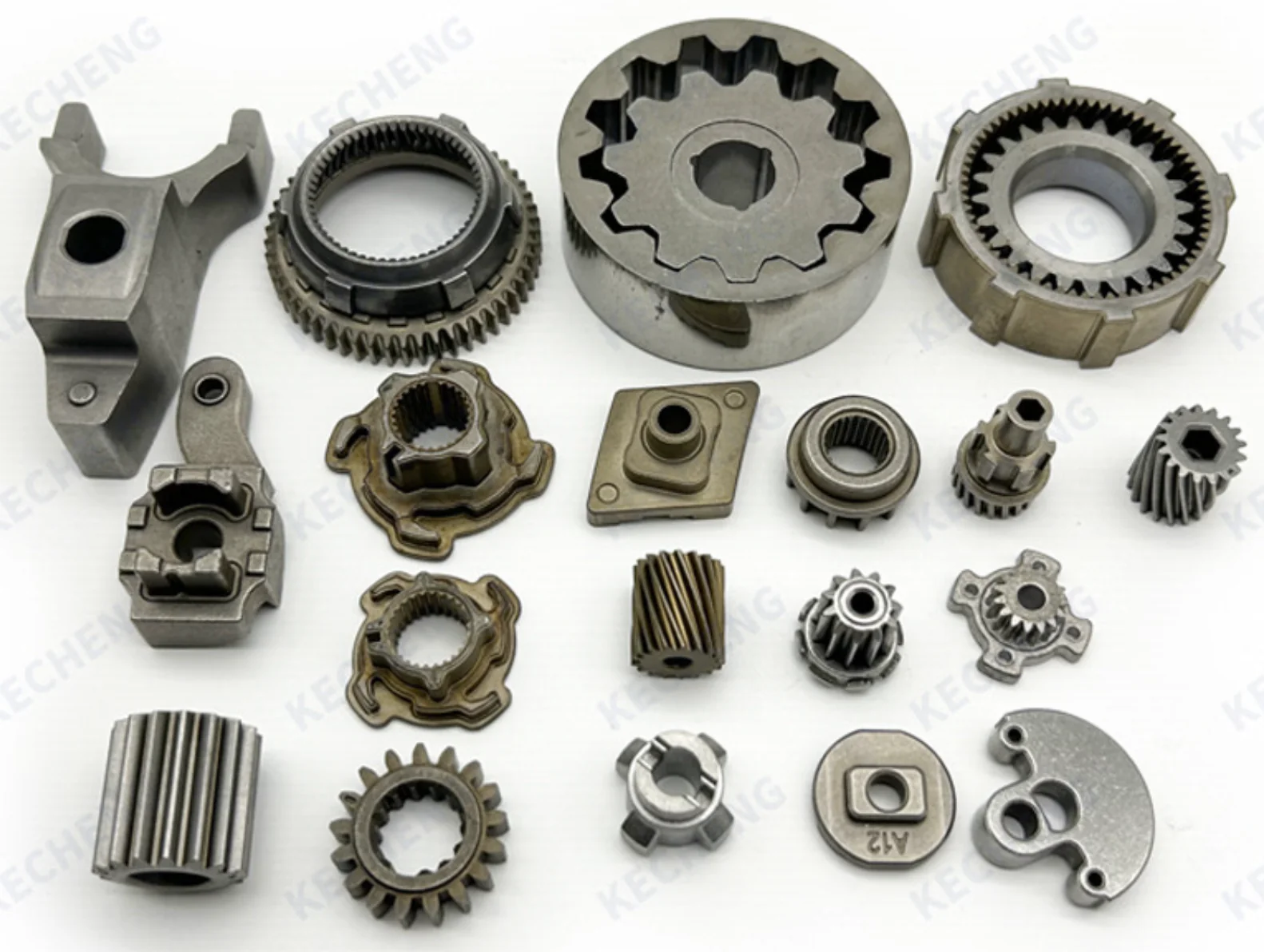
Finished Product Gallery

05 — Key Advantages

Why Choose the 200-Ton Sinter Hydraulic Press

The 200-Ton Sinter Hydraulic Press is specifically designed for the high-precision production of small PM valve seats and valve guides that require accurate dimensions, controlled porosity, and excellent wear resistance. Its advanced hydraulic system provides precise pressure control and uniform density distribution, ensuring consistent quality and superior mechanical performance in critical engine components.

01

High-speed production (3–5 sec cycle)

High-speed production capabilities with cycle times as low as 3–5 seconds per part make the 200-Ton Sinter Hydraulic Press ideal for manufacturing PM valve seats and valve guides in large volumes. Its advanced hydraulic control system enables rapid and precise compaction while maintaining uniform density and dimensional accuracy. Faster cycle times increase production throughput, reduce manufacturing costs, and improve overall operational efficiency.

02

Heat-resistant valve seats

Heat-resistant valve seats are critical for engine applications that operate under high temperatures and continuous combustion cycles. The 200-Ton Sinter Hydraulic Press enables the production of PM valve seats with uniform density, excellent thermal stability, and superior wear resistance, ensuring reliable performance under extreme operating conditions. These components effectively withstand heat, pressure, and friction while maintaining precise sealing and dimensional integrity.

03

Self-lubricating valve guides

Self-lubricating valve guides are a key advantage of powder metallurgy (PM) technology, offering controlled porosity that allows lubricants to be retained and gradually released during operation. Manufactured using the 200-Ton Sinter Hydraulic Press, these valve guides provide reduced friction, improved wear resistance, and smooth valve movement under demanding engine conditions. This enhances engine efficiency, minimizes maintenance requirements, and extends component service life.

04

Precise tolerances

Precise tolerances are essential for powder metallurgy (PM) valve seats and valve guides to ensure accurate fit, smooth valve operation, and reliable engine performance. The 200-Ton Sinter Hydraulic Press delivers highly controlled compaction and uniform density distribution, enabling components to be manufactured with exceptional dimensional accuracy and consistency. This minimizes the need for secondary machining, reduces assembly variations, and improves overall product quality.

05

Cost-effective PM production

Cost-effective PM production is a major advantage of the 200-Ton Sinter Hydraulic Press, enabling the efficient manufacture of valve seats and valve guides with minimal material waste and reduced machining requirements. Its precise compaction process supports near-net-shape production, lowering raw material consumption, production time, and overall manufacturing costs. The press also delivers high-speed, repeatable performance for large-volume production runs while maintaining consistent quality.

06

Reduced machining cost

Reduced machining cost is a significant benefit of producing PM valve seats and valve guides using the 200-Ton Sinter Hydraulic Press. Its near-net-shape compaction capability enables components to be manufactured very close to final dimensions, minimizing secondary operations such as turning, grinding, and finishing. This reduces material waste, shortens production time, and lowers overall manufacturing expenses.