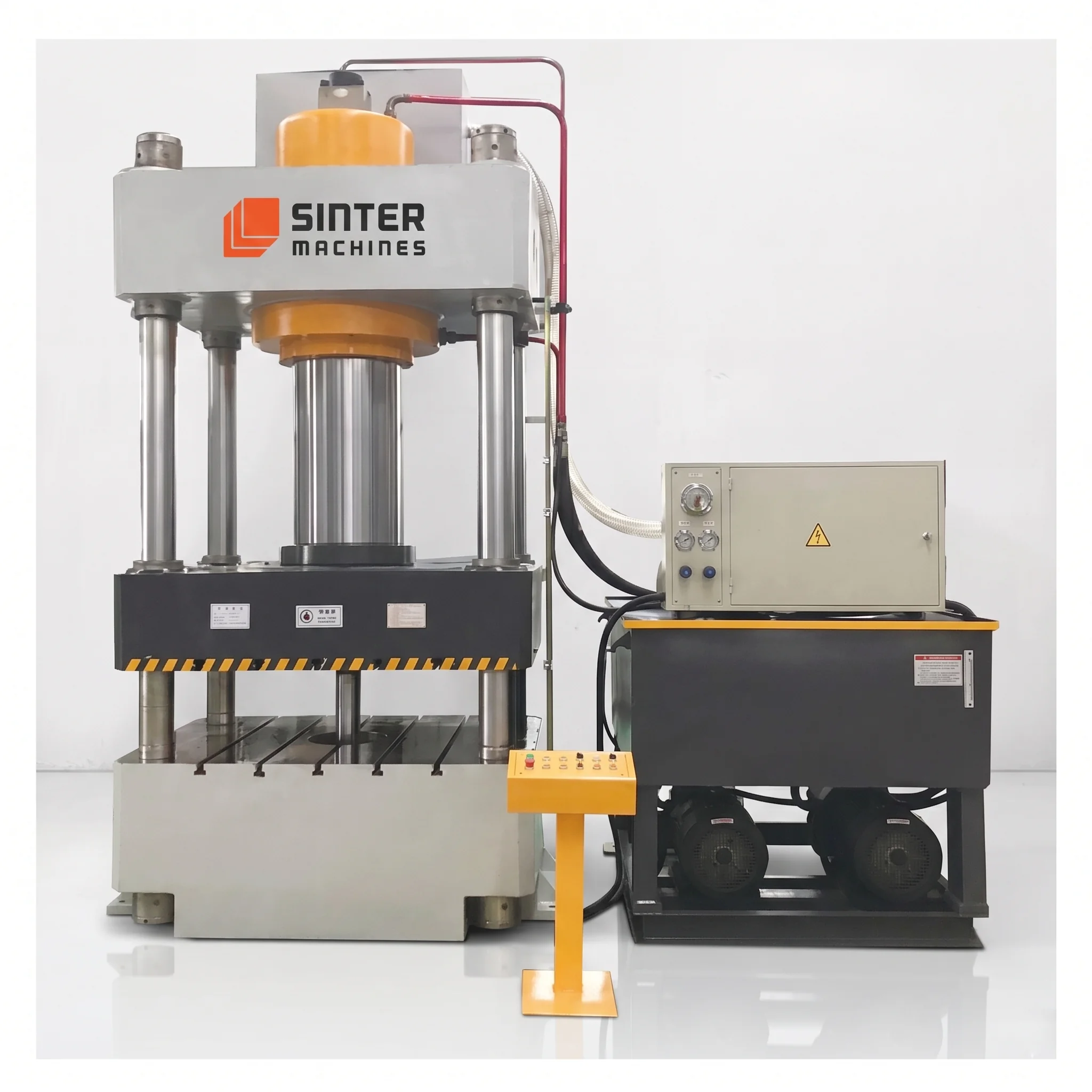
400T Four Column Hydraulic Press for Charcoal Powder Block
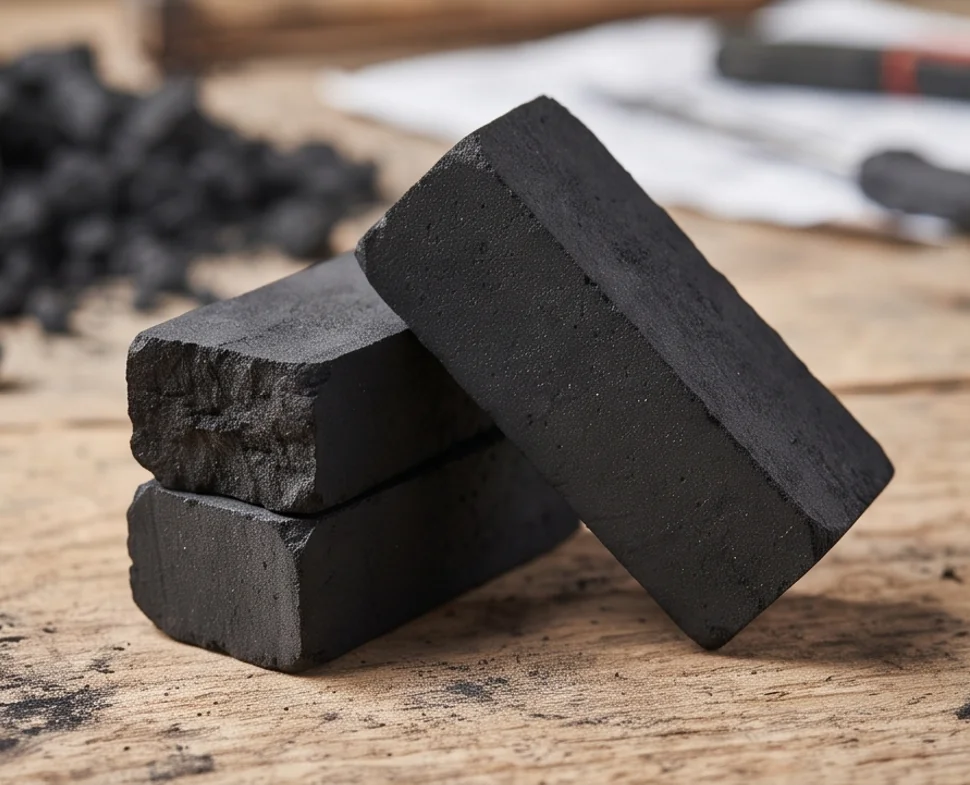
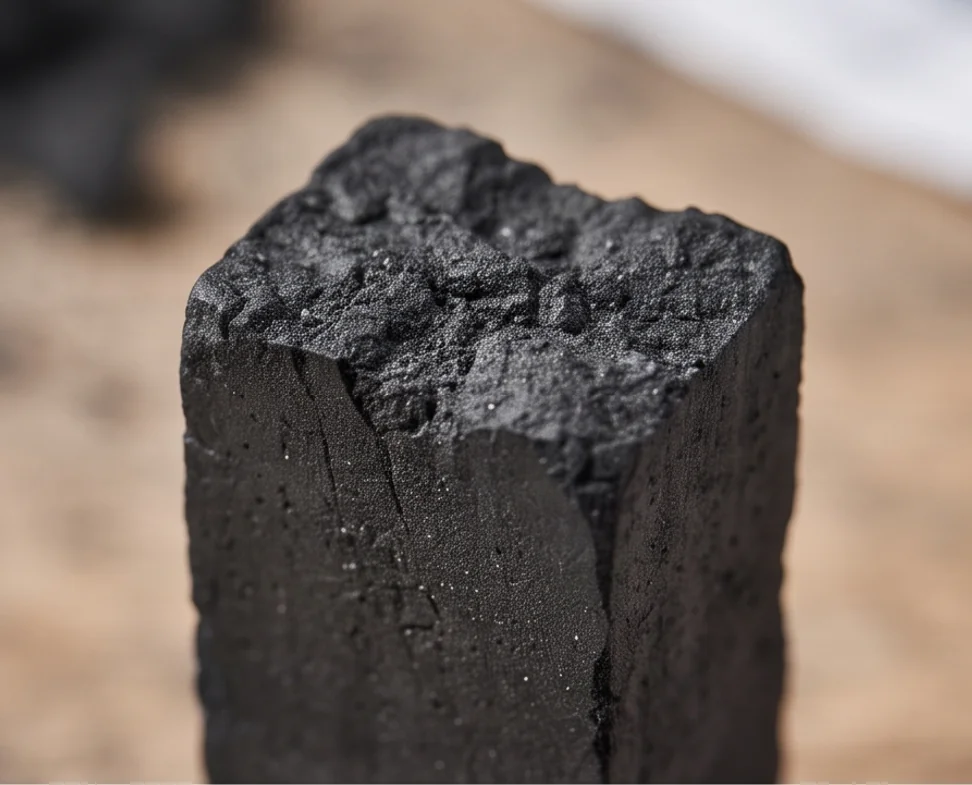
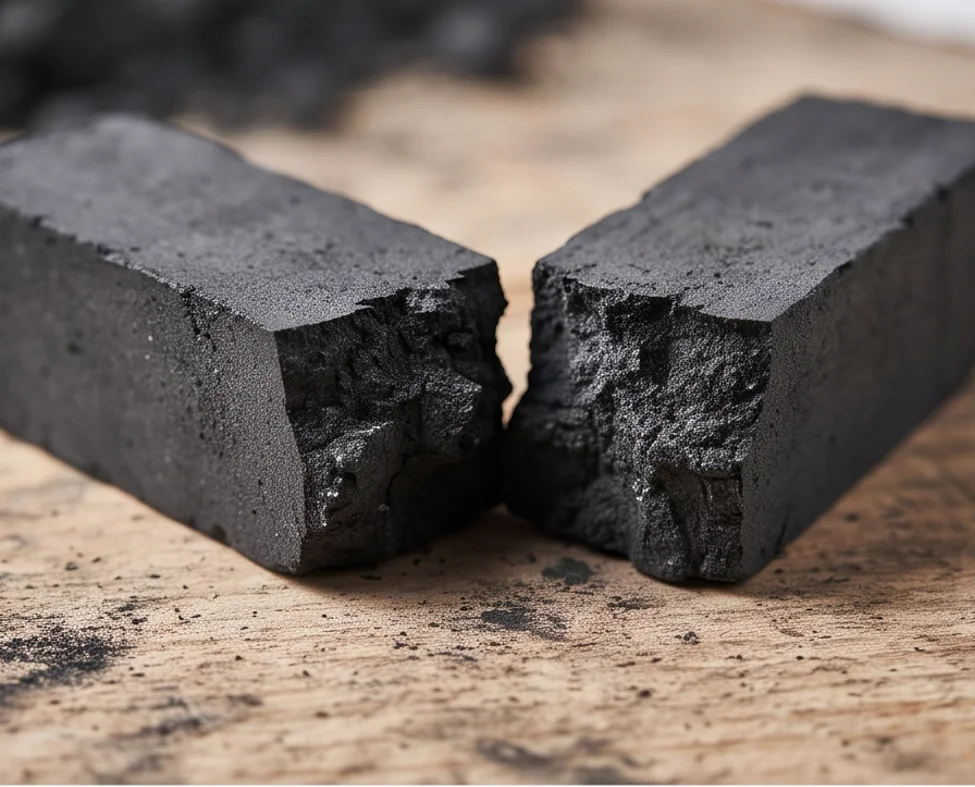
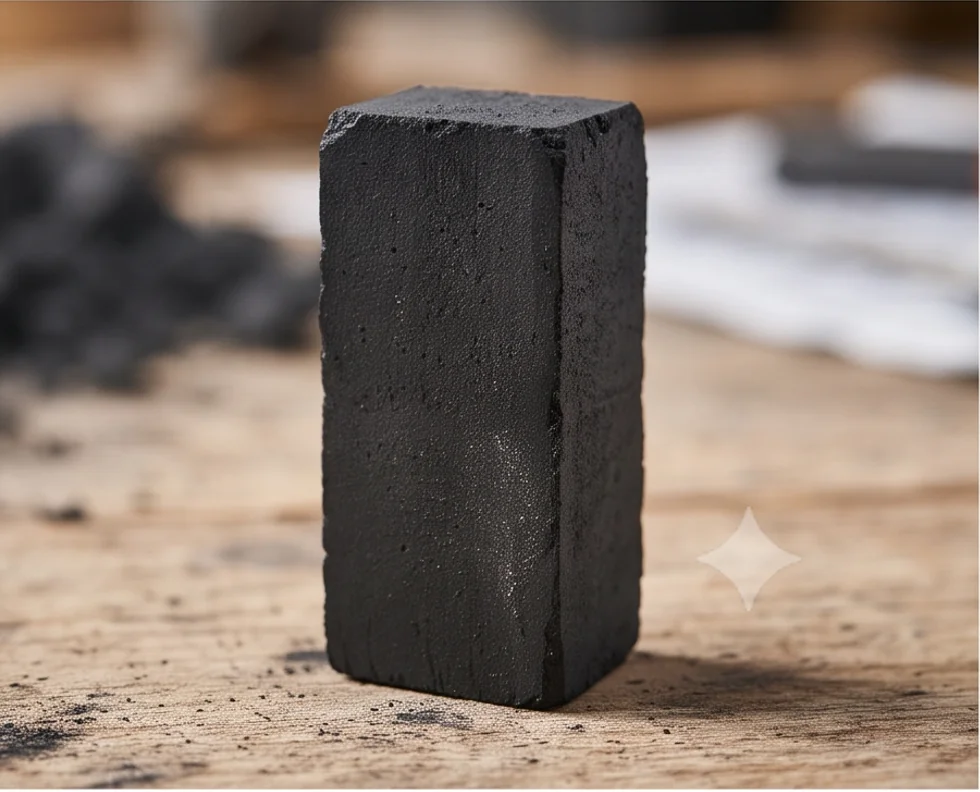
A Charcoal Powder Block Forming 4-Column Hydraulic Press Machine is a heavy-duty industrial compaction system engineered to compress fine charcoal powder, carbon dust, or biomass char into dense, uniform solid blocks, BBQ briquettes, or fuel tablets.
These machines are utilized in fuel processing, BBQ charcoal manufacturing, metallurgical additive production, and activated carbon preparation, where loose carbonaceous powders must be consolidated to minimize airborne dusting, reduce storage volume, improve combustion efficiency, and optimize handling and transport.
01 — Engineering Considerations
Structural Design & Engineering Considerations (4-Column Architecture)
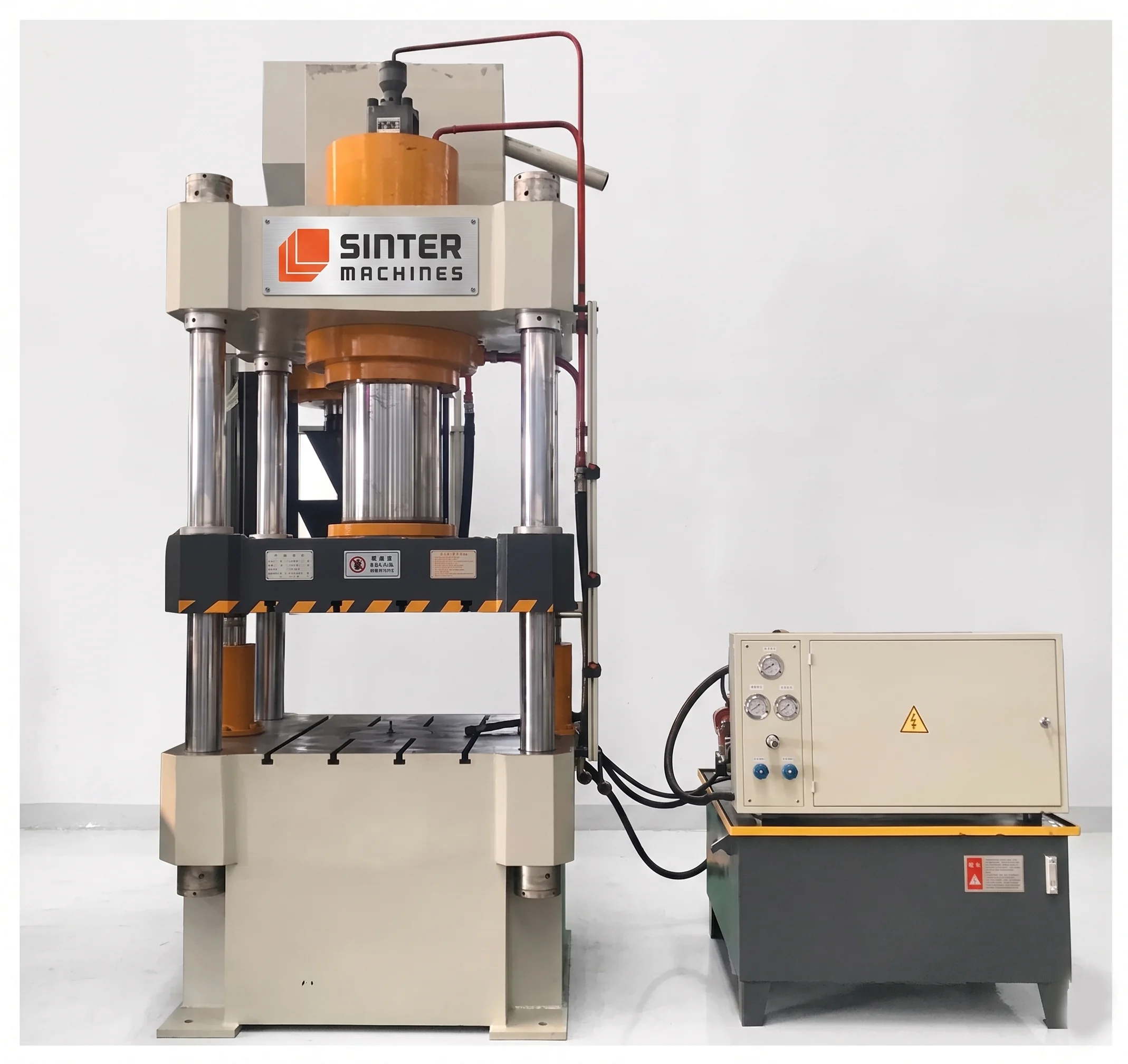
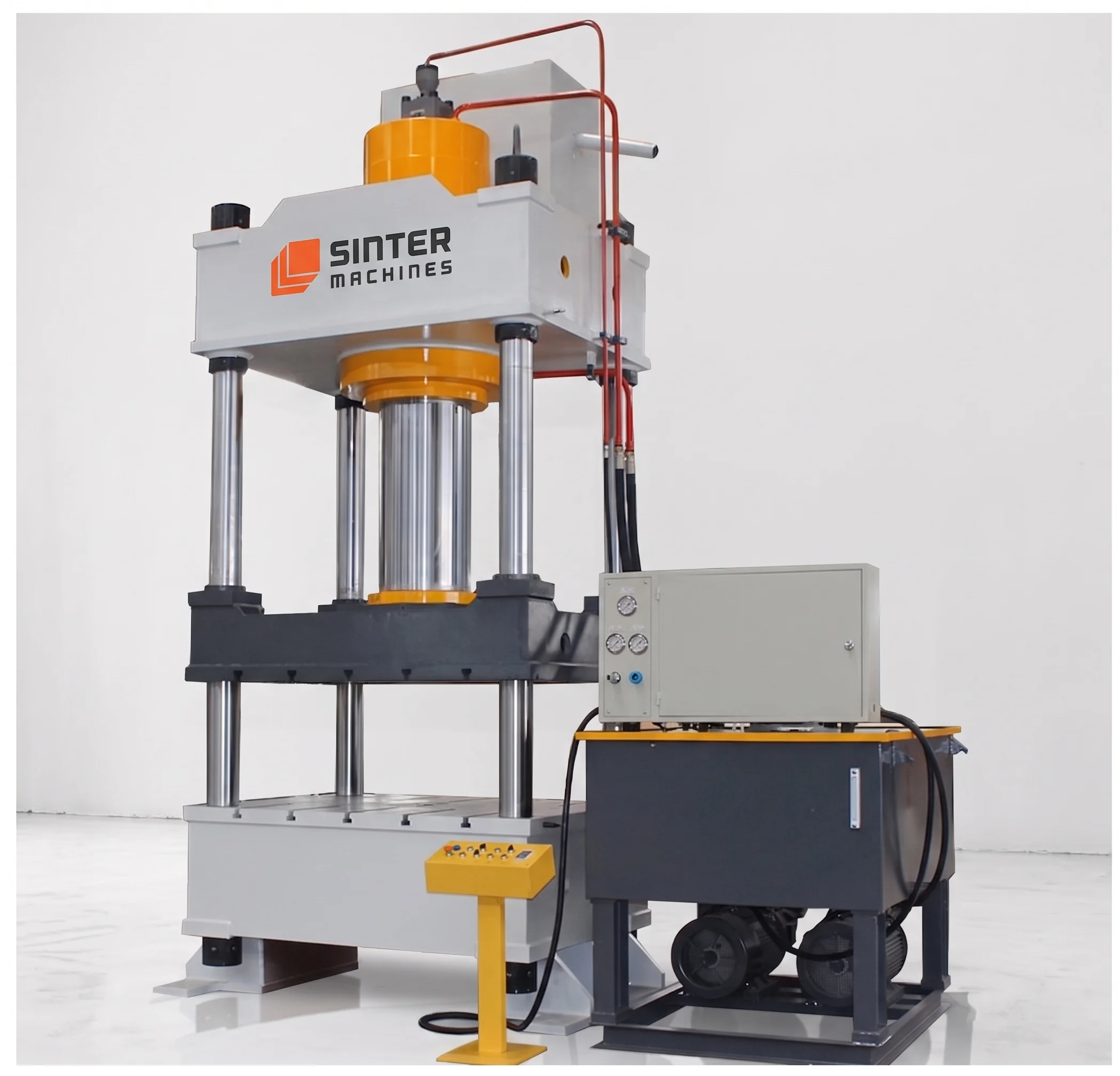
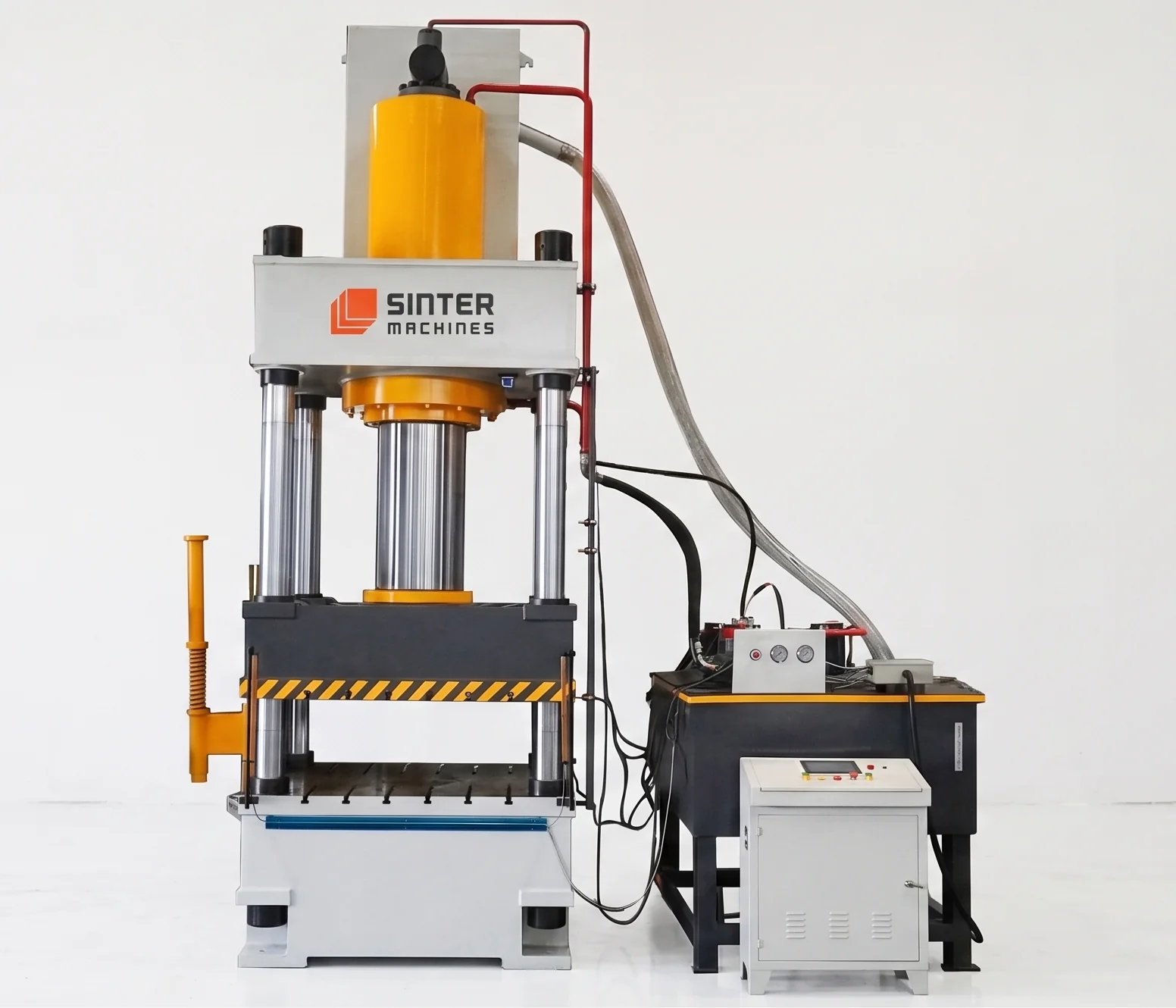
High-Precision Guidance & Parallelism: Fine carbon and charcoal powders require strict control over compaction uniformity to prevent structural weak points or density gradients that can cause blocks to crumble during handling or combustion. The four-pillar precision-ground column architecture ensures absolute platen parallelism and eliminates lateral play, preventing uneven wall pressures and ensuring consistent block density.
Rigid Load Distribution: Compacting fine charcoal powders into high-strength blocks requires continuous high tonnage. The 4-column frame withstands heavy cyclic loads without structural flexing, maintaining exact micro-tolerances between the punches and the die cavity over long operational lifespans.
Combustible Dust Safety & Containment: Because fine charcoal dust creates flammable particulate hazards, the press is heavily integrated with explosion-proof electrical components, sealed feeding hoppers, local exhaust ventilation ports, and dust collection interfaces to protect operators and ensure a safe working environment.
02 — Technical Specifications
Key Technical Specifications
Feature | Industrial Specification Range |
Nominal Compaction Force | 30 Tons to 500+ Tons (tailored to block cross-sectional area and target density) |
Guide Structure | 4 Hard-Chromed, Precision-Ground Steel Pillars with heavy-duty, low-friction bushings |
Die & Punch Assembly | Hardened alloy tool steel or specialized wear-resistant inserts designed to handle abrasive carbon powders |
Hydraulic Drive | Variable displacement piston pumps or servo-hydraulic systems with smooth proportional pressure control |
Control Unit | PLC system with HMI touchscreen interface for programming fill depth, pressing tonnage, dwell time, and automated extraction |
03 — Operational Workflow
Operational Workflow
- Enclosed Volumetric Feeding: An automated, sealed feed shoe slides precisely over the die cavity to deposit a measured volume of loose charcoal powder mixed with appropriate binders, minimizing airborne dust and ensuring uniform fill density.
- Multi-Stage Compression:
- Fast Approach: The top ram lowers quickly to the material surface.
- High-Pressure Compaction: The system applies controlled tonnage. A multi-action or dual-punch configuration ensures even particle interlocking and density distribution throughout the depth of the block.
- Dwell Phase: Peak pressure is held for a set duration to allow trapped air to evacuate and the carbon particles to firmly bind together, minimizing internal stress or cracking.
- Controlled Decompression & Ejection: Hydraulic pressure is gradually bled off to prevent surface cracking from elastic springback. A bottom ejection cylinder then cleanly pushes the solid charcoal block out of the die cavity for downstream drying, curing, or packaging.
Finished Product Gallery