01 — Press System
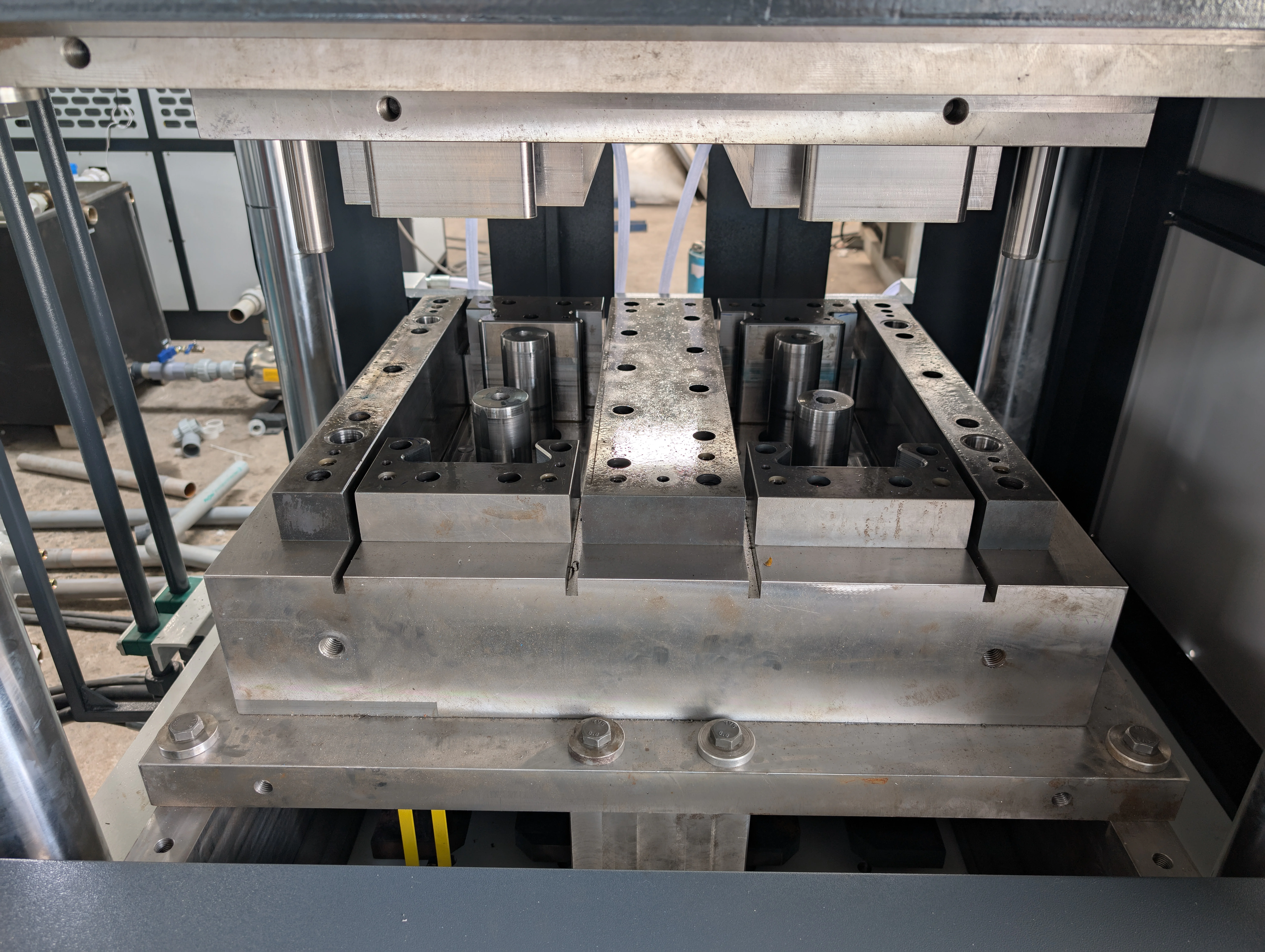
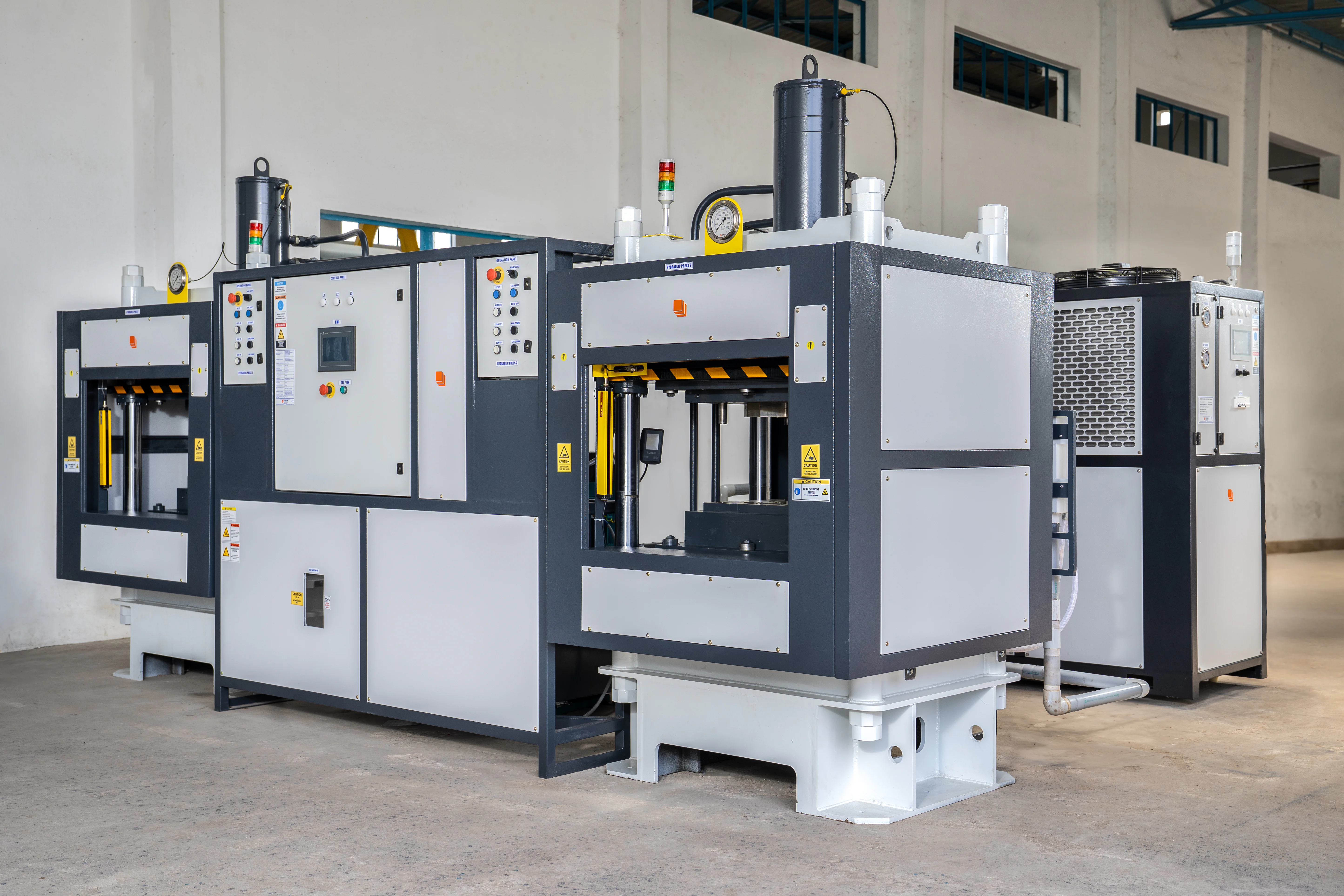
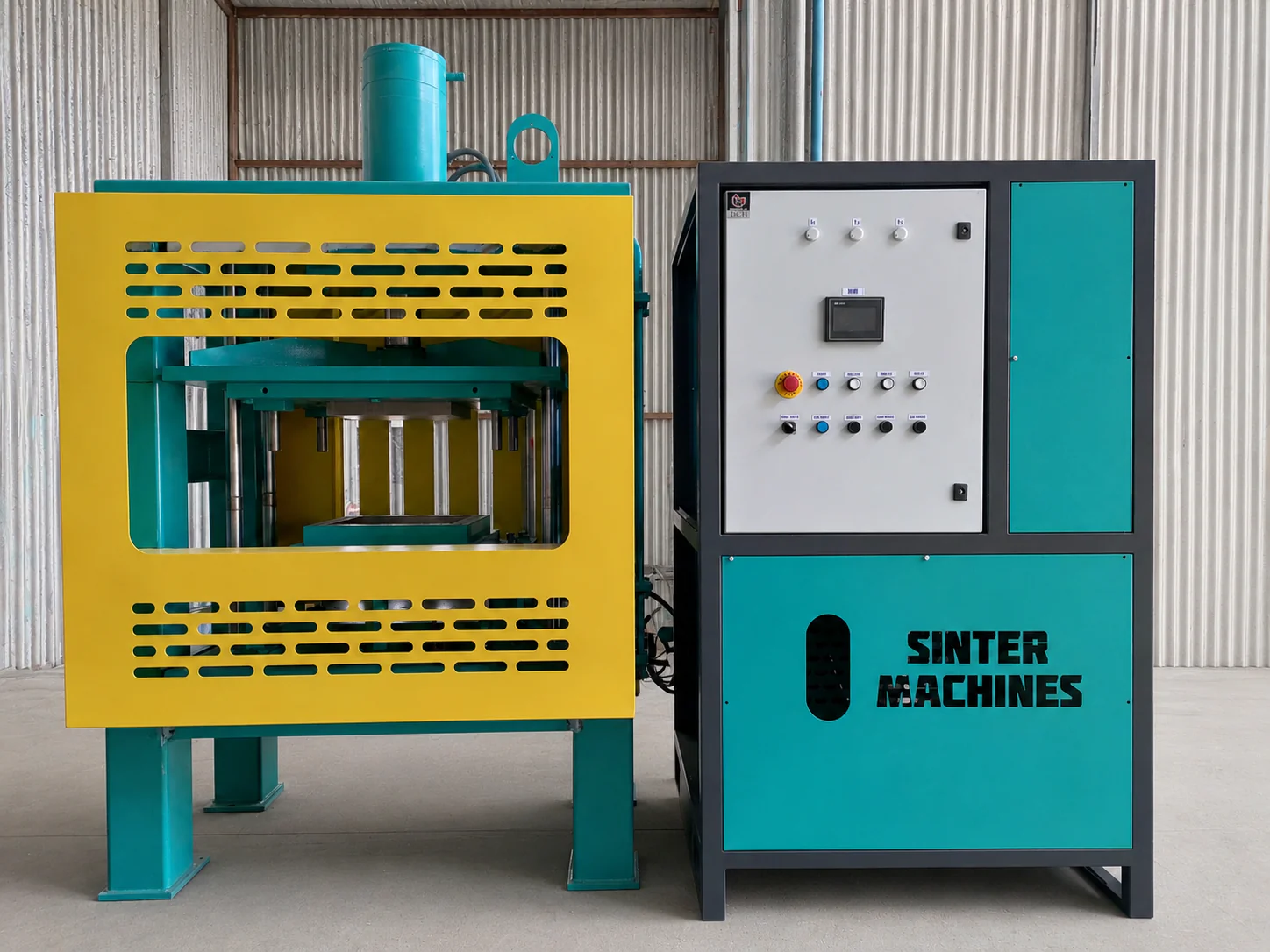
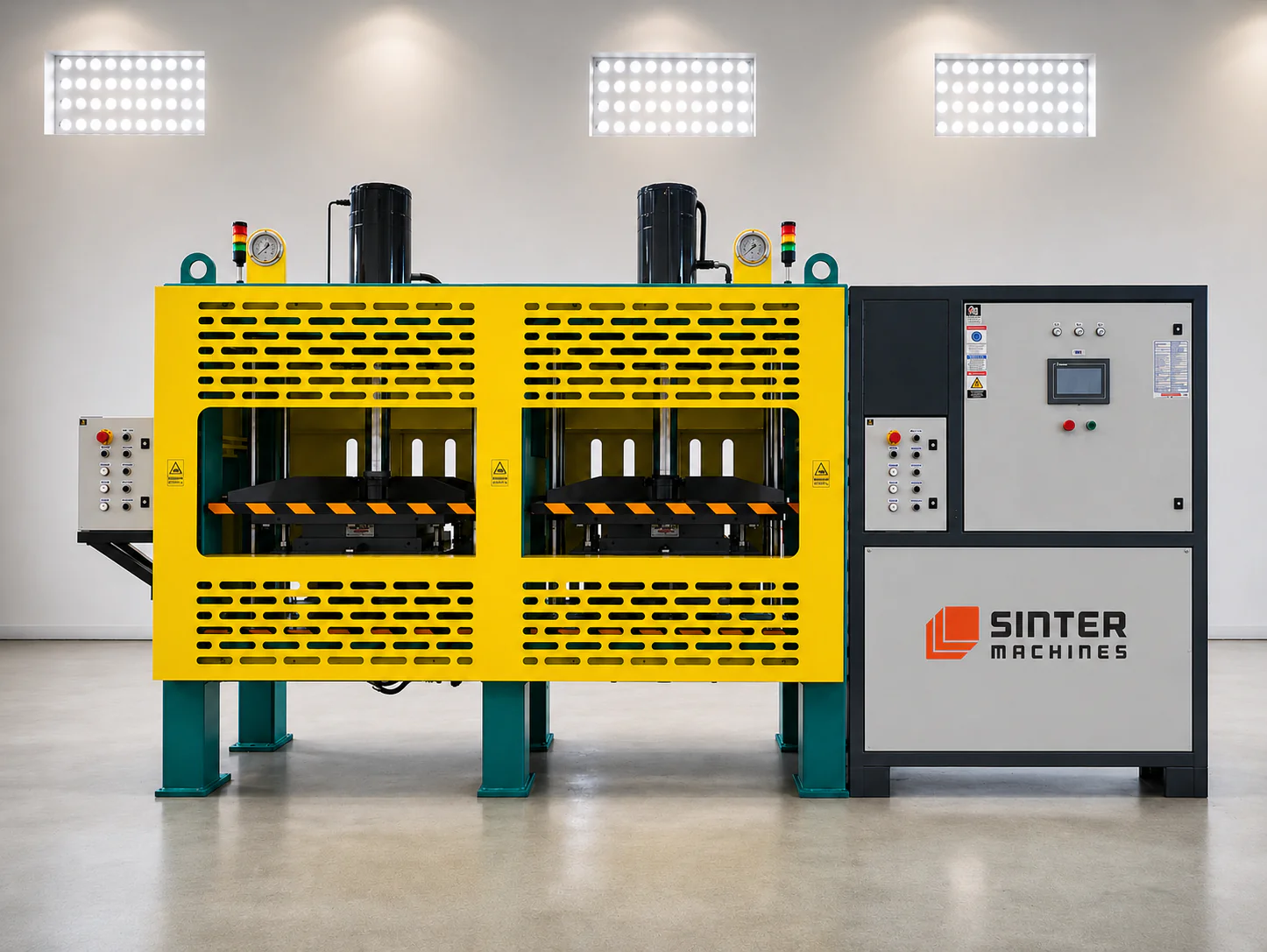
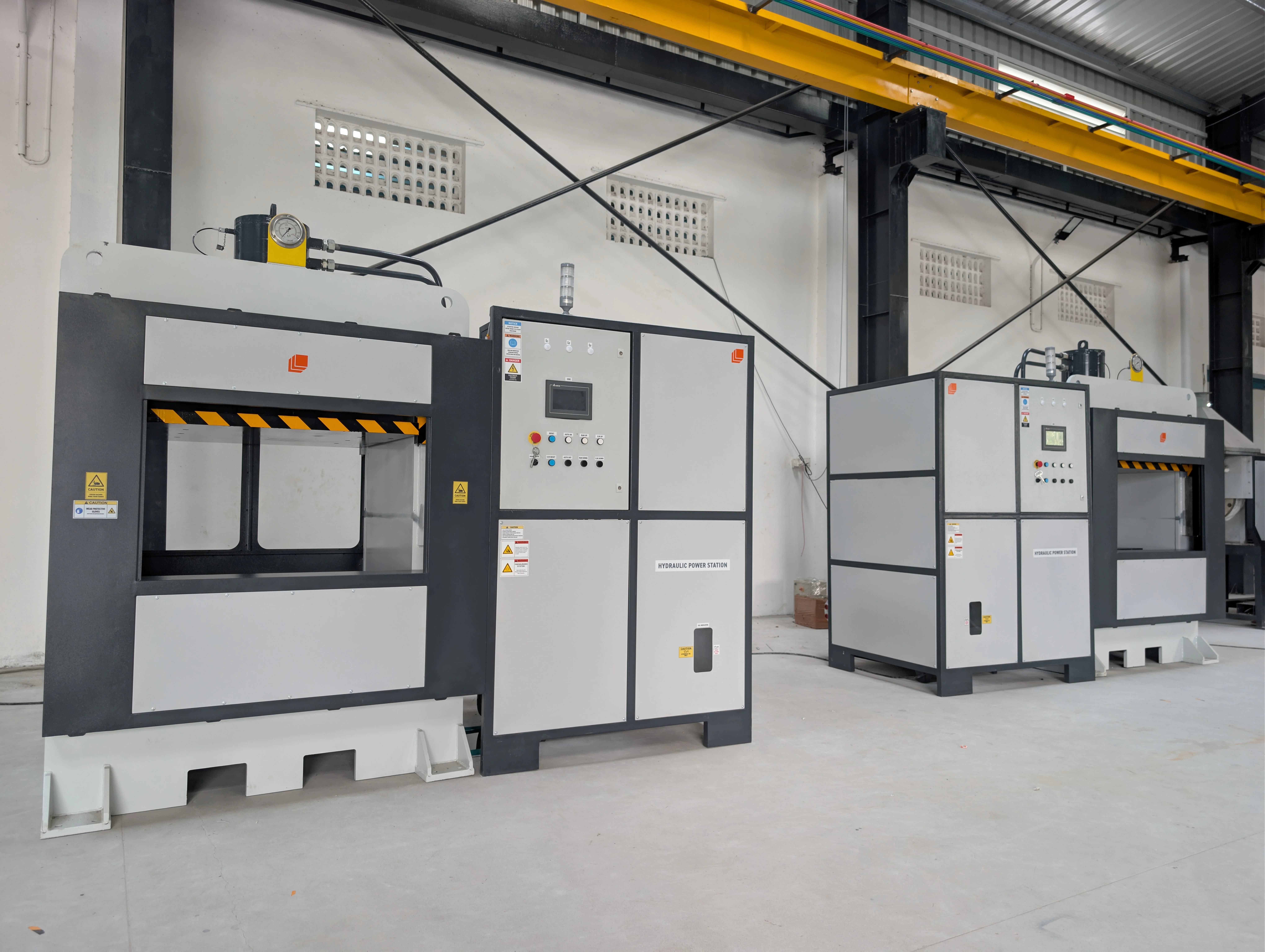
200T Four Column Hydraulic Press Machine
This 200-Ton Four Column Hydraulic Press production line provides an industrial solution for high-density molding of plastic-sand composite wall construction bricks with uniform structural integrity. It integrates automated material feeding, thermal mixing extrusion, high-tonnage pressing, and rapid chilled-water cooling to ensure continuous, high-volume manufacturing.
Use Case
The integrated 200-Ton press system utilizes an automated sequence where the HMS extrusion unit melts mixed waste plastics and homogenizes them with crushed glass bottle sand, pigments, and UV additives into a hot composite mix. The hydraulic press then applies 200 tons of compaction force to eliminate voids and form dense bricks, while the industrial chiller circulates 15°C water through the mold to rapidly cool the bricks from 200°C to 60°C for safe demolding.
Final Product Properties
- Core Applications: Designed for load-bearing wall construction, partition walls, exterior boundary walls, and durable outdoor masonry structures in residential and commercial projects.
- Material: Composed of 30 percent mixed recycled plastics, 70 percent crushed glass bottle sand, 3 percent color pigment, and UV additives as required for long-term weather resistance.
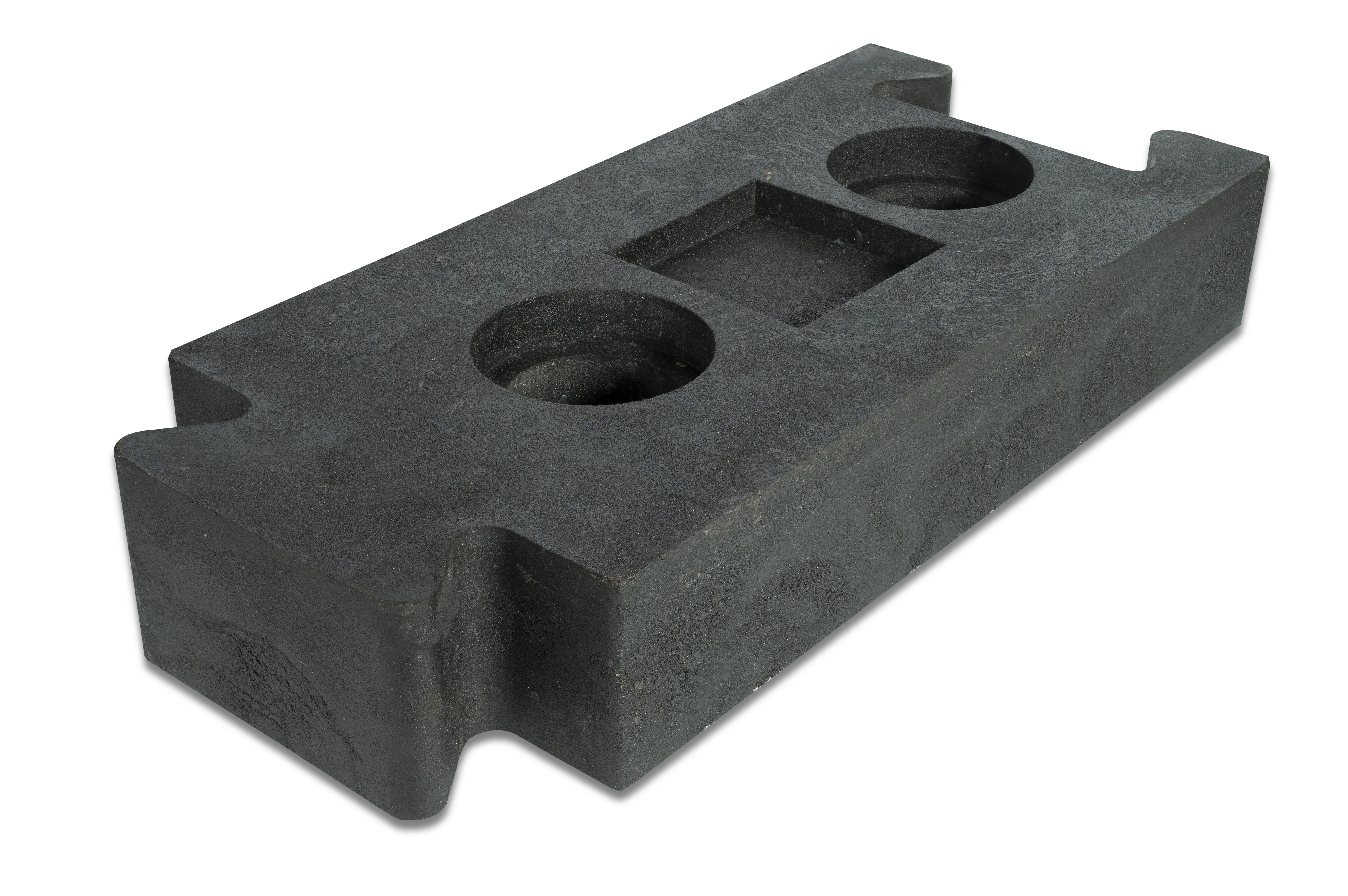
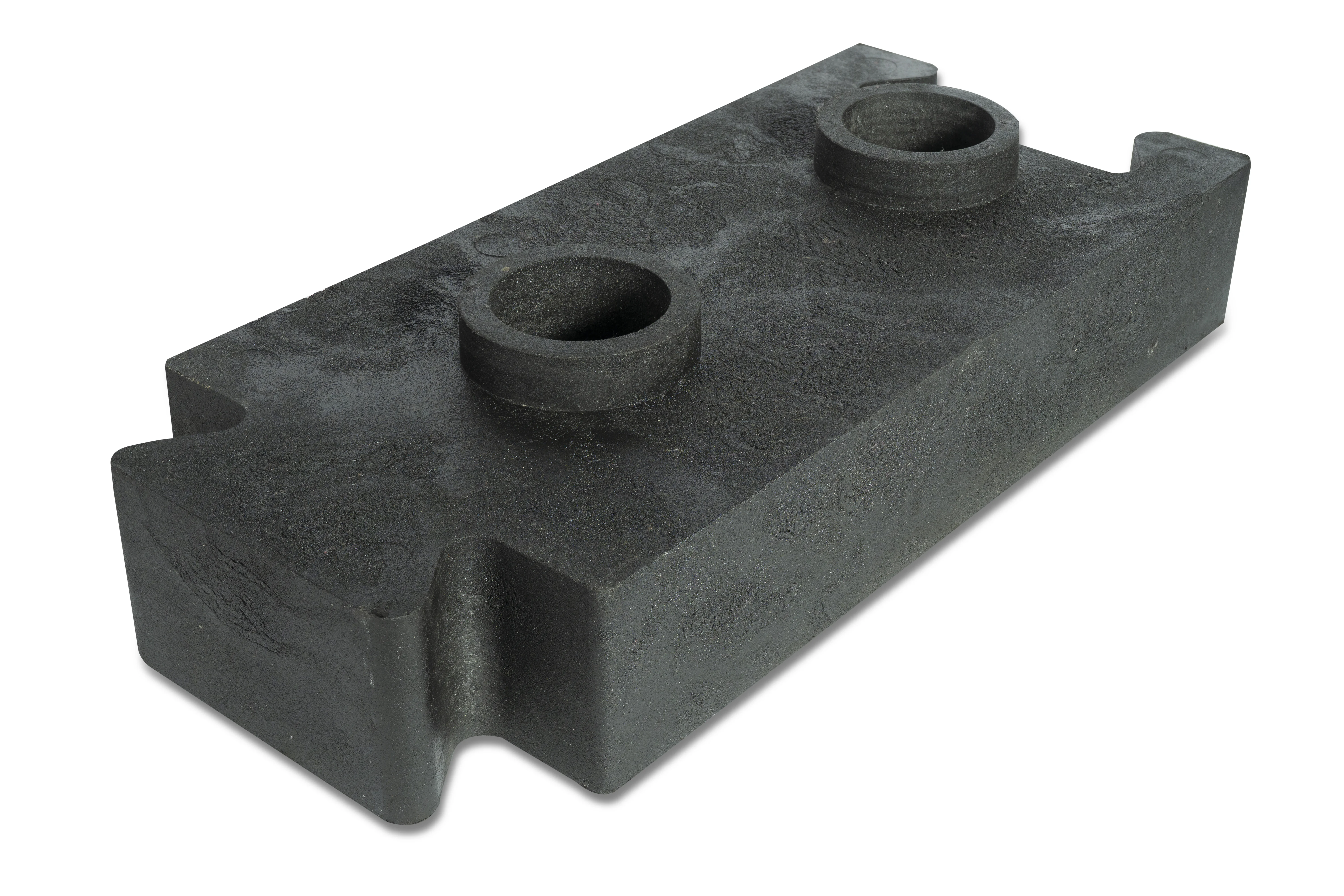
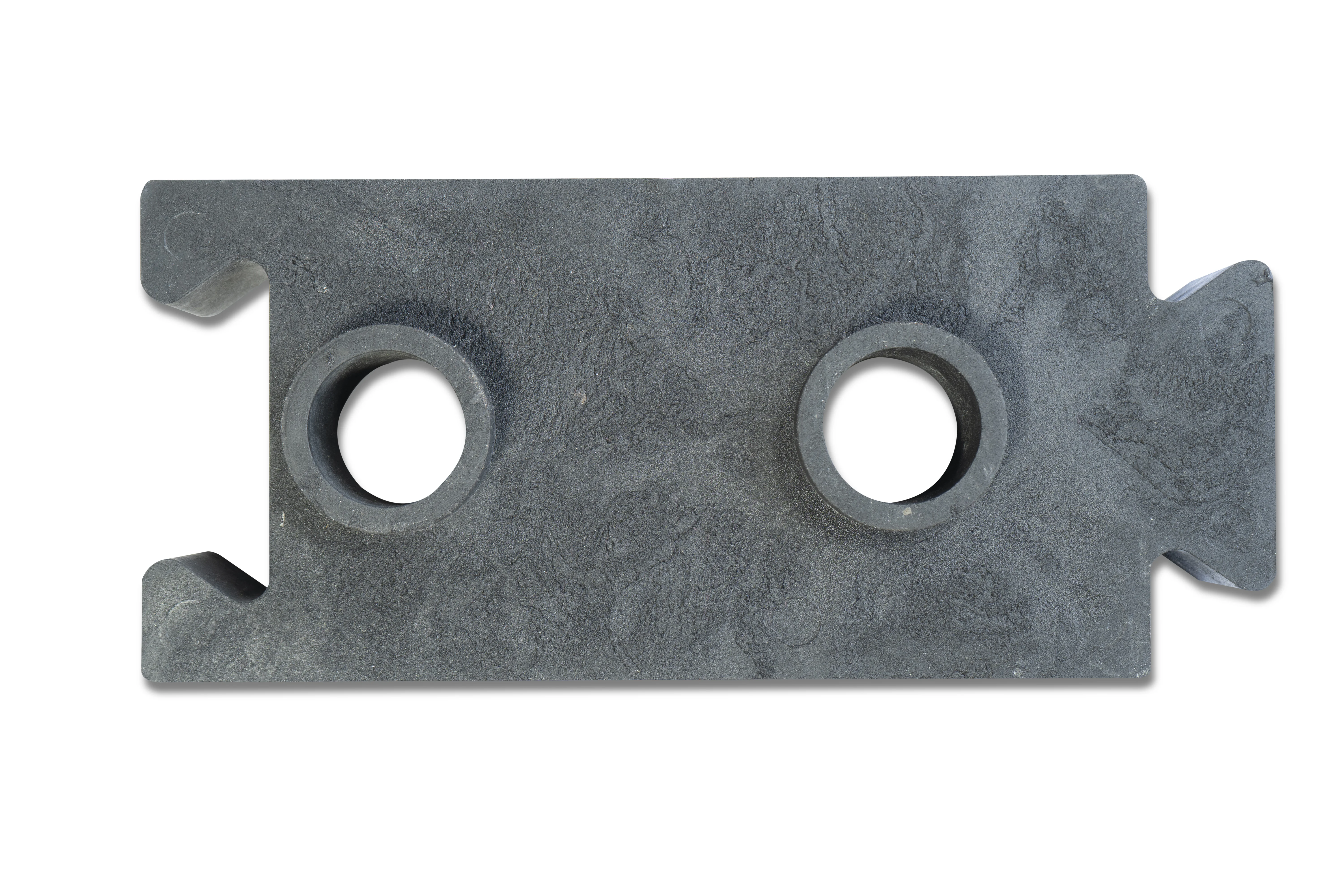
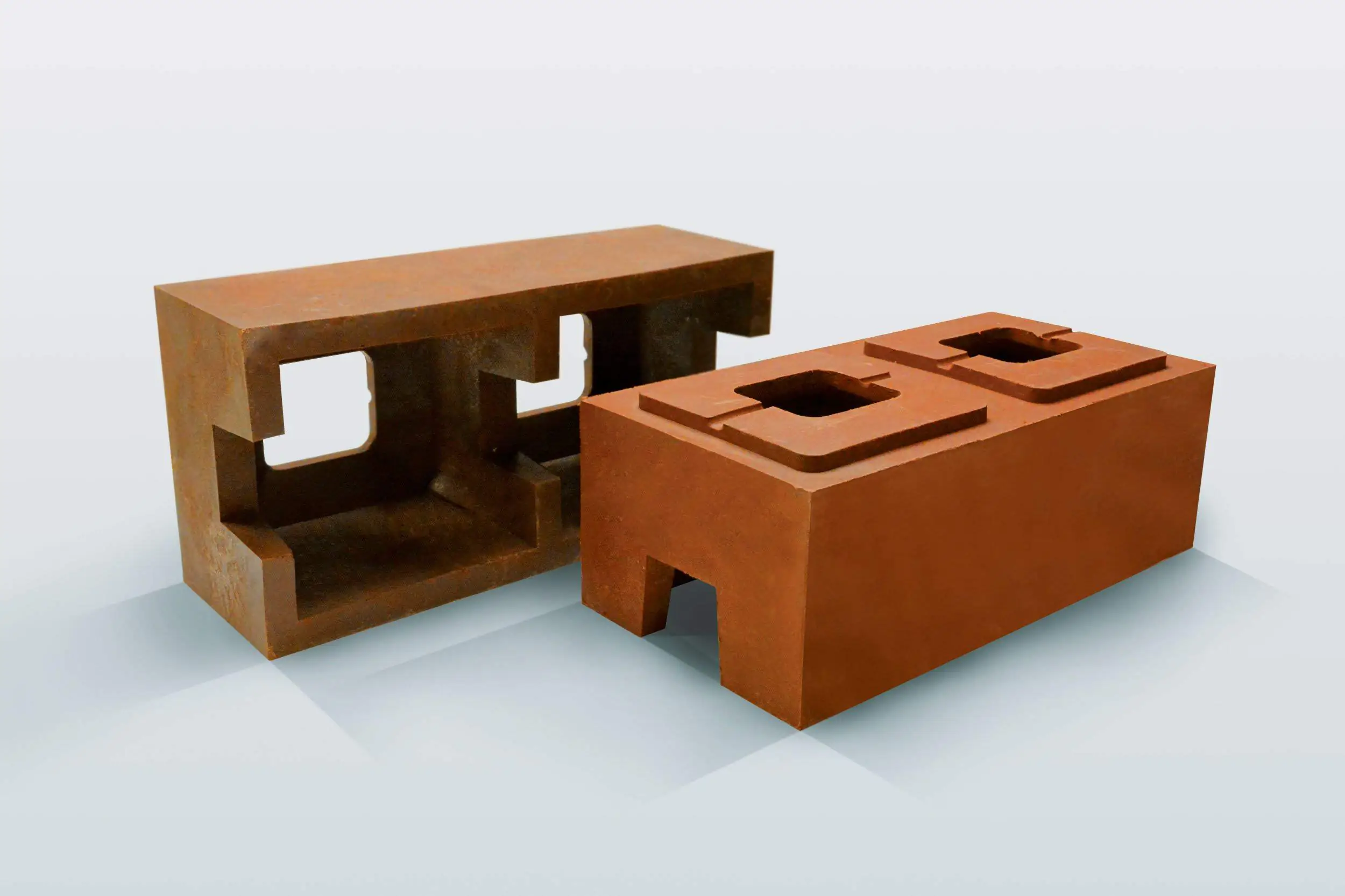
- Products Processed: Heavy-duty plastic sand composite wall construction bricks featuring integrated multi-color finishes, complete water resistance, high impact strength, and a lightweight body that is 30 to 40 percent lighter than traditional concrete masonry.
- Why 200 Ton Hydraulic Press: Delivers the optimal compaction force necessary to thoroughly compress viscous recycled plastic with dense glass aggregate, ensuring maximum compressive strength, tight dimensional consistency, and complete void elimination across every brick.
02 — Technical Specifications
SM 200 HP – Hydraulic Press Machine Complete Technical Data
The SM 200 HP 200-Ton Hydraulic Press Machine delivers precise compaction force and uniform pressure distribution specifically tailored for high-density plastic sand composite wall brick production. Its robust four-column design ensures minimum deflection, structural stability, and reliable long-term performance under continuous industrial operation.
Capacity
- Nominal Force: 200 Ton force
Structural Design
- Frame Type: Four Column Heavy Duty Guidance Structure
Hydraulic System
- Main Ram Stroke: 500 mm
- Working Hydraulic Pressure: 210 Bar
- Daylight Gap: 700 mm
- Approach Speed: 160 mm per Sec
- Pressing / Drawing Speed: 10 mm per Sec
- Return Speed: 130 mm per Sec
- Bed / Platen Size Platen: 1000 mm by 1000 mm
- Columns: Four Solid Forged Alloy Steel Columns
Working Envelope
- Clear Clearance Between Columns: 800 mm by 650 mm
Control System
- Main Motor Power: 18 point 5 kW
- Valves and Hydraulics: Proportional Directional Control Valves and Logic Block Integration
- Automation: Programmable Logic Controller with Human Machine Interface Touch Panel
- Safety Features: Dual Hand Operating Buttons and Safety Photoelectric Light Curtain Array
SM 200 HP — Model Specifications
- Nominal Force: 2000 KN
- Maximum Hydraulic Pressure: 25 MPa
- Max Opening Height of the Slider: 1100 mm
- Max Stroke of the Slider: 700 mm
- Effective Bed Size: 1000 × 1000 mm
- Slider Down Speed: 100 mm/s
- Slider Pressing Speed: 7–18 mm/s
- Slider Return Speed: 90 mm/s
- Ejector Cylinder Nominal Force: 200 KN
- Stroke of the Ejection Cylinder: 200 mm
03 — Die / Mold System
Precision 4 Cavity Wall Construction Bricks Die Mold Engineering
Precision 4 cavity mold engineered for mass producing plastic sand composite wall construction bricks under heavy compression. Delivers high output capacity with uniform brick density, sharp edge definition, and exact dimensional tolerances across all four cavities.
Technical Specifications (Tooling)
Die Type
- Mold Cavity: 4 Cavity Mold
Die Materials
- Core and Cavity Steel: Hardened Tool Steel H13
- Mold Base Steel: Standard Carbon Steel S50C
Tool Configuration and Construction
- Construction Type: High strength split mold block with balanced multi cavity runner channels
- Cooling Circuit: Conformal internal cooling network operating at 20 mm per Sec
Key Tooling Features
- Ejection System: Hydraulic multi pin ejector layout with bottom stripper plate
- Venting Profile: Multi cavity side venting slots at 0 point 03 mm depth
Alignment Accuracy
- Guide Pin Tolerance: Precision guide pillar alignment within 0 point 005 mm
- Parting Line Positional Accuracy: Deviation limit within 0 point 01 mm
Surface Finish
- Cavity Surface Polish: Standard industrial tool polish
- Surface Roughness: Ra value 0 point 6 mm
Tool Life
- Expected Operational Life: 1200000 production cycles
Precision 4 Cavity Plastic Sand Wall Construction Bricks Die Mold
04 — Product Application
Where Plastic Sand Composite Wall Construction Bricks Are Used
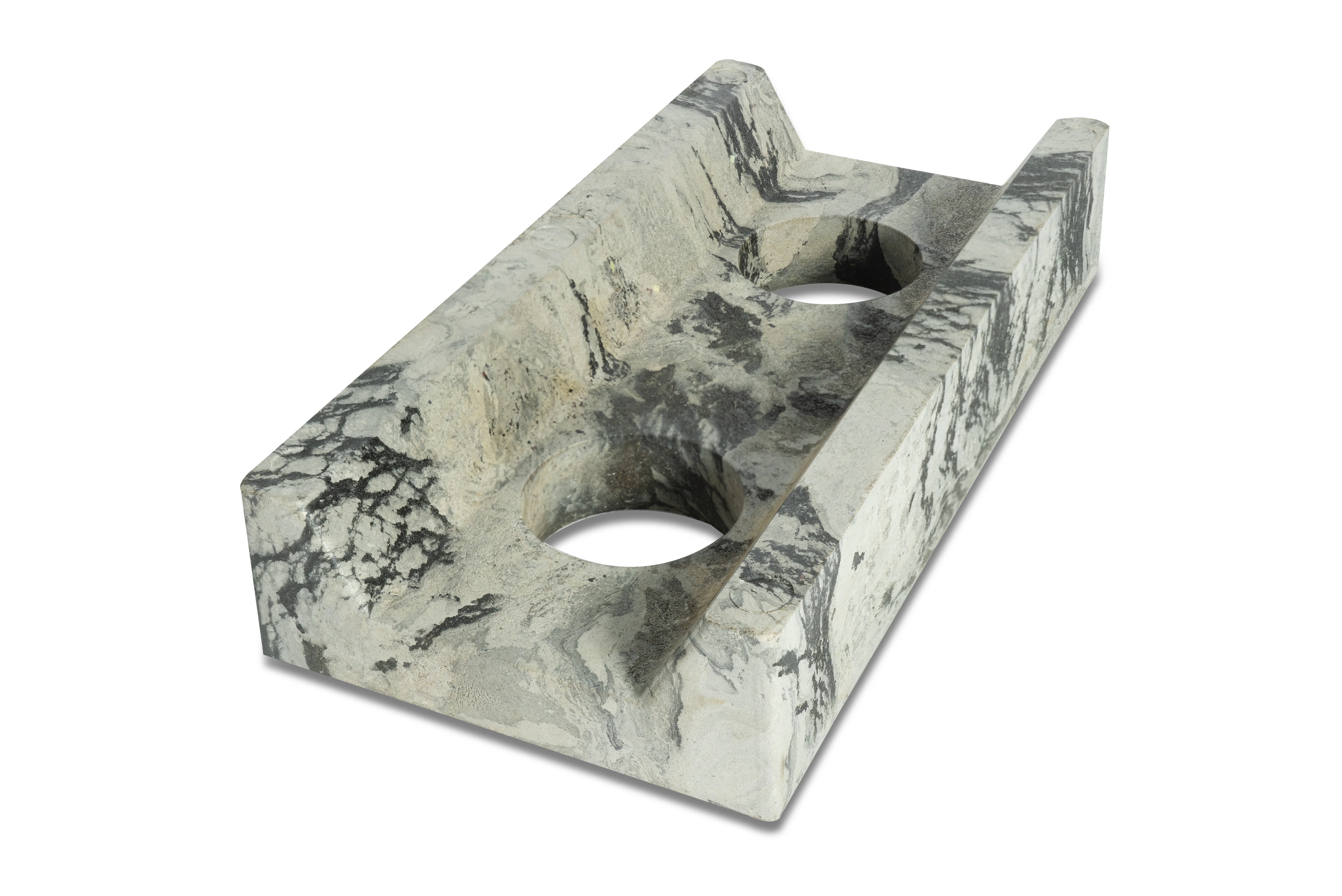
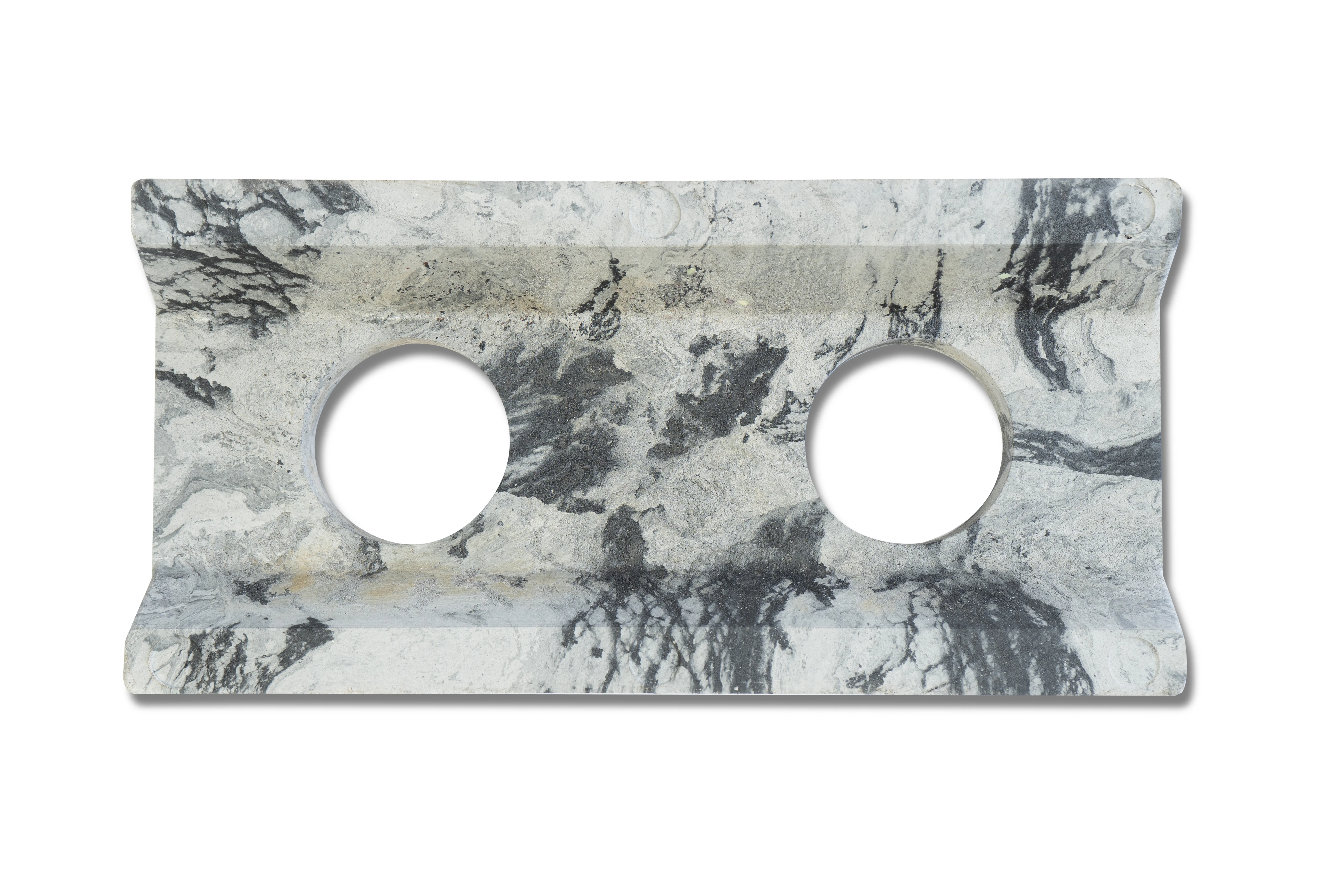
Plastic sand composite bricks are durable, eco-friendly building materials made from recycled plastic waste and sand, offering high strength, moisture resistance, and lightweight structural properties. They serve as a sustainable alternative to traditional clay or concrete bricks in diverse infrastructure and building projects.
Industry Applications
Residential and Commercial Construction
These composite bricks are used for constructing non-load-bearing and load-bearing walls, partition walls, and boundary enclosures in modern eco-friendly buildings. Their superior thermal insulation helps reduce energy consumption for indoor temperature management.
Pavement and Landscaping Work
They are widely applied in laying durable footpaths, garden walkways, driveway pavers, and outdoor patio flooring across urban and rural landscapes. Their high toughness prevents cracking and surface erosion caused by continuous foot traffic and weathering.
Hydraulic and Civil Engineering
These bricks are deployed in building storm-water drains, retaining walls, septic tanks, and canal linings due to their near-zero water absorption rate. They resist continuous moisture exposure, preventing seepage and structural degradation over long periods.
Industrial Enclosures and Infrastructure
They are utilized for constructing factory compound walls, storage shed barriers, and protective utility trenches in demanding industrial environments. Their strong chemical resistance protects the structures from corrosive substances, soil salts, and environmental hazards.
Finished Product Gallery
05 — Key Advantages
Why Choose the 200-Ton Sinter Hydraulic Press
The 200-Ton Sinter Hydraulic Press delivers high-density compaction and uniform heat distribution needed to manufacture plastic sand composite bricks with precise dimensions. Its engineered efficiency optimizes cycle times and material binding, offering an economically viable and durable alternative to traditional clay brick machinery.
High Compaction Force
Delivers consistent 200-ton hydraulic pressure across all four cavities to eliminate internal voids and ensure structural integrity. This high-density pressing maximizes the flexural and compressive strength of the composite material.
Rapid Production Cycle Time
Features automated hydraulic pressing and quick-cycling ejector systems that drastically shorten overall molding turnarounds. This high throughput capacity minimizes unit manufacturing costs and significantly boosts daily factory output.
Precise Temperature Control
Integrates multi-zone heating elements within the mold platens to maintain optimal thermal conditions during the sintering phase. Consistent heating prevents thermal warping, guarantees complete plastic binding, and ensures uniform mechanical properties.
Lower Operational Energy Costs
Utilizes variable displacement hydraulic pumps and energy-efficient motors designed to reduce power draw during idling and holding phases. This thermal and electrical efficiency substantially lowers overall utility expenses during continuous plant operation.
Extended Mold and Machine Lifespan
Engineered with heavy-duty steel frames, chrome-plated tie bars, and automated lubrication systems that reduce operational wear and tear. The rigid structural design minimizes deflection, protecting delicate precision dies from uneven force distribution.
Versatile Waste Processing Capability
Capable of handling varied plastic-to-sand ratios and diverse recycled polymer types without requiring extensive machine recalibration. This processing flexibility allows manufacturers to utilize lower-grade waste plastic feeds, reducing raw material procurement costs.