01 — Press System
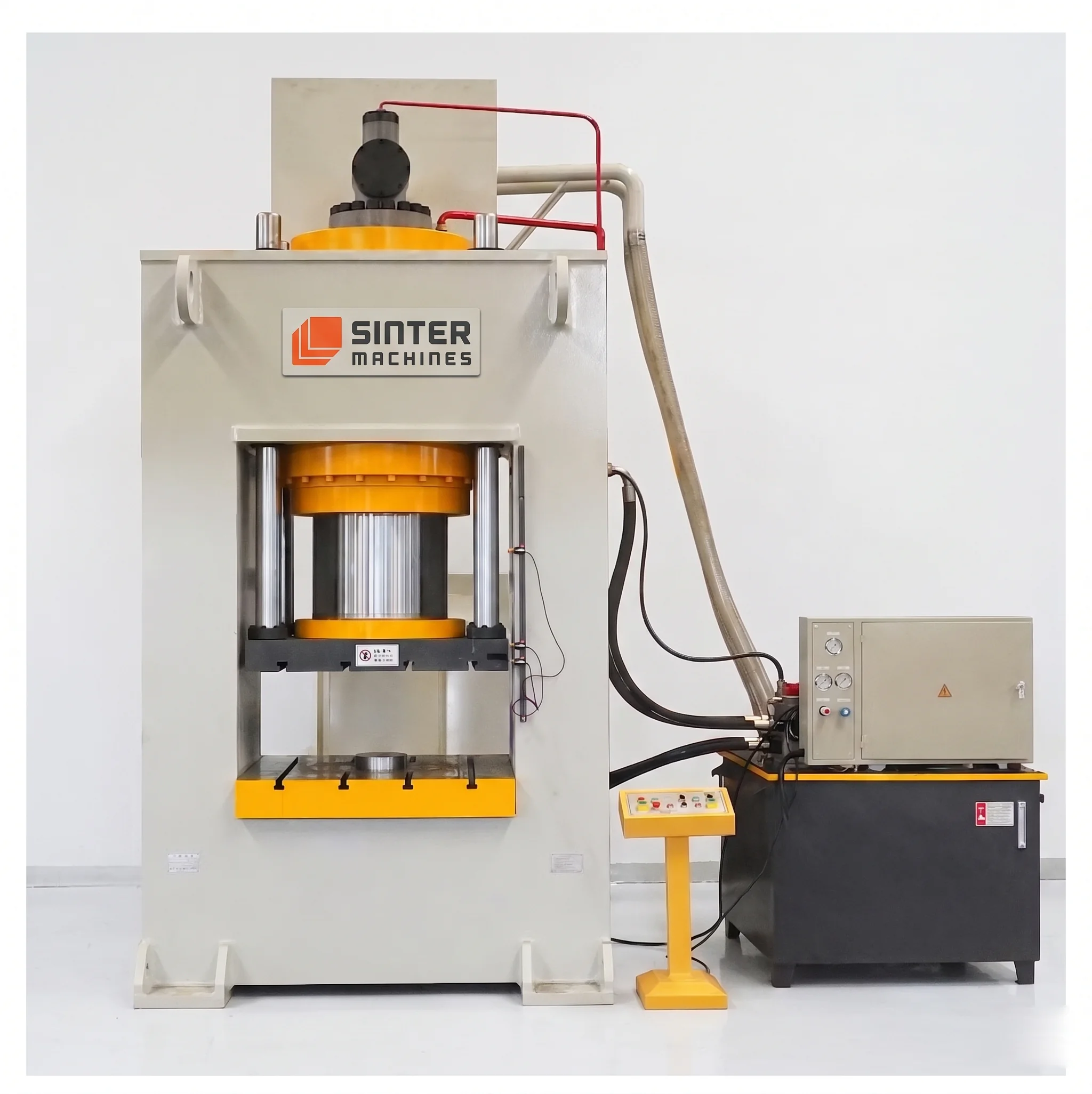
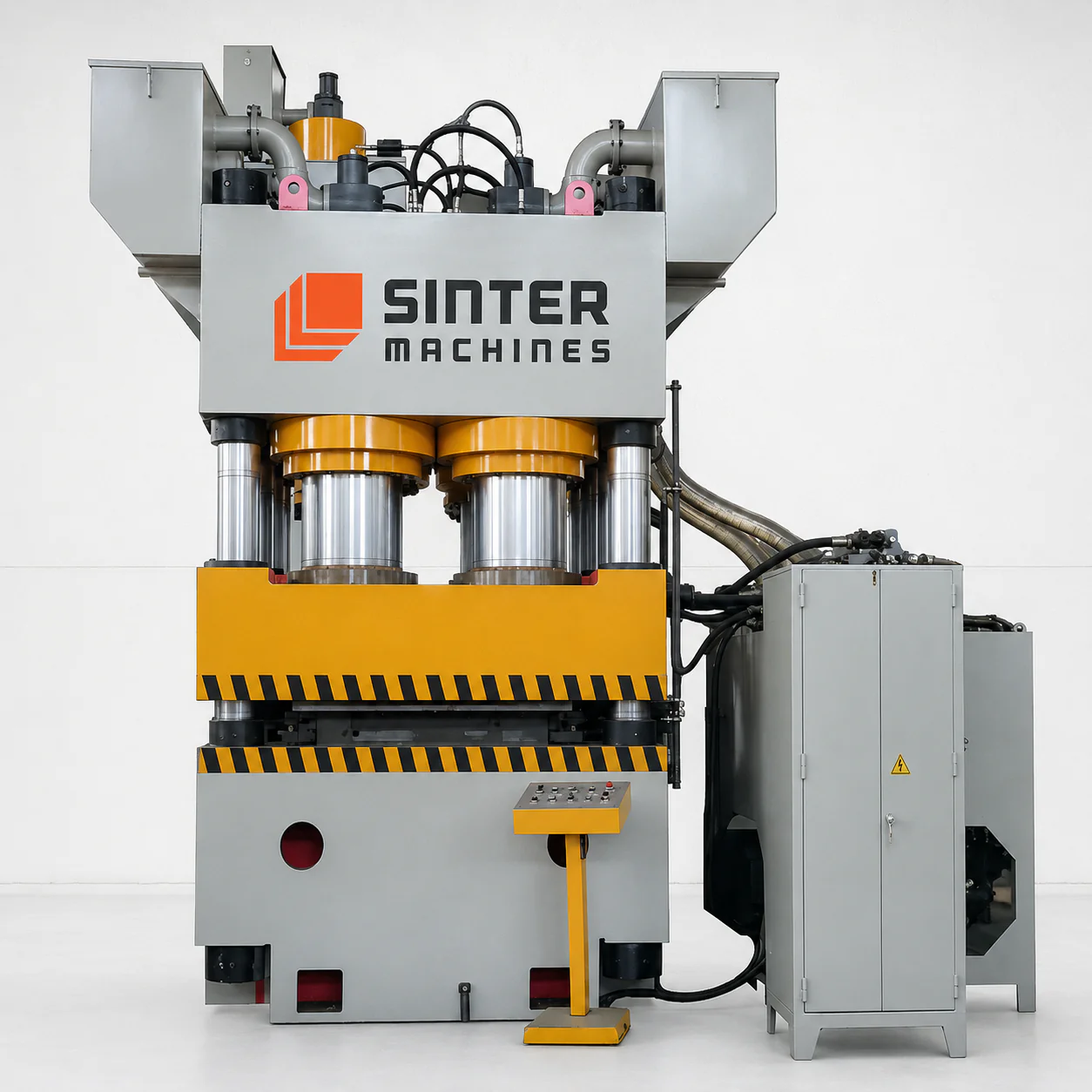
2000T Four Column Hydraulic Press Machine
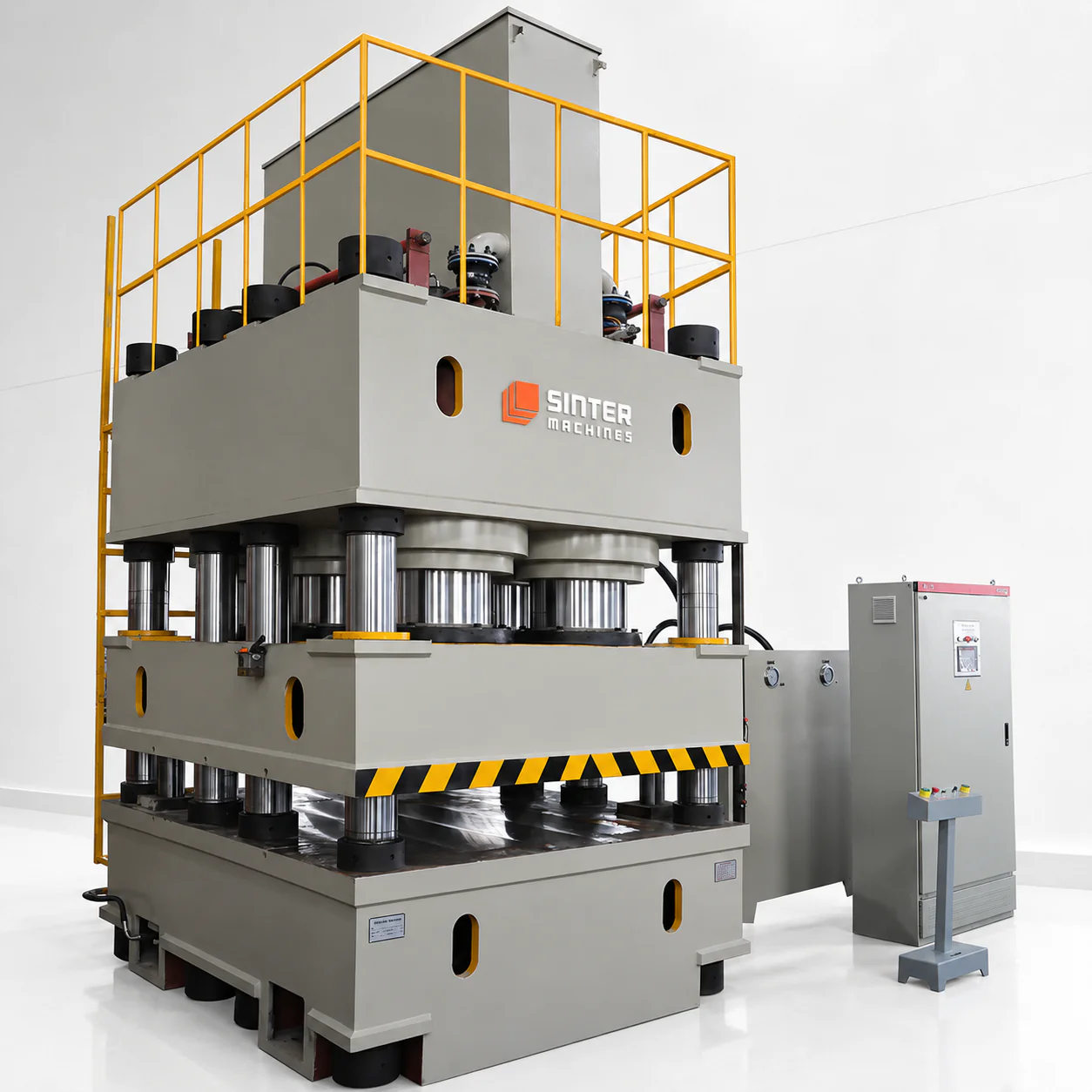
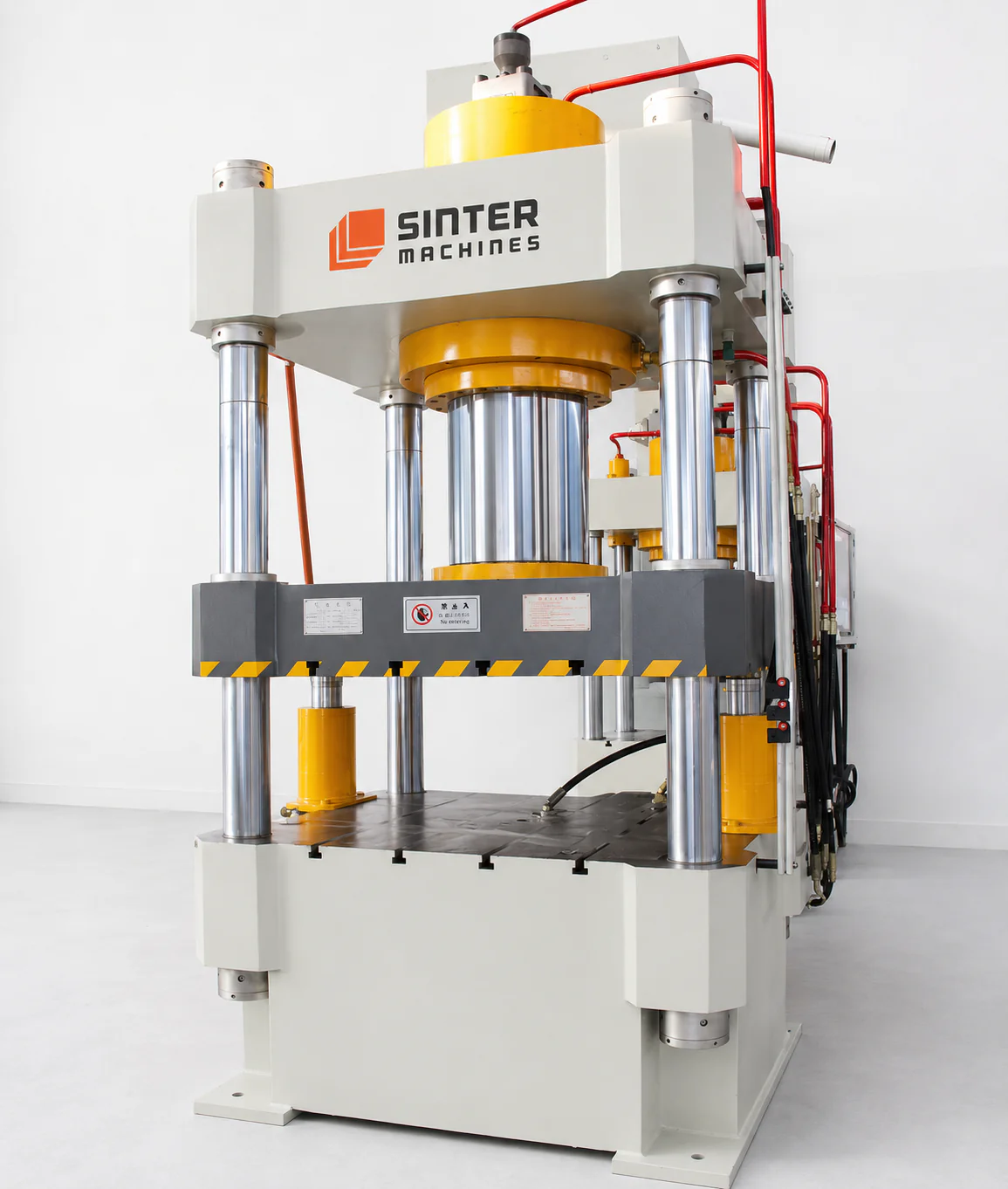
The 2000-ton four-column hydraulic press from Sinter Hydraulics India is a heavy-duty baling machine engineered to compress loose cotton fibers into high-density, uniform bales for efficient storage, handling, and transportation. Featuring a rigid four-column architecture and high-pressure hydraulic circuit, it delivers stable operation, excellent compression performance, and reliable long-term durability in continuous industrial environments.
Use Case
Cotton fiber baling press systems are utilized in cotton ginning plants, spinning mills, and textile facilities to compress loose, fluffy raw fibers into compact rectangular bales. Operating at 2000 tons of compaction force, this press drastically reduces fiber volume, producing standardized, high-density cotton bales optimized for secure handling, warehousing, and global shipping.
Core Applications
- High-density compaction of ginned seed cotton lint, raw fibers, and processed textile waste
- Automated industrial baling in high-throughput cotton ginning factories and spinning mills
- Volume reduction pressing for textile fiber recycling operations and bulk agricultural packaging
Material
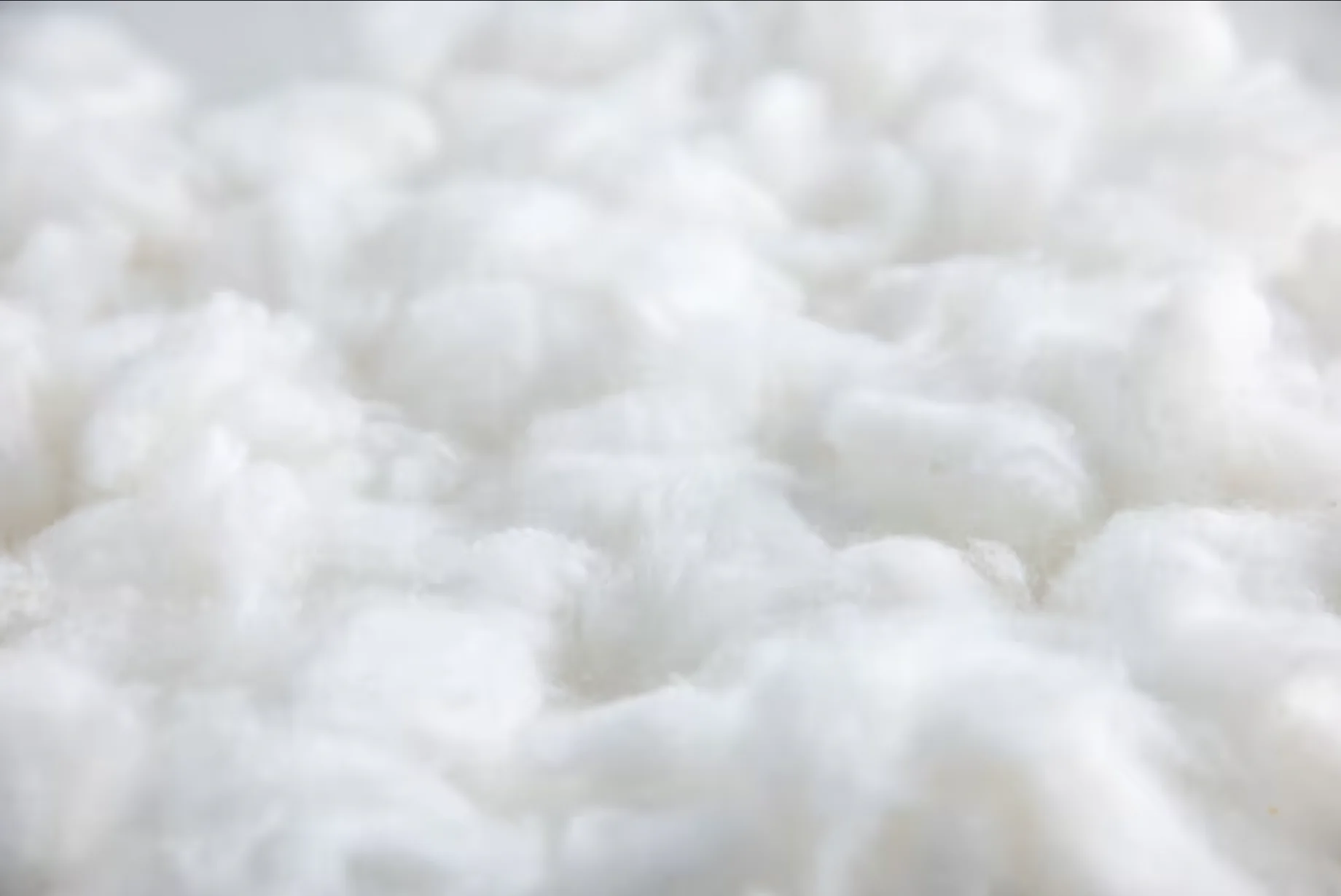
- Natural organic ginned raw cotton lint and uncleaned seed cotton fibers
- Processed cotton fiber waste, spinning mill comber noils, and yarn waste materials
- Synthetic and blended textile fibers including polyester, rayon, and recycled fiber blends
Typical Products Processed
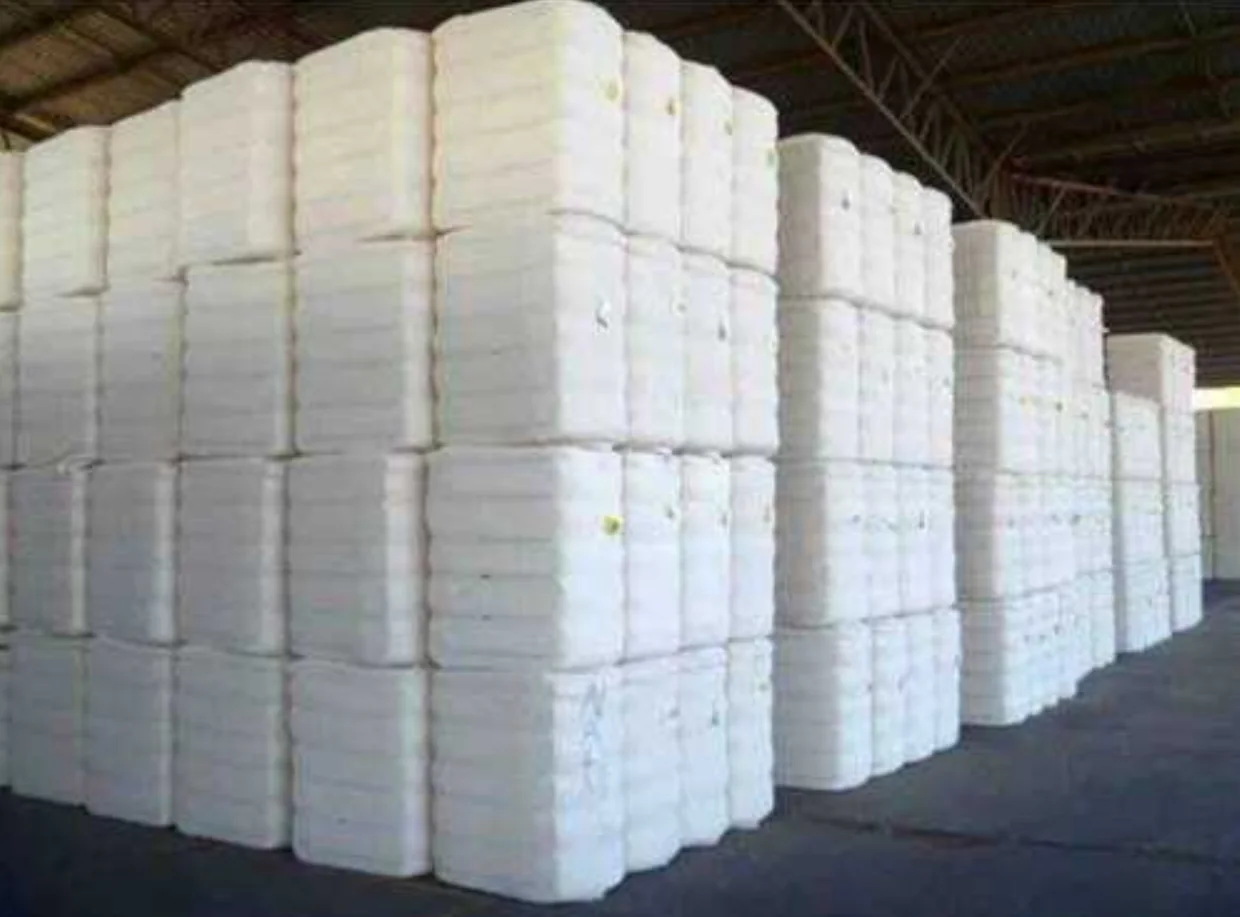
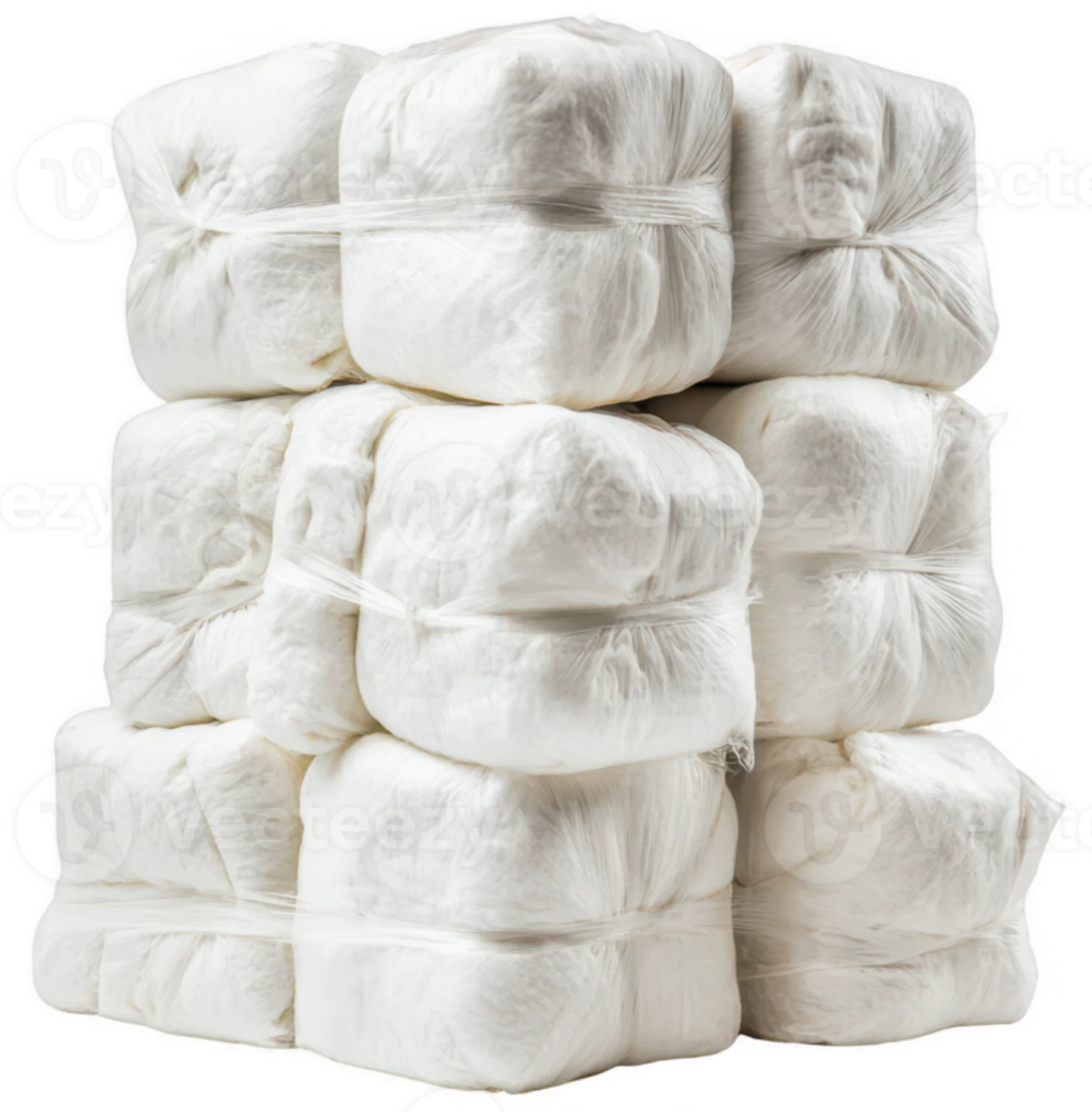
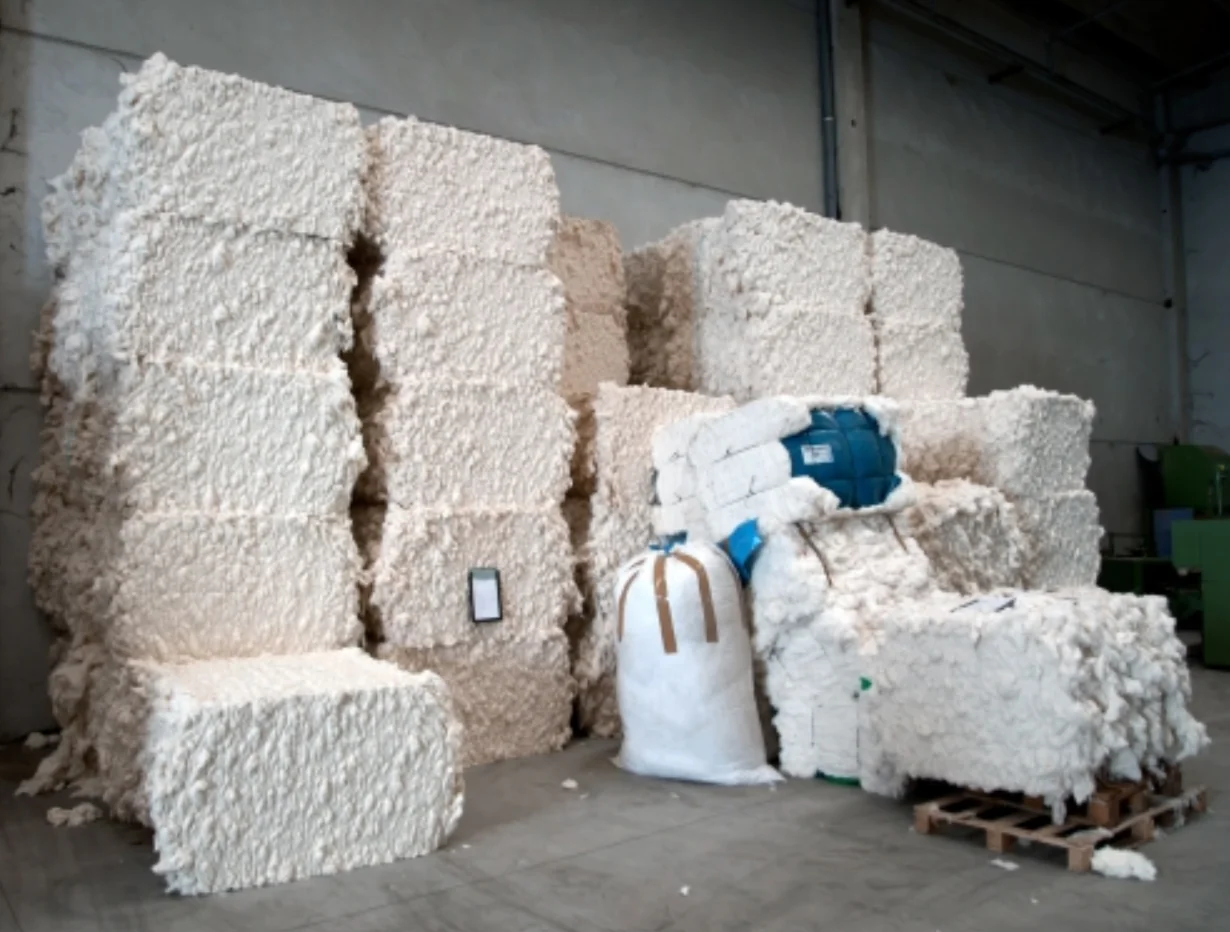
- Standard export-grade high-density rectangular cotton bales weighing 170 to 220 kg
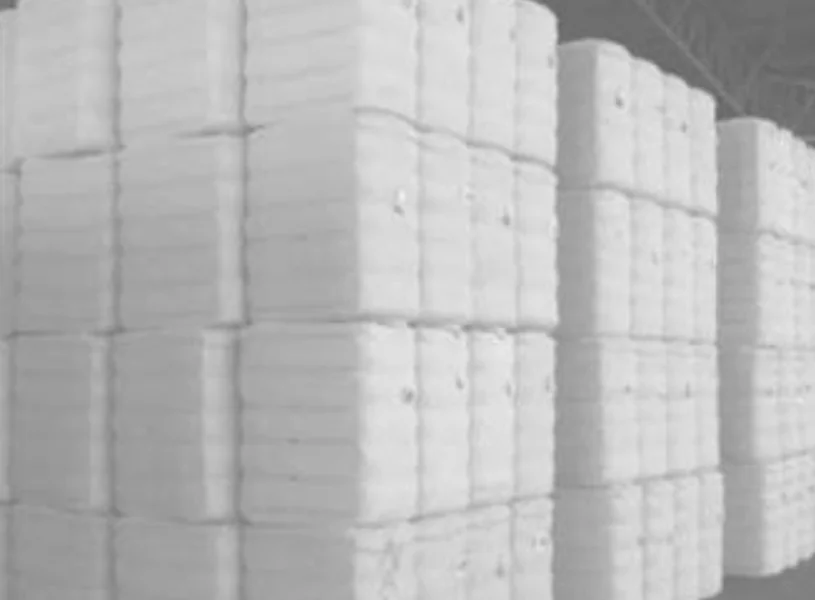
- High-density universal density cotton bales engineered for containerized maritime transport
- Compact textile waste briquettes and recycled fiber bales for industrial reprocessing
Key Functions
- High-tonnage hydraulic deep compaction to evacuate air pockets and consolidate fluffy cotton fibers
- Proportional pressure profiling to maintain structural bale density and prevent elastic fiber springback
- Automated strapping slot access for rapid wire or plastic band tying prior to pressure release
- Multi-cylinder hydraulic ejection system for smooth, distortion-free unloading of finished bales
Why 2000 Ton Hydraulic Press?
- Generates extreme tonnage required to compress highly elastic, springy natural fibers into dense, compact bales
- Four-column structural alignment distributes pressing force evenly across large platen surfaces, preventing lopsided bales and structural distortion
02 — Technical Specifications
SM 2000 HP – HYDRAULIC PRESS MACHINE COMPLETE TECHNICAL DATA
The SM 2000 HP hydraulic baling press delivers high compaction forces and large working daylight designed for compressing loose natural cotton fibers into dense bales. Its heavy four-column framework and high-flow hydraulic circuits enable rapid air evacuation, consistent bale density, and continuous industrial duty cycles.
Capacity
- Maximum continuous compression squeezing force capacity of 20000 kN
- Dedicated hydraulic bottom ejector stripping force capacity of 1200 kN
Structural Design
- Heavy fatigue resistant pre stressed four column configuration built for heavy continuous baling operations
- Heavy steel plate welded structure engineered to absorb severe organic fiber compaction forces without deflection
Frame Type
- Precision aligned solid induction hardened pillar frame guide structure
- Stress relieved heavy welded steel plate bolster and upper moving slide assembly
Hydraulic System
- High output variable displacement axial piston pump fluid power assembly
- Multi stage high capacity offline oil filtration loop with integrated oil coolers
Main Ram Stroke
- Maximum vertical slide compaction travel distance capability of 1200 mm
- Electronic stroke length limitation positioning resolution accurate within 0.005 mm
Working Hydraulic Pressure
- Maximum continuous operating main hydraulic system fluid pressure of 280 bar
- Peak shock safety valve pressure relief calibration threshold limit of 310 bar
Daylight Gap
- Maximum open vertical daylight window working clearance of 1800 mm
- Minimum closed shut die height tool workspace space of 600 mm
Approach Speed
- Accelerated downward advance slide rapid travel speed of 320 mm/Sec
- Controlled raw fiber material tool engagement deceleration velocity of 15 mm/Sec
Pressing / Drawing Speed
- Dynamic high pressure organic fiber compaction speed of 4 to 22 mm/Sec
- Maximum resistance continuous cotton compression squeezing velocity of 28 mm/Sec
Return Speed
- High speed upward ram extraction retraction travel speed of 300 mm/Sec
- Ultra fast automated hydraulic pre return system decompression cycle timing
Bed / Platen Size Platen
- Total clear bolster bed width left to right of 1800 mm
- Total clear bolster bed depth front to back of 1400 mm
Columns
- Ultra high tensile forged alloy steel pillar diameter of 320 mm
- Heavy duty wear resistant bronze guide bushings with automatic grease lubrication
Working Envelope
- Total horizontal internal clear workspace area of 1800 by 1400 mm
- Maximum permissible upper die tool assembly mass weight of 10000 kg
Control System
- Industrial programmable logic controller linked with a graphical touchscreen station
- Dual redundant non contact linear transducer position tracking systems accurate within 0.002 mm
Main Motor Power
- High efficiency primary hydraulic pump electric drive motor power of 160 kW
- Dedicated auxiliary cooling and continuous oil filtration motor power of 15 kW
Valves & Hydraulics
- High dynamic response proportional servo flow control cartridge manifold block
- Integrated fast acting overhead gravity pre fill oil valve unit assembly
Automation
- Digital interface connection ports for synchronized automatic cotton feeding and weighing systems
- Integrated hydraulic output connection interfaces for automated bale strapping and ejection units
Safety Features
- Dual channel infrared light curtain barriers guarding operator workspace zones
- Automated heavy duty dual fail safe mechanical anti drop ram safety locking blocks
SM 2000 HP — Model Specifications
- Nominal Force: 20000 KN
- Maximum Hydraulic Pressure: 25 MPa
- Max Opening Height of the Slider: 1500 mm
- Max Stroke of the Slider: 900 mm
- Effective Bed Size: 1400 × 1400 mm
- Slider Down Speed: 180 mm/s
- Slider Pressing Speed: 10–18 mm/s
- Slider Return Speed: 220 mm/s
- Ejector Cylinder Nominal Force: 900 KN
- Stroke of the Ejection Cylinder: 300 mm
03 — Die / Mold System
Precision Natural Cotton Fiber Baling Die Mold Engineering
This heavy-duty baling chamber tooling features high-strength reinforced steel walls and precision strapping slots engineered for high-tonnage fiber compression. Its rigid structure resists severe lateral expansion forces while enabling rapid air venting and seamless bale tying under pressure.
Use Case
The high-density cotton baling chamber mold is integrated into 2000-ton hydraulic press lines to compress loose, fluffy cotton lint into compact export bales. It forces rapid air evacuation during deep compaction, holding the dense fiber matrix intact while automated strapping bands are applied around the bale.
Technical Specifications (Tooling)
Die Type
- Heavy duty deep cavity hydraulic baling chamber tool assembly for high density cotton fibers
- Precision guide box chamber die set engineered for high volume universal density cotton bale production
Die Materials
- High tensile wear resistant structural steel liner plates designed to withstand fiber friction and side thrust
- Heavy duty forged alloy steel outer chamber frame reinforced against extreme lateral compression loads
Tool Configuration & Construction
- Split chamber box design featuring integrated side wall slot access for automated bale strapping wire placement
- Modular replaceable wear plates along internal compaction surfaces to simplify long term tool maintenance
Key Tooling Features
- Multi channel air decompression vents designed to evacuate trapped air rapidly during high speed ram stroke
- Hydraulic bottom ejection platen mechanism engineered for smooth damage free discharge of bound cotton bales
Alignment Accuracy
- Upper compaction platen to lower chamber wall side gap clearance kept strictly under a limit of 0.080 mm
- Compaction slide guiding parallelism across the active chamber footprint restricted within a tolerance of 0.020 mm
Process Materials
- Ginned natural organic raw cotton lint seed cotton fibers and textile spinning mill waste
- Synthetic polyester viscose and blended textile recycling fibers for industrial compact baling
Surface Finish
- Internal chamber wall contact surfaces precision ground down to a smooth roughness of Ra 0.40 microns
- Anti friction protective coating applied to internal sidewalls to reduce fiber drag during ejection
Tool Life
- Expected operational span of 100000 baling cycles before requiring mandatory liner plate inspection and polish
- Total structural chamber frame lifespan capacity reaching 1000000 production cycles before major rebuilds
Precision Natural Cotton Fiber Baling Die Mold
04 — Product Application
Where Natural Cotton Fiber Baling Are Used
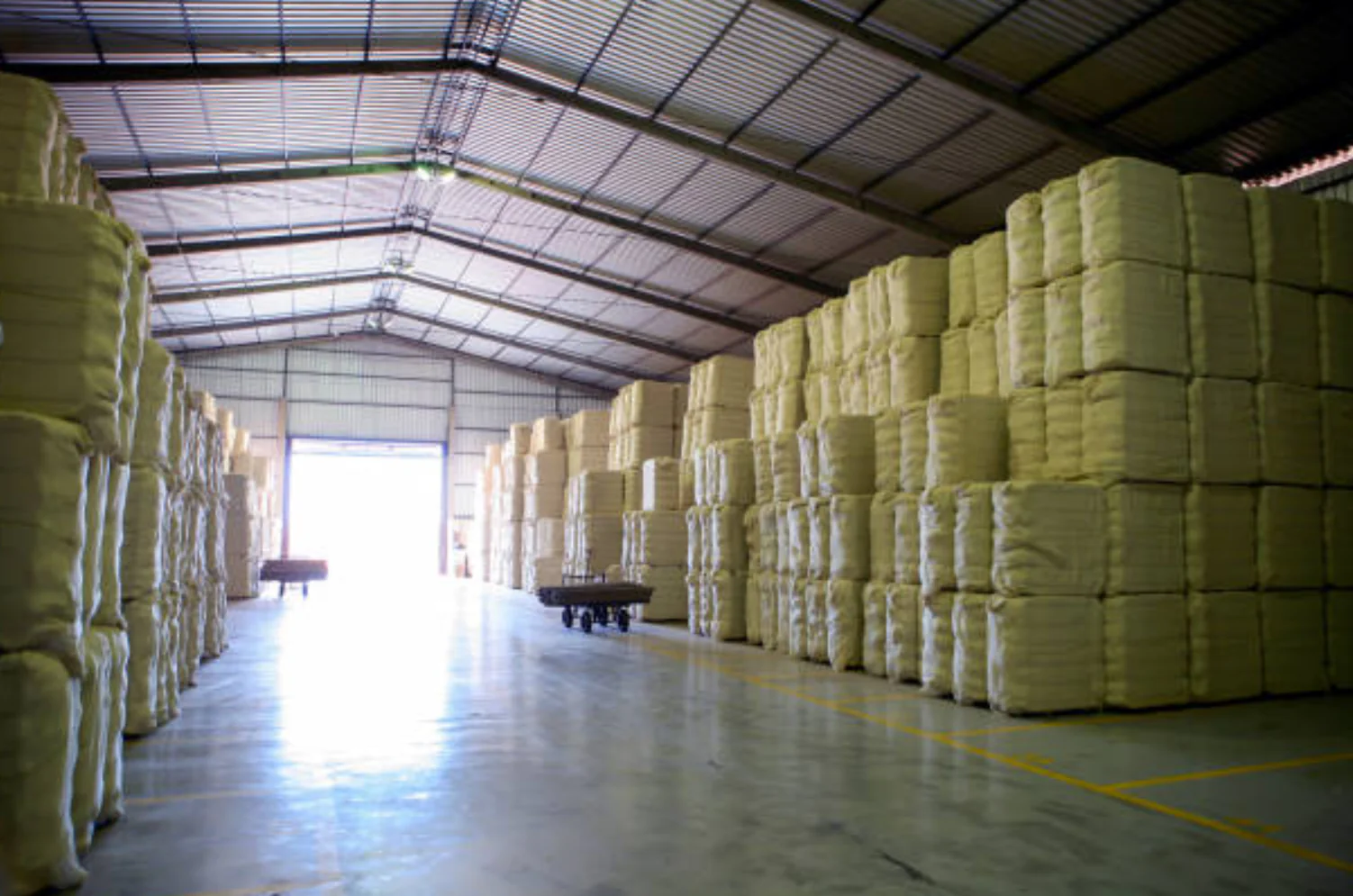
Compressed natural cotton fiber bales are essential standardized units used throughout the global textile supply chain and agriculture sector. High-density baling maximizes shipping container space, protects raw fibers during transit, and enables automated material handling at spinning mills.
Industry Applications
Natural cotton fiber baling is vital across cotton ginning, textile spinning, international freight logistics, and industrial fiber recycling. Standardizing fiber volume into ultra-dense, secure bales reduces transport costs, optimizes warehouse floor utilization, prevents fiber degradation during long-distance transit, and ensures seamless processing on high-speed automated spinning lines.
Cotton Ginning Facilities and Agricultural Processing Plants
Ginning operations compress freshly separated seed cotton lint into standardized universal density bales. Compacting raw fiber immediately after ginning prevents contamination, preserves moisture balance, and simplifies bulk warehousing.
Textile Spinning Mills and Yarn Manufacturing Facilities
Spinning plants import high-density bales as primary raw material for yarn, thread, and fabric production. Uniform bale dimensions and consistent densities allow automated laydown equipment to blend fibers evenly into spinning lines.
Global Freight Logistics and International Maritime Trade
High-density baling minimizes total freight volume to maximize payload capacity inside ocean shipping containers. Standardized bale sizes meet strict international transport regulations, reducing shipping costs and handling fees during export.
Textile Recycling and Industrial Fiber Recovery Plants
Recycling operations collect and compress garment cuttings, comber noils, and spinning waste into dense bales. Compacting loose fiber waste streamlines transport to reprocessing plants for secondary textile and non-woven material production.
Finished Product Gallery
05 — Key Advantages
Why Choose the 2000-Ton Sinter Hydraulic Press
The 2000-Ton Sinter Hydraulic Press provides the massive compaction force and structural rigidity required to compress highly resilient natural cotton fibers. Its precise multi-stage pressure profiling and high bale density output significantly reduce freight and storage costs while ensuring seamless export compliance.
Technical & Commercial Benefits
Massive 2000-Ton Compaction Force Overcoming High Fiber Elasticity
Delivering 2000 tons of continuous hydraulic force overcomes raw cotton memory to produce ultra-dense, stable bales. Maximizing fiber consolidation eliminates post-compression expansion, producing compact bales that hold their shape under long-term storage.
Heavy-Duty Four-Column Architecture Eliminating Frame Deflection
The pre-stressed four-column frame absorbs intense, non-uniform lateral forces generated during deep fiber pressing. Absolute structural alignment protects chamber walls and internal seals from uneven wear, ensuring reliable performance in heavy continuous industrial duty.
Multi-Stage Air Decompression System Preventing Fiber Bursting
Controlled hydraulic fluid release vents trapped air from the deep fiber matrix prior to main slide reversal. Gradual pressure relief prevents explosive air expansion, protecting bale integrity and eliminating surface tearing during automated strapping.
Integrated Side-Slot Access for Fast Automated Strapping
The baling chamber design incorporates precision-aligned slots for rapid wire or plastic band application under load. Strapping the bale while under full hydraulic pressure locks in maximum density and speeds up total cycle times.
Multi-Cylinder Bottom Hydraulic Ejection for Smooth Bale Discharge
A dedicated high-force bottom ejector applies uniform upward pressure across the base of the compressed cotton bale. Balanced mechanical extraction prevents bale distortion and surface snagging, keeping high-speed ginning production lines moving continuously.
Significant Freight and Storage Cost Reduction for Export Logistics
Compressing loose cotton lint to universal export density maximizes weight limits inside standard sea shipping containers. Reducing total freight volume cuts ocean transport costs per ton and optimizes warehouse floor space utilization for ginners and spinning mills.