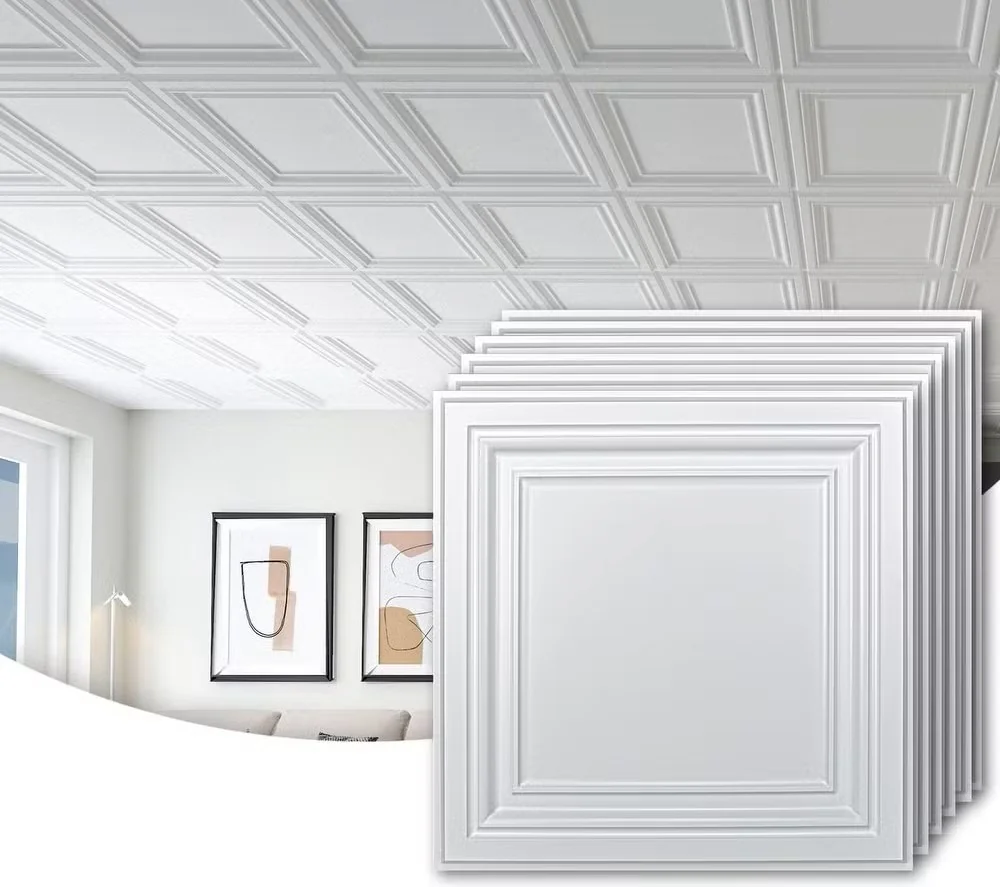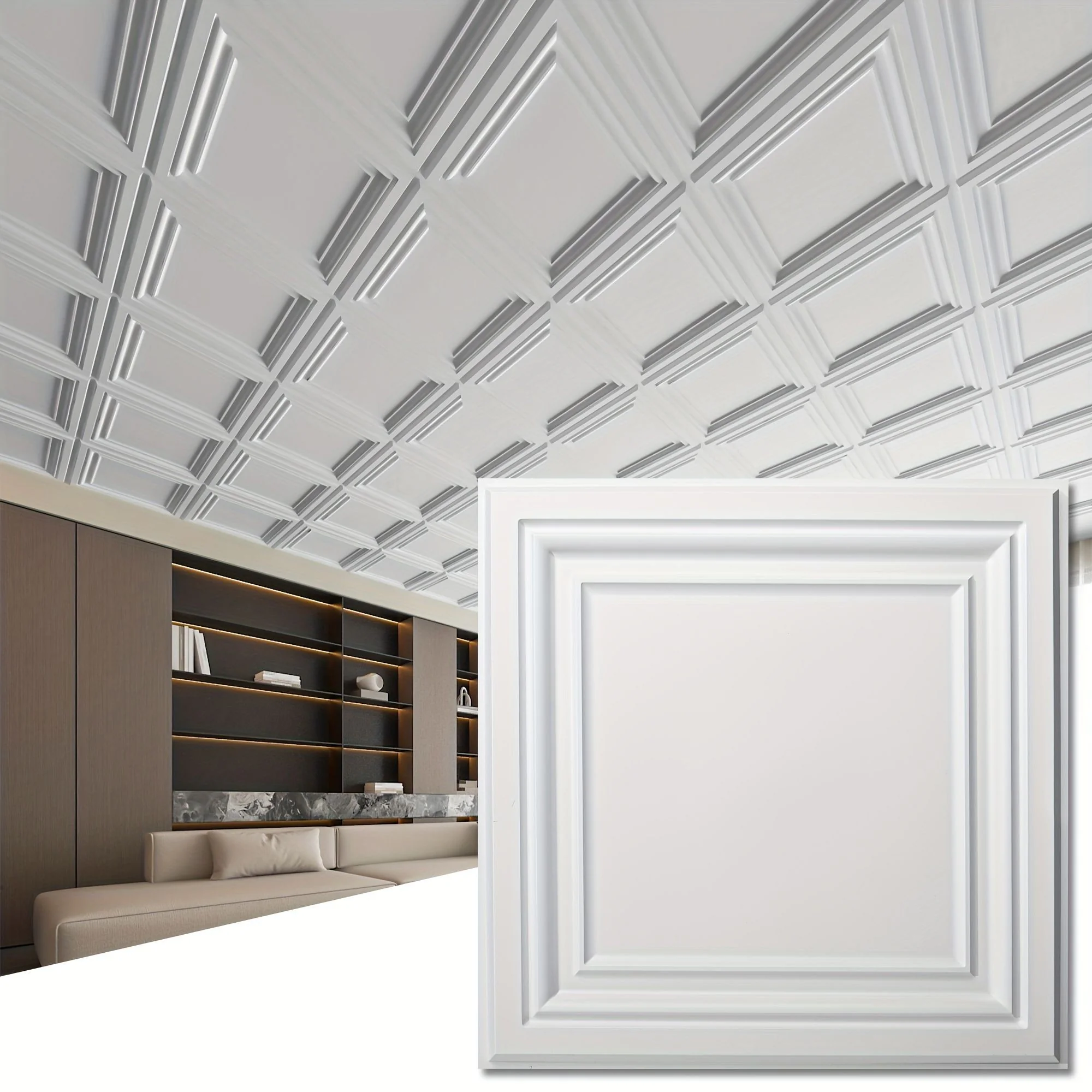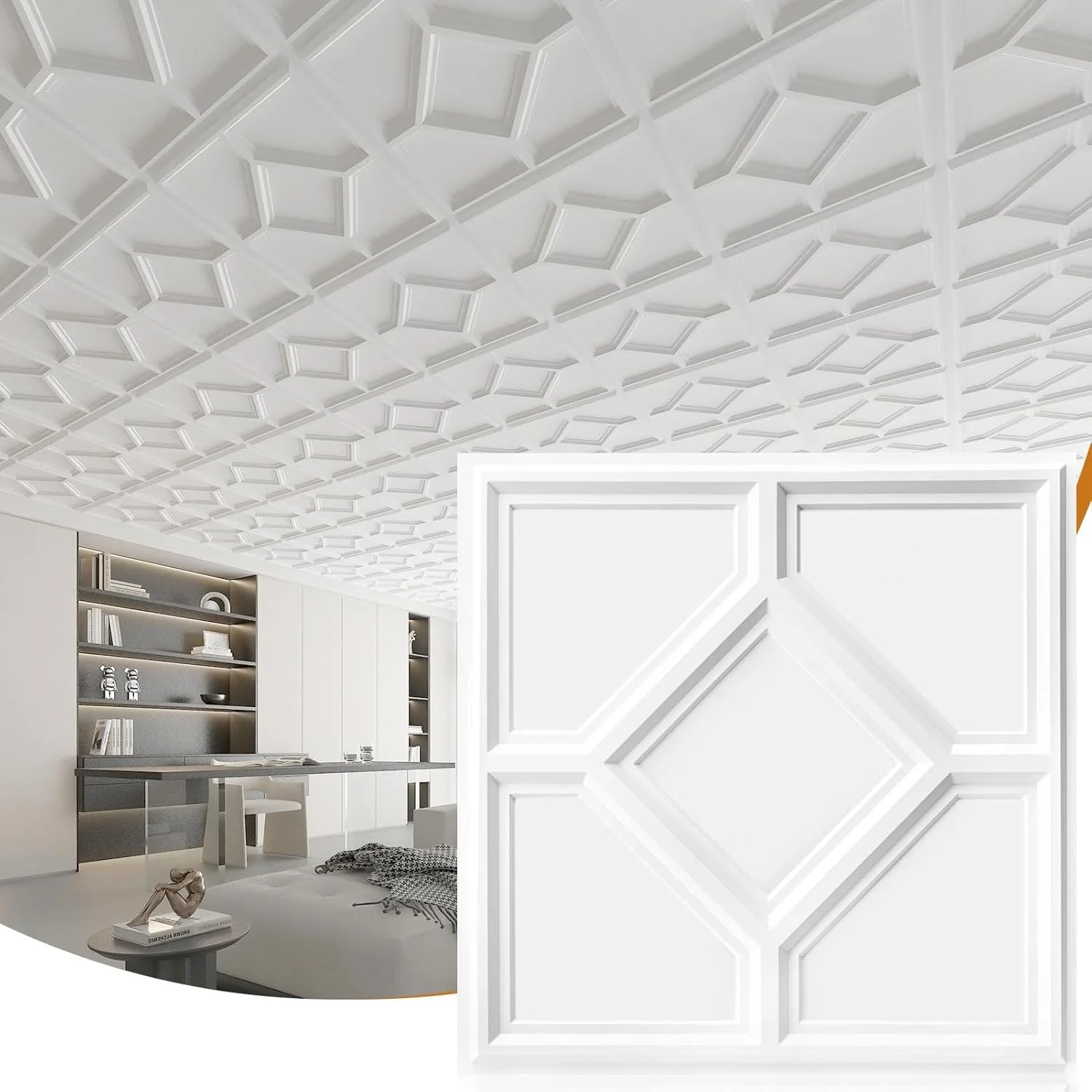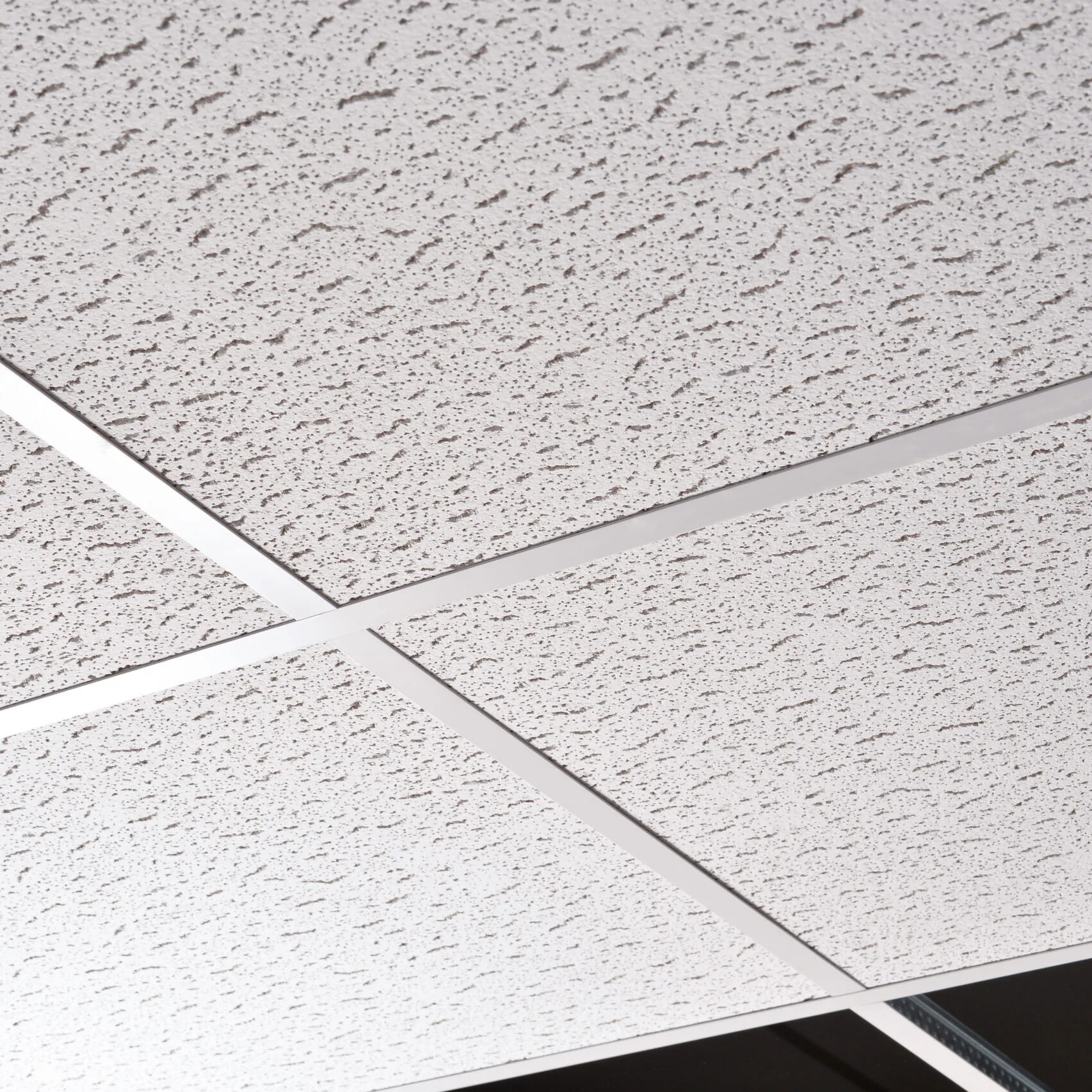
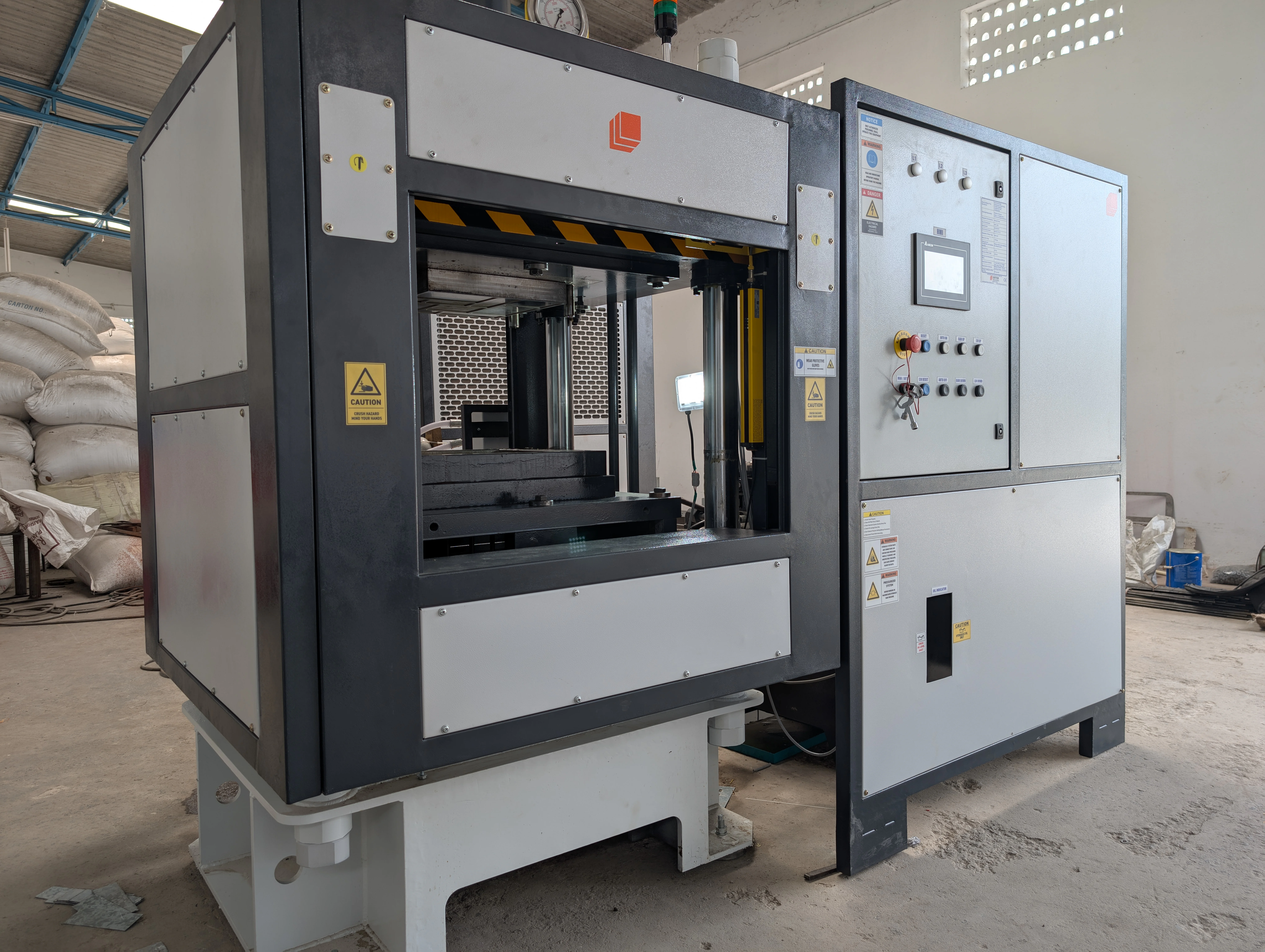
Interior Ceiling Tiles Press — hydraulic press 1
Composite Interior Ceiling Tiles · Hydraulic Press Machine

315 Ton Four Pillar Hydraulic Press for Composite Interior Ceiling Tiles

315T Rated Capacity
100 mm/s Slider Down Speed
7–12 mm/s Slider Pressing Speed
90 mm/s Slider Return Speed

01 — Press System

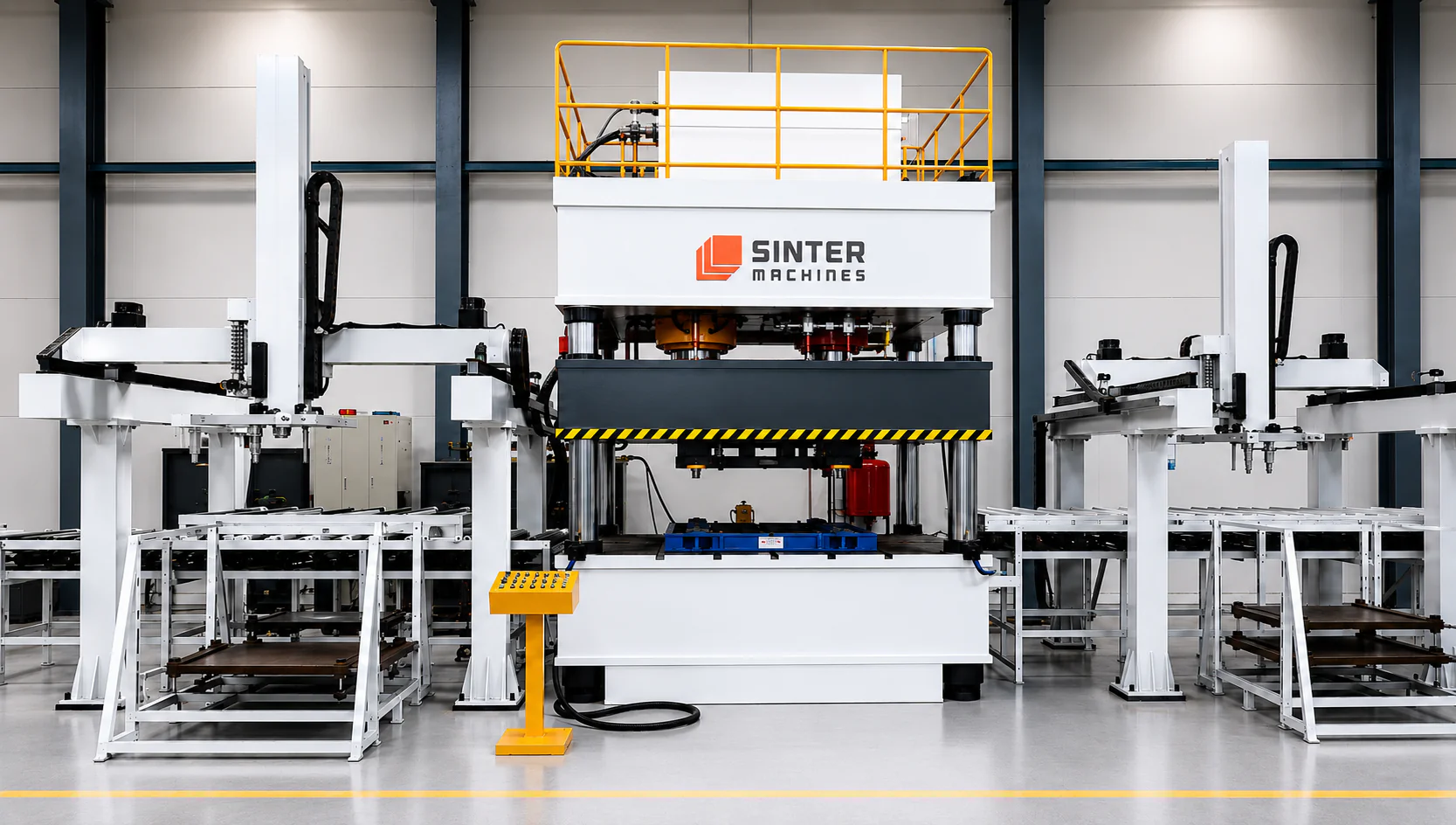
315 Ton Four Pillar Hydraulic Press Machine

This 315-Ton Four Column Hydraulic Press production line delivers high-compaction molding of plastic-sand composite interior ceiling tiles with uniform density and flawless surface finish. It integrates automated material handling, thermal extrusion, precise pressing, and rapid chilling to maximize production output and material consistency.

Use Case

The integrated 315-Ton press system uses an automated sequence where the HMS extrusion unit thoroughly melts and blends recycled LDPE plastic with AAC block dust, pigment, and UV additives into a homogeneous hot composite charge. The hydraulic press then applies 315 tons of compaction force to eliminate voids and form the tile profile, while the industrial chiller circulates 15°C water through the mold to rapidly cool the composite from 200°C down to 60°C for fast demolding.

Final Product Properties

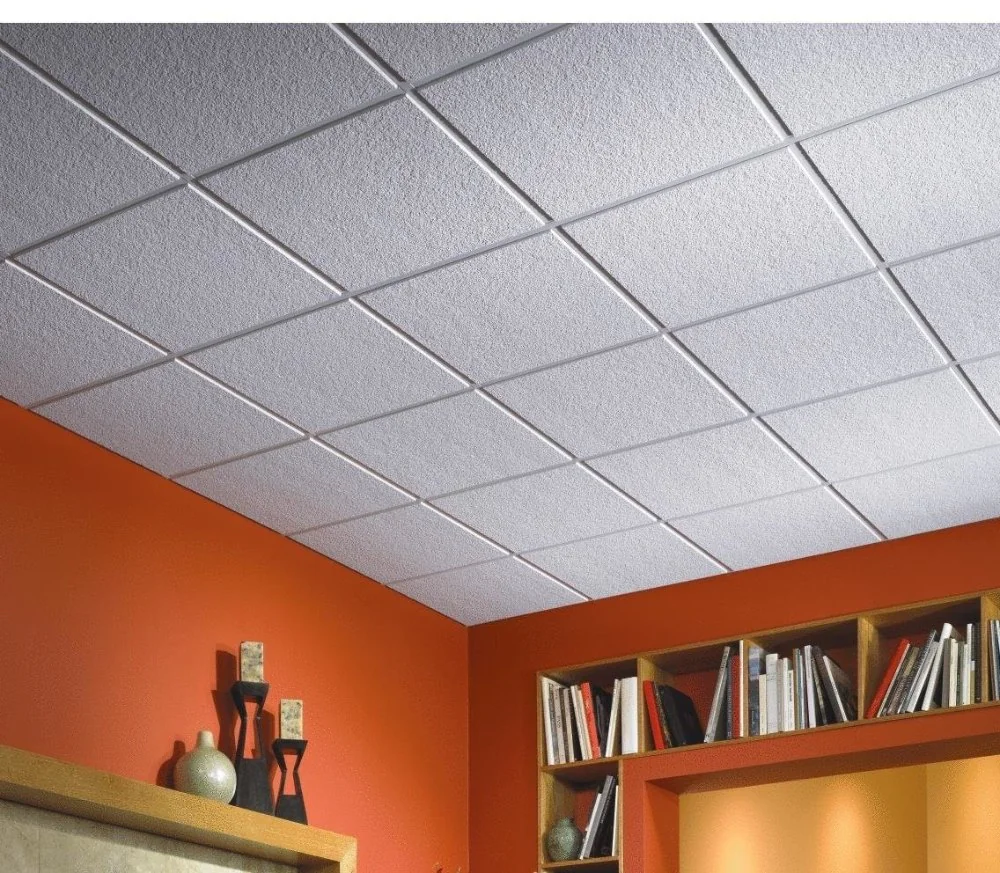
  • Core Applications: Ideal for moisture-prone interior ceilings, architectural acoustic panels, and decorative multi-color ceiling installations in commercial and residential buildings.
  • Material: Formulation uses 30 percent recycled LDPE plastics, 70 percent AAC block waste dust, 3 percent color pigment, and functional UV additives as required.
  • Products Processed: Highly durable plastic-sand composite interior ceiling tiles featuring molded multi-color finishes, full waterproofing, high impact resistance, and a lightweight build that is 30 to 40 percent lighter than concrete.
  • Why 315 Ton Hydraulic Press: Delivers the precise, heavy compaction tonnage needed to eliminate internal air voids in dense sand-plastic blends while maintaining tight thickness tolerances across large-surface ceiling panels.

02 — Technical Specifications

SM 315 HP – Hydraulic Press Machine Complete Technical Data

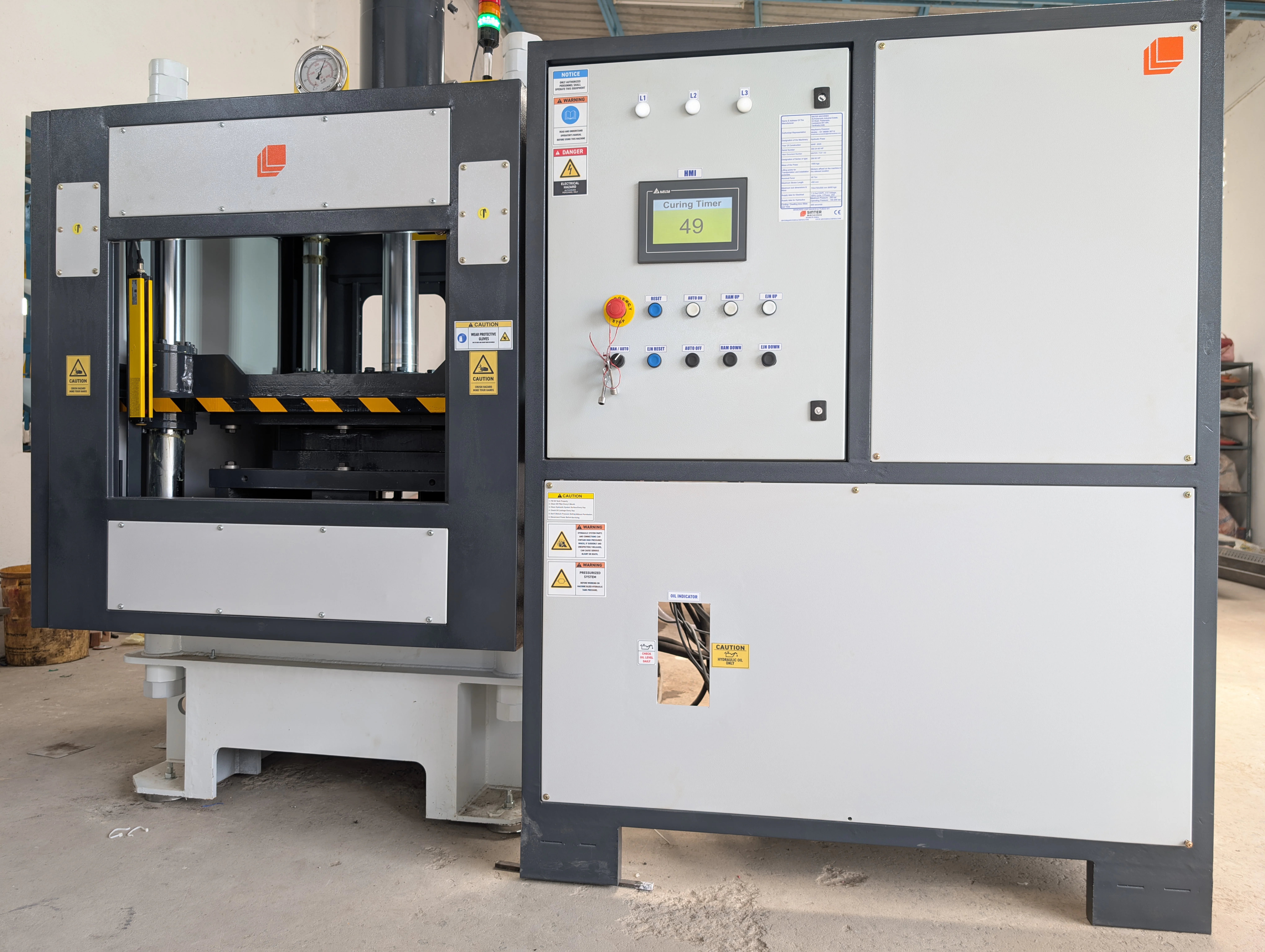
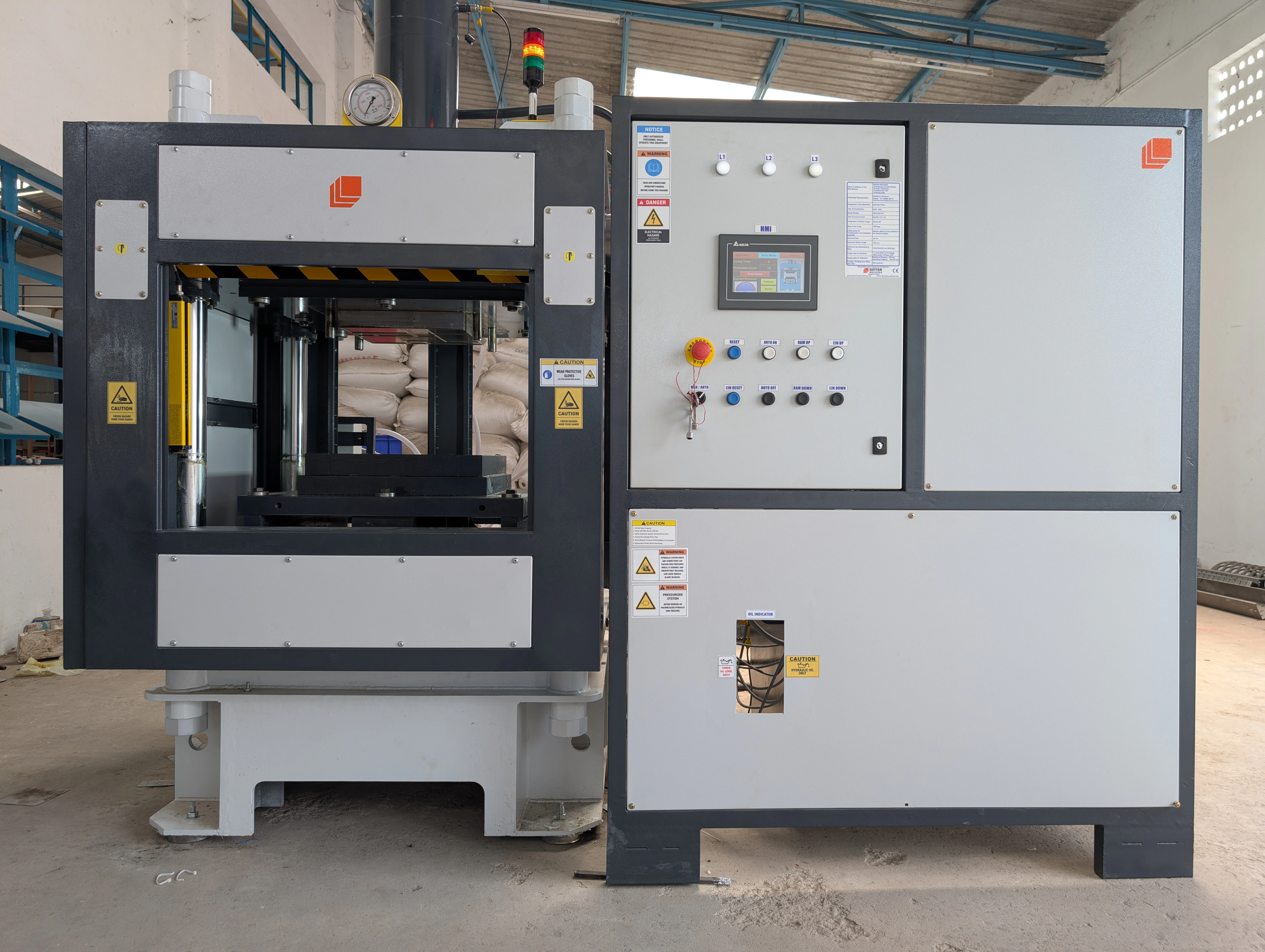
The SM 315 HP 315-Ton Hydraulic Press Machine delivers precise compaction force and uniform pressure distribution specifically tailored for high-density plastic sand composite ceiling tile production. Its robust four-column design ensures minimum deflection, structural stability, and reliable long-term performance under continuous industrial operation.

Capacity

  • Nominal Force: 315 Ton force

Structural Design

  • Frame Type: Four Column Heavy Duty Guidance Structure

Hydraulic System

  • Main Ram Stroke: 600 mm
  • Working Hydraulic Pressure: 250 Bar
  • Daylight Gap: 800 mm
  • Approach Speed: 150 mm per Sec
  • Pressing / Drawing Speed: 12 mm per Sec
  • Return Speed: 120 mm per Sec
  • Bed / Platen Size Platen: 1200 mm by 1200 mm
  • Columns: Four Solid Forged Alloy Steel Columns

Working Envelope

  • Clear Clearance Between Columns: 1000 mm by 800 mm

Control System

  • Main Motor Power: 22 kW
  • Valves and Hydraulics: Proportional Directional Control Valves and Logic Block Integration
  • Automation: Programmable Logic Controller with Human Machine Interface Touch Panel
  • Safety Features: Dual Hand Operating Buttons and Safety Photoelectric Light Curtain Array

SM 315 HP — Model Specifications

  • Nominal Force: 3150 KN
  • Maximum Hydraulic Pressure: 25 MPa
  • Max Opening Height of the Slider: 1000 mm
  • Max Stroke of the Slider: 600 mm
  • Effective Bed Size: 800 × 800 mm
  • Slider Down Speed: 100 mm/s
  • Slider Pressing Speed: 7–12 mm/s
  • Slider Return Speed: 90 mm/s
  • Ejector Cylinder Nominal Force: 300 KN
  • Stroke of the Ejection Cylinder: 300 mm
Production Case Study

315 Ton Polymer Sand Composite Interior Ceiling Tiles Production Line

Plastic Sand CompositeMaterial
600 x 600 mmCeiling Tile Size
3-5 mmTile Thickness
120 SecondsCycle Time
High production output
Consistent tile dimensions
Zero internal voids
Excellent surface finish
Low operational cost
High structural strength
03 — Die / Mold System

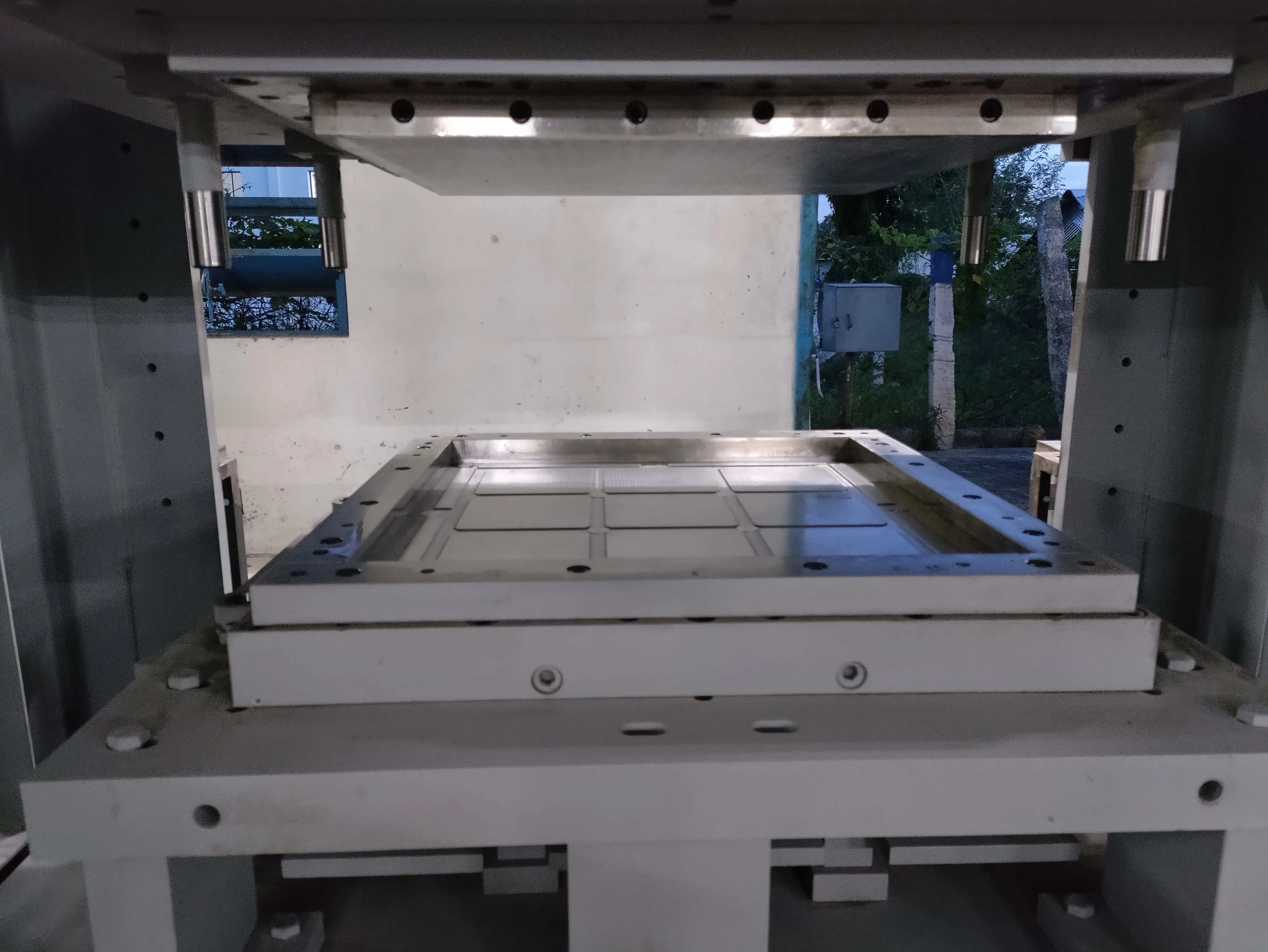
Precision Single Cavity Interior Ceiling Tile Die Mold Engineering

Precision single cavity mold designed for high compression forming of plastic sand composite ceiling tiles with defined textures. Delivers uniform panel thickness, crisp edge detail, and consistent physical properties across continuous production runs.

Technical Specifications (Tooling)

Die Type

  • Mold Cavity: Single Cavity Mold

Die Materials

  • Core and Cavity Steel: Hardened Tool Steel P20
  • Mold Base Steel: Structural Carbon Steel S45C

Tool Configuration and Construction

  • Construction Type: Direct compression tool block with integrated core plate
  • Cooling Circuit: High velocity internal cooling channels running at 18 mm per Sec

Key Tooling Features

  • Ejection System: Full face mechanical ejector plate with guide pins
  • Venting Profile: Continuous perimeter micro venting slots at 0 point 025 mm depth

Alignment Accuracy

  • Guide Pin Tolerance: Precision alignment within 0 point 008 mm
  • Parting Line Positional Accuracy: Deviation limit within 0 point 012 mm

Surface Finish

  • Cavity Surface Polish: Matte textured pattern finish
  • Surface Roughness: Ra value 0 point 8 mm

Tool Life

  • Expected Operational Life: 800000 production cycles
Interior Ceiling Tiles Press — die mould
Case Study (Die Performance)

Precision Single Cavity Interior Ceiling Tiles Die Mold

P 20 AlloyDie Material
56-60 HRCHardness
Vacuum HardeningHeat Treatment
Superior tile surface finish
Uniform thickness across panel
High thermal dissipation rate
Minimal flashing along edges
Extended cavity service life
Reduced rejection rate percentage

04 — Product Application

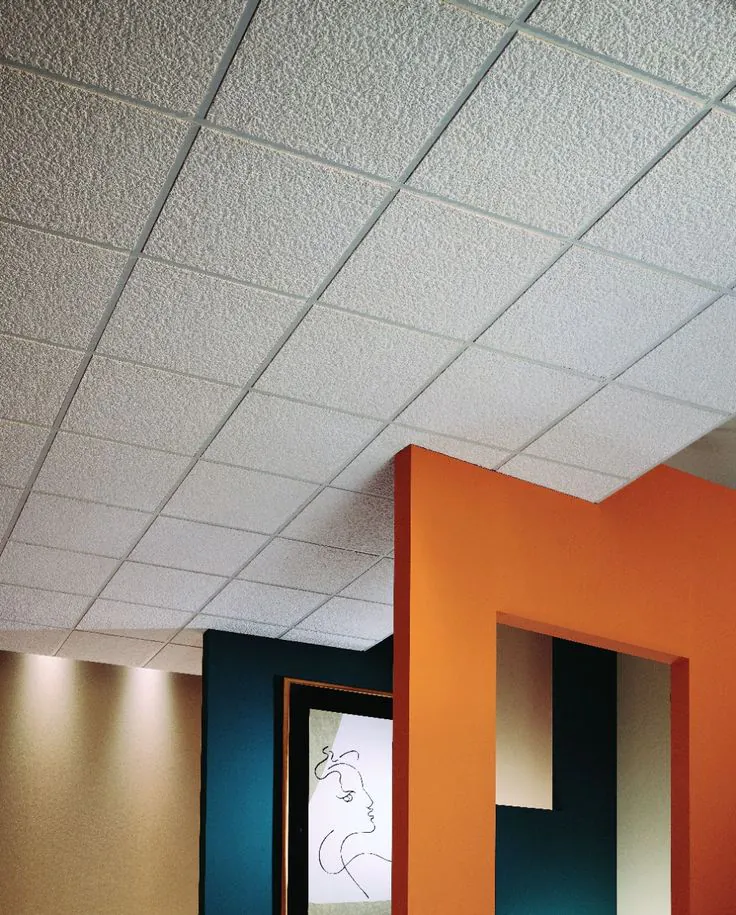
Where Plastic Sand Composite Interior Ceiling Tiles Are Used

Plastic sand composite interior ceiling tiles offer a durable, moisture-resistant alternative to traditional mineral fiber or drywall systems in interior architecture. Engineered from recycled materials, these lightweight tiles deliver superior water resistance, impact strength, and low-maintenance longevity across demanding commercial and residential spaces.

Industry Applications

Commercial Office Buildings and Corporate Facilities

Installed throughout open-plan workspaces, conference rooms, and high-traffic corridors requiring durable suspended ceiling grids.These composite tiles resist sagging from humidity variations and maintain structural integrity while supporting sleek modern aesthetic finishes.

Healthcare Facilities and Cleanrooms

Deployed in hospital corridors, outpatient clinics, and laboratory ceilings where hygiene and moisture resistance are critical.The non-porous surface prevents moisture absorption, inhibits bacterial growth, and allows for frequent cleaning without material degradation.

Educational Institutions and Public Buildings

Fitted across school classrooms, lecture halls, administrative offices, and library facilities subjected to heavy daily usage.Provides high impact resistance against accidental impacts while delivering long-lasting thermal stability and easy maintenance for facility managers.

Hospitality and Transportation Hubs

Utilized in hotel lobbies, restaurant dining areas, airport terminal waiting zones, and train station interiors.Offers robust fire and weather resistance alongside multi-color decorative profiles that elevate interior visual appeal under continuous exposure.

Finished Product Gallery

05 — Key Advantages

Why Choose the 315-Ton Sinter Hydraulic Press

The 315-Ton Sinter Hydraulic Press provides precise high-pressure compression needed to mold thin, high-density plastic-sand ceiling tiles without warpage or voids. Its uniform pressure distribution and integrated temperature control ensure stable tile dimensions, high surface fidelity, and cost-effective continuous production.

Technical & Commercial Benefits

01

High Compaction Precision for Flat Profiles

Delivers 315 tons of uniform clamping force across large surface areas to prevent tile sagging, warping, or uneven thickness.

This guarantees flat, dimensionally stable ceiling tiles that fit seamlessly into standard suspended ceiling T-bar grid systems.

02

Superior Densification and Void Elimination

Exerts intense pressure to fully eliminate air pockets within the viscous plastic-sand aggregate mixture during the press stroke.

The resulting high-density structure provides maximum impact strength and prevents cracking during handling, transport, and installation.

03

Optimized Cycle Times and Energy Efficiency

Features high-speed ram approach and quick return speeds backed by modern energy-saving hydraulic manifold blocks.

Faster pressing and cooling transitions shorten the overall molding cycle, significantly boosting daily tile output for large commercial supply orders.

04

Lower Production Costs via Recycled Fillers

Capable of processing dense formulations using up to 70 percent AAC block waste dust and recycled plastic raw materials.

Utilizing low-cost waste inputs dramatically reduces raw material expenses, giving manufacturers a competitive cost advantage in market pricing.

05

Exceptional Surface Detail and Color Consistency

Maintains accurate holding pressure to replicate mold textures and ensure even distribution of color pigments throughout the tile core.

This creates multi-color, scratch-resistant surface finishes without requiring secondary liquid painting or extra surface coating steps.

06

Rugged Four-Column Frame for Long Tool Life

Built with heavy-duty forged steel columns and guided platens to withstand eccentric loads and eliminate platen deflection.

Minimized mechanical play protects delicate textured ceiling tile mold cavities from wear, extending the total operational life of expensive tooling.