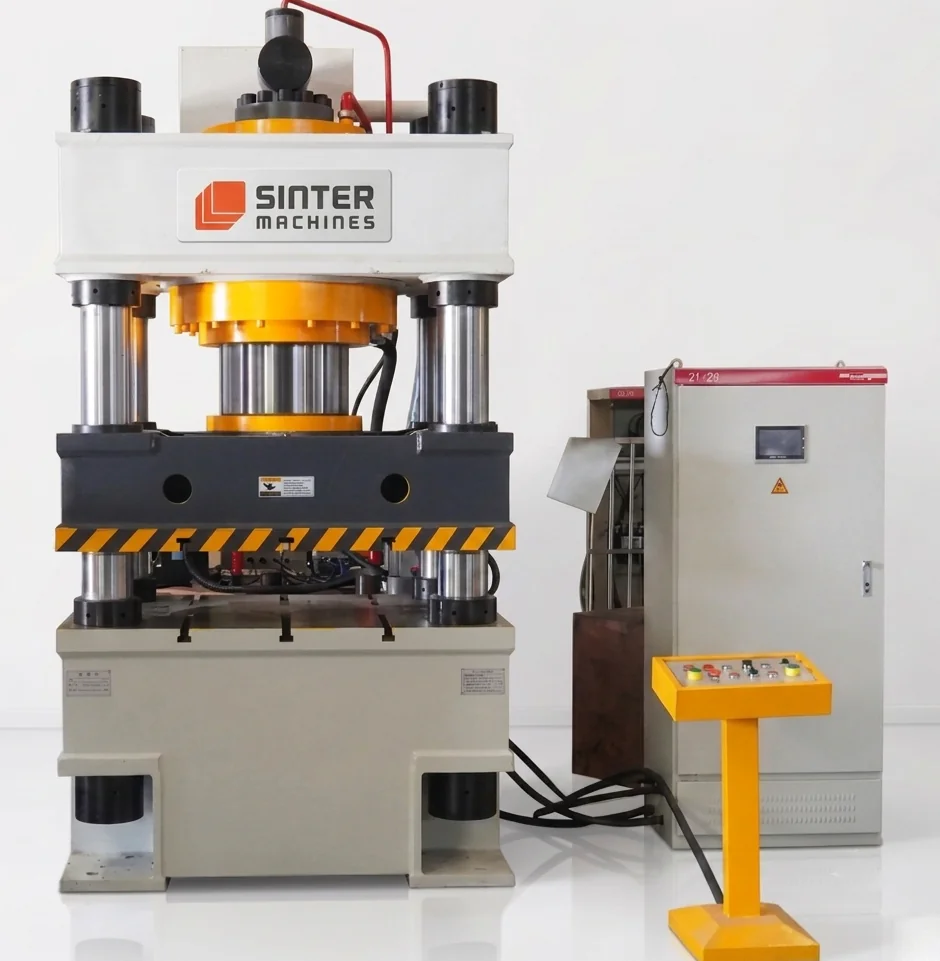
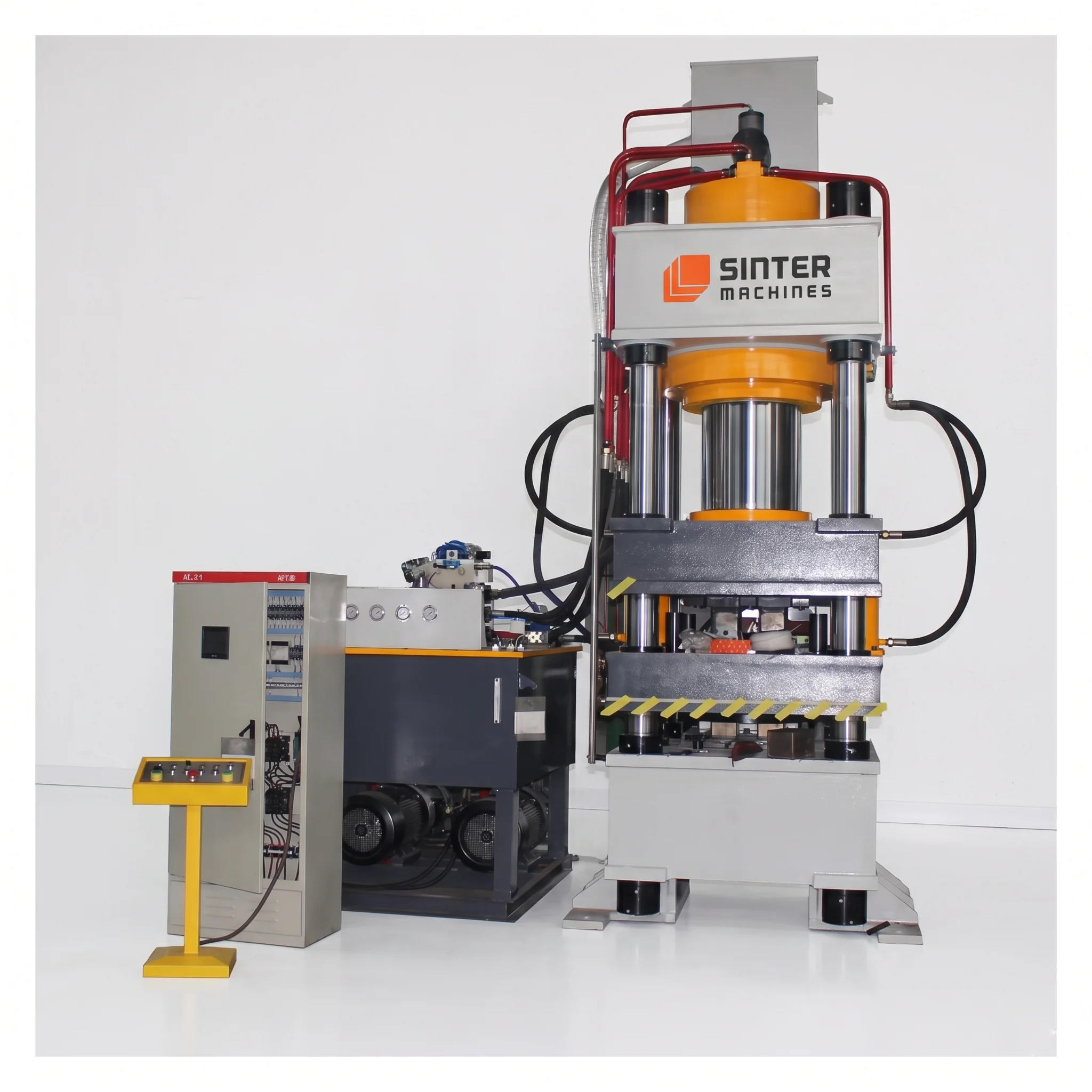
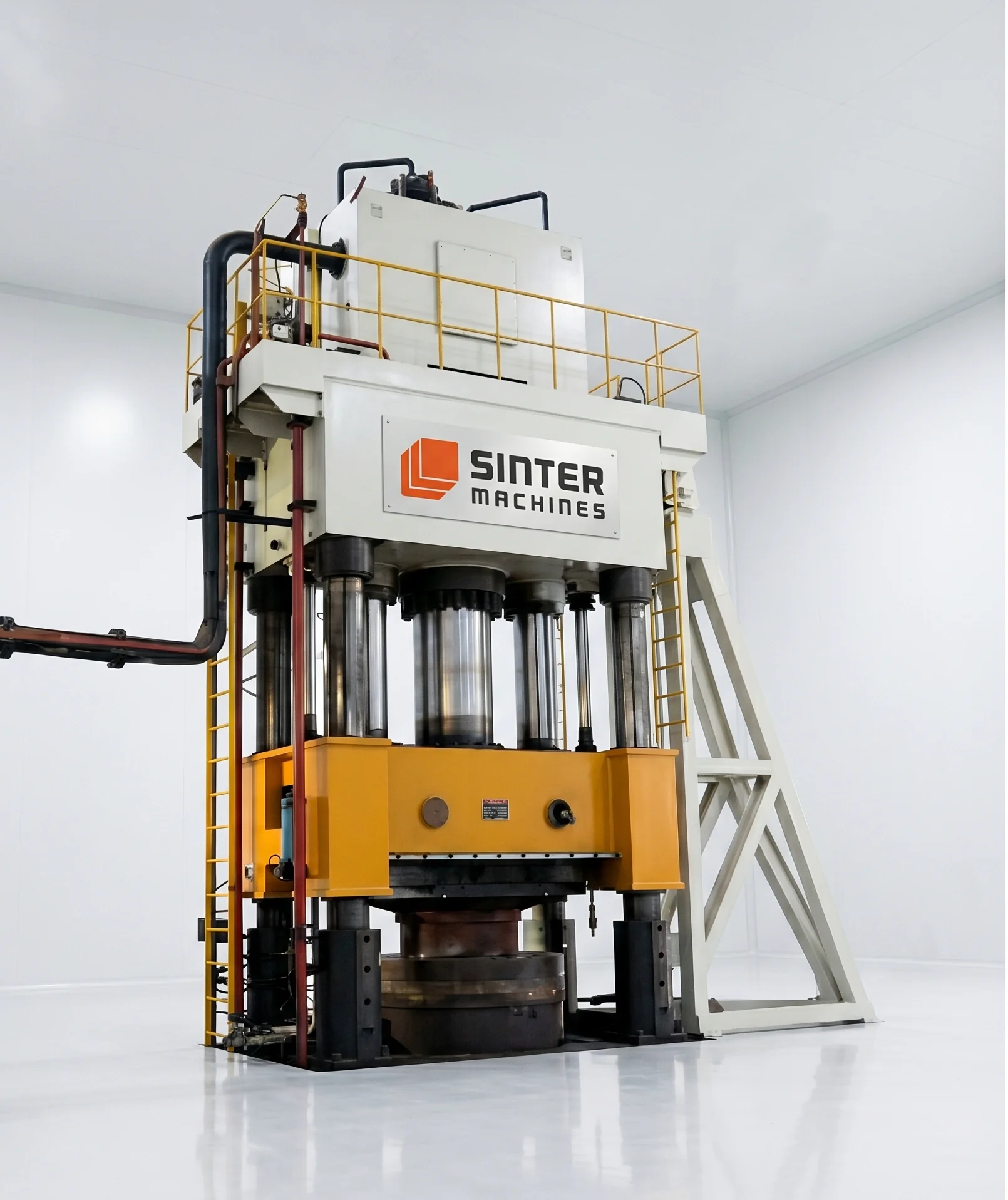
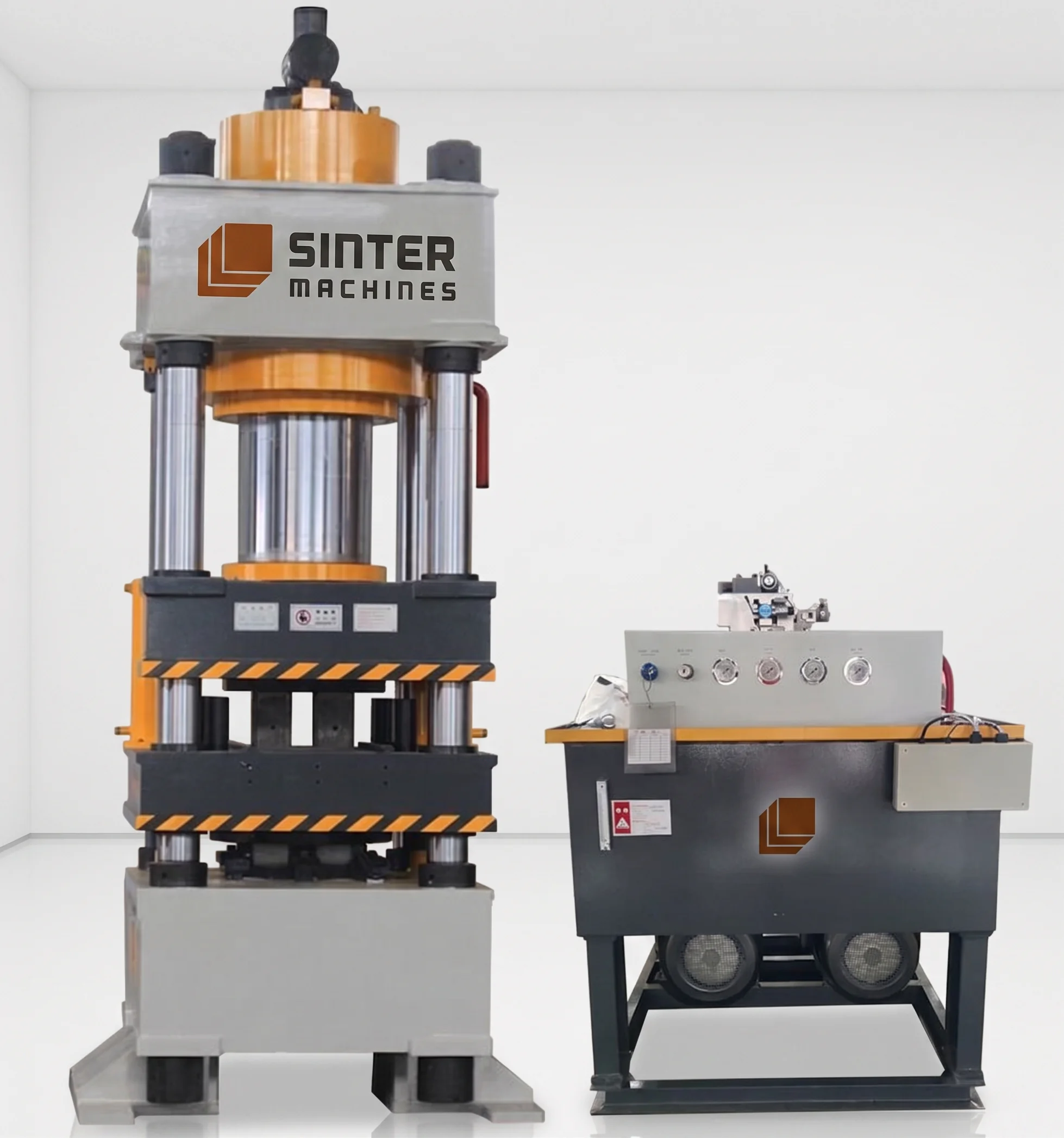
1250T Crankshafts & Connecting Rods Press press view 1
Crankshafts & Connecting Rods · Hydraulic Press Machine

1250T Four Column Hydraulic Press for Hot Forging Crankshafts & Connecting Rods

1250T Rated Capacity
180 mm/s Slider Down Speed
6–15 mm/s Slider Pressing Speed
200 mm/s Slider Return Speed

01 — Press System

1250T Four Column Hydraulic Press Machine

The 1250-ton four-pillar hydraulic press provides a heavy-duty, ultra-stable industrial forming system custom-engineered for heavy-engineering hot forging operations. This massive layout is deployed globally across Tier-1 automotive, aerospace, and energy infrastructure plants to manage high-volume manufacturing of safety-critical powertrain hardware.

Use Case

Hot forged crankshafts and connecting rods endure high dynamic loads, demanding extreme microstructural integrity and strict control over internal material flow. This press system delivers the steady, high-capacity tonnage and robust mechanical guiding needed to shape glowing billet materials without causing internal structural flaws or uneven wall thicknesses.

Core Applications

  • High-tonnage closed-die and semi-closed-die hot forging of structural powertrain components
  • Industrial preform blanking, blocker forging, and preliminary upset forging steps for large steel billets
  • Heavy-duty precision sizing and sizing-coining operations prior to automated flashes trimming procedures

Material

  • Medium-carbon structural steels, high-density chrome-molybdenum alloy steels, and specialized micro-alloy steel grades
  • Heat-resistant stainless steel matrices, high-tensile nickel alloys, and robust aerospace-grade titanium materials

Typical Products Processed

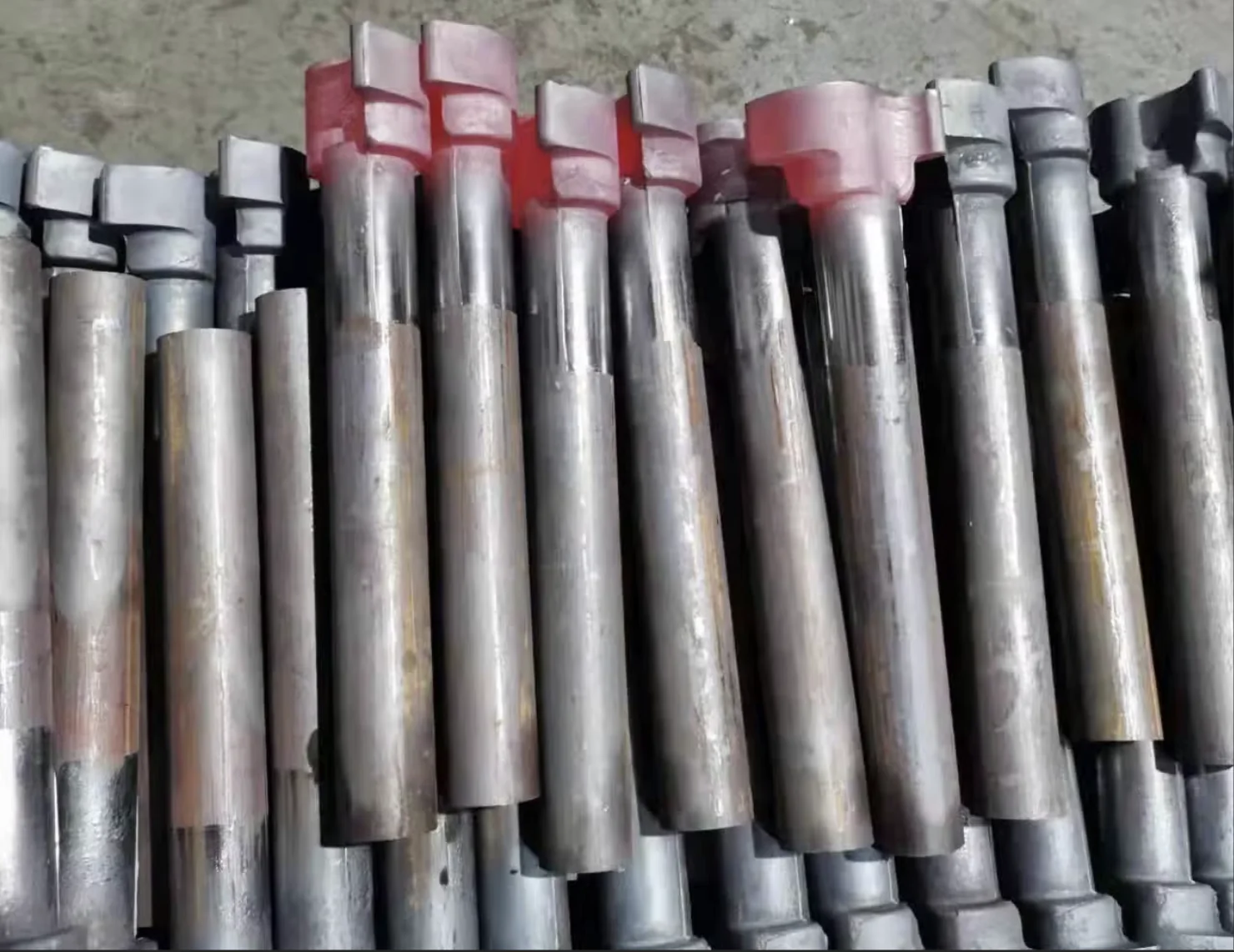
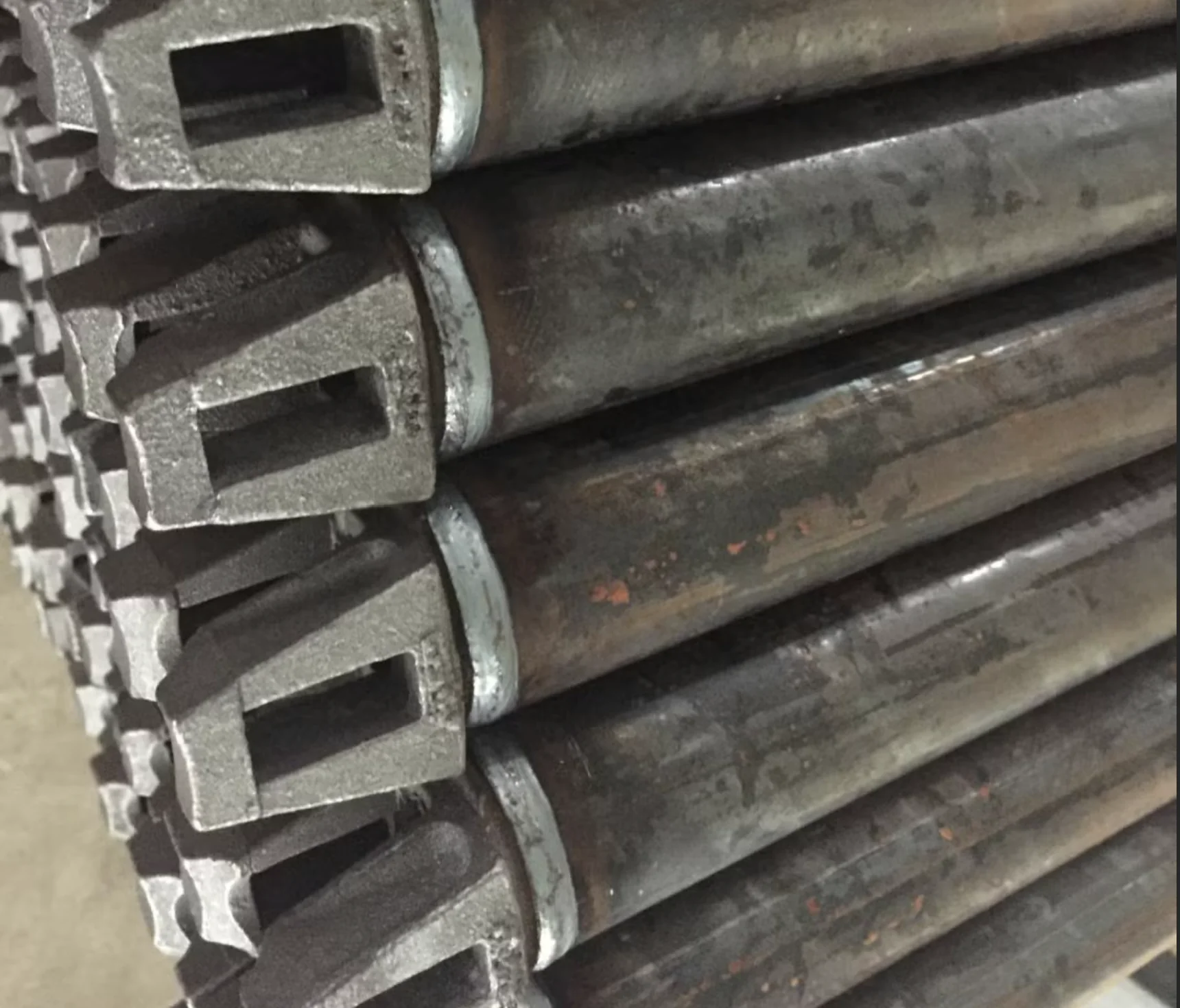
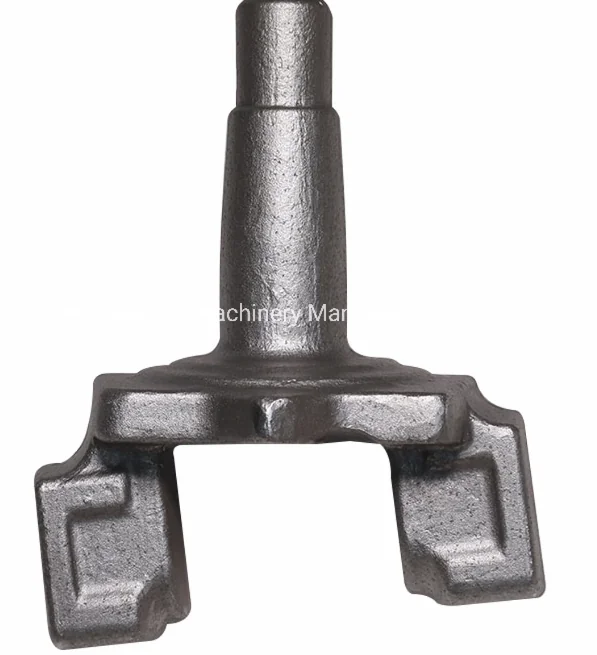
  • Heavy-duty automotive and commercial truck connecting rods, engine crankshafts, and heavy steering knuckles
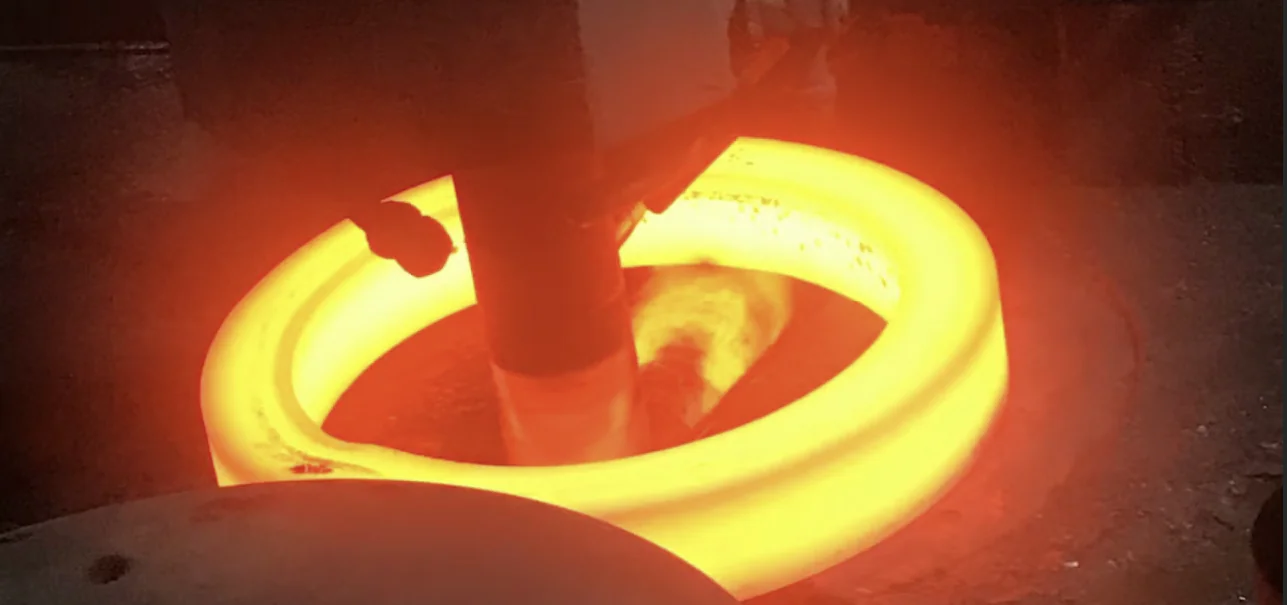
  • Seamless hot rolled ring blanks, industrial bearing race housings, transmission gear rings, and wind turbine flange blanks

Key Functions

  • Proportional hydraulic velocity profiling to match dynamic material resistance and optimize active metal flow paths
  • High-speed automated die stripping and integrated bottom-ejector mechanical actuation to speed up part extraction

Why 1250 Ton Hydraulic Press?

  • Provides the immense pressing force required to overcome the plastic flow limits of dense alloy steel billets at elevated temperatures
  • Rigid four-pillar guide configuration absorbs massive off-center shock loads, protecting large forging dies from structural misalignment

02 — Technical Specifications

SM 1250 HP – HYDRAULIC PRESS MACHINE COMPLETE TECHNICAL DATA

The SM 1250 HP hydraulic press delivers excellent structural stability and highly adaptable force distribution required for dense automotive forging cycles. Its synchronized high-pressure hydraulic circuitry and rigid column guidance ensure uniform metal displacement and repeatable microstructural characteristics.

Capacity

  • Maximum continuous hot forging compression force capacity of 12500 kN
  • Dedicated heavy duty bottom ejector stripping force capacity of 1000 kN

Structural Design

  • High fatigue resistant pre stressed four column configuration built for high volume production
  • Finite element analysis structural simulation frame designed to absorb intense thermal shocks

Frame Type

  • Precision aligned solid induction hardened pillar frame guide structure
  • Stress relieved heavy welded steel plate bolster and upper moving slide assembly

Hydraulic System

  • High output variable displacement axial piston pump fluid power assembly
  • Multi stage high capacity offline oil filtration loop with integrated oil coolers

Main Ram Stroke

  • Maximum vertical slide forming travel distance capability of 750 mm
  • Electronic stroke length limitation positioning resolution accurate within 0.05 mm

Working Hydraulic Pressure

  • Maximum continuous operating main hydraulic system fluid pressure of 315 bar
  • Peak shock safety valve pressure relief calibration threshold limit of 350 bar

Daylight Gap

  • Maximum open vertical daylight window working clearance of 1350 mm
  • Minimum closed shut die height tool workspace space of 600 mm

Approach Speed

  • Accelerated downward advance slide rapid travel speed of 280 mm/Sec
  • Controlled high temperature tool engagement deceleration velocity of 18 mm/Sec

Pressing / Drawing Speed

  • Dynamic high pressure hot forging compression speed of 10 to 40 mm/Sec
  • Maximum resistance continuous metal displacement squeezing velocity of 45 mm/Sec

Return Speed

  • High speed upward ram extraction retraction travel speed of 240 mm/Sec
  • Ultra fast automated hydraulic pre return system decompression cycle timing

Bed / Platen Size Platen

  • Total clear bolster bed width left to right of 1400 mm
  • Total clear bolster bed depth front to back of 1200 mm

Columns

  • Ultra high tensile forged alloy steel pillar diameter of 280 mm
  • Heavy duty heat resistant bronze guide bushings with automatic grease lubrication

Working Envelope

  • Total horizontal internal clear workspace area of 1400 by 1200 mm
  • Maximum permissible upper die tool assembly mass weight of 9500 kg

Control System

  • Industrial programmable logic controller linked with a graphical touchscreen station
  • Dual redundant non contact linear transducer position tracking systems accurate within 0.02 mm

Main Motor Power

  • High efficiency primary hydraulic pump electric drive motor power of 132 kW
  • Dedicated auxiliary cooling and continuous oil filtration motor power of 15 kW

Valves & Hydraulics

  • High dynamic response proportional servo flow control cartridge manifold block
  • Integrated fast acting overhead gravity pre fill oil valve unit assembly

Automation

  • Digital interface connection ports for synchronized industrial robotic billet handling manipulators
  • High temperature hydraulic quick action die clamping system connecting lines

Safety Features

  • Heat shielded front and rear dual channel infrared light curtain barriers
  • Automated heavy duty dual fail safe mechanical anti drop ram safety locking blocks

SM 1250 HP — Model Specifications

  • Nominal Force: 12500 KN
  • Maximum Hydraulic Pressure: 25 MPa
  • Max Opening Height of the Slider: 1500 mm
  • Max Stroke of the Slider: 900 mm
  • Effective Bed Size: 1600 × 1600 mm
  • Slider Down Speed: 180 mm/s
  • Slider Pressing Speed: 6–15 mm/s
  • Slider Return Speed: 200 mm/s
  • Ejector Cylinder Nominal Force: 600 KN
  • Stroke of the Ejection Cylinder: 300 mm
Production Case Study

Hot Forging Crankshafts & Connecting Rods Production Line

Ø 50 – 220 mmBillet dia
900–1,250 °CTemperature Range
10–20 SecCycle time
30–60 kgWeight
Grain structure optimized perfectly
Internal voids eliminated completely
Dimensional tolerance held strictly
Forging defects avoided entirely
Die wear reduced significantly
Material yields increased substantially
Post-forge reject rates minimized fully
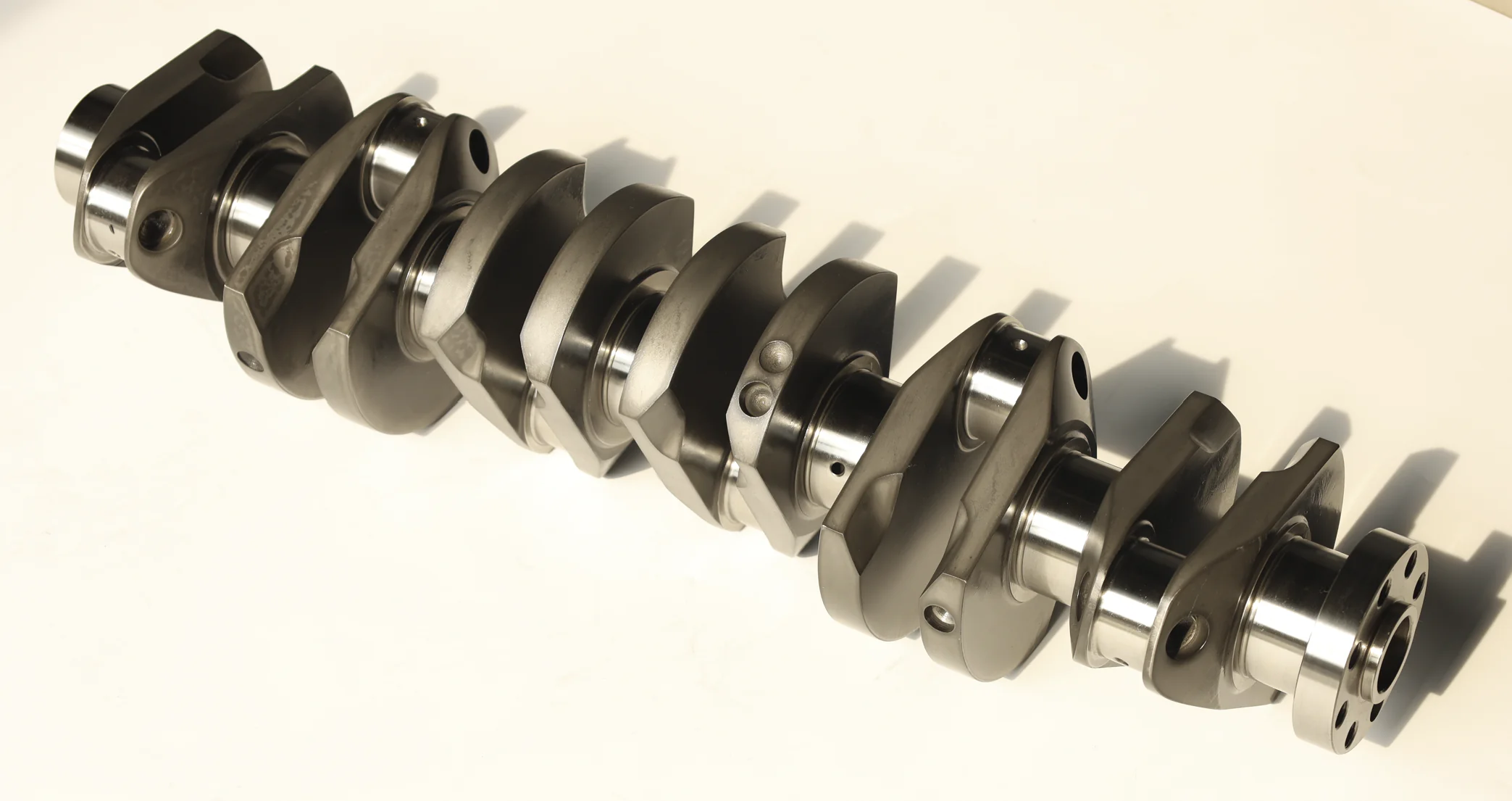
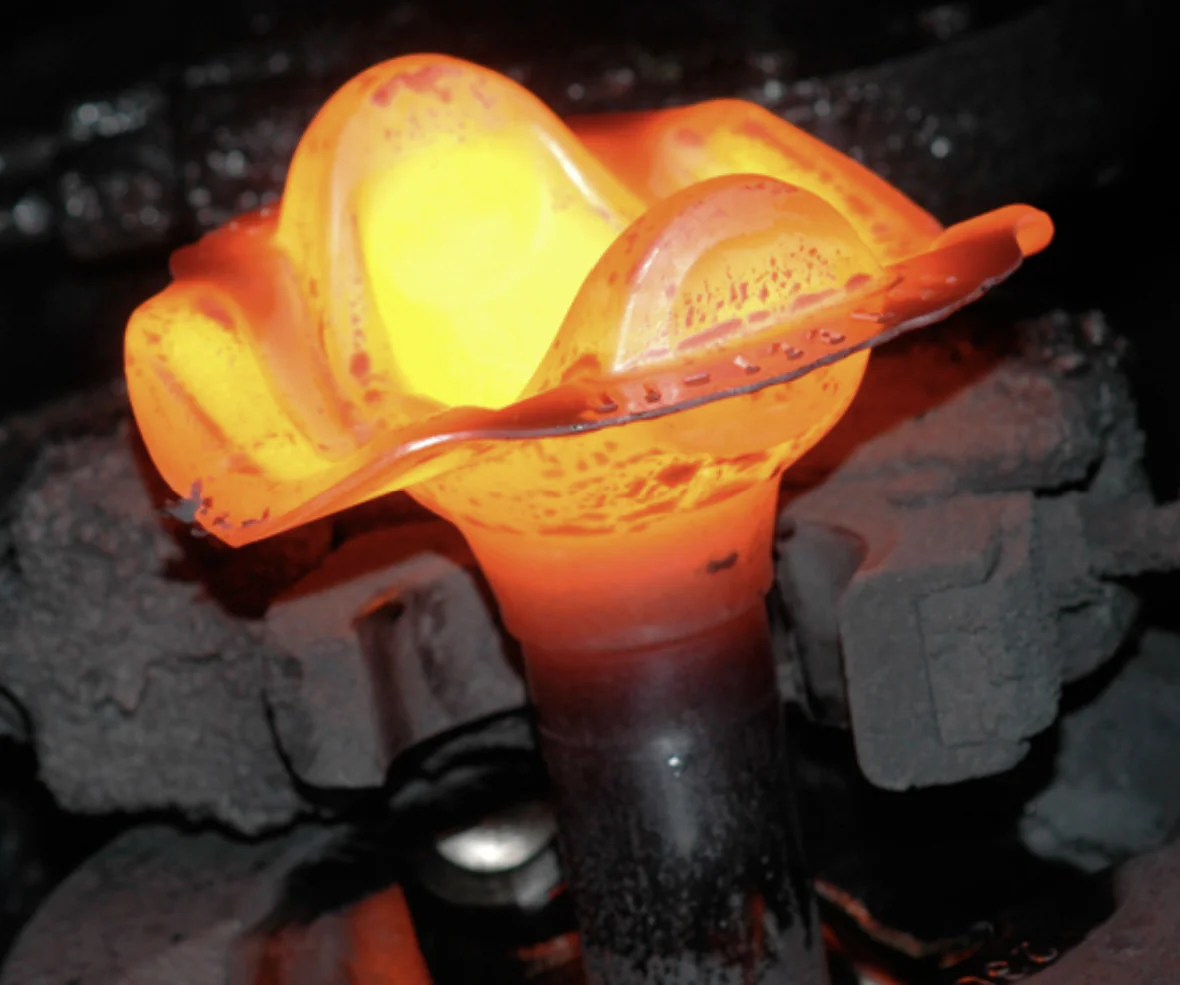
03 — Die / Mold System

Precision Hot Forging Crankshafts & Connecting Rods Die Mold Engineering

This precision tooling system integrates high-durability closed-die architecture optimized for the extreme thermal cycles and complex mass redistribution required in crankshaft manufacturing. The structural design maintains rigid geometric geometry under high-impact mechanical stress to prevent die parting line shifts.

Technical Specifications (Tooling)

Die Type

  • Multi cavity progressive closed die hot forging tool set featuring dedicated blocker and finisher configurations
  • High impact precision industrial tooling layout engineered for safety critical automotive engine components

Die Materials

  • Premium chromium molybdenum vanadium hot work tool steel matrix structure providing high thermal stability
  • Advanced high cobalt nickel base superalloy cladding inserts applied at critical die cavity radii wear zones

Tool Configuration & Construction

  • Heavy duty modular insert container system built to absorb extreme lateral metal displacement forces
  • Rigid pre stressed die holder blocks designed for rapid mechanical tool exchange setups on the shop floor

Key Tooling Features

  • Integrated multi point high pressure hydraulic knockout pins for clean and immediate component extraction
  • Internal deep thermal cooling channels engineered to regulate operational temperature and prevent heat checking

Alignment Accuracy

  • Die half mismatch alignment deviation across parting lines kept under a limit of 0.150 mm
  • Precision guide pin geometric alignment concentricity variation restricted within a tolerance of 0.025 mm

Process Materials

  • High tensile structural carbon steels micro alloyed forging steels and chrome molybdenum steel bars
  • High performance specialized engineering alloys matching Tier one automotive OEM material specs

Surface Finish

  • Active molding cavity internal profiles precision machined and polished down to Ra 0.60 microns
  • Thermally stable plasma nitrided protective layer applied to a uniform depth of 0.200 mm

Tool Life

  • Expected production span of 12000 cycles before requiring mandatory cavity reconditioning procedures
  • Total structural tooling lifespan capacity reaching 90000 production cycles before complete replacement
Case Study (Die Performance)

Precision Hot Forging Crankshafts & Connecting Rods Die Mold

Cr-Mo-VDie Material
50–55 HRCHardness
Vacuum QuenchingHeat Treatment
Grain flow optimized perfectly
Thermal cracking eliminated completely
Scale accumulation prevented totally
Tool wear minimized significantly
Dimensional variation reduced drastically
Reconditioning intervals extended widely
Production scrap minimized fully

04 — Product Application

Where Precision Hot Forging Crankshafts & Connecting Rods Are Used

Precision hot forged crankshafts and connecting rods provide the foundational mechanical linkages required to convert linear combustion forces into rotating kinetic energy. These heavy-duty components are engineered to withstand continuous high-RPM torsional forces, massive combustion pressure spikes, and intense cyclical load stresses.

Industry Applications

These high-integrity structural forgings are vital across the global automotive manufacturing, heavy agricultural engineering, commercial freight transportation, and marine diesel propulsion sectors. Their high fatigue limits, absolute density, and near-net-shape dimensions enable engineering teams to achieve maximum power density, low engine vibration levels, and strict mechanical durability standards.

High-Volume Passenger Vehicle Production

Forged crankshafts and matching connecting rods serve as the core rotating assemblies inside modern turbocharged internal combustion engines and hybrid vehicle powertrains. Their superior structural density allows for cross-section weight reductions, decreasing rotational inertia while fully maintaining engine safety profiles under high acceleration.

Commercial Transportation and Heavy Freight Trucking

Massive precision forged steel components drive the large-scale multi-cylinder diesel engines utilized in cross-country freight transport and heavy logistic vehicles. The unyielding metallurgical integrity guarantees hundreds of thousands of miles of continuous operational durability under high torque loads and severe highway duty cycles.

Agricultural Equipment and Earthmoving Machinery

Robust hot-forged drivetrains power high-capacity farm tractors, field harvesters, tracked excavators, and industrial construction vehicles. The optimized microstructural grain flow prevents unexpected structural cracking when these machines encounter abrupt mechanical resistance or sudden peak engine shocks.

Marine Propulsion and Power Generation Systems

Extended multi-throw forged crankshafts and heavy-duty rods form the mechanical heart of mid-sized marine vessels, tugboats, and standby backup power generators. The exceptional fracture toughness ensures non-stop electrical generation and reliable propulsion during long-duration offshore operations under variable marine sea states.

Finished Product Gallery

05 — Key Advantages

Why Choose the 1250-Ton Sinter Hydraulic Press

The 1250-Ton Sinter Hydraulic Press provides the massive tonnage capacity and rigid structural architecture necessary to process heavy steel alloy billets into complex multi-throw components. Its advanced speed profiling, strict platen parallelism, and high-efficiency automation ensure exceptional grain flow consistency, low scrap rates, and high production uptime.

Technical & Commercial Benefits

01

Massive Tonnage Capacity and Robust Structural Rigidity

The pre-stressed four-column frame configuration withstands extreme mechanical resistance when compressing hot, dense medium-carbon and micro-alloy steels. Minimizing structural deflection under full load ensures perfectly uniform force distribution, preventing dimensional warping in heavy multi-throw crankshaft profiles.

02

Proportional Multi-Stage Velocity Profiling and Speed Control

Advanced servo-hydraulic cartridge valves dynamically adjust the slide travel velocity down to milliseconds during the active compression stroke. This precise speed control guides the plastic metal smoothly into deep counterweight cavities, completely avoiding internal structural folds or surface laps.

03

High-Capacity Synchronized Mechanical Knockout Ejector Systems

Integrated high-tonnage bottom ejector assemblies provide powerful, immediate upward stripping force to clear complex forged geometries from tight cavities. Rapid automated part extraction minimizes the contact duration between glowing steel and the active tool steel, drastically reducing die thermal cracking.

04

Exceptional Asymmetric Off-Center Load Shock Absorption Capability

Extra-long bronze guide bushings and heavy induction-hardened solid pillars easily manage the severe eccentric forces generated during multi-stage progressive forging sequences. Absorbing off-center shocks maintains perfect tool alignment across the blocker and finisher stages, preventing premature die chipping and tooling wear.

05

Outstanding Near-Net-Shape Accuracy Minimizing Machining Costs

Dual redundant non-contact linear transducers monitor vertical platen displacement within a tight fraction of a millimeter to establish repeatable stroke endings. Achieving exact dimensions straight out of the press bed reduces raw metal weight overhead and saves expensive CNC machining time.

06

Fast Decompression Control Systems for Accelerated Production Cycles

Specialized fast-acting pre-fill circuit valves bleed off high internal hydraulic fluid pressures instantly to compress total slide return cycle travel times. Accelerating these processing steps raises hourly component throughput on high-volume supplier lines while lowering net electrical consumption per forged unit.