01 — Press System
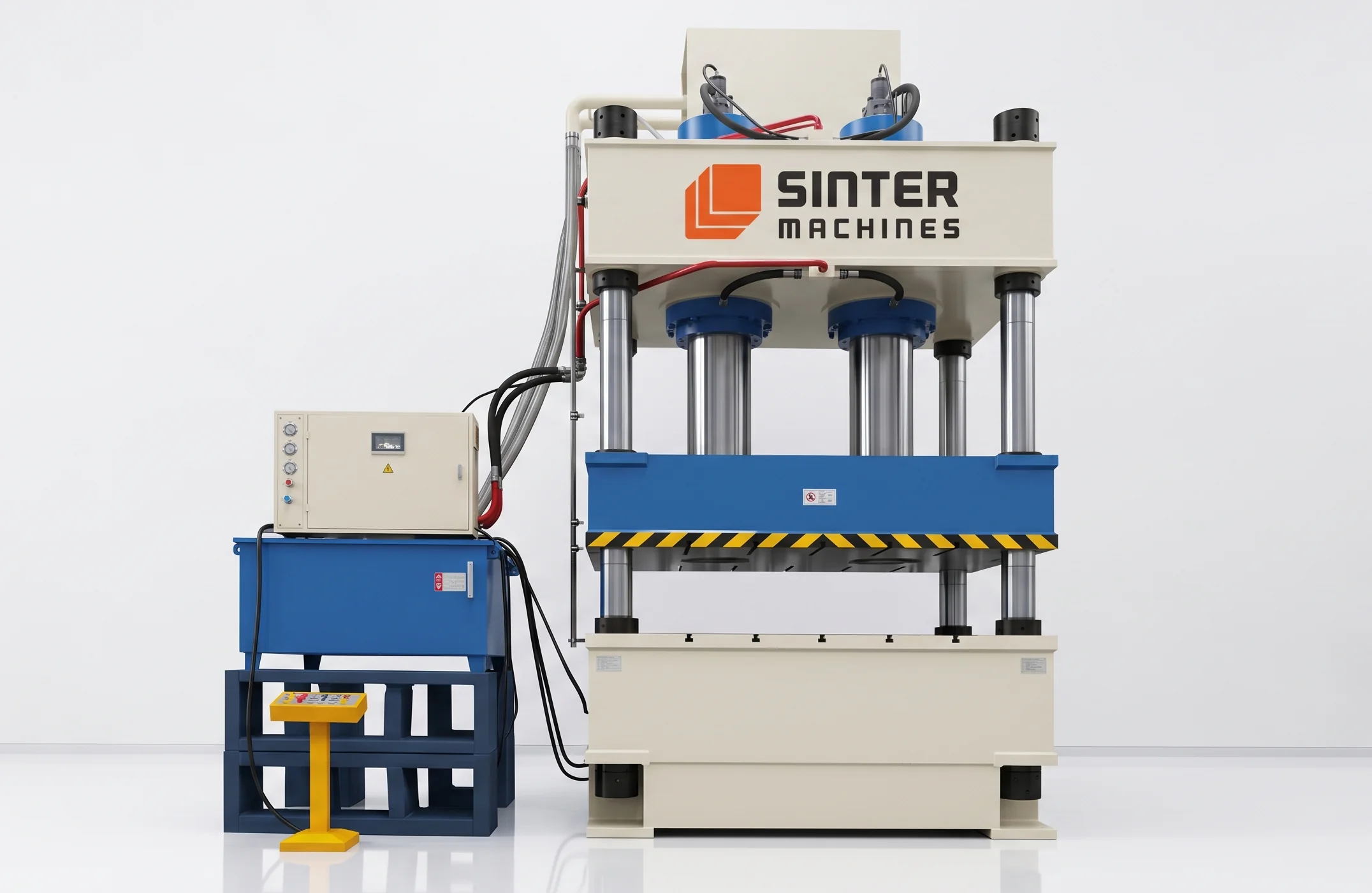
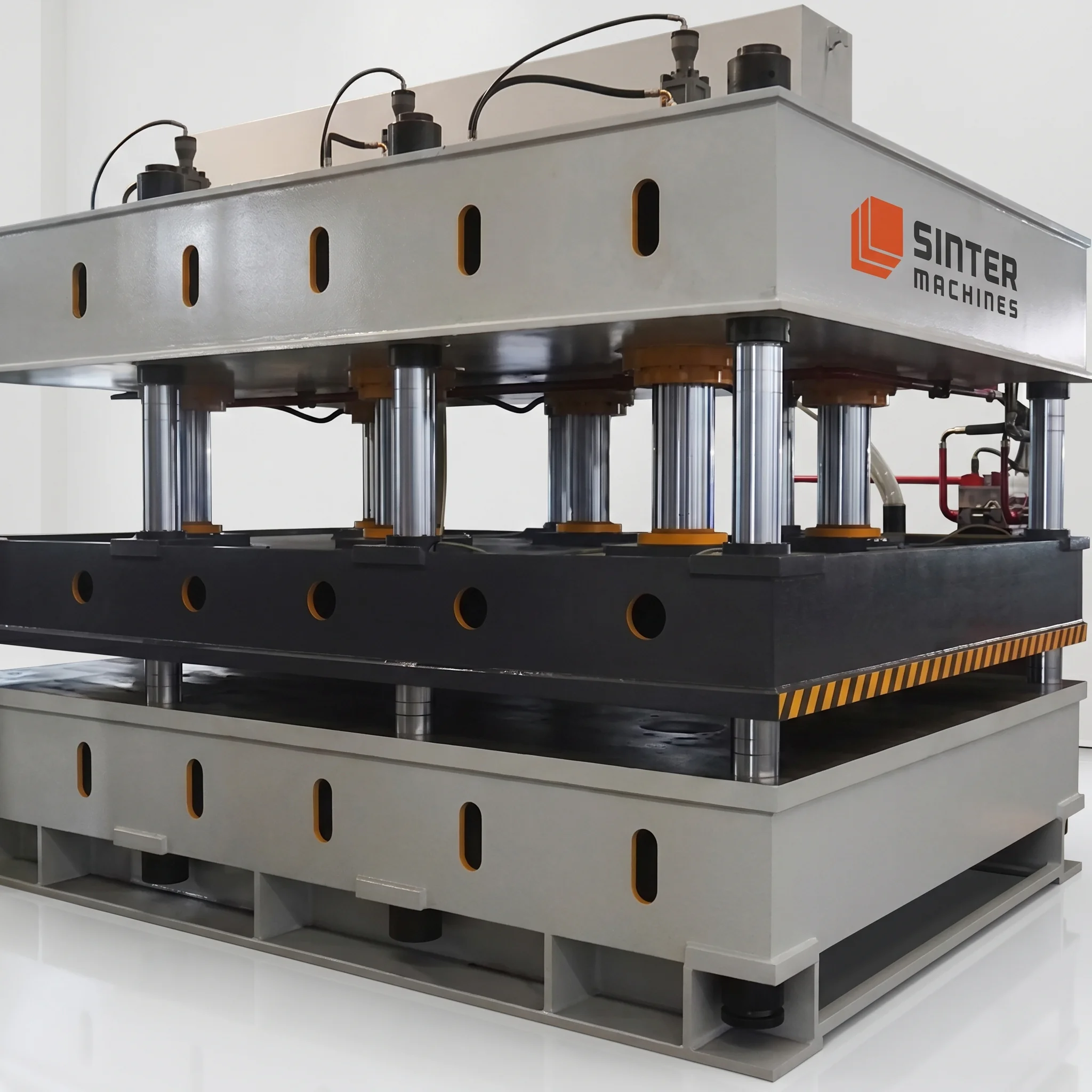
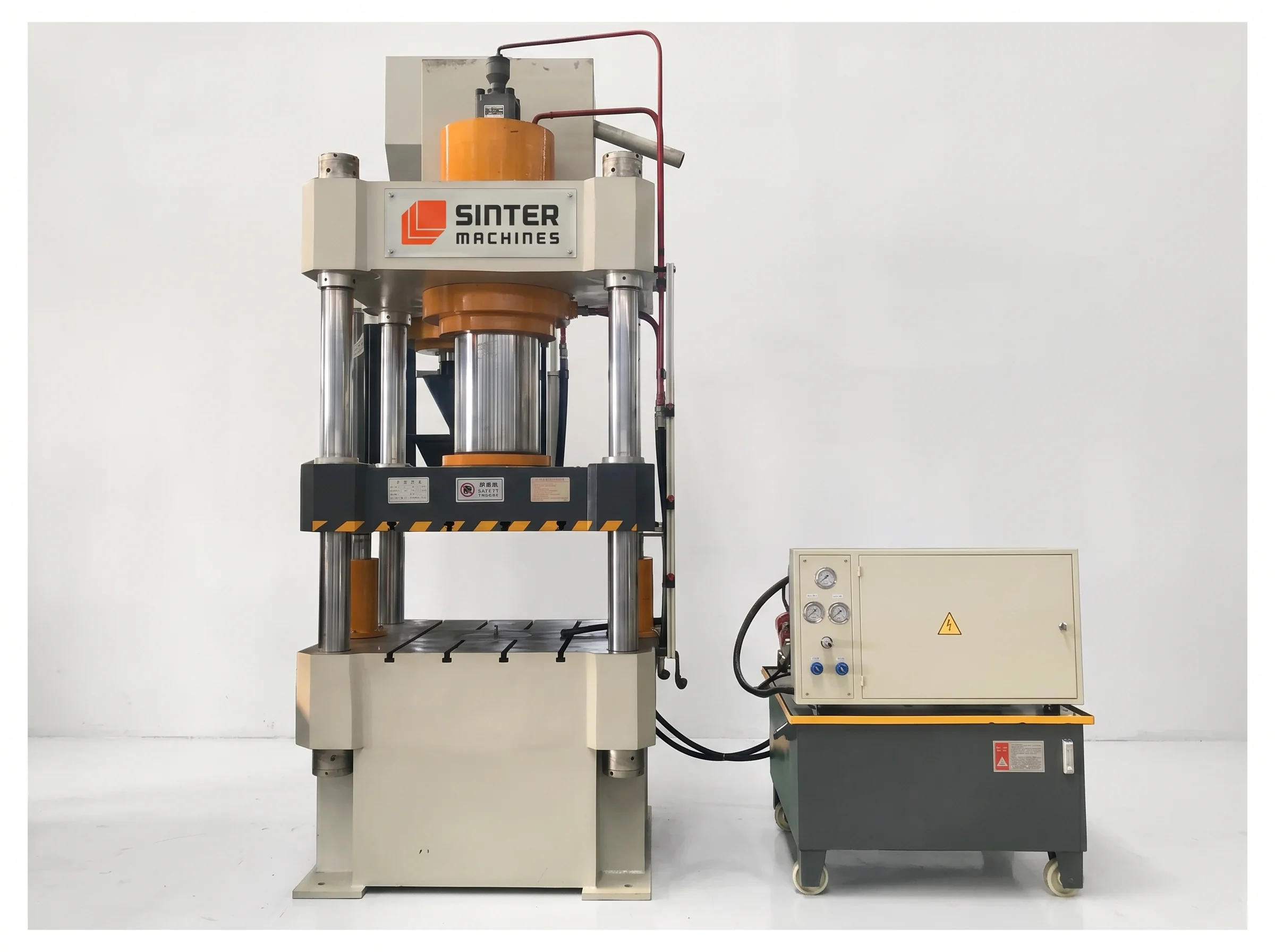
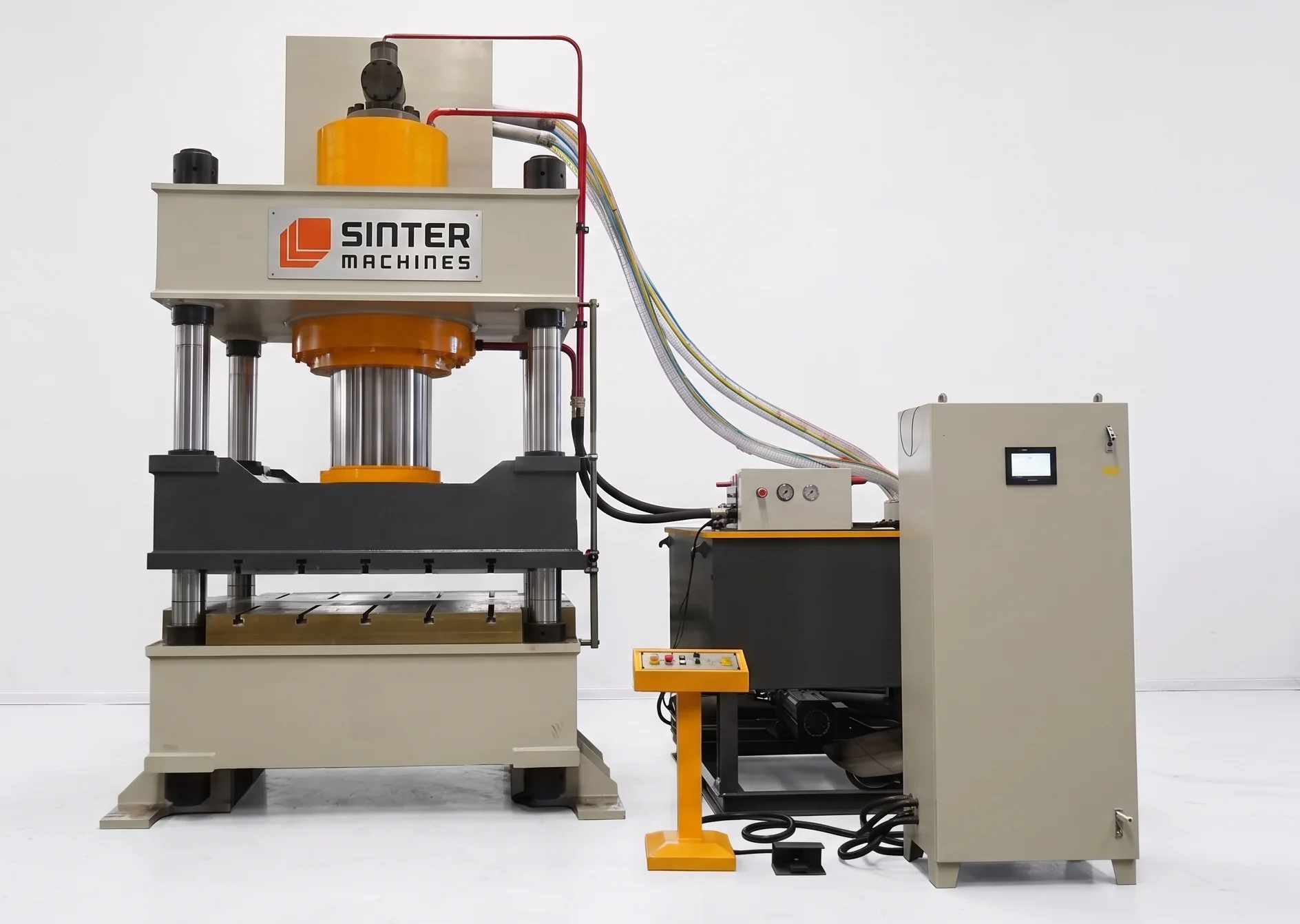
800 Ton Four Column Hydraulic Press Machine
The 800-ton four-pillar hydraulic press from Sinter Hydraulics India delivers aerospace-grade structural rigidity and repeatable tonnage control. This system ensures clean, burr-free cuts on critical flight panels while maintaining long-term process reliability for certified aircraft programs.
Use Case
This machine executes strict precision shearing, trimming, and hole-generation operations required for critical structural components. It provides the smooth, deformation-free force application needed to process high-strength aerospace skins without inducing micro-cracks or material distortion.
Core Applications
- High-precision sheet metal trimming, edge profiling, and access hole cutting
- Multi-diameter fastener hole punching and slotting for structural airframe panels
Material
- High-strength aerospace-grade aluminum alloys such as the 2000 and 7000 series
- Advanced lightweight titanium grades and specialized high-performance alloys
Typical Products Formed
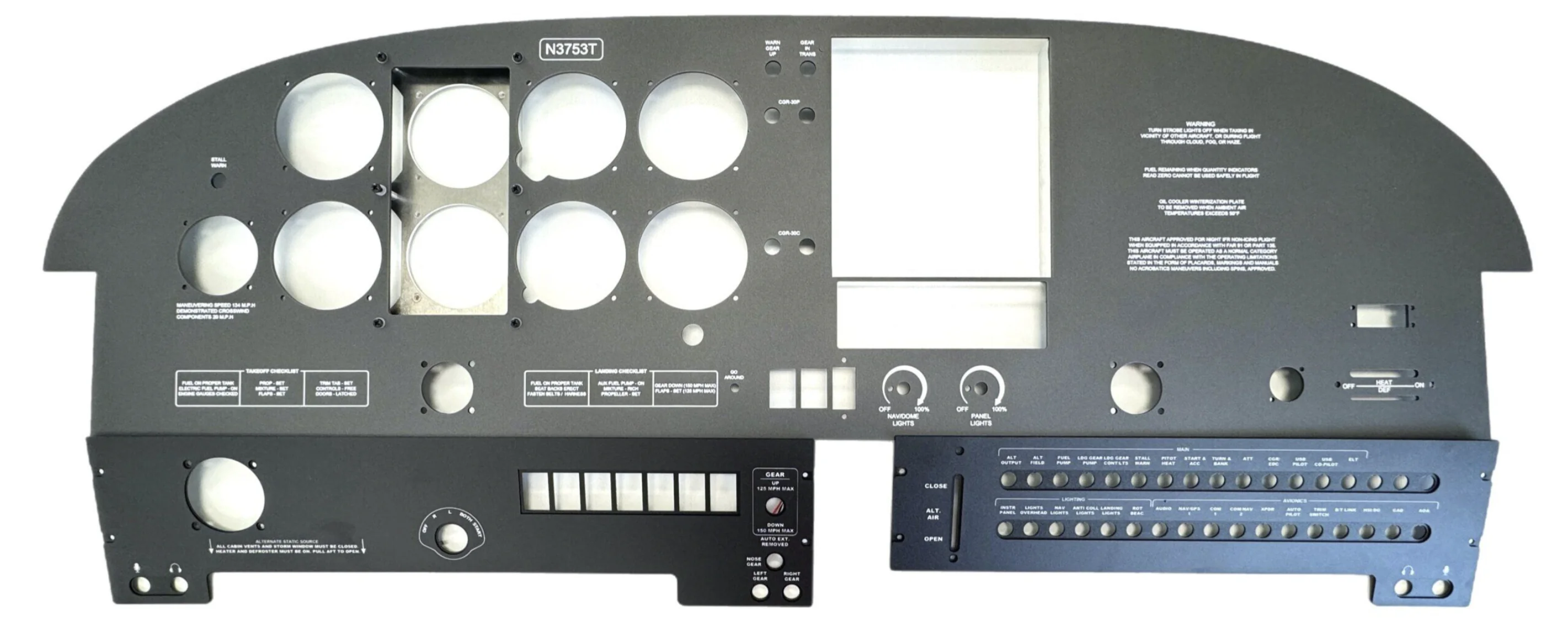
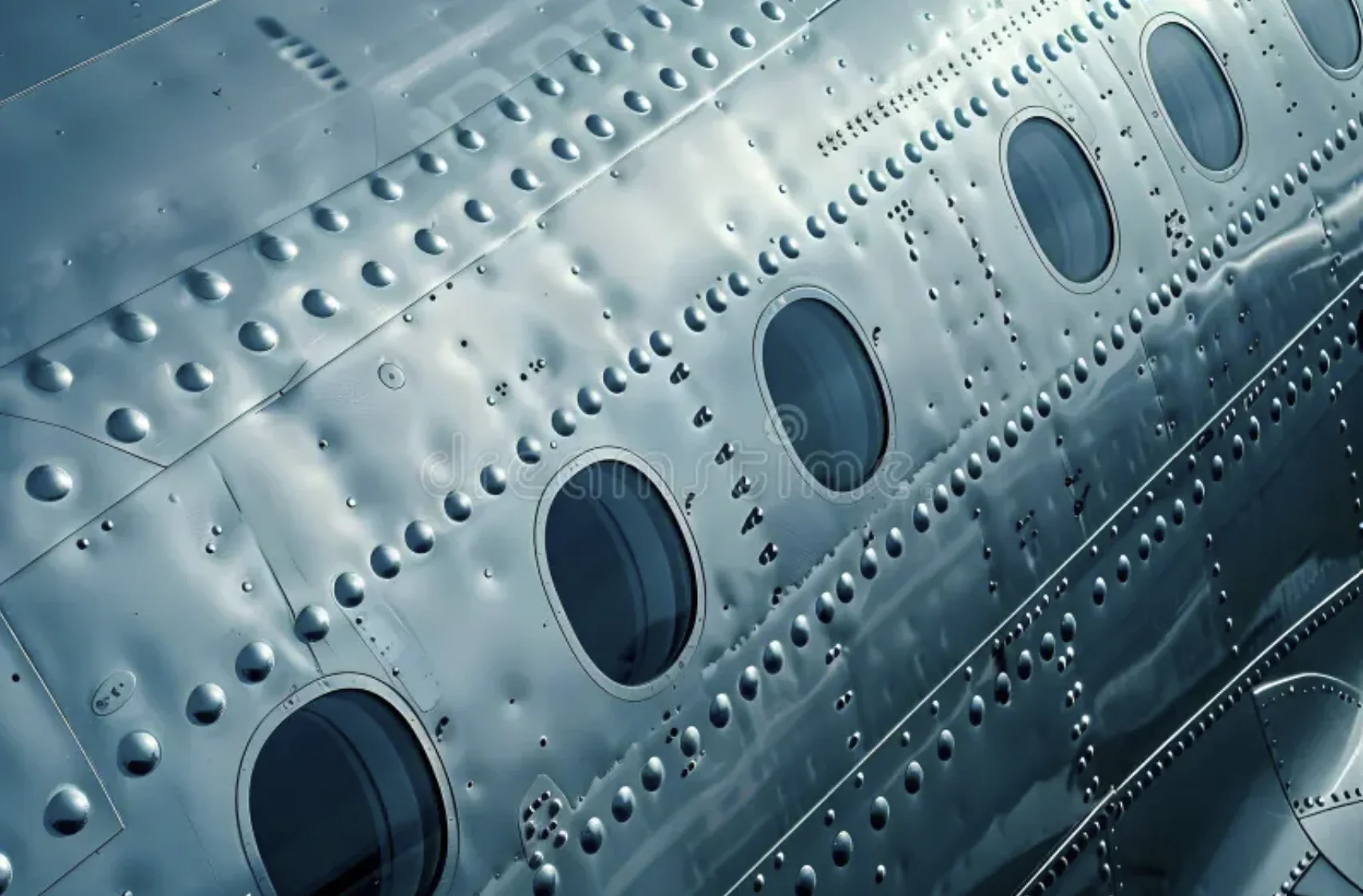
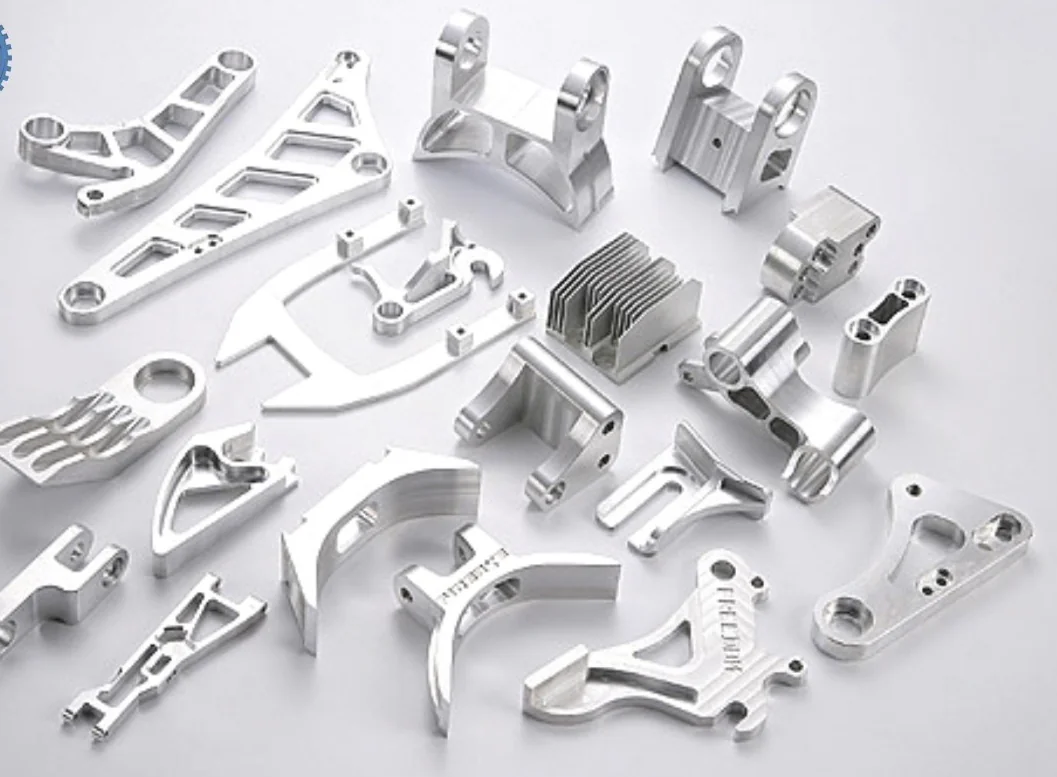
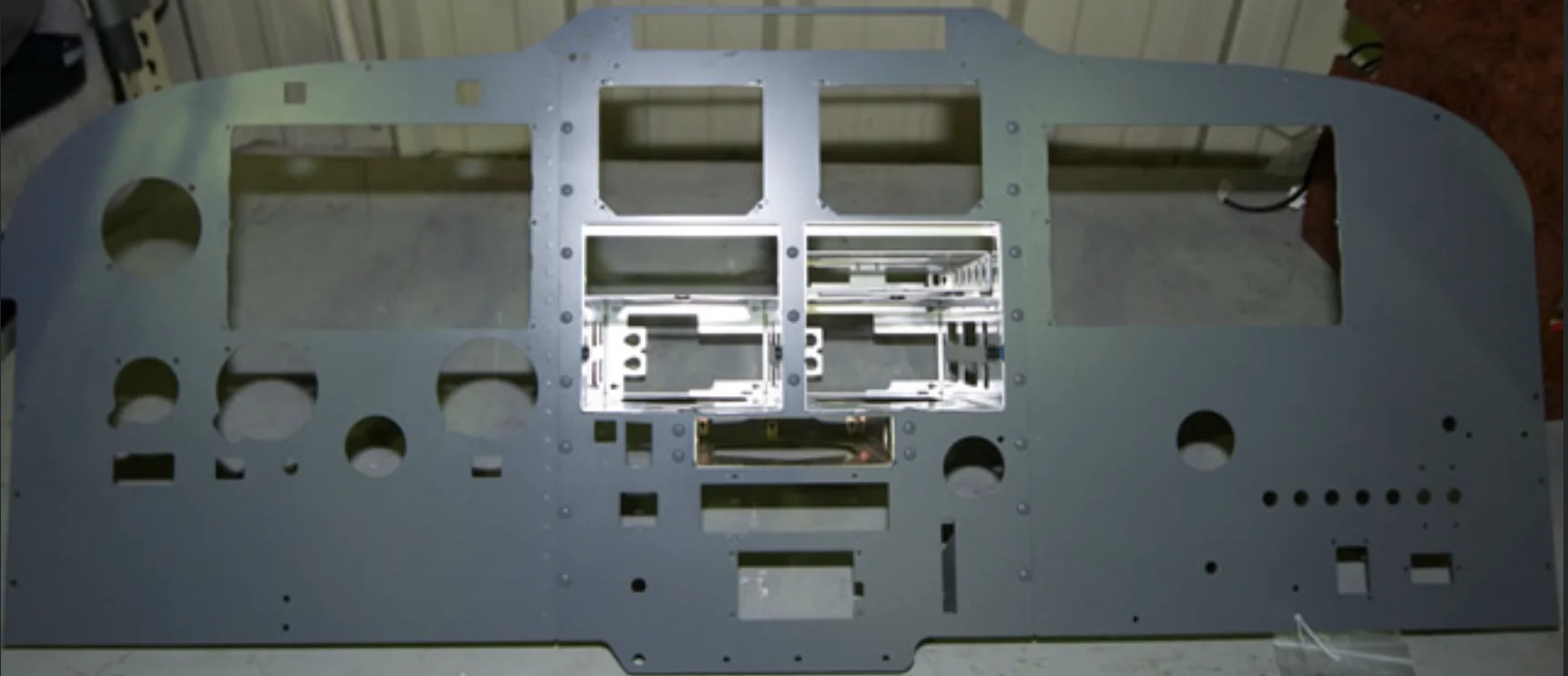
- Exterior aircraft skin panels and internal fuselage structural ribs
- Inspection doors, wing structural components, and pre-fastened joining brackets
Key Functions
- Automated variable-speed stroke control to completely eliminate micro-cracking along cut edges
- Real-time electronic process monitoring for absolute tracking and quality assurance
Why 800-Ton Hydraulic Press?
- Massive force distribution prevents frame deflection, keeping punch and die alignment perfectly centered
- Delivers the precise tonnage required to cleanly shear thick, heat-treated aerospace alloys without edge deformation
02 — Technical Specifications
SM 800 HP – HYDRAULIC PRESS MACHINE COMPLETE TECHNICAL DATA
The SM 800 HP hydraulic press delivers high-tonnage precision engineered specifically for complex aerospace alloy fabrication. Its robust mechanical architecture combined with advanced fluid dynamics ensures precise force distribution and fast processing cycle times.
Capacity
- Maximum pressing force capacity of 8000 kN
- Minimum adjustable stripping force capacity of 800 kN
Structural Design
- Four column heavy duty monolithic design
- Finite element analysis optimized stress distribution
Frame Type
- Ultra rigid pre stressed tie rod frame structure
- Low deflection solid steel welded base fabrication
Hydraulic System
- High pressure variable displacement pump system
- Integrated oil filtration and cooling circuits
Main Ram Stroke
- Maximum slide stroke length of 800 mm
- Fully adjustable stroke depth control down to 0.05 mm
Working Hydraulic Pressure
- Maximum continuous operating system pressure of 250 bar
- Peak transient hydraulic pressure capacity of 280 bar
Daylight Gap
- Maximum open vertical daylight distance of 1200 mm
- Minimum closed die space height of 400 mm
Approach Speed
- Fast downward advance slide speed of 250 mm/Sec
- Soft touch pre slowing initial descent velocity of 20 mm/Sec
Pressing / Drawing Speed
- Infinitely variable high pressure cutting speed of 5 to 25 mm/Sec
- Constant velocity drawing speed control for deep forming
Return Speed
- Rapid upward slide retraction speed of 200 mm/Sec
- Controlled decompression cycle prior to initial ascent motion
Bed / Platen Size Platen
- Total clear bolster bed width left to right of 1600 mm
- Total clear bolster bed depth front to back of 1400 mm
Columns
- Hard chrome plated solid steel pillar diameter of 220 mm
- Long guidance bushes with continuous oil bath lubrication
Working Envelope
- Total usable horizontal clear workspace area of 1600 by 1400 mm
- Maximum allowable symmetrical tool mass weight of 8500 kg
Control System
- Programmable logic controller with color touchscreen panel interface
- Real time pressure and position monitoring resolution of 0.01 mm
Main Motor Power
- Primary high efficiency electric motor capacity of 75 kW
- Auxiliary hydraulic pilot system motor capacity of 11 kW
Valves & Hydraulics
- High response proportional flow control cartridge valve blocks
- Pre-fill valve system for rapid cylinder pre charging
Automation
- Integrated blank loading and finished part unloading interface
- Automatic die change clamping plate system ports
Safety Features
- Dual channel safety light curtains covering front and rear openings
- Mechanical anti drop safety catch blocking mechanism on main ram
SM 800 HP — Model Specifications
- Nominal Force: 8000 KN
- Maximum Hydraulic Pressure: 25 MPa
- Max Opening Height of the Slider: 1500 mm
- Max Stroke of the Slider: 900 mm
- Effective Bed Size: 1600 × 1600 mm
- Slider Down Speed: 180 mm/s
- Slider Pressing Speed: 9–18 mm/s
- Slider Return Speed: 180 mm/s
- Ejector Cylinder Nominal Force: 600 KN
- Stroke of the Ejection Cylinder: 300 mm
03 — Die / Mold System
Precision Punching & Cutting Lightweight Aerospace Alloys Die Mold Engineering
This precision tooling system is engineered specifically to punch and cut high-strength, lightweight aerospace alloys without structural distortion. It utilizes ultra-sharp geometric profiles and tight clearances to deliver clean, flight-ready component edges.
Technical Specifications (Tooling)
- Die Type
- High precision progressive punching and shearing die set
- Multi stage compound tooling configuration for sheet metal profiling
- Die Materials
- Premium powder metallurgy high speed tool steel
- Advanced vanadium and molybdenum alloyed matrix steels
- Tool Configuration and Construction
- Segmented insert architecture featuring split matrix construction
- Heavy duty precision ground steel die sets with ball bearing guidance
- Key Tooling Features
- Spring loaded stripping plates to prevent material deformation during punch retraction
- Engineered slug retention grooves to eliminate scrap pulling issues
- Alignment Accuracy
- Punch and die cutting clearance held uniform at 0.015 mm
- Guide pillar geometric concentricity tolerance maintained within 0.005 mm
- Materials Formed
- Aerospace grade 2000 and 7000 series aluminum sheets
- High strength lightweight titanium and specialty magnesium alloys
- Surface Finish
- Active cutting edges polished to a mirror finish of Ra 0.2 microns
- Diamond like carbon low friction coating applied at a thickness of 0.003 mm
- Tool Life
- Expected production span of 150000 cycles between sharpening procedures
- Total structural service capability reaching 2000000 production cycles
Precision Punching & Cutting Lightweight Aerospace Alloys Die Mold
04 — Product Application
Where Precision Lightweight Aerospace Alloys Parts Are Used
Precision lightweight aerospace alloy components form the structural and aerodynamic shell of modern commercial and military aircraft. These advanced parts are engineered to maximize fuel efficiency and structural payload capacity while enduring severe atmospheric flight stresses.
Industry Applications
These advanced alloy components are critical across high-performance sectors where the strength-to-weight ratio dictates operational viability. They are widely utilized in commercial aviation, defense aerospace programs, deep-space satellite networks, and high-speed rail transportation infrastructure.
Fuselage and Structural Frames
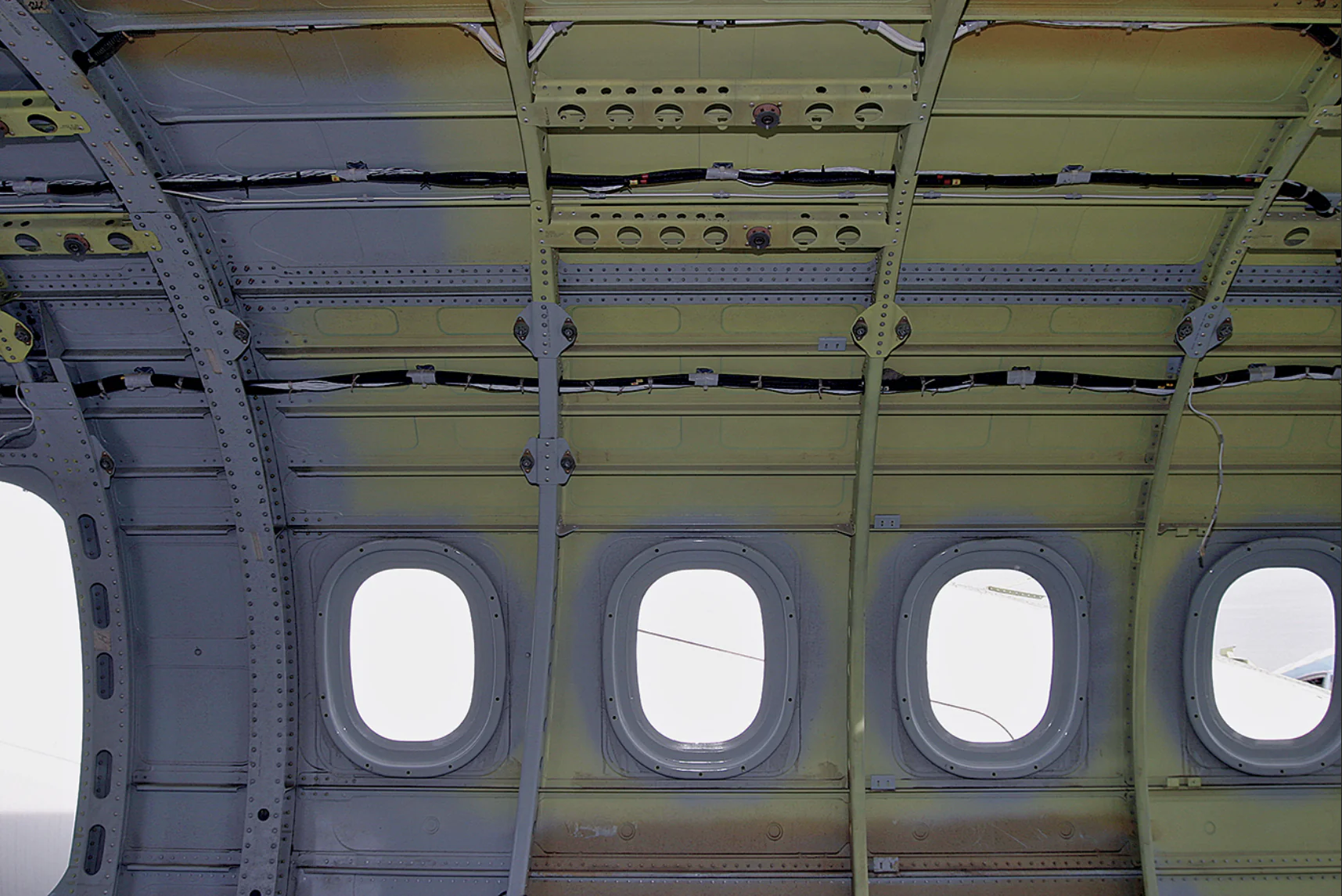
High-strength aluminum and titanium structural ribs, longerons, and bulkheads create the main skeletal framework of the aircraft body. This lightweight architecture maintains absolute pressurized cabin integrity and withstands high aerodynamic bending moments during flight maneuvers.
Wing and Tail Assemblies
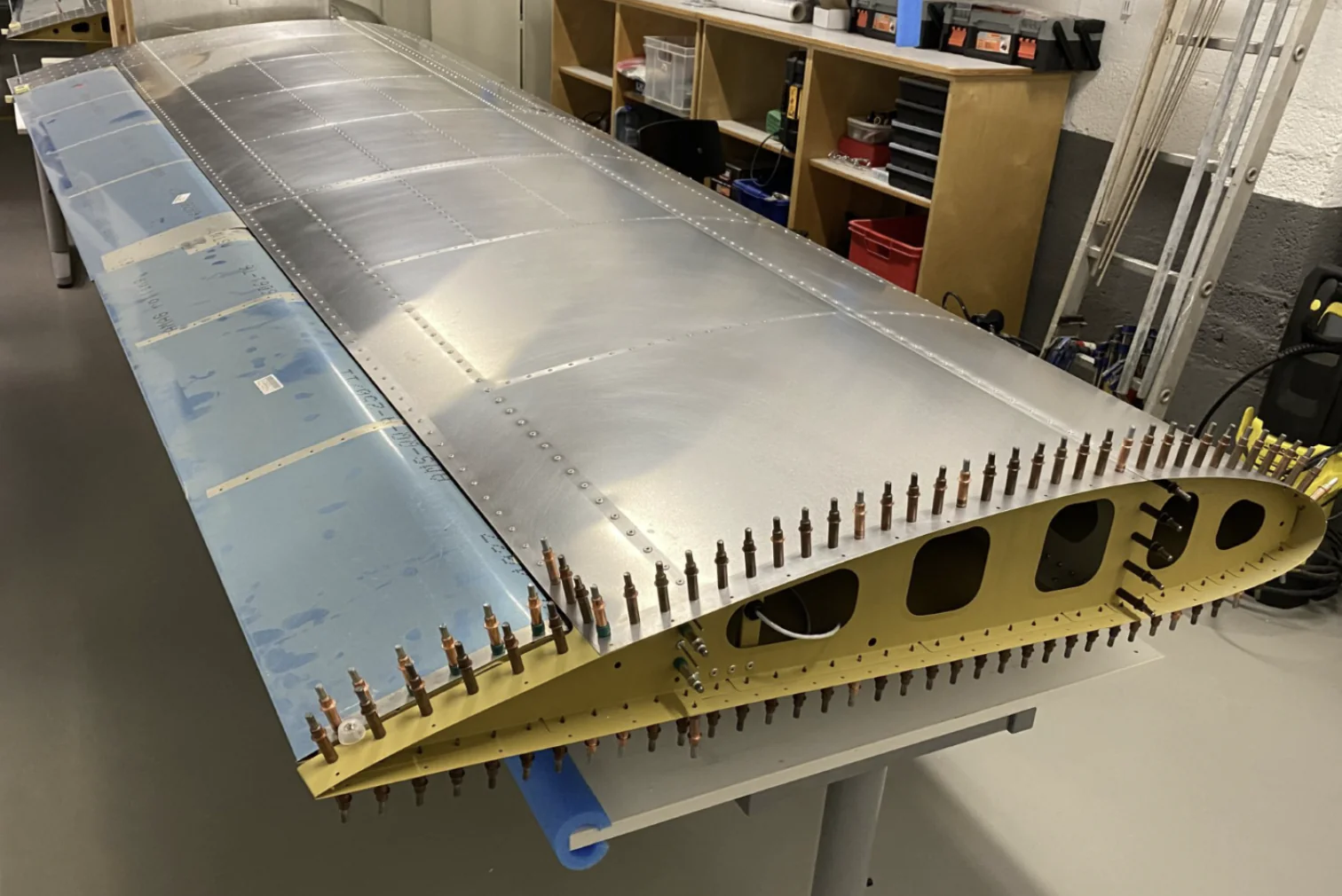
Precision-machined wing spars, skin panels, and control surface brackets optimize lift forces while minimizing dead weight. These critical alloy components flex safely under extreme turbulent aerodynamic loads without suffering material fatigue or structural deformation.
Aero-Engine Components
Low-density fan blades, compressor disks, and internal bypass duct housings channel airflow directly through the jet turbine. The specialized alloy properties resist intense thermal scaling and high centrifugal forces, ensuring continuous propulsion reliability.
Fastener and Joining Systems
Precision-punched load-bearing brackets, anchor nuts, and high-stress joining plates secure major structural sub-assemblies together. Their perfect dimensional accuracy guarantees seamless rivet alignment and uniform stress distribution across critical airframe interfaces.
Finished Product Gallery
05 — Key Advantages
Why Choose the 800-Ton Sinter Hydraulic Press
The 800-Ton Sinter Hydraulic Press offers unmatched force control and structural rigidity designed specifically for processing delicate yet high-strength aerospace alloys. It guarantees defect-free edge quality and flawless dimensional repeatability to meet stringent aviation manufacturing standards.
Technical & Commercial Benefits
Absolute Precision and Force Control
Advanced hydraulic servo systems deliver exact pressing forces to cleanly shear tough aerospace materials without inducing internal stress. This precision prevents structural micro-cracking and maintains the strict tolerances required for flight-critical components.
Burr-Free Edge Quality
The massive, deflection-resistant 800-ton frame keeps punching and trimming tools perfectly aligned throughout the entire cutting stroke. Maintaining this tight tool clearance eliminates edge burrs, completely bypassing the need for secondary manual deburring.
Programmable Stroke Dynamics
Operators can customize approach, pressing, and retraction speeds to match the specific metallurgical properties of aluminum and titanium alloys. Controlling the exact cutting velocity ensures smooth material separation and maximizes the lifespan of expensive precision die sets.
High-Volume Production Efficiency
Rapid ram cycling and automated loading capabilities significantly accelerate the processing of large fuselage and wing structural panels. This high throughput drastically lowers per-part manufacturing costs while ensuring continuous supply chain reliability for aircraft programs.
Minimized Material Distortion
Uniform pressure distribution across the wide platen area prevents localized warping or stretching when forming large aerospace sheet panels. Keeping the material integrity intact ensures that components fit perfectly during final airframe riveting and structural assembly.
Comprehensive Process Traceability
Integrated digital control interfaces monitor and record every single press cycle, capturing exact tonnage and stroke depth metrics in real-time. This automated data logging provides the absolute quality assurance and compliance tracking required by global aviation regulatory authorities.