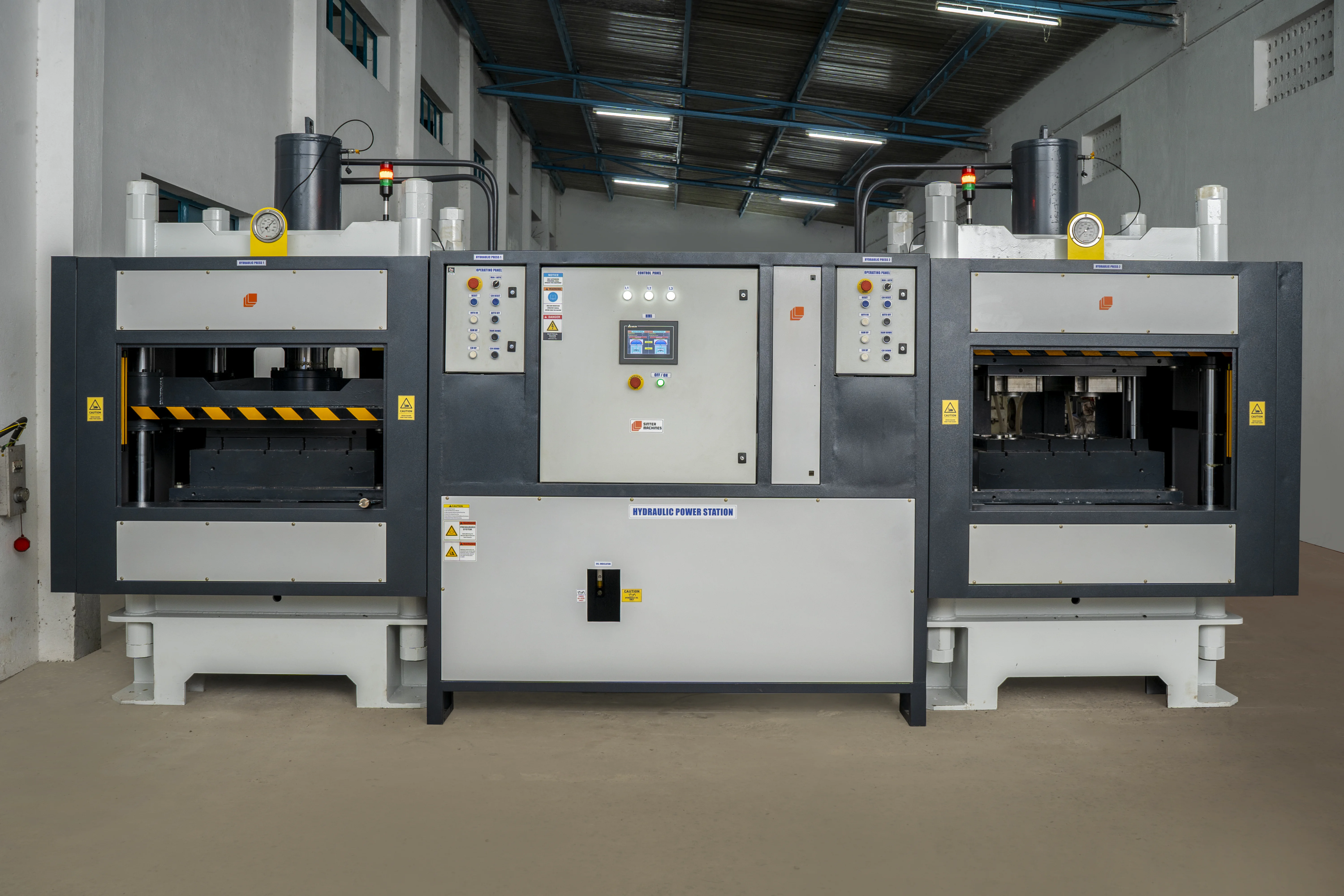
01 — Press System
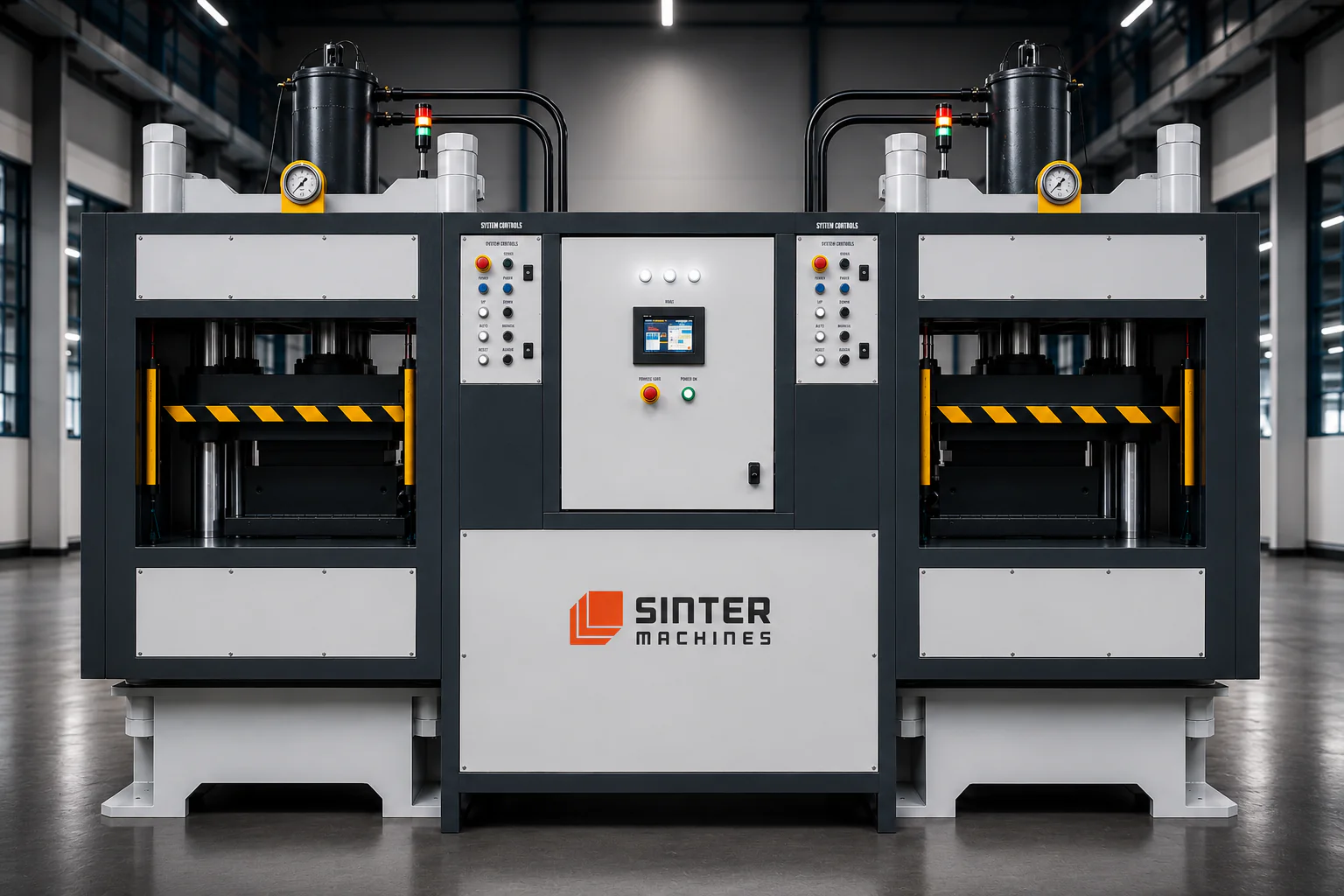
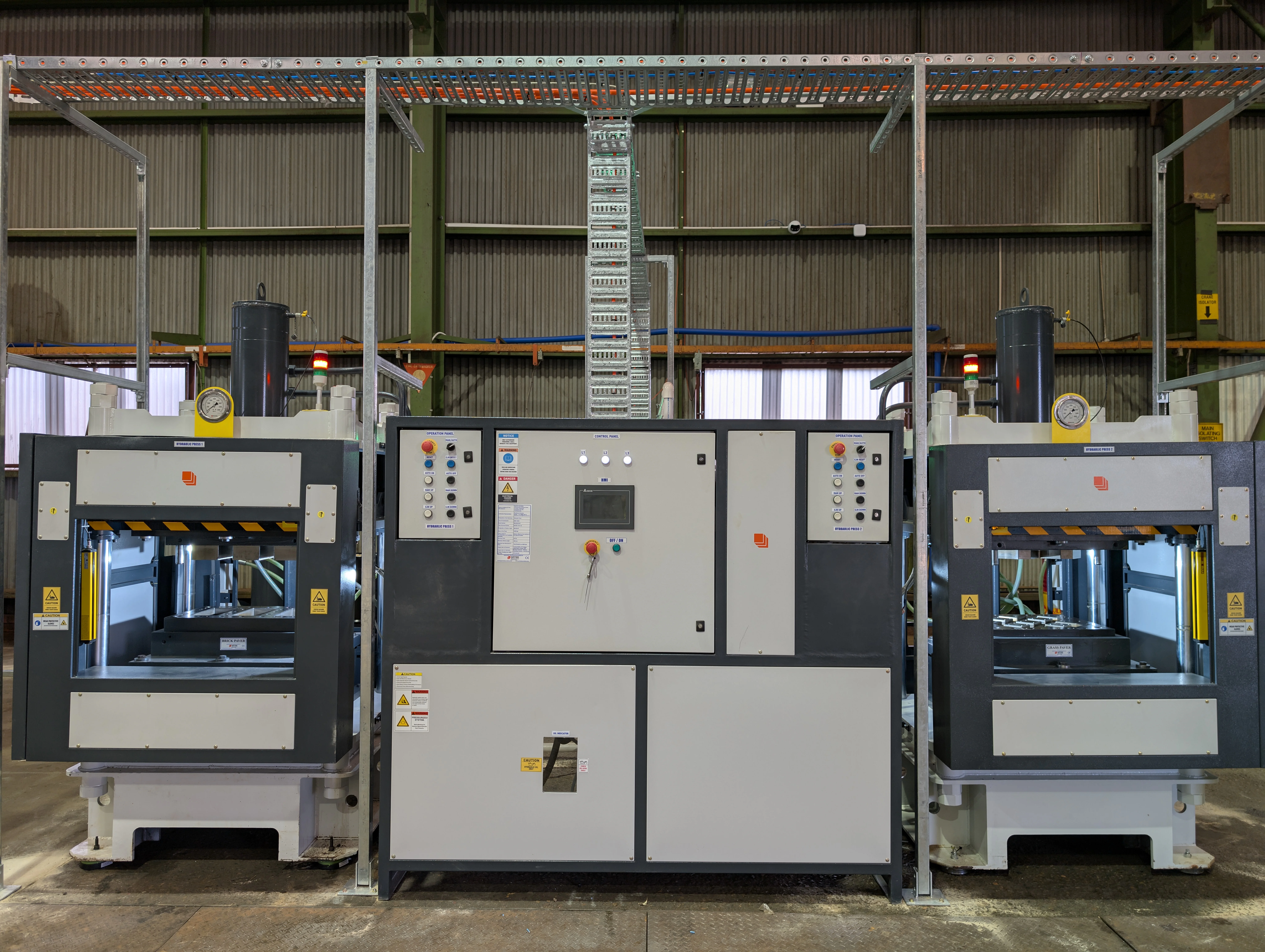
315 Ton Four Pillar Hydraulic Press Machine
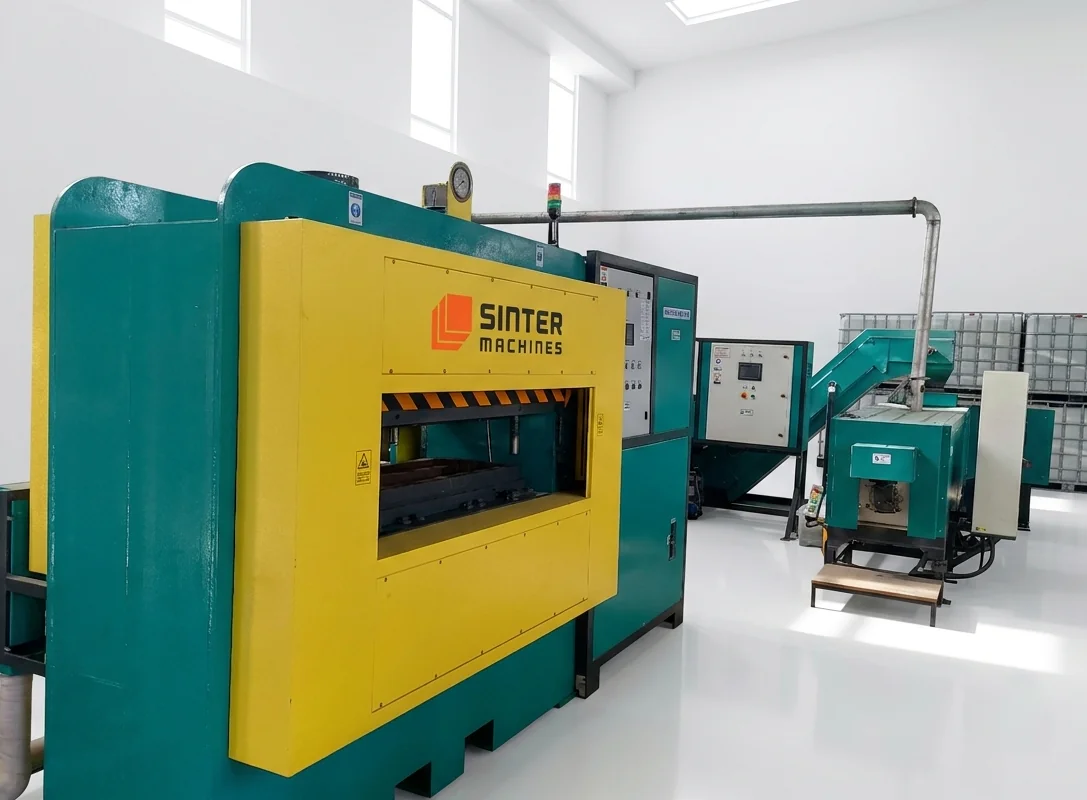
The 315-Ton Four-Column Hydraulic Press line integrates auto-loading, extrusion mixing, and water-cooled molding to transform recycled waste plastics and foundry sand into durable composite floor slabs. This automated setup optimizes heat distribution, high-pressure compaction, and rapid chilling to produce high-strength, weather-resistant snow-melting slabs efficiently.
Use Case
The integrated 315-Ton press line melts, mixes, and high-pressure compacts waste plastics and sand into void-free composite slabs, while an industrial chiller rapidly cools the mold from 200°C to 60°C for fast demolding.
- Core Applications: Heavy-duty outdoor paving, snow-melting pedestrian walkways, anti-skid driveways, and sustainable urban infrastructure solutions.
- Material: 70% post-consumer waste recycled plastics, 30% foundry waste sand, along with targeted color pigments and protective UV additives.
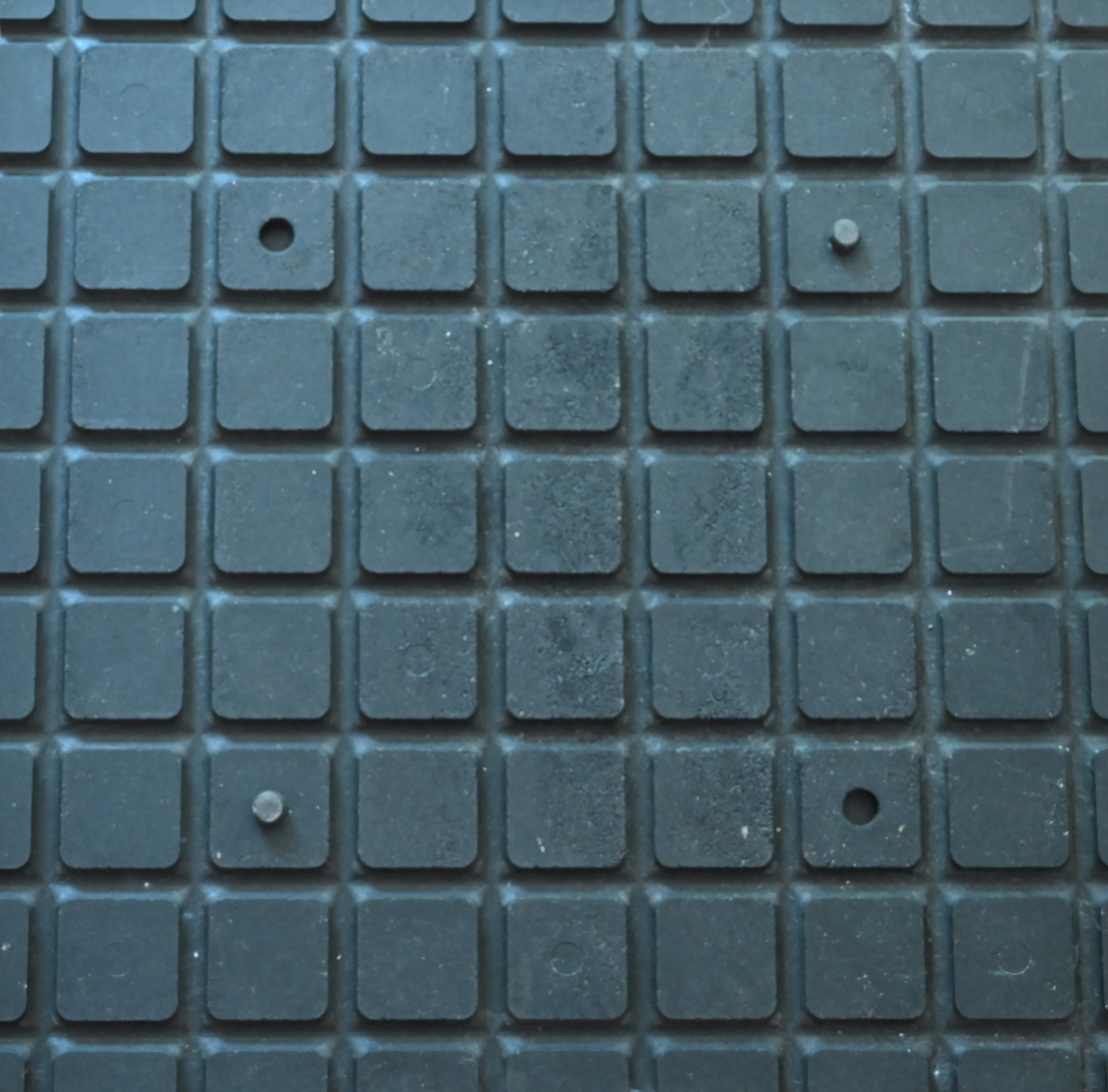
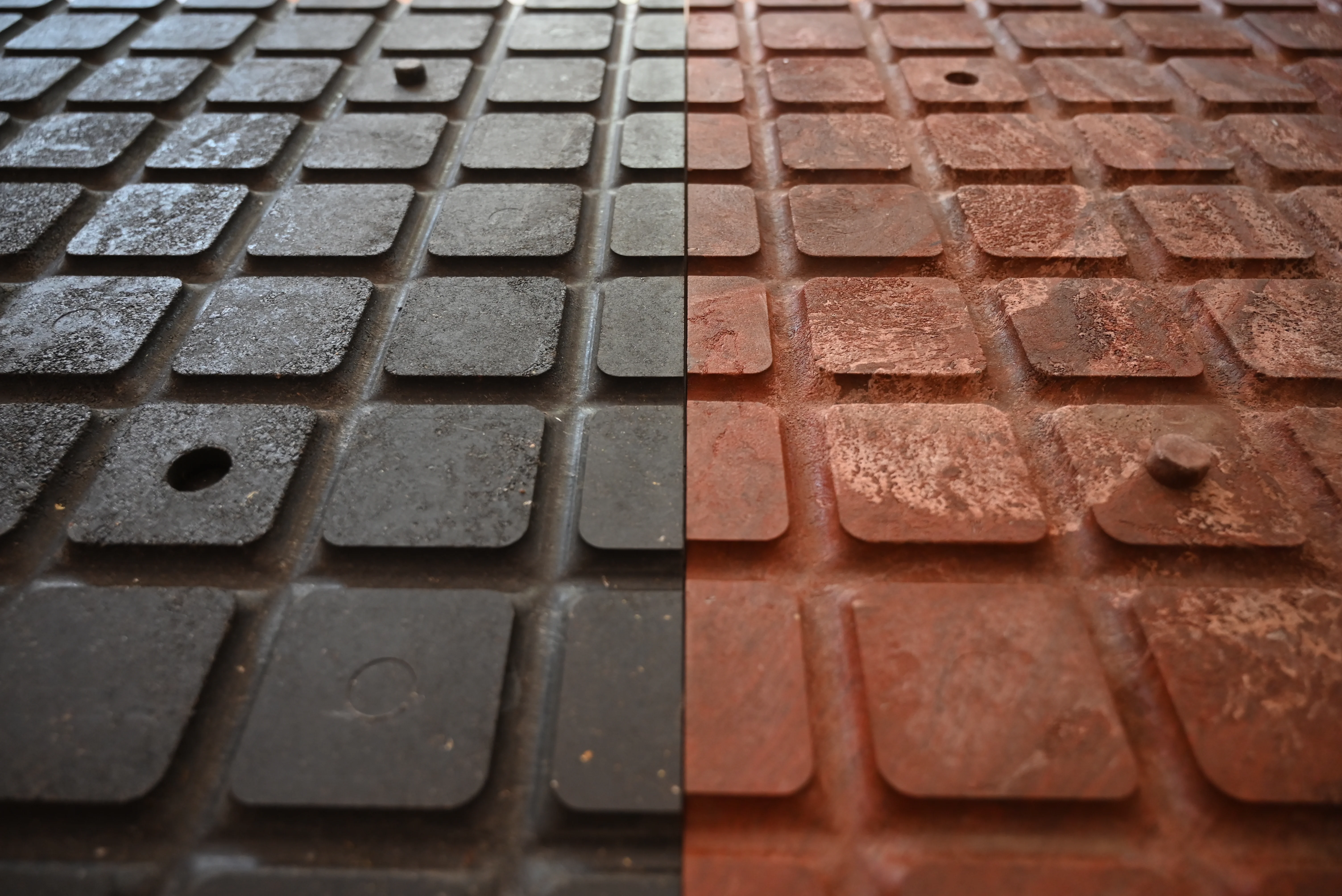
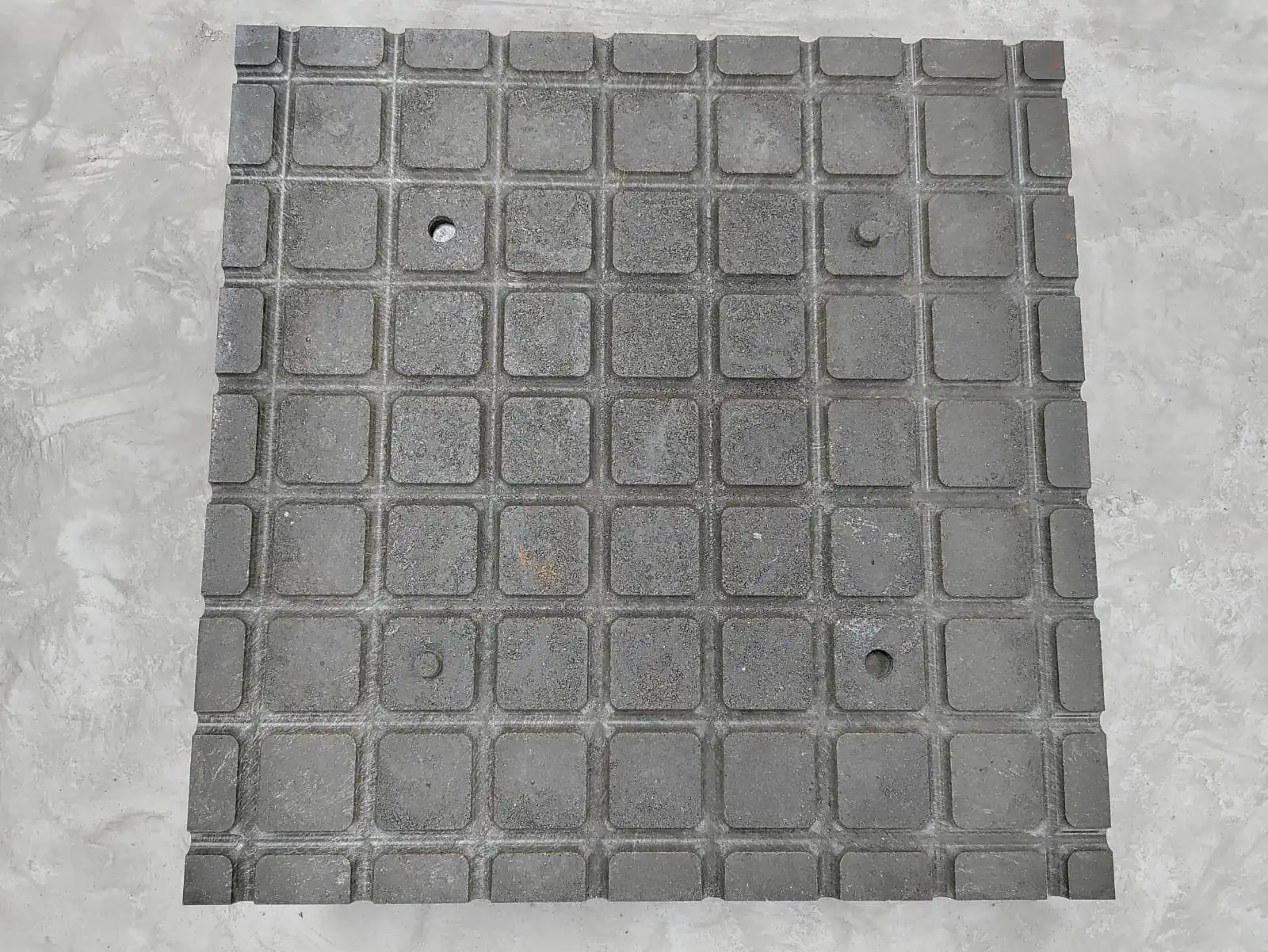
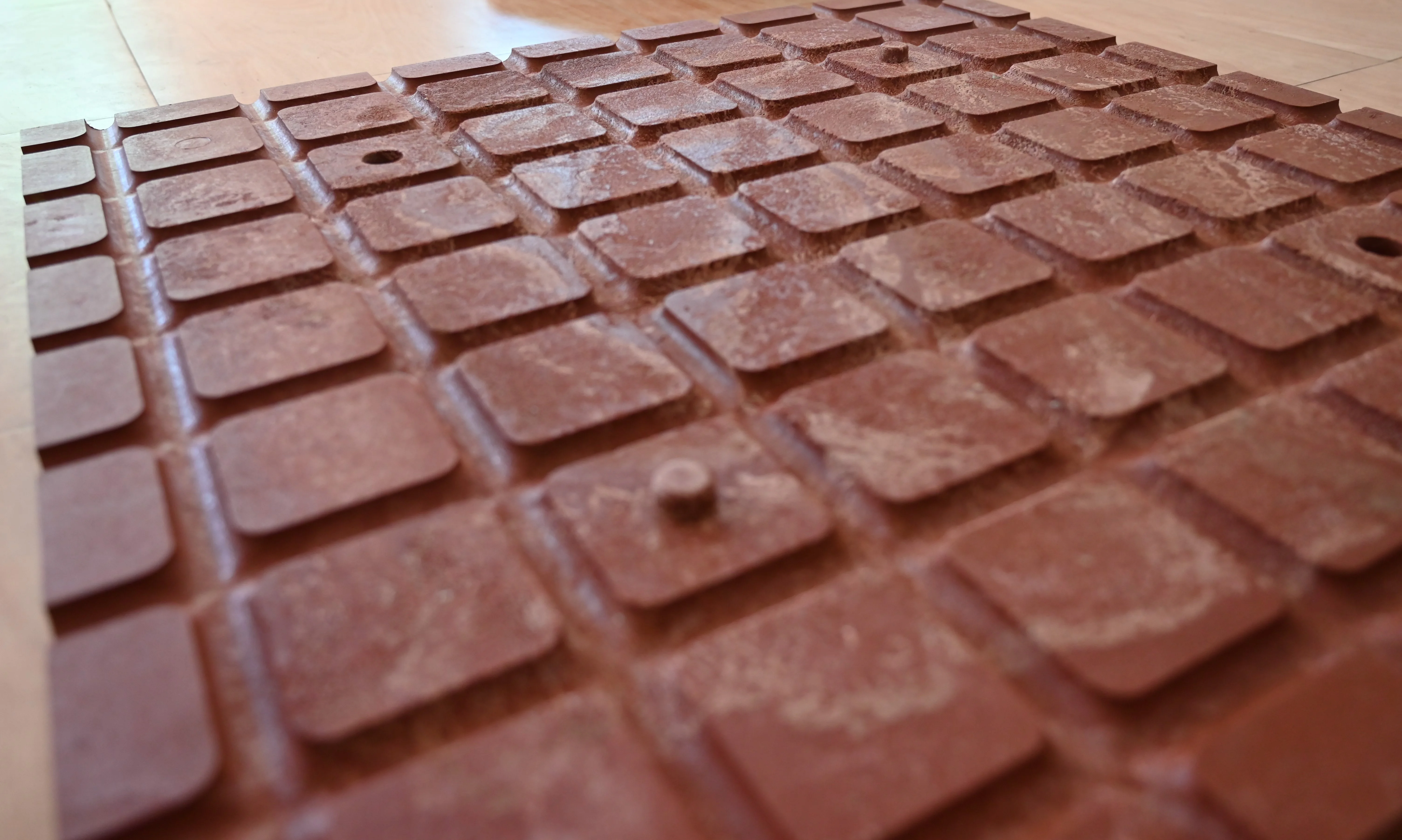
- Products Processed: Multi-color, waterproof, impact-resistant, and lightweight plastic-sand composite snow-melting floor slabs.
Why 315 Ton Hydraulic Press
- High Compaction Density: Delivers up to 315 tons of clamping force to squeeze out air pockets, eliminating internal voids and ensuring uniform structural strength throughout the dense sand-plastic matrix.
- Precise Slab Geometry: Holds precise dimensional tolerances across large surface areas, ensuring perfectly flat, interlockable floor slabs with consistent load-bearing capability.
- Optimized Thermal Transfer: Maintains rigid surface contact with the water-cooled mold during the cooling cycle, maximizing heat transfer efficiency to cure the molten composite quickly without warping.
02 — Technical Specifications
SM 315 HP – Hydraulic Press Machine Complete Technical Data
This high-performance 315 Ton hydraulic press machine is engineered specifically for compression molding of plastic sand composite snow melting floor slabs. It provides uniform compaction, robust structural stability, and precise thermal-hydraulic control for continuous industrial slab production.
Capacity: 315 Ton
Structural Design: Heavy Duty Four Column Tie Rod Structure
Frame Type: Rigid Steel Fabricated Stress Relieved H Frame Structure
Hydraulic System: Double Acting High Pressure Cylinder System
Main Ram Stroke: 800 mm
Working Hydraulic Pressure: 25 MPa
Daylight Gap: 1250 mm
Approach Speed: 120 mm/Sec
Pressing / Drawing Speed: 12 mm/Sec
Return Speed: 100 mm/Sec
Bed / Platen Size Platen: 1200 x 1200 mm
Columns: 4 Hard Chrome Plated High Tensile Alloy Steel Columns
Working Envelope: 1200 x 1200 x 1250 mm
Control System: Programmable Logic Controller With Touch Screen HMI Interface
Main Motor Power: 22 KW
Valves & Hydraulics: Integrated Cartridge Valve Manifold System
Automation: Automatic Temperature Pressure Control And Cycle Timer System
Safety Features: Dual Hand Switch Operation Photoelectric Light Curtains Emergency Stop Push Button
SM 315 HP — Model Specifications
- Nominal Force: 3150 KN
- Maximum Hydraulic Pressure: 25 MPa
- Max Opening Height of the Slider: 1000 mm
- Max Stroke of the Slider: 600 mm
- Effective Bed Size: 800 × 800 mm
- Slider Down Speed: 100 mm/s
- Slider Pressing Speed: 7–12 mm/s
- Slider Return Speed: 90 mm/s
- Ejector Cylinder Nominal Force: 300 KN
- Stroke of the Ejection Cylinder: 300 mm
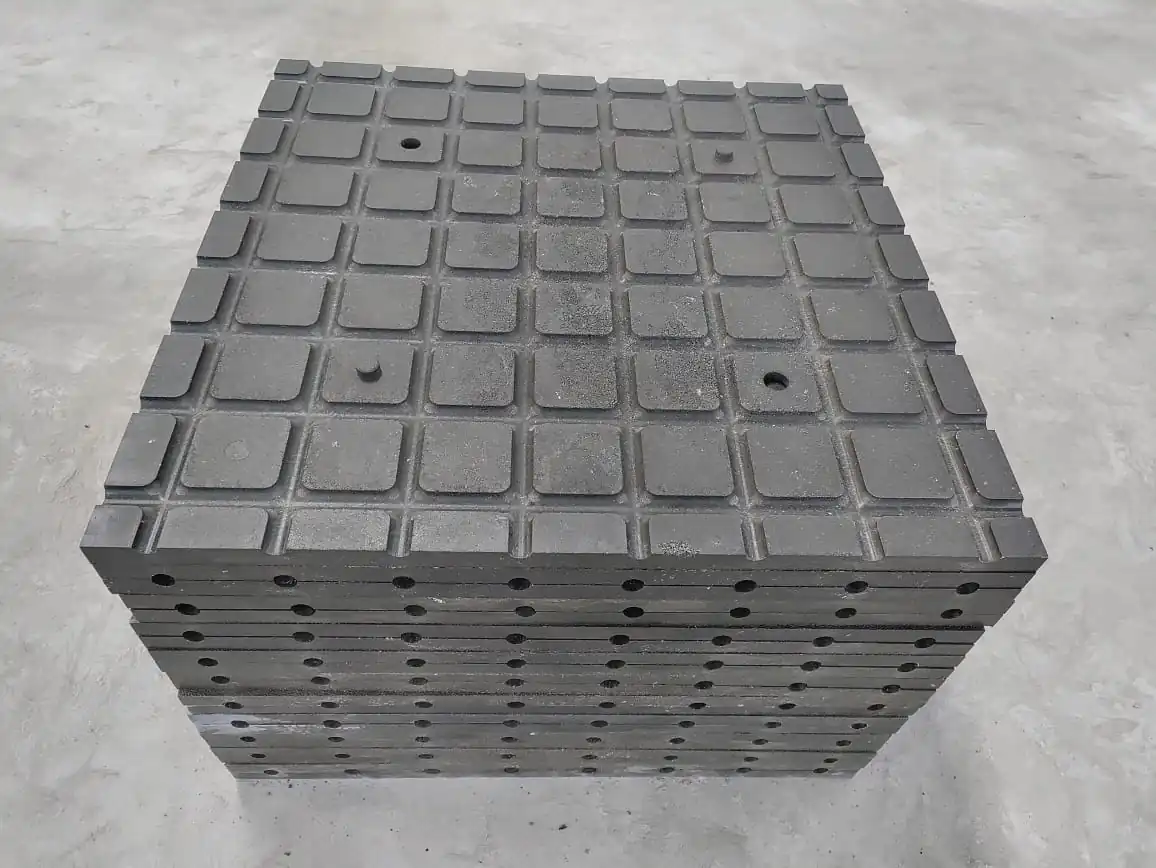
03 — Die / Mold System
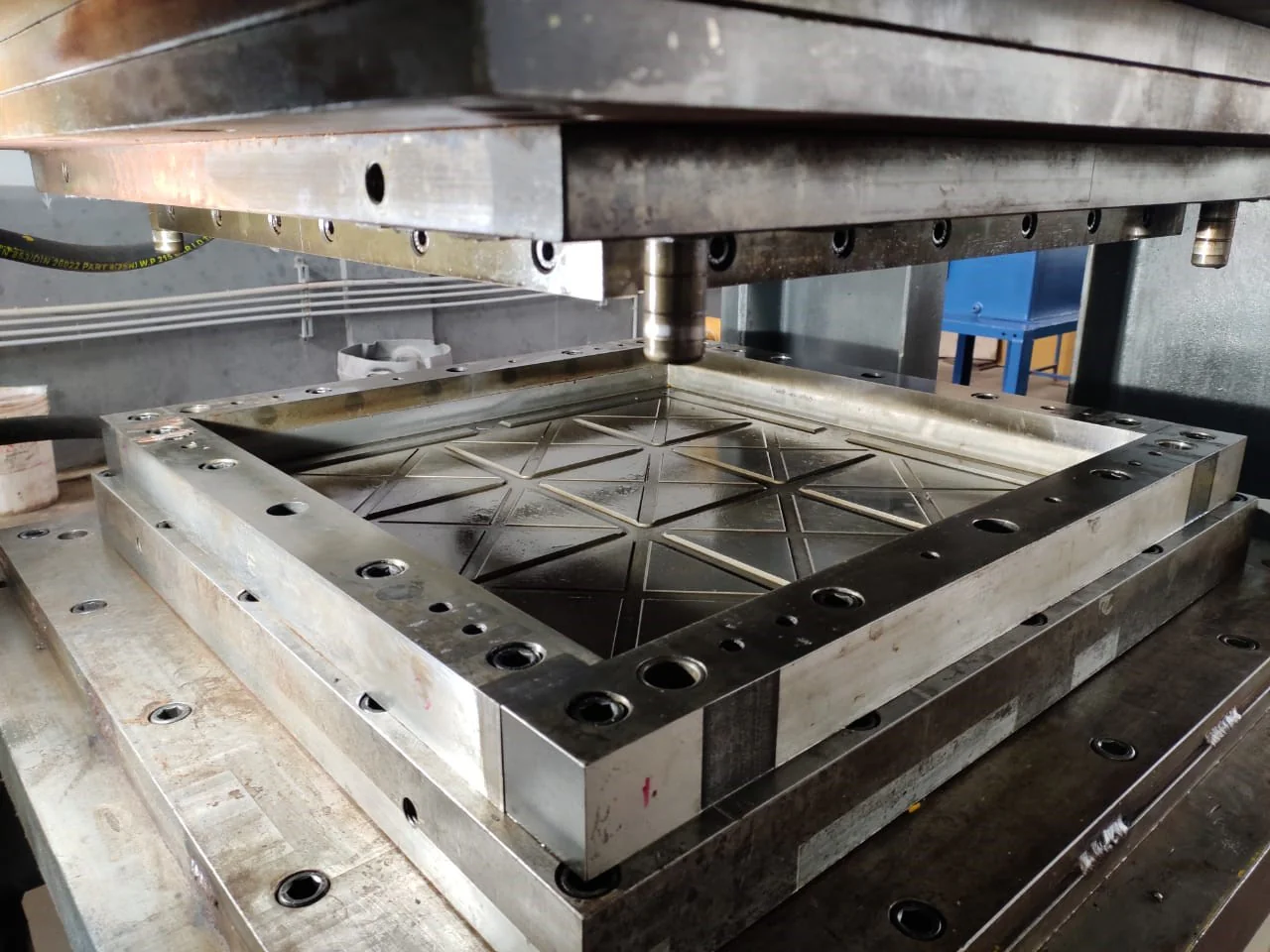
Precision Single Cavity Snow Melting Floor Slabs Die Mold Engineering
Designed for high-precision compression molding of heavy-duty polymer sand snow melting floor slabs, this die system ensures uniform material density, integrated heating channel alignment, and superior structural durability. It supports continuous high-pressure industrial production under extreme thermal and mechanical loads.
Technical Specifications (Tooling)
Die Type
- Configuration: Single Cavity Mold
Die Materials
- Core and Cavity: High strength forged alloy steel
- Mold Base: Heavy duty structural steel plate
Tool Configuration & Construction
- Structure: High stiffness reinforced split frame
- Heating System: Integrated high efficiency thermal channels
- Ejection Mechanism: Multi point synchronized hydraulic ejector pin system
Key Tooling Features
- Thermal Management: Rapid heating and cooling zone distribution
- Material Flow: Engineered runnerless cavity loading design
- Slab Integration: Molded grooves for heating element placement
Alignment Accuracy
- Guiding System: Precision guide pillar and bush assembly
- Tolerance: Plus or minus 0.02 mm
Surface Finish
- Cavity Polishing: High polish chrome plated finish
- Roughness Level: Ra 0.4 mm
Tool Life
- Durability: 500000 typical production cycles
Precision Single Cavity Snow Melting Floor Slabs Die Mold
04 — Product Application
Where Plastic Sand Composite Snow Melting Floor Slabs Are Used
Plastic sand composite snow melting floor slabs provide a durable, eco-friendly heating solution designed to automatically prevent ice build-up in critical foot and vehicle traffic zones. They replace traditional energy-intensive snow removal methods by integrating efficient thermal technology directly into robust outdoor paving.
Industry Applications
Urban Pedestrian Walkways and Sidewalks
These slabs keep high-foot-traffic city pathways, plaza walkways, and public building entrances entirely ice-free during severe winter conditions. Their slip-resistant surface prevents pedestrian falls while eliminating the need for harsh chemical deicing salts.
Commercial Transit Platforms and Bus Stops
Installed across railway platforms, bus boarding zones, and airport passenger concourses to maintain clear boarding environments. The continuous snow-melting capability prevents dangerous ice packing caused by heavy transit commuter traffic.
Residential Driveways and Outdoor Steps
Ideal for home entrances, steep driveway inclines, and exterior staircases where manual shoveling is difficult or hazardous. They provide immediate heat distribution to maintain clear access routes without damaging surrounding landscaping.
Industrial Loading Docks and Logistics Parks
Deployed in high-capacity freight yards and warehouse loading bays to ensure uninterrupted material handling operations. By keeping ramp surfaces free of frost and slush, they minimize heavy vehicle slippage and operational downtime.
Finished Product Gallery
05 — Key Advantages
Why Choose the 315-Ton Sinter Hydraulic Press
The 315-Ton Sinter Hydraulic Press delivers exceptional structural density and precise thermal integration required for manufacturing polymer sand composite snow melting slabs. Its advanced pressure control and fast cycle times maximize commercial production output while significantly reducing unit manufacturing costs.
Technical & Commercial Benefits
High Structural Density Molding
Provides 315 tons of uniform compressive force to eliminate internal voids and ensure maximum slab strength. The resulting high-density composite resists heavy wheel loads and harsh environmental weathering.
Precise Heating Element Integration
Maintains tight dimensional tolerances during the pressing cycle to secure embedded heating channels without damage. This guarantees consistent thermal conductivity and long-term electrical reliability across the entire slab area.
Optimized Energy Consumption
Utilizes an advanced hydraulic system with rapid pressure build-up and smart variable pump controls. This reduces overall power consumption per production cycle, directly lowering operational utility costs.
Fast and Consistent Cycle Times
Achieves a fast 120-second molding cycle through automated pressing and rapid hydraulic return strokes. The accelerated throughput boosts total daily output to meet large-scale municipal and commercial demand.
Reduced Material and Tooling Wear
Features smooth proportional pressure ramp-up that prevents mechanical shock to the precision die mold. This extends mold service life and minimizes scheduled maintenance downtime for maximum production uptime.
Exceptional Cost-to-Performance Ratio
Combines lower raw material processing costs of plastic-sand composites with highly automated press operations. Manufacturers achieve faster return on investment through reduced labor overhead and competitive market pricing.