01 — Press System
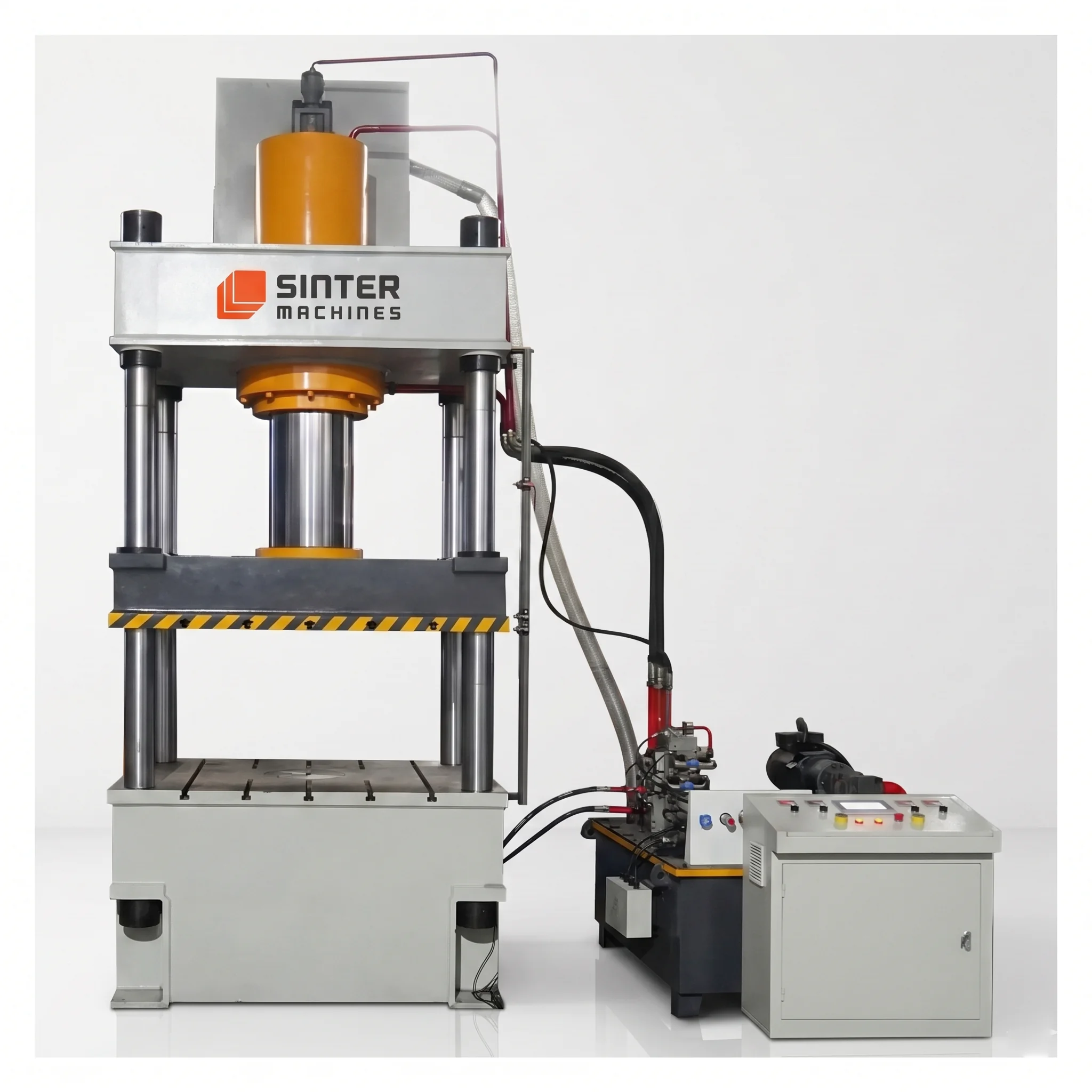
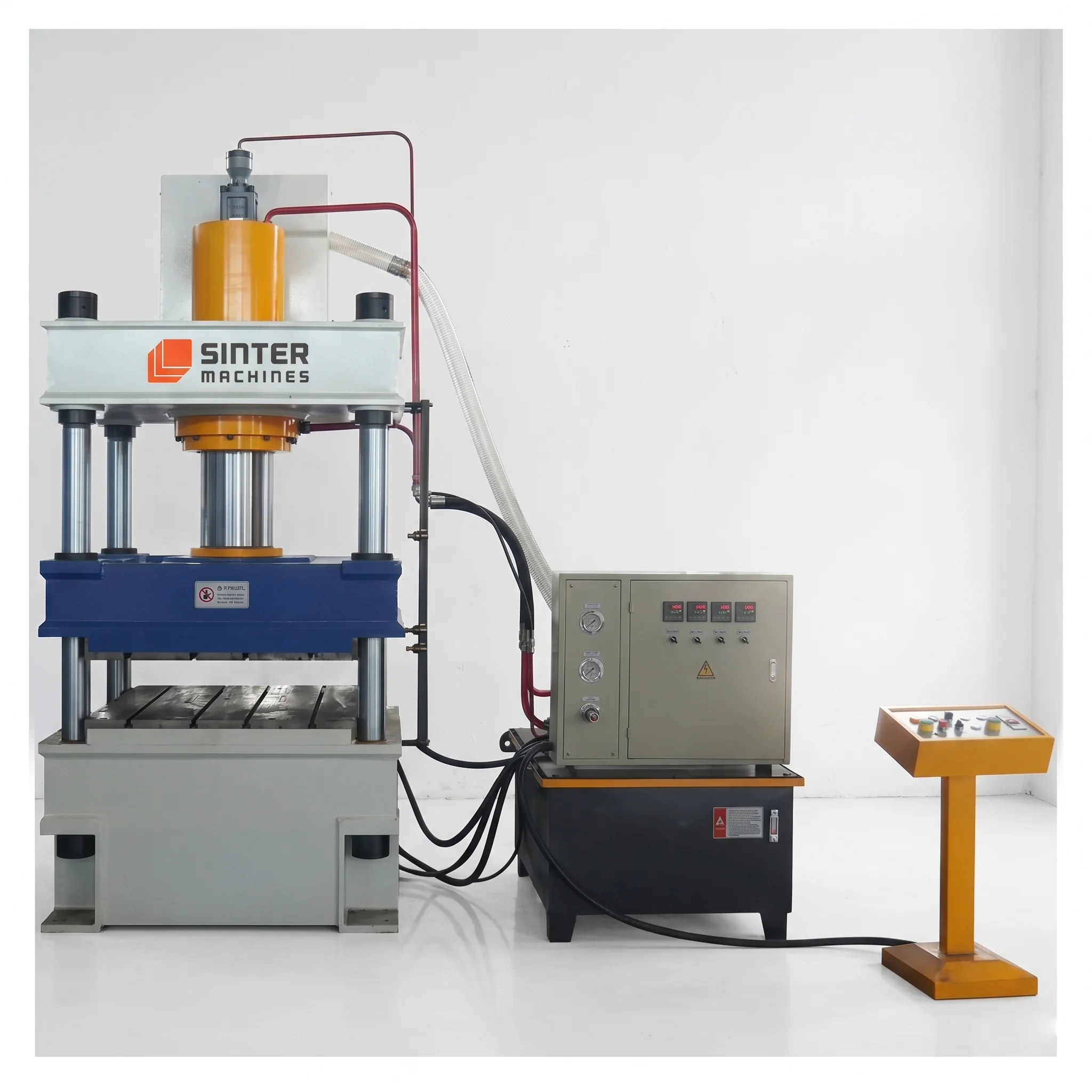
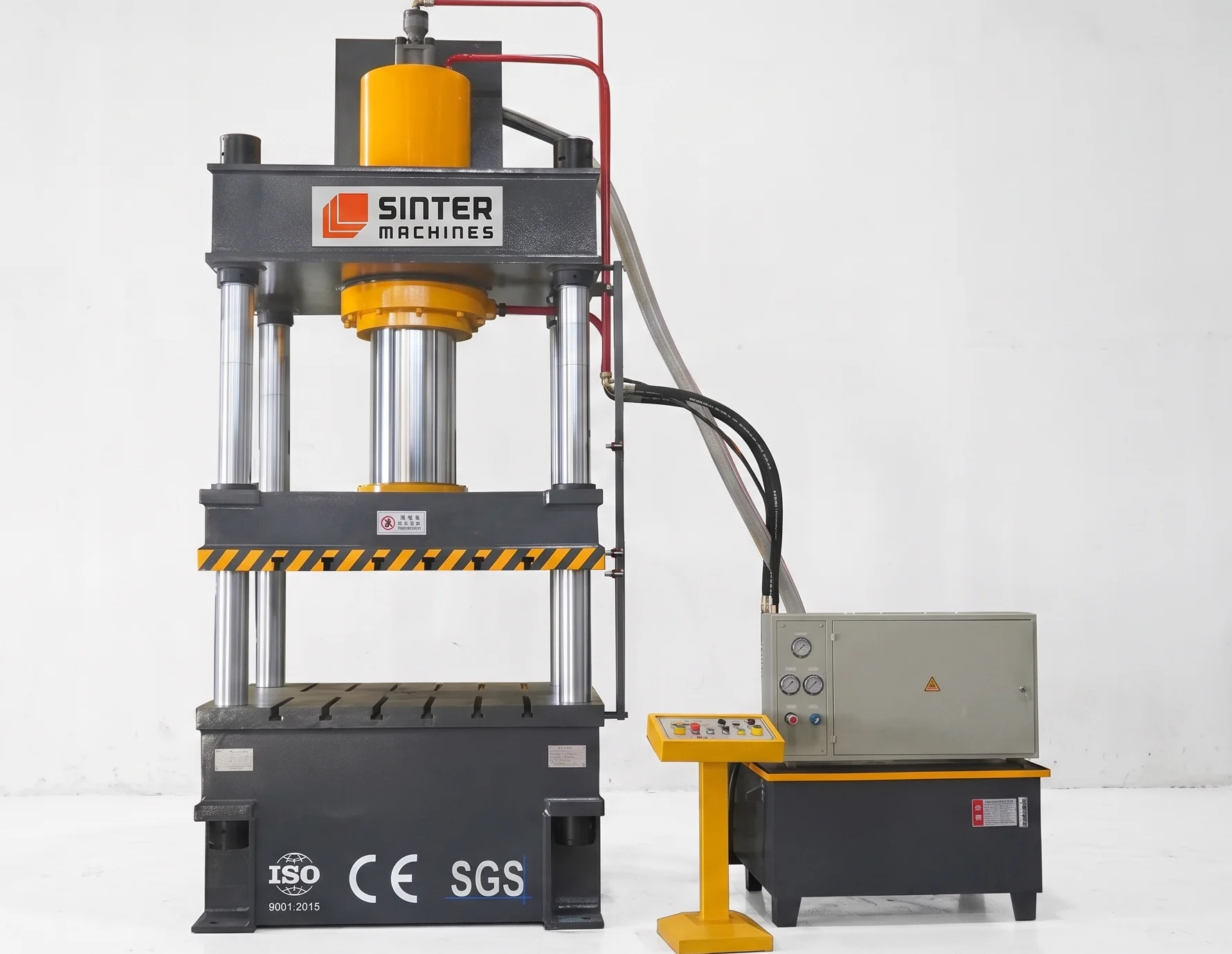
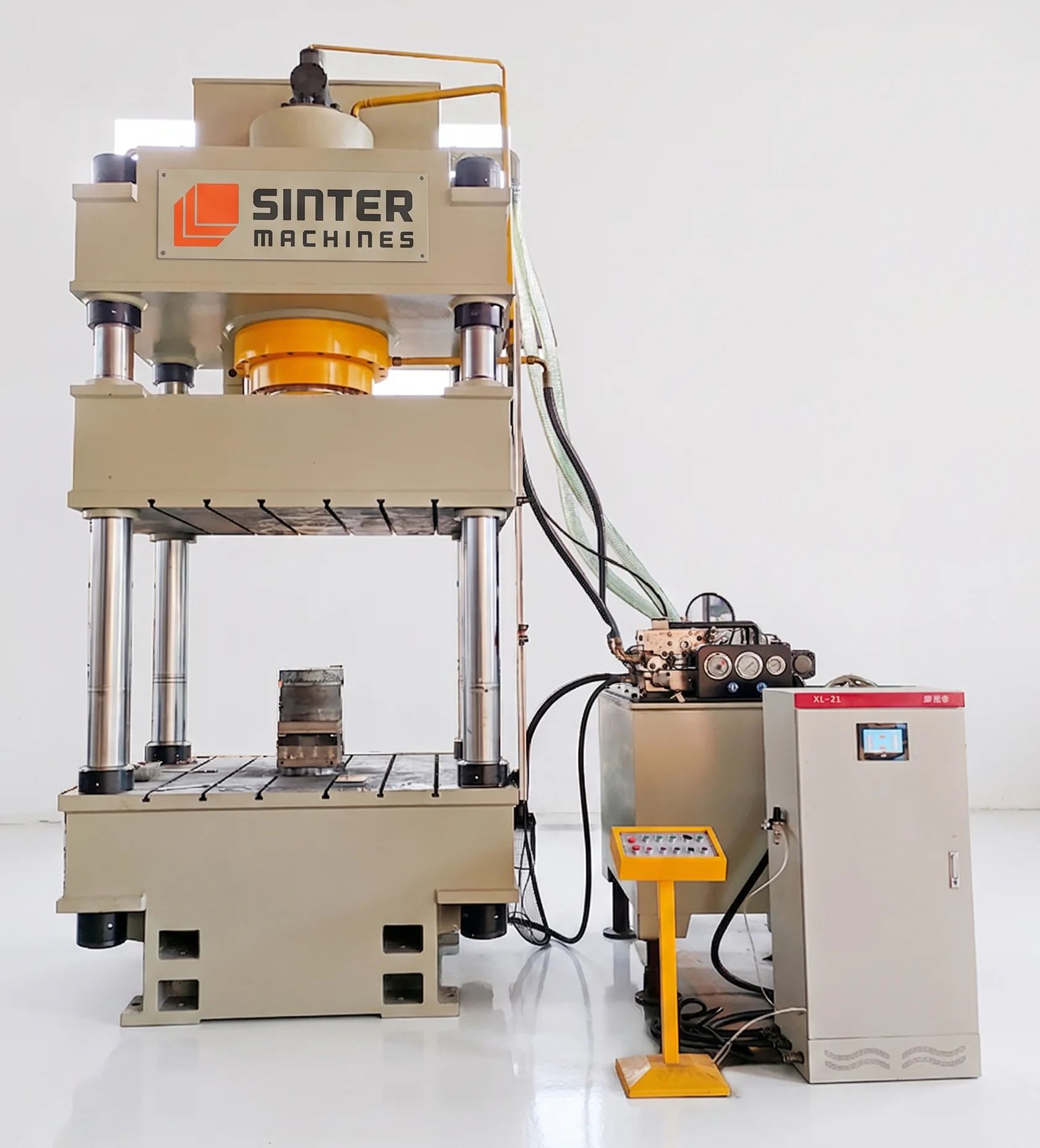
315 Ton Four Pillar Hydraulic Press Machine
Built with an ultra-rigid four-column structural frame that prevents platen deflection and ensures precise alignment under heavy tonnage. Integrates high-capacity proportional hydraulic systems to deliver uniform 315-ton pressing force across high-cavity die molds.
Use Case
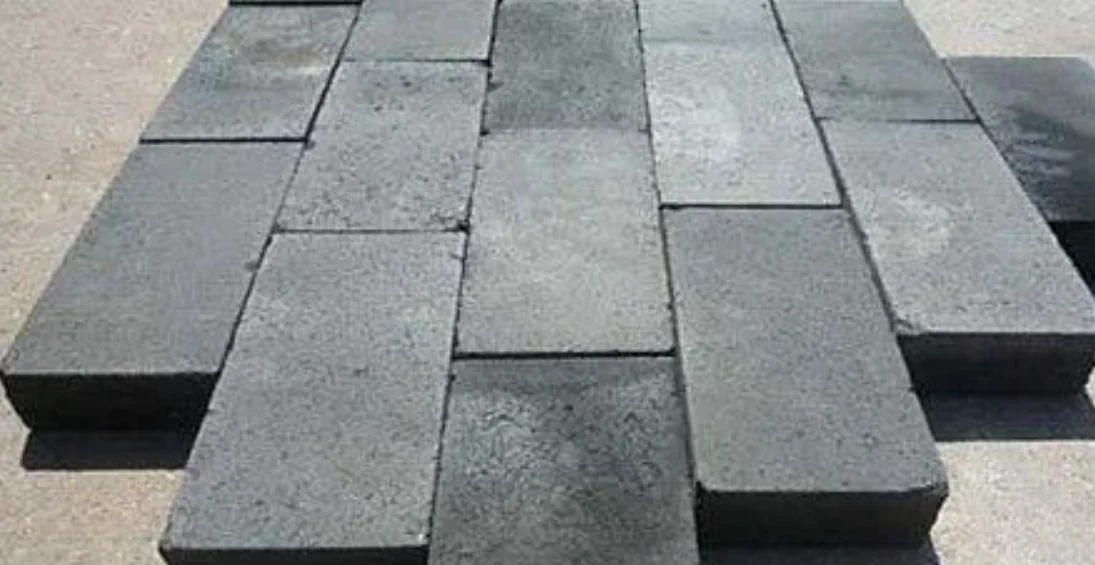
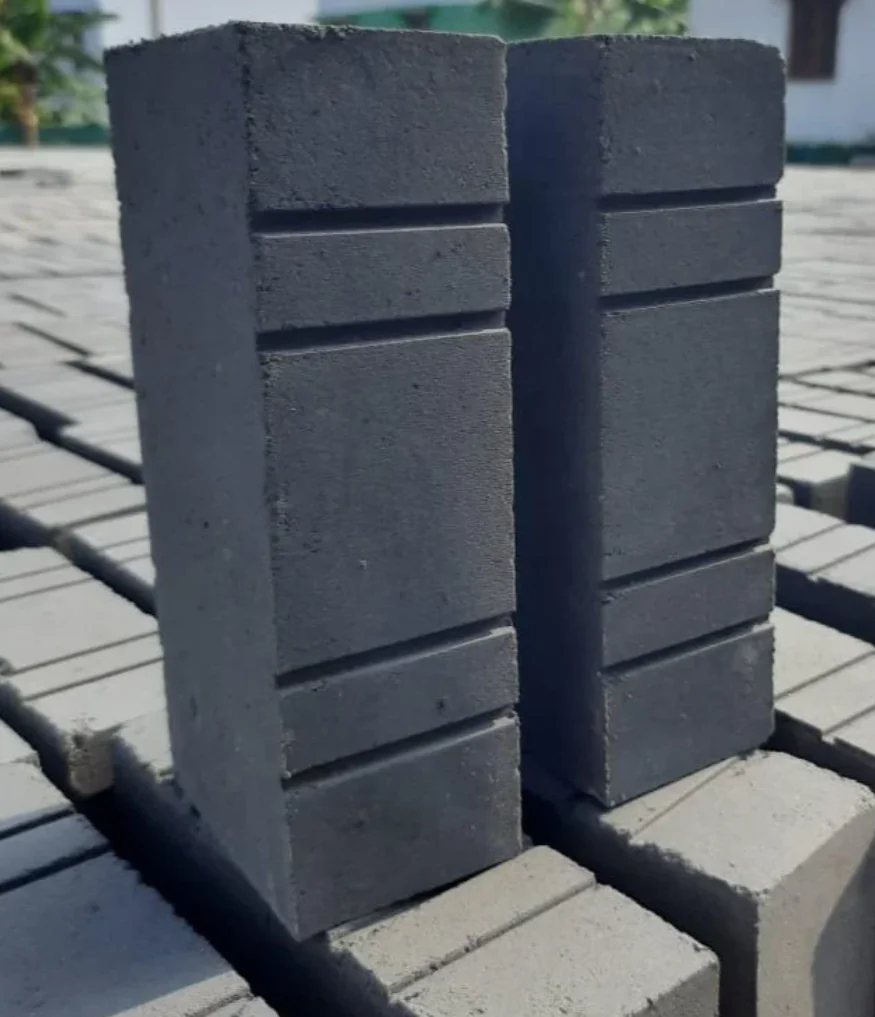
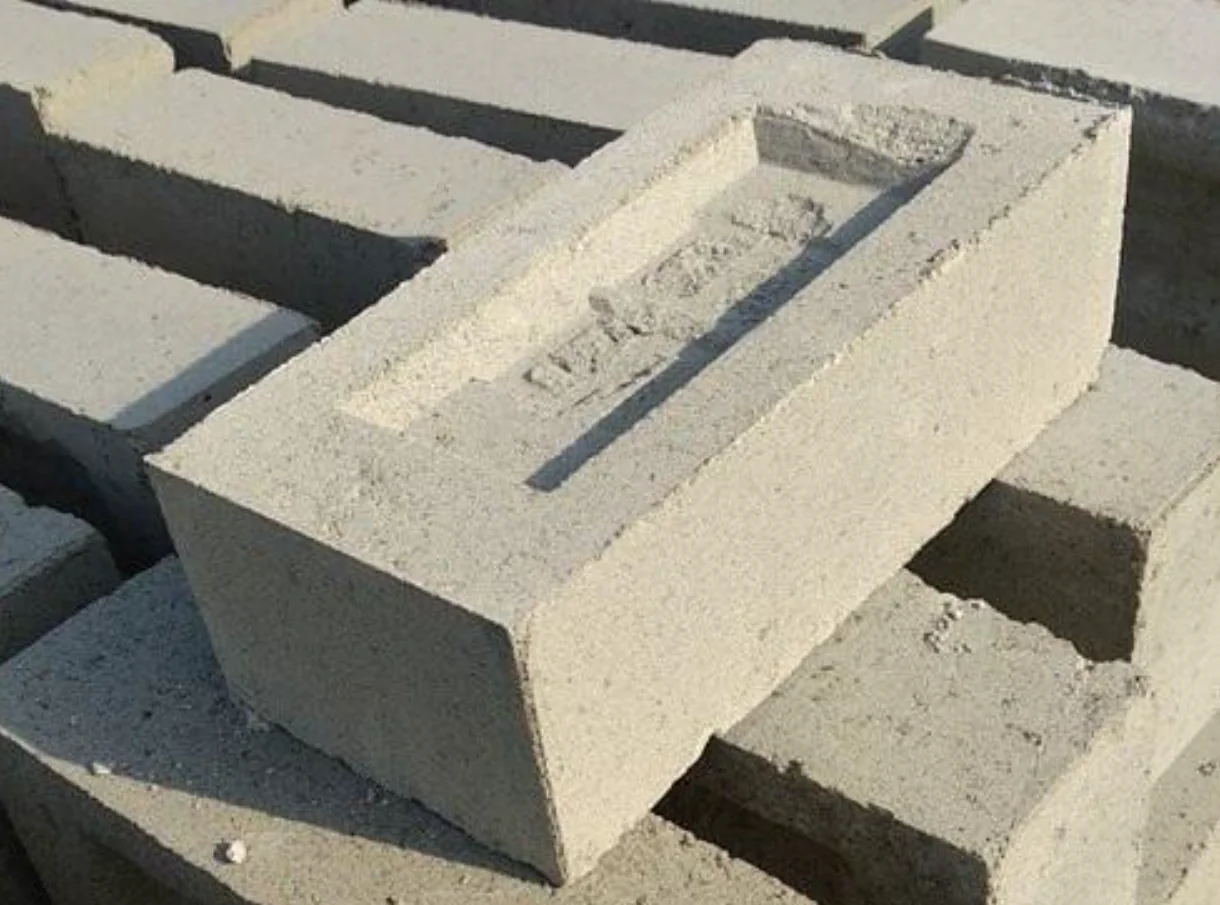
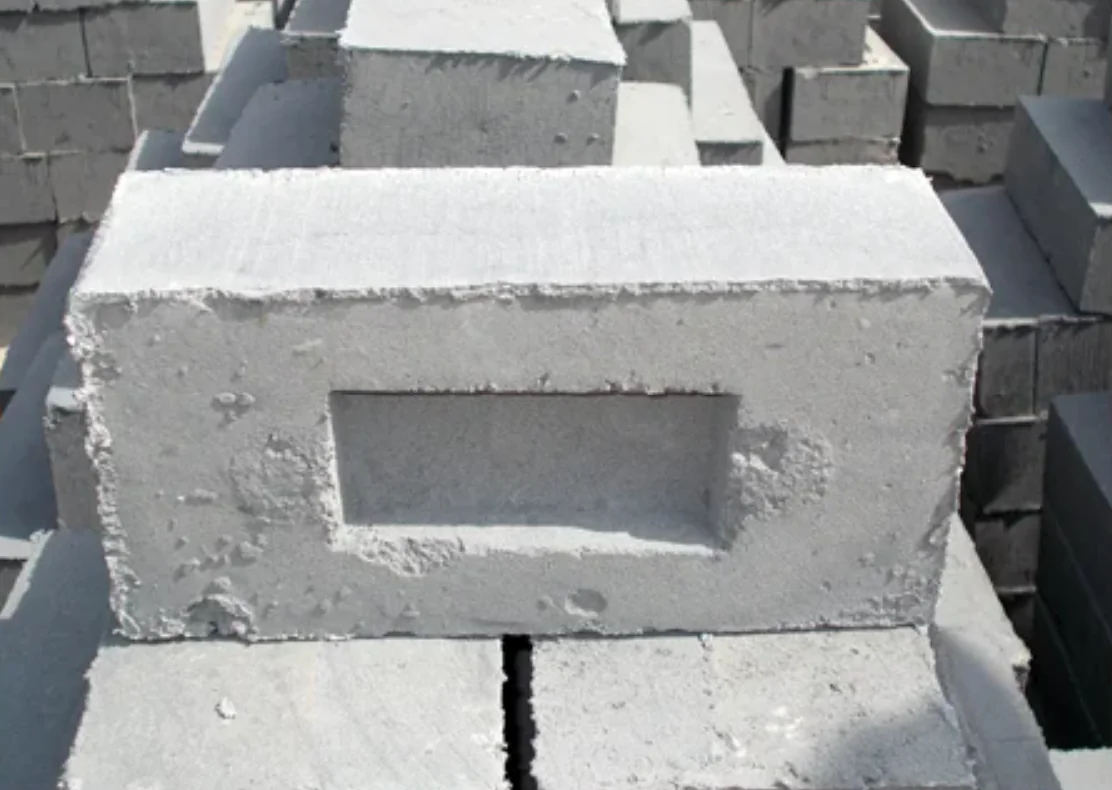
Engineered for fully automated, high-volume production of high density fly ash, bottom ash, and pond ash bricks used in heavy structural applications. Maximizes industrial ash waste utilization while producing premium-grade, high-strength masonry products that meet stringent engineering standards.
Core Applications: Heavy load-bearing wall construction, high-rise masonry, structural foundations, and major civil engineering projects.
Material: 50 to 70 percent Bottom or Pond Ash, 20 to 30 percent M Sand, 8 to 12 percent Cement or Lime, and Water as required for optimum moisture content.
Typical Products Processed: Standard 228 mm by 104 mm by 75 mm Brick Size.
Brick Compressive Strength: Delivers high 8 to 12 MPa compressive strength engineered for heavy-duty structural applications.
Why 315 Ton Hydraulic Press: Delivers the high compaction pressure required for dense bottom and pond ash formulations, ensuring minimal water absorption, maximum compressive strength, and high daily throughput.
02 — Technical Specifications
SM 315 HP – HYDRAULIC PRESS MACHINE COMPLETE TECHNICAL DATA
The SM 315 HP Hydraulic Press provides massive 315-ton compaction force tailored specifically for high-density ash brick manufacturing lines. Its rigid four-column guided structure ensures maximum structural accuracy, low maintenance downtime, and continuous heavy-duty automated output.
Capacity
- Pressing Tonnage: 315 Ton Maximum Compaction Force
Structural Design
- Frame Construction: Ultra Heavy Duty Fabricated Steel Structure with Stress Relieved Frame
Frame Type
- Guide Configuration: Heavy Duty Precision Four Column Guided Alignment Structure
Hydraulic System
- System Design: High Capacity Proportional Hydraulic Power Unit with Servo Controls
Main Ram Stroke
- Stroke Length: 350 mm Total Stroke Traversal
Working Hydraulic Pressure
- System Pressure: 250 bar Working Operating Pressure
Daylight Gap
- Clear Opening: 600 mm Maximum Daylight Gap
Approach Speed
- Downwards Speed: 120 mm Per Sec Rapid Approach Speed
Pressing / Drawing Speed
- Compaction Speed: 6 mm Per Sec to 10 mm Per Sec Controlled Deep Pressing Speed
Return Speed
- Upwards Speed: 100 mm Per Sec Rapid Return Speed
Bed / Platen Size Platen
- Working Area: 1000 mm Length by 1000 mm Width Moving Platen Area
Columns
- Guide Tie Rods: 120 mm Diameter Hard Chrome Plated Four Precision Tie Rods
Working Envelope
- Clearance Space: 1050 mm Side Clearance for Heavy Tooling Insertion
Control System
- Operating Interface: Advanced PLC System with Integrated Color Touchscreen HMI Panel
Main Motor Power
- Drive Motor: 30 kW High Torque Energy Efficient Electric Motor
Valves & Hydraulics
- Control Valves: High Speed Proportional Directional and Pressure Control Valves
Automation
- Line Integration: Fully Automated Pallet Feeding Stacking and Brick Ejection Sequence
Safety Features
- Operator Protection: Dual Infrared Safety Light Curtains and Emergency E Stop Buttons
SM 315 HP — Model Specifications
- Nominal Force: 3150 KN
- Maximum Hydraulic Pressure: 25 MPa
- Max Opening Height of the Slider: 1000 mm
- Max Stroke of the Slider: 600 mm
- Effective Bed Size: 800 × 800 mm
- Slider Down Speed: 100 mm/s
- Slider Pressing Speed: 7–12 mm/s
- Slider Return Speed: 90 mm/s
- Ejector Cylinder Nominal Force: 300 KN
- Stroke of the Ejection Cylinder: 300 mm
03 — Die / Mold System
Precision 18 Cavity Bottom/Pond Ash Bricks Die Mold Engineering
High-precision press mold system engineered for heavy-duty Bottom/Pond Ash brick manufacturing applications. It enables high-volume production with uniform compaction and exact dimensional consistency across 18 simultaneous cavities.
Technical Specifications (Tooling)
Die Type
- Configuration: 18 Cavity Mold
Die Materials
- Mold Body: High Grade Forged Alloy Steel EN24
- Cavity Liners: Hardened D2 High Carbon High Chromium Tool Steel
- Punches: Toughened Alloy Steel with Flame Hardened Working Surfaces
Tool Configuration & Construction
- Construction Type: Bolted Heavy Duty Plate Structure with Replaceable Liners
- Ejection Assembly: Synchronized Bottom Hydraulic Ejection Grid
- Bottom Plate: Precision Ground Bottom Pond and Frog Profiling Plates
Key Tooling Features
- Cavity Design: Multi Cavity Grid Layout for Even Pressure Distribution
- Maintenance Feature: Reversible and Interchangeable Wear Plates
- Operating Speed: 8 to 12 Sec per Cycle
Alignment Accuracy
- Guide Pillar Clearance: 0.02 to 0.05 mm
- Dimensional Tolerance: Plus Minus 0.10 mm
Surface Finish
- Liner Surface: Ra 0.4 to 0.8 Microns
- Punch Working Face: Polished Finish Ra 0.2 Microns
Tool Life
- Expected Life: 500000 to 1000000 Cycles
Precision 18 Cavity Bottom/Pond Ash Bricks Die Mold Engineering
04 — Product Application
Where Building High Density Bottom/Pond Ash Bricks Are Used
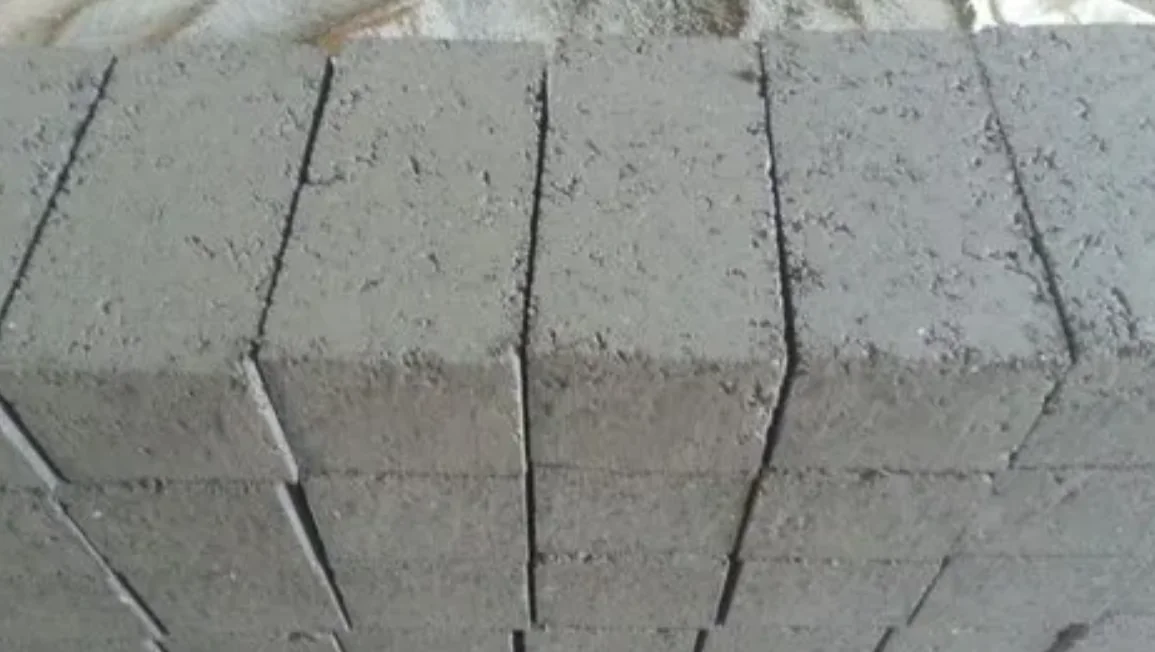
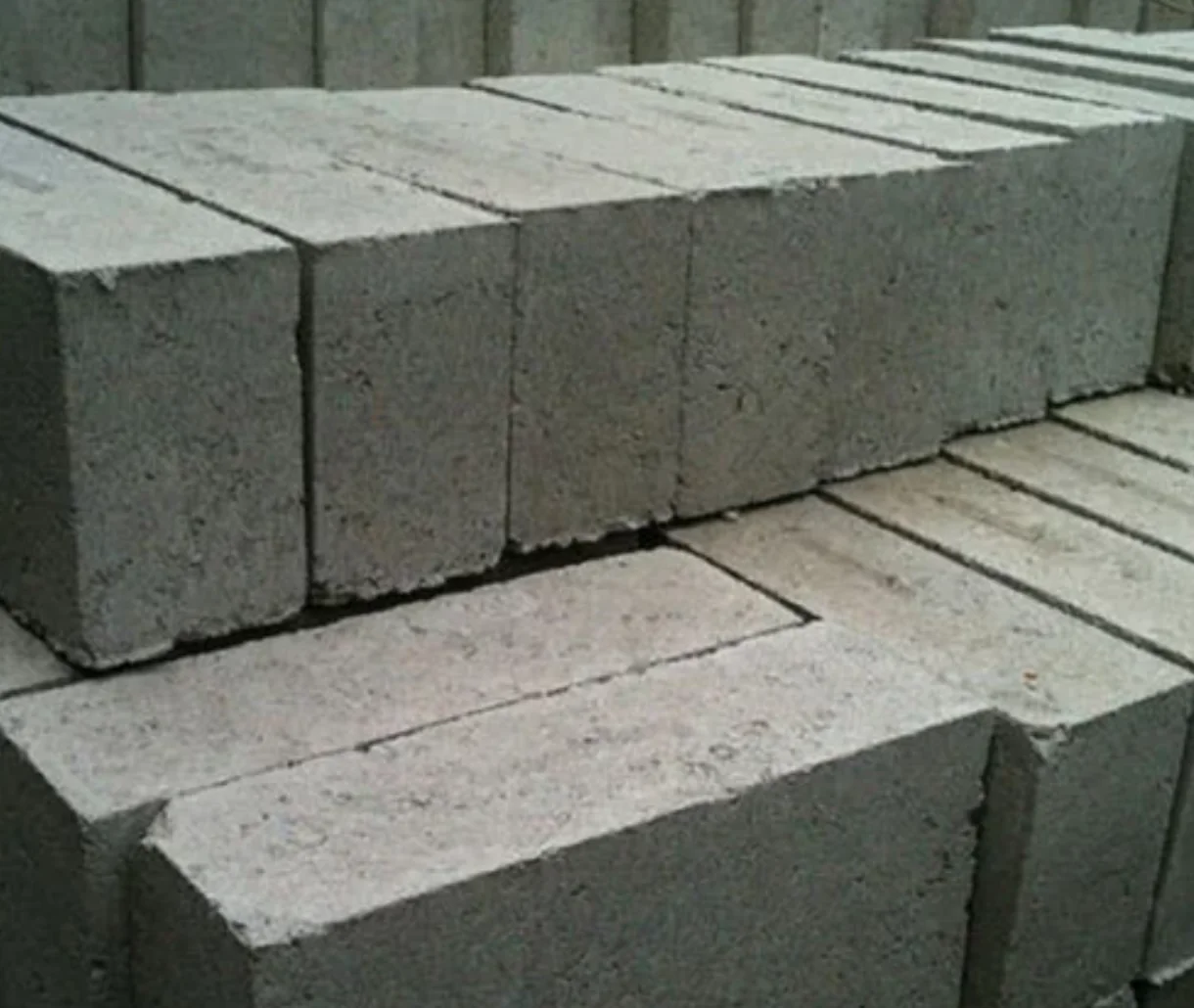
High density bottom ash and pond ash bricks are high-strength building blocks designed for demanding load-bearing structural projects. They deliver excellent thermal performance, minimal water absorption, and superior durability compared to traditional red clay bricks.
Industry Applications
Commercial and Industrial Building Construction
Used widely in factory walls, warehouse enclosures, and commercial office frameworks. Their high compressive strength ensures high load capacity and structural durability for heavy infrastructure.
Infrastructure and Civil Engineering Projects
Ideal for retaining walls, culverts, bridge abutments, and roadside drainage systems. They resist moisture breakdown, severe weathering, and environmental wear in demanding public work sites.
Residential Housing Projects
Applied in structural exterior walls, interior partitioning, and boundary wall foundations. They offer uniform dimensions that lower mortar usage while improving thermal insulation for sustainable housing.
Thermal Power Plants and Fly Ash Utilization Units
Integrated into site infrastructure facilities, storage sheds, and eco-friendly campus developments. Utilizing power plant residue onsite reduces landfill disposal while meeting modern sustainable building mandates.
Finished Product Gallery
05 — Key Advantages
Why Choose the 315-Ton Sinter Hydraulic Press
The 315 Ton Sinter Hydraulic Press combines ultra-high compaction pressure with precise digital control to produce top-tier ash bricks. It optimizes production costs through superior energy efficiency, minimal maintenance requirements, and maximum material utilization.
Technical & Commercial Benefits
Superior Compaction Pressure and High Density
Delivers a massive 315 tons of uniform force to achieve maximum material density and exceptional structural load-bearing capacity. This ensures high early compressive strength and consistent brick quality that exceeds strict industry construction standards.
Maximum Production Output and Faster Cycle Times
Optimized hydraulic circuit design enables high-speed compaction cycles to significantly boost hourly manufacturing throughput. High volume productivity drastically lowers total cost per unit while meeting demanding large-scale project timelines.
Exceptional Dimensional Accuracy and Low Rejection Rates
Precision guide pillars and rigid frame construction maintain tight tolerances across every single press stroke. Uniform dimensions minimize mortar consumption during wall construction and ensure near-zero product rejection rates.
Energy Efficient Hydraulic Systems and Low Operational Costs
Advanced variable displacement pumps and smart valve controls optimize power consumption throughout the pressing cycle. This reduces thermal heat loss, extends hydraulic fluid life, and substantially cuts down monthly electricity expenses.
Heavy Duty Frame Build for Extended Tool and Machine Life
Constructed with stress-relieved heavy steel plates designed to absorb continuous high-impact pressing stresses smoothly. The robust structure minimizes machine vibration, protects delicate mold cavities, and extends overall equipment service life.
Automated PLC Controls and Easy Operator Operation
Integrated touch-screen PLC interface allows real-time pressure tuning, cycle adjustments, and rapid error diagnostics. Simplifies daily operations, reduces manual labor dependence, and maintains repeatable quality across long production shifts.