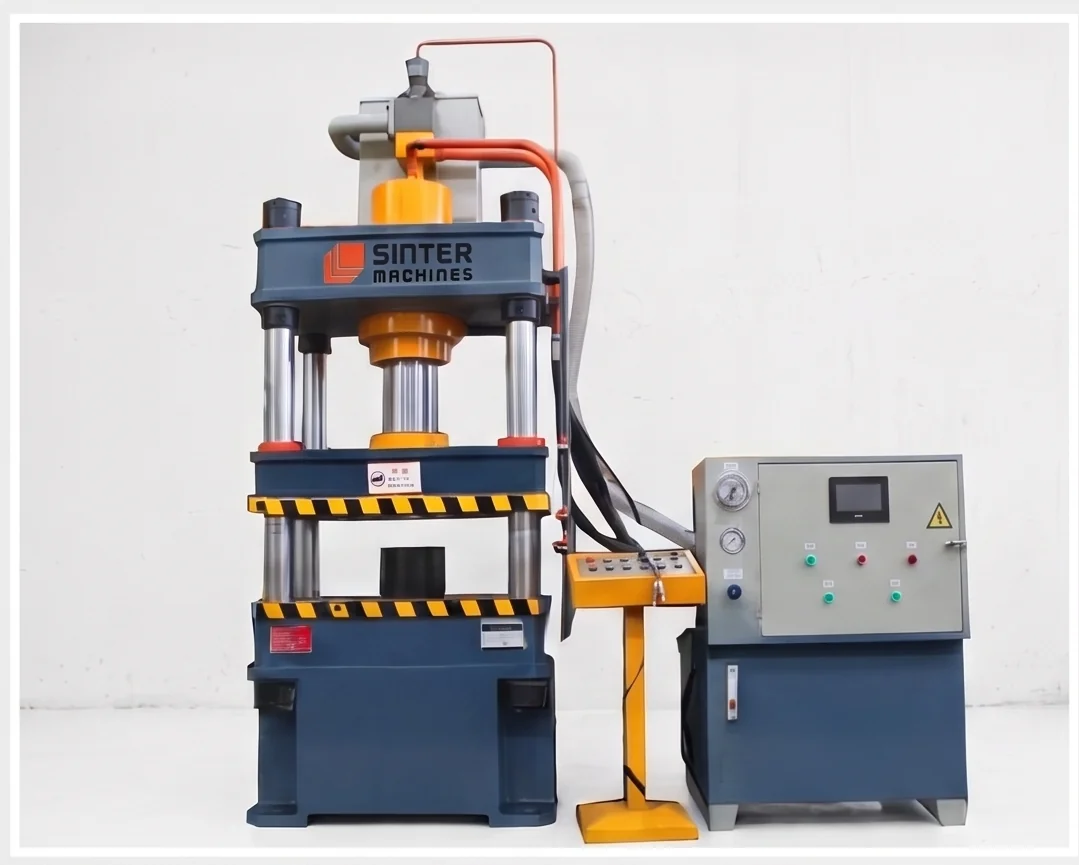
100T Four Pillar Hydraulic Press for Zirconate Powder Block
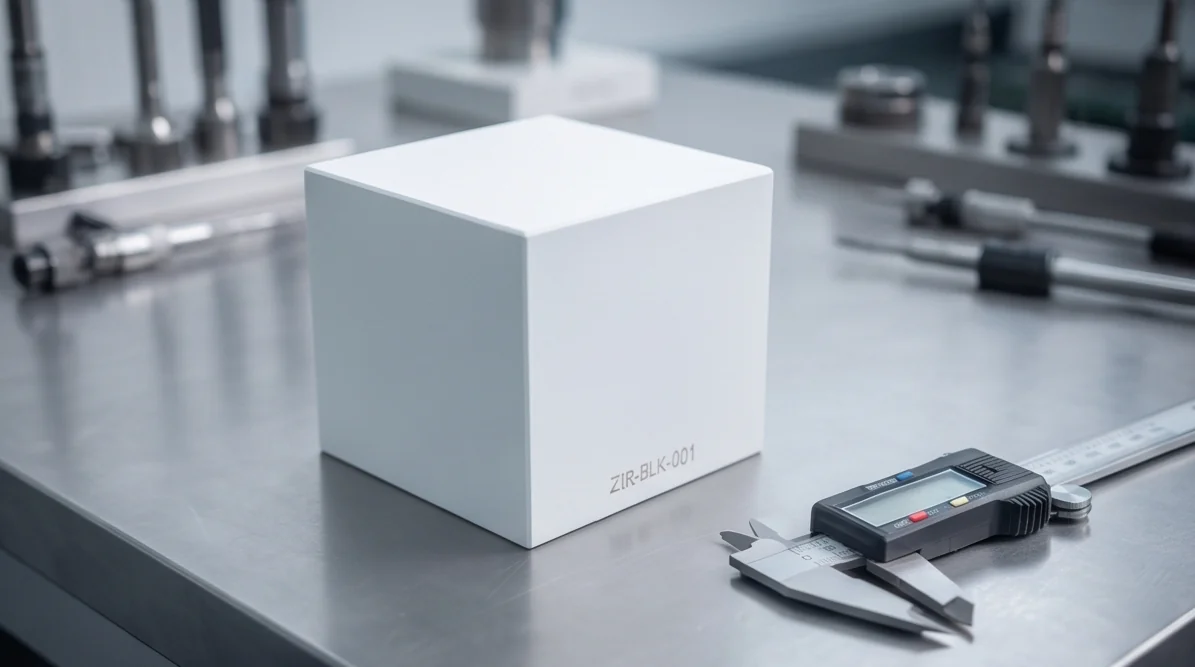
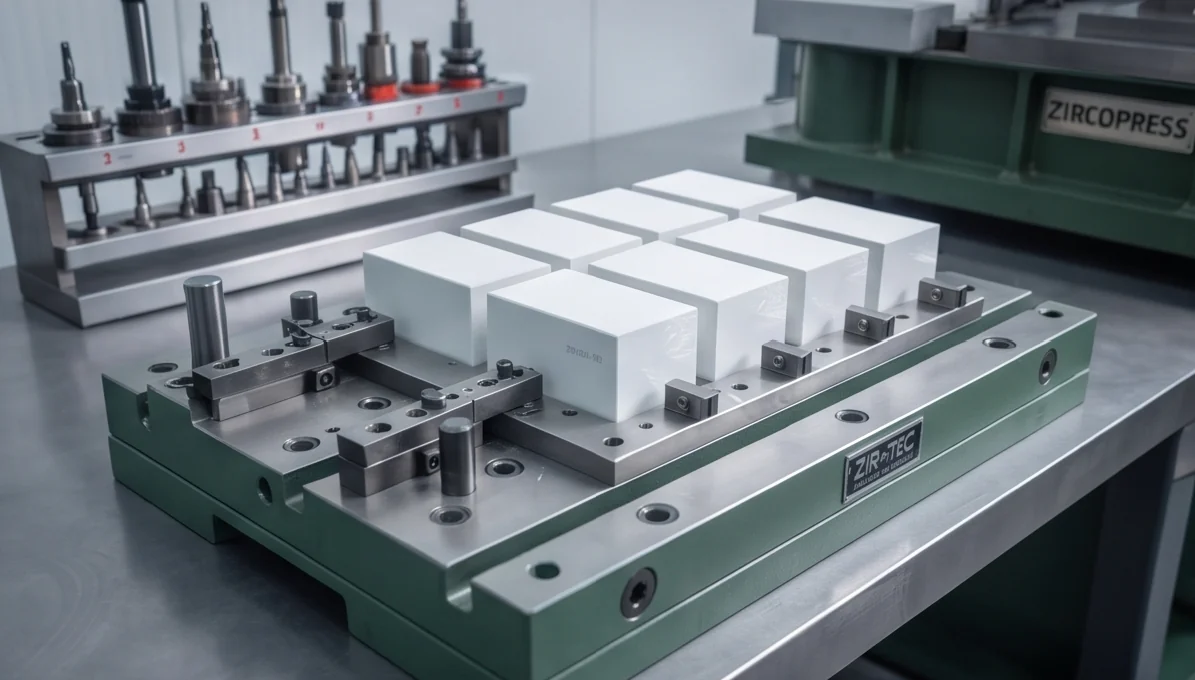
Zirconate Powder Block Forming 4-Column Hydraulic Press Machine is a specialized, high-precision industrial compaction system designed to press advanced ceramic powders—such as lead zirconate titanate (PZT), barium zirconate, or calcium zirconate—into dense, uniform green blocks, tablets, or preforms.
These materials are heavily utilized in electronics, piezoelectric sensors, actuators, and high-temperature refractory applications, where material purity, exact green density, and freedom from internal defects are critical.
01 — Advantages
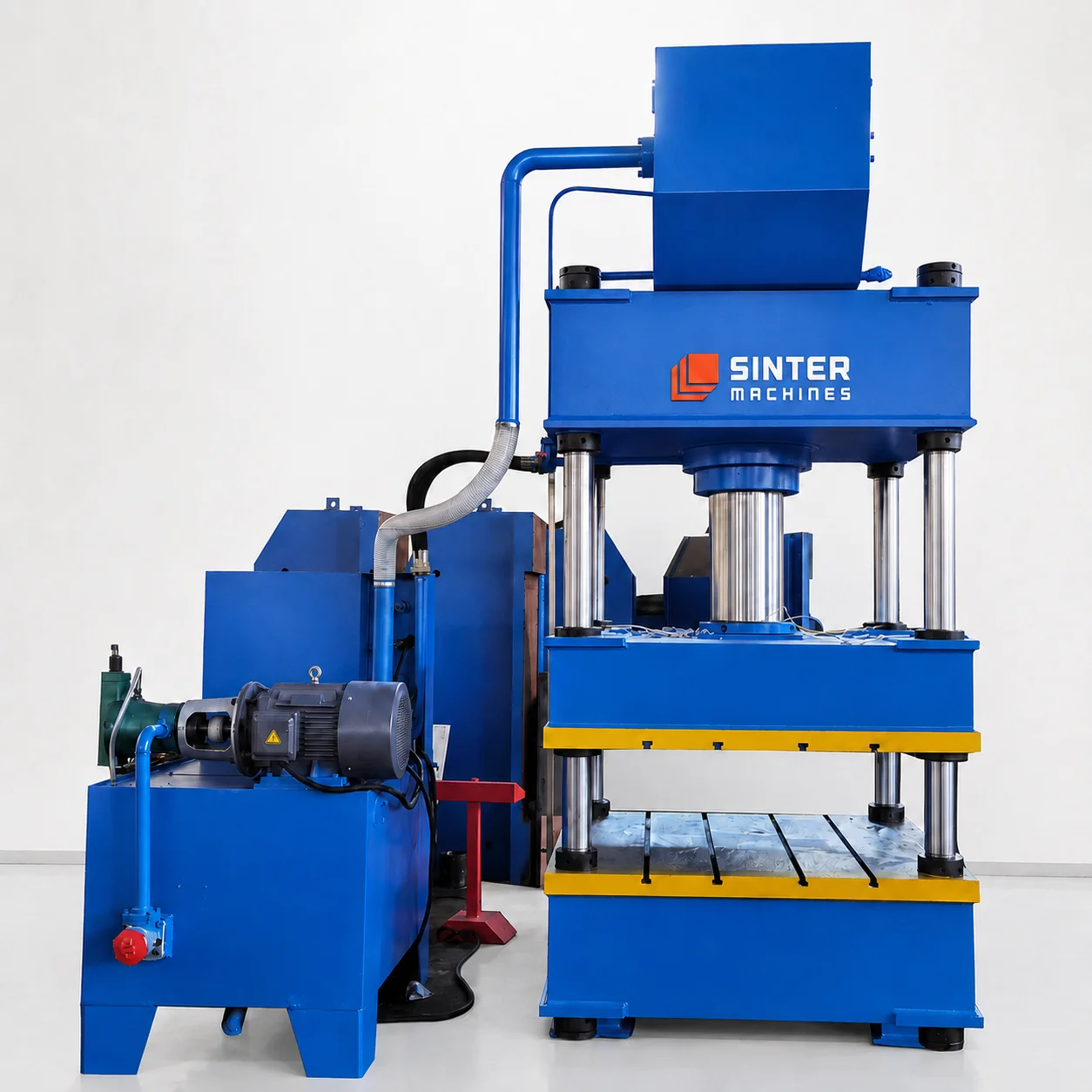
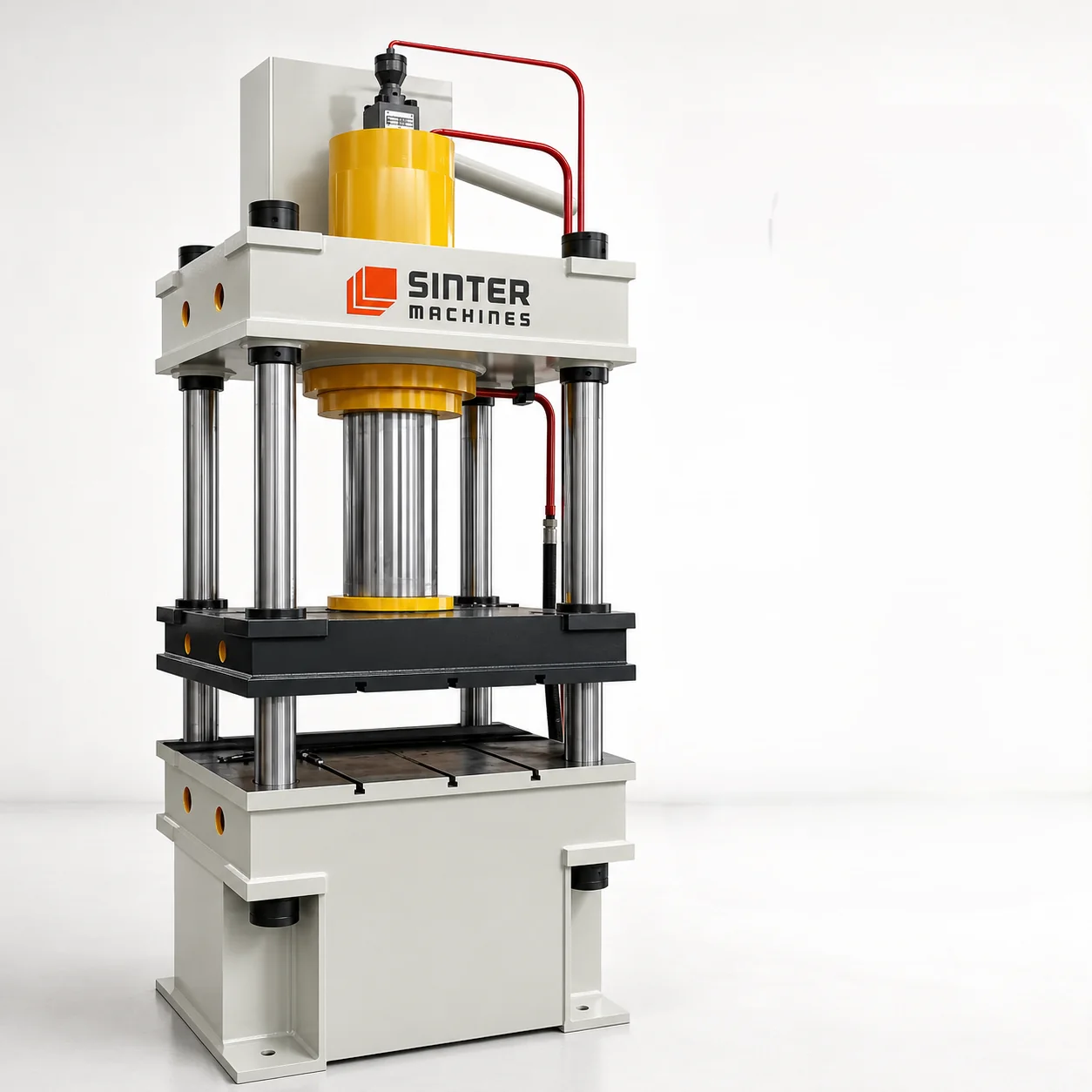
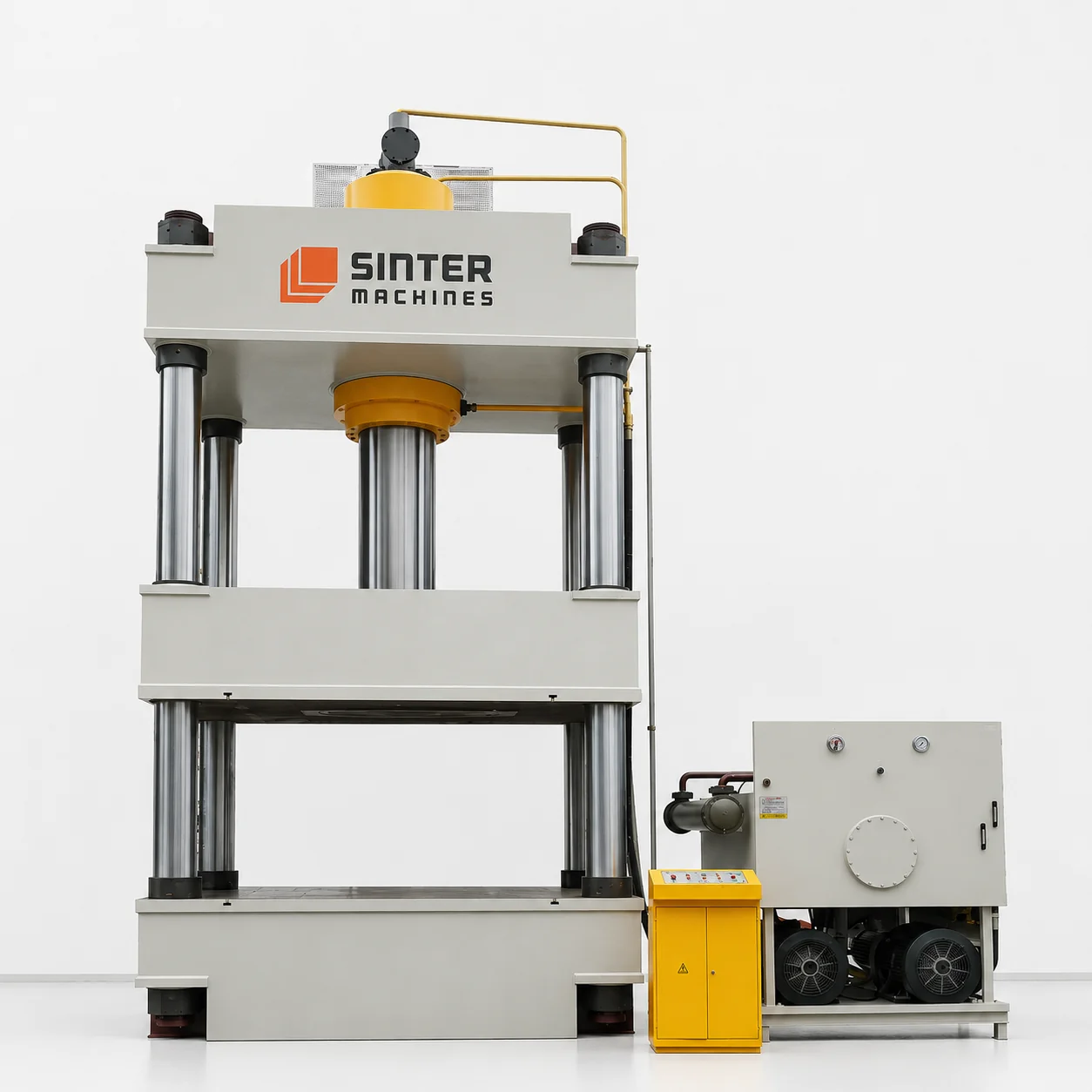
Structural Design & Advantages (4-Column Architecture)
High-Precision Guidance & Parallelism: Advanced ceramic powders like zirconates are sensitive to density variations. The four-pillar precision-ground column architecture ensures absolute platen parallelism and eliminates lateral play, preventing uneven wall pressures or density gradients across the molded block.
Rigid Load Distribution: The 4-column frame withstands continuous high-tonnage cyclic loading without structural deflection, maintaining micro-tolerance alignments between the die and punches over extended production runs.
02 — Technical Specifications
Key Technical Specifications
Feature | Industrial Specification Range |
Nominal Compaction Force | 30 Tons to 300+ Tons (scaled to the cross-sectional area and target green density of the ceramic block) |
Guide Structure | 4 Hard-Chromed, Precision-Ground Steel Pillars with low-friction, high-accuracy bushings |
Die & Punch Assembly | High-grade tungsten carbide or specialized ceramic-lined tooling to resist the abrasive nature of hard oxide powders and prevent metal contamination |
Hydraulic Drive | Servo-hydraulic or variable displacement piston pumps with closed-loop proportional pressure and displacement control |
Control Unit | Advanced PLC system with HMI touchscreen interface for programming multi-stage pressing profiles, position accuracy (up to 0.01 mm), dwell times, and automatic extraction |
03 — Operational Workflow
Operational Workflow
- Precision Volumetric Feeding: An automated, anti-static powder-feed mechanism accurately fills the high-tolerance die cavity with a measured quantity of zirconate powder.
- Multi-Stage Compression:
- Low-Pressure Approach: The top ram lowers quickly to the powder surface.
- High-Pressure Compaction: The system applies controlled, multi-action tonnage (often utilizing a floating die or dual top/bottom punches) to ensure uniform particle rearrangement and green density throughout the block.
- Dwell Time: Peak pressure is held for a set duration to allow trapped air to evacuate and the ceramic particles to fully settle, minimizing the risk of green-body lamination.
- Controlled Decompression & Ejection: Hydraulic pressure is gently ramped down to prevent springback cracking. A bottom ejection cylinder then smoothly pushes the fragile green zirconate block out of the die cavity for transfer to a sintering furnace.
Finished Product Gallery