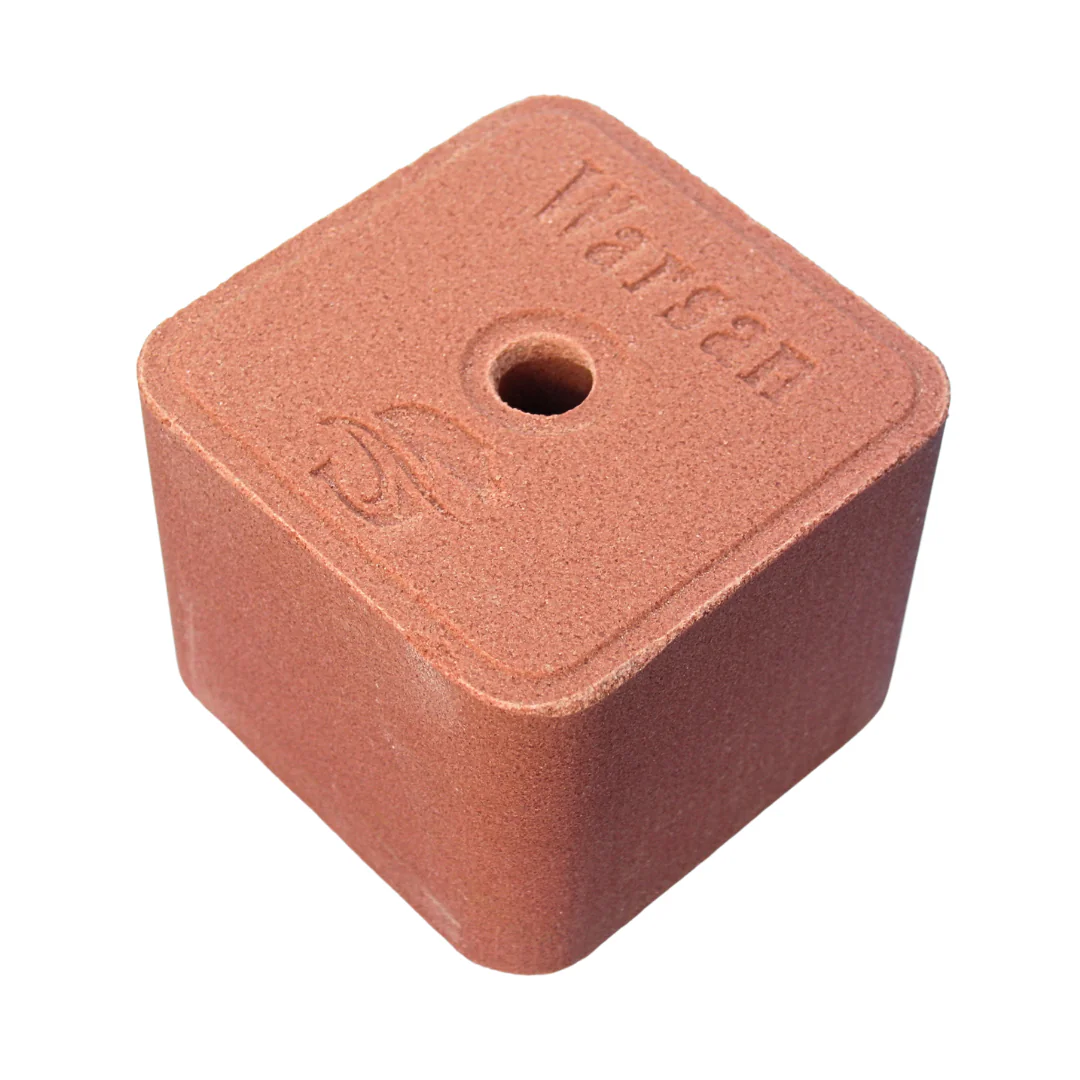
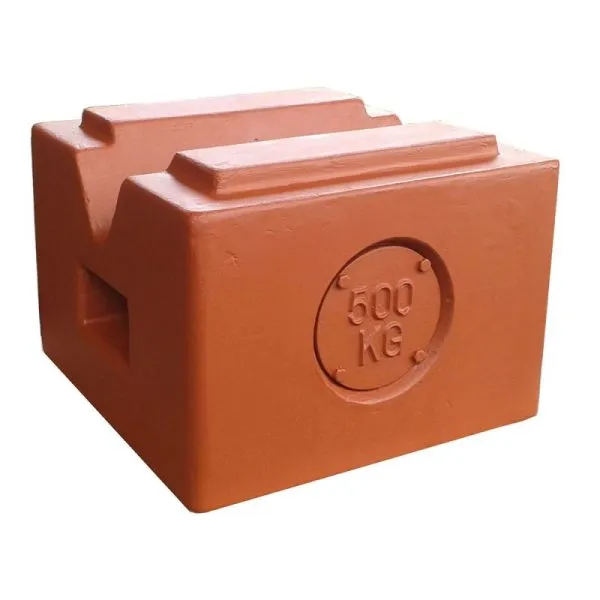
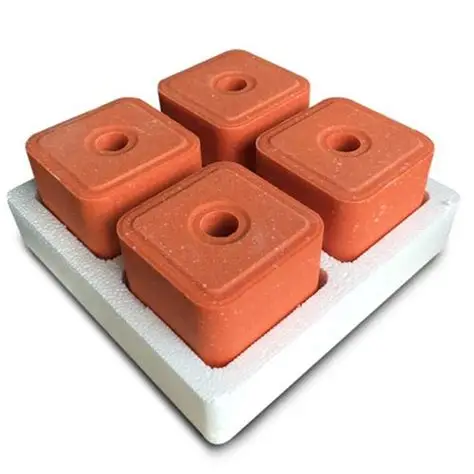
01 — Press System
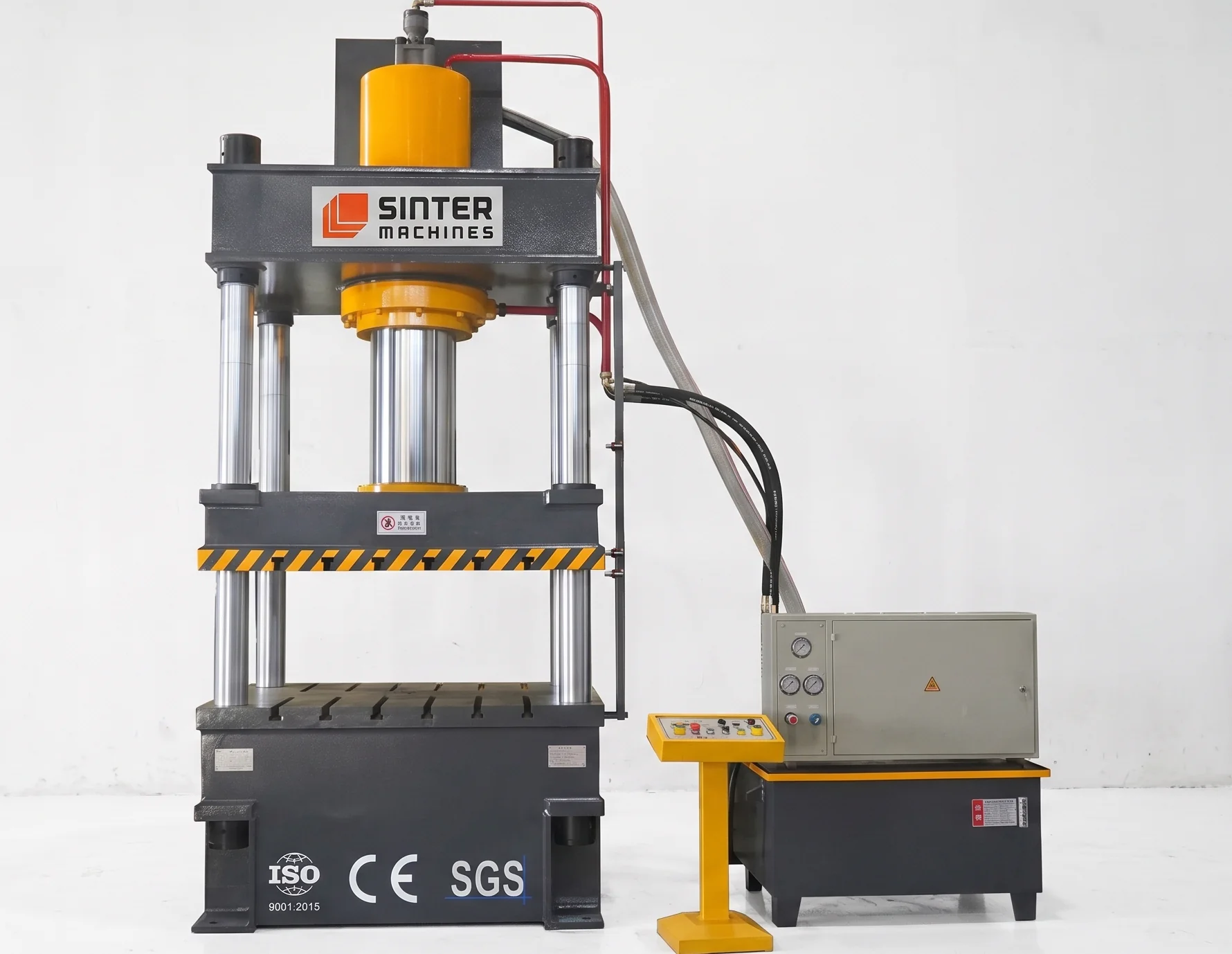
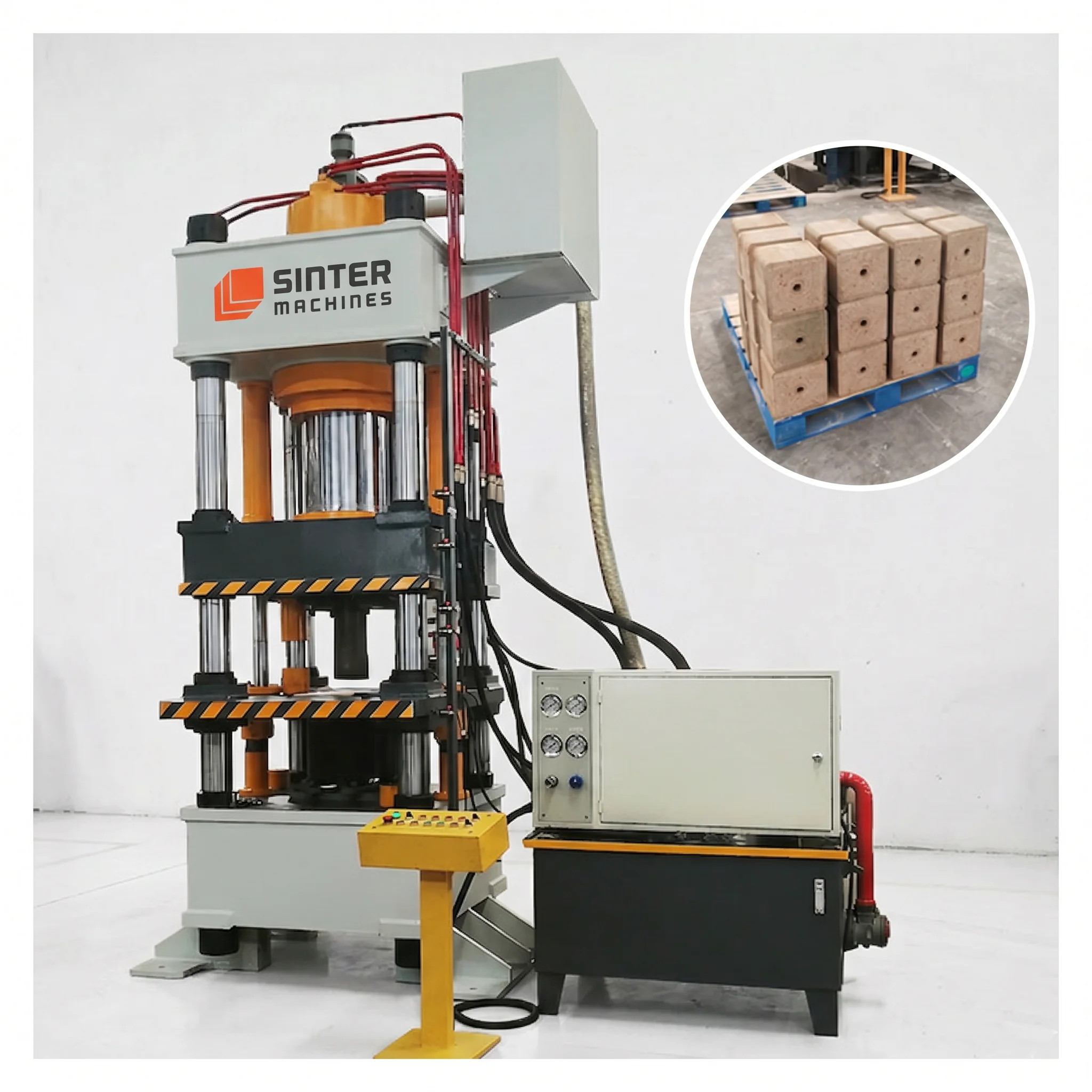
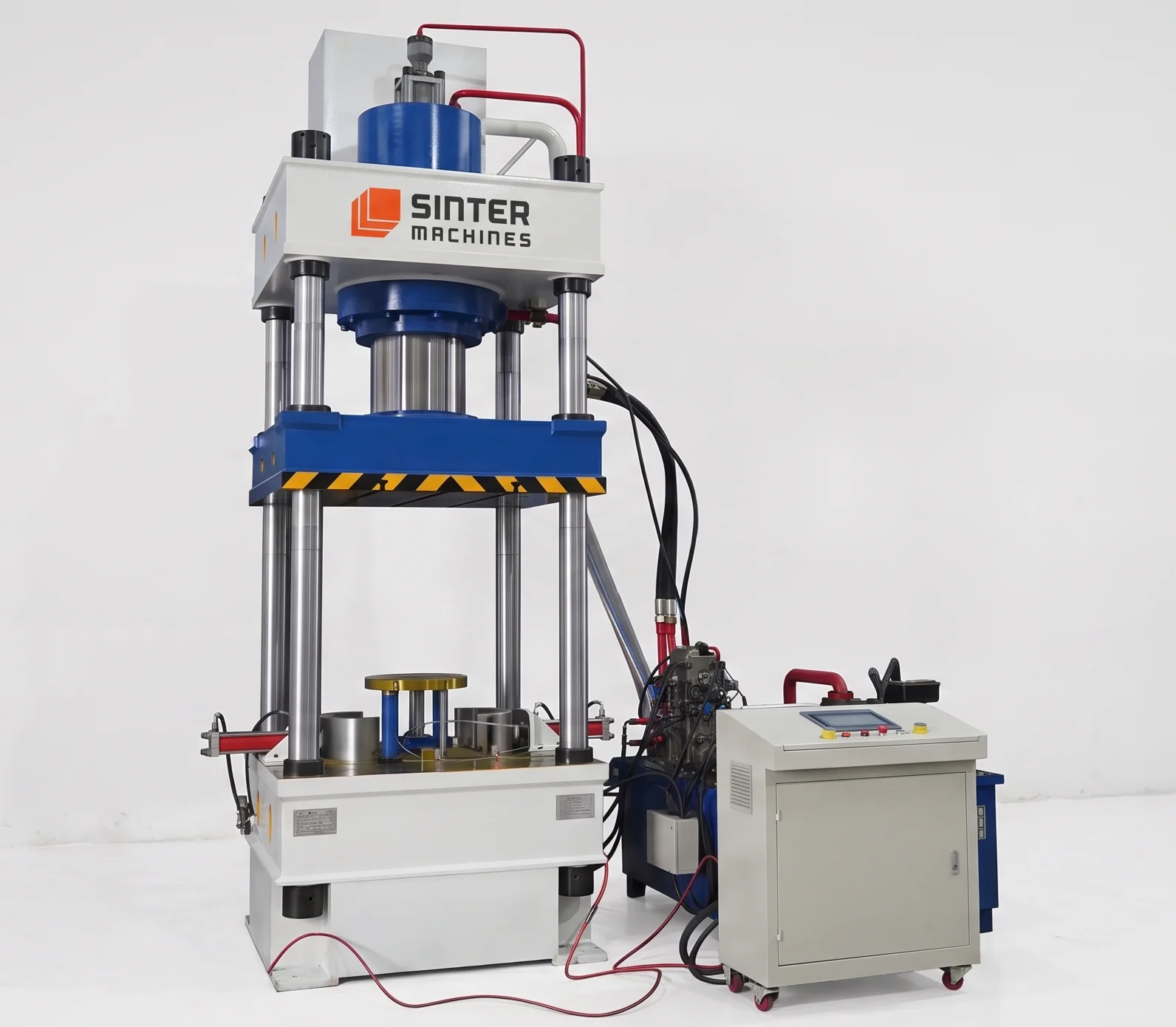
315T Four Column Hydraulic Press Machine
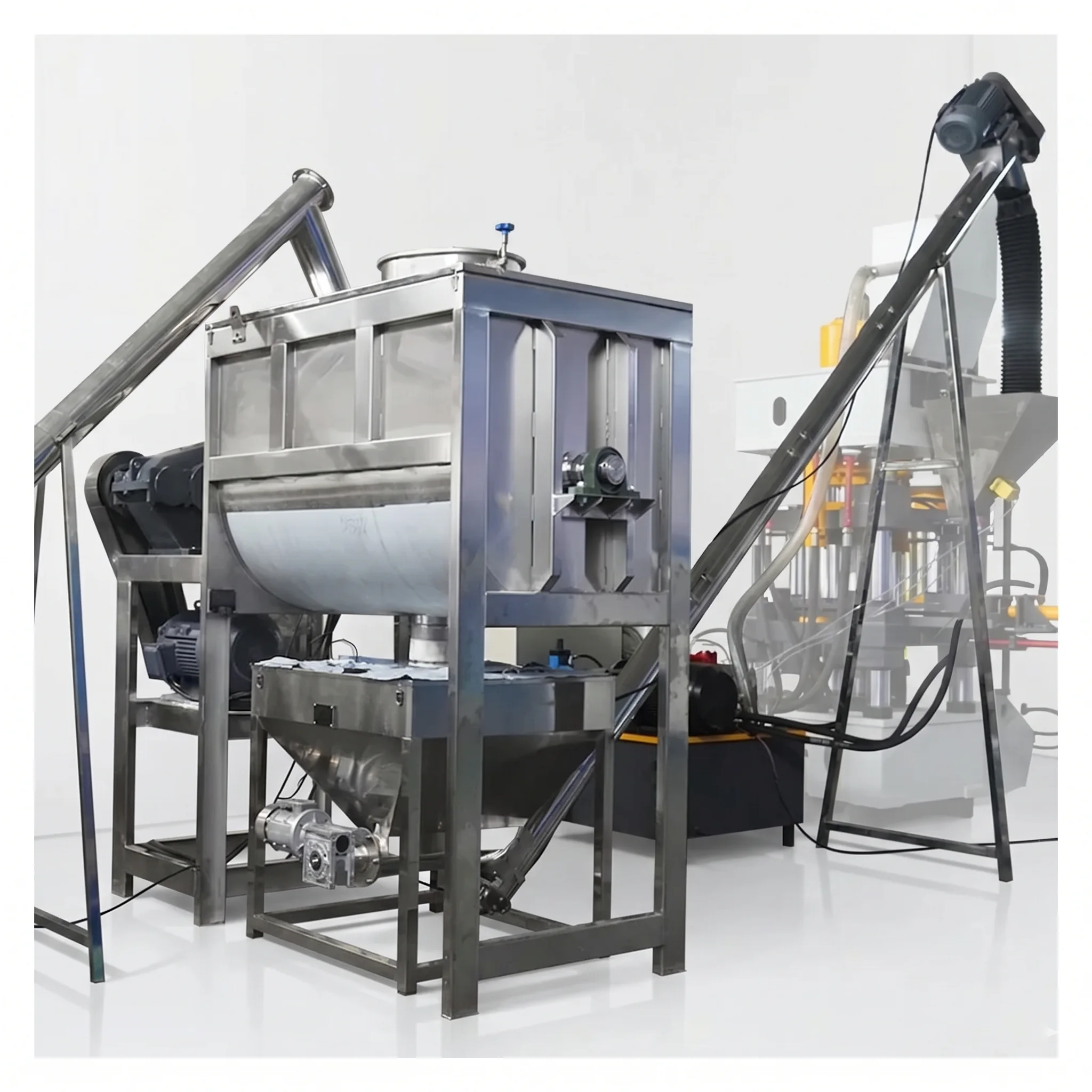
This specialized hydraulic press system is engineered to compress raw mineral salts and nutritional feed additives into dense, durable livestock bricks under steady pressure. Featuring a robust four-column structural frame, this hydraulic press ensures balanced force distribution, precise alignment, and consistent compaction across continuous production cycles.
Use Case
Designed for agricultural feed manufacturing, it automates the compression of weather-resistant salt and mineral bricks tailored for animal nutritional supplementation.
- Core Applications: Serves livestock feed producers and agricultural farms by manufacturing high-density mineral supplement bricks and nutrient licks. These bricks provide essential daily dietary minerals to farm animals while resisting weather degradation during outdoor placement.
- Material: Utilizes granular sodium chloride blended with essential mineral powders like calcium carbonate, magnesium compounds, and trace elements. The base raw materials are integrated with organic binders such as molasses and starches to maintain structural stability.
- Products Processed: Processes pure salt bricks, multi-mineral nutritional licks, and high-energy urea feed bricks of uniform density. These finished products deliver balanced dietary supplementation, supporting optimal livestock digestion, growth, and general health.
- Why 315-Ton Hydraulic Press: Delivers the precise tonnage required for standard brick sizes, ensuring optimal compaction density without excessive power consumption. Its rigid four-column layout maintains exceptional dimensional accuracy and uniform structural integrity across high-volume runs.
02 — Technical Specifications
SM 315 HP – HYDRAULIC PRESS MACHINE COMPLETE TECHNICAL DATA
The SM 315 HP – 315 Ton Hydraulic Press Machine is specifically designed for the efficient production of nutritional salt bricks used in animal husbandry and livestock nutrition. Its 315-ton compaction capacity ensures uniform density, excellent structural strength, and consistent product quality across every brick produced.
Capacity & Structural Design
- Rated Capacity: 315 Tons (≈ 3090 kN)
- Type: Fourpillar hydraulic compression press
- Frame: Welded steel, stress-relieved
- Safety factor: ≥ 1.30–1.35
- Parallelism accuracy: ≤ 0.05–0.07 mm
Hydraulic System
- Cylinder: Doubleacting
- Bore: 300–350 mm
- Stroke: 400–700 mm
- Working pressure: 25–30 MPa
- Control: Proportional hydraulic system
Compression Cycle
- Powder filling into mold cavity
- Mold closing (fast approach)
- Precompression (air removal)
- Full compression (densification)
- Holding stage (binder bonding stabilization)
- Controlled decompression
- Mold opening
- Block ejection
Heating / Moisture Control
- Typically cold compaction process
- Optional:
- Mild heating: 40–70°C
- Moisture/steam conditioning for molasses blocks
Working Envelope
- Platen size:
- Standard: 600 × 600 mm
- Optional: 800 × 800 mm
- Daylight: 600–1000 mm
- Column diameter: 100–140 mm
Control System
- PLC: Siemens / Delta / Mitsubishi
- HMI: Recipe-based operation
- Controlled parameters:
- Pressure
- Compression time
- Batch weight
- Moisture (optional)
- Features:
- Production data logging
- Safety PLC + interlock system
SM 315 HP — Model Specifications
- Nominal Force: 3150 KN
- Maximum Hydraulic Pressure: 25 MPa
- Max Opening Height of the Slider: 1000 mm
- Max Stroke of the Slider: 600 mm
- Effective Bed Size: 800 × 800 mm
- Slider Down Speed: 100 mm/s
- Slider Pressing Speed: 7–12 mm/s
- Slider Return Speed: 90 mm/s
- Ejector Cylinder Nominal Force: 300 KN
- Stroke of the Ejection Cylinder: 300 mm
03 — Die / Mold System
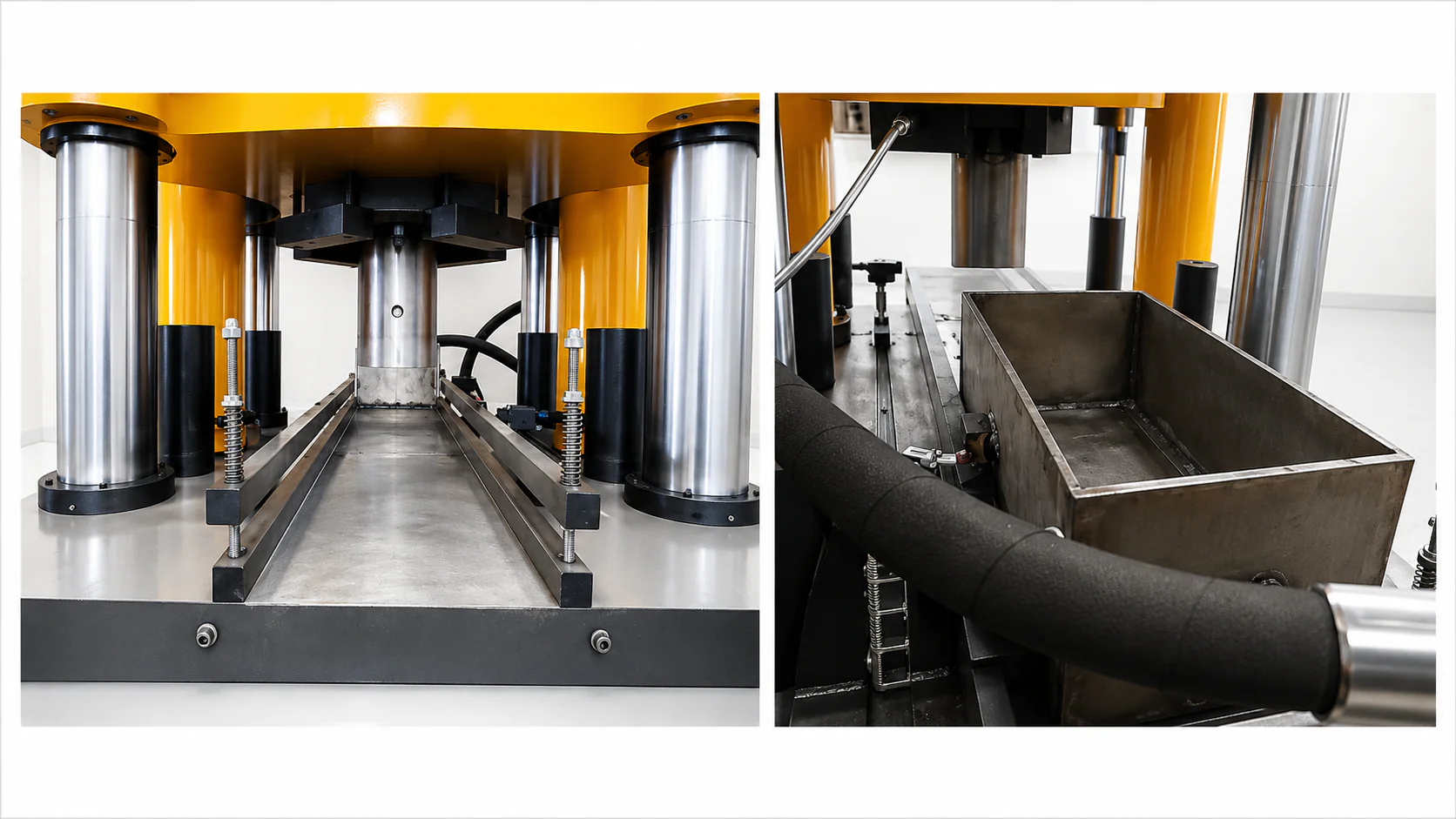
Precision Animal Nutritional Salt Bricks Die Engineering
Precision Animal Nutritional Salt Bricks Die Engineering focuses on the design and manufacturing of high-accuracy dies that ensure consistent shape, size, and density in every salt brick produced. Engineered for optimal material flow and uniform compaction, these dies help create strong, high-density bricks with excellent durability and nutrient retention.
Technical Specifications
Mold Type
- Compression mold
- Single or multi-cavity design
Mold Materials
- Tool steel: P20 / H13 alloy steel
- Anti-corrosion coating: Essential due to salt exposure
Mold Construction
- Upper punch: Compression surface
- Lower cavity: Brick shaping cavity
- Guide pillars: Alignment accuracy ±0.02 mm
- Ejection system: Mechanical / hydraulic
Corrosion Protection:
- Nickel / chrome plating
- Stainless inserts (optional)
- Anti-rust coating
Venting System
- Micro vent holes
- Air release grooves
Prevents:
- Cracking
- Air pockets
- Density inconsistencies
Surface Finish
| Area | Finish |
| Brick surface | Smooth / slight texture |
| Edges | Reinforced |
| Branding | Embossed logo |
Mold Life: 100,000 – 250,000 cycles
Animal Nutritional Salt Bricks Die Mold
04 — Product Application
Where Animal Nutritional Salt Bricks Are Used
Animal Nutritional Salt Bricks are widely used in the livestock, dairy, and animal nutrition industries to provide essential minerals, vitamins, and trace elements. They are commonly placed in cattle farms, dairy units, sheep and goat farms, horse stables, and grazing fields to support animal health and productivity.
Industry Applications
Animal Husbandry & Dairy
The Animal Husbandry & Dairy sector extensively uses animal nutritional salt bricks as a convenient source of essential minerals and trace nutrients for livestock. These bricks serve as effective cattle mineral supplements, supporting healthy growth, improved immunity, and enhanced productivity.
Agriculture
The Agriculture sector uses animal nutritional salt bricks to provide essential mineral supplementation for grazing livestock in pasture-based farming systems. These bricks offer a convenient and reliable source of nutrients, helping maintain animal health, growth, and productivity throughout the year.
Animal Nutrition Industry
The Animal Nutrition Industry uses nutritional salt bricks as a convenient and effective way to deliver essential minerals and nutrients to a wide range of animals. They are commonly manufactured as horse mineral blocks to support bone health, muscle function, and overall performance.
Feed Manufacturing Industry
The Feed Manufacturing Industry relies on nutritional salt bricks for the large-scale production of animal feed supplements with consistent density, strength, and nutrient content. These bricks are widely incorporated into livestock feeding programs to provide a controlled source of essential minerals and trace elements.
| Industry | Scenario |
|---|---|
| Dairy Farms | Daily mineral feeding |
| Livestock | Outdoor nutrition blocks |
| Agriculture | Nutrient supplementation |
| Feed Industry | Mass production |
| Veterinary | Controlled nutrient delivery |
Finished Product Gallery
05 — Key Advantages
Why Choose the 315-Ton Sinter Hydraulic Press
The 315-Ton Sinter Hydraulic Press is an excellent choice for manufacturing nutritional salt bricks due to its optimized compaction force, which ensures uniform density, strength, and durability. Its controlled-pressure operation effectively densifies nutrient powder blends while preserving the quality of minerals and feed additives through a cold-processing method.
Low thermal requirement
Low thermal requirement is a key advantage of the 315-Ton Sinter Hydraulic Press for manufacturing nutritional salt bricks. The cold-compaction process eliminates the need for high-temperature heating, significantly reducing energy consumption and operating costs. This helps preserve the nutritional integrity of minerals, vitamins, and feed additives while ensuring consistent brick quality.
High repeatability
High repeatability is a major advantage of the 315-Ton Sinter Hydraulic Press, ensuring that each nutritional salt brick is produced with consistent density, dimensions, and strength. The machine's precise pressure control and stable hydraulic system minimize production variations between batches. This results in reliable product quality, reduced material wastage, and improved manufacturing efficiency.
High-density bricks
High-density bricks produced by the 315-Ton Sinter Hydraulic Press offer excellent strength, durability, and resistance to cracking or breakage during handling, transportation, and storage. The optimized compaction process creates a dense and uniform structure that enhances product stability and longevity.
Long-lasting feeding
Long-lasting feeding is a key benefit of high-density nutritional salt bricks produced using the 315-Ton Sinter Hydraulic Press. Their compact and durable structure allows animals to consume nutrients gradually over an extended period, ensuring a steady supply of essential minerals and trace elements.
Weather resistant
Weather resistance is a significant advantage of nutritional salt bricks produced using the 315-Ton Sinter Hydraulic Press. Their high-density, compact structure helps resist moisture, rain, wind, and varying outdoor conditions, reducing erosion and material loss. This ensures the bricks maintain their shape, strength, and nutritional value for longer periods in grazing fields and open feeding areas.
Uniform nutrient distribution
Uniform nutrient distribution is a key benefit of nutritional salt bricks manufactured using the 315-Ton Sinter Hydraulic Press. The controlled compaction process ensures that minerals, vitamins, and trace nutrients are evenly distributed throughout each brick, preventing ingredient segregation.