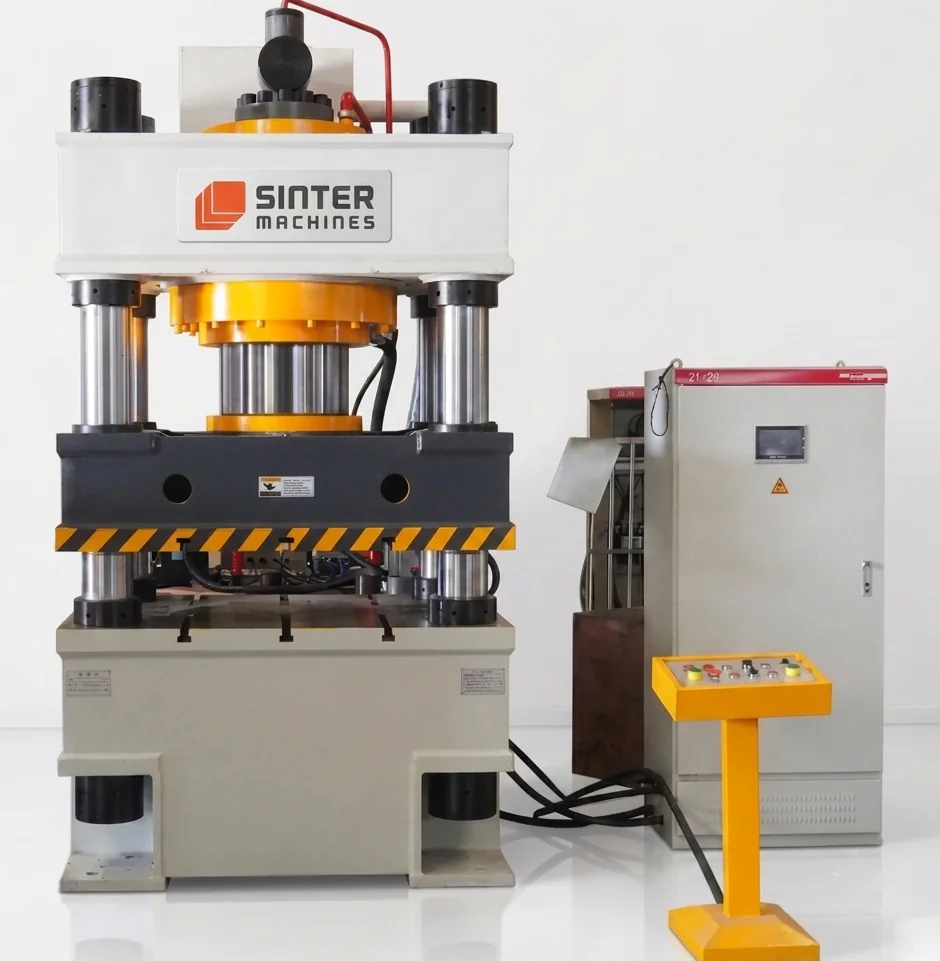
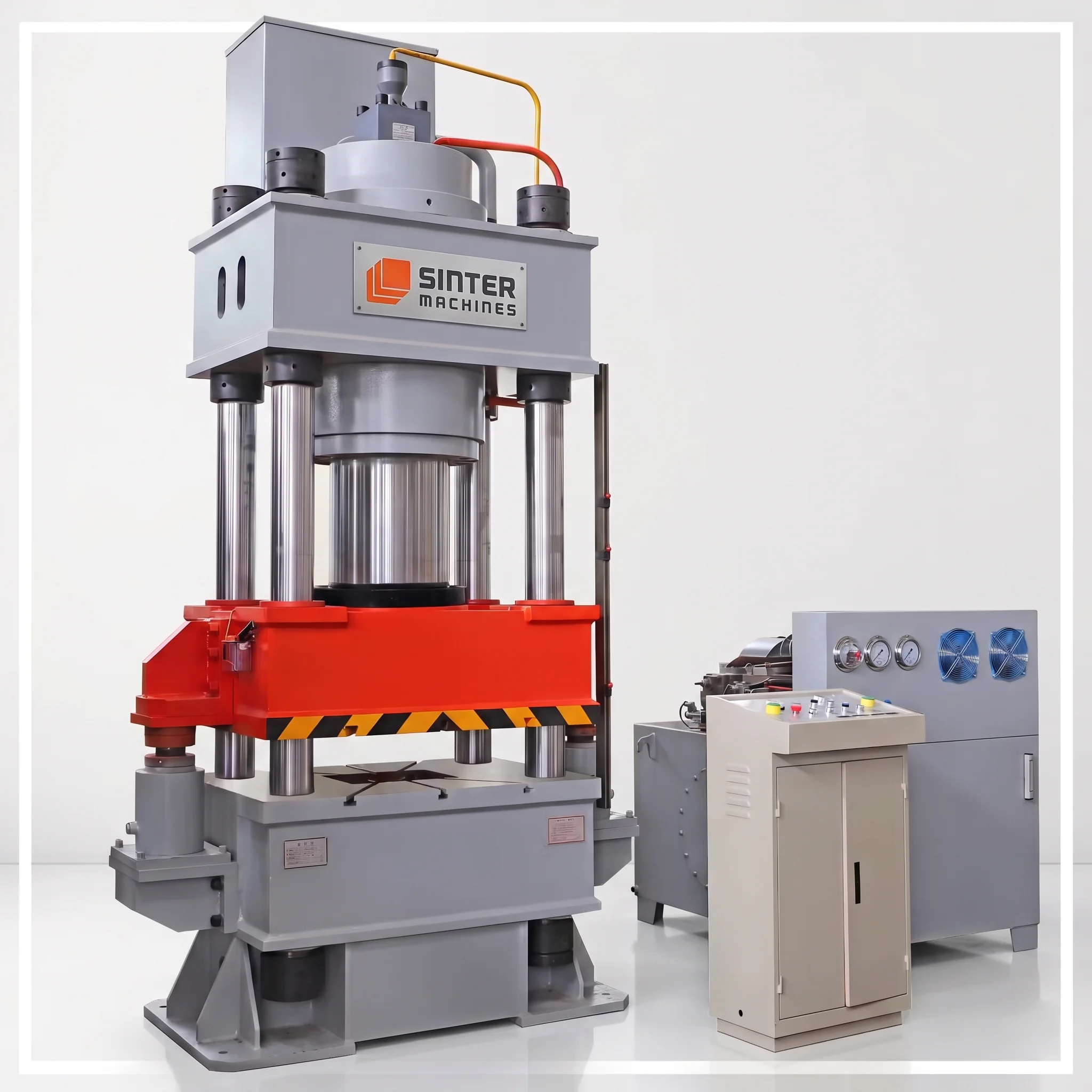
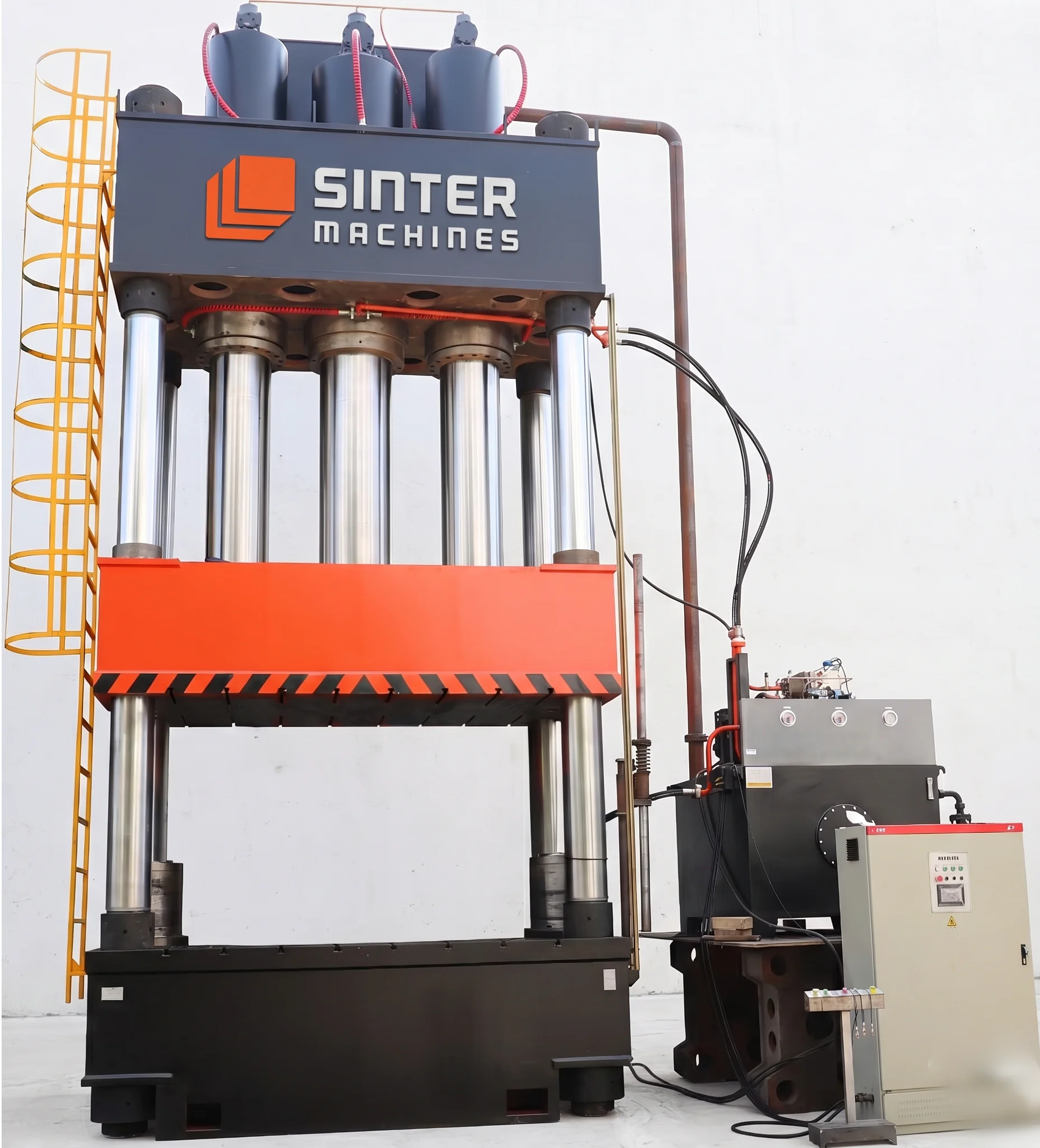
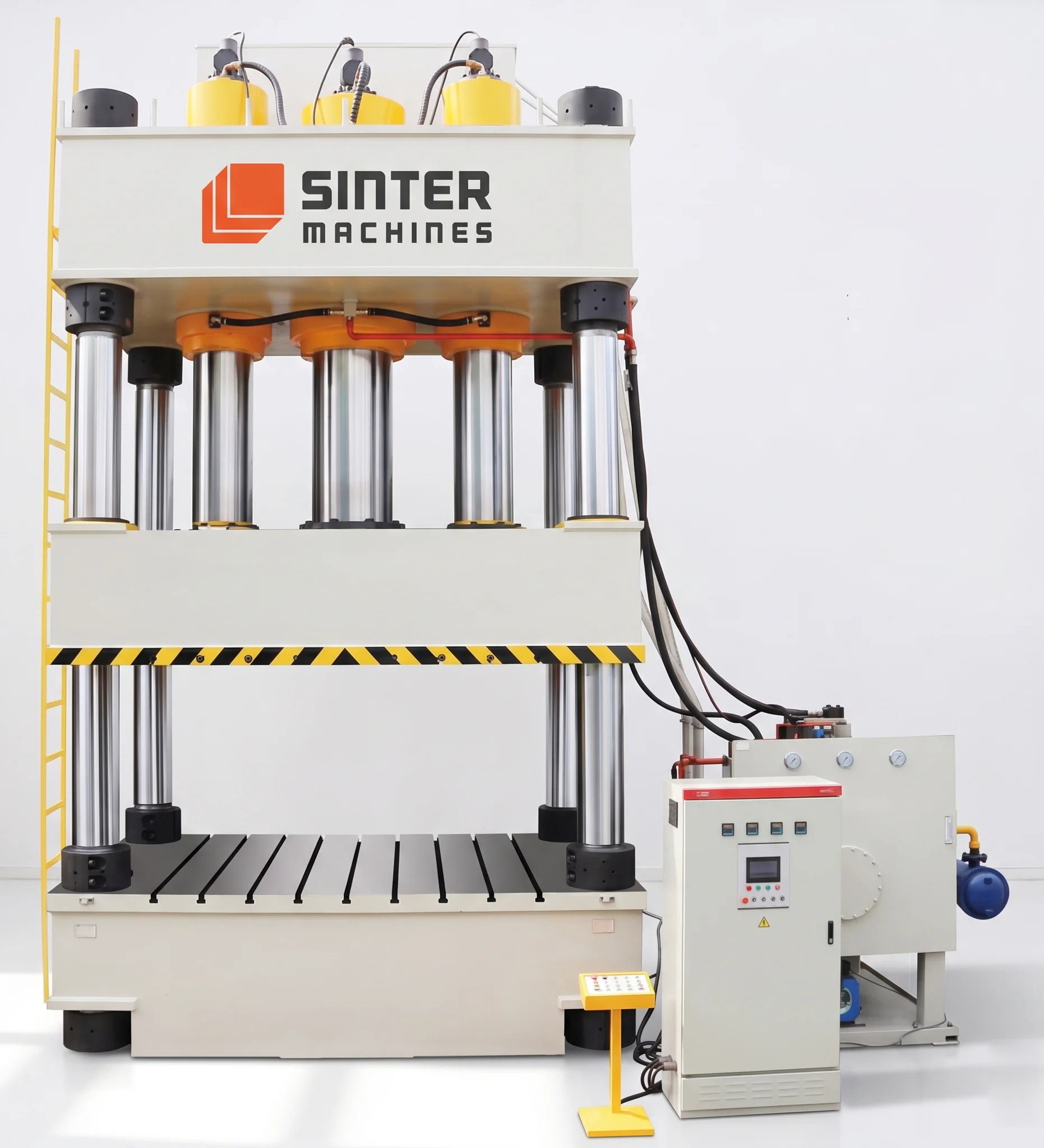
1250T Cable Bridges Press press view 1
GFRP Cable Tray Bridges · Hydraulic Press Machine

1250-ton Four Column Hydraulic Hot Press for GFRP (Glass Fiber Reinforced Plastic) Cable Tray Bridges

1250T Rated Capacity
180 mm/s Slider Down Speed
6–15 mm/s Slider Pressing Speed
200 mm/s Slider Return Speed

01 — Press System

1250 Ton Four Column Hydraulic Press Machine

This heavy-duty 1250-ton hot press yields exceptionally strong, long-lasting GFRP cable bridge sections engineered for heavy industrial usage. It maximizes production scalability and efficiency while maintaining tight dimensional precision across large-format composite structures.

Use Case

The 1250-ton four-column hydraulic hot press provides high-pressure compression molding specifically tailored for heavy-duty GFRP structural cable bridge panels. It ensures maximum glass fiber consolidation and uniform curing to deliver corrosion-resistant, flame-retardant infrastructure components.

  • Core Applications: Cable bridge installations, trench covering, modular infrastructure walkways, and heavy-duty structural platforms.
  • Material: Glass fiber-reinforced thermoset resin matrix with alumina trihydrate flame retardants and UV anti-corrosive additives.
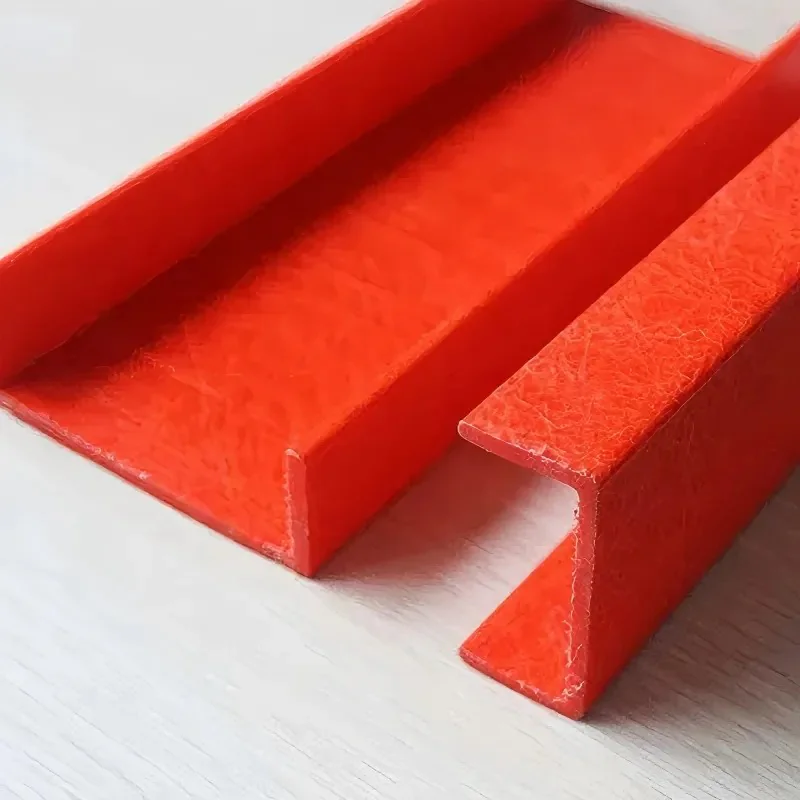
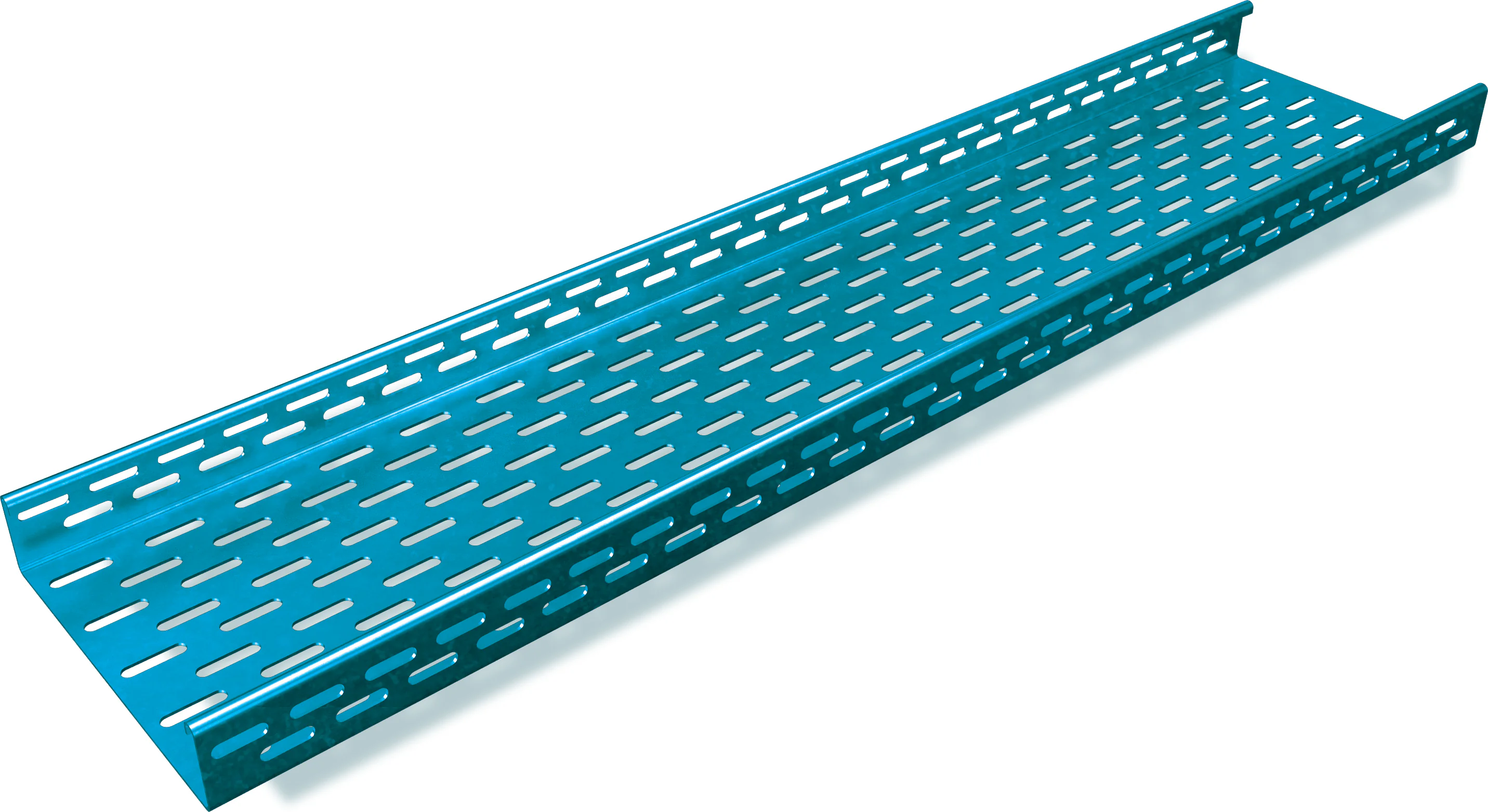
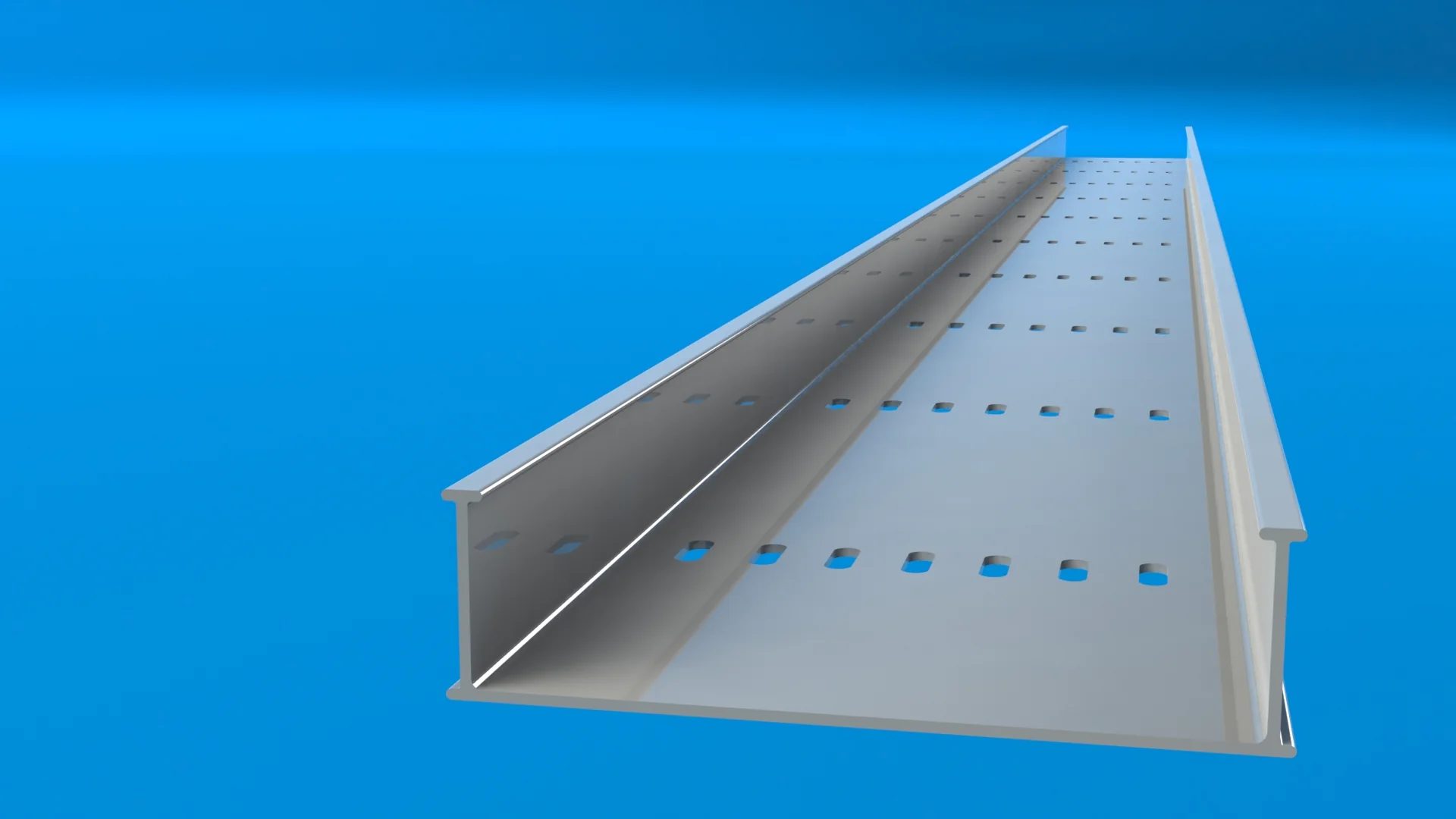
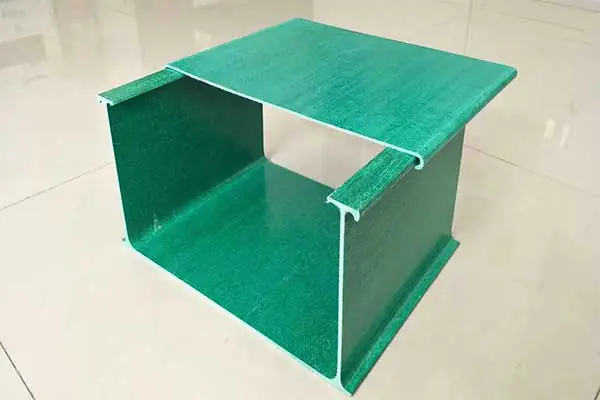
  • Products Processed: Cable bridge sections up to 2000 mm wide, heavy-duty trench covers, modular bridge panels, and ribbed FRP platforms.
  • Why 1250 Ton Hydraulic Press: Delivers massive clamping force needed to consolidate thick ribbed fiber structures and ensure uniform curing across large panel areas.

02 — Technical Specifications

SM 1250 HP – HYDRAULIC PRESS MACHINE COMPLETE TECHNICAL DATA

Hydraulic System

  • Main cylinder: Doubleacting heavy-duty
  • Bore: 600–750 mm
  • Stroke: 900–1400 mm
  • Working pressure: 30–32 MPa
  • Servo proportional control recommended

Compression Molding Cycle

  • Mold closing (fast approach)
  • Precompression (fiber positioning)
  • High-pressure compression
  • Heat curing (thermoset cross-linking)
  • Dwell time (5–10 mins typical)
  • Controlled decompression
  • Mold opening

Heated Platen System

  • Heating type: Thermal oil circulation (preferred)
  • Temperature range: 120–180°C
  • Uniformity: ±2–3°C
  • Multi-zone heating

Working Envelope

  • Platen size: Standard: 1600 × 1600 mm, Optional: 2000 × 1500 mm (bridge panels)
  • Daylight: 1500–2200 mm
  • Column diameter: 220–300 mm

Controls & Automation

  • PLC (Siemens / Mitsubishi)
  • Advanced HMI with recipe control
  • Pressure–temperature–time graph monitoring
  • Production data logging (ISO traceability)
  • Safety PLC with interlocks

SM 1250 HP — Model Specifications

  • Nominal Force: 12500 KN
  • Maximum Hydraulic Pressure: 25 MPa
  • Max Opening Height of the Slider: 1500 mm
  • Max Stroke of the Slider: 900 mm
  • Effective Bed Size: 1400 × 1400 mm
  • Slider Down Speed: 180 mm/s
  • Slider Pressing Speed: 6–15 mm/s
  • Slider Return Speed: 200 mm/s
  • Ejector Cylinder Nominal Force: 600 KN
  • Stroke of the Ejection Cylinder: 300 mm
Production Case Study

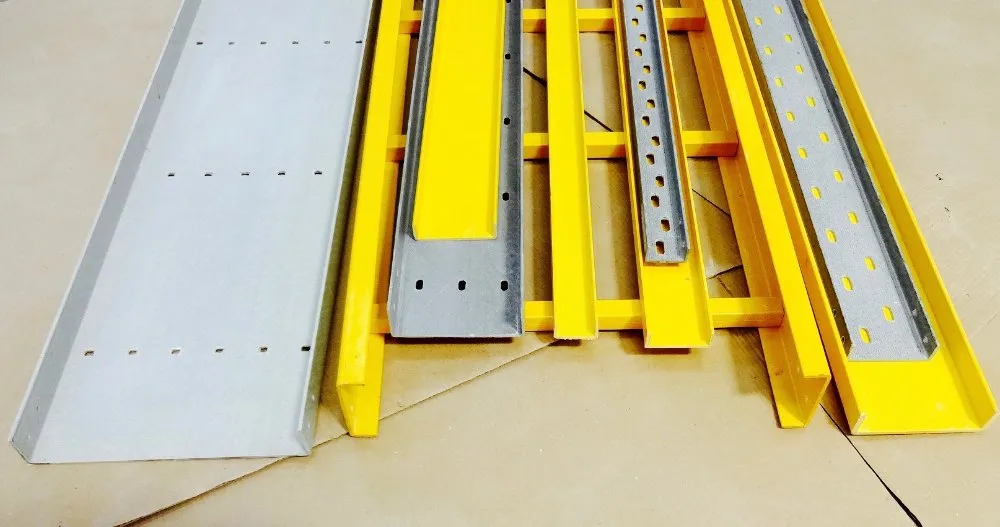
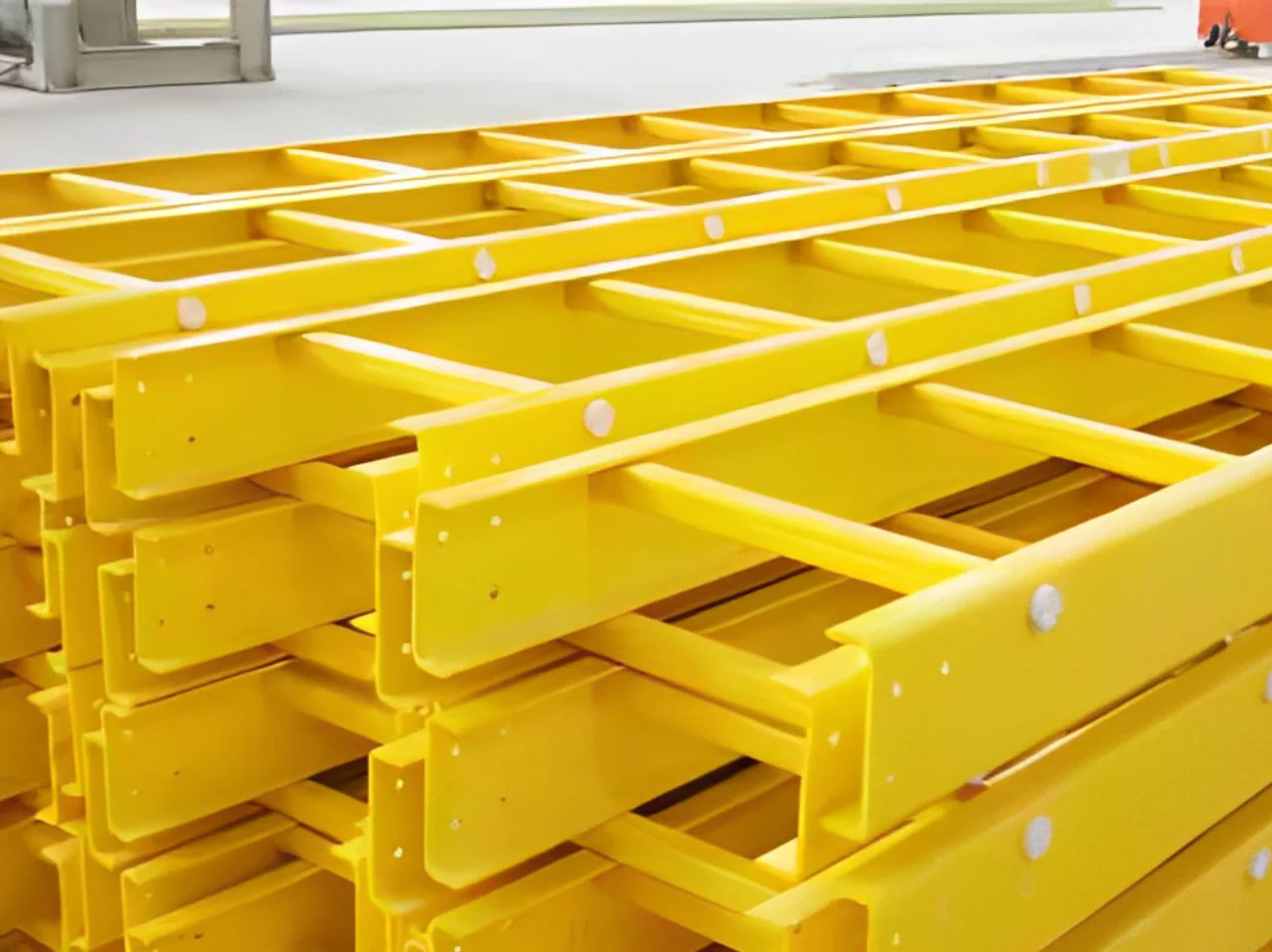
GFRP Cable Tray Bridge Panels Production Line

GFRP CompositeMaterial
GFRP Cable BridgeProduct
1500 x 800 mmSize
140–170°CTemperature
High load carrying capacity
Superior flame corrosion resistance
Precision rib consolidation strength
High electrical insulation efficiency
Uniform large panel curing
Long term structural durability
03 — Die / Mold System

Precision GFRP cable bridge panels Die Mold Engineering

Precision GFRP Cable Bridge Panels Die Engineering ensures accurate shaping, uniform thickness, and strong structural integrity. It delivers consistent quality, high load-bearing performance, and durability for large-scale infrastructure applications.

Technical Specifications

Mold Type

  • Heavy-duty compression mold (matched die)
  • Heated thermoset mold

Mold Materials

  • Tool steel: H13 / CrMo alloy / P20
  • Hardness: 48–55 HRC
  • Corrosion-resistant coating optional

Mold Construction

  • Upper plate (top structure + ribs)
  • Lower cavity (flat or reinforced base)
  • Precision guide system (±0.02 mm alignment)
  • Hydraulic ejector system

Heating System

  • Internal thermal oil channels
  • Multi-zone heating
  • Uniform heat distribution

Venting & Degassing

  • Resin gas vent grooves
  • Air escape channels

Prevents:

  • Voids
  • Blisters
  • Dry fiber zones

Surface Finish

  • Smooth cable contact surface
  • Anti-slip outer surface
  • Coating-ready or gel-coat finish

Mold Life: 200,000 – 400,000 cycles

Case Study (Die Performance)

Precision GFRP Cable Bridge Panels Die Mold

P 20/H13 AlloyDie Material
48 to 52 HRCHardness
Vacuum HardeningHeat Treatment
High precision cavity profiling
Hard chrome plated surface
Superior abrasion erosion resistance
Uniform electric heating channels
Excellent thermal expansion stability
Extended heavy duty lifecycle

04 — Product Application

Where GFRP Cable Bridge Panels Are Used

GFRP cable bridge panels are widely used in infrastructure, industrial plants, and utility networks for supporting and protecting cable systems. They offer high strength, corrosion resistance, and long-term durability in demanding environments.

Industry Applications

Electrical & Power Sector

In the electrical & power sector, GFRP cable bridge panels are used for transmission cable bridges, substation cable management, and underground cable support systems. They provide high strength, corrosion resistance, and reliable performance for long-term infrastructure use.

Oil & Gas / Chemical Industry

In the oil & gas and chemical industry, GFRP cable bridge panels are used in offshore cable trays, corrosive environments, and hazardous locations. They provide excellent corrosion resistance, durability, and safe performance in extreme conditions.

Infrastructure Projects

In infrastructure projects, GFRP cable bridge panels are used in metro rail systems, airports, and smart city utility corridors. They provide durable, corrosion-resistant, and reliable support for large-scale cable management networks.

Industrial Plants

In industrial plants, GFRP cable bridge panels are used in steel plants, cement plants, and manufacturing industries for efficient cable support. They provide high strength, corrosion resistance, and reliable performance in demanding environments.

IndustryScenario
Power Plants Cable bridge support systems
Oil & Gas Corrosion-resistant installations
Infrastructure Metro / airport utilities
Industrial Heavy-duty cable routing
Data Centers Organized cable bridge systems

Finished Product Gallery

05 — Key Advantages

Why Choose the 1250-Ton Sinter Hydraulic Press

It delivers powerful compression and precise curing for large, high-strength composite structures. Designed for heavy-duty applications, it ensures consistent quality, durability, and efficient large-scale production.

01

Low porosity (<1–2%)

Ensures dense, high-quality composite structure with minimal air gaps. It enhances strength, durability, and long-term performance of the final product.

02

Suitable for large composite parts

Designed to handle oversized FRP/GFRP components with uniform pressure distribution. It ensures consistent molding quality and structural strength in large-scale applications.

03

Electrically insulating

Produces components with excellent electrical insulation properties. It ensures safe, reliable performance in electrical and high-voltage applications.

04

High structural strength

Delivers superior strength through uniform compression and proper fiber bonding. It ensures durable, load-bearing composite components for heavy-duty applications.

05

Growing demand in infrastructure

Supports the increasing need for strong, durable composite structures in modern infrastructure. It ensures consistent production for high-demand, large-scale projects.

06

Replacement of metal structures

Enables production of high-strength FRP components that effectively replace traditional metal structures. It offers lightweight, corrosion-resistant, and low-maintenance alternatives for demanding applications.