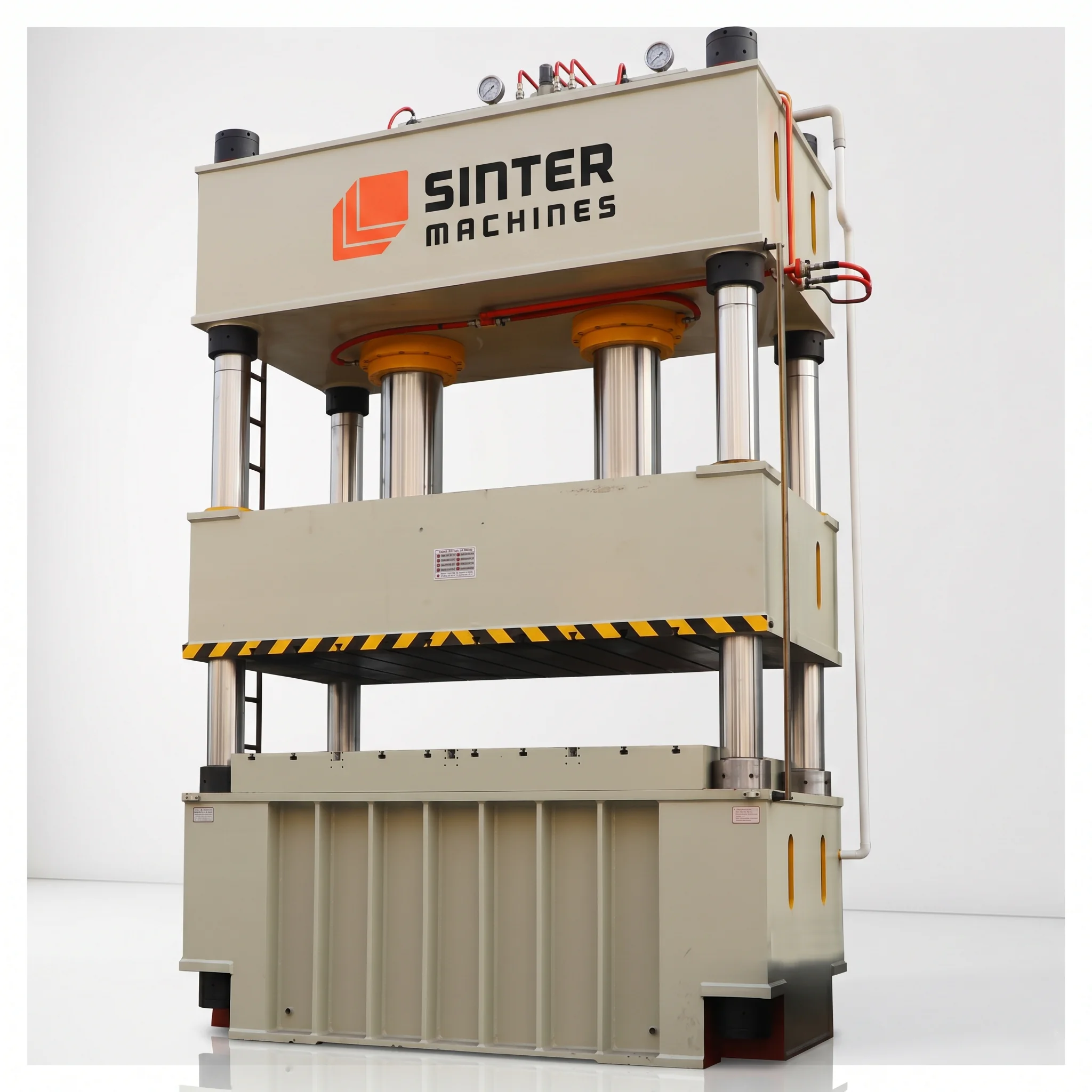
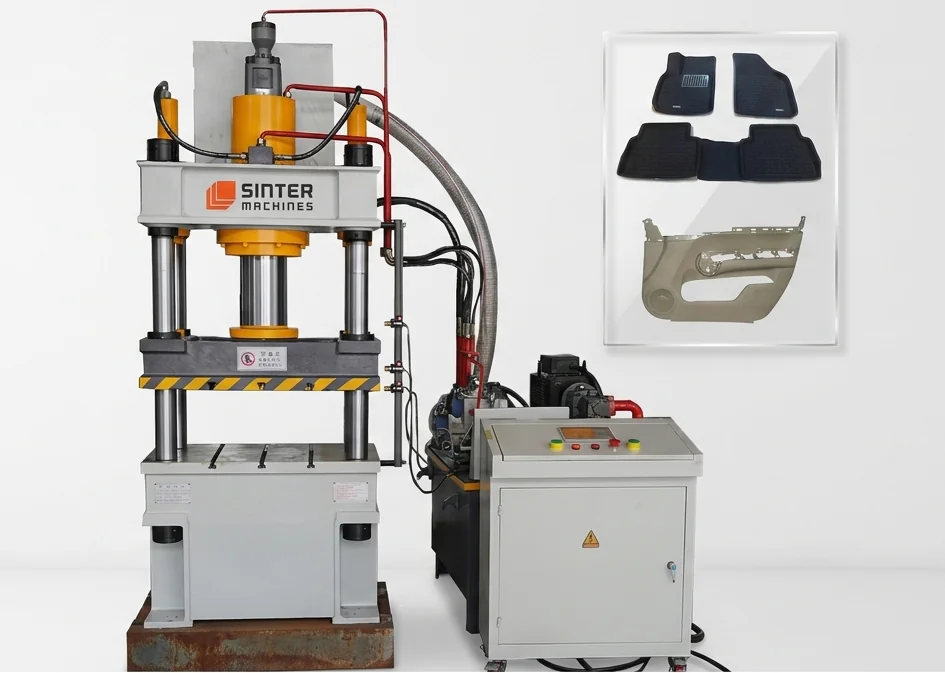
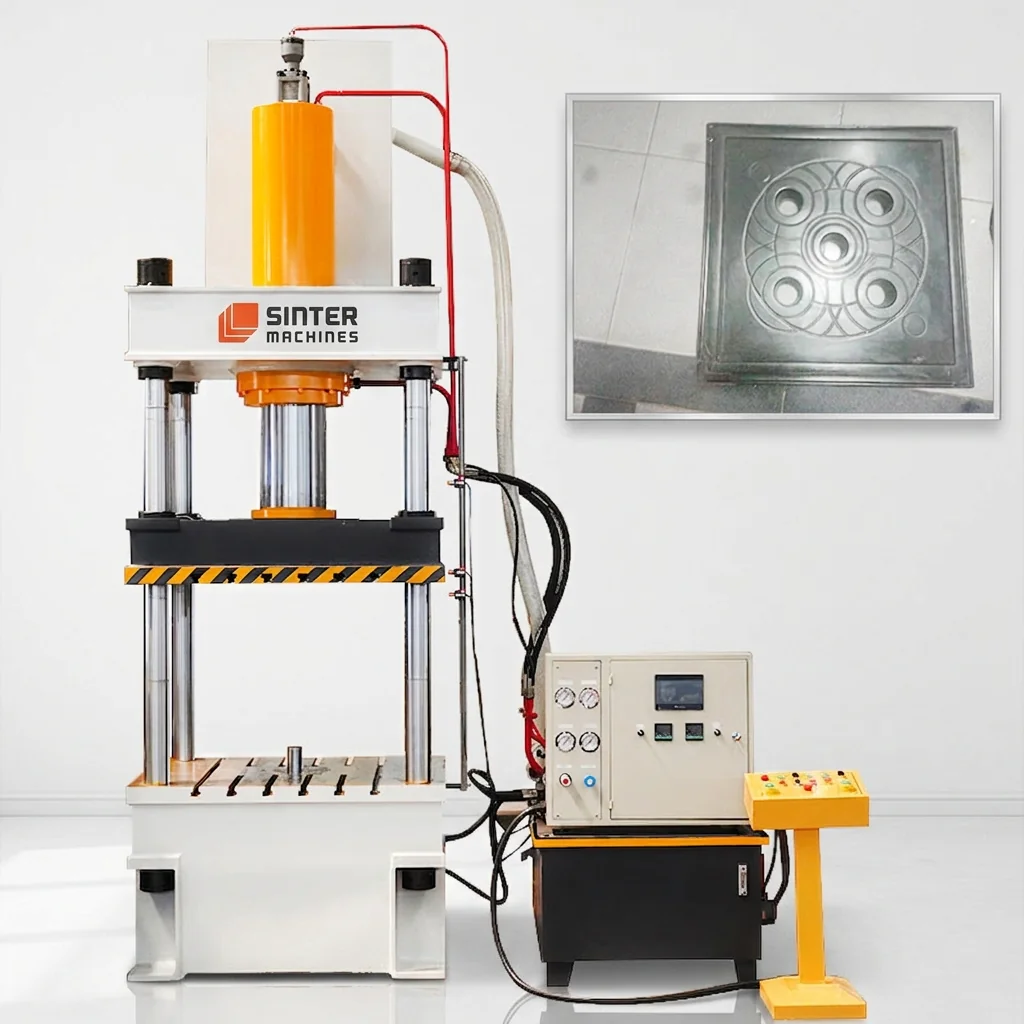
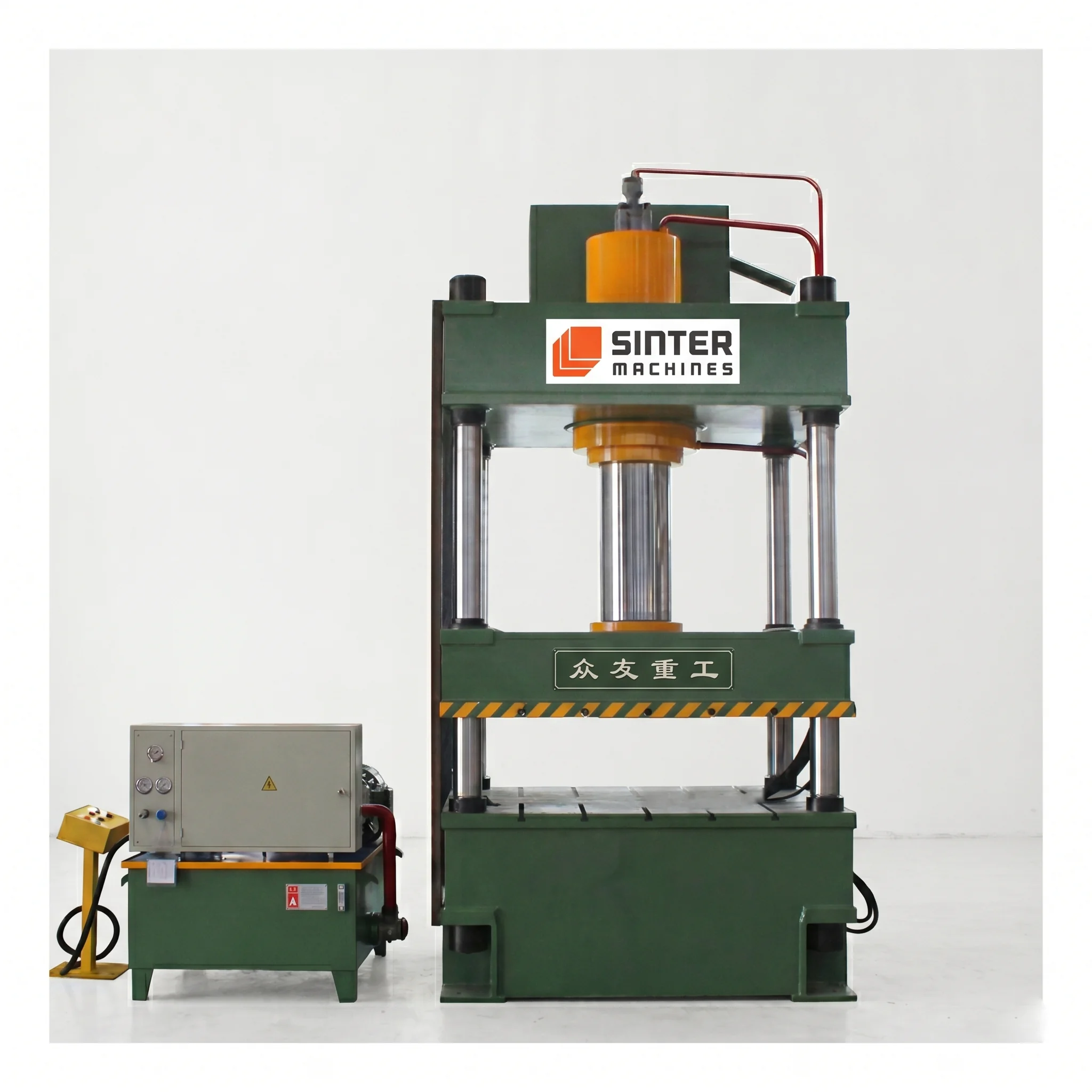
200T Punching & Cutting Body Press press view 1
Punching and Cutting Body · Hydraulic Press Machine

200 Ton Four Pillar Hydraulic Press for Punching and Cutting Automotive Body Panels

200T Rated Capacity
100 mm/s Slider Down Speed
7–18 mm/s Slider Pressing Speed
90 mm/s Slider Return Speed

01 — Press System

200 Ton Four Pillar Hydraulic Press Machine

The 200-ton four-column hydraulic press provides a highly reliable, precise manufacturing solution engineered for continuous punching and trimming operations. This system integrates high-tonnage stamping power with robust structural guidance to deliver clean cuts, long tooling life, and seamless automated line compatibility.

Use Case

Automotive structural and body components require high-accuracy punching, slotting, and edge trimming to prepare sheet metal for robotic welding and assembly. The press system maintains exceptionally tight dimensional tolerances across high-volume production batches while processing high-strength structural materials.

Core Applications: High-speed component punching, structural slotting, perimeter edge trimming, panel blanking, and part preparation for automated automotive assembly lines.

Material: High-strength automotive steels, cold-rolled carbon steel sheets, dual-phase galvanized alloys, and lightweight structural aluminum sheets.

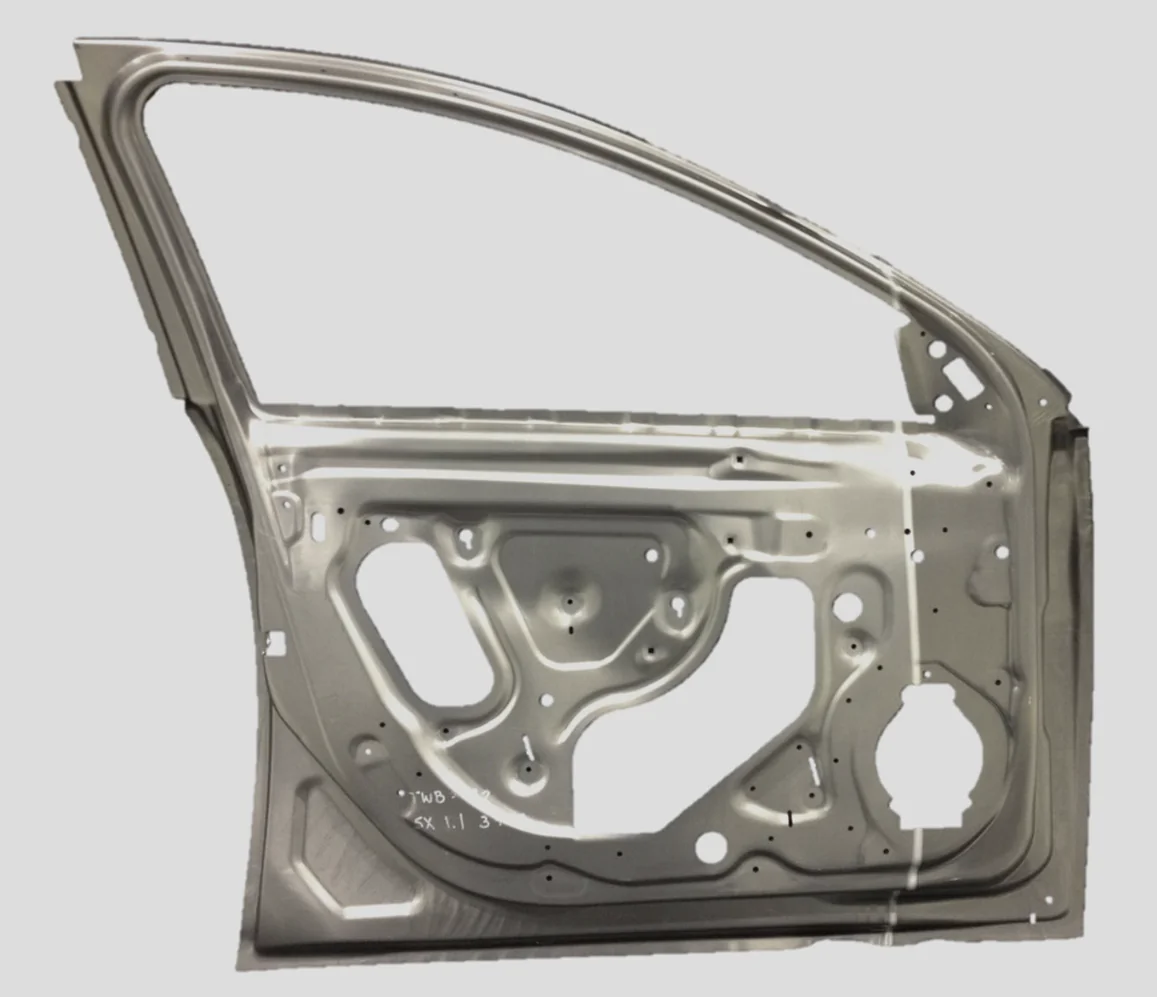
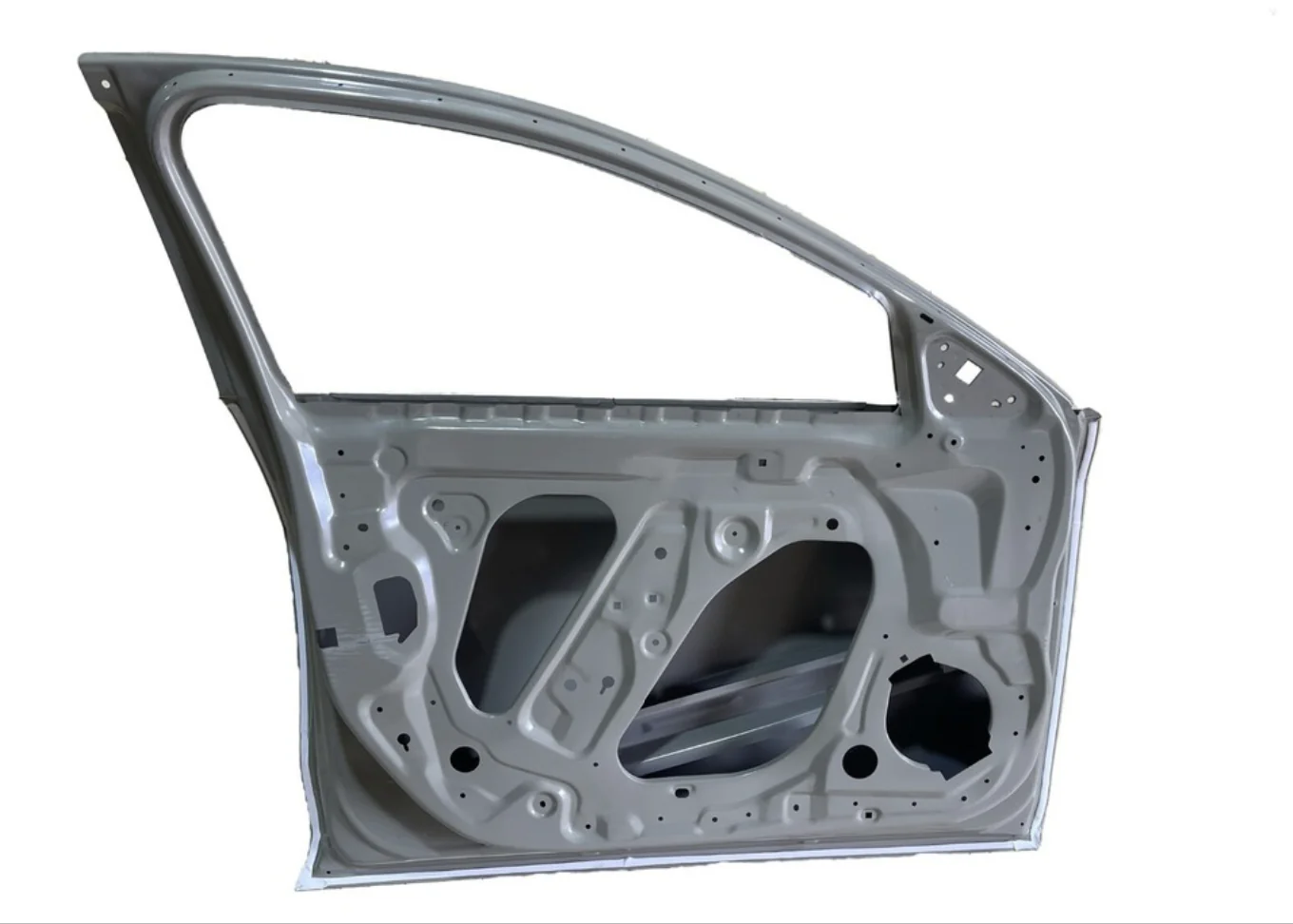
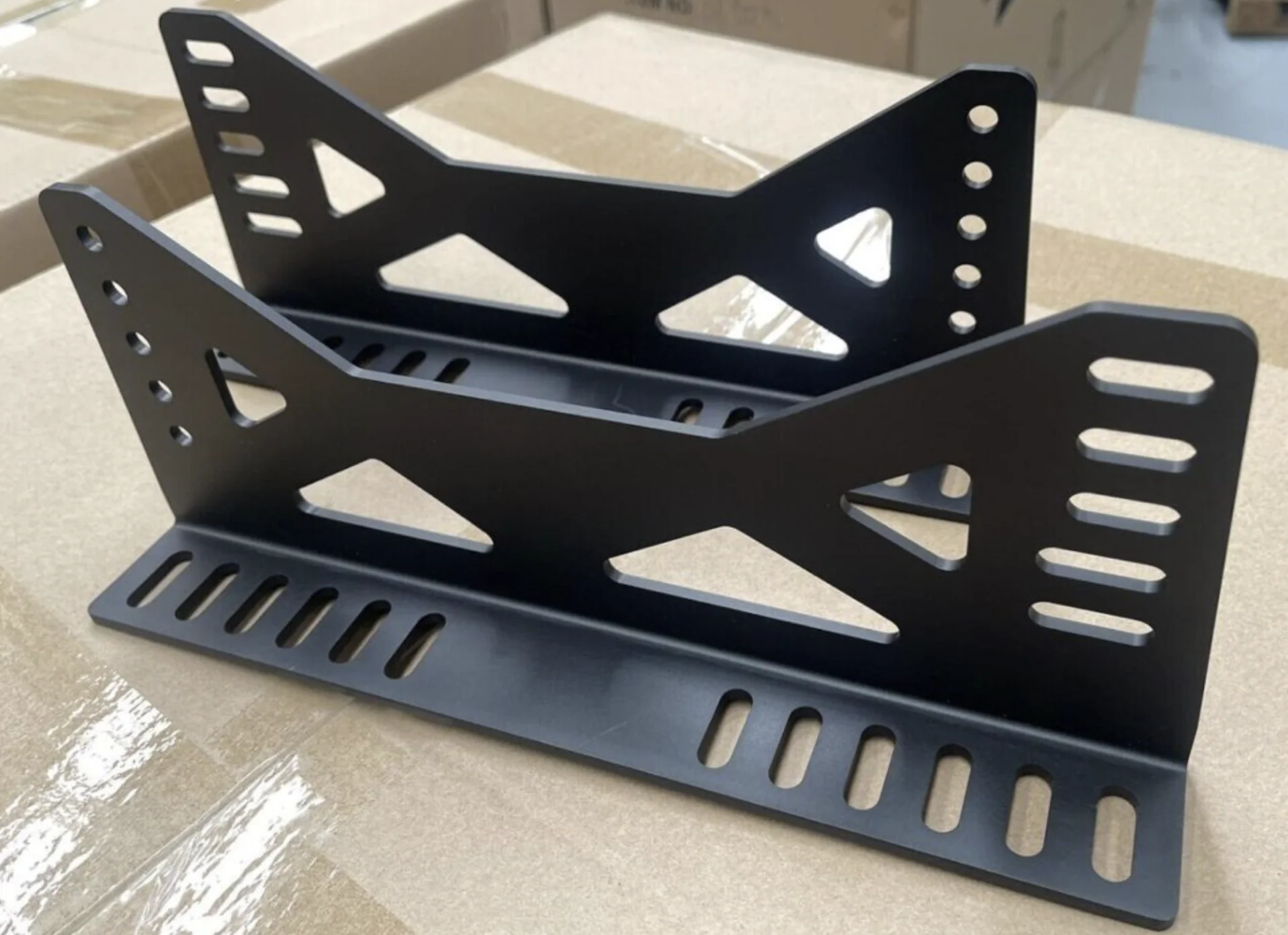
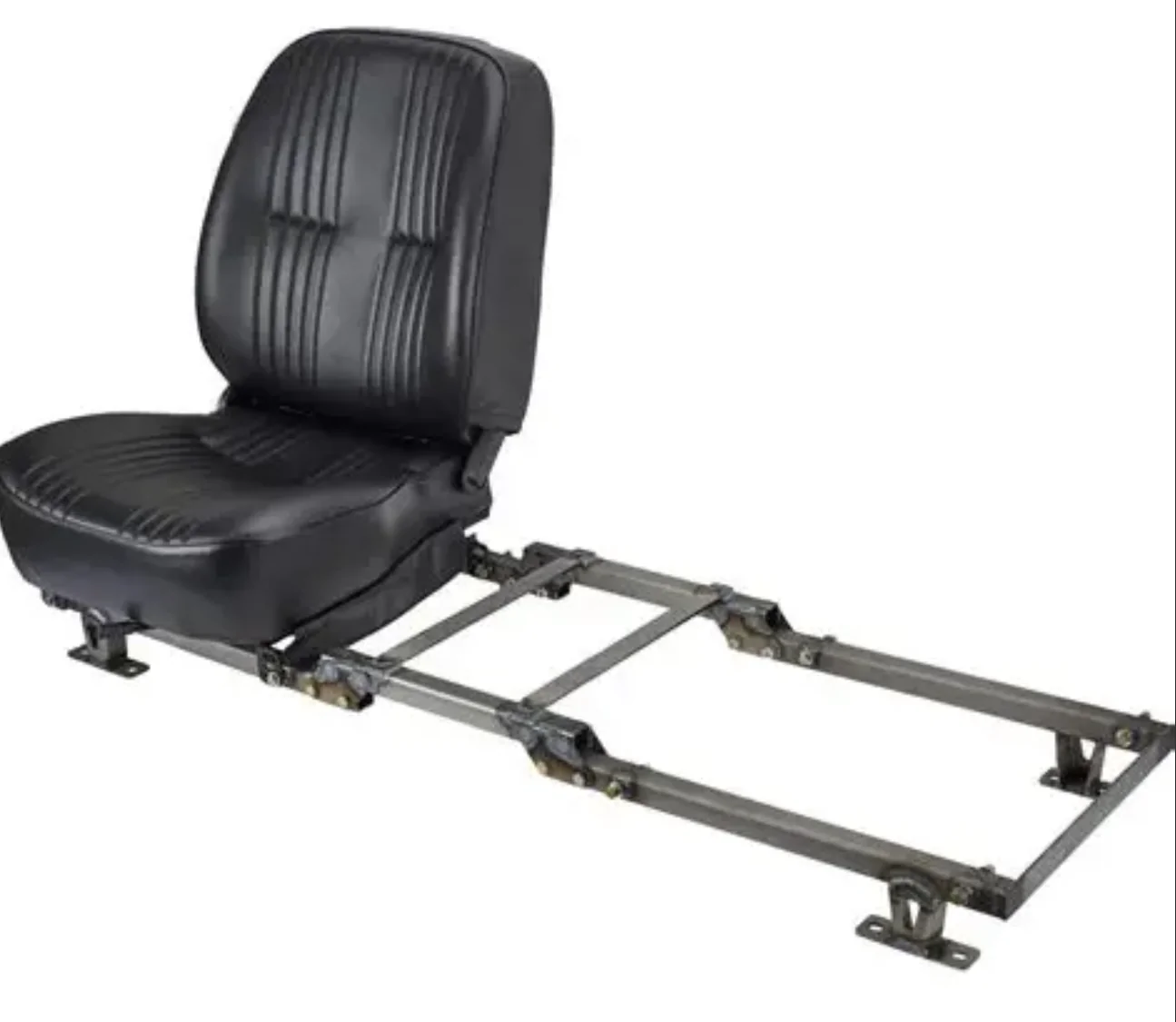
Typical Products Formed: Automotive body panels, chassis mounting brackets, reinforced structural frames, door inner pillars, seat rails, and electrical containment enclosures.

Key Functions: Supplies high-impact shearing forces, executes multi-hole punch patterns simultaneously, controls punch penetration depth, and dampens breakthrough structural shocks during breakthrough cutting operations.

Why 200-Ton Hydraulic Press?: It supplies the optimal tonnage required to pierce tough, high-tensile automotive alloys effortlessly, while its rigid four-pillar guidance eliminates slide tilting to protect complex multi-cavity punching dies from uneven wear.

02 — Technical Specifications

SM 200 HP – HYDRAULIC PRESS MACHINE COMPLETE TECHNICAL DATA

The SM 200 HP hydraulic press machine incorporates an ultra-rigid four-column architecture engineered specifically for the high-impact demands of automotive blanking and shearing. This comprehensive technical data profile provides the precise stroke positioning, swift cycle speeds, and breakthrough shock absorption necessary to deliver clean, burr-free structural panels.

Technical Data

Capacity: Nominal press force rating of 200 ton

Structural Design: Heavy duty stress relieved four pillar construction

Frame Type: Rigid upright pillar structural geometry

Hydraulic System: High speed variable displacement axial piston pump architecture

Main Ram Stroke: Maximum linear travel distance of 400 mm

Working Hydraulic Pressure: Continuous operational fluid limit of 230 bar

Daylight Gap: Maximum vertical open window height of 700 mm

Approach Speed: Rapid downward advance rate of 220 mm/Sec

Pressing / Drawing Speed: High velocity precision punching and cutting rate from 15 to 30 mm/Sec

Return Speed: Accelerated upward retract velocity of 180 mm/Sec

Bed / Platen Size Platen: Total structural table footprint of 1100 mm by 1000 mm

Columns: Four solid induction hardened steel pillars measuring 130 mm diameter

Working Envelope: Total internal processing volumetric clearance area of 1100 mm by 1000 mm by 700 mm

Control System: Central programmable logic controller integrated with real time touchscreen human machine interface

Main Motor Power: High efficiency heavy duty electric drive rated at 30 kW

Valves & Hydraulics: Manifold block assembly equipped with fast acting proportional control and anti shock breakthrough valves

Automation: Integrated scrap conveyor system and automatic sheet feeder loading interface linkage

Safety Features: Dual hand touch control buttons, digital safety light curtains, and automatic hydraulic pressure relief protection valves

SM 200 HP — Model Specifications

  • Nominal Force: 2000 KN
  • Maximum Hydraulic Pressure: 25 MPa
  • Max Opening Height of the Slider: 900 mm
  • Max Stroke of the Slider: 600 mm
  • Effective Bed Size: 800 × 800 mm
  • Slider Down Speed: 100 mm/s
  • Slider Pressing Speed: 7–18 mm/s
  • Slider Return Speed: 90 mm/s
  • Ejector Cylinder Nominal Force: 200 KN
  • Stroke of the Ejection Cylinder: 200 mm
Production Case Study

Punching and Cutting Automotive Body Panels Production Line

1.0 – 3.0 mmThickness
1000 × 800 mmSheet size
5–15 secondsCycle time
720-850 PartsOutput/Hour
Edge burrs completely minimized
Scrap rates lowered
Micro cracking eliminated
Production throughput maximized
Dimensional tolerances perfected
Operational uptime optimized
Tooling wear reduced

03 — Die / Mold System

Punching and Cutting Automotive Body Panels Die Mold Engineering

Automotive panel punching and cutting die mold engineering incorporates severe-impact shearing components manufactured to hold tight geometrical dimensions across millions of press hits. The robust configuration utilizes specialized shock-absorbing springs and matrix layouts to guarantee burr-free part edges without localized fracture lines.

Technical Specifications (Tooling)

Die Type

  • Heavy duty progressive punching and perimeter trimming die set
  • Multi station automotive blanking and secondary piercing tooling assemblies

Die Materials

  • Premium shock resistant cold work alloy tool steel grade D2 for cutting inserts
  • High toughness wear resistant tool steel grade vanadium enriched M2 for punches

Tool Configuration and Construction

  • Precision four column linear ball bearing guided die shoe matrix
  • Modular quick change block inserts allowing single component repair and rapid size adjustments

Key Tooling Features

  • High pressure mechanical nitrogen gas spring strippers for rapid sheet metal release
  • Built in scrap shedding channels and automated slug ejection drop chutes

Alignment Accuracy

  • Punch and die shearing clearance concentricity alignment maintained within 0.015 mm
  • Guide post vertical travel tracking parallelism within 0.005 mm

Materials Formed

  • High strength dual phase automotive steel up to 2.5 mm thickness
  • Cold rolled carbon steel sheets and lightweight structural aluminum alloy grades

Surface Finish

  • Precision ground cutting face flatness under 0.4 micrometers Ra
  • Hard chemical vapor deposition titanium aluminum nitride coating on high stress punches

Tool Life

  • Expected lifetime performance of 3000000 total production cycles
  • Cutting edge sharpening maintenance required every 300000 production cycles
Case Study (Die Performance)

Punching and Cutting Automotive Body Panels Die Mold

D 2 Alloy SteelDie Material
Vacuum HardeningHeat Treatment
60-62Hardness
Die lifespan maximized
Edge burrs eliminated
Scrap rates minimized
Punch wear reduced
Micro-cracking completely prevented
Sharpening downtime lowered
Dimensional accuracy perfected

04 — Product Application

Where Precision Automotive Body Panels Are Used

Precision punched and cut automotive body panels deliver the exact geometric tolerances, clean edges, and structural integrity required for modern vehicle assembly. They ensure flawless fitment during high-speed robotic welding and provide critical impact resistance to protect passengers during collisions.

Industry Applications

Passenger Vehicles and Commercial Fleet Assembly

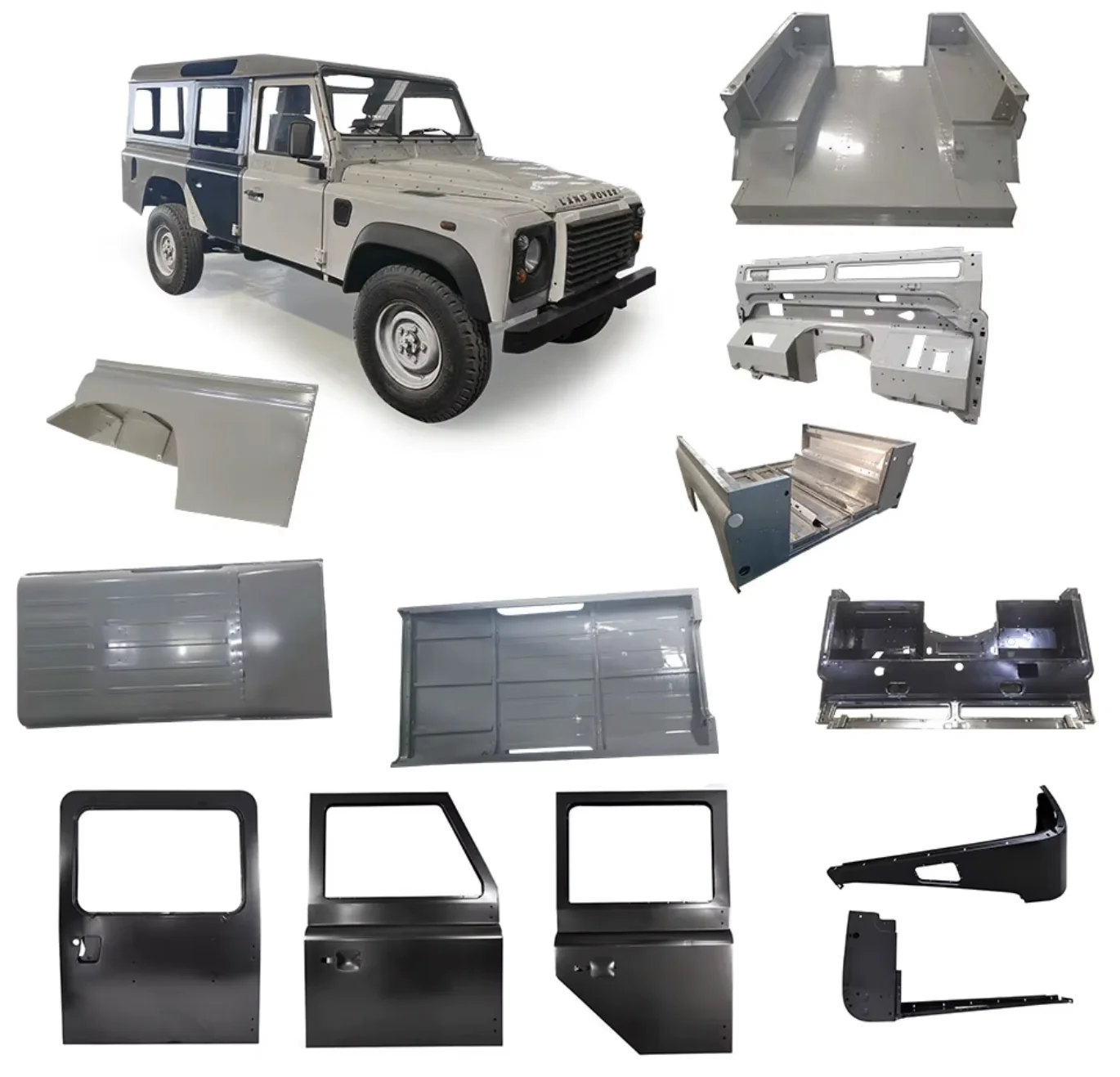
Exterior door skins, hoods, roof panels, and structural floor pans are mass produced using high-precision stamping lines for consumer automotive manufacturers. These components provide the aerodynamic shaping and structural skeleton required for modern fuel-efficient sedans, sport utility vehicles, and logistics trucks.

Electric Vehicle Architecture and Battery Enclosures

Lightweight aluminum body reinforcements, specialized motor mounts, and protective battery pack containment frames are stamped to meet strict weight-reduction targets. The precise hole punching allows for flawless integration of cooling lines and secure cell-module bolting without risking structural deformation.

Heavy Transport and Agricultural Machinery Cabins

Reinforced structural brackets, engine firewalls, and heavy-gauge cabin panels are integrated into long-haul semi-trucks, tractors, and combine harvesters. These heavy-duty components withstand continuous vibrational stress, off-road impacts, and harsh environmental exposure without loosening or developing micro-fractures.

Automotive Aftermarket and Crash Repair Supply

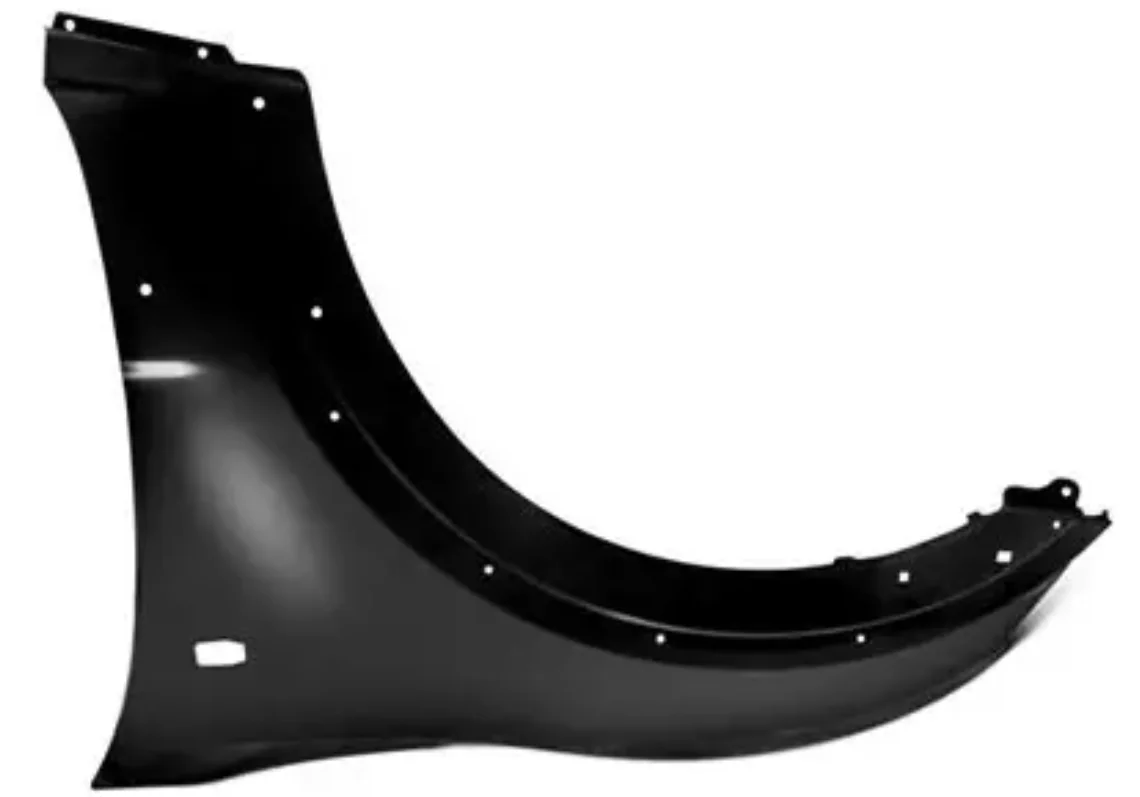
Direct-fit replacement fenders, quarter panels, and bumper reinforcement brackets are distributed across global collision repair networks and logistics warehouses. Maintaining tight tolerances ensures these components align perfectly with original factory mounting points, reducing installation labor hours for technicians.

Finished Product Gallery

05 — Key Advantages

Why Choose the 200-Ton Sinter Hydraulic Press

The 200-Ton Sinter Hydraulic Press delivers the high-impact cutting force and rigid frame stability required to process tough automotive steels with minimal tool wear. It combines fast cycle speeds with precise breakthrough shock dampening to maximize automated line throughput and minimize structural component scrap rates.

01

Integrated Breakthrough Shock Dampening to Protect Tooling

The hydraulic system features fast-acting relief valves that absorb the sudden structural shock generated when the punch pierces high-tensile sheet metal. This critical dampening action prevents machine frame fatigue and protects complex cutting dies from premature cracking.

02

Rigid Four-Column Architecture for Minimal Edge Burrs

The robust four-pillar alignment maintains absolute geometric parallelism between the upper punch slide and lower die bed under heavy impact forces. Eliminating lateral slide tilting prevents uneven cutting clearances, resulting in perfectly clean, burr-free panel perimeters.

03

Multi-Stage Programmable Stroke for High-Speed Piercing

The intelligent control valves allow operators to configure distinct approach, punch, and retract speeds for varied automotive panel thicknesses. This customizable speed profiling optimizes cycle timing, accelerating output without sacrificing the geometric accuracy of the cut.

04

Consistent Pressure Repeatability for Flawless Robot Fitment

The digital PLC system precisely replicates the pre-set tonnage parameters across massive, continuous automotive production runs. This rigorous force consistency ensures every mounting hole, slot, and trimmed edge matches tight blueprints required for down-line robotic assembly.

05

Linear Force Application to Extend Shearing Edge Life

Unlike conventional mechanical stamping presses, the hydraulic cylinder applies steady, controlled pressure throughout the cutting stroke. This uniform force distribution reduces friction and localized heat buildup, doubling the lifespan of expensive D2 and M2 steel inserts.

06

Minimized Material Edge Rejections for Enhanced Profitability

Eliminating manufacturing defects like micro-cracking, tearing, and severe edge deformation dramatically lowers the rejection rate of raw steel blanks. Maximizing total usable component yield directly reduces commercial material waste, driving down the overall cost per panel.